Greek Grilled Chicken Kabobs
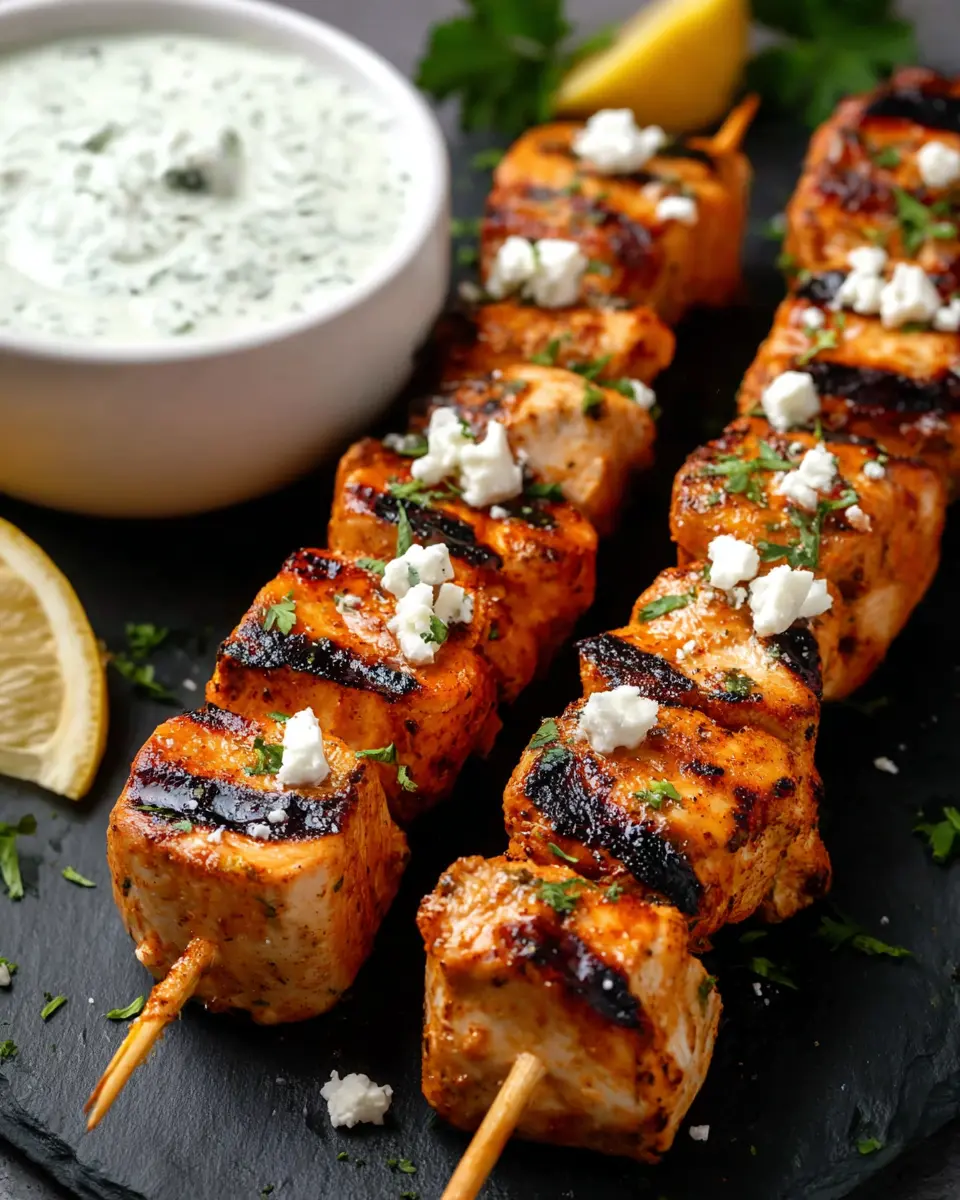
Greek grilled chicken kabobs are a quick, juicy, flavor-packed dinner that delivers reliable grilling results and a fresh Mediterranean finish.
This dish is perfect for weeknights, cookouts, or making ahead for summer meals, offering a delightful alternative to standard grilled chicken.
Why You Will Love This Recipe
- Quick Preparation: These kabobs can be on your table in under an hour, making them ideal for busy evenings.
- Tender, Juicy Chicken: The yogurt-based marinade ensures the chicken remains incredibly moist and flavorful.
- Classic Mediterranean Flavors: A harmonious blend of lemon, garlic, and oregano creates an authentic Greek taste.
- Versatile Serving: Delicious served with a variety of sides, these kabobs fit perfectly into any meal occasion.
- Impressive Yet Easy: The presentation is elegant, but the preparation is wonderfully straightforward for home cooks.
Ingredients You Need
The quality of your ingredients significantly impacts the final flavor of these Greek grilled chicken kabobs. Opting for fresh, vibrant components will elevate the dish from good to truly exceptional. Ensuring you have a good quality olive oil and fresh herbs will make a noticeable difference in the overall taste and aroma. The yogurt marinade is the secret to tender chicken, so choose a full-fat, plain variety for the best results.
Greek Grilled Chicken Kabobs
Greek grilled chicken kabobs are a quick, juicy, flavor-packed dinner with a creamy lemon-garlic marinade, reliable grilling results, and a fresh Mediterranean finish that works beautifully for weeknights, cookouts, or make-ahead summer meals. These kabobs are especially good with warm pita or flatbread, a crisp Greek salad, or hummus and rice or roasted potatoes.
- 2 pounds boneless, skinless chicken breasts, cut into 1-inch cubes
- 1/2 cup full-fat plain Greek yogurt
- 2 tablespoons red wine vinegar
- 1/4 cup olive oil
- 4 garlic cloves, finely minced
- 3 tablespoons freshly squeezed lemon juice
- 1 teaspoon grated lemon zest
- 1 1/2 teaspoons dried oregano
- 1/2 teaspoon paprika
- 1/2 teaspoon freshly ground black pepper
- 1 1/2 teaspoons kosher salt
- Tzatziki sauce, for serving
- Crumbled feta cheese, for serving
- Chopped fresh parsley, for serving
- 1Cut the chicken breasts into 1-inch pieces and place them in a large resealable bag, mixing bowl, or shallow dish.
- 2In a medium mixing bowl, whisk together the Greek yogurt, minced garlic, olive oil, lemon zest, lemon juice, red wine vinegar, oregano, paprika, kosher salt, and black pepper until the mixture is smooth and fully blended.
- 3Pour the marinade over the chicken and toss thoroughly so each piece is evenly coated. If using a resealable bag, seal it securely after pressing out as much air as possible, then gently move the chicken around inside the bag to distribute the marinade.
- 4Transfer the chicken to the refrigerator and allow it to marinate for at least 30 minutes, or for as long as 4 hours for deeper flavor.
- 5If using wooden skewers, soak them in water for no less than 20 minutes before grilling to help prevent scorching.
- 6Remove the chicken from the marinade and thread the pieces onto the skewers, using roughly 4 ounces of chicken per skewer. Discard any excess marinade.
- 7Heat the grill to medium-high. A grill pan may also be used on the stovetop. Lightly oil the grill grates or grill pan to help keep the kabobs from sticking.
- 8Place the skewers on the hot grill and cook for about 10 minutes, turning every couple of minutes so the chicken cooks evenly and becomes fully done throughout.
- 9Arrange the cooked kabobs on a serving platter. Finish with crumbled feta and chopped parsley, then serve warm with tzatziki sauce.
Keywords: Greek Grilled Chicken Kabobs, grilled chicken, chicken skewers, Mediterranean
- chicken breast: the lean, hearty base for your kabobs, cut into uniform cubes for even cooking.
- greek yogurt: the star of the marinade, creating a tender texture and holding seasonings beautifully.
- olive oil: a key component for richness and achieving that desirable grilled browning.
- fresh lemon juice and lemon zest: essential for brightness and a lively, zesty character that cuts through richness.
- garlic: provides a pungent, aromatic depth that is fundamental to Mediterranean cuisine.
- red wine vinegar: adds a subtle tang that balances the marinade and enhances the overall flavor profile.
- dried oregano: the quintessential herb for a classic Greek taste, bringing an earthy, aromatic note.
- paprika: contributes a gentle warmth and a hint of color without adding spiciness.
- kosher salt and black pepper: crucial for seasoning, ensuring every piece of chicken is perfectly balanced.
- crumbled feta cheese: a creamy, salty topping that offers a delightful contrast to the grilled chicken.
- fresh parsley: adds a burst of freshness and a vibrant visual appeal to the finished dish.
- tzatziki sauce: the ultimate cool, creamy accompaniment that ties all the flavors together beautifully.
Exact quantities for each ingredient can be found within the provided recipe card for precise preparation.
Variations
Elevating these Greek grilled chicken kabobs can be as simple as exploring different flavor profiles and dietary accommodations. The inherent versatility of the skewer format allows for creative adaptations that cater to a wider range of tastes and needs. Consider how to infuse new ingredients or adjust existing ones to create entirely new experiences with this beloved recipe.
For a vibrant vegan twist, you can swap the chicken for firm tofu or substantial chunks of halloumi cheese, though halloumi is not vegan. Marinate these alternatives in a similar lemon-herb mixture, perhaps enhanced with a touch of smoked paprika for depth. Tofu will readily absorb the marinade, while halloumi will grill up with a delightful squeaky texture and slightly charred exterior. Serve these plant-based skewers with a generous dollop of vegan tzatziki made from almond or coconut yogurt.
A low-carb adaptation is also wonderfully achievable. Instead of serving with traditional sides like rice or pita, focus on fresh vegetables that complement the Greek flavors. Bell peppers, zucchini, red onions, and cherry tomatoes are excellent choices for threading onto the skewers alongside the marinated chicken. These vegetables will grill beautifully, adding color, texture, and nutrients to the meal. A side of cauliflower rice or a large Greek salad without the croutons would make for a satisfying, carb-conscious accompaniment.
Furthermore, you can introduce a spicy kick to your kabobs by adding a pinch of red pepper flakes to the marinade. For an extra layer of herbaceousness, consider adding fresh dill or mint to the marinade or as a garnish. If you enjoy a smoky flavor, a touch of liquid smoke in the marinade can impart a barbecue-like essence. These subtle additions can transform the familiar taste of Greek grilled chicken into something new and exciting, perfect for adventurous palates.
How to Prepare Greek grilled chicken kabobs
Step 1: Preparing the Chicken for Marinade
Begin by selecting fresh, boneless, skinless chicken breasts for the best texture and flavor. Using a sharp knife, carefully cut the chicken breasts into uniform, bite-sized cubes, approximately 1-inch in size. Uniformity is key here, as it ensures that all pieces of chicken will cook at the same rate on the grill, preventing some from becoming overcooked and dry while others remain undercooked.
Place the cubed chicken into a large, resealable plastic bag or a non-reactive bowl. This will be the vessel for marinating, allowing the flavors to deeply penetrate the meat. Ensure the container is large enough to hold all the chicken comfortably and allows for easy tossing to coat each piece thoroughly with the marinade. Having the chicken ready in its marinating container sets the stage for the next crucial step of creating the aromatic dressing.
The goal at this initial stage is simply to prepare the protein. Avoid any additional seasoning at this point, as all the flavor will come from the expertly crafted marinade that will soon be introduced. Proper preparation now will lead to perfectly cooked, flavorful kabobs later, making this step foundational to the entire recipe’s success. It’s a straightforward process that demands attention to detail regarding size and uniformity.
Step 2: Crafting the Flavorful Greek Marinade
In a medium-sized mixing bowl, combine the ingredients for the exquisite Greek marinade. Start with the full-fat plain Greek yogurt, which acts as the tenderizing base and helps the other seasonings adhere beautifully to the chicken. Add the rich olive oil, which contributes moisture and aids in achieving a lovely char on the grill, alongside the bright, zesty notes of freshly squeezed lemon juice and finely grated lemon zest.
Next, incorporate the pungent, finely minced garlic cloves, which provide an essential aromatic foundation. Introduce the subtle tang of red wine vinegar, the classic herbal essence of dried oregano, and a touch of warm paprika for color and gentle flavor. Finally, season generously with kosher salt and freshly ground black pepper, ensuring a well-balanced flavor profile that will infuse the chicken deeply. Whisk all these components together vigorously until the mixture is completely smooth, creamy, and well-emulsified, creating a luscious dressing.
This step is where the magic truly happens, transforming simple ingredients into a powerful flavor enhancer. The synergy of yogurt, citrus, garlic, and herbs creates a complex and inviting aroma. Take a moment to appreciate the texture and fragrance of the marinade; it should be thick enough to cling to the chicken without being too watery. This consistency is vital for ensuring even coating and optimal flavor infusion, setting the stage for truly delicious kabobs.
Step 3: Marinating the Chicken
Pour the prepared Greek marinade over the cubed chicken in the resealable bag or bowl. Using your hands (if using a bowl) or by gently manipulating the bag, toss the chicken thoroughly until every single piece is completely coated with the creamy, flavorful marinade. Ensure there are no dry spots; a good coating is essential for maximum flavor penetration and tenderization.
Once the chicken is fully immersed in the marinade, seal the bag, pressing out as much air as possible to prevent freezer burn if you plan to freeze any portion, or simply to keep it fresh. If using a bowl, cover it tightly with plastic wrap. Transfer the marinating chicken to the refrigerator. Allow it to marinate for at least 30 minutes. For a more intense flavor, you can marinate it for up to 4 hours; longer marination beyond this point might start to break down the chicken’s texture due to the acidity of the lemon and vinegar.
The marinating process is critical for infusing the chicken with the signature Greek flavors and ensuring its tenderness. The yogurt’s acidity gently breaks down the meat’s proteins, while the olive oil and lemon juice add moisture and brightness. This resting period allows the herbs and garlic to work their magic, creating a depth of flavor that will be evident in every single bite. Resist the urge to rush this step, as patience here pays off handsomely.
Step 4: Skewer Assembly
If you are using wooden skewers, which are a popular choice for their affordability and ease of use, it is imperative to soak them in water for at least 20 to 30 minutes before you begin assembling the kabobs. This soaking process helps to prevent the wooden skewers from scorching or catching fire on the hot grill, ensuring they hold up throughout the cooking process. You can soak them in a deep pan or even your sink filled with water.
Once the skewers are ready, remove the marinated chicken from the refrigerator. Take the chicken cubes from the marinade, allowing any excess marinade to drip off slightly before threading them onto the skewers. Aim to thread the chicken pieces evenly, leaving a small amount of space between each cube. This spacing is important because it allows the heat from the grill to circulate effectively around each piece of chicken, promoting even cooking and encouraging better charring and browning on all sides.
Fill each skewer with a generous but not overly packed amount of chicken. You don’t want to cram too many pieces onto one skewer, as this can lead to uneven cooking and make them difficult to turn. Generally, about 4-5 pieces of chicken per skewer is a good guideline. The visual appeal of uniformly packed skewers adds to the overall presentation, making these kabobs look as good as they taste. Discard any remaining marinade; it should not be used after coming into contact with raw chicken.
Step 5: Grilling the Kabobs
Preheat your outdoor grill or a grill pan on the stovetop to medium-high heat. Ensure the grill grates or the surface of the grill pan are clean. Lightly oil the grill grates or the pan using a paper towel dipped in oil and held with tongs. This crucial step helps prevent the chicken kabobs from sticking to the hot surface, which can ruin their appearance and make them difficult to handle.
Once the grill is hot and lightly oiled, carefully place the assembled chicken kabobs onto the grill. You should hear a satisfying sizzle as the chicken makes contact with the heat. Place them down so they lay flat and evenly. Avoid overcrowding the grill; cook in batches if necessary to ensure proper heat circulation and allow for easy turning of the skewers. This ensures each side gets adequate exposure to the direct heat.
The initial placement on the hot grill is important for achieving those desirable grill marks and a nicely seared exterior. Let the kabobs cook undisturbed for the first few minutes to allow a crust to form. This searing process locks in the juices and creates a delightful texture contrast between the crispy exterior and the tender interior. Getting this sear right is a hallmark of perfectly grilled kabobs, making the effort worthwhile for both flavor and visual appeal.
Step 6: Achieving Perfect Doneness
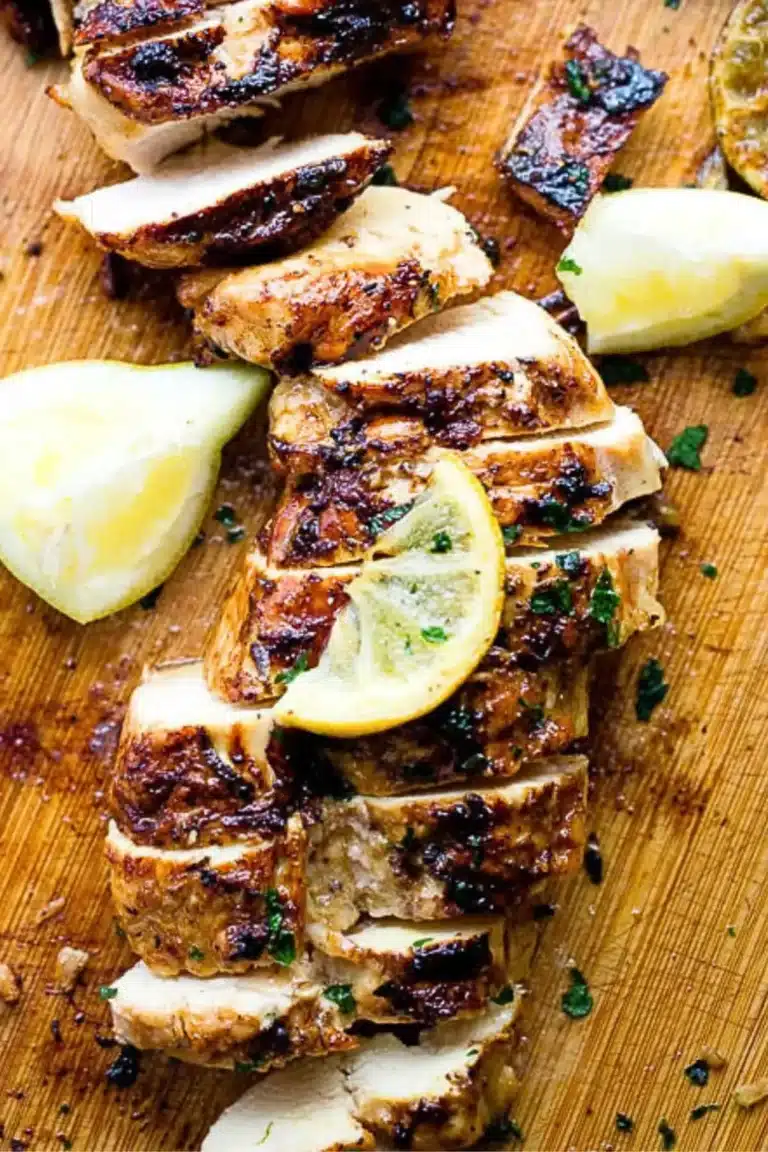
Cook the Greek grilled chicken kabobs for approximately 10 minutes in total, turning them every couple of minutes to ensure even cooking on all sides. The goal is to achieve a beautiful golden-brown exterior with appealing grill marks, while ensuring the chicken is cooked through and remains wonderfully juicy on the inside. Consistent turning is key to preventing any one side from burning while other sides remain undercooked.
To check for doneness, you can cut into one of the larger pieces of chicken; it should be opaque all the way through with no pinkness remaining. Alternatively, and more reliably, use an instant-read meat thermometer. The internal temperature of the chicken should reach 165°F (74°C). This ensures the chicken is safely cooked while still maintaining its succulence. Overcooking can lead to dry, tough chicken, so monitoring the temperature is highly recommended for optimal results.
Once the kabobs have reached the desired doneness, carefully remove them from the grill using tongs. Transfer the cooked kabobs to a clean platter. It is beneficial to let them rest for a few minutes before serving. This resting period allows the juices to redistribute throughout the chicken, ensuring maximum moisture and tenderness in every bite. The slight charring adds a smoky depth that perfectly complements the bright, herbaceous marinade. Enjoy the aroma and anticipation of a delicious meal.
Step 7: The Finishing Touches
After the kabobs have rested briefly, it’s time to add the final, vibrant touches that truly define their Greek character. Sprinkle a generous amount of crumbled feta cheese over the hot kabobs. The residual heat will slightly soften the feta, allowing its salty, creamy essence to meld beautifully with the warm chicken. Feta provides a delightful salty counterpoint that is characteristic of Greek cuisine and incredibly satisfying.
Next, scatter freshly chopped parsley over the top of the kabobs. The bright green herb adds a burst of freshness and a pop of color, making the dish visually appealing and aromatically inviting. The clean, slightly peppery flavor of parsley cuts through the richness of the chicken and feta, balancing the overall taste profile. This combination of feta and parsley is a classic pairing that elevates the kabobs to a new level of deliciousness.
These final additions are not just for aesthetics; they contribute significantly to the overall flavor experience. The textural contrast between the tender chicken, the creamy feta, and the fresh parsley is delightful. Together, these elements create a harmonious and satisfying dish that is both beautiful and incredibly tasty, ready to be enjoyed by everyone at your table. The presentation is now complete, signaling that the culinary journey is at its peak.
Step 8: Serving and Enjoyment
Present the Greek grilled chicken kabobs immediately while they are still warm and fragrant. The visual appeal of the slightly charred chicken adorned with crumbled feta and fresh parsley is sure to entice your guests. The aroma alone, a delightful blend of grilled meat, herbs, and lemon, is enough to awaken the appetite and signal a truly satisfying meal.
Serve the kabobs with a generous side of cool, creamy tzatziki sauce. This traditional Greek yogurt-based dip, often flavored with cucumber, garlic, and dill, provides a refreshing contrast to the warm, savory chicken. The cool tang of the tzatziki beautifully complements the smoky, herbaceous notes of the kabobs, creating a perfect balance of flavors and temperatures. It is the quintessential accompaniment that brings the entire dish together.
Encourage diners to either dip their kabobs into the tzatziki or drizzle it over the top. This interactive element enhances the dining experience and allows each person to customize their bite. Whether served as a standalone dish or as part of a larger mezze spread, these Greek grilled chicken kabobs are guaranteed to be a crowd-pleaser, embodying the fresh, vibrant spirit of Mediterranean cooking.
Pro Tips for Greek grilled chicken kabobs
Don’t Overcrowd the Skewers: When threading the chicken onto the skewers, ensure there’s a little space between each piece. This allows heat to circulate evenly, promoting better browning and preventing steam buildup, which can make the chicken mushy.
Manage Your Marinade: Always discard any leftover marinade that has been in contact with raw chicken. It’s a food safety essential. If you need more marinade for basting or serving, prepare a separate, fresh batch.
Feta and Parsley Timing is Crucial: Add the crumbled feta cheese and chopped fresh parsley only after the chicken has finished grilling. Adding them too early can cause the feta to melt into an unappealing goo and the parsley to wilt and lose its vibrant freshness.
Resting is Key: Just like with any grilled meat, letting the chicken kabobs rest for a few minutes after taking them off the grill is vital. This allows the juices to redistribute throughout the chicken, ensuring every bite is tender and moist.
Master the Grill Heat: Maintain a medium-high heat on your grill. Too low, and the chicken will steam instead of sear. Too high, and you risk burning the outside before the inside is cooked through. Consistent heat is your friend for perfect char marks.
Serving Suggestions for Greek grilled chicken kabobs
Decoration
A scattering of fresh, vibrant ingredients is key to visually enhancing these Greek grilled chicken kabobs. Before serving, generously sprinkle crumbled feta cheese over the hot skewers. The white, salty crumbles provide a beautiful visual contrast to the golden-brown chicken. Complement this with a liberal dusting of finely chopped fresh parsley. The bright green flecks add a pop of color and a sense of freshness that makes the dish look even more appealing and inviting.
For an extra touch of authentic Greek flair, consider garnishing the platter with a few whole Kalamata olives or thin slices of red onion. These additions not only enhance the visual appeal but also offer complementary flavors and textures. A drizzle of extra virgin olive oil over the top can add a beautiful sheen and a rich, fruity aroma. The goal is to create a presentation that is both rustic and elegant, hinting at the delicious flavors within.
If you are serving these kabobs as part of a larger spread, consider arranging them artfully on a rustic wooden board or a large ceramic platter. Grouping them together and ensuring the garnishes are evenly distributed will create a focal point on your table. The overall presentation should convey freshness, flavor, and the vibrant spirit of Mediterranean cuisine, making your guests eager to dig in.
Side Dishes
These Greek grilled chicken kabobs are incredibly versatile and pair beautifully with a wide array of side dishes that echo their Mediterranean flavors. Warm pita bread or soft flatbread is an almost essential accompaniment, perfect for scooping up any lingering marinade or tzatziki sauce. Its soft texture provides a comforting base for the flavorful chicken and toppings. Consider lightly toasting the pita for a slightly crisped exterior.
A crisp and refreshing Greek salad is another classic pairing that complements the richness of the grilled chicken. A traditional Greek salad typically features tomatoes, cucumbers, red onion, bell peppers, Kalamata olives, and feta cheese, all tossed in a light vinaigrette made with olive oil and red wine vinegar. The vibrant, fresh ingredients provide a wonderful textural and flavorful contrast to the savory kabobs. This combination creates a well-rounded and satisfying meal that feels both light and substantial.
For a heartier option, consider serving the kabobs with traditional Greek accompaniments like lemon-herb roasted potatoes or a fluffy couscous salad. Lemon-infused potatoes offer a warm, comforting element, while couscous provides a light, absorbent base for the delicious juices. Alternatively, a simple side of hummus and warm naan bread can create a delightful mezze-style meal, allowing guests to assemble their own flavorful bites.
Creative Serving Ideas
Transform these Greek grilled chicken kabobs into an interactive dining experience by deconstructing them slightly. Serve the grilled chicken skewers alongside a vibrant spread of mezze. This could include bowls of hummus, baba ghanoush, tzatziki, dolmades (stuffed grape leaves), and a selection of olives and feta cheese. Guests can then build their own plates, combining the chicken with their favorite accompaniments.
Another creative serving idea is to incorporate the grilled chicken into other dishes. Shred the cooked chicken off the skewers and use it as a filling for fresh pita pockets, layering it with shredded lettuce, tomatoes, cucumbers, and extra tzatziki. You could also chop the chicken and toss it with a Greek-inspired grain salad, such as quinoa or farro, mixed with diced cucumbers, tomatoes, red onion, and a lemon-dill vinaigrette.
For a fun, casual gathering, consider a “build-your-own” Greek bowl station. Provide a base of rice, couscous, or mixed greens, then offer the grilled chicken kabobs (either whole or de-skewered) as the protein. Add toppings like chopped tomatoes, cucumbers, olives, feta, pickled red onions, and a selection of dressings like tzatziki or a lemon-oregano vinaigrette. This allows everyone to customize their meal to their exact preferences, making for a memorable and personalized dining experience.
Preparation & Storage
Storing Leftovers
Once the Greek grilled chicken kabobs have been enjoyed, properly storing any leftovers is crucial to maintaining their quality and safety. Allow the cooked kabobs to cool down to room temperature for no more than two hours before storing them. This prevents the growth of harmful bacteria.
For optimal freshness, it is best to remove the chicken pieces from the skewers before storing them. Place the chicken in an airtight container, ensuring it is sealed tightly to prevent air exposure, which can lead to drying out. You can also wrap the chicken tightly in plastic wrap or aluminum foil before placing it in a container. Store the container in the refrigerator.
Leftover cooked chicken kabobs will remain fresh and safe to eat in the refrigerator for approximately 3 to 4 days. Keeping them properly sealed will help preserve their moisture and flavor, making them enjoyable for subsequent meals. Remember to reheat them thoroughly before consuming.
Freezing
If you find yourself with an abundance of cooked Greek grilled chicken kabobs and do not anticipate consuming them within a few days, freezing is an excellent option for long-term storage. Ensure the chicken has completely cooled to room temperature before proceeding with the freezing process.
To freeze, remove the chicken from the skewers and portion it into individual servings or family-sized portions as desired. Place the chicken in a freezer-safe airtight container or a heavy-duty freezer bag. Press out as much air as possible from the bag before sealing it to prevent freezer burn, which can affect the texture and flavor of the chicken.
Properly frozen cooked chicken kabobs can maintain their quality for up to 2 months. Label the container or bag with the date of freezing to help you keep track of its freshness. Freezing is a fantastic way to have delicious, pre-cooked Greek chicken ready to be used in meals at a later time, saving you preparation effort.
Reheating
Reheating leftover Greek grilled chicken kabobs requires a gentle approach to ensure the chicken remains moist and tender, rather than becoming dry or tough. The best method often depends on how you plan to use the reheated chicken.
For best results, gently reheat the chicken in a skillet over medium-low heat. Add a tablespoon of olive oil or a splash of chicken broth to the skillet to help create steam and keep the chicken moist as it warms. Stir occasionally until the chicken is heated through. Alternatively, you can reheat the chicken in the oven, loosely covered with foil, at around 300°F (150°C) until warm.
If you are in a hurry, the microwave can be used, but exercise caution. Reheat in short bursts of 30-60 seconds, stirring in between, until the chicken is thoroughly warm. Adding a small spoonful of tzatziki or a bit of olive oil after reheating can help revive moisture and flavor. The goal is to warm the chicken without overcooking it, thus preserving its delicious texture and taste.
Frequently Asked Questions
-
Can I use chicken thighs instead of chicken breast for this recipe?
Absolutely! Chicken thighs are an excellent substitute for chicken breast in this Greek grilled chicken kabob recipe. They tend to be more forgiving on the grill, staying juicier and more tender even if they cook a minute or two longer than intended. The dark meat of the thighs also offers a richer flavor profile that complements the marinade beautifully. Simply trim any excess fat and cut them into similar-sized cubes as you would chicken breast to ensure even cooking. The marinade will work just as effectively on thighs, infusing them with the delicious lemon-garlic-herb flavors.
-
How long should I marinate the chicken for the best flavor and texture?
For this specific Greek grilled chicken kabob recipe, a minimum marinating time of 30 minutes is recommended to allow the flavors to begin infusing the chicken and the yogurt to start tenderizing it. However, for a more pronounced and deeper flavor, you can marinate the chicken for up to 4 hours. It is generally advisable not to marinate for much longer than 4 hours, especially with acidic ingredients like lemon juice and vinegar, as prolonged exposure can begin to break down the chicken’s texture too much, leading to a mushy consistency. The 30-minute to 4-hour window strikes the perfect balance between flavor infusion and maintaining optimal chicken texture.
-
How can I tell when the chicken kabobs are perfectly cooked and safe to eat?
The most reliable way to determine if your Greek grilled chicken kabobs are perfectly cooked and safe to eat is by using an instant-read meat thermometer. Insert the thermometer into the thickest part of a chicken cube; it should register an internal temperature of 165°F (74°C). Visually, the chicken should be opaque throughout, with no pinkness visible in the center. The exterior should have appealing char marks and a golden-brown color. Avoid cutting into every piece, as this releases juices; the thermometer is the most accurate tool to ensure both food safety and optimal juiciness. Proper cooking ensures a delicious and safe meal.