Smoky BBQ Sauce Without Ketchup
Quick, bold, and pantry-friendly, this BBQ Sauce Without Ketchup delivers a rich smoky-sweet flavor with tomato sauce, molasses, and warm spices in just 10 minutes. It is a great homemade barbecue sauce for chicken, ribs, sandwiches, and dipping when you want deep flavor without opening a bottle.
Sometimes you want barbecue sauce that tastes a little more grounded and homemade, with deeper tomato flavor and less of that familiar bottled ketchup note. This version does exactly that while staying incredibly simple, offering a delightful twist on a classic condiment.
Why You Will Love This Recipe
- Rich Flavor Profile: This sauce boasts a complex blend of smoky, sweet, and tangy notes derived from molasses, vinegar, and spices, creating a depth of flavor rarely found in quick homemade sauces.
- Pantry Staple Ingredients: You likely have most of the ingredients in your kitchen already, making it an accessible and convenient recipe for any occasion.
- Quick Preparation: Ready in about 10 minutes, it’s perfect for busy weeknights or when you need a last-minute flavor boost for your meal.
- Versatile Use: This homemade BBQ sauce is incredibly adaptable, working wonderfully as a glaze for grilled meats, a dipping sauce, or an addition to sandwiches and burgers.
- Customizable Heat: Easily adjust the spice level by modifying the amount of cayenne pepper, making it perfect for both mild and adventurous palates.
Ingredients You Need
Crafting this exceptional BBQ sauce without ketchup relies on high-quality staples that create a symphony of flavors. Using fresh, vibrant ingredients ensures the best possible outcome for your homemade condiment. Each component plays a crucial role in achieving that signature smoky-sweet balance we all adore.
BBQ Sauce Without Ketchup

A bold, well-balanced barbecue sauce made without ketchup, featuring tomato sauce, molasses, brown sugar, and smoky spices for a deep, savory-sweet finish.
- 8 ounces tomato sauce
- 2 tablespoons apple cider vinegar
- 2 tablespoons molasses
- 1 teaspoon smoked paprika
- 2 tablespoons brown sugar
- 1 teaspoon Worcestershire sauce
- 2 tablespoons tomato paste for added depth and richness
- 1/2 tablespoon Dijon mustard
- 1/4 teaspoon garlic powder
- 1/4 teaspoon onion powder
- 1/4 teaspoon black pepper
- 1/8 teaspoon cayenne pepper for a gentle heat
- Salt to taste, beginning with a small pinch
- 1In a small saucepan, add the tomato sauce, tomato paste, molasses, brown sugar, apple cider vinegar, Dijon mustard, Worcestershire sauce, smoked paprika, black pepper, garlic powder, onion powder, and cayenne pepper. Stir thoroughly with a spoon or spatula until the mixture is evenly blended. Do not add the salt at this stage.
- 2Set the saucepan over medium heat and warm the sauce until it reaches a gentle simmer. Stir regularly as it heats so the mixture does not cling to the bottom of the pan and the ingredients incorporate evenly.
- 3Maintain a light simmer for 5 minutes, stirring often throughout. Once the time is up, taste the sauce and season with salt as needed. Additional salt may not be necessary.
Keywords: BBQ Sauce, Ketchup-Free, Homemade Sauce, Smoky, Sweet, Tangy
- tomato sauce: forms the smooth, bright base for the sauce, providing essential tomato flavor without the sweetness of ketchup.
- tomato paste: concentrates the tomato flavor, adding richness and body to the sauce, making it thicker and more robust.
- molasses: contributes a deep, dark sweetness with hints of smokiness, crucial for that authentic BBQ essence.
- brown sugar: balances the acidity of the vinegar and tomato, adding a rounded sweetness that complements the molasses.
- apple cider vinegar: provides a vital tanginess that cuts through the sweetness and richness, ensuring the sauce is bright and balanced.
- dijon mustard: introduces a subtle, complex piquancy and helps emulsify the sauce, tying all the flavors together harmoniously.
- worcestershire sauce: adds a layer of umami and savory depth, a secret ingredient that elevates the overall flavor profile significantly.
- smoked paprika: infuses the sauce with a genuine smoky character, reminiscent of slow-cooked BBQ without needing liquid smoke.
- garlic powder: provides a foundational savory note that blends seamlessly into the sauce, enhancing its aromatic qualities.
- onion powder: offers another layer of savory complexity, creating a well-rounded and appealing flavor base.
- black pepper: adds a gentle warmth and a touch of mild heat, enhancing the overall sensory experience of the sauce.
- cayenne pepper: introduces a subtle, pleasant heat that lingers without overpowering the other flavors, offering a gentle kick.
- salt: a crucial element for bringing out and balancing all the other flavors; it should be added carefully at the end to taste.
The precise quantities for these essential ingredients can be found within the accompanying recipe card, ensuring you have everything you need for success.
Variations
This versatile BBQ sauce can be easily adapted to suit various dietary needs and flavor preferences. Experimenting with these variations can lead to exciting new taste experiences, making your homemade condiment even more special.
For a vegan take on this recipe, simply ensure your Worcestershire sauce is anchovy-free. Many brands offer vegan-friendly options, allowing you to maintain the authentic umami depth without any animal products. This small substitution ensures the sauce remains suitable for everyone at your table, proving that delicious flavor knows no bounds.
If you’re looking for a low-carb alternative, consider swapping the brown sugar for a sugar substitute like erythritol or stevia. You can also omit the molasses or use a sugar-free variety if available, as these contribute significantly to the sugar content. This adjustment allows you to enjoy the rich, smoky flavor profile without the added carbohydrates, perfect for those managing their sugar intake.
To inject a burst of citrus brightness, add a tablespoon or two of fresh orange or lime juice during the simmering stage. This adds a refreshing zest that complements the sweetness and tanginess of the sauce beautifully, creating a more complex and summery flavor profile. It’s a fantastic way to give your BBQ sauce a subtle yet noticeable twist.
How to Prepare BBQ Sauce Without Ketchup
Step 1: Combine All Ingredients (Except Salt)
Begin by gathering all your flavorful components for this exceptional barbecue sauce. In a clean, small saucepan, meticulously add the tomato sauce, tomato paste, dark molasses, and granulated brown sugar. These form the sweet and savory foundation of our sauce, promising a rich and satisfying flavor.
Next, carefully measure and incorporate the apple cider vinegar, a crucial element for brightness and balance, alongside the Dijon mustard for its subtle piquancy. Introduce the Worcestershire sauce, a powerhouse of umami, and the vibrant smoked paprika that lends its signature smoky essence. Don’t forget to add the aromatic garlic powder and onion powder, which provide a savory depth that is essential for any good BBQ sauce.
Finally, add the black pepper for a mild warmth and the cayenne pepper for a gentle, underlying heat, adjusting the latter to your personal spice preference. Stir everything together thoroughly with a whisk or a sturdy spoon. Ensure the tomato paste and molasses are fully integrated, with no dry pockets remaining, creating a homogeneous mixture ready for the heat.
Step 2: Gentle Warming and Initial Stirring
Place the saucepan containing the combined ingredients over a medium heat setting on your stovetop. The goal here is to warm the mixture gradually, allowing the flavors to start melding without rushing the process. This gentle approach prevents scorching and ensures a smoother texture in the final product.
As the sauce begins to warm, it is imperative to stir it frequently. This continuous motion helps to prevent the sugars and tomato solids from settling at the bottom of the pan, where they could potentially burn or stick. Consistent stirring ensures an even distribution of heat and ingredients, maintaining the integrity of the sauce’s flavor and consistency. You will notice the mixture slowly becoming more fluid as it heats.
Pay close attention during this stage; a moderate heat is key. You are looking for the sauce to reach a point where it is warm and just beginning to show signs of gentle bubbling. Avoid bringing it to a rolling boil at this stage, as this can affect the texture and cook the flavors too harshly. The initial warming phase is about coaxing out the aromas and softening the ingredients.
Step 3: Achieving a Gentle Simmer
Once the sauce has reached the initial warm stage and you observe the first hints of gentle bubbles forming, it’s time to adjust the heat. Lower the flame or setting to maintain a very gentle simmer. This is the sweet spot where the sauce will cook and thicken slightly, allowing the flavors to mature and deepen without becoming overly intense or developing any burnt notes.
A persistent, soft bubble or two breaking the surface indicates the perfect simmering temperature. This controlled environment is crucial for developing the complex flavor profile of your homemade BBQ sauce. It allows the vinegar’s sharpness to mellow, the molasses to soften its intensity, and the spices to fully bloom and integrate into the tomato base. Maintaining this simmer is key to achieving that desirable smooth, glossy finish.
Continue to monitor the simmer closely, ensuring it remains gentle and consistent. The slight evaporation that occurs during this phase will also contribute to a thicker, more concentrated sauce. This controlled cooking process is what transforms a simple mix of ingredients into a truly remarkable condiment, rich with layered flavors and a pleasing texture. The transformation is subtle but significant.
Step 4: The Simmering Process (5 Minutes)
Allow the sauce to simmer gently for approximately five minutes. During this crucial, yet brief, cooking period, the sauce undergoes a delightful transformation. It will begin to thicken slightly as some of the liquid evaporates, concentrating its flavors and creating a more viscous, appealing texture.
The sharp edge of the apple cider vinegar will soften considerably, integrating more harmoniously with the sweetness of the molasses and brown sugar. This allows the smoky notes from the paprika to become more pronounced and the savory elements from the garlic, onion, and Worcestershire sauce to meld into a cohesive, deeply satisfying flavor profile. Regular stirring during these five minutes is still essential to prevent any sticking or scorching, especially as the sauce thickens.
This short simmering time is precisely calibrated to achieve optimal flavor development and a pleasing consistency without overcooking. The result will be a sauce that is beautifully balanced, with a rich, glossy appearance and a complex taste that far surpasses any bottled alternative. It’s the alchemy of simple ingredients coming together under gentle heat.
Step 5: Taste and Season with Salt
After the five-minute simmer, carefully remove the saucepan from the heat. It is absolutely critical to taste the sauce at this point before adding any salt. The Worcestershire sauce and Dijon mustard, while delicious, already contribute a significant amount of saltiness to the mixture.
Using a clean spoon, take a small taste of the warm sauce. Evaluate the balance of flavors – is it sweet enough? Tangy enough? Does it have a pleasant savory depth? Based on your tasting, you can then decide if any salt is needed. Often, a very small pinch is all that is required to enhance and harmonize the existing flavors.
Add salt very cautiously, in tiny increments, stirring well after each addition and tasting again. The goal is to season the sauce perfectly, bringing out the best in all the ingredients without making it taste overly salty. This final adjustment ensures your homemade BBQ sauce is perfectly balanced and incredibly delicious. This step is paramount for achieving that restaurant-quality taste.
Step 6: Cooling and Usage
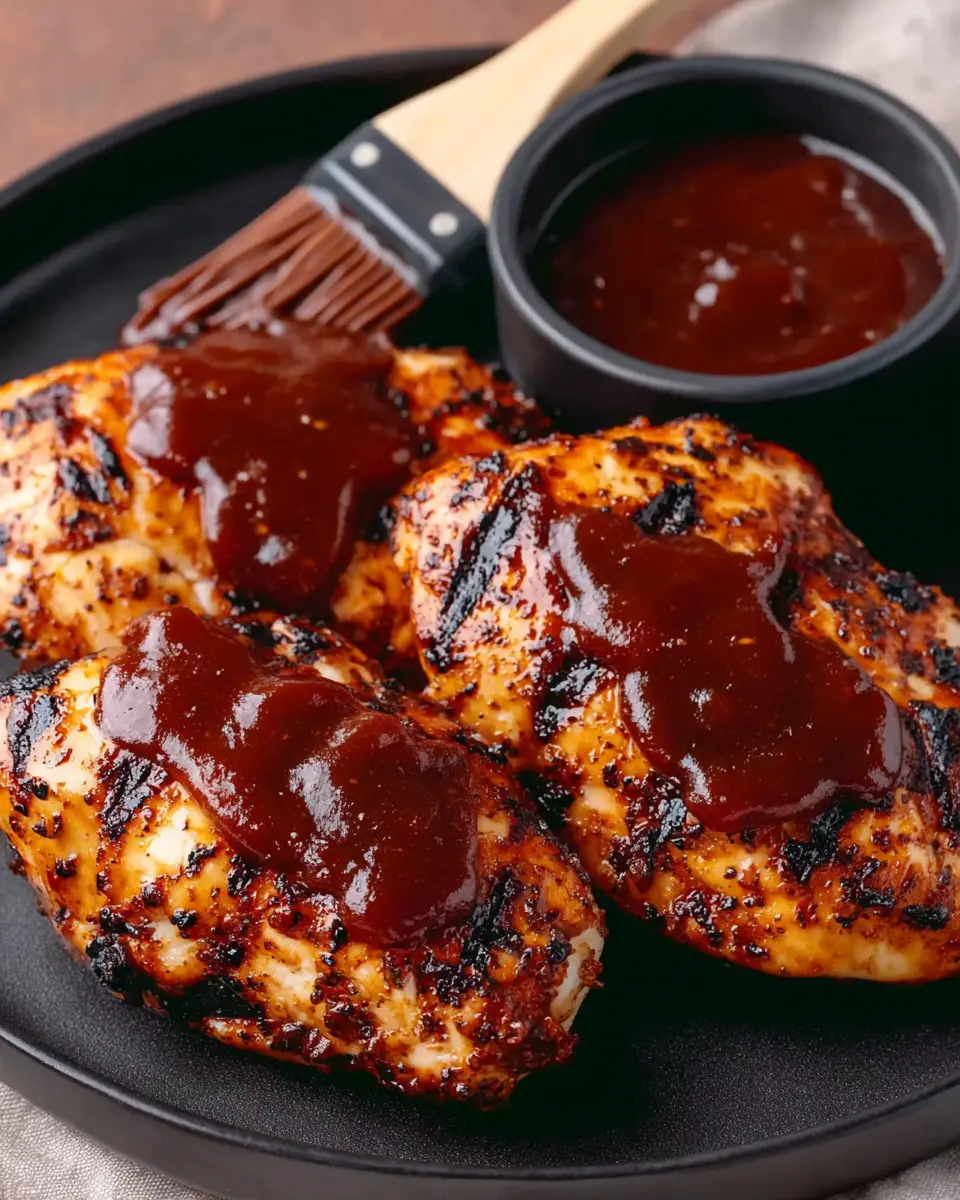
Once seasoned to perfection, you have a choice: use the BBQ sauce immediately while it’s warm, or allow it to cool. If you plan to use it for brushing onto grilled or baked meats like chicken or ribs, its warmth will allow it to spread beautifully and create a lovely, glossy glaze during the final stages of cooking. This is ideal for achieving that signature sticky BBQ finish that everyone loves.
Alternatively, allow the sauce to cool completely to room temperature before storing or serving it as a dipping sauce. As the sauce cools, its flavors will continue to meld and deepen. The texture will also become slightly thicker and more cohesive, making it perfect for dipping appetizers, sandwiches, or burgers. A well-cooled sauce offers a richer, more rounded flavor experience.
Store any leftover sauce in an airtight container in the refrigerator. The flavors will continue to develop over time, making it even more delicious after a few hours or the next day. This makes it a fantastic make-ahead condiment that’s always ready when you need a flavor upgrade for your meals. It’s a versatile condiment ready for immediate enjoyment or future culinary adventures.
Pro Tips for BBQ Sauce Without Ketchup
Even Heat Distribution: Always use a saucepan with a heavy bottom. This helps distribute heat evenly, preventing hot spots that can cause the sugars to scorch and burn, which would ruin the flavor of your sauce.
Ingredient Quality Matters: Opt for good quality tomato paste and molasses. The richness and depth of these two ingredients significantly impact the final flavor profile of your BBQ sauce. A darker, unsulphured molasses often provides a more complex sweetness.
Don’t Over-Simmer: While simmering allows flavors to meld, overdoing it can make the sauce too thick or lead to a burnt taste. Stick to the recommended time, and if it’s too thin, you can always simmer for an extra minute or two, stirring constantly.
Taste and Adjust: This cannot be stressed enough – taste your sauce before adding salt and at various stages of seasoning. Your palate is the ultimate guide to achieving the perfect balance of sweet, tangy, smoky, and savory.
For Thicker Sauce: If you prefer a very thick sauce, you can simmer it for an additional 1-2 minutes, but be extremely diligent about stirring. Alternatively, you can create a slurry with a teaspoon of cornstarch or arrowroot powder mixed with a tablespoon of cold water and stir it into the simmering sauce during the last minute of cooking. This will thicken it rapidly without altering the flavor.
Serving Suggestions for BBQ Sauce Without Ketchup
Decoration
For a visually appealing presentation, consider drizzling a thin, artistic swirl of the BBQ sauce over the plated dish. You can also use a small brush to create fine lines or dots of sauce around the plate’s edge. A tiny dollop placed strategically can serve as a flavorful accent.
Side Dishes
This sauce is fantastic with classic BBQ sides like creamy coleslaw, baked beans, or grilled corn on the cob. It also pairs wonderfully with oven-baked potato wedges or sweet potato fries. Consider serving it alongside grilled chicken or pulled pork for a complete meal experience.
Creative Serving Ideas
Beyond dipping, use this sauce as a glaze for pork ribs or chicken wings during the last few minutes of cooking. It’s also excellent mixed into pulled pork or shredded chicken for sandwiches. Try adding a spoonful to your next batch of meatloaf or even to a savory dip for an unexpected flavor kick.
Preparation & Storage
Storing Leftovers
Once the BBQ sauce has cooled completely, transfer it to a clean, airtight container. Glass jars with tight-fitting lids are ideal for this purpose, preventing any air from getting in and affecting the sauce’s freshness. Store the container in the refrigerator, where it will remain delicious for approximately 5 to 7 days.
Freezing
For longer storage, this homemade BBQ sauce freezes exceptionally well. Pour the cooled sauce into a freezer-safe container or heavy-duty freezer bag. Ensure you leave a little headspace at the top, as liquids expand when frozen. Properly stored, it can maintain its quality for up to 2 months.
Reheating
When you’re ready to use frozen or refrigerated sauce, thawing is simple. For refrigerated sauce, it’s ready to use as is. If frozen, thaw it overnight in the refrigerator. To reheat, gently warm the sauce in a small saucepan over low heat, stirring occasionally until smooth and heated through. Alternatively, microwave in short intervals, stirring between each one, until desired temperature is reached. If the sauce has thickened too much during chilling or reheating, a small splash of water or vinegar can help loosen it to the perfect consistency.
Frequently Asked Questions
-
Can I make this BBQ sauce ahead of time?
Yes, absolutely! In fact, making this BBQ sauce ahead of time is highly recommended. Once the flavors have had a chance to meld and settle in the refrigerator, the sauce often tastes even richer and more complex. It stores beautifully in an airtight container for up to a week, making it a convenient condiment to have on hand for weeknight meals or spontaneous grilling sessions. -
Is this barbecue sauce very spicy?
This recipe is designed to have a mild warmth, not an intense spiciness. The cayenne pepper is included for a subtle background heat that enhances the other flavors rather than overpowering them. If you prefer a milder sauce, you can reduce or omit the cayenne pepper entirely. For a touch more sweetness to balance any perceived heat, a small amount of additional brown sugar can be added. -
What makes this sauce different from bottled barbecue sauce?
The primary difference lies in the flavor profile and ingredients. This homemade version is intentionally made without ketchup, which means it’s less sweet and more tomato-forward than many commercial sauces. By using tomato sauce and paste as a base, it achieves a richer, more robust tomato flavor. The absence of high-fructose corn syrup and artificial flavorings found in some bottled sauces also contributes to a more natural, homemade taste that feels more authentic and less one-dimensional.