Coconut Macaroons | Naturally Gluten Free Cookies!
Welcome to a delightful journey into the world of simple, yet incredibly satisfying sweets! Today, we’re diving into a recipe that promises to bring a touch of tropical bliss and pure indulgence right into your kitchen, requiring minimal effort for maximum flavor.
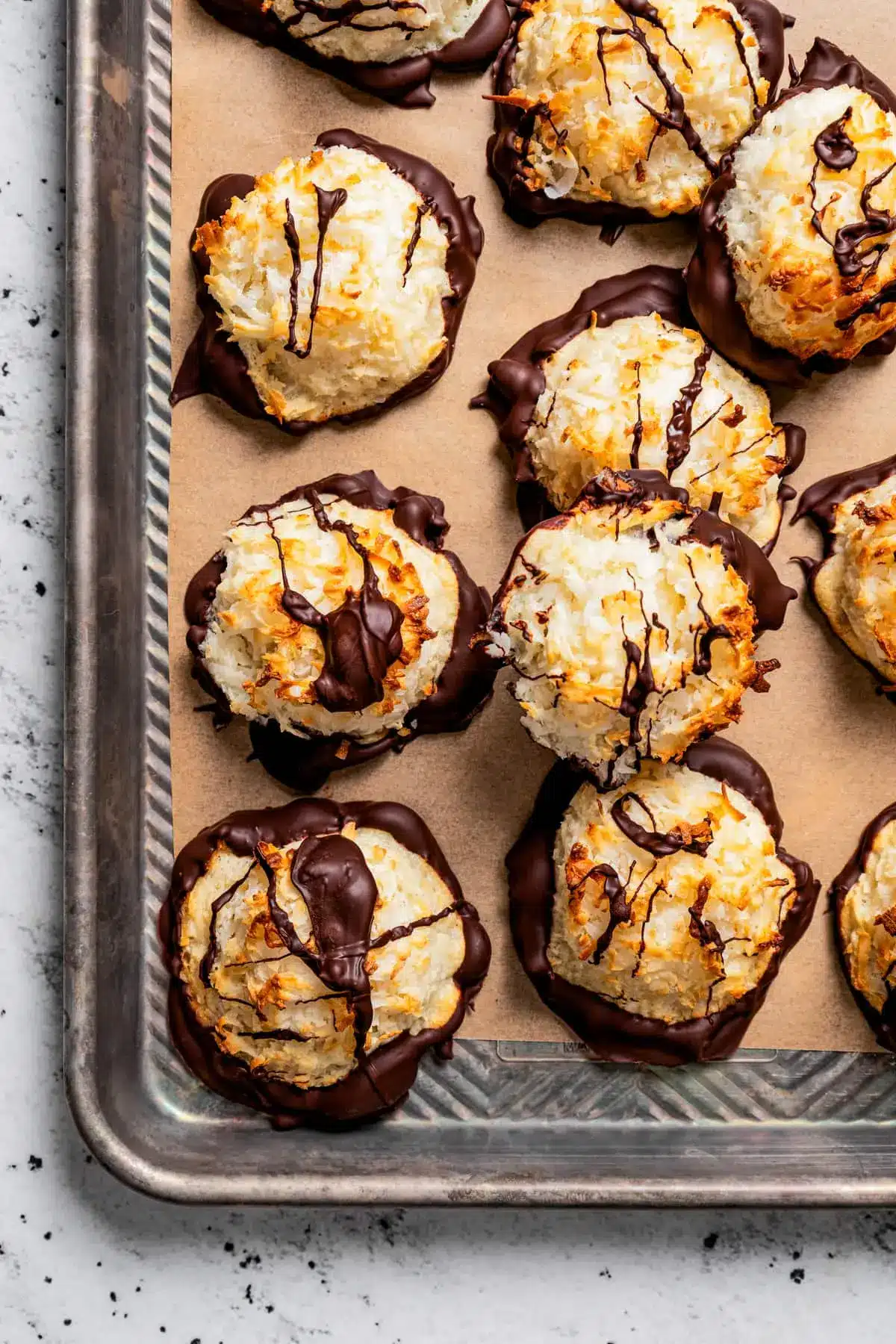
These aren’t just any cookies; they are little golden nuggets of joy, boasting a wonderfully chewy interior and a perfectly toasted exterior, enhanced with a decadent hint of dark chocolate. Imagine the aroma filling your home as they bake, a promise of the delicious treat that awaits.
Why You Will Love This Recipe
- Effortless Preparation: This recipe is designed for simplicity, allowing you to whip up a batch of delicious coconut macaroons with straightforward steps, making it perfect for bakers of all skill levels.
- Classic Comfort: There’s a timeless appeal to a well-made macaroon, and this version delivers that nostalgic, comforting sweetness that everyone in the family will adore.
- Tropical Escape: The star ingredient, coconut, imbues these treats with a subtle yet delightful tropical flair, transporting your taste buds to sunnier climes with every bite.
- Remarkable Versatility: Beyond the basic recipe, you have the creative freedom to customize these macaroons with different chocolates, add-ins, or even colors to suit any occasion or preference.
Ingredients You Need
The beauty of these coconut macaroons lies in their ingredient list, which is both concise and focuses on quality. Using good quality sweetened coconut flakes ensures the best texture and flavor, while a can of sweetened condensed milk provides that essential creamy sweetness and helps bind everything together beautifully. Ensure your egg whites are at room temperature for optimal whipping, as this is key to achieving the perfect airy structure. Remember, the exact quantities for these key components are readily available in the recipe card below for your convenience.
Coconut Macaroons
These toasty coconut macaroons with moist, chewy centers are an every-occasion dessert with subtle tropical vibes. They’re dipped in dark chocolate for an extra indulgent, timeless treat!
- 14 ounces sweetened coconut flakes
- 14 ounces can of sweetened condensed milk
- 1 teaspoon pure vanilla extract
- 2 egg whites, at room temperature
- ¼ teaspoon salt
- melted dark chocolate, for dipping (optional)
- 1Preheat the oven to 325°F.
- 2In a large mixing bowl, combine the coconut flakes, condensed milk, and vanilla; set aside.
- 3Whip the egg whites and salt on high speed in the bowl of an electric mixer; beat until medium-firm peaks form.
- 4Gently fold the egg whites into the coconut mixture.
- 5Using an ice cream scoop, drop the batter onto sheet pans lined with parchment paper.
- 6Bake for 20 to 25 minutes or until golden brown.
- 7Transfer the cookies to a cooling rack and let them cool.
- 8Optionally, once the cookies are cool, dip the bottoms in melted chocolate, set them face down on a wax-lined baking sheet, and place them in the fridge for 5 to 10 minutes or until the chocolate is set.
Keywords: coconut, macaroons, cookies, dessert, chocolate, tropical, chewy, festive
- sweetened coconut flakes: the primary ingredient, providing texture and a sweet, tropical flavor.
- sweetened condensed milk: this magical ingredient adds richness, sweetness, and acts as the perfect binder.
- vanilla extract: a classic flavor enhancer that elevates the sweetness of the coconut and milk.
- egg whites: crucial for leavening and creating that desirable chewy texture.
- salt: a pinch of salt balances the sweetness and intensifies the other flavors.
- dark chocolate: optional, but highly recommended for dipping, adding a delightful contrasting richness.
You’ll find all the precise measurements for these ingredients detailed within the accompanying recipe card, making your baking process smooth and accurate.
Variations
The versatility of this coconut macaroons recipe truly shines, offering endless possibilities for creative twists. Consider a vegan adaptation by exploring dairy-free condensed milk alternatives and ensuring your chocolate dip is also plant-based; this maintains the delightful chewiness and sweet flavor profile.
For those mindful of carbohydrate intake, a low-carb approach can be achieved by experimenting with sugar-free condensed milk substitutes and using a low-carb sweetener blend. You might also find that using unsweetened coconut flakes and adjusting the sweetness level carefully yields excellent results without compromising the macaroon’s signature texture.
Furthermore, infusing these macaroons with seasonal flavors can transform them into perfect holiday treats. Imagine adding finely chopped cranberries and a hint of orange zest for a festive Christmas macaroon, or perhaps a touch of lemon zest and pastel food coloring for a delightful Easter offering. The possibilities are as boundless as your imagination.
How to Prepare coconut macaroons recipe
Step 1: Prepare the Coconut Mixture
Begin by preheating your oven to a moderate 325°F (160°C). This gentle temperature is crucial for achieving that perfect golden-brown hue without burning the delicate coconut. Gather a large mixing bowl, ensuring it’s ample enough to comfortably hold all your ingredients.
In this spacious bowl, combine the sweetened coconut flakes and the luscious sweetened condensed milk. Add the pure vanilla extract at this stage, its fragrant aroma already hinting at the deliciousness to come. Stir these ingredients together thoroughly until they are completely combined and form a cohesive, slightly sticky mass.
Take a moment to ensure there are no dry pockets of coconut remaining; every flake should be beautifully coated. This initial mixing is straightforward but essential, setting the foundation for the delightful texture and flavor of your macaroons. Once thoroughly mixed, set this bowl aside momentarily as you prepare the next component of the recipe.
Step 2: Beat the Egg Whites
In a separate, impeccably clean bowl, preferably made of glass or metal, place your room-temperature egg whites. The cleanliness of the bowl is paramount; even a trace of grease can prevent the egg whites from reaching their full volume. Add the ¼ teaspoon of salt to the egg whites; this not only enhances flavor but also helps stabilize the foam.
Now, using a hand-held electric mixer or a stand mixer fitted with the whisk attachment, begin beating the egg whites on high speed. Start slowly and gradually increase the speed to high. You are aiming to create medium-firm peaks. This means that when you lift the beaters out of the mixture, the peaks that form should stand up straight but have a slight curl at the very tip.
Be patient during this process, as it can take several minutes. Overbeating can result in dry, brittle meringue, so keep a close eye on the texture. The goal is a glossy, voluminous mixture that holds its shape beautifully without being stiff or watery. This airy foundation is what gives the macaroons their signature light and chewy texture.
Step 3: Gently Fold the Mixtures Together
This is a critical step where gentleness is key to preserving the airiness you’ve just created in the egg whites. Take about one-third of the beaten egg whites and gently fold them into the coconut-condensed milk mixture. Use a spatula or a large metal spoon to carefully incorporate the egg whites, using an under-and-over motion.
The aim here is to lighten the denser coconut mixture without deflating the precious air bubbles in the meringue. Once that first portion of egg whites is mostly incorporated, add the remaining egg whites to the bowl. Continue to fold them in with the same delicate touch. You want to achieve a uniform consistency where all ingredients are just combined, and you no longer see distinct streaks of egg white or coconut mixture.
Resist the urge to overmix. A few small pockets of unincorporated egg white are acceptable and even preferable to a mixture that has been vigorously stirred, which would lead to denser, flatter macaroons. The resulting batter should be thick but still hold its shape, with a delightful lightness.
Step 4: Shape the Macaroons
Line two baking sheets with parchment paper. This prevents sticking and makes for easier cleanup. Using a medium-sized ice cream scoop (about 1.5 to 2 tablespoons capacity) is the ideal tool for portioning the macaroon batter. This ensures that each macaroon is uniformly sized, which leads to even baking.
Scoop mounds of the batter onto the prepared baking sheets, leaving approximately 2 to 3 inches of space between each mound. This spacing is important to allow for a slight spread during baking, preventing the macaroons from merging into one large mass. The batter will be quite thick, so you might need to use the back of the scoop or a wet finger to gently nudge them into a more rounded shape if they are particularly uneven.
Some bakers prefer to achieve a more rustic, free-form look, while others strive for perfect, symmetrical mounds. Both approaches are perfectly fine and will result in delicious treats. The key is consistent size for even cooking. You can also gently tap the baking sheets on the counter once after filling them to help settle the mounds and remove any large air pockets.
Step 5: Bake to Golden Perfection
Carefully place the baking sheets into your preheated oven. Bake for approximately 20 to 25 minutes. During this time, keep a close eye on the macaroons. They are ready when they have turned a beautiful golden brown on the edges and are firm to the touch. The exact baking time can vary depending on your oven, so it’s always best to rely on visual cues.
You are looking for that signature toasted coconut aroma to fill your kitchen. If the tops are browning too quickly, you can loosely tent the baking sheets with aluminum foil for the remainder of the baking time. Conversely, if they are not browning sufficiently, you might need to increase the oven temperature slightly for the last few minutes, but be very cautious not to burn them.
Once they reach that perfect golden hue and feel set, remove the baking sheets from the oven. Let the macaroons cool on the baking sheets for about 5 to 10 minutes before attempting to transfer them. This allows them to set up properly and makes them easier to handle without breaking.
Step 6: Cool and Dip (Optional)
After the initial cooling on the baking sheets, carefully transfer the macaroons to a wire cooling rack. Allow them to cool completely. This is essential, especially if you plan to dip them in chocolate, as warm cookies will melt the chocolate and create a messy finish. Ensure they are fully at room temperature before proceeding with the chocolate dipping.
To dip them in chocolate, melt your dark chocolate. You can do this in a microwave-safe bowl in short bursts, stirring between each interval, or use a double boiler method. Once the chocolate is smooth and melted, dip the bottom half of each cooled macaroon into the chocolate. You can use a spoon or a dipping tool for this. Place the dipped macaroons, chocolate-side down, onto a fresh piece of parchment paper or wax paper-lined baking sheet.
Pop the baking sheet into the refrigerator for about 5 to 10 minutes, or until the chocolate has completely set and hardened. This chilling step not only sets the chocolate but also gives the macaroons a delightful contrast in texture and flavor. Once the chocolate is firm, your delicious coconut macaroons are ready to be enjoyed!
Pro Tips for coconut macaroons recipe
Act Quickly: The moment those egg whites are whipped to perfection, it’s a race against time. Letting the batter sit for too long will cause the delicate meringue structure to deflate, leading to macaroons that spread out too much and lose their desired chewy texture. Have your baking sheets prepped and ready to go before you even start whipping the egg whites.
Room Temperature Ingredients: For the best results, ensure your egg whites and condensed milk are at room temperature before you begin. Cold ingredients are much harder to incorporate smoothly, and you might find yourself tempted to overmix, which, as we know, is detrimental to the macaroon’s airy structure. Taking the time to let them reach room temperature makes a significant difference in the final texture.
Chocolate Choices: While dark chocolate is a classic pairing, don’t be afraid to experiment with other types of chocolate for dipping. Milk chocolate offers a sweeter contrast, white chocolate provides a creamy counterpoint, and even a blend of chocolates can create a unique flavor profile. You could also drizzle melted chocolate over the tops instead of dipping the bottoms for a different visual and taste experience.
Flavor Infusions: To elevate your macaroons further, consider adding subtle flavor infusions directly into the batter. A touch of almond extract alongside the vanilla, a hint of citrus zest (like lemon or orange), or even a few drops of peppermint extract can transform these simple cookies into something truly special. For a bit of crunch and added flavor, stir in about half a cup of finely chopped nuts like pecans or almonds, or even some dried cranberries.
Seasonal Decor: Get creative with seasonal decorations to match any holiday or celebration. A tiny drop of food coloring mixed into the batter can create pastel shades for spring or vibrant hues for parties. For Christmas, consider a sprinkle of edible glitter or a dusting of powdered sugar after baking. The possibilities for personalization are truly endless, making these macaroons perfect for any occasion.
Serving Suggestions for coconut macaroons recipe
Decoration
The simplest yet most elegant decoration is the classic dark chocolate dip on the bottom, as described in the recipe. For an added touch of visual appeal, consider drizzling melted white chocolate over the dark chocolate base in a decorative pattern, or vice versa. Edible glitter or a light dusting of powdered sugar can add a festive sparkle, especially for holiday gatherings.
You can also press a single toasted almond or a small piece of candied ginger onto the chocolate-dipped base before it sets for an extra textural and flavor element. For very special occasions, consider using edible gold or silver leaf applied sparingly to the chocolate for a truly luxurious finish. Even a simple sprinkle of shredded coconut on top of the wet chocolate dip can enhance the visual theme.
Side Dishes
These delightful coconut macaroons are perfect as a standalone dessert, but they also pair wonderfully with a variety of accompaniments. Serve them alongside a fresh fruit salad, where the sweet, chewy cookie offers a lovely contrast to the crisp, refreshing fruits. They make an excellent addition to a dessert platter, complementing richer cakes and tarts.
Consider serving them with a dollop of whipped cream or a scoop of vanilla bean ice cream for an extra decadent treat. For a more sophisticated pairing, they can be served with a rich chocolate mousse or a creamy panna cotta. The simple, tropical notes of the macaroon also make them a delightful partner for lighter, fruit-based desserts, such as a berry tart or a lemon-flavored cake.
Creative Serving Ideas
Present your coconut macaroons in small, decorative paper liners for an elegant touch, perfect for parties or bake sales. Arrange them artfully on a tiered cake stand for a visually stunning dessert display. For a themed party, you could arrange them to look like little snowballs for a winter celebration or use colorful liners and sprinkles to match a vibrant birthday theme.
They can be incorporated into other desserts as well; imagine crushing them slightly and using them as a base for mini cheesecakes or as a crunchy topping for yogurt parfaits. Consider placing one macaroon on top of each individual serving of a fruit compote or a warm pudding for a charming presentation. They also make a wonderful edible favor for weddings or special events, individually wrapped in cellophane with a festive ribbon.
Preparation & Storage
Storing Leftovers
Once your coconut macaroons have cooled completely, store them in an airtight container at room temperature. It’s important to keep them away from direct heat and sunlight, which can cause them to become stale or melt any chocolate coating. Properly stored, they can maintain their delicious texture and flavor for up to 5 days.
If you live in a particularly warm or humid climate, refrigerating them might be a better option. In the refrigerator, they can last for up to 7 days. However, be mindful of storing them alongside strong-smelling foods, as the coconut can absorb odors. Ensure the container is well-sealed to prevent this.
Freezing
For longer storage, these coconut macaroons freeze beautifully. Once they are completely cooled, wrap each macaroon individually and tightly in plastic wrap. This double layer of protection helps prevent freezer burn.
After wrapping, place the individually wrapped macaroons into a freezer-safe airtight container or a heavy-duty freezer bag. They can be stored in the freezer for up to 3 months. This makes them a fantastic option for making ahead of time for holidays or unexpected guests.
Reheating
To enjoy your frozen macaroons, the best method is to simply let them thaw at room temperature. Remove them from the freezer and place them on a plate or cooling rack. They typically take about 15 to 20 minutes to thaw completely. Avoid microwaving them, as this can make them tough and alter their texture significantly.
If you find they have become slightly soft after thawing, you can briefly place them back on a baking sheet in a low oven (around 200°F or 95°C) for just a few minutes to help crisp them up again, especially if they are not chocolate-dipped. However, for most cases, simply allowing them to come to room temperature is sufficient to restore their delightful chewiness.
Frequently Asked Questions
-
Why are my coconut macaroons spreading too much and not holding their shape?
This is often due to a few common issues. Firstly, if your egg whites were not beaten to stiff or medium-firm peaks, they won’t provide enough structure. Ensure you’re whipping them until they stand up straight. Secondly, overmixing the batter after adding the egg whites can deflate the meringue, causing the macaroons to spread. Fold gently and stop as soon as the ingredients are just combined. Finally, the ratio of condensed milk to coconut can also play a role; too much liquid will lead to a runnier batter. Always follow the recipe quantities precisely.
-
My macaroons are dry and crumbly. How can I achieve a chewy center?
Dryness usually indicates overbaking or a lack of sufficient moisture. Ensure you are not overbaking them; they should be golden brown on the edges but still slightly soft in the center when they come out of the oven. They will continue to firm up as they cool. Also, the sweetened condensed milk is crucial for moisture and chewiness. If you accidentally used evaporated milk or regular milk, the texture will be significantly different. Make sure your oven temperature is accurate; an oven that’s too hot can dry them out quickly.
-
Can I make these macaroons without sweetened condensed milk? What are the alternatives?
While sweetened condensed milk is the key ingredient that provides both moisture and sweetness, you can explore alternatives, though the result will likely differ. For a vegan option, look for commercially available vegan sweetened condensed coconut milk or condensed oat milk. You might need to adjust the sweetness by adding a little sugar or a sugar substitute. If you want to avoid condensed milk altogether, you would essentially be creating a meringue-based cookie. This would involve whipping egg whites with sugar, then folding in the coconut and baking. However, this method typically results in a crispier macaroon rather than the chewy texture characteristic of this recipe. Finding a suitable vegan or low-carb condensed milk substitute that replicates the creamy binding properties is the best approach for maintaining a similar texture.