Bright Spinach Pesto Sauce
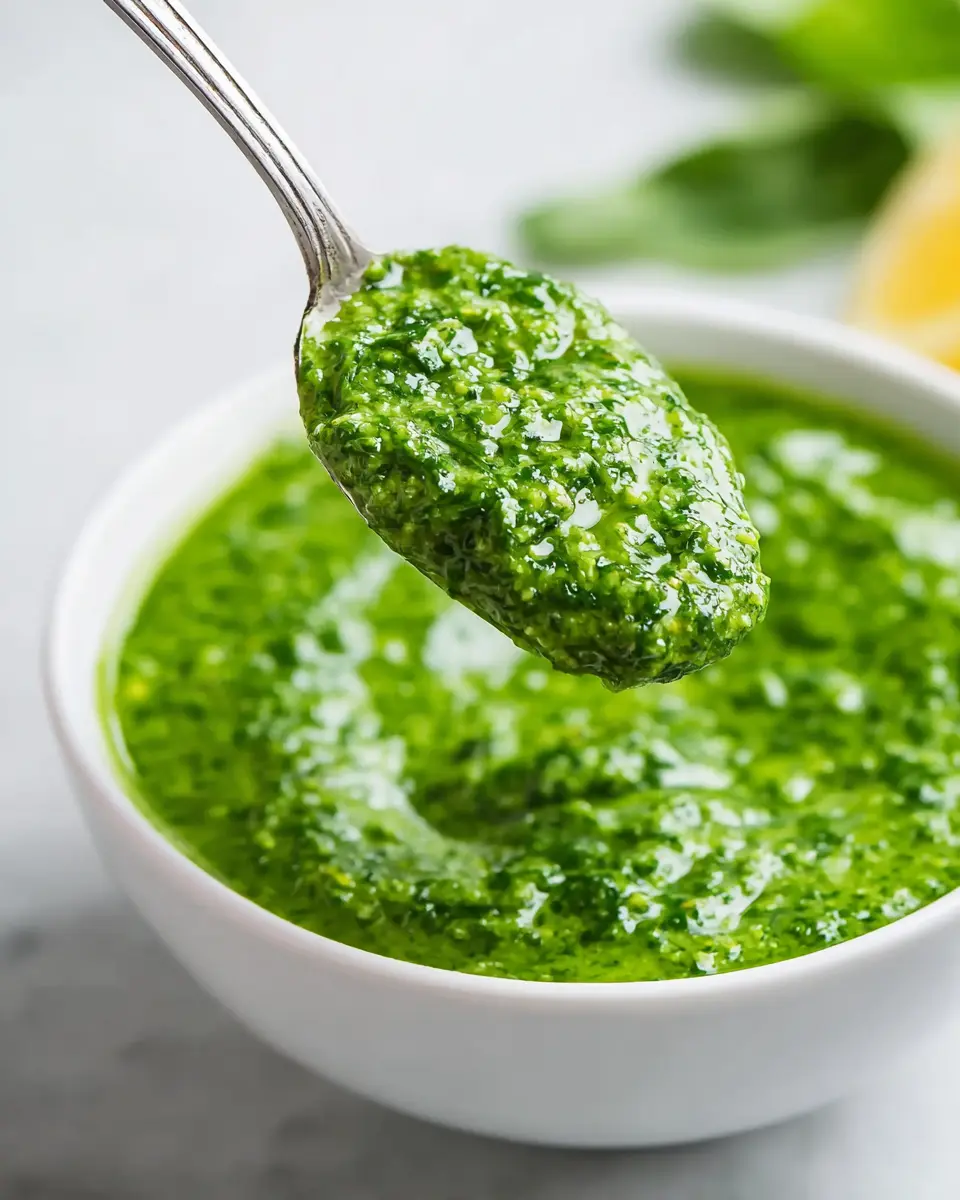
Spinach Pesto is a quick, vibrant sauce that brings fresh flavor, creamy texture, and everyday versatility to your kitchen. It beautifully blends fresh spinach, toasted pine nuts, savory Parmesan cheese, pungent garlic, and bright lemon juice with rich extra virgin olive oil. This smooth, spreadable sauce is perfect for jazzing up pasta, elevating sandwiches, creating elegant crostini, or serving as a delightful dip.
This is the kind of culinary gem that transforms simple dishes into something that feels a little more special, without demanding a lot of your time or effort. With just a few common ingredients and a reliable blender or food processor, you can whip up a batch of this fresh, bold, and incredibly useful sauce that will grace your table for more than just one meal.
Why You Will Love This Recipe
- Vibrant Flavor: Experience a fresh, herbaceous taste that’s a delightful change from traditional basil pesto, offering a milder yet equally satisfying flavor profile.
- Quick Preparation: This recipe comes together in minutes, making it an ideal option for busy weeknights or when you need a flavorful addition to a meal with minimal fuss.
- Versatile Use: Beyond pasta, this spinach pesto shines as a spread for sandwiches, a dip for vegetables and crackers, a topping for grilled meats, or an accompaniment to roasted vegetables.
- Healthy Boost: Packed with vitamins and minerals from fresh spinach, this pesto offers a nutritious way to add flavor and goodness to your meals.
- Beautiful Color: Its stunning emerald green hue makes any dish visually appealing, adding a touch of elegance to your culinary creations.
Ingredients You Need
The success of any pesto lies in the quality of its ingredients, and this spinach version is no exception. Opting for fresh, vibrant baby spinach ensures a bright, clean flavor and a beautiful green color. Using good quality extra virgin olive oil will lend a smooth, rich texture and a pleasant fruity note to the final sauce, while freshly grated Parmesan cheese provides that essential salty, umami depth that defines classic pesto. Don’t underestimate the power of fresh garlic and a squeeze of lemon juice to add zing and balance. The subtle nuttiness from toasted pine nuts brings it all together for a truly harmonious blend.
Spinach Pesto
A vibrant, herbaceous sauce prepared with fresh spinach, toasted pine nuts, Parmesan, garlic, olive oil, and lemon juice. This pesto offers a balanced combination of richness, nuttiness, and brightness, making it suitable for pasta, sandwiches, crostini, or as a flavorful dip.
- 3 cups fresh baby spinach
- 1 garlic clove, peeled and lightly crushed
- 1/2 cup extra virgin olive oil
- 1/3 cup lightly toasted pine nuts
- 2 tablespoons freshly grated Parmesan cheese
- 1/2 lemon, juiced
- 1/2 teaspoon salt
- 1 pinch freshly ground black pepper
- 1Place the spinach, crushed garlic, toasted pine nuts, grated Parmesan, salt, and black pepper into the bowl of a food processor or blender. These ingredients form the flavorful foundation of the pesto.
- 2Pulse the mixture until the contents are evenly combined while still retaining a slightly coarse texture. The pesto should not be fully smooth, as some texture from the nuts and cheese is desirable.
- 3With the machine running, gradually pour in the olive oil, continuing to blend until the mixture becomes creamy and well emulsified. The finished consistency should be rich and cohesive while still showing a little texture.
- 4Add the lemon juice and pulse briefly to incorporate it throughout the pesto. Taste, then adjust with extra salt and pepper as needed to refine the seasoning and brighten the flavor.
- 5Transfer the finished pesto to a serving bowl once it has reached the preferred taste and texture. Serve immediately with pasta, spread over bread, or present as a dip.
Keywords: Spinach Pesto, Pesto, Sauce, Dip, Spread, Pasta Sauce, Vegetarian
- baby spinach: 3 cups, fresh and vibrant
- garlic clove: 1, peeled and lightly crushed to release its potent flavor
- extra virgin olive oil: 1/2 cup, of good quality for richness and smooth texture
- pine nuts: 1/3 cup, lightly toasted to enhance their nutty aroma
- Parmesan cheese: 2 tablespoons, freshly grated for authentic savory notes
- lemon juice: 1/2, freshly squeezed for a touch of brightness
- salt: 1/2 teaspoon, or to taste, to enhance all the flavors
- black pepper: 1 pinch, freshly ground for a subtle kick
The exact quantities for each ingredient are detailed within the recipe card for your convenience, ensuring perfect results every time.
Variations
While this spinach pesto is already wonderfully versatile, there are several creative ways to adapt it to different dietary needs and flavor preferences. Each variation maintains the essence of pesto while offering a unique twist.
For a delicious vegan option, simply omit the Parmesan cheese. You can replace its salty, savory contribution with a tablespoon of nutritional yeast for a cheesy flavor, or add a pinch more salt and perhaps a few capers for briny depth. Some people also find that a small amount of white miso paste can lend a wonderful umami note, mimicking the cheese’s richness without any dairy. This vegan iteration is fantastic tossed with pasta or spread on hearty bread.
If you’re following a low carb or ketogenic lifestyle, this pesto is already a fantastic choice as it’s naturally low in carbohydrates. You can further enhance its richness by using more healthy fats; consider adding a quarter of an avocado to the blend for an extra creamy texture and healthy fats, or substituting some of the olive oil with a creamy tahini. This makes it an even more satisfying topping for grilled chicken or fish, or as a binder for low-carb meatballs.
Another exciting variation involves adding other greens or herbs to the mix for layered flavor complexity. Consider combining half spinach and half arugula for a peppery kick, or incorporating fresh basil for a more traditional pesto aroma. You could also add a handful of fresh parsley or cilantro for added freshness. This approach allows you to tailor the pesto’s flavor profile precisely to your liking, making it perfect for everything from soups to marinades.
How to Prepare Spinach Pesto
Step 1: Gather and Combine the Base Ingredients
Begin by carefully measuring out all your solid ingredients into the bowl of your food processor or blender. This includes the fresh baby spinach, which should be thoroughly washed and dried to avoid excess moisture. Add the peeled garlic clove, the lightly toasted pine nuts, and the freshly grated Parmesan cheese. Finally, season with the salt and a pinch of freshly ground black pepper. Ensuring all these components are in the processor at this stage allows them to be broken down evenly, forming a cohesive base for your pesto.
The toasting of the pine nuts is a crucial step that significantly enhances their flavor, bringing out a deeper, nuttier aroma and taste that will infuse the entire pesto. To toast them, spread the pine nuts in a single layer on a dry skillet over medium-low heat, stirring frequently until they are lightly golden and fragrant. Be vigilant, as pine nuts can burn very quickly. This simple step elevates the pesto from good to truly exceptional, adding a warm, roasted undertone that complements the freshness of the spinach and the sharpness of the garlic.
Having all these foundational elements together in the processor means the initial pulsing will work on a harmonious blend. This ensures that the flavors start to meld from the very beginning of the process, setting the stage for a well-rounded and delicious final product. The quality of your Parmesan cheese also plays a role; using a good quality Parmigiano-Reggiano will impart a more complex and satisfying umami flavor than pre-grated versions.
Step 2: Initial Pulsing for Texture
Once all the solid ingredients are in the food processor, secure the lid and begin to pulse the mixture. You want to process this in short bursts, not continuously, to achieve the desired texture. The goal at this stage is to break down the spinach and nuts into smaller pieces and to begin incorporating the cheese and garlic. Continue pulsing until the ingredients are well combined and have a slightly coarse consistency. You are looking for a texture that indicates the components are starting to merge but still retain some individual texture; it should not be a completely smooth puree yet.
This initial pulsing is key to developing the perfect pesto texture. If you over-process at this stage, you risk creating a gummy or overly smooth sauce that lacks the pleasing bite that defines good pesto. The slight coarseness ensures that when you add the liquids, they can emulsify effectively while still maintaining some body and chew. Imagine the perfect pesto clinging to a fork – it has substance, not just liquid coating. This step is where you begin to build that desirable consistency.
Carefully observe the mixture as you pulse. You’ll notice the vibrant green of the spinach starting to distribute throughout, interspersed with the flecks of pine nuts and cheese. Scrape down the sides of the bowl with a spatula as needed between pulses to ensure that all the ingredients are being incorporated evenly. This step requires a bit of tactile feedback and visual assessment to get just right. It’s about creating a substantial, flavorful base that is ready to be transformed into a silky sauce.
Step 3: Emulsifying with Olive Oil
With the solid ingredients now partially processed, it’s time to introduce the liquid element that will bring your pesto to life: the extra virgin olive oil. Keep the food processor running on a low speed, and slowly begin to stream in the olive oil through the feed tube. Pouring the oil in a thin, steady stream allows it to emulsify properly with the other ingredients. This gradual addition is critical for creating a smooth, cohesive, and creamy texture for your pesto. It helps the oil bind with the solids, transforming the coarse mixture into a rich, glossy sauce.
The process of emulsification is where the magic happens. As the oil is incorporated, the pesto will start to change in consistency, thickening and becoming more homogenous. Continue to stream in the olive oil until you reach your desired consistency. Some people prefer a thicker, more spreadable pesto, while others like it a bit looser for tossing with pasta; you can adjust the amount of oil to achieve your preference. The quality of the olive oil will significantly impact the final flavor and mouthfeel, so using a good extra virgin variety is highly recommended.
Observe how the color deepens and the texture smooths out as the oil is fully integrated. The goal is a luscious, spoonable sauce that has body but is not overly heavy or oily. If you find the pesto is too thick for your liking, you can always add a tiny bit more olive oil, a tablespoon at a time, processing until incorporated. Conversely, if it seems too thin, you might have added too much oil; in such cases, you could try adding a few more pine nuts or a bit more Parmesan to thicken it slightly, though this is less common.
Step 4: Brightening with Lemon Juice and Final Seasoning
Once the pesto has achieved a beautiful creamy consistency, it’s time to add the finishing touch that will bring all the flavors into sharp focus: fresh lemon juice. Stop the food processor momentarily and add the freshly squeezed lemon juice. The acidity of the lemon is essential for balancing the richness of the olive oil, nuts, and cheese, and it brightens the overall flavor profile of the spinach pesto, preventing it from tasting heavy or dull. It adds a crucial lift that makes the pesto taste vibrant and fresh.
After adding the lemon juice, pulse the mixture a few more times, just until it is fully incorporated throughout the pesto. The lemon juice can slightly alter the texture and the overall taste perception, so this is the opportune moment to taste your pesto. Use a clean spoon to sample the mixture. Carefully consider if it needs any adjustments to its seasoning. Does it need a touch more salt to enhance the nutty and cheesy notes? Perhaps a little more black pepper for an extra hint of warmth? Or maybe it could benefit from another tiny squeeze of lemon juice for more brightness?
This tasting and adjusting phase is vital for culinary success. Seasoning is subjective, and what tastes perfect to one person might need a slight tweak for another. Don’t be afraid to add a little more of any ingredient if you feel it will improve the balance. For instance, if the pesto tastes a bit flat, a quarter teaspoon more lemon juice can work wonders. Similarly, if the nutty and cheesy flavors aren’t popping, a pinch more salt will often do the trick. Achieving that perfect harmony of fresh, rich, savory, and bright flavors is the ultimate goal.
Step 5: Final Transfer and Serving
Once you are completely satisfied with the taste and texture of your spinach pesto, it’s time to transfer it from the food processor. Scrape the luscious green sauce into a clean serving bowl or an airtight jar. If you plan to serve it immediately, a nice ceramic bowl makes for an attractive presentation. If you’re storing it for later, a glass jar with a tight-fitting lid is ideal to keep it fresh and prevent any airborne contamination or odors from the refrigerator from affecting its delicate flavor. Ensure you use a spatula to get every last bit of this delicious creation from the processor.
This pesto is wonderfully versatile and can be enjoyed in countless ways right away. One of the most classic pairings is tossing it with hot, freshly cooked pasta. The heat of the pasta will gently warm the pesto, allowing it to coat each strand beautifully and release its aromatic flavors. Another simple yet elegant serving option is to spread it generously onto toasted slices of good quality bread or crostini, perhaps topped with a few extra pine nuts or a sprinkle of Parmesan. It also makes a fantastic base for sandwiches or wraps, adding a burst of fresh flavor.
The appearance of the finished pesto should be rich, glossy, and have a pleasingly soft texture that is neither entirely smooth nor overly chunky. It should look inviting and appetizing, promising a delightful culinary experience. Whether served as a main component of a meal or as a flavorful accent, this homemade spinach pesto is sure to impress with its vibrant color and delicious taste. Enjoy the fruits of your labor!
Pro Tips for Spinach Pesto
Toast Your Pine Nuts: Never skip toasting the pine nuts. This simple step unlocks their full flavor potential, adding a depth and nuttiness that raw pine nuts simply cannot provide. It only takes a few minutes over low heat, and the difference it makes is remarkable.
Gradual Olive Oil Addition: When blending, always add the extra virgin olive oil gradually. Streaming it in slowly while the processor is running helps to create a smooth, emulsified texture rather than a greasy or separated sauce. This ensures the pesto has a luxurious, cohesive consistency.
Taste and Adjust Carefully: After adding the lemon juice and salt, always taste your pesto before serving or storing. Lemon juice can change how salty the pesto tastes, so you might need to add a bit more salt or pepper to achieve the perfect balance. This final adjustment is key to a truly delicious pesto.
Don’t Over-Process: While you want a smooth sauce, avoid over-processing, especially if you are using a high-powered blender. A pesto with a little bit of texture from the nuts and cheese is often more appealing than a completely smooth puree. Pulse until just combined for the best result.
Consider a Nut Substitute: If pine nuts are too expensive or unavailable, other nuts like walnuts or almonds can be used. Toast them similarly to pine nuts for the best flavor, though their taste profile will be different and might slightly alter the final pesto character.
Serving Suggestions for Spinach Pesto
Decoration
To elevate the visual appeal of dishes dressed with spinach pesto, consider a few simple garnishes. A swirl of extra virgin olive oil drizzled over the top can enhance the glossy appearance and add a touch of richness. A sprinkle of toasted pine nuts offers a lovely textural contrast and reinforces the pesto’s flavor. Freshly grated Parmesan cheese, shaved or finely grated, adds an extra layer of savory goodness and visual appeal. For a pop of color, a few small spinach leaves or a sprig of fresh parsley can make a delightful finishing touch.
Side Dishes
Spinach pesto pairs wonderfully with a variety of side dishes, complementing many cuisines. For a light and refreshing accompaniment, consider a simple green salad with a vinaigrette dressing. Roasted vegetables, such as zucchini, bell peppers, or asparagus, make a hearty and healthy side that benefits from a dollop of pesto. Warm crusty bread, perfect for dipping or sopping up any extra pesto, is always a welcome addition. Even simple steamed rice or quinoa can be given a flavorful boost when served alongside a dish enhanced with this vibrant sauce.
Creative Serving Ideas
Think beyond pasta; this spinach pesto is incredibly adaptable. Spread it generously on grilled chicken or fish fillets for an instant flavor upgrade. Use it as a filling for omelets or frittatas to add a burst of fresh taste. Dollop it onto baked potatoes or sweet potatoes for a gourmet twist. It also makes an exceptional dip for a crudités platter, served alongside crackers or pita bread. You can even stir a spoonful into a creamy soup base, like potato or cauliflower soup, to give it a vibrant, herbaceous dimension.
Preparation & Storage
Storing Leftovers
Leftover spinach pesto can be stored in an airtight container or jar in the refrigerator for up to 4 days. To help preserve its freshness and vibrant green color, try pressing a thin layer of extra virgin olive oil over the surface of the pesto before sealing the container. This acts as a barrier, minimizing oxidation and preventing the top layer from drying out or browning. Always ensure the container is clean and the lid fits snugly.
Freezing
For longer storage, spinach pesto freezes exceptionally well, making it a convenient ingredient to have on hand. Spoon portions of the pesto into an ice cube tray, filling each cube about halfway or to your desired serving size. Once frozen solid, transfer the pesto cubes to a freezer-safe bag or container. This method allows you to thaw only the amount you need for a quick meal or snack. Properly frozen pesto can last for up to 2 months.
Reheating
Spinach pesto is generally not something that needs to be reheated on its own, as it is often used cold or at room temperature, or gently warmed by the food it’s accompanying. If you are using it with hot pasta, rice, or roasted vegetables, simply stir the pesto into the warm food. The residual heat from the dish will be sufficient to bring the pesto to the perfect serving temperature without overcooking or degrading its fresh flavors. This method helps maintain the oil and cheese in their ideal consistency, preventing separation.
Frequently Asked Questions
-
Can I substitute the pine nuts in this spinach pesto recipe?
Absolutely! While pine nuts are traditional and offer a delicate nutty flavor, they can be expensive or unavailable. Walnuts are an excellent substitute, providing a slightly richer and more robust nutty taste; remember to toast them similarly to pine nuts. Almonds, blanched and slivered, can also work, offering a milder flavor. For a nut-free version, toasted sunflower seeds or pepitas (pumpkin seeds) can provide a pleasant crunch and flavor, though the overall taste profile will be different.
-
How can I make my spinach pesto creamier or thicker?
To achieve a creamier texture, you can increase the amount of extra virgin olive oil slightly, streaming it in gradually until your desired consistency is met. Adding a quarter of an avocado to the blend can also impart a wonderfully smooth and creamy texture along with healthy fats. If you find your pesto too thin and want to thicken it, try adding a few more pine nuts, a small piece of Parmesan cheese, or even a spoonful of cooked cannellini beans during the blending process. Ensure you pulse until well combined after any additions.
-
Is it normal for spinach pesto to separate or darken over time?
Yes, some degree of separation and darkening is normal for homemade pesto, especially after a few days in the refrigerator. The olive oil may separate slightly, and the vibrant green color can fade as it oxidizes. To minimize this, always store the pesto in an airtight container and press a thin layer of olive oil on top before sealing, as mentioned in the storage tips. Stirring vigorously before use can help re-emulsify any separated oil. If the pesto darkens significantly, it might be a sign of more extensive oxidation, but it is usually still safe to consume if it smells and tastes fine.