Easy Maki Roll Recipe – Make Your Own Sushi
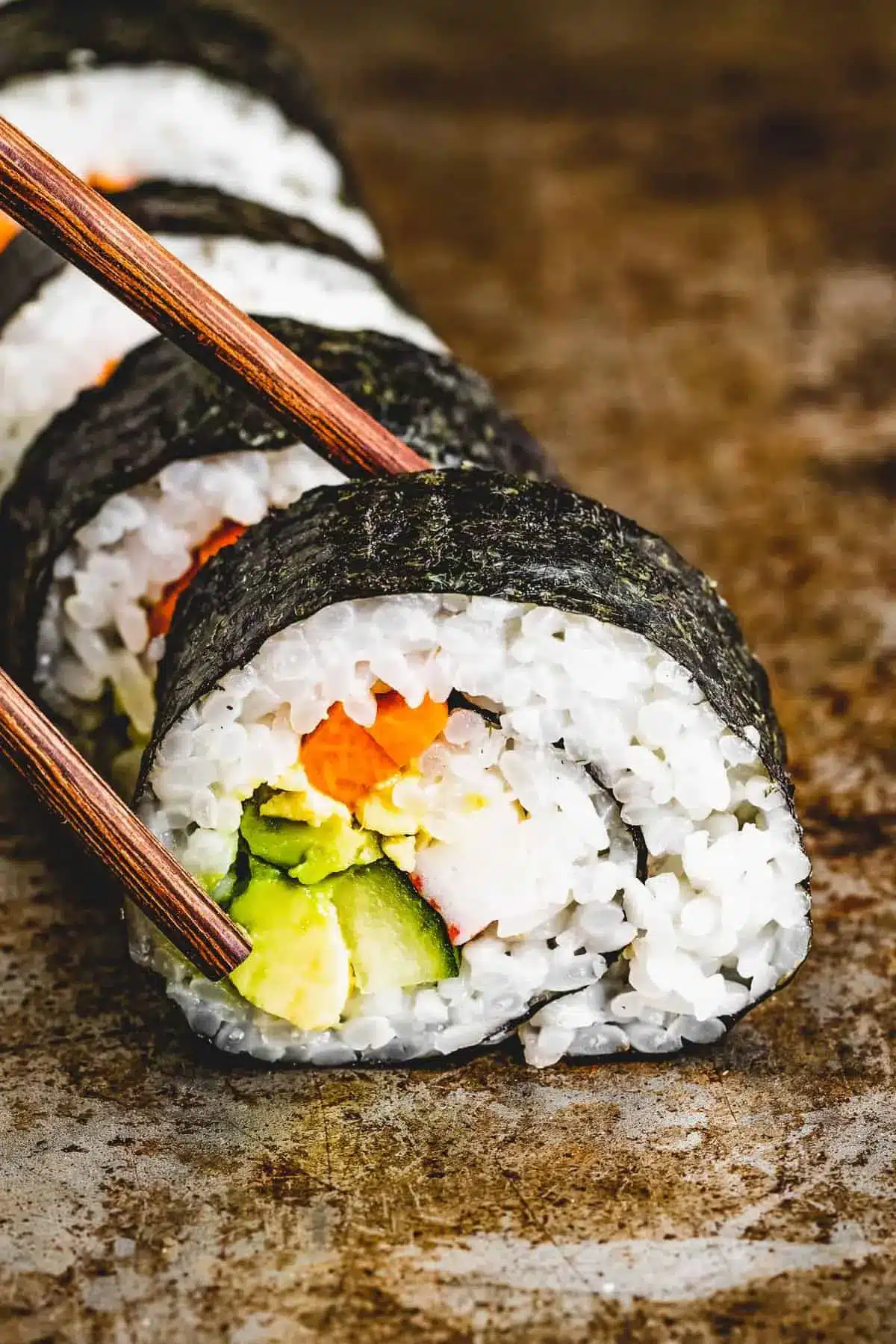
Embarking on the journey of crafting your own sushi at home can feel like a culinary adventure, a delightful challenge that promises incredibly rewarding results. This Maki Roll recipe, inspired by the beloved California roll but with the iconic nori embracing the outside, transforms a seemingly complex dish into an accessible and enjoyable experience for any home cook. Prepare to impress yourself and your loved ones with fresh, vibrant flavors and a beautiful presentation that rivals your favorite sushi restaurant.
Forget the reservations and the long waits; the secret to mastering the art of homemade sushi lies in understanding a few key techniques and using quality ingredients. This recipe breaks down the process into simple, manageable steps, ensuring that even beginners can achieve sushi perfection. From perfectly seasoned sushi rice to the artful arrangement of fresh fillings, every element is designed to build your confidence and create a truly delicious and satisfying meal. Get ready to roll!
Why You Will Love This Recipe
- Authentic Flavor: Experience the delightful taste of traditional Maki rolls, crafted with carefully seasoned sushi rice and fresh, crisp ingredients for an unparalleled culinary journey.
- Customizable Fillings: This recipe serves as a fantastic base, allowing you to easily adapt and personalize your Maki rolls with a wide array of favorite ingredients, from different seafood to an abundance of vegetables.
- Engaging Activity: Rolling sushi is a wonderfully interactive and fun activity, perfect for family gatherings, date nights, or dinner parties, where everyone can get involved in creating their own personalized rolls.
- Impressive Presentation: Serve beautifully crafted Maki rolls that are as visually appealing as they are delicious, making them a showstopper for any occasion or a delightful healthy lunch option.
- Health-Conscious Choice: Enjoy a meal that is packed with fresh vegetables and lean protein, offering a lighter yet incredibly satisfying alternative to heavier dishes, aligning perfectly with healthy eating goals.
Ingredients You Need
The foundation of any exceptional Maki roll is the quality of its ingredients, and this recipe emphasizes freshness and balance. Using the right type of rice, the crispest vegetables, and flavorful protein ensures that each bite is a harmonious blend of textures and tastes. Always opt for the freshest produce and high-quality imitation crab for the best results, and remember that the subtle seasoning of the sushi rice is crucial to the overall flavor profile. For a truly authentic experience, selecting good quality nori is also key to achieving that perfect wrap.
Easy Maki Roll Recipe

Master the art of homemade sushi with this easy Maki Roll recipe! Featuring nori and perfectly cooked sushi rice wrapped around a colorful combo of imitation crab, cucumber, avocado, and carrots, these rolls promise a fun and flavorful dining experience!
- For the sushi rice:
- 1½ cups sushi rice
- 1½ cups water
- 1½ tablespoons granulated sugar
- To assemble:
- 4 sheets sushi Nori
- 1 English cucumber, peeled and sliced into thin strips
- 1 medium carrot, peeled and sliced into thin strips
- 1 avocado, sliced
- 4 sticks imitation crab, cut in half, longwise
- 1For the sushi rice: Prep the rice. In a fine mesh strainer, rinse the rice until the water runs clear.
- 2Cook the rice. Combine the rice and the water in the bowl of an Instant Pot. (You can also cook the rice according to the directions on the package.) Seal the Instant Pot and cook on high pressure for 10 minutes. Allow the pressure to release naturally for 12 minutes before opening the instant pot and fluffing the rice with a fork.
- 3Meanwhile, make the rice wine vinegar mixture. In a small saucepan, combine the rice wine vinegar and the sugar and cook over medium heat until the sugar dissolves.
- 4Combine and cool. Fold the rice vinegar mixture into the prepared sushi rice. Allow the rice to cool to just above room temperature before using.
- 5To assemble: Prep. Place a sheet of nori over a bamboo sushi mat. Wet your fingers with warm water. This will help keep the rice from sticking to your hands. I like to keep a bowl of warm water near me when I'm making sushi rolls.
- 6Add the rice. Press about ¾ cup of the prepared sushi rice over the nori. Use your hand to press it into an even layer, covering the nori.
- 7Layer the veggies and crab. Stack 1 row of English cucumbers, 1 row of carrots, 1 row of imitation crab, and 1 row of avocado slices on top of each other in a line at one end of the mat.
- 8Roll. Fold the nori and rice over the filling, then squeeze the bamboo mat to create a tight cylinder. Continue folding the roll over itself, squeezing it into a cylinder after each fold, until you reach the end of the roll.
- 9Repeat with the remaining ingredients.
- 10Cut and serve. Wet a sharp knife with warm water and slice the rolls into ½ inch slices, wetting the knife between slices if it starts to get sticky. Serve the sushi rolls with your favorite sushi dipping sauce(s).
Keywords: sushi, maki, rolls, Japanese, seafood, imitation crab, cucumber, avocado, carrot, rice, nori
The precise quantities for all the delectable ingredients are detailed within the comprehensive recipe card for your convenience.
Variations
The beauty of Maki rolls lies in their incredible versatility, allowing for endless creativity and catering to every palate. Imagine a vibrant dinner experience that’s entirely tailored to your preferences. One exciting avenue is to explore vegan options, substituting the imitation crab with marinated and grilled tofu, tempeh, or even roasted sweet potato and shiitake mushrooms. Ensure your vegetables are cut into thin, uniform strips for easy rolling and a beautiful presentation.
For those following a low-carb lifestyle, this recipe can be adapted by omitting the rice altogether and opting for a “rice-less” roll. You can use thinly sliced cucumber or zucchini noodles as a wrap, or simply layer your fillings with a thin sheet of nori. Another popular variation involves incorporating different types of seafood, such as cooked shrimp, smoked salmon, or even thinly sliced, sushi-grade tuna or yellowtail for a more traditional feel. Always ensure any raw fish used is of the highest quality and explicitly labeled as sushi-grade.
Adding a touch of sweetness and tropical flair can elevate your Maki rolls to a new level. Consider adding thin slices of ripe mango or even a hint of pineapple for a delightful burst of flavor that complements the savory elements. For an extra layer of texture and a satisfying crunch, think about including finely chopped macadamia nuts, toasted sesame seeds, or even crispy fried onions within the roll. Don’t be afraid to experiment with different dipping sauces as well; beyond the classic soy sauce and wasabi, teriyaki, unagi, or a spicy mayo can offer exciting new taste dimensions.
How to Prepare maki roll recipe
Step 1: Preparing the Sushi Rice
The foundation of any great Maki roll is perfectly prepared sushi rice, which requires specific attention to detail to achieve its characteristic sticky yet distinct texture. Begin by thoroughly rinsing the sushi rice under cold running water in a fine-mesh strainer. This crucial step removes excess starch, preventing the rice from becoming overly gummy and ensuring each grain remains identifiable once cooked. Continue rinsing until the water runs clear, signifying that most of the surface starch has been washed away.
Once rinsed, combine the rice with the specified amount of water in your cooking vessel. Whether you’re using an Instant Pot or a stovetop method, follow the instructions carefully to ensure the rice cooks evenly and achieves the right consistency. For an Instant Pot, a high-pressure cook for about 10 minutes, followed by a 12-minute natural pressure release, is often ideal. If using a traditional pot, bring it to a boil, then reduce heat, cover, and simmer until all the water is absorbed, letting it steam for an additional 10 minutes off the heat.
While the rice is cooking, prepare the essential sushi vinegar mixture. In a small saucepan, gently heat the rice wine vinegar and granulated sugar over medium heat. Stir continuously until the sugar is completely dissolved, creating a smooth, fragrant liquid. This seasoned vinegar is what imbues the sushi rice with its signature tangy and slightly sweet flavor, a critical component that balances the other ingredients in the roll. Avoid boiling the mixture; gentle heating is sufficient to dissolve the sugar.
After the rice has finished cooking and steaming, gently fluff it with a fork to separate the grains. While the rice is still warm, gradually fold in the prepared sushi vinegar mixture. Be gentle to avoid breaking the rice grains. The goal is to evenly coat the rice, ensuring each grain absorbs the seasoned liquid. Allow the seasoned rice to cool to just above room temperature before proceeding with assembling the Maki rolls. This cooling process is vital; hot rice can make the nori sheets brittle and difficult to work with.
Step 2: Assembling the Maki Rolls – The Base Layer
With your perfectly seasoned sushi rice cooled and your fillings prepped, it’s time to begin the artful process of rolling. Place a sheet of nori, shiny side down, onto a bamboo sushi mat (makisu). If you don’t have a bamboo mat, a clean kitchen towel covered with plastic wrap can serve as a suitable alternative. The nori sheet should be positioned so that the lines on the nori run horizontally across the mat.
To prevent the sticky sushi rice from adhering to your fingers, keep a small bowl of warm water nearby. Dip your fingertips into the warm water and shake off any excess before you begin spreading the rice. This simple technique makes handling the rice significantly easier and cleaner. It’s a pro tip that makes a world of difference in the rolling process, ensuring a smooth and even application.
Carefully scoop approximately ¾ cup of the cooled sushi rice onto the nori sheet. Using your wet fingertips, gently and evenly press the rice across the entire surface of the nori, leaving about a one-inch strip bare at the top edge furthest from you. This bare strip of nori will act as a sealant to help close the roll once it’s complete. Aim for a consistent, even layer of rice, not too thick, as this can make rolling difficult and overpower the flavors of the fillings.
Step 3: Layering the Vibrant Fillings
Now comes the visually exciting part: layering your chosen fillings onto the bed of sushi rice. Arrange your prepared ingredients in neat, parallel rows across the rice, slightly below the center of the nori sheet, positioning them closer to you. For this recipe, this typically includes a row of thinly sliced English cucumber, a row of julienned carrot, and strips of imitation crab, followed by delicate slices of avocado.
Ensure that the fillings are layered compactly but not excessively, as overstuffing can lead to a roll that’s difficult to seal and prone to breaking. The uniform size and shape of your cut vegetables and crab sticks are crucial here; aim for strips that are roughly the same length as the width of your nori sheet. This uniformity not only makes the rolling process smoother but also contributes to the aesthetically pleasing appearance of the finished Maki roll.
The key to a well-balanced Maki roll is the harmonious interplay of textures and flavors. The crispness of the cucumber and carrot contrasts beautifully with the soft, creamy avocado and the subtly sweet, flaky imitation crab. When layering, consider the order for optimal visual appeal and even distribution of flavors in each bite. Some prefer to place the imitation crab first, followed by the vegetables and avocado, creating a vibrant internal mosaic.
Step 4: The Art of Rolling the Maki
This is where the magic happens. Begin by lifting the edge of the bamboo mat closest to you, using your thumbs and index fingers to gently fold the nori and rice over the fillings. As you initiate the fold, tuck the edge of the nori and rice firmly against the fillings. The goal is to snugly enclose the ingredients without crushing them. This initial tuck is critical for creating a compact core.
Once the first fold is complete, and the filling is encased, begin to gently roll the mat forward. Apply consistent, even pressure with your hands on the mat to shape the roll into a tight cylinder. With each turn of the mat, continue to squeeze gently but firmly. This repeated pressure helps to compact the rice and fillings, ensuring the roll holds its shape and doesn’t unravel when sliced. Imagine you are shaping a firm, cohesive log.
Continue rolling the mat forward, unrolling and re-rolling as needed, until you reach the bare edge of the nori. The moisture from the rice will help the bare strip of nori adhere to the rest of the roll, sealing it shut. Once the roll is complete, gently squeeze the entire cylinder within the bamboo mat one last time to ensure it’s firm and uniformly shaped. The result should be a tightly rolled, neat cylinder of sushi, ready for slicing.
Step 5: Slicing and Presenting Your Masterpiece
The final step in creating your exquisite Maki rolls is slicing them into perfect, bite-sized pieces. To achieve clean, professional-looking cuts, use a very sharp knife. Before you begin slicing, dip the blade of the knife into a bowl of warm water and wipe off any excess with a damp kitchen towel. This wetting process is crucial; it prevents the sticky rice from adhering to the knife, ensuring each slice is neat and distinct.
Begin by slicing the roll in half. Then, take each half and slice it into approximately ½-inch thick pieces. Between each cut, re-wet and wipe your knife blade. This consistent preparation of the knife ensures that you don’t end up with a mashed or smeared roll, but rather beautifully presented sushi pieces. The visual appeal is just as important as the taste in sushi preparation.
Arrange the sliced Maki rolls attractively on a serving platter. You can stand them up on their cut edges for a more dramatic presentation, or lay them flat. Garnish your platter with pickled ginger (gari), a small mound of vibrant green wasabi, and a side of soy sauce for dipping. The accompaniments not only enhance the flavor but also add to the overall authentic sushi dining experience. This visual flourish transforms your homemade creation into a restaurant-quality dish.
Step 6: Embracing the Flavors and Variations
As you master the basic Maki roll, remember that this recipe is a gateway to endless culinary exploration. Consider the vast world of sushi ingredients available at your local Asian market or well-stocked grocery store. Beyond the classic imitation crab and vegetables, explore the possibilities of adding thinly sliced cooked shrimp, succulent chunks of cooked eel (unagi), or even a spicy tuna mixture made with chopped tuna, mayonnaise, and a dash of sriracha. For a vegetarian delight, try seasoned shiitake mushrooms, tamagoyaki (Japanese rolled omelet), or even creamy cream cheese.
Experimenting with different rice-to-filling ratios can also yield unique results. A roll with more rice will be more substantial, while a roll packed with extra fillings will offer a more intense flavor experience. Don’t shy away from incorporating textures, such as crispy tempura bits, toasted sesame seeds, or even a sprinkle of tobiko (flying fish roe) for a delightful pop. Each addition offers a new dimension, transforming a simple Maki roll into a complex and satisfying culinary creation.
The joy of making Maki rolls at home is the ability to cater to everyone’s specific tastes and dietary needs. For a completely plant-based meal, ensure all your fillings are vegan-friendly and consider serving with a vegan soy sauce or tamari. If you’re looking for a lighter option, focus on a higher proportion of fresh vegetables and lean proteins. The process itself is meditative and rewarding, offering a delicious and healthy way to enjoy Japanese cuisine right in your own kitchen.
Pro Tips for maki roll recipe
Rice Consistency is Key: Ensure your sushi rice is cooked perfectly and seasoned correctly. It should be sticky enough to hold together but not mushy. Cooling it to just above room temperature is crucial for easy handling and preventing the nori from tearing.
Keep it Wet: A small bowl of warm water is your best friend when working with sushi rice. Continuously dipping your fingers in water prevents the rice from sticking to your hands, allowing for a smooth and even spreading of the rice on the nori.
Don’t Overfill: While it’s tempting to pack your Maki rolls with as many delicious ingredients as possible, overfilling can make rolling difficult and messy. Stick to a balanced amount of filling for a neat, well-formed roll that’s easy to slice.
Tight Rolling Technique: Apply firm, consistent pressure when rolling the sushi mat. Squeeze gently between each fold to create a compact cylinder that will hold its shape. This technique ensures your rolls don’t fall apart when cut or eaten.
Sharp, Wet Knife: The secret to clean cuts is a sharp knife that is regularly moistened with warm water. Wipe the blade with a damp towel between slices to prevent sticking. This ensures each piece of your Maki roll looks as good as it tastes.
Nori Placement: Always place the nori sheet shiny side down on the bamboo mat. This allows the duller side to absorb moisture from the rice, helping it stick better and preventing a slippery exterior.
Practice Makes Perfect: Don’t be discouraged if your first few rolls aren’t perfect. Sushi rolling is a skill that improves with practice. Each attempt will refine your technique, leading to more beautiful and delicious results.
Serving Suggestions for maki roll recipe
Decoration
Elevate your Maki roll presentation with simple yet impactful decorative touches. A sprinkle of toasted sesame seeds, either black or white, over the top of the rolls adds visual interest and a subtle nutty flavor. For a pop of vibrant color, consider garnishing with finely julienned pickled ginger (gari) or thin slices of fresh avocado arranged artfully on the platter. A small dollop of bright green wasabi paste placed strategically can also serve as both a decorative element and a flavorful accompaniment.
Side Dishes
Maki rolls are often enjoyed as part of a larger meal, and several side dishes pair beautifully with their fresh flavors. A light and refreshing Asian cucumber salad, dressed with rice vinegar, soy sauce, and a touch of sesame oil, complements the sushi perfectly. Miso soup, with its savory depth and delicate ingredients like tofu and seaweed, is a classic accompaniment that warms and satisfies. For a heartier option, consider serving your Maki rolls alongside a flavorful seafood paella or a simple bowl of steamed edamame.
Creative Serving Ideas
Transform your dining experience with creative serving ideas that go beyond the standard platter. Consider arranging your Maki rolls on a long, narrow platter to mimic a sushi train, allowing guests to pick and choose their favorites. For a fun, interactive meal, set up a “sushi bar” where guests can assemble their own rolls with a variety of pre-prepped fillings. You can also serve individual sushi platters for each guest, complete with soy sauce dishes, chopsticks, and small bowls for miso soup, creating a personalized and elegant dining experience.
Preparation & Storage
Storing Leftovers
To store leftover Maki rolls, it is crucial to maintain their freshness and prevent them from drying out. First, wrap each individual roll tightly in plastic wrap. This step creates a barrier against air, which is essential for keeping the rice moist and the nori from becoming soggy. Once individually wrapped, place the rolls in an airtight container. This dual protection ensures the best possible quality for your leftovers.
Store the container in the refrigerator. Properly stored Maki rolls are best consumed within 1 to 2 days. While they will remain safe to eat for a bit longer, the texture and flavor will gradually degrade. It’s always recommended to consume them as soon as possible after preparation for the optimal taste and texture experience. Avoid storing them at room temperature, as this can promote bacterial growth.
Freezing
Freezing Maki rolls is generally not recommended as it significantly affects the texture and quality of the rice and fillings. The high moisture content in sushi rice, when frozen and thawed, can result in a mushy and unappealing consistency. The nori wrap can also become brittle and break apart easily after being frozen. Therefore, it is best to prepare only the amount of Maki rolls you intend to consume within a short period to avoid the need for freezing.
Reheating
Maki rolls are best enjoyed fresh and are not typically reheated. Reheating sushi can compromise the delicate textures of the ingredients, particularly the rice, turning it soft and gummy. If you have leftovers that have been refrigerated, the best way to enjoy them is at their chilled temperature. Attempting to reheat them, whether in a microwave or oven, will likely result in a less than ideal eating experience. Focus on proper storage to maintain their quality for immediate consumption.
Frequently Asked Questions
-
What is the best way to ensure my sushi rice is perfectly sticky for Maki rolls?
Achieving perfectly sticky sushi rice involves several key steps. Firstly, it’s essential to use short-grain sushi rice, as it has a higher starch content ideal for binding. Thoroughly rinse the rice under cold water until the water runs clear to remove excess starch. When cooking, use the correct water-to-rice ratio as specified in the recipe. Once cooked, the rice must be seasoned with a mixture of rice wine vinegar, sugar, and a pinch of salt, which should be gently folded in while the rice is still warm. Allowing the seasoned rice to cool to just above room temperature before use is critical; it should be pliable and slightly sticky, but not wet or mushy. This careful preparation ensures that the rice will hold together beautifully when forming your Maki rolls.
-
Can I use regular white rice instead of sushi rice for my Maki rolls?
While it’s possible to make Maki rolls with regular long-grain white rice, the results will be significantly different and generally less successful. Sushi rice is specifically bred and processed to have a higher starch content, which gives it the necessary stickiness to hold the roll together and create the characteristic texture of sushi. Regular white rice is much drier and less starchy; it won’t bind effectively, leading to rolls that fall apart easily. The flavor profile will also be different, as sushi rice is designed to absorb the seasoned vinegar mixture in a way that regular rice does not. For the best and most authentic results, it is highly recommended to use true sushi rice, which is readily available in most supermarkets and Asian markets.
-
How do I prevent my Maki rolls from being too loose or falling apart when I slice them?
Preventing loose or falling-apart Maki rolls comes down to technique and proper pressure. Ensure you are not overfilling the nori sheet; a moderate amount of filling allows for a tighter roll. As you begin to roll the sushi using the bamboo mat, apply consistent, firm pressure. Squeeze the mat gently but firmly around the roll with each turn. This action compacts the rice and fillings, creating a cohesive cylinder that will hold its shape. The initial tuck of the nori over the filling is also vital; make sure it’s snug. When slicing, the use of a very sharp, wet knife is paramount. Re-wetting the knife between cuts prevents sticking and ensures clean, distinct slices. Don’t rush the slicing process; take your time and apply steady pressure.