P.F. Chang's Mongolian Beef Recipe
Embark on a culinary adventure that brings the irresistible flavors of your favorite Chinese-American restaurant right into your own kitchen. This Mongolian Beef recipe is a beloved classic, celebrated for its tender, savory-sweet beef coated in a luscious sauce that clings perfectly to every bite. It’s a dish that promises comfort, satisfaction, and an impressive meal for any occasion.
Get ready to discover why this particular recipe stands out as a must-try, offering a delightful balance of textures and tastes that will have everyone asking for seconds. We’ll guide you through each step, ensuring a delicious outcome that rivals any takeout establishment, all while using ingredients that are readily available.
Why You Will Love This Recipe
- Quick Preparation: This dish is ready from start to finish in approximately 30 minutes, making it an ideal choice for busy weeknights when you crave something special but don’t have a lot of time.
- Simple Ingredients: You’ll find that the ingredients required are common kitchen staples, meaning you likely have most of them on hand already, simplifying your shopping and prep process significantly.
- Flavorful Sauce: The signature sauce is a masterpiece of sweet and savory notes, featuring a harmonious blend of soy sauce, brown sugar, ginger, and garlic that is truly addictive.
- Tender Beef: Properly slicing and cooking the flank steak ensures it remains incredibly tender and succulent, providing a delightful contrast to the slightly crisp exterior achieved through the cornstarch coating.
- Restaurant Quality at Home: Recreate the authentic taste and texture of P.F. Chang’s famous Mongolian Beef without ever leaving your house, offering a cost-effective and convenient alternative.
Ingredients You Need
The magic of this Mongolian Beef recipe lies in its straightforward ingredient list, comprised of items that are likely already in your pantry or easily found at any grocery store. We believe in making delicious food accessible, and this recipe truly embodies that philosophy by avoiding obscure or hard-to-find components. Using fresh, quality ingredients will always elevate the final dish, ensuring a depth of flavor that is truly memorable.
P.F. Chang’s Mongolian Beef Copycat Recipe
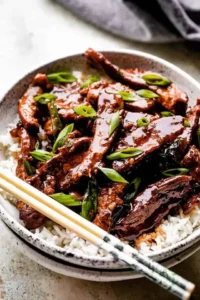
This copycat of P.F. Chang’s Mongolian Beef recipe features flank steak simmered in a delectable sweet sauce made with ginger, garlic, soy sauce, and brown sugar. It’s simple to prepare and perfectly captures the flavors of the renowned restaurant’s dish!
- 1 pound flank steak, thinly sliced across the grain on the diagonal
- ¼ cup cornstarch
- 2 teaspoons vegetable oil
- 1 teaspoon minced fresh ginger
- 1 tablespoon minced garlic
- ½ cup soy sauce
- ½ cup water
- ½ cup dark brown sugar
- 1 cup vegetable oil, for frying
- 2 green onions, green parts only, sliced on the diagonal into 2-inch pieces
- 4 cups cooked white rice
- 1Place cornstarch on a shallow plate. Dip steak slices into the cornstarch, coating both sides. Let rest for 10 minutes.
- 2In a saucepan, heat 2 teaspoons of vegetable oil over medium-low heat. Add ginger and garlic; cook for 10 seconds until fragrant.
- 3Stir in soy sauce and water. Whisk in brown sugar until dissolved. Cook, stirring, until the sauce thickens, about 10 minutes. Set aside.
- 4In a separate large skillet, heat 1 cup of vegetable oil over medium heat until hot. Add steak slices in a single layer (work in batches if necessary) and cook for 2-3 minutes per side until cooked through.
- 5Remove steak from oil using tongs and drain on paper towels. Discard the oil.
- 6Return the saucepan to medium heat. Add steak slices and cook for 1 minute.
- 7Pour the prepared sauce over the steak and stir gently. Cook for another minute.
- 8Stir in green onions and cook for 1-2 minutes, until heated through.
- 9Serve hot over cooked white rice.
Hot Pan: Ensure your pan is hot to achieve a crispy exterior and tender interior.
Avoid Overcrowding: Arrange the beef in a single layer in the pan for even cooking. You may need to cook the steak slices in two batches.
Keywords: Mongolian Beef, P.F. Chang's, Copycat, Chinese-American, Beef, Dinner, Quick Meal
The specific quantities for each ingredient are detailed within the recipe card provided. This ensures you have everything precisely measured for the perfect balance of flavors and textures in your Mongolian Beef.
Variations
While the classic Mongolian Beef is undeniably delicious, it’s also a fantastic base for creative adaptations. Exploring these variations can cater to different dietary preferences or simply add an exciting new dimension to this beloved dish.
For those following a plant-based lifestyle, a Vegan Mongolian “Beef” can be achieved by substituting the flank steak with king oyster mushrooms or firm tofu. Slice the mushrooms thickly or press the tofu well, then marinate them in a portion of the sauce before lightly frying or baking until golden and slightly chewy. This provides a wonderful texture that mimics the beef, absorbing the rich sauce beautifully.
If you’re looking to reduce carbohydrates, a Low-Carb Mongolian Beef is an excellent option. Serve the dish over cauliflower rice instead of traditional white rice, or skip the rice altogether and focus on the flavorful beef and sauce. You can also add a generous serving of steamed or stir-fried vegetables like broccoli, bell peppers, or snap peas to make it a complete and satisfying low-carb meal.
Another delightful variation involves introducing a hint of spice for those who enjoy a bit of heat. Consider adding a teaspoon of red pepper flakes or a dash of sriracha to the sauce as it simmers. This creates a Spicy Mongolian Beef that offers a tantalizing kick, perfectly complementing the sweetness and umami of the original recipe. This small addition can significantly alter the flavor profile, making it a thrilling alternative.
How to Prepare Mongolian Beef Recipe
Step 1: Preparing the Beef for Frying
The foundation of incredibly tender and flavorful Mongolian Beef starts with the proper preparation of the flank steak. This step is crucial for achieving that desired melt-in-your-mouth texture that contrasts beautifully with the rich sauce. It ensures that each bite is a delightful experience, making the effort well worth it.
Begin by ensuring your flank steak is thinly sliced. For the easiest slicing, it’s highly recommended to partially freeze the beef for about 20 to 30 minutes beforehand. This firms up the meat, making it much simpler to cut into uniform, thin pieces. Aim for slices that are about 1/4 inch thick, and always slice against the grain of the meat; you’ll notice the long muscle fibers, and cutting across them is key to tenderness.
Once sliced, place the beef in a shallow dish or a large plate. Sprinkle the cornstarch evenly over the beef slices. Using your hands or a spatula, gently toss the beef to ensure that every piece is lightly and evenly coated in the cornstarch. This coating is essential as it helps create a slightly crispy exterior when the beef is fried and also acts as a thickening agent for the sauce later on. Let the coated beef sit for at least 10 minutes while you prepare the sauce, allowing the cornstarch to adhere.
Step 2: Crafting the Delicious Sauce
The heart and soul of any Mongolian Beef recipe is its signature sauce, and this version is no exception. It’s a simple yet incredibly effective blend of sweet, savory, and aromatic ingredients that coats the beef perfectly, creating an irresistible dish. Taking the time to build this flavor base will pay dividends in the final taste of your meal.
In a medium saucepan, heat about 2 teaspoons of vegetable oil over medium-low heat. Add the minced fresh ginger and minced garlic to the warm oil. Sauté these aromatics for a mere 10 seconds, or until they become wonderfully fragrant, being careful not to burn them. This brief sautéing process releases their potent flavors into the oil, setting the stage for the sauce.
Next, pour in the soy sauce and water, stirring to combine them with the fragrant ginger and garlic. Whisk in the dark brown sugar until it is completely dissolved. Bring this mixture to a simmer, then reduce the heat to medium and let it cook, stirring occasionally, for about 10 minutes, or until the sauce has thickened to a syrupy consistency. This simmering process allows the flavors to meld and deepen, resulting in a rich, glossy sauce that will cling beautifully to the beef. Once thickened, remove the sauce from the heat and set it aside for later.
Step 3: Frying the Beef to Perfection
Achieving that perfect balance of tender interior and slightly crisp exterior for the beef is paramount in this Mongolian Beef recipe. Frying in hot oil at the right temperature is the key to this textural contrast, ensuring the beef is cooked quickly without becoming tough or dry. This step is where the magic truly starts to happen.
In a separate large skillet or wok, add the 1 cup of vegetable oil for frying. Heat this oil over medium-high heat until it is hot; you can test if it’s ready by dropping a tiny piece of beef into it—it should sizzle immediately. It’s important for the oil to be sufficiently hot to cook the beef quickly and efficiently, creating that desirable sear.
Carefully add the cornstarch-coated beef slices to the hot oil in a single layer. Do not overcrowd the pan; you may need to fry the beef in batches to ensure even cooking and to maintain the oil’s temperature. Fry the beef for about 2 to 3 minutes per side, or until it is nicely browned and cooked through. The cornstarch will create a light, crispy coating as it fries.
Once the beef is cooked, use a pair of tongs to remove the fried slices from the hot oil. Place the fried beef on a plate lined with paper towels to drain any excess oil. This step is essential for preventing the beef from becoming greasy and for achieving the desired crispness. The resulting beef should be golden brown with a slightly chewy texture.
Step 4: Combining Beef and Sauce
Now comes the exciting part: bringing together the perfectly fried beef and the luscious, aromatic sauce. This is where all the components of the dish unite, transforming into the iconic Mongolian Beef that we all know and love. The quick combination ensures the beef retains its texture while becoming fully infused with the sauce’s delightful flavors.
Return the saucepan containing the prepared sauce to the stove over medium heat. Once the sauce is warm again, carefully add the fried beef slices back into the saucepan. Stir gently to coat all the beef pieces thoroughly with the sauce. Allow the beef and sauce to simmer together for about 1 minute, giving the beef a chance to absorb some of the sauce’s deliciousness.
This brief simmering period is critical for marrying the flavors and ensuring the sauce adheres beautifully to each piece of beef. The residual heat from the pan and the sauce will finish cooking the beef and ensure it’s perfectly tender without becoming mushy. The aroma at this stage is simply incredible, a testament to the delicious meal you are about to enjoy.
Step 5: Adding the Finishing Touches
The final flourish for this exquisite Mongolian Beef dish involves the addition of fresh green onions, which provide a pop of color and a mild, fresh oniony bite. This simple addition elevates the dish, adding a layer of freshness that balances the richness of the sauce and the savory beef. It’s a classic garnish that truly completes the presentation and flavor profile.
Once the beef and sauce have simmered together for a minute, stir in the sliced green onions. Cook for another 1 to 2 minutes, stirring gently, until the green onions are slightly softened but still retain a vibrant green color and a pleasant crispness. This ensures they add their fresh flavor and texture without becoming overcooked or wilted. The bright green specks against the dark, glossy beef are visually appealing.
Your homemade Mongolian Beef is now ready to be served and enjoyed. The combination of tender beef, flavorful sauce, and fresh green onions creates a truly satisfying culinary experience. The dish is best served immediately while it is hot and the textures are at their peak, promising a delightful meal.
Step 6: Serving the Masterpiece
The final step in creating a restaurant-quality Mongolian Beef experience is serving it in a way that highlights its deliciousness and appeal. Serving it hot over a bed of fluffy white rice is the traditional and most beloved method, allowing the rice to soak up every last drop of the delectable sauce. This presentation is not only comforting but also incredibly satisfying for any meal.
Ladle the hot Mongolian Beef generously over mounds of freshly cooked white rice. Steamed jasmine rice is an excellent choice for its fragrant aroma and slightly sticky texture, which perfectly cradles the sauce. The contrast between the fluffy rice and the rich, savory beef is a classic pairing that never disappoints. Ensure each serving gets a good amount of beef and plenty of that amazing sauce.
Alternatively, consider serving it with other accompaniments that complement its flavors. Stir-fried vegetables, such as broccoli or snap peas, can add a healthy crunch and vibrant color. For a more complete meal, a side of simple steamed greens or even a light Asian-inspired salad can provide a refreshing counterpoint to the richness of the Mongolian Beef. The goal is to create a balanced and enjoyable dining experience.
Pro Tips for Mongolian Beef Recipe
Slice Against the Grain: This is perhaps the most critical tip for tender beef. When you slice the flank steak, identify the direction of the muscle fibers and cut perpendicular to them. This breaks down the tough connective tissues, resulting in incredibly tender bites of beef that are a joy to eat.
Hot Pan, Fast Cook: Ensure your frying pan or wok is very hot before adding the beef. This high heat sears the outside of the cornstarch-coated beef quickly, creating a slightly crisp exterior while keeping the inside tender and juicy. Avoid overcrowding the pan, as this will lower the temperature and lead to steamed, less crispy beef.
Don’t Skip the Cornstarch: The cornstarch coating is essential for two main reasons. Firstly, it helps achieve a delightful crispy texture on the fried beef. Secondly, it acts as a thickening agent for the sauce, giving it that luscious, glossy consistency that clings perfectly to the beef.
Taste and Adjust: Before serving, always taste the sauce and adjust the seasonings as needed. You might want a touch more sweetness from brown sugar, a bit more saltiness from soy sauce, or even a hint of tanginess from a splash of rice vinegar. Your palate is the ultimate guide to perfection.
Fresh Aromatics are Key: While dried ginger and garlic powder can be used in a pinch, fresh minced ginger and garlic will impart a far superior, more vibrant flavor to your Mongolian Beef sauce. Their aromatic qualities are essential for that authentic restaurant-like taste.
Serving Suggestions for Mongolian Beef Recipe
Decoration
Garnish your finished Mongolian Beef with thinly sliced green onions, using both the white and green parts for a pleasing visual contrast and a fresh, mild onion flavor. A sprinkle of toasted sesame seeds adds a nutty aroma and a delightful crunch, enhancing the overall sensory experience. For an extra touch of elegance, consider adding a few julienned red bell peppers for a vibrant splash of color and a hint of sweetness.
Side Dishes
The classic pairing for Mongolian Beef is, of course, steamed white rice, which is perfect for soaking up every bit of that delectable sauce. For a healthier alternative, try serving it over dinner recipes or fluffy cauliflower rice. Stir-fried vegetables like broccoli, bok choy, or snap peas make for an excellent addition, providing a satisfying crunch and balancing the richness of the dish.
Creative Serving Ideas
Transform your Mongolian Beef into a delightful appetizer by serving it in small lettuce cups or as a filling for savory pancakes. You can also incorporate it into a noodle dish, tossing the saucy beef with cooked ramen or udon noodles for a quick and flavorful lunch or dinner. For a fusion twist, serve it alongside a fresh, tangy drinks inspired slaw or a simple Asian cucumber salad to cut through the richness.
Preparation & Storage
Storing Leftovers
Leftover Mongolian Beef can be stored in an airtight container in the refrigerator for up to 3 to 4 days. Ensure the container is well-sealed to maintain freshness and prevent any flavors from escaping or being absorbed by other foods in the fridge. The sauce tends to thicken further as it cools, which is perfectly normal.
Freezing
To freeze Mongolian Beef, place the cooled dish into freezer-safe containers or heavy-duty zip-top bags. It can be stored in the freezer for approximately 3 to 4 months. It’s advisable to freeze the beef and sauce separately from any rice to maintain the best texture upon reheating, although freezing them together is also an option.
Reheating
To reheat refrigerated Mongolian Beef, gently warm it in a skillet over medium-low heat until thoroughly heated through, stirring occasionally. If reheating from frozen, you can either thaw it in the refrigerator overnight and then reheat on the stovetop, or microwave it directly from frozen. Be careful not to overheat, as this can make the beef tough.
Frequently Asked Questions
-
What is the best cut of beef to use for Mongolian Beef?
The ideal cut for Mongolian Beef is flank steak due to its tenderness and ability to cook quickly. However, sirloin steak is also a great alternative. The key is to choose a cut that is relatively lean and suitable for quick cooking methods like stir-frying. For optimal tenderness, it is crucial to slice the beef thinly and against the grain, a technique made easier if the meat is partially frozen beforehand.
-
How can I achieve a thicker, glossier sauce for my Mongolian Beef?
To achieve a thicker, glossier sauce, ensure you simmer it for the recommended duration until it naturally reduces and thickens. The cornstarch coating on the beef also contributes to thickening the sauce as it fries and is incorporated. If the sauce is still too thin after simmering, you can create a slurry by mixing a teaspoon of cornstarch with a tablespoon of cold water, then whisking it into the simmering sauce until it reaches your desired consistency. Be cautious not to add too much, as it can make the sauce gummy.
-
Can I make this recipe ahead of time or prepare certain components in advance?
Yes, several components of this Mongolian Beef recipe can be prepared in advance to save time. You can slice the beef and store it in the refrigerator (up to 2 days) or freezer (longer storage). The sauce can also be made a day ahead and stored in an airtight container in the refrigerator; gently reheat it on the stovetop before combining it with the freshly fried beef. This makes weeknight assembly much quicker and more convenient, allowing you to enjoy this delicious meal with less last-minute effort.