Easy Patty Melt Recipe – Classic Comfort Food at Home!
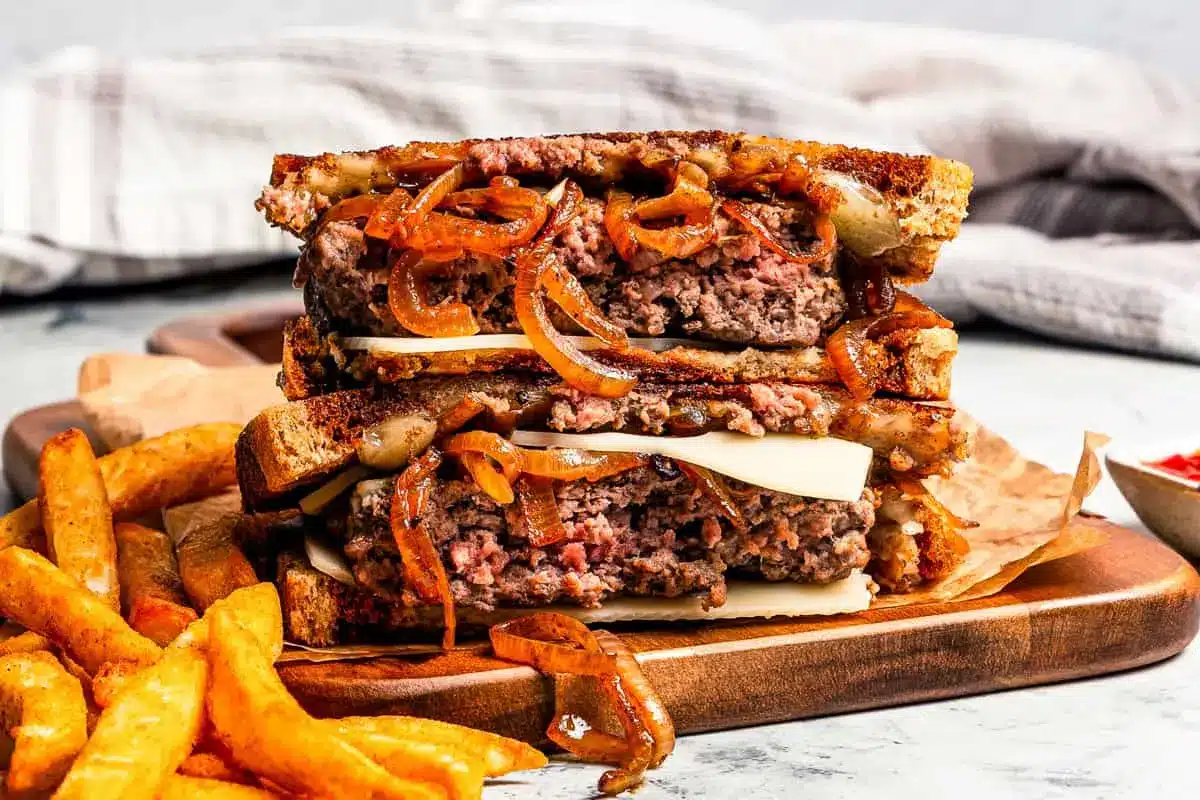
There’s something undeniably comforting about a classic diner meal, and the patty melt stands out as a true icon. It artfully combines the savory satisfaction of a juicy burger with the irresistible gooeyness of a grilled cheese, all nestled between perfectly toasted slices of rye bread. This isn’t just a sandwich; it’s a nostalgic trip back to simpler times, reinvented for your home kitchen.
Imagine biting into that warm, slightly crisp bread, giving way to a perfectly cooked beef patty, sweet caramelized onions, and a cascade of melted cheese. It’s a symphony of textures and flavors that makes every bite an experience. This recipe is designed to bring that iconic diner charm right to your table, with minimal fuss and maximum deliciousness.
Why You Will Love This Recipe
- Effortless Preparation: This recipe minimizes dishes by often using a single skillet for cooking the patties, caramelizing the onions, and grilling the sandwiches to perfection.
- Rich Flavor Profile: The combination of savory ground beef, deeply sweet caramelized onions, and a blend of melty cheeses creates an incredibly satisfying and complex taste.
- Customizable Comfort Food: While the classic is exceptional, this recipe is a fantastic base for experimentation, allowing you to tailor it to your specific preferences and dietary needs.
- Quick and Satisfying: Despite its gourmet flavor, this patty melt comes together relatively quickly, making it an ideal choice for a weeknight dinner or a special weekend lunch that won’t keep you in the kitchen for hours.
Ingredients You Need
The beauty of a classic patty melt lies in its simplicity, using readily available ingredients that come together to create something truly special. The quality of your ingredients, especially the ground beef and the bread, will significantly impact the final taste, so opt for the best you can find. Proper caramelization of the onions is also key to unlocking their natural sweetness and depth of flavor, transforming them from sharp to sublime.
Patty Melt Recipe
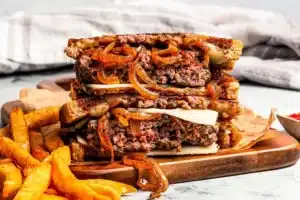
This is the best homemade patty melt recipe with caramelized onions, melty cheese, and toasted rye bread. It's easy, diner-style comfort food that you can make at home!
- For the patties:
- ½ pound ground chuck
- salt and freshly ground black pepper, to taste
- 1½ tablespoons cooking oil
- For the onions:
- 1 large onion
- 1 tablespoon butter
- salt and freshly ground black pepper, to taste
- 2-3 tablespoons water, or as needed
- Additional:
- 4 slices rye bread, or the desired type of bread
- 2 tablespoons mayonnaise
- 4 slices Provolone cheese
- 2 slices Emmental cheese
- 1Make the patties: Season the ground beef with salt and pepper. Shape the meat into two patties, trying to mimic the shape of your bread slices.
- 2Cook the patties: Heat oil in a skillet over medium-high heat. Add the patties and cook for 3-4 minutes per side or until cooked through. Remove the patties from the skillet and set aside, covered on a plate to collect the meat juices.
- 3Prepare the onions and butter: Peel and thinly slice the onions into half-moons. Melt the butter in a large skillet over medium-high heat.
- 4Caramelize the onions: Season the onions with salt and pepper, and cook for 5 minutes. Then reduce the heat to medium and cook the onions, stirring, until they start to change color. At this point, add some water to prevent burning. Scrape down any browned bits. Continue to cook the onions for 20 minutes, adding water as needed. Finally, stir any meat juices into the onions. Remove the onions from the skillet and set aside.
- 5Get ready to assemble: Spread mayonnaise over one side of the bread slices. Add the bread slices to the skillet, mayonnaise side down. Place the skillet on the stove over medium-high heat.
- 6Assemble the sandwiches and cook: Add 2 slices of Provolone cheese on top of a slice of bread, followed by half of the onions and a cooked patty. Add the Emmental cheese on top of the meat patty, and close the sandwich with another piece of bread, mayonnaise side up. Cook for 2-3 minutes per side or until the bread is browned and the cheese is melted. Repeat the same with the second sandwich.
- 7Serve: Slice the patty melt in half and serve.
Keywords: patty melt, beef, cheese, caramelized onions, rye bread, diner food, comfort food
For a detailed breakdown of exact quantities and step-by-step instructions, please refer to the printable recipe card provided below.
Variations
The classic patty melt is a masterpiece, but its inherent adaptability means it can be easily transformed into a variety of delicious renditions to suit different tastes and dietary requirements. Exploring these variations can introduce new flavor dimensions and textures, making this beloved sandwich even more versatile.
Consider a Vegan Patty Melt by substituting the ground beef with a hearty plant-based burger patty, such as a black bean or mushroom-based option. For the cheese, use your favorite vegan Swiss or cheddar slices. The onions can be caramelized just as described, and instead of mayonnaise, a vegan butter or a plant-based aioli can be used to grill the bread.
For those following a Low-Carb Patty Melt, swap the traditional rye bread for thick slices of toasted cauliflower crust or a low-carb bread alternative. You can even forgo the bread entirely and serve the seasoned beef patty, caramelized onions, and melted cheese open-faced on a bed of wilted spinach or shredded lettuce. This approach intensifies the core flavors of the patty and its toppings.
Another exciting avenue is a Spicy Patty Melt, incorporating a kick of heat. You can mix finely diced jalapeños into the ground beef before forming the patties, or add a layer of thinly sliced pickled jalapeños or a spicy pepper jack cheese when assembling the sandwich. A drizzle of sriracha mayonnaise or a spicy aioli on the bread before grilling can further enhance the heat.
How to Prepare patty melt recipe
Step 1: Prepare the Beef Patties
Begin by taking your ground chuck, ideally an 80/20 lean-to-fat ratio for optimal flavor and juiciness, and gently season it. A simple yet effective seasoning involves a generous pinch of salt and freshly ground black pepper, allowing the natural beef flavor to shine. Avoid overworking the meat at this stage, as this can lead to tougher patties; gentle handling is key to a tender outcome.
Once seasoned, divide the meat into two equal portions. Shape each portion into a patty that is roughly the same size and shape as your chosen bread slices. Aim for a thickness that will cook through nicely without becoming dry. You can slightly indent the center of each patty with your thumb; this helps prevent them from puffing up too much during cooking and ensures a more even texture.
The goal here is to create a foundation for your patty melt that is flavorful and holds its shape. The size consistency is particularly important for even cooking and for ensuring a balanced ratio of patty to bread and cheese in the final sandwich. This foundational step sets the stage for the incredible flavors that are yet to unfold in this classic diner creation.
Step 2: Cook the Beef Patties
Heat a tablespoon and a half of cooking oil in a skillet, ideally a cast-iron skillet for its excellent heat retention, over medium-high heat until it shimmers. Carefully place the seasoned beef patties into the hot skillet. You should hear a satisfying sizzle, indicating the pan is at the right temperature for a beautiful sear.
Allow the patties to cook undisturbed for approximately 3 to 4 minutes per side. This duration is usually sufficient for the patties to cook through to a medium-well or well-done state, depending on your preference. Resist the urge to press down on the patties with your spatula, as this can force out valuable juices, leading to a drier burger.
Once cooked to your liking, remove the patties from the skillet. Place them on a clean plate and loosely tent them with foil to allow them to rest. This resting period is crucial as it allows the juices to redistribute throughout the meat, ensuring each bite is as moist and flavorful as possible.
Step 3: Caramelize the Onions
While the patties are resting, turn your attention to the onions, which are integral to the patty melt’s signature sweetness and depth. Peel one large onion and slice it thinly into half-moons. The thin slicing ensures they cook evenly and become beautifully tender and sweet.
Melt one tablespoon of butter in the same skillet you used for the patties over medium-high heat. Add the sliced onions to the melted butter. Season them with a pinch of salt and freshly ground black pepper to enhance their natural flavors and help draw out moisture. Stir them around to coat evenly with the butter.
Cook the onions for about 5 minutes, stirring occasionally, until they start to soften and turn translucent. Then, reduce the heat to medium. Continue to cook them for a considerable amount of time, around 20 minutes, stirring frequently. As they cook down, they will begin to brown and sweeten. If they start to stick or scorch, add 2 to 3 tablespoons of water, a little at a time, and scrape the bottom of the pan to incorporate any browned bits, which add immense flavor.
The goal is to achieve a deep golden-brown hue and a wonderfully sweet, jammy consistency. This slow caramelization process transforms the sharp bite of raw onion into a rich, complex sweetness that is the hallmark of a superior patty melt. Towards the very end, once the onions are beautifully caramelized, you can stir in any residual meat juices left on the plate from the resting patties. This simple step further enriches the onion mixture with savory beef essence, creating an even more impactful flavor layer for your sandwich.
Step 4: Assemble the Patty Melts
Prepare your bread slices by spreading a thin, even layer of mayonnaise on one side of each slice. Mayonnaise, when grilled, creates an exceptionally golden and crispy crust, often superior to butter. Place the bread slices, mayonnaise-side down, into the skillet you used for the onions. You’ll want to keep the heat on medium-high to achieve that perfect toast.
On top of two of the bread slices (which are now in the skillet, mayo-side down), begin layering your sandwich components. Start with two slices of Provolone cheese on each slice of bread, allowing it to begin melting from the residual heat of the pan. This creates a cheesy base that will help bind the sandwich.
Next, distribute half of the beautifully caramelized onions evenly over the Provolone cheese on each sandwich. Follow this with one of the cooked beef patties, placing it directly on top of the onions. Then, add two slices of Emmental cheese (or your chosen second cheese) on top of each beef patty. Finally, top each sandwich with the remaining bread slices, ensuring the mayonnaise-coated side is facing upwards.
This layering ensures that all the delicious components are held together securely, with the cheese melting around the edges to create a fantastic seal. The mayonnaise on the outside of the bread will crisp up beautifully, providing that essential textural contrast to the soft interior. The careful assembly is where all the individual flavors begin to merge into the cohesive, iconic patty melt experience.
Step 5: Grill the Patty Melts
Allow the assembled sandwiches to grill in the skillet for about 2 to 3 minutes per side. This is the crucial stage where the bread achieves a perfect golden-brown crispness, and the cheeses melt into a glorious, gooey state. Keep a close eye on them to prevent any burning, adjusting the heat if necessary.
Using a spatula, carefully flip each sandwich to cook the other side. Continue grilling for another 2 to 3 minutes, or until both sides are beautifully golden brown and the cheese is fully melted and oozing from the sides. The aroma filling your kitchen at this point is simply irresistible, signaling that pure comfort food is almost ready.
Once both sides are perfectly grilled and the cheese is luxuriously melted, remove the patty melts from the skillet. You can press down gently with your spatula for an extra-crispy exterior, if desired. The contrast between the crunchy bread and the molten interior is what makes this step so satisfying. This final grilling phase is where the magic truly happens, transforming all the prepared ingredients into the ultimate diner classic.
Step 6: Serve and Enjoy
Once the patty melts are perfectly grilled and the cheese is wonderfully gooey, it’s time to serve them. For the most visually appealing presentation and easier eating, slice each patty melt in half diagonally. This reveals the beautiful layers of beef, onions, and melted cheese within, making the sandwich even more enticing.
Serve your freshly made patty melts immediately while they are hot and the cheese is still at its peak molten perfection. The warmth and texture are best enjoyed right away, ensuring every bite is a delightful combination of crispy bread, savory patty, and luscious cheese. This immediate serving is key to experiencing the patty melt at its absolute finest, a true testament to its comfort food status.
These magnificent sandwiches are a meal in themselves, but they also pair exceptionally well with a variety of classic side dishes. Consider serving them alongside a pile of crispy french fries, a light and refreshing coleslaw, or a simple green salad to balance the richness. The joy of this dish is in its immediate gratification, offering a deeply satisfying culinary experience that evokes the comforting ambiance of a beloved diner.
Pro Tips for patty melt recipe
Don’t Overcrowd the Pan: When cooking the beef patties, ensure you give them enough space in the skillet. Overcrowding can lower the pan’s temperature, leading to steaming rather than searing, and resulting in less flavorful patties.
Patience with Onions: True caramelization of onions takes time; resist the urge to rush this process by using high heat. Slow and steady cooking over medium to medium-low heat is essential for developing their inherent sweetness and achieving a rich, deep color without burning.
The Mayo Secret: Using mayonnaise instead of butter on the outside of the bread for grilling creates an exceptionally even, golden-brown, and crispy crust. The oil in the mayonnaise fries the bread beautifully, and it tends to burn less easily than butter.
Juice is King: Don’t discard the juices that collect on the plate after the patties have rested. Stirring these savory beef juices into the caramelized onions at the end of their cooking process adds an incredible depth of flavor that elevates the entire sandwich.
Bread Choice Matters: While rye bread is the traditional and often preferred choice for its distinctive flavor that complements the beef and onions so well, don’t be afraid to experiment. Sourdough offers a pleasant tang, and a good quality hearty white bread can also work, though it will alter the classic profile slightly.
Serving Suggestions for patty melt recipe
Decoration
While the patty melt is a hearty dish that needs little adornment, a few simple decorative touches can enhance its visual appeal. A sprinkle of fresh chives or finely chopped parsley over the top just before serving adds a pop of vibrant green color and a hint of freshness. Alternatively, a small mound of crispy fried onions or a drizzle of a complementary sauce artfully placed on the side of the plate can add an extra layer of visual interest and flavor.
Side Dishes
The classic pairing for a patty melt is undoubtedly a generous portion of crispy, golden French fries, seasoned perfectly. For a slightly healthier alternative, consider sweet potato fries or roasted potato wedges, which offer a different kind of sweetness and texture. A simple, crisp coleslaw provides a refreshing tang and a cool, creamy contrast to the richness of the sandwich.
If you prefer a lighter accompaniment, a fresh green salad tossed with a vinaigrette offers a bright, palate-cleansing element. For a more substantial meal, consider serving it with a cup of creamy tomato soup or a hearty lentil soup, creating a wonderfully comforting and complete dining experience. The key is to choose sides that complement the savory and rich nature of the patty melt without overpowering it.
Creative Serving Ideas
Elevate your patty melt experience by serving it “au jus” style, similar to a French dip, with a small ramekin of warm beef broth for dipping. This adds an extra layer of moisture and savory flavor that is incredibly decadent. For a playful twist, consider making mini patty melts using slider buns or smaller rounds of bread, perfect for appetizers or a party spread.
Another creative idea is to offer a “build-your-own” patty melt bar, with all the components – patties, caramelized onions, various cheeses, and different bread options – laid out for guests to assemble their own perfect sandwich. This interactive approach makes for a fun and engaging meal. For a more gourmet presentation, serve the patty melt alongside a dollop of homemade caramelized onion jam or a spicy aioli for dipping.
Preparation & Storage
Storing Leftovers
Storing leftover patty melts requires a bit of strategy to maintain their quality. Ideally, it’s best to store the components separately if possible. If you have an assembled sandwich, wrap it tightly in plastic wrap or place it in an airtight container. Leftovers are best consumed within 1-2 days, as the bread can become soggy over time.
If you have leftover cooked patties and caramelized onions, these will store much better separately. Ensure the patties and onions are cooled completely before storing. Place them in separate airtight containers in the refrigerator. This separation prevents the onions from making the patties moist and vice versa, preserving their individual textures for reheating.
Always check for signs of spoilage before reheating and consuming leftovers. Discard any food that appears discolored, has an off smell, or exhibits any unusual texture. Proper storage is key to enjoying your delicious patty melt even after its initial serving.
Freezing
Freezing a fully assembled patty melt is generally not recommended, as the bread will likely become very soggy upon thawing and reheating. However, the individual components can be frozen successfully. Cooked beef patties can be frozen for up to 2-3 months. Ensure they are cooled and wrapped tightly in plastic wrap, then placed in a freezer-safe bag or container.
Similarly, caramelized onions can be frozen. Allow them to cool completely, then portion them into freezer-safe containers or bags. They should remain of good quality for about 2-3 months. Freezing these components allows you to have the building blocks for a quick patty melt ready whenever a craving strikes, without sacrificing too much quality.
When you’re ready to use frozen components, it’s best to thaw them in the refrigerator overnight. This gradual thawing helps maintain their texture and prevents excessive moisture loss. For the best results, plan to reassemble and grill the sandwich fresh after thawing the individual parts.
Reheating
Reheating a patty melt effectively requires careful attention to preserve its texture. The best method for reheating an assembled sandwich is in a skillet or on a griddle over medium heat. Place the sandwich in the pan and cook for a few minutes per side until the bread is re-crisped and the cheese is melted through again.
If you have separate components, reheat the cooked patties and caramelized onions on the stovetop in a skillet or in the microwave until warmed through. Once the components are heated, assemble a fresh sandwich with untoasted bread and grill it as you would a new patty melt. This approach usually yields a better result than reheating an already grilled sandwich.
For a quicker reheat, you can place an assembled sandwich in a toaster oven or a conventional oven preheated to around 350°F (175°C). Keep a close eye on it to prevent the bread from burning, and heat until the cheese is melted and the sandwich is warm. This method can work in a pinch, but direct skillet reheating generally offers superior crispness.
Frequently Asked Questions
- What kind of bread is best for a patty melt?
The classic and most highly recommended bread for a patty melt is rye bread. Its slightly tangy and earthy flavor profile perfectly complements the rich beef, sweet caramelized onions, and melty cheese. The sturdy nature of rye bread also holds up well to grilling. However, other good options include sourdough bread for its pleasant tang, or even a good quality marbled or whole wheat bread if rye is not your preference. The key is to use a bread that has some substance and can withstand the grilling process without becoming too soft or falling apart.
- Can I make caramelized onions ahead of time for my patty melt?
Absolutely, making caramelized onions ahead of time is a fantastic strategy to save time when you’re ready to assemble your patty melts. You can caramelize a large batch of onions and store them in an airtight container in the refrigerator for up to 3-4 days. They can also be frozen for longer storage, typically for up to 2-3 months, in a freezer-safe container. When you’re ready to make your patty melt, simply reheat the pre-caramelized onions on the stovetop or in the microwave until warm. This preparation step makes assembling the sandwich much quicker and less labor-intensive, especially on busy weeknights.
- What are the best cheese options for a patty melt?
The choice of cheese significantly impacts the flavor and texture of your patty melt. Traditionally, Swiss cheese (often Emmental or Gruyère) and Provolone are popular for their excellent melting qualities and complementary flavors. Swiss cheese offers a nutty and slightly sweet taste, while Provolone provides a mild, slightly sharp, and wonderfully gooey melt. Many people also enjoy using American cheese for its unparalleled meltiness and classic diner appeal, or a sharp cheddar for a more pronounced flavor. A blend of two cheeses, such as Emmental and Provolone as in this recipe, often provides the best of both worlds: great meltability and a complex, satisfying taste. Feel free to experiment with your favorite melting cheeses like Monterey Jack, Gouda, or even a pepper jack for a spicy kick.