P.F. Chang's Mongolian Beef Recipe
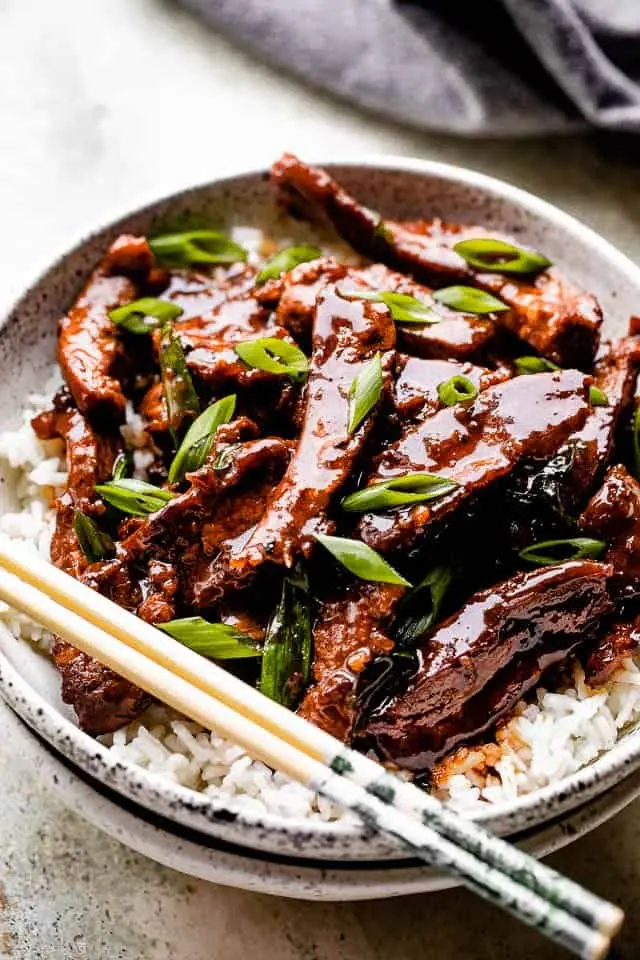
Craving that irresistible sweet and savory flavor that transports you straight to your favorite Asian restaurant? This Mongolian beef recipe is your ticket to recreating that beloved takeout classic right in your own kitchen. Imagine tender, thinly sliced beef coated in a luscious sauce, perfectly balanced with just the right touch of sweetness and umami.
This dish isn’t just about deliciousness; it’s also about the joy of cooking and the satisfaction of mastering a restaurant-quality meal with simple ingredients. Prepare to impress yourself and anyone lucky enough to share this culinary delight with you.
Why You Will Love This Recipe
- Quick Preparation: Dinner is on the table in approximately 30 minutes, making it an ideal choice for busy weeknights when you need a satisfying meal without a lengthy cooking process.
- Simple Ingredients: Utilizes common pantry staples and readily available ingredients, eliminating the need for a special grocery run and ensuring you can whip this up whenever the craving strikes.
- Restaurant-Quality Taste: This recipe is a masterful copycat, delivering the authentic, beloved flavors of Mongolian beef that rival even the most popular dine-in establishments.
- Tender Beef: Through precise slicing and cooking techniques, the flank steak achieves a melt-in-your-mouth tenderness that is the hallmark of an excellent Mongolian beef dish.
- Versatile Pairings: Beyond its classic pairing with rice, this Mongolian beef is incredibly adaptable, complementing a wide array of side dishes for a complete and customizable meal experience.
Ingredients You Need
The beauty of this Mongolian beef recipe lies in its accessibility, utilizing ingredients that are likely already in your pantry or easily found at your local grocery store. We prioritize freshness and quality, ensuring that each component contributes to the overall vibrant flavor profile. From the cut of beef to the aromatics and the sauce base, every element plays a crucial role in achieving that perfect balance of sweet, savory, and slightly tangy notes that define this iconic dish.
Mongolian Beef Copycat Recipe
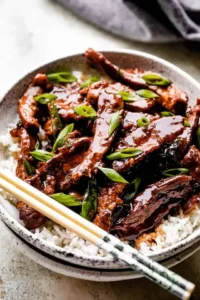
This copycat of P.F. Chang’s Mongolian Beef recipe features flank steak simmered in a delectable sweet sauce made with ginger, garlic, soy sauce, and brown sugar. It’s simple to prepare and perfectly captures the flavors of the renowned restaurant’s dish!
- 1 pound flank steak, thinly sliced across the grain on a diagonal
- ¼ cup cornstarch
- 2 teaspoons vegetable oil
- 1 teaspoon minced fresh ginger
- 1 tablespoon minced garlic
- ½ cup soy sauce
- ½ cup water
- ½ cup dark brown sugar
- 1 cup vegetable oil, for frying
- 2 green onions, green parts only, sliced on the diagonal into 2 inches
- 4 cups cooked white rice
- 1Place cornstarch on a shallow plate. Dip steak slices into the cornstarch, applying it on both sides of each slice of beef. Put the steak pieces aside for 10 minutes while you work on the sauce.
- 2In a saucepan, heat 2 teaspoons of vegetable oil over medium-low heat. Add ginger and garlic to the pan; cook for 10 seconds or until fragrant.
- 3Stir in the soy sauce and water. Whisk in brown sugar and cook while stirring until the sugar dissolves. Set to medium heat and cook the sauce until it thickens, about 10 minutes. Remove from heat and set aside.
- 4Place vegetable oil in a separate large skillet and heat over medium heat until hot. Add the steak slices to the oil and cook for 2 to 3 minutes or until cooked through, flipping the pieces over to cook on the opposite side.
- 5Using a pair of tongs, remove the steak pieces from the oil and let them drain on paper towels.
- 6Discard the oil. Return the saucepan to the stove and heat over medium heat. Add steak slices and cook for 1 minute. Gently stir in previously prepared sauce; continue to cook and stir for a minute. Stir in green onions and cook for 1 to 2 minutes, or until heated through. Remove from heat and serve over rice.
Keywords: Mongolian Beef, P.F. Changs, Copycat, Chinese-American, Beef, Dinner, Stir Fry, Flank Steak
You’ll find that the quantities for these ingredients are readily available in the recipe card, making preparation straightforward and efficient.
Variations
While the classic Mongolian beef is undeniably fantastic, exploring variations can add exciting new dimensions to this beloved dish. Consider how simple ingredient swaps can cater to different dietary needs or flavor preferences, keeping the core appeal intact while offering a fresh perspective.
For those seeking a plant-based option, a delicious vegan Mongolian beef can be created using king oyster mushrooms or firm tofu. Slice the mushrooms to mimic the texture of steak or press and cube the tofu; then, coat and fry them similarly before tossing in the savory sauce. This adaptation maintains the signature sweetness and umami, proving that plant-based cooking can be just as indulgent and satisfying.
If you’re managing carbohydrate intake, a low-carb Mongolian beef variation is perfectly achievable. Instead of serving over traditional white rice, opt for cauliflower rice, which offers a similar texture and visual appeal without the added carbs. You can also explore using sugar substitutes in the sauce, like erythritol or stevia, to maintain the sweetness while reducing sugar content. This modification ensures you don’t have to miss out on the rich flavors.
Another exciting avenue is to introduce a spicy kick to the classic. Incorporating a pinch of red pepper flakes into the sauce during the cooking process will add a subtle heat that complements the sweetness of the brown sugar. For a more pronounced fiery experience, you could also add a dash of sriracha or a finely chopped chili pepper to the sautéed aromatics. This variation appeals to those who enjoy a little heat alongside their savory dishes, offering a more complex flavor profile.
How to Prepare Mongolian beef recipe
Step 1: Prepare the Beef for Searing
The foundation of exceptional Mongolian beef lies in the preparation of the beef itself. For this recipe, we are using flank steak, renowned for its tender texture and rich beefy flavor when cooked properly. The key to achieving that sought-after tenderness, especially with thin cuts, is to slice it thinly and, crucially, against the grain. This breaks down the long muscle fibers, ensuring that each bite is succulent and easy to chew.
To make this slicing process significantly easier and more precise, a helpful tip is to place the flank steak in the freezer for about 20 to 30 minutes before you intend to cut it. The partial freezing firms up the meat, allowing for cleaner, thinner slices without tearing or mushing. Once chilled, use a very sharp knife to cut the steak into thin strips, approximately 1/4-inch thick. Pay close attention to the direction of the grain – those visible long lines of muscle fiber – and ensure your cuts are perpendicular to them. This single step dramatically impacts the final texture of your dish.
Once all the beef has been thinly sliced, it’s time to give it a light coating that will help create a desirable crispy exterior during frying. Spread the cornstarch evenly onto a shallow plate or a baking sheet. Carefully take each slice of beef and gently press it into the cornstarch, ensuring that both sides are lightly and evenly coated. Don’t overdo it; a thin, even layer is what you’re aiming for. After coating, arrange the beef slices on a clean plate or the same baking sheet, ensuring they don’t overlap too much. Let them rest for at least 10 minutes at room temperature while you move on to preparing the sauce. This resting period allows the cornstarch to adhere better to the meat, promoting a superior sear.
Step 2: Crafting the Irresistible Sauce Base
The heart of any great Mongolian beef recipe is its signature sauce, a complex blend that is both comforting and deeply satisfying. This step focuses on building those foundational flavors, starting with a fragrant sauté of fresh aromatics. In a medium saucepan, heat two teaspoons of vegetable oil over medium-low heat. This gentle heat is important to avoid burning the delicate ginger and garlic.
Once the oil is shimmering, add the minced fresh ginger and finely minced garlic to the pan. Stir them constantly for about 10 seconds, or just until they become wonderfully fragrant. You want to release their essential oils and aromas without allowing them to brown or turn bitter. The kitchen will fill with a delightful scent that signals the beginning of something truly delicious. This quick sauté is crucial for infusing the oil with their pungent, warming notes, which will form the backbone of your sauce.
Next, it’s time to introduce the primary liquid components of the sauce. Pour in the soy sauce and the water. Stir these together to combine, ensuring everything is well mixed. Then, whisk in the dark brown sugar. Continue to cook this mixture, stirring frequently, until the brown sugar has completely dissolved. Once dissolved, increase the heat to medium and allow the sauce to simmer gently, cooking and thickening for about 10 minutes. You’re looking for a sauce that has reduced slightly and coats the back of a spoon. Once it reaches this consistency, remove the saucepan from the heat and set it aside. This sauce base is now ready to be reunited with the perfectly seared beef.
Step 3: Achieving the Perfect Sear on the Beef
This is where the magic happens, transforming the coated beef strips into tender, slightly crispy morsels that are ready to absorb the rich sauce. You’ll need a separate large skillet for this step, and ensuring it’s sufficiently hot is absolutely critical for success. Pour the remaining one cup of vegetable oil into the skillet. Heat the oil over medium-high heat until it is hot and shimmering. A good test is to flick a tiny drop of water into the oil; if it sizzles immediately, the oil is ready.
Carefully add the cornstarch-coated beef slices to the hot oil. Be sure not to overcrowd the pan; this is a crucial point for achieving a good sear rather than steaming the meat. You may need to cook the beef in two or even three batches, depending on the size of your skillet. Arrange the beef in a single layer, allowing each piece enough space to come into direct contact with the hot oil. This ensures that the exterior gets beautifully browned and slightly crisp without the pieces sticking together.
Let the beef cook for about 2 to 3 minutes on each side, or until it is cooked through and has developed a lovely golden-brown color with slightly crispy edges. Keep an eye on it, as thin slices of beef cook very quickly. Once cooked, use a pair of tongs to carefully remove the fried steak pieces from the hot oil. Transfer them immediately to a plate lined with paper towels. The paper towels will absorb any excess oil, ensuring the beef isn’t greasy and maintains its desirable texture. Discard the frying oil responsibly once it has cooled.
Step 4: Uniting Beef and Sauce
Now that both the beef and the sauce are prepared, it’s time to bring them together to create the final, harmonious dish. Take the saucepan containing the prepared sauce and return it to the stove over medium heat. Allow the sauce to gently warm up again; you don’t want it to be boiling, just heated through. This ensures it will coat the beef evenly without overcooking it further.
Once the sauce is warm, carefully add the seared and drained beef slices back into the saucepan. Gently stir the beef into the sauce, coating each piece thoroughly. Let the beef and sauce cook together for about 1 minute. This brief cooking period allows the beef to absorb some of the delicious sauce flavors and ensures everything is heated through. Avoid cooking for too long at this stage, as the beef is already cooked and you want to preserve its tender texture.
In the final moments of cooking, it’s time to add the fresh green onions. Sprinkle the sliced green parts of the green onions over the beef and sauce mixture. Stir everything together gently and continue to cook for another 1 to 2 minutes, just until the green onions are slightly wilted and the entire dish is heated through. The green onions add a fresh, slightly pungent counterpoint to the rich sauce and beef, providing a lovely visual appeal as well.
Step 5: The Grand Finale: Serving
The moment of truth has arrived, and your homemade Mongolian beef is ready to be served. The aroma filling your kitchen is a testament to the delicious journey you’ve taken. For the most authentic and satisfying experience, serve the hot Mongolian beef immediately over a generous bed of fluffy, steamed white rice. The rice acts as the perfect canvas, soaking up the delectable, savory-sweet sauce, ensuring no drop goes to waste.
As you plate the dish, ensure the tender, sauce-coated beef is distributed evenly over the rice. The vibrant green of the onions provides a beautiful contrast against the rich, brown hue of the beef and sauce. This simple presentation is classic for a reason, allowing the star of the show—the Mongolian beef—to shine without unnecessary adornment. The warmth of the rice and the savory richness of the beef create a truly comforting and deeply satisfying meal, a perfect end to your culinary adventure.
This dish is designed to be enjoyed piping hot, capturing all the nuances of flavor and texture at their peak. The combination of the tender beef, the flavorful sauce, and the absorbent rice is a culinary triumph that you’ve achieved all by yourself. Gather your loved ones around the table and savor this fantastic homemade replica of a beloved restaurant favorite.
Pro Tips for Mongolian beef recipe
To elevate your Mongolian beef experience from good to truly outstanding, consider these expert tips that focus on technique and ingredient selection. These nuances can make a significant difference in the final texture and flavor of your dish, ensuring it rivals any restaurant’s version.
Slice with Precision: As mentioned earlier, slicing the beef against the grain is paramount. For even easier slicing, partially freeze the flank steak for about 20 minutes. This firms up the meat, allowing for thin, consistent cuts without tearing. Always use a very sharp knife to ensure clean edges, which contributes to tenderness.
Achieve the Perfect Sear: The key to tender, slightly crispy beef is high heat. Ensure your oil in the skillet is thoroughly hot before adding the beef. If the oil isn’t hot enough, the beef will steam instead of sear, resulting in a tougher texture. Don’t be afraid to let the oil get quite hot; this quick sear is what gives the beef its wonderful exterior.
Avoid Overcrowding the Pan: This is a common mistake that can lead to soggy, overcooked beef. Cook the beef in batches if necessary, ensuring each piece has ample space in the hot oil. A single layer allows for even cooking and optimal browning on all sides, which is essential for both texture and flavor development. This ensures every piece gets that desirable crispy edge.
Balance Your Sauce: Taste and adjust your sauce as it cooks. If it’s too salty, a little more water or a touch more brown sugar can help. If it’s not savory enough, a splash more soy sauce can be added. The goal is a harmonious balance of sweet, salty, and savory. Don’t be afraid to tweak it slightly to your personal preference.
Fresh Aromatics Make a Difference: While dried ginger and garlic powder can be used in a pinch, fresh ginger and garlic will significantly elevate the flavor profile of your sauce. Their pungent, vibrant notes are irreplaceable and contribute a depth of flavor that dried versions simply cannot match. Use them generously for the most impactful taste.
Serving Suggestions for Mongolian beef recipe
Decoration
To add a visual flourish to your Mongolian beef, consider a few simple decorative touches. Freshly sliced green onions, with their vibrant green hue, are a classic and effective garnish. You can slice them thinly on a diagonal for an elegant presentation. A sprinkle of toasted sesame seeds also adds a lovely speckled appearance and a subtle nutty flavor. For a touch of color and freshness, a few sprigs of fresh cilantro can be artfully placed on top.
Side Dishes
The versatility of Mongolian beef shines through in its numerous serving possibilities. For a traditional experience, serve it over fluffy steamed white rice, which is perfect for soaking up the rich sauce. If you’re looking for something a bit more adventurous, kimchi fried rice offers a spicy, fermented kick that beautifully contrasts the sweetness of the beef. For a lighter, lower-carbohydrate option, cauliflower rice is an excellent substitute.
Adding a fresh vegetable component is always a good idea to round out the meal. Consider serving it alongside a simple stir-fry of your favorite vegetables, such as broccoli, bell peppers, or snap peas. My personal favorite is a side of sautéed bok choy; its slightly bitter notes provide a wonderful counterpoint to the rich beef. For a refreshing and crisp contrast, an Asian cucumber salad with a tangy vinegar dressing makes for a palate-cleansing accompaniment.
Creative Serving Ideas
Beyond the plate, think about how you can present Mongolian beef in unique ways. Instead of serving it over rice, consider using it as a filling for lettuce wraps. The crisp lettuce leaves offer a refreshing crunch and a lighter way to enjoy the flavors. Another creative idea is to use the Mongolian beef as a topping for baked potatoes or sweet potatoes, creating a hearty and comforting fusion dish.
You can also incorporate the beef into noodle dishes. Toss it with ramen noodles or even spaghetti for a fun and unexpected twist on a classic. For a more appetizer-style presentation, serve small portions of Mongolian beef in mini wonton cups. This makes for an impressive party appetizer that is both flavorful and easy to eat. Exploring these creative serving ideas allows you to enjoy the deliciousness of Mongolian beef in many different contexts, keeping your meals exciting and varied.
Preparation & Storage
Storing Leftovers
If you are fortunate enough to have any Mongolian beef leftovers, storing them properly will ensure they remain delicious for your next meal. Transfer any cooled leftovers into an airtight container. It is best to store the beef and sauce separately from the rice if possible, as rice can sometimes become dry or gummy when refrigerated. The beef and sauce mixture can be kept in the refrigerator for up to 3 to 4 days. Ensure the container is well-sealed to prevent any odors from escaping or other food odors from being absorbed.
Freezing
Mongolian beef freezes remarkably well, making it an excellent candidate for batch cooking and future meal preparation. Once the dish has cooled completely, portion it into freezer-safe containers or heavy-duty zip-top bags. Remove as much air as possible from the bags before sealing to prevent freezer burn. Properly stored, your homemade Mongolian beef can be kept frozen for approximately 3 to 4 months. Freezing the sauce and beef together usually works well, as the sauce helps to keep the meat moist during the freezing and reheating process.
Reheating
Reheating your Mongolian beef is straightforward and ensures you can enjoy its delicious flavor again. If reheating from the refrigerator, the best method is often to gently reheat it in a skillet over medium-low heat. This allows you to stir it and ensure even heating, preventing the beef from becoming tough. You can add a tablespoon or two of water or broth if the sauce seems too thick after refrigeration.
If reheating from frozen, you have a couple of options. The quickest way is to microwave the frozen portion until heated through, stirring occasionally to ensure even warming. For a slightly better texture, you can also thaw the beef overnight in the refrigerator and then reheat it on the stovetop as described above. If using the microwave, it’s often beneficial to start with a lower power setting and increase it gradually to prevent the sauce from splattering and the beef from becoming rubbery.
Frequently Asked Questions
-
Can I use a different cut of beef besides flank steak?
While flank steak is highly recommended for its tenderness and ability to slice thinly, you can substitute other cuts that are suitable for quick cooking. Sirloin steak or even skirt steak can work, provided they are sliced very thinly against the grain. Avoid tougher cuts that require slow braising, as this recipe relies on a fast cooking method to maintain the beef’s texture. Ensure that whichever cut you choose, it is trimmed of excess fat and connective tissue before slicing to guarantee the best results. The goal is always a cut that will become tender when stir-fried for a short period.
-
How can I make the sauce thicker if it’s too thin?
If your sauce isn’t thickening to your desired consistency, there are a few effective methods to remedy this. The simplest approach is to continue simmering the sauce over low heat, stirring occasionally, allowing more liquid to evaporate. For a quicker thickening solution, you can create a cornstarch slurry by whisking together one teaspoon of cornstarch with two teaspoons of cold water until smooth. Once mixed, slowly whisk this slurry into the simmering sauce and cook for another minute or two until it reaches your preferred thickness. Be cautious not to add too much slurry at once, as it can make the sauce overly thick or gummy. Another less common but effective method is to reduce the sauce slightly longer to naturally thicken it.
-
Is it possible to make Mongolian beef spicier?
Absolutely! If you enjoy a bit of heat, there are several ways to increase the spiciness of your Mongolian beef. You can add a pinch of red pepper flakes to the sauce while it’s simmering to infuse it with a gentle warmth. For a more pronounced kick, incorporate some sriracha sauce or a finely chopped fresh chili pepper (like a jalapeño or Thai chili) into the sautéed garlic and ginger at the beginning of the sauce-making process. The amount you add will depend on your personal heat preference. Remember to taste and adjust as you go, as the heat from chilies can vary significantly.