This is the BEST oven roasted vegetables recipe!
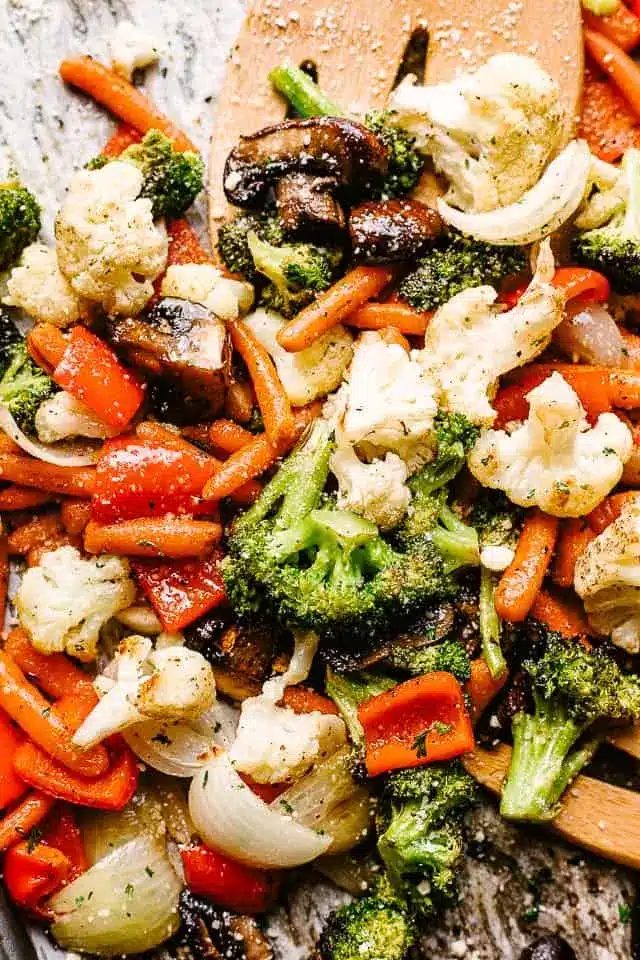
Embark on a culinary journey that transforms humble vegetables into a vibrant and flavorful masterpiece. This recipe for oven-roasted vegetables is designed to be incredibly accessible, even for novice cooks, while delivering restaurant-quality taste and texture.
Imagine a medley of colorful produce, kissed by the heat of the oven to achieve a perfect balance of tender interiors and beautifully caramelized edges. It’s a dish that sings with natural sweetness, enhanced by simple yet effective seasonings, making it a versatile star of any meal.
Why You Will Love This Recipe
- Effortless Preparation: With minimal chopping and a hands-off cooking method, this recipe is perfect for busy weeknights or when you simply want a delicious side without the fuss. The oven does most of the work, leaving you with more time to enjoy your meal and company.
- Flavorful & Versatile: Roasting brings out the inherent sweetness and depth of flavor in vegetables, creating a satisfying taste that complements a wide range of main courses. You can easily adapt the seasoning profile to match your palate or the dish you’re serving alongside.
- Healthy & Nutritious: Packed with vitamins, minerals, and fiber, roasted vegetables are a fantastic way to boost your dietary intake of essential nutrients. This method preserves much of their natural goodness while making them incredibly palatable.
- Visually Appealing: The natural colors of the vegetables deepen and intensify during roasting, resulting in a dish that is as beautiful to look at as it is delicious to eat. A sprinkle of fresh herbs and cheese adds the perfect finishing touch.
- Quick Cooking Time: In less than 30 minutes from start to finish, you can have a fantastic side dish ready to serve. This speed makes it an ideal option for impromptu dinners or when you need a last-minute addition to a planned meal.
Ingredients You Need
The beauty of this oven-roasted vegetable recipe lies in its use of simple, readily available ingredients that come together to create an extraordinary flavor. We’re focusing on fresh produce and a classic blend of seasonings that highlight, rather than overpower, the natural goodness of each vegetable. Selecting fresh, vibrant produce is paramount; look for firm broccoli and cauliflower, plump mushrooms, and crisp carrots and peppers to ensure the best texture and flavor. The quality of your olive oil also plays a role, so opt for a good extra virgin olive oil for the richest taste.
Easy Oven Roasted Vegetables
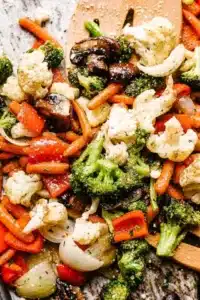
These easy Oven Roasted Vegetables are perfectly tender and packed with flavor! This method for roasting vegetables can be adapted to fit any veggies you've got on hand!
- 2 cups broccoli florets
- 2 cups cauliflower florets
- 2 cups sliced baby portobello mushrooms
- 1 cup thin baby carrots
- 1 red bell pepper, chopped
- 1 small yellow onion, cut into 6 wedges
- 2 tablespoons olive oil
- salt and fresh ground pepper, to taste
- 1½ teaspoons Italian Seasoning
- grated parmesan cheese, for garnish (optional)
- chopped fresh parsley, for garnish (optional)
- 1Preheat oven to 425°F. Line a large baking sheet with foil or parchment paper.
- 2Add all the vegetables to the baking sheet. Drizzle olive oil over the veggies and mix with either a wooden spoon or just use your hands.
- 3Season the vegetables with salt, black pepper, Italian Seasoning, and garlic powder; gently toss until thoroughly combined.
- 4Arrange all the veggies in a single layer and bake for 15 to 20 minutes, stirring halfway through cooking. You want to roast the vegetables until they are fork-tender and lightly browned.
- 5Remove the roasted vegetables from the oven. Garnish with parmesan cheese and parsley, and serve.
Keywords: roasted vegetables, side dish, easy recipe, vegetarian, healthy
- broccoli florets: Tender florets that roast beautifully, offering a delightful bite and absorbing flavors well.
- cauliflower florets: Similar to broccoli, cauliflower becomes tender and slightly sweet when roasted, with a pleasant texture.
- baby portobello mushrooms: These add a wonderful earthy, umami depth and a satisfying meaty texture to the mix.
- baby carrots: Their natural sweetness intensifies with roasting, and they retain a slight crispness.
- red bell pepper: Roasting brings out its sweetness and softens it to a perfect tender-crisp consistency.
- yellow onion: Wedges of onion caramelize beautifully, adding a savory sweetness that complements the other vegetables.
- olive oil: The foundation for coating the vegetables, ensuring even roasting and helping them develop a lovely exterior.
- salt and fresh ground pepper: Essential seasonings that enhance all the natural flavors of the vegetables without overwhelming them.
- Italian Seasoning: A pre-mixed blend of herbs that provides classic Mediterranean flavors, adding complexity with ease.
- garlic powder: A convenient way to impart garlic’s pungent flavor, which melds perfectly with roasted vegetables.
- grated parmesan cheese: An optional but highly recommended garnish that adds a salty, nutty finish.
- chopped fresh parsley: For a burst of freshness and vibrant color, this herb provides a lovely contrast.
The exact quantities for these ingredients can be found within the recipe card, ensuring you have precisely what you need for perfect results.
Variations
Elevate your roasted vegetables with creative twists that cater to different dietary preferences and flavor profiles. By understanding how different ingredients interact with heat and seasonings, you can create a truly unique dish every time.
Vegan Delight: For a completely vegan rendition, simply omit the optional parmesan cheese. You can enhance the savory notes by adding a tablespoon of nutritional yeast along with the Italian seasoning and garlic powder. A dash of smoked paprika can also introduce a wonderful depth of flavor, mimicking some of the richness that cheese provides, creating a satisfying plant-based side.
Low-Carb Powerhouse: If you’re focusing on a low-carbohydrate lifestyle, this recipe is already a fantastic base. Focus on non-starchy vegetables like broccoli, cauliflower, bell peppers, mushrooms, zucchini, and asparagus. You can also add Brussels sprouts or green beans. Avoid root vegetables like carrots and potatoes, or cut them into very small pieces if you must include them, as they contain more carbohydrates and require longer cooking times. Herbs like rosemary and thyme work wonderfully here.
Spicy Kick: For those who enjoy a little heat, introduce some spice into your roasted vegetable medley. Red pepper flakes are a classic choice; add about half a teaspoon (or more, to your liking) with the other seasonings. You could also incorporate a diced jalapeño or serrano pepper into the mix before roasting for a more integrated heat. A sprinkle of cayenne pepper can also add a subtle warmth and complexity.
How to Prepare Oven Roasted Vegetables
Step 1: Preheat the Oven and Prepare the Baking Sheet
The foundation of perfectly roasted vegetables is a hot oven. Preheat your oven to a high temperature, typically around 425°F (220°C). This high heat is crucial for achieving that desirable caramelization and tender-crisp texture without the vegetables becoming mushy. It’s the secret to developing those delightful browned edges and intensifying the natural sugars in the produce.
Lining your baking sheet is an essential step for easier cleanup and to prevent sticking. You have two excellent options: heavy-duty aluminum foil or parchment paper. Foil provides a sturdy barrier, while parchment paper offers a non-stick surface that often makes transferring the roasted vegetables even simpler. Ensure the lining covers the entire surface of the baking sheet, extending up the sides slightly if possible, to catch any stray bits or drippings.
This initial step sets the stage for the entire cooking process. A properly preheated oven ensures that the vegetables begin to roast immediately upon contact, rather than slowly steaming. Taking the time to prepare your baking sheet diligently will save you significant scrubbing time later, making the entire experience more enjoyable and efficient.
Step 2: Prepare and Chop the Vegetables
This is where you can get creative with your vegetable selection, but consistency in size is key for even cooking. For the core recipe, wash and thoroughly dry your chosen vegetables. Broccoli and cauliflower should be cut into bite-sized florets, ensuring they are relatively uniform in size so they cook at the same rate. Baby portobello mushrooms can be left whole if small, or halved or quartered if larger.
Thin baby carrots are ideal as they cook quickly and evenly; if using larger carrots, slice them into uniform rounds or sticks. Red bell peppers should be deseeded and cut into roughly 1-inch pieces, similar in size to the cauliflower and broccoli. Yellow onions can be cut into wedges, typically six per onion, ensuring each wedge has enough surface area to caramelize.
The principle is to have all your vegetables roughly the same size. If you are introducing other vegetables, such as zucchini or Brussels sprouts, ensure they are cut to match the size of the other components. This uniformity is paramount for achieving that perfect balance of tenderness and slight crispness across the entire batch of roasted vegetables. Avoid overcrowding the pan, as this will lead to steaming instead of roasting.
Step 3: Season and Coat the Vegetables
Once your vegetables are prepped and ready, it’s time to infuse them with flavor. Place all the chopped vegetables directly onto the prepared baking sheet. Drizzle the olive oil generously over the entire assortment. This oil acts as a conductor for heat, helping the vegetables to roast evenly and achieve a beautiful golden-brown exterior.
Now, sprinkle on your seasonings. For this recipe, we’re using salt, freshly ground black pepper, Italian seasoning, and garlic powder. The salt enhances all the natural flavors, the pepper adds a subtle kick, the Italian seasoning brings classic aromatic notes, and the garlic powder provides a savory depth. You can adjust these amounts to your personal preference, but a good starting point is about 1.5 teaspoons of Italian seasoning and 0.5 teaspoon of garlic powder for a standard batch.
Using your hands is often the most effective way to ensure every single piece of vegetable is evenly coated with the oil and seasonings. Gently toss and mix everything together directly on the baking sheet. This hands-on approach guarantees that no vegetable is left behind, ensuring consistent flavor throughout the entire dish. The oil and seasonings will adhere better when the vegetables are tossed with care.
Step 4: Arrange in a Single Layer and Bake
This is arguably the most critical step for achieving truly excellent roasted vegetables. Spread all the seasoned vegetables out onto the baking sheet so they form a single, even layer. It is absolutely imperative that the vegetables are not overlapping each other. Overlapping will cause them to steam in their own juices rather than roast and caramelize, resulting in a less desirable texture and flavor profile.
If your baking sheet is too small to accommodate all the vegetables in a single layer, it is far better to use two baking sheets than to overcrowd one. This ensures that each piece of vegetable has ample space to come into contact with the hot air circulating in the oven. Proper spacing allows the heat to surround each vegetable, promoting even cooking and the development of those coveted crispy edges and tender interiors.
Once arranged, place the baking sheet into the preheated 425°F (220°C) oven. Set a timer for approximately 15 to 20 minutes. The exact cooking time will depend on the size of your vegetable pieces and the specific performance of your oven, so it’s important to keep an eye on them towards the end of the cooking time. The goal is for the vegetables to be fork-tender and to show those beautiful, lightly browned, and slightly charred edges.
Step 5: Stir Halfway Through Cooking
About halfway through the baking time, typically around the 8-10 minute mark, it’s time to give your vegetables a gentle stir. This step is crucial for ensuring that all sides of the vegetables get exposed to the hot oven air, promoting even browning and cooking. Without this stir, some vegetables might brown more on one side while others might remain paler.
Carefully remove the baking sheet from the oven using oven mitts. Using a spatula or a large spoon, gently toss and flip the vegetables. Try to move the pieces from the center to the edges and vice versa, and turn over any pieces that might be sticking. This action helps to create a more uniform color and texture across all the roasted vegetables. It also allows you to check on their progress and identify any pieces that might be cooking faster than others.
Once stirred, return the baking sheet to the oven to finish cooking. This simple midway stir makes a significant difference in the overall quality of your roasted vegetables, contributing to that perfect, even finish that makes them so appealing. It’s a small effort that yields a big reward in terms of appearance and taste.
Step 6: Check for Doneness and Finish
As the cooking time approaches the 15-20 minute mark, begin checking the vegetables for doneness. The ideal texture is fork-tender, meaning you can easily pierce a piece of broccoli or a carrot with a fork without resistance. You’re also looking for those desirable signs of caramelization – lightly browned edges and a slight crispness, especially on items like broccoli and cauliflower florets.
If some pieces are already perfectly cooked but others are not, you can carefully remove the finished pieces and return the baking sheet to the oven for a few more minutes for the remaining vegetables. Conversely, if the entire batch needs a bit more time, continue roasting in 2-3 minute increments, checking frequently to prevent burning. The exact timing is flexible and depends on your desired level of tenderness and charring; some prefer them very tender, while others like them with more bite.
Once they’ve reached your preferred level of perfection, carefully remove the baking sheet from the oven. For an extra burst of flavor and visual appeal, immediately garnish the hot roasted vegetables with grated Parmesan cheese (if using) and freshly chopped parsley. The residual heat will gently melt the cheese, and the parsley adds a vibrant touch of freshness. Allow them to sit for just a minute or two before serving.
Pro Tips for Oven Roasted Vegetables
Achieving consistently excellent oven-roasted vegetables is an art, but with a few key tips, anyone can master it. These insights are born from experience and are designed to help you overcome common pitfalls and elevate your roasting game. Paying attention to these details will make a noticeable difference in the final outcome.
Don’t Overcrowd the Pan: This is a golden rule of roasting. Always give your vegetables enough space on the baking sheet. If they are packed too tightly, they will steam instead of roast, resulting in a soggy texture. Use multiple baking sheets if necessary to ensure a single layer of vegetables with adequate space between each piece.
Uniform Cutting is Key: For even cooking, cut your vegetables into similarly sized pieces. This ensures that the broccoli florets, carrot slices, and pepper chunks all cook through at roughly the same rate. If you have very dense vegetables like sweet potatoes or parsnips, cut them smaller than softer vegetables like zucchini or bell peppers.
Hot Oven, Fast Roast: Roasting at a high temperature, typically 400-425°F (200-220°C), is essential for caramelization and achieving that slightly crispy exterior. This high heat sears the outside of the vegetables quickly, locking in moisture and flavor while developing delicious browning. It’s the difference between a roasted vegetable and a steamed one.
Embrace the Char: Don’t be afraid of a little browning or charring on the edges of your vegetables. This is where the most intense, sweet, and nutty flavors develop. Those slightly blackened bits are a sign of well-executed roasting and add incredible depth to the dish. Just ensure it doesn’t burn to a bitter crisp.
Season Generously, But Wisely: While salt and pepper are fundamental, don’t hesitate to experiment with other seasonings. Herbs like rosemary, thyme, and sage are excellent with roasted vegetables. A touch of garlic powder, onion powder, or even a pinch of red pepper flakes can add wonderful complexity. Remember that vegetables shrink as they roast, so season them when they are raw.
Serving Suggestions for Oven Roasted Vegetables
Decoration
Elevate the presentation of your oven-roasted vegetables with simple yet effective decorative touches. A sprinkle of freshly chopped herbs, such as parsley, chives, or cilantro, adds a vibrant splash of color and a hint of freshness. For a touch of elegance, a light drizzle of balsamic glaze or a squeeze of fresh lemon juice just before serving can provide a sophisticated sheen and an extra layer of flavor. Edible flowers, if available and in season, can also add a whimsical and beautiful element to the platter.
Side Dishes
Oven-roasted vegetables are incredibly versatile and make a superb accompaniment to a wide array of main courses. They pair exceptionally well with grilled or roasted meats, such as chicken, steak, or pork chops, offering a healthy and flavorful contrast. For seafood lovers, they are a perfect partner to baked salmon, pan-seared scallops, or grilled shrimp, balancing the richness of the fish. They also complement vegetarian main dishes beautifully, making them an ideal addition to grain bowls, lentil loaves, or tofu scrambles. Consider serving them alongside pasta dishes or hearty soups for a more complete meal experience.
Creative Serving Ideas
Move beyond the traditional side dish role and get creative with your oven-roasted vegetables. They can be stirred into pasta dishes or risotto for added texture and flavor, or folded into frittatas and omelets for a delightful breakfast or brunch option. Chop them roughly and incorporate them into a hearty salad, either warm or cold, for a substantial and flavorful addition. They also make a fantastic base for a quick and healthy pizza topping or can be blended into a smooth, flavorful soup. For a fun appetizer, serve them on skewers with small cubes of halloumi cheese or tofu, grilled briefly before serving.
Preparation & Storage
Storing Leftovers
Properly storing leftover roasted vegetables ensures they retain their quality and flavor for future enjoyment. Once the vegetables have completely cooled to room temperature, transfer them to an airtight container. This prevents them from drying out and absorbing odors from other foods in the refrigerator. They can be stored in the refrigerator for up to 3-4 days.
Ensure the container is indeed airtight to maintain optimal freshness. Avoid storing them in the original baking dish unless it has a tight-fitting lid, as exposed food can degrade faster. It’s also a good idea to check for any signs of spoilage before consuming leftovers, such as off-putting smells or slimy textures, though this is unlikely if stored correctly and consumed within the recommended timeframe.
When you’re ready to enjoy them again, they can be eaten cold, perhaps tossed into a salad, or reheated. Reheating is key to bringing back some of their original appeal, and the method you choose can significantly impact the final texture. Proper storage is the first step to ensuring your delicious roasted vegetables can be enjoyed beyond the initial meal.
Freezing
Freezing oven-roasted vegetables is a viable option for long-term storage, allowing you to enjoy their flavor weeks or even months later. However, it’s important to manage expectations, as freezing can alter the texture slightly. The high water content in vegetables can lead to a softer, less firm texture upon thawing, so they are best used in dishes where texture is less critical, like soups, stews, or casseroles.
To freeze them, ensure the vegetables are completely cooled. Spread them in a single layer on a baking sheet and freeze until solid, which typically takes about 1-2 hours. This flash-freezing step prevents them from clumping together in the bag. Once frozen solid, transfer the vegetables into freezer-safe bags or airtight containers, removing as much air as possible before sealing.
Label the bags or containers with the date and contents. Frozen roasted vegetables are best used within 6-8 months for optimal quality. When you’re ready to use them, it’s generally best to add them directly to your cooking recipe from frozen, rather than thawing them first, to minimize textural changes. This method allows you to have a healthy, flavorful component ready at a moment’s notice.
Reheating
Reheating oven-roasted vegetables effectively is crucial to enjoying them as close to their original state as possible. The best method depends on whether you want to retain some crispness or if a softer texture is acceptable. For the crispiest results, reheat them in a preheated oven or toaster oven at a moderately high temperature, around 400-450°F (200-230°C), for 5-10 minutes. This allows them to regain some of their roasted appeal.
A stovetop method can also work well. Heat a tablespoon of olive oil or a knob of butter in a skillet over medium-high heat. Add the roasted vegetables and sauté for a few minutes, stirring occasionally, until heated through and slightly crisped. This method is quick and can revive their appealing textures and flavors.
Microwaving is the fastest option but will generally result in softer, steamier vegetables. If you must microwave, use a microwave-safe dish, cover it loosely to allow some steam to escape, and heat in short intervals, stirring in between, until they reach your desired temperature. While not ideal for crispiness, it’s convenient for a quick reheat. Regardless of the method, adding a final sprinkle of fresh herbs can help refresh their appearance and flavor.
Frequently Asked Questions
-
What is the best temperature for roasting vegetables?
The optimal temperature for roasting vegetables is generally between 400°F and 425°F (200°C to 220°C). This high heat is essential for achieving the desired caramelization, which brings out the natural sweetness of the vegetables and creates those delicious browned edges. A lower temperature can lead to steaming rather than roasting, resulting in a less appealing texture and flavor. It’s important to ensure your oven is fully preheated before placing the vegetables inside to maximize the roasting effect from the moment they enter the oven.
-
How do I prevent my roasted vegetables from becoming soggy?
Preventing sogginess in roasted vegetables primarily comes down to ensuring adequate airflow and avoiding overcrowding the pan. First, always use a hot oven (400-425°F / 200-220°C) as this promotes quick searing and caramelization. Second, spread your vegetables in a single layer on the baking sheet, ensuring there is space between each piece. If your vegetables are piled on top of each other, they will steam in their own juices rather than roast. Consider using two baking sheets if necessary. Lastly, pat your vegetables dry after washing them; excess moisture is the enemy of crispness.
-
Can I add other vegetables to this roasting recipe?
Absolutely! This oven-roasting method is highly versatile and can be adapted to a wide variety of vegetables. Softer vegetables like zucchini, asparagus, and green beans will cook quickly and can be added in the last 10-15 minutes if roasting alongside denser vegetables. Heartier root vegetables like potatoes, sweet potatoes, and parsnips require a longer cooking time, so it’s best to cut them into smaller pieces or start roasting them 10-15 minutes before adding softer vegetables to ensure everything finishes cooking at the same time. Just remember to keep the pieces relatively uniform in size for even results. Experiment with Brussels sprouts, bell peppers of different colors, onions, and even corn on the cob cut into rounds.