Easy Creamy Strawberry Sago with Coconut Jellies
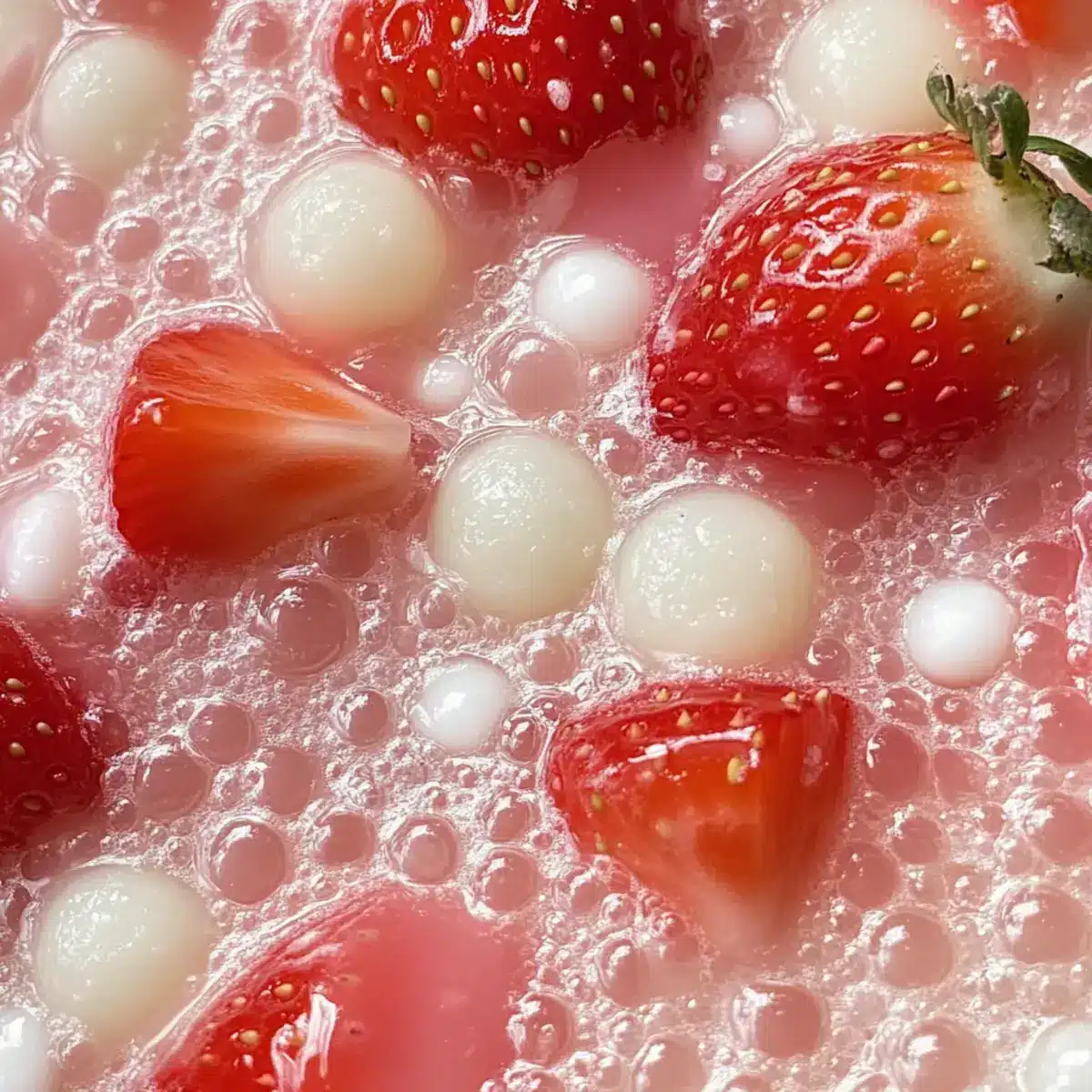
As I took my first bite of Strawberry Sago, I was transported to sun-drenched beaches and lazy summer afternoons, where every spoonful is like a tropical vacation.
This Creamy Strawberry Sago melds the delightful chew of coconut jellies with sweet strawberry jam, creating a refreshing dessert that’s perfect for warm gatherings or a cozy night in. Not only is it quick to whip up, but it also impresses both novice cooks and seasoned chefs with its vibrant colors and delightful textures. Each creamy mouthful is not just a treat but a connection to cultures blending both American and Cantonese influences.
Ready to add a splash of summer to your dessert table? Let’s dive into making this easy and luxurious dessert that everyone will adore!
Why You Will Love This Recipe
- Quick Preparation: Dinner is on the table in less than 30 minutes, making it an ideal choice for busy weeknights or spontaneous dessert cravings. This speedy assembly ensures you spend less time in the kitchen and more time enjoying your delicious creation.
- Vibrant Flavors and Colors: The bright red of strawberries, creamy white coconut milk, and translucent sago pearls create a visually stunning dessert that is as pleasing to the eye as it is to the palate. Each spoonful bursts with the sweet, tangy essence of fresh strawberries, balanced by the subtle richness of coconut.
- Delightful Texture Contrast: The smooth, creamy base is perfectly complemented by the chewy texture of the sago pearls and the satisfying bite of the coconut jellies. This interplay of textures makes every mouthful an exciting culinary adventure.
- Customizable Sweetness: You have complete control over how sweet your dessert becomes, allowing you to tailor it precisely to your liking. Adjusting the sweetened condensed milk and strawberry jam means you can achieve the perfect balance of fruity and creamy notes.
- Refreshing and Light: Despite its creamy nature, this dessert is incredibly refreshing, making it a perfect ending to any meal, especially during warmer months. It offers a delightful lightness that won’t leave you feeling heavy.
Ingredients You Need
Gathering the right ingredients is the first step towards creating a truly exceptional Creamy Strawberry Sago. The quality of your produce and staples will directly influence the final taste and texture, so opt for the freshest strawberries and full-fat coconut milk you can find. This ensures a rich, decadent flavor profile that is both comforting and invigorating.
Creamy Strawberry Sago Delight with Chewy Coconut Jellies
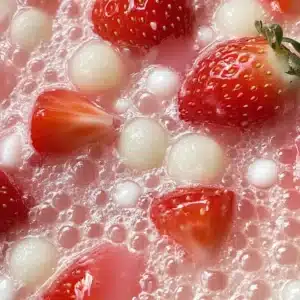
A refreshing and vibrant Strawberry Sago dessert with chewy coconut jellies. This dessert transports you to sun-drenched beaches with every spoonful, blending the delightful chew of coconut jellies with sweet strawberry jam for a refreshing treat perfect for warm gatherings or a cozy night in. It's quick to make and impresses with its vibrant colors and delightful textures.
- 1 cup Small Tapioca Pearls (Be sure not to overcook for the best texture.)
- 2 cups Regular Milk (Balances the sago's creaminess.)
- 2 cups Chopped Strawberries (Opt for ripe strawberries.)
- 1/2 cup Strawberry Jam (Adjust based on desired sweetness.)
- 1/2 cup Sweetened Condensed Milk (Adjust to taste.)
- 1 cup Coconut Milk (Use full-fat for indulgence.)
- 1 cup Coconut Jellies (Nata de Coco) (Available in Asian grocery stores.)
- 1Bring a medium pot of water to a roaring boil over high heat. Once boiling, carefully add the small tapioca pearls, reducing the heat to a gentle boil. Cook for 25-30 minutes, stirring occasionally, until the pearls are completely transparent and chewy.
- 2Once the tapioca pearls are fully cooked, drain them in a fine-mesh sieve and rinse with cold water to prevent stickiness. Transfer the rinsed tapioca to a large mixing bowl to cool slightly.
- 3In a blender, combine half of the chopped strawberries, coconut milk, regular milk, and strawberry jam. Blend the mixture on high until smooth and creamy.
- 4Pour this luscious liquid over the cooked tapioca pearls in the mixing bowl, ensuring an even distribution of flavor throughout the Strawberry Sago base.
- 5Add the remaining chopped strawberries, sweetened condensed milk, and coconut jellies to the tapioca mixture. Stir gently but thoroughly until all ingredients are well combined, creating a harmonious blend of textures and flavors.
- 6Serve immediately for a fresh, warm experience, or refrigerate for about an hour to serve it chilled, enhancing the refreshing qualities perfect for warm days.
Keywords: strawberry sago, coconut jellies, nata de coco, tapioca pudding, tropical dessert, fruity dessert, creamy dessert, no-bake dessert, quick dessert
- small tapioca pearls: the foundation for that signature chewy texture.
- regular milk: adds a creamy consistency and helps balance the flavors.
- chopped strawberries: the star ingredient, providing vibrant color and sweet-tart notes.
- strawberry jam: intensifies the strawberry flavor and adds sweetness.
- sweetened condensed milk: contributes to the luscious creaminess and sweetness.
- coconut milk: essential for that rich, tropical flavor and velvety texture.
- coconut jellies (nata de coco): adds a fun, chewy surprise to every bite.
The precise quantities for these delightful ingredients are all detailed within the recipe card for your convenience.
Variations
The beauty of this Creamy Strawberry Sago lies in its inherent adaptability, allowing for a spectrum of delightful variations to suit every palate and dietary need. One can easily transform this classic into a vegan delight by simply swapping out the dairy components. Using a rich almond milk or creamy oat milk in place of regular milk, and ensuring your strawberry jam is also vegan-certified, will create a plant-based version that is just as decadent. This makes the dessert inclusive and accessible to a wider audience.
For those mindful of their carbohydrate intake, a low-carb adaptation is readily achievable. By substituting the regular milk with an unsweetened, low-carb milk alternative and using a sugar-free strawberry jam, you can significantly reduce the sugar content. Additionally, opting for a sugar-free sweetened condensed milk alternative or omitting it entirely and relying on the natural sweetness of the strawberries and a touch of stevia or erythritol can further enhance its low-carb profile. The coconut jellies, being naturally low in carbs, fit perfectly into this modified version.
Another exciting avenue for customization involves embracing a tropical fusion by incorporating other vibrant fruits. Imagine the bright tang of passion fruit pulp swirled into the creamy base, or the sweet, exotic notes of ripe mango cubes adding a new layer of complexity. Even a hint of lime zest can provide a zesty counterpoint to the sweetness, elevating the dessert to new heights of refreshing flavor. These thoughtful additions transform the simple sago into a truly unique culinary creation, perfect for impressing guests or indulging in a personal moment of sweet escape.
How to Prepare Creamy Strawberry Sago
Step 1: Cooking the Sago Pearls
Begin by bringing a generous amount of water to a rolling boil in a medium-sized pot over high heat. The key here is ample water; this prevents the small tapioca pearls from clumping together as they cook. Once the water is vigorously bubbling, carefully introduce the small tapioca pearls into the pot. Immediately reduce the heat to maintain a gentle, steady boil. This controlled simmer is crucial for cooking the pearls evenly without them disintegrating.
Allow the tapioca pearls to cook for approximately 25 to 30 minutes, stirring them occasionally to ensure they don’t stick to the bottom of the pot. During this cooking time, you will notice the pearls gradually becoming more transparent. If, after 30 minutes, some pearls still appear cloudy at their center, don’t be discouraged; continue cooking them, adding a little more boiling water if the pot level gets too low. The goal is for each pearl to be completely translucent and possess a delightful, chewy texture.
Achieving perfectly cooked sago pearls is fundamental to the overall success of this dessert. Overcooked pearls can become mushy and lose their satisfying chew, while undercooked ones will remain hard and unpleasantly firm. Patience and careful observation during this initial cooking phase are your greatest allies. The slightly chewy consistency of the sago is what gives this dessert its signature textural appeal, making it a delightful contrast to the creamy elements.
Step 2: Preparing the Cooked Sago
Once the tapioca pearls have reached that perfect translucent, chewy state, it’s time to stop the cooking process and prepare them for the next stage. Carefully drain the cooked pearls using a fine-mesh sieve. This is an important step for removing excess starchy water and preventing the pearls from sticking to each other. Immediately after draining, rinse the sago pearls thoroughly under cold running water.
The cold water rinse serves a dual purpose: it halts the cooking process instantly and washes away any residual starch that could lead to a gummy texture. Continue rinsing until the pearls are no longer sticky to the touch and appear separated. This meticulous rinsing ensures that each individual sago pearl retains its distinct form and delightful chewiness, contributing to the overall appealing texture of the final dessert. This preparation is key to achieving a light and airy sago base.
After rinsing, transfer the now-cooled sago pearls to a large mixing bowl. Allowing them to cool slightly in the bowl makes them easier to handle and mix with other ingredients in subsequent steps. This prepared sago base is now ready to absorb the vibrant flavors of the strawberry and coconut mixture, forming the heart of your Creamy Strawberry Sago dessert. Ensuring they are well-drained and cooled prevents them from becoming waterlogged or clumping.
Step 3: Crafting the Creamy Strawberry Base
In a blender, combine approximately half of your finely chopped fresh strawberries. To these juicy red pieces, add the creamy coconut milk and the regular milk, which together form the luscious liquid base of your dessert. Finally, add a generous portion of the strawberry jam to this blend. The jam not only enhances the strawberry flavor but also contributes to the sweetness and a beautiful vibrant hue.
Blend this mixture on high speed until it achieves a perfectly smooth and creamy consistency. You’re aiming for a velvety liquid that’s rich in strawberry essence and free from any large chunks of fruit. This smooth, flavorful liquid is the soul of your Creamy Strawberry Sago, infusing the entire dessert with its delightful taste and aroma. The high-speed blending ensures optimal emulsification of the liquids and fruit.
Once the strawberry mixture is beautifully blended and utterly smooth, pour this luscious liquid directly over the cooked and cooled tapioca pearls in your large mixing bowl. Gently stir the mixture to ensure that every single sago pearl is coated evenly with this delicious creamy strawberry liquid. This thorough coating is what allows the sago to absorb the flavors and develop that signature creamy texture characteristic of this delightful dessert. The visual appeal of the pink liquid coating the pearls is incredibly enticing.
Step 4: Bringing All the Flavors Together
Now that the tapioca pearls are beautifully bathed in the creamy strawberry mixture, it’s time to add the remaining delightful components. Gently fold in the rest of your chopped fresh strawberries into the bowl. These uncooked strawberries will provide delightful pops of fresh fruit flavor and a slightly firmer texture, contrasting beautifully with the softened sago.
Next, drizzle in the sweetened condensed milk. This ingredient is crucial for adding an extra layer of sweetness and contributing significantly to the dessert’s rich, creamy mouthfeel. Add the coconut jellies (nata de coco) at this stage as well; their unique chewy texture and subtle tropical flavor are a signature element of this sago creation. Stir everything together gently but thoroughly, ensuring that all the ingredients are evenly distributed throughout the mixture.
The goal is to create a harmonious blend where the chewy sago, fresh strawberries, sweet condensed milk, and bouncy coconut jellies are all interspersed within the creamy strawberry base. Avoid over-mixing, which could break down the fresh strawberries or make the texture less appealing. A gentle folding action will preserve the integrity of each ingredient, resulting in a delightful medley of textures and tastes in every spoonful. The visual presentation at this stage is a vibrant mosaic of colors and shapes.
Step 5: Chilling and Serving
Your Creamy Strawberry Sago is now a masterpiece of flavors and textures, ready to be savored. While it can certainly be enjoyed immediately after mixing for a slightly warmer, softer experience, chilling it is highly recommended for the ultimate refreshing treat. Transfer the mixture to individual serving bowls or a larger serving dish.
For optimal refreshment, refrigerate the dessert for at least one hour. This chilling period allows the flavors to meld beautifully, deepening their intensity, and it also ensures the dessert is wonderfully cool, which is particularly delightful on a warm day. The creamy base will thicken slightly, and the sago pearls will firm up just enough to provide that perfect textural contrast. This waiting period significantly enhances the overall sensory experience.
Once chilled to perfection, your Creamy Strawberry Sago is ready to be served and enjoyed. The vibrant pink hue, dotted with red strawberries and translucent sago, is visually stunning and incredibly appetizing. Present it as a delightful end to a meal or a special afternoon treat. This dessert is not just a treat for the taste buds; its attractive presentation makes it a wonderful centerpiece for any gathering or a thoughtful gesture for loved ones. The visual appeal often mirrors the delightful taste.
Pro Tips for Creamy Strawberry Sago
Use Quality Ingredients: The success of this dessert hinges on the freshness and quality of your ingredients. Opt for ripe, vibrant strawberries that are bursting with natural sweetness and flavor. Similarly, use full-fat coconut milk for the richest, creamiest texture; lighter versions can result in a less decadent outcome.
Don’t Overcook the Sago: Overcooked sago pearls can become mushy and lose their signature chew. Cook them just until they are translucent, following the package directions closely and tasting for texture. A slightly al dente chew is the goal for optimal mouthfeel.
Taste and Adjust Sweetness: Sweetness levels can vary greatly depending on the ripeness of your strawberries and the brand of strawberry jam. Always taste the mixture before adding all the sweetened condensed milk and adjust accordingly. You want a balanced sweetness that highlights the fruit, not overpowers it.
Achieve Perfect Creaminess: For the smoothest, most luxurious texture, ensure your blender is powerful enough to completely liquefy the strawberry and milk mixture. A well-blended base is crucial for the creamy mouthfeel that defines this dessert. Blend until absolutely no fruit chunks remain.
Allow for Proper Chilling: While tempting to serve immediately, allowing the sago to chill in the refrigerator for at least an hour is highly recommended. This not only cools the dessert to a refreshing temperature but also allows the flavors to meld together beautifully, enhancing the overall taste experience.
Serving Suggestions for Creamy Strawberry Sago
Decoration
Elevate the visual appeal of your Creamy Strawberry Sago with simple yet effective garnishes. A few fresh, whole strawberries artfully placed on top can instantly enhance its presentation, adding a pop of vibrant color and a promise of fresh flavor. A light dusting of shredded coconut, either toasted or untoasted, can provide a delightful textural contrast and reinforce the tropical theme. For an extra touch of elegance, consider a delicate drizzle of melted white chocolate or a swirl of whipped cream, making each serving look like a miniature work of art.
Side Dishes
This dessert pairs wonderfully with a variety of complementary side dishes, creating a balanced and satisfying dessert experience. A light and airy coconut cake or a delicate almond biscotti offers a beautiful textural contrast to the creamy sago. Consider serving it alongside a refreshing tropical fruit salad featuring mango, kiwi, or pineapple for an extra burst of fruity goodness that echoes the dessert’s theme. Chilled iced tea, perhaps with a hint of mint or lemon, also serves as an excellent palate cleanser, cutting through the richness of the sago.
Creative Serving Ideas
Think beyond the traditional bowl for a truly unique presentation. Layer the Creamy Strawberry Sago in individual parfait glasses, alternating with dollops of whipped cream or Greek yogurt for a visually appealing and textural delight. Serve it in hollowed-out small pineapples or coconuts for an impressive tropical presentation that guests will talk about. You can also freeze small portions in silicone molds to create fun, bite-sized sago treats, perfect for parties or as a delightful frozen dessert on a hot day.
Preparation & Storage
Storing Leftovers
Should you find yourself with any leftover Creamy Strawberry Sago, proper storage is key to maintaining its delightful texture and flavor. Transfer any remaining dessert into an airtight container. This will prevent it from absorbing other odors in the refrigerator and keep it from drying out. It’s best to store it in the coldest part of your fridge.
When stored correctly in an airtight container, the Creamy Strawberry Sago can be enjoyed for up to two days. While it’s most vibrant and texturally perfect when fresh, it still offers a pleasingly creamy and fruity experience for a couple of days. Give it a gentle stir before serving again, as the ingredients may settle slightly over time.
It’s important to note that the tapioca pearls might become slightly softer the longer they are stored. For this reason, consuming the dessert within the first 24-48 hours will yield the best textural results. The flavors will also continue to meld, potentially offering a deeper taste profile.
Freezing
For longer-term storage, freezing is an excellent option to preserve your delicious Creamy Strawberry Sago. Select a freezer-safe container that is appropriate for the amount you wish to freeze. Ensure the container has a tight-fitting lid to prevent freezer burn and maintain quality.
When filling the container, leave a small amount of headspace, as liquids tend to expand slightly when frozen. This prevents the container from cracking or the lid from popping off. Properly sealed, the Creamy Strawberry Sago can be kept frozen for up to one month. This allows you to enjoy this delightful dessert even beyond its fresh or refrigerated shelf life.
To enjoy frozen sago, you will need to plan ahead for thawing. The best method is to transfer the frozen container from the freezer to the refrigerator. Allow it to thaw slowly overnight or for several hours, depending on the quantity. Avoid thawing at room temperature, as this can affect the texture and potentially allow for bacterial growth.
Reheating
While Creamy Strawberry Sago is overwhelmingly best enjoyed chilled, some individuals may prefer a slightly warmer dessert. If you opt for reheating, proceed with caution to avoid compromising the texture. The primary goal is to gently warm the mixture rather than cooking it further.
The most effective way to reheat is on the stovetop over very low heat. Add a small splash of milk (regular or plant-based) to the pot along with the sago. Stir constantly and gently, just until the dessert reaches your desired warmth. Overheating can cause the tapioca pearls to break down and the mixture to become overly soft or mushy.
Alternatively, you can use the microwave on a low power setting for short intervals, stirring in between. Again, the key is gentle warming rather than intense heat. It’s important to remember that reheating can alter the texture of the tapioca pearls; they may lose some of their ideal chewiness and become softer. Therefore, it’s generally recommended to serve this dessert chilled for the optimal textural experience.
Frequently Asked Questions
-
What kind of strawberries should I use for the best flavor?
For the ultimate sweetness and freshness, opt for ripe, juicy strawberries that are in season. Look for berries that are bright red, firm to the touch, and free from any signs of bruising or mold. The more flavorful and sweet your strawberries are naturally, the less additional sweetener you’ll need, resulting in a more vibrant and authentic strawberry taste in your sago. Avoid unripe or overly soft strawberries, as they may lack the desired sweetness and could become mushy.
-
How should I store leftover Creamy Strawberry Sago?
Leftover Creamy Strawberry Sago should be stored in an airtight container in the refrigerator. This prevents it from drying out and absorbing any unwanted odors from other foods. It is recommended to consume the leftovers within 2 days for the best texture and flavor. Before serving again, give the mixture a gentle stir, as the sago pearls and other ingredients may naturally settle at the bottom of the container over time.
-
Can I freeze Creamy Strawberry Sago?
Yes, Creamy Strawberry Sago can be frozen for longer storage. Pour the sago into a freezer-safe container, leaving a little space at the top for expansion as it freezes. Seal the container tightly to prevent freezer burn. Frozen Creamy Strawberry Sago can be stored for up to 1 month. When you’re ready to enjoy it, the best method for thawing is to place the container in the refrigerator for several hours or overnight. This slow thawing process helps maintain the best possible texture of the tapioca pearls and creamy base.