Healthy High Protein Pasta Salad – Fresh, Easy & Mayo-Free!
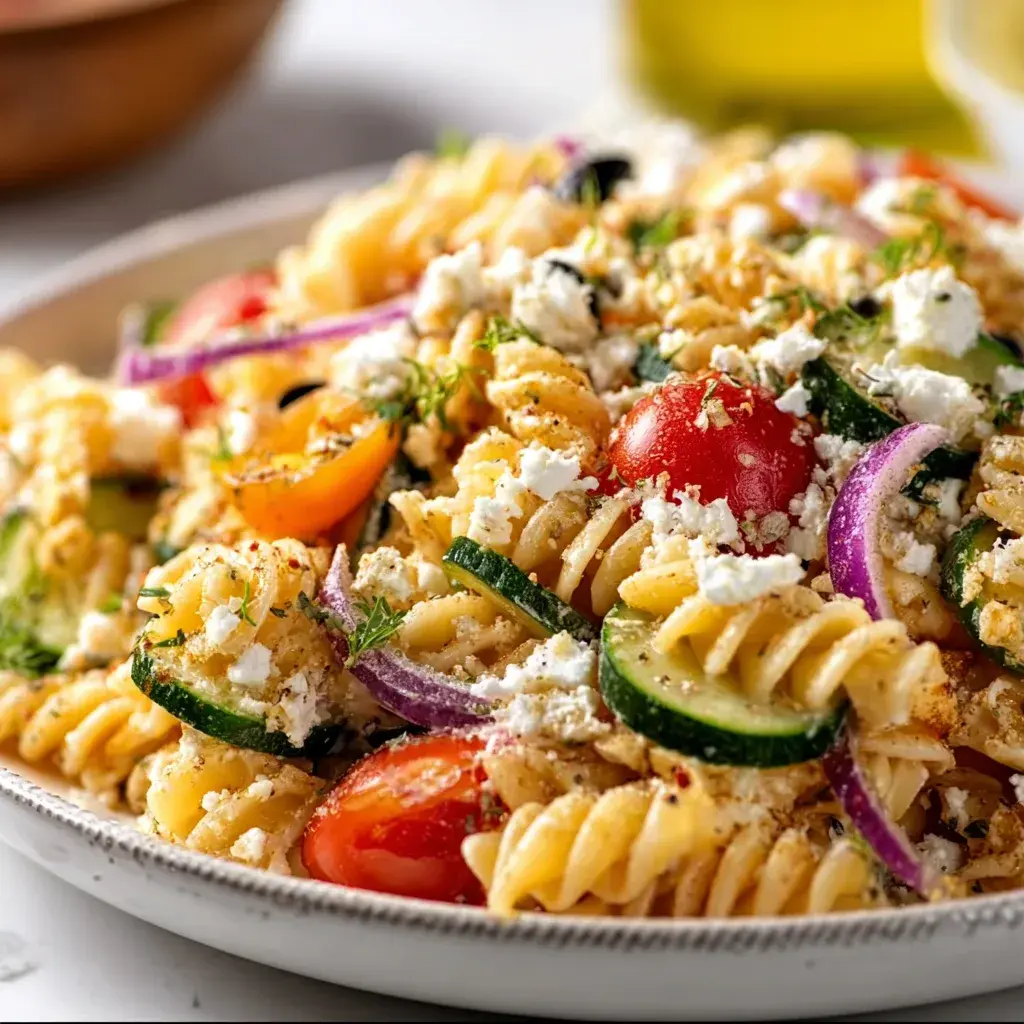
This healthy high protein pasta salad with no mayo is my absolute summer savior when I need something filling yet refreshing. The first time I made this, I was hosting a backyard gathering during a scorching July afternoon, and everyone kept asking for the recipe! It truly is a crowd-pleaser.
The combination of perfectly cooked pasta, lean proteins, and crisp vegetables tossed in a zesty vinaigrette creates a perfect balance of flavors without the heaviness of traditional mayo-based dressings. This versatile dish has become my go-to for meal prep, picnics, and potluck gatherings alike, offering a delightful and nutritious option for any occasion.
Why You Will Love This Recipe
- Perfect Balance of Nutrition and Flavor: This pasta salad packs a serious nutritional punch while delivering incredible taste in every bite. The protein sources – think grilled chicken, chickpeas, or even tofu – keep you satisfied for hours, while the rainbow of vegetables provides essential vitamins and fiber. I love how the bright, acidic dressing brings everything together without adding unnecessary calories. The first time I brought this to my fitness group’s potluck, everyone was shocked that something so delicious could be so nutritious! The combination of textures – from the tender pasta to the crunchy veggies – creates a truly satisfying eating experience.
- Quick and Versatile for Any Occasion: One of my favorite things about this healthy high protein pasta salad is how incredibly versatile it is. You can prepare it in under 30 minutes, making it perfect for busy weeknights or last-minute gatherings. The make-ahead quality actually improves the flavor as ingredients mingle in the refrigerator. I’ve served this at everything from casual backyard BBQs to more formal dinner parties, and it’s always a hit. The best part? You can customize it based on what you have on hand – swap proteins, change up the veggies, or experiment with different herbs and spices.
- Mayo-Free & Health-Conscious: For those looking to avoid mayonnaise or seeking a lighter dressing option, this recipe is a dream come true. It proves that you can achieve incredible creaminess and flavor without relying on heavy, calorie-laden ingredients. The vibrant vinaigrette keeps the salad fresh and light, making it an ideal choice for healthier meal planning or simply enjoying a delicious meal that won’t leave you feeling weighed down. It’s a fantastic alternative for lunch or a light dinner.
- Ideal for Meal Prep: This pasta salad is a meal prep champion. It holds up beautifully in the refrigerator for several days, making it perfect for packing lunches or having a healthy dinner ready to go. The flavors actually deepen and meld together over time, ensuring that each bite is as delicious as the last. Having a pre-made, nutritious meal on hand significantly reduces the temptation to reach for less healthy convenience foods.
Ingredients You Need
Selecting high-quality ingredients is paramount to achieving the best possible flavor and texture in your healthy high protein pasta salad. Fresh, vibrant vegetables and good quality protein sources will elevate this dish from ordinary to extraordinary. Don’t be afraid to explore different types of pasta and protein to find your perfect combination. Remember, the simplicity of this dish allows the quality of each component to shine through brilliantly.
Healthy High Protein Pasta Salad (No Mayo!)
This healthy high protein pasta salad is a refreshing and filling summer dish. It features al dente pasta, lean proteins, and crisp vegetables tossed in a zesty vinaigrette, offering a perfect balance of flavors without mayo. It's versatile, great for meal prep, picnics, and potlucks.
- 1 pound whole grain pasta (rotini, fusilli, or bow ties recommended)
- 1-1.5 pounds cooked protein (grilled chicken, chickpeas, edamame, tofu, shrimp, or tuna)
- Assorted fresh vegetables (cherry tomatoes, cucumber, bell peppers, corn, avocado, etc.)
- Fresh herbs (parsley, cilantro, basil, etc.)
- For the Vinaigrette: Olive oil, lemon juice or vinegar, Dijon mustard, garlic, herbs, salt, and pepper
- 1Cook pasta about 1 minute less than package directions for al dente. Rinse with cold water and toss with a splash of olive oil to prevent sticking.
- 2Prepare your chosen protein: marinate and grill chicken, rinse and dry plant-based proteins, or prepare seafood to add just before serving.
- 3Chop fresh vegetables and herbs.
- 4Whisk together vinaigrette ingredients: olive oil, lemon juice/vinegar, Dijon mustard, minced garlic, dried herbs, salt, and pepper to taste.
- 5In a large bowl, combine the cooked pasta, prepared protein, chopped vegetables, and fresh herbs.
- 6Pour the vinaigrette over the salad and toss gently to combine.
- 7For best flavor, let the salad meld in the refrigerator for at least 30 minutes before serving. Adjust seasoning if needed.
- 8For make-ahead meals, layer ingredients in mason jars with dressing at the bottom.
Keywords: pasta salad, high protein, no mayo, healthy, summer, meal prep, vegetarian, chicken, vegan
- pasta: choose a shape that holds dressing well, such as rotini, fusilli, or penne; whole grain options add extra fiber and nutrients.
- grilled chicken breast: lean protein that provides a satisfying chew and subtle smoky flavor.
- chickpeas: a plant-based protein powerhouse, offering a creamy texture and earthy taste.
- cherry tomatoes: sweet and juicy, bursting with fresh flavor and vibrant color.
- cucumber: adds a refreshing crunch and cool hydration to the salad.
- bell peppers: any color works, providing sweetness, a slight crispness, and a dose of vitamins.
- red onion: offers a sharp bite and vibrant color, but can be soaked in cold water to mellow its intensity.
- fresh parsley: bright and herbaceous, lifting all the other flavors.
- olive oil: the base for a healthy and flavorful vinaigrette.
- lemon juice: provides essential acidity to balance the richness of the other ingredients.
- Dijon mustard: adds a subtle tang and helps emulsify the dressing.
- garlic: minced, it infuses the dressing with aromatic depth.
- salt: to enhance all the flavors.
- black pepper: freshly ground, for a touch of warmth and spice.
Quantities for each ingredient are detailed in the recipe card.
Variations
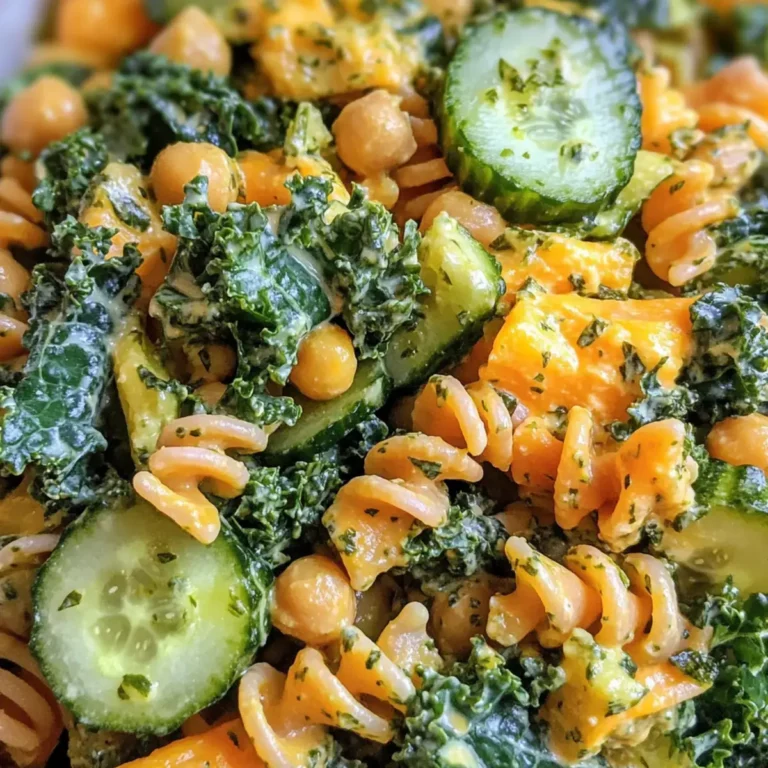
For those seeking a completely plant-based option, this salad can be easily transformed into a delicious vegan meal. Simply omit the chicken and opt for a double portion of chickpeas or add firm, pan-fried tofu cubes marinated in a similar vinaigrette. Edamame also makes a wonderful plant-based protein addition, offering a pleasant pop and a slightly sweet flavor that complements the other ingredients beautifully. Adjusting the dressing with a touch of maple syrup can further enhance the vegan profile.
A low-carb adaptation can be achieved by substituting the traditional pasta with spiralized zucchini noodles or spaghetti squash. This dramatically reduces the carbohydrate count while retaining the vibrant flavors and satisfying texture of the salad. Ensure the vegetables are crisp and fresh to maintain that delightful crunch. This variation is perfect for those following ketogenic or low-carbohydrate lifestyles, offering a refreshing and filling meal option.
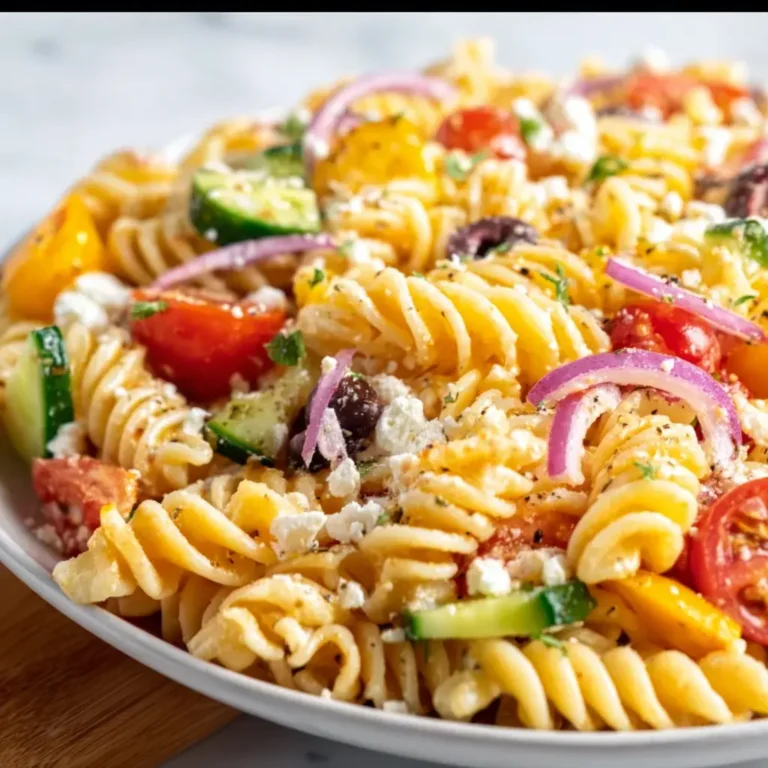
To give your pasta salad an international flair, consider a Mediterranean-inspired twist. Incorporate Kalamata olives, sun-dried tomatoes, crumbled feta cheese, and a generous amount of fresh oregano and basil. A lemon-herb vinaigrette with a hint of red wine vinegar would be the perfect accompaniment, transporting your taste buds to the coastal regions of Greece or Italy. This variation adds a sophisticated depth of flavor that is both robust and incredibly satisfying.
How to Prepare healthy high protein pasta salad no mayo
Step 1: Cook the Pasta to Perfection
Begin by bringing a large pot of generously salted water to a rolling boil. The salt is crucial for seasoning the pasta from the inside out, ensuring it doesn’t taste bland. Choose your preferred pasta shape; rotini, fusilli, or farfalle are excellent choices as their nooks and crannies expertly capture the zesty dressing.
Cook the pasta according to package directions, but aim for an “al dente” texture, which means it should still have a slight bite. For most pasta types, this means cooking it about 1-2 minutes less than the stated time. Overcooked pasta can turn mushy, especially when it sits in dressing, so vigilance here is key to a successful salad. My personal trick is to taste a piece of pasta every minute in the final stages of cooking to nail that perfect texture.
Once cooked to your liking, drain the pasta thoroughly in a colander. Immediately rinse it under cold running water. This crucial step stops the cooking process instantly, preventing the pasta from becoming gummy. It also removes excess starch. Toss the drained and rinsed pasta with a tablespoon or two of olive oil to prevent the strands from sticking together as it cools, creating individual, perfectly separated pieces.
Step 2: Prepare the Protein and Vegetables
While the pasta is cooling, focus on preparing your protein and vegetables. If you’re using chicken breast, ensure it’s cooked through and then diced into bite-sized pieces. Grilling imparts a wonderful smoky flavor, but pan-searing or even using pre-cooked rotisserie chicken works well for speed. For plant-based protein like chickpeas, drain and rinse them thoroughly, ensuring they are patted dry with a paper towel to remove excess moisture.
Wash and prepare your vegetables. Halve the cherry tomatoes, dice the cucumber and bell peppers into uniform, bite-sized pieces, and thinly slice the red onion. If the red onion’s flavor is too pungent for your liking, you can soak the sliced onions in a small bowl of ice water for about 10-15 minutes; this will mellow their sharpness considerably. The goal is to have all your vegetables prepped and ready to be combined, creating a visually appealing and texturally diverse mix.
Consider adding other vegetables that hold up well in a salad, such as chopped celery for extra crunch, blanched broccoli florets, or sweet corn kernels. The key is to ensure they are cut to a size that is easily scooped up with a fork alongside the pasta and protein. Each component should be distinct yet harmonious, contributing to the overall delightful eating experience.
Step 3: Whisk Together the Zesty Vinaigrette
In a medium-sized bowl or a jar with a tight-fitting lid, combine the olive oil, fresh lemon juice, Dijon mustard, and minced garlic. This forms the foundation of your flavorful, mayo-free dressing. The quality of your olive oil will significantly impact the final taste, so opt for a good extra virgin olive oil if possible.
Add a generous pinch of salt and freshly ground black pepper to the dressing mixture. Whisk vigorously until the ingredients are well combined and emulsified; the dressing should appear slightly thickened and homogenous. If using a jar, simply seal it tightly and shake it vigorously until the dressing is perfectly blended. Taste the dressing and adjust the seasonings as needed – you might want more lemon juice for tanginess, more salt for depth, or a pinch of red pepper flakes for a hint of heat.
This dressing is incredibly versatile and can be seasoned to your preference. A touch of honey or maple syrup can balance the acidity if you prefer a sweeter profile, while dried herbs like oregano or thyme can add another layer of aromatic complexity. This simple yet effective dressing is what makes the salad so refreshing and light, a true testament to flavor achieved without mayo.
Step 4: Combine All the Ingredients
In a large mixing bowl, gently combine the cooled, cooked pasta, prepared protein (such as diced grilled chicken or chickpeas), and all the chopped vegetables. Add the fresh parsley at this stage as well, which will distribute its bright flavor throughout the salad. Ensure that all the components are evenly distributed to create a visually appealing and balanced mix.
Pour about two-thirds of the prepared vinaigrette over the pasta and vegetable mixture. Gently toss everything together using large spoons or spatulas, ensuring that every piece is lightly coated with the dressing. Be careful not to over-mix, as this could bruise the delicate ingredients or break down the pasta.
Reserve the remaining vinaigrette. You can add it just before serving to refresh the salad, especially if it has been sitting for a while, or to adjust the dressing level to your personal preference. This allows for customization and ensures the salad remains moist and flavorful.
Step 5: Chill and Allow Flavors to Meld
Once everything is combined and lightly coated with dressing, cover the large mixing bowl tightly with plastic wrap or transfer the salad to an airtight container. Refrigerate the pasta salad for at least 30 minutes, or ideally for 1-2 hours, before serving. This chilling period is crucial for allowing the flavors to meld together.
During this time, the pasta will absorb some of the dressing, and the vegetables will release their juices, creating a more cohesive and deeply flavored dish. The chilling also ensures that the salad is served at a refreshing temperature, perfect for warmer weather or as a light meal. The transformation that occurs in the refrigerator is remarkable; what might seem like a simple mix of ingredients becomes a harmonious symphony of tastes and textures.
If you plan to store it for longer, the flavors will continue to develop. This is why the salad is an excellent candidate for meal prepping, as it often tastes even better the next day. Remember to add any delicate garnishes, like avocado slices or extra fresh herbs, just before serving to maintain their optimal texture and appearance.
Step 6: Taste, Adjust, and Serve
Before serving, give the pasta salad a good stir. Taste a small portion and adjust the seasonings as needed. This is your final opportunity to perfect the balance of flavors. You might find it needs a little more salt, pepper, lemon juice, or even a touch more olive oil to achieve your desired taste. Add the reserved vinaigrette if you feel the salad needs more dressing.
If you’ve added delicate ingredients like avocado, fresh mozzarella balls, or soft herbs, now is the time to gently fold them in. The final presentation matters, so ensure the salad looks appealing in your serving dish. A final sprinkle of fresh parsley or a drizzle of extra virgin olive oil can add a beautiful finishing touch.
Serve the healthy high protein pasta salad chilled or at room temperature. It is incredibly versatile and can be enjoyed as a standalone meal, a satisfying side dish, or a portable option for picnics and potlucks. Its vibrant colors and fresh flavors are sure to be a hit with everyone, proving that healthy eating can be incredibly delicious and exciting.
Pro Tips for healthy high protein pasta salad no mayo
Al Dente is Key: Always cook your pasta a minute or two less than the package directions indicate. Rinsing it with cold water after draining helps stop the cooking and prevents it from becoming mushy, ensuring a delightful chewiness that holds up well in the salad. This step is fundamental to achieving the right texture that absorbs dressing beautifully without disintegrating.
Dry Your Proteins and Veggies: Ensure any proteins, especially canned beans or chickpeas, and vegetables are thoroughly drained and patted dry. Excess moisture can lead to a watery salad and dilute the dressing’s flavor. A dry base helps the vinaigrette cling better to each ingredient, maximizing flavor impact in every bite.
Don’t Skimp on Acidity: The lemon juice or vinegar in the dressing is crucial for brightness and balance. It cuts through the richness of the olive oil and the starchiness of the pasta, making the entire salad taste fresh and vibrant. Don’t be afraid to be generous with the citrus; it’s what elevates this salad from good to spectacular.
Layer Your Flavors and Textures: Combine a variety of vegetables with different textures – crunchy, crisp, and tender – for an engaging eating experience. Likewise, ensure a good mix of protein sources, such as lean meats and legumes, to provide sustained energy and a satisfying mouthfeel. The interplay of different elements keeps each bite interesting and delightful.
Taste and Adjust Constantly: Seasoning is an art, and this salad is no exception. Taste your dressing before adding it, and then taste the assembled salad before serving. You might need more salt, a touch more acidity, or even a pinch of chili flakes for warmth. Adjusting as you go ensures the final product is perfectly balanced to your palate, making it truly yours.
Serving Suggestions for healthy high protein pasta salad no mayo
Decoration
Elevate the visual appeal of your healthy high protein pasta salad with thoughtful garnishes. A generous sprinkle of freshly chopped parsley or chives adds a burst of green color and herbaceous freshness that complements the bright flavors. Thinly sliced radishes can introduce a lovely pink hue and a peppery crunch, adding another layer of visual and textural interest. For a Mediterranean twist, a scattering of Kalamata olives or a few crumbles of feta cheese can provide a striking contrast and an extra savory element.
Consider adding edible flowers for a truly elegant presentation, especially for outdoor gatherings or special occasions. Small, colorful blossoms like nasturtiums or pansies can add a whimsical and beautiful touch. A final drizzle of your vibrant vinaigrette or a swirl of high-quality extra virgin olive oil just before serving can also enhance the salad’s appetizing appearance, making it look as good as it tastes.
If using ingredients like avocado, ensure they are sliced or diced just before serving to prevent browning, and arrange them artfully on top. A sprinkle of toasted seeds, such as sunflower or pumpkin seeds, can provide a delightful crunch and a nutty flavor that contrasts beautifully with the creamy pasta and tender vegetables. These small decorative touches make a significant difference in the overall dining experience.
Side Dishes
This protein-packed pasta salad is substantial enough to be a main course, but it also pairs wonderfully with a variety of side dishes for a more complete meal. A light and refreshing green salad with a simple lemon vinaigrette offers a crisp counterpoint to the heartier pasta salad. Crusty whole-grain bread, perhaps lightly toasted with garlic, is perfect for sopping up any extra dressing or for enjoying alongside the main dish. Consider serving it with some grilled vegetables, such as asparagus, zucchini, or corn on the cob, to enhance the summery feel and add more vibrant flavors.
For a more substantial meal, particularly for a barbecue or potluck, it pairs beautifully with grilled proteins like chicken skewers, salmon fillets, or even lean turkey burgers. The coolness of the pasta salad acts as a refreshing contrast to the warmth of the grilled items. If you’re serving it for a casual lunch, a cup of light vegetable soup or a bowl of gazpacho can create a wonderfully balanced and satisfying meal. It’s a versatile dish that can adapt to many culinary companions.
If you’re entertaining guests, consider offering a selection of complementary dishes that allow for a diverse and appealing buffet. Small bowls of marinated olives, a simple caprese salad, or even some roasted sweet potato wedges would add variety and appeal to your spread. The goal is to offer items that complement the fresh, zesty flavors of the pasta salad without overpowering them. This flexibility makes it a perfect dish for almost any dining scenario.
Creative Serving Ideas
Transform your healthy high protein pasta salad into individual, portable meals by layering it in mason jars. Place the dressing at the bottom, followed by heartier ingredients like chickpeas and chicken, then vegetables, and finally the pasta on top. Seal the jars tightly for a perfect grab-and-go lunch or picnic option. This method not only keeps the ingredients fresh but also makes for an aesthetically pleasing presentation.
For a more formal gathering or a buffet, present the pasta salad in a large, clear glass bowl to showcase its vibrant colors and appealing textures. You can create a beautiful spread by arranging it alongside other complementary dishes, allowing guests to create their own perfect plate. Consider serving it with small appetizer forks or tasting spoons to encourage sampling and enjoyment.
For a fun, family-style presentation, serve the pasta salad directly from a large, rustic wooden bowl or a colorful ceramic dish. You can then add a final flourish of fresh herbs or a sprinkle of toasted nuts just before bringing it to the table. This approach emphasizes the shared, communal aspect of enjoying a delicious meal together. Its versatility means it can be adapted for any setting, from a casual backyard picnic to a more elaborate dinner party.
Preparation & Storage
Storing Leftovers
To store any leftover healthy high protein pasta salad, transfer it to an airtight container. Ensure the container is properly sealed to prevent air from entering, which can cause the salad to dry out or absorb odors from the refrigerator. It is best to store it in the refrigerator immediately after serving. This helps to maintain its freshness and prevents bacterial growth, ensuring it remains safe and delicious to eat.
The pasta salad will typically stay fresh and retain its quality for up to 3 to 4 days when stored correctly. However, for the best flavor and texture, it’s recommended to consume it within the first 2 days. If you notice any signs of spoilage, such as an off smell or unusual texture, it’s best to discard it rather than risk foodborne illness.
For meal prep purposes, storing individual portions in smaller airtight containers is highly recommended. This makes it easy to grab a single serving for lunch or a quick snack without having to open and re-seal the larger container each time. This practice also helps to prolong the overall freshness of the salad.
Freezing
Freezing healthy high protein pasta salad is generally not recommended due to the texture changes that can occur, particularly with the pasta and fresh vegetables. When pasta is frozen and then thawed, it can become mushy and lose its desirable al dente bite. Similarly, the crispness of vegetables like cucumbers and bell peppers can be compromised, turning them soggy and unappealing.
The dressing, especially if it contains oil and lemon juice, may also separate or alter in consistency upon thawing. While it might still be edible, the overall eating experience might not be as pleasant as with a freshly made or refrigerated salad. Therefore, it is best to enjoy this pasta salad fresh or within its refrigerated shelf life.
If you absolutely must freeze it, consider freezing components separately or opting for a version with heartier ingredients that might withstand freezing better, though this is still not ideal for optimal quality. For instance, a vinaigrette might be better stored separately and re-whisked before use. However, for this particular recipe, fresh preparation and refrigeration are strongly advised.
Reheating
This healthy high protein pasta salad is best served chilled or at room temperature, so reheating is generally not necessary or recommended. The vibrant flavors and crisp textures are most enjoyable when the salad is cool. Reheating would likely cause the pasta to become overcooked and the vegetables to lose their crunch, significantly diminishing the overall appeal of the dish.
If the salad has been refrigerated and has become too cold for your preference, you can allow it to sit at room temperature for about 15-20 minutes to take the chill off. This will bring it closer to room temperature without cooking it. For situations where a slightly warmer salad is desired, a very brief and gentle warming might be attempted, but extreme caution is advised to avoid overcooking.
Instead of reheating, if you find the salad a bit too firm or dry after refrigeration, a simple solution is to add a splash more olive oil or a bit of fresh lemon juice and toss gently. This will revive the dressing and bring back its fresh, vibrant qualities, making it delicious without any need for heat.
Frequently Asked Questions
-
How can I make my healthy high protein pasta salad no mayo even more protein-rich?
To boost the protein content significantly, consider incorporating a wider array of protein sources. You can add additional lean meats like shredded turkey or salmon, or increase the amount of plant-based proteins such as lentils, black beans, or edamame. Hard-boiled eggs, quartered or chopped, are another excellent and easy way to add protein and richness. For a creative twist, using protein-fortified pasta, like those made from chickpeas or lentils, can also contribute substantially to the overall protein count without altering the fundamental character of the salad.
Consider adding nuts and seeds, such as slivered almonds, chopped walnuts, or hemp seeds, as they not only provide a delightful crunch but also offer a good dose of protein and healthy fats. Nutritional yeast, a deactivated yeast with a cheesy, nutty flavor, can be sprinkled over the salad for an extra protein boost and a savory umami note. For those looking for a dairy-based option that still keeps it relatively light, a sprinkle of grated Parmesan cheese or a few cubes of firm tofu can also enhance the protein profile.
Think about combining different textures and flavors of protein for a more complex and satisfying dish. For example, pairing grilled chicken with creamy cannellini beans and crunchy pumpkin seeds creates a delightful synergy. The key is to layer various protein-rich ingredients to ensure that each serving provides a substantial amount of this essential macronutrient, turning it into a truly power-packed meal that keeps you feeling full and energized.
-
What’s the best dressing substitute for mayo in pasta salad?
The best mayo substitutes in pasta salad focus on creating a creamy texture and tangy flavor without the heaviness of mayonnaise. A classic vinaigrette, made with a ratio of three parts olive oil to one part acid (like lemon juice or red wine vinegar), is a fantastic base. Emulsifying it with a bit of Dijon mustard helps create a smoother consistency and adds a pleasant tang. Herbs, garlic, and a touch of honey or maple syrup can further enhance its flavor profile, making it bright and delicious.
Another excellent option is a Greek yogurt-based dressing. Plain Greek yogurt provides a thick, creamy texture similar to mayonnaise but with significantly less fat and more protein. Mix it with lemon juice, garlic, herbs, salt, and pepper for a refreshing and tangy dressing that coats the pasta beautifully. For a vegan alternative, blended silken tofu or a creamy cashew-based dressing can achieve a similar creamy effect. Hummus, thinned with olive oil and lemon juice, also makes for a flavorful and protein-rich dressing option.
Experimenting with different flavor profiles is key. A tahini-based dressing offers a nutty creaminess, perfect for Mediterranean or Middle Eastern-inspired salads. Avocado, when blended with lime juice, garlic, and a touch of water, creates a rich, velvety dressing that’s packed with healthy fats and vibrant flavor. The goal is to find a balance of richness, acidity, and herbaceous notes that complement the other ingredients in your pasta salad, ensuring it’s both satisfying and light.
-
Can I make this pasta salad ahead of time?
Yes, absolutely! This healthy high protein pasta salad is an excellent candidate for making ahead, and in fact, the flavors often meld and improve with time. It’s ideal for preparing 1-2 days in advance, making it perfect for meal prepping or getting a head start on party preparations. The chilling period allows the pasta to absorb the vinaigrette and the vegetables to release their juices, creating a more cohesive and deeply flavorful dish.
However, there’s a small caveat: for the freshest taste and best texture, it’s advisable to add very delicate ingredients just before serving. This includes items like sliced avocado, fresh berries, or very tender greens. These ingredients can lose their optimal texture or color if left to sit in the dressing for too long. Prepare the base of the salad, including the pasta, protein, sturdier vegetables, and dressing, and then fold in these more perishable items right before you plan to serve it.
When storing, ensure the salad is kept in an airtight container in the refrigerator. If you notice the salad seems a little dry after a day or two, you can always refresh it with a little extra vinaigrette or a drizzle of olive oil and a squeeze of lemon juice. This simple step will revive the flavors and textures, making it taste almost as fresh as when it was first made. Enjoy the convenience of having a delicious and healthy meal ready to go!