Coconut Tres Leches Cake
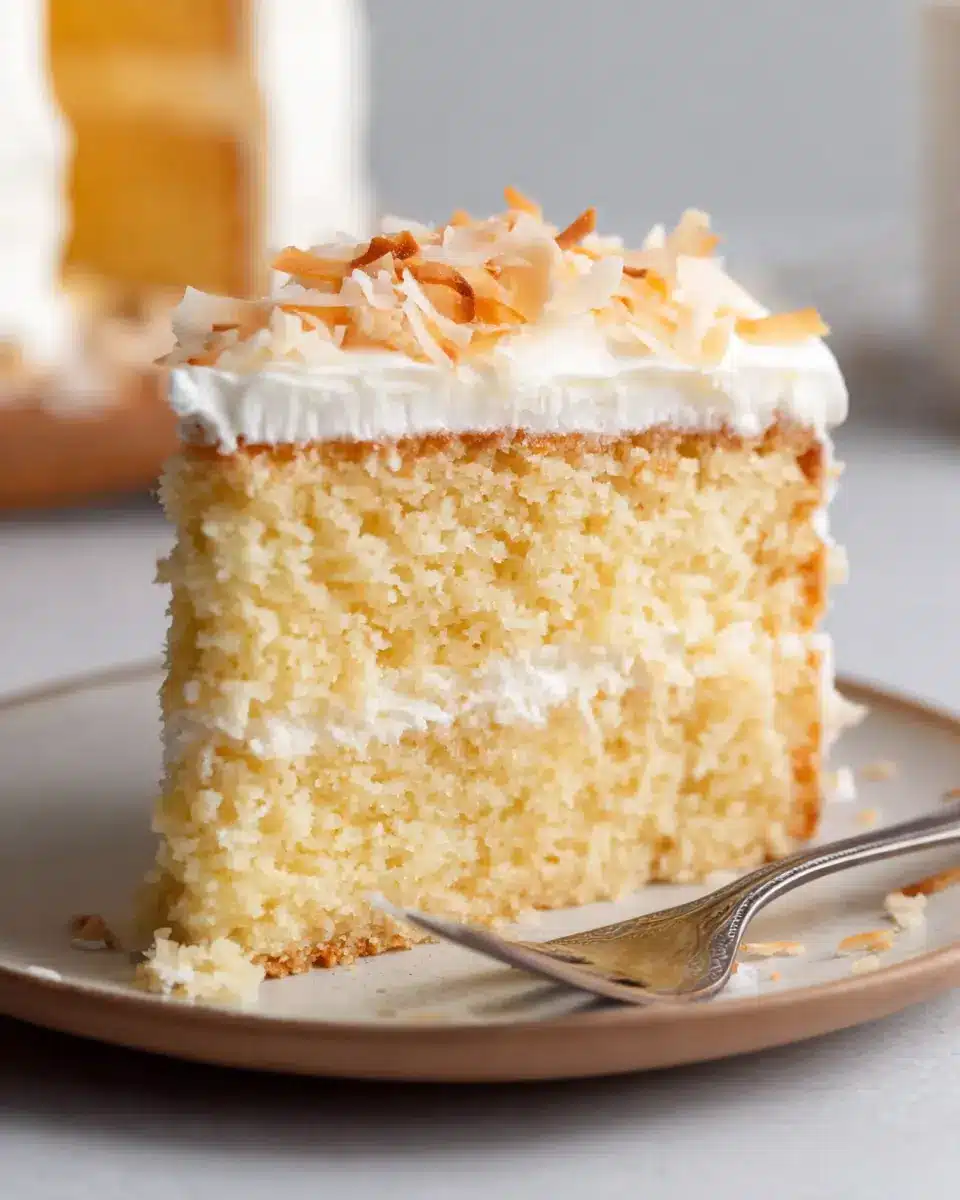
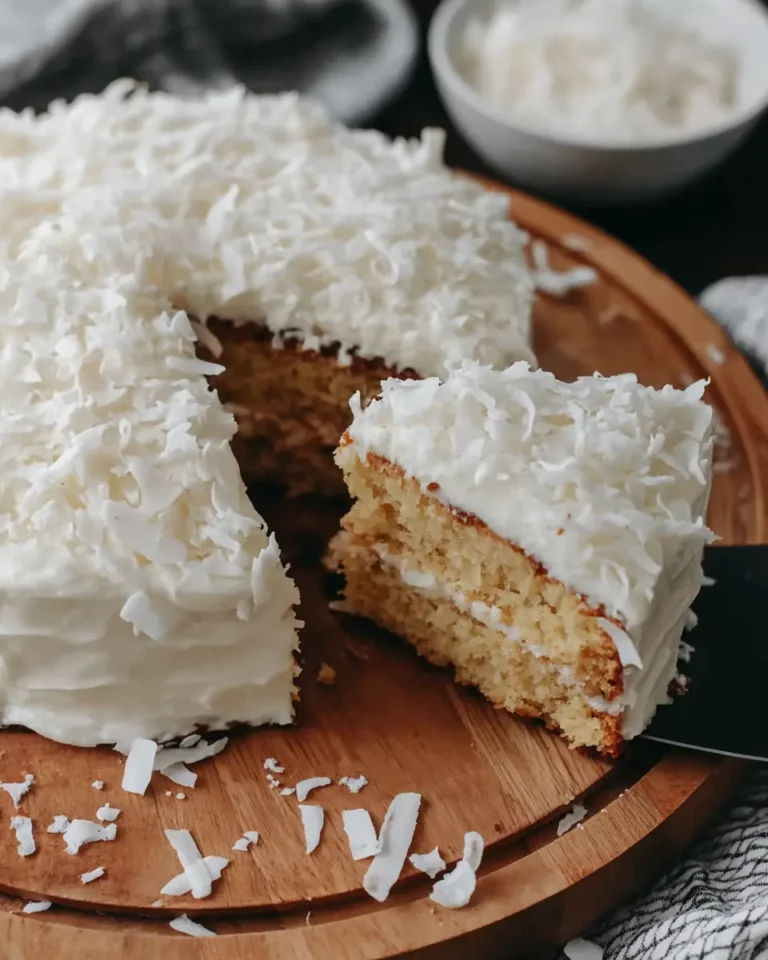
Coconut Tres Leches Cake is a creamy, make-ahead dessert that boasts tender coconut milk-infused layers. It features a rich three-milk soak and a light whipped topping, ensuring every bite is soft, fresh, and perfectly ready for any occasion.
This cake offers a sophisticated appearance without requiring complex techniques. Its three petite layers look refined, while the flavors are delightfully simple and comforting, with sweet coconut notes permeating every element of this delightful dessert.
Why You Will Love This Recipe
- Delicate Texture: The use of cake flour and carefully whipped egg whites creates an exceptionally tender and airy sponge that beautifully absorbs the rich milk soak.
- Intense Coconut Flavor: From the cake layers to the soaking liquid and the topping, coconut is the star, offering a wonderfully tropical and satisfying taste profile.
- Make-Ahead Convenience: This cake is designed to be prepared in advance, allowing the flavors to meld and the soak to fully permeate, making it ideal for entertaining.
- Visually Appealing: The three small layers give it a classic, elegant look that impresses guests, while still being manageable to serve and enjoy.
- Perfectly Moist: The signature tres leches soak, enriched with coconut milk, guarantees a dessert that is luxuriously moist without being overwhelmingly heavy.
Ingredients You Need
Selecting high-quality ingredients is paramount for achieving the best flavor and texture in your Coconut Tres Leches Cake. Freshness plays a significant role, especially for dairy and any fresh garnishes. Using full-fat versions of coconut milk and evaporated milk will lend the most richness and the desirable creamy consistency to both the cake and the soak.
Coconut Tres Leches Cake

A delicate coconut-infused sponge prepared in three small layers, accompanied by a classic tres leches mixture, a lightly sweetened whipped topping, and a finish of toasted coconut.
- For the cake:
- 2 teaspoons vanilla extract or vanilla essence
- 3/4 cup unsalted butter, softened at room temperature
- 2 1/4 cups sifted cake flour
- 1 cup full-fat coconut milk
- 1 1/2 cups granulated white sugar
- 5 large egg whites, brought to room temperature
- 1/2 teaspoon salt
- 2 teaspoons baking powder
- For the tres leches milk:
- 1/2 cup sweetened condensed milk
- 1/3 cup evaporated milk
- 1/3 cup full-fat coconut milk
- For the topping:
- 1 teaspoon coconut extract or coconut flavoring
- 2 cups heavy cream, thoroughly chilled
- 1/4 cup sweetened condensed milk
- For the garnish:
- Toasted coconut flakes or shavings, as needed for finishing
- 1Preheat the oven to 350°F (175°C). Grease and flour three 6-inch round cake pans, then set them aside.
- 2In a separate bowl, sift together the cake flour, baking powder, and salt. This helps distribute the dry ingredients evenly and supports a finer crumb. Set the mixture aside.
- 3Place the softened butter in the bowl of a stand mixer or use an electric mixer, and beat until smooth. Add the sugar and continue mixing on medium-high speed until the mixture appears pale and fluffy.
- 4Reduce the mixer speed to low. Add the vanilla, then gradually pour in the egg whites so the batter absorbs the liquid evenly. If the mixture begins to look curdled, blend in a couple of teaspoons of the flour mixture to help it come back together. Scrape down the sides and bottom of the bowl as needed.
- 5With the mixer still on low speed, add half of the dry ingredients to the butter mixture. Pour in the coconut milk, then add the remaining dry ingredients. Mix just until the batter is smooth and fully combined.
- 6Divide the batter evenly among the prepared pans. Bake for 25 to 28 minutes, or until a toothpick inserted into the center comes out clean.
- 7Remove the cakes from the oven and let them rest in the pans on a wire rack for 10 minutes.
- 8Carefully turn the cakes out of the pans and allow them to cool completely on the wire rack before adding any topping or serving.
- 9Once the layers are completely cool, stir together the sweetened condensed milk, evaporated milk, and coconut milk.
- 10Set one cake layer on your serving plate, poke it all over with a skewer or fork, and spoon some of the milk mixture over the top. Repeat with the remaining layers so the soak is spread evenly.
- 11Whip the cold heavy cream with the sweetened condensed milk and coconut extract until soft to medium peaks form. Frost the top and sides of the cake, then finish with toasted coconut.
- 12Chill the cake for a little while before slicing so the layers settle and the soak has time to absorb evenly.
Keywords: Coconut Tres Leches Cake, Coconut Cake, Tres Leches, Milk Cake, Dessert, Baking, Sweet
- cake flour: sifting this ensures a light and airy cake crumb, essential for soaking up the milky goodness.
- baking powder and salt: these pantry staples work together to ensure a proper rise and balance the sweetness of the cake.
- unsalted butter, softened: provides richness and a tender texture to the cake layers.
- granulated sugar: sweetens the cake and aids in creating a light, fluffy batter when creamed with butter.
- egg whites, room temperature: these are whipped to create volume and a delicate, cloud-like texture in the cake.
- vanilla extract: adds warmth and depth to the overall flavor profile, complementing the coconut beautifully.
- full-fat coconut milk: the star ingredient, infusing the cake layers with its distinct tropical aroma and creamy essence.
- sweetened condensed milk: a crucial component of the tres leches soak, contributing sweetness and a thick, luxurious texture.
- evaporated milk: balances the richness of the condensed milk and coconut milk, creating a smooth and harmonious soaking liquid.
- heavy cream, thoroughly chilled: whipped to create a light and airy topping that provides a pleasant contrast to the moist cake.
- coconut extract: enhances the coconut flavor in the topping, making the dessert even more fragrant and tropical.
- toasted coconut flakes: used as a garnish, these add a delightful textural crunch and a nutty depth of flavor.
Quantities and precise measurements for each ingredient can be found within the recipe card.
Variations
To elevate your Coconut Tres Leches Cake, consider infusing it with complementary tropical fruits for an extra burst of flavor and freshness. A vibrant mango puree could be swirled into the batter before baking, or layers of thinly sliced fresh pineapple could be added between the soaked cake layers before the topping is applied.
For a delightful textural contrast and a more intense coconut experience, consider adding shredded, unsweetened coconut directly into the cake batter itself. This will create small pockets of chewy coconut within the tender sponge, making each bite even more interesting. Ensure the coconut is finely shredded so it integrates smoothly.
A simple yet impactful variation involves a subtle hint of citrus, such as lime zest, incorporated into both the cake batter and the whipped topping. This brightens the rich, sweet flavors and adds a refreshing counterpoint to the creamy coconut, making the cake feel lighter and more complex.
How to Prepare Coconut Tres Leches Cake
Step 1: Preparing the Pans and Dry Ingredients
Begin by preheating your oven to the specified temperature, typically around 350°F (175°C), ensuring it is evenly heated for consistent baking. Prepare three 6-inch round cake pans by greasing them thoroughly and then flouring them, tapping out any excess flour. This meticulous preparation prevents the delicate cake layers from sticking, which is crucial for their smooth removal and subsequent layering.
In a separate medium-sized bowl, take your sifted cake flour and combine it with the baking powder and salt. Whisk these dry components together thoroughly using a balloon whisk or a fork. This action ensures that the leavening agent and seasoning are evenly distributed throughout the flour, which is vital for an even rise and consistent flavor in the final cake layers. Set this bowl of dry ingredients aside.
Ensuring your dry ingredients are well-combined before they are introduced to the wet ingredients is a fundamental baking technique. This step prevents pockets of baking powder or salt from forming in the batter, which could lead to an uneven texture or off-flavors in your finished cake. A well-mixed dry ingredient base sets the stage for a superior cake crumb.
Step 2: Creaming Butter and Sugar
Place your softened unsalted butter into the bowl of a stand mixer fitted with the paddle attachment, or use a hand-held electric mixer with a large bowl. Beat the butter on medium speed until it is completely smooth and creamy, with no lumps remaining. This initial creaming of the butter is essential for establishing the foundational structure of the cake.
Add the granulated sugar to the creamed butter. Continue to mix on medium-high speed for several minutes, until the mixture becomes noticeably pale in color and significantly increases in volume, taking on a light and fluffy appearance. This process, known as creaming, incorporates air into the batter, which is critical for achieving a tender and light cake texture. Don’t rush this step; it’s a key contributor to the cake’s delicate crumb.
The pale and fluffy texture indicates that the sugar crystals have largely dissolved into the fat of the butter, creating a stable emulsion. This aeration is what makes the cake rise beautifully in the oven, preventing it from becoming dense or heavy. Properly creamed butter and sugar form the backbone of many successful cake recipes.
Step 3: Incorporating Wet Ingredients
Reduce the mixer speed to low. Carefully add the vanilla extract to the creamed butter and sugar mixture, allowing it to incorporate briefly. This initial addition of a liquid ingredient should be done gently to avoid deflating the aerated butter mixture.
Next, begin to gradually add the room-temperature egg whites to the batter. It’s best to add them in two or three additions, mixing on low speed after each addition until just combined. This gradual incorporation helps to emulsify the batter properly and prevents the mixture from appearing curdled. If you notice any curdling, you can whisk in a tablespoon or two of the dry flour mixture to help it come back together smoothly.
Scrape down the sides and bottom of the bowl frequently throughout this process using a rubber spatula. This ensures that all ingredients are evenly incorporated into the batter, leading to a uniform texture and flavor throughout the cake. Taking the time to properly incorporate the egg whites is crucial for the cake’s delicate structure and airiness.
Step 4: Combining Wet and Dry Mixtures
With the mixer still running on low speed, begin by adding approximately half of the prepared dry ingredients (flour, baking powder, salt mixture) to the butter and egg white batter. Mix until just combined, ensuring no dry streaks of flour remain visible. Overmixing at this stage can develop the gluten in the flour too much, resulting in a tougher cake.
Next, pour in the full-fat coconut milk. Allow this to mix into the batter until it is mostly incorporated. The batter might look a little less smooth at this point, which is perfectly normal as you are introducing a significant amount of liquid.
Finally, add the remaining portion of the dry ingredients to the batter. Continue mixing on low speed only until the batter is smooth and all ingredients are fully incorporated. Again, be careful not to overmix; the goal is a homogenous batter with a tender crumb. Overworking the batter after flour has been added is a common mistake that leads to dense cakes.
Step 5: Baking and Cooling the Cake Layers
Divide the prepared cake batter as evenly as possible among the three prepared 6-inch round cake pans. You can use a kitchen scale for maximum accuracy, ensuring each pan receives an equal amount of batter for uniform baking. Smooth the tops of the batter in each pan gently with a spatula.
Place the filled pans onto the middle rack of your preheated oven. Bake for approximately 25 to 28 minutes, or until a wooden skewer or toothpick inserted into the center of each cake comes out clean. The tops of the cakes should spring back lightly when gently pressed.
Once baked, carefully remove the cake pans from the oven and place them on a wire cooling rack. Allow the cakes to rest in their pans for about 10 minutes. This brief resting period helps the cakes to set slightly, making them easier to handle. After the 10 minutes, carefully invert the cakes onto the wire cooling rack and allow them to cool completely. It is imperative that the cakes are entirely cool before proceeding to the soaking and frosting stages.
Step 6: Soaking the Cake Layers
While the cake layers are cooling, prepare the luscious tres leches milk mixture. In a medium bowl, whisk together the sweetened condensed milk, evaporated milk, and the remaining full-fat coconut milk until they are thoroughly combined and smooth. This creates the signature soaking liquid that will transform the cake into a moist delight.
Once the cake layers have cooled completely to room temperature, place one of the cake layers onto your serving plate or cake stand. Using a long skewer, a fork, or even the tines of a fork, poke holes all over the surface of the cake layer. Aim for consistent spacing to ensure the milk mixture penetrates evenly throughout the cake.
Gently spoon or pour a portion of the prepared milk mixture over the poked cake layer, allowing it to soak in. Repeat this process with the remaining cake layers, stacking them on top of each other on the serving plate as you go. Ensure you distribute the milk mixture evenly among all layers to create a consistently moist and flavorful dessert. The cake should feel saturated but not swimming in liquid.
Step 7: Whipping the Topping and Assembling
In a clean, chilled bowl of a stand mixer or using an electric hand mixer with a chilled whisk attachment, combine the thoroughly chilled heavy cream, sweetened condensed milk, and coconut extract. Begin whipping the mixture on medium speed, gradually increasing to high speed as it thickens.
Continue whipping until soft to medium peaks form. Be careful not to overbeat, as you want a light and fluffy topping that will hold its shape but remain delicate. Overwhipped cream can become grainy and difficult to spread smoothly.
Once the topping is ready, gently frost the top and sides of the assembled and soaked cake layers. Use an offset spatula to create a smooth finish. Finally, generously sprinkle the toasted coconut flakes over the top of the frosted cake for both visual appeal and an added textural element. Chill the finished cake for at least an hour before slicing and serving to allow the flavors to meld and the soak to fully integrate.
Pro Tips for Coconut Tres Leches Cake
Ensure Complete Cooling: Always allow your cake layers to cool entirely before applying the milk soak. Applying the soak to warm cake can result in a gummy texture and can cause the layers to break apart more easily, compromising the cake’s structure.
Patience with Soaking: When spooning the tres leches mixture over each layer, take your time. Allow each portion of the milk to be absorbed before adding more. This gradual application ensures that the cake absorbs the liquid evenly, preventing a soggy bottom or overly saturated top layer.
Chill for Stability: After frosting and garnishing the cake, chilling it in the refrigerator for at least an hour, or even better, several hours or overnight, is highly recommended. This resting period allows the soak to fully permeate the cake layers and for the flavors to meld beautifully, resulting in a more cohesive and delicious dessert. It also makes for much cleaner slices.
Use Room Temperature Ingredients for the Cake: When making the cake layers themselves, using room temperature butter and egg whites is crucial. This helps them to emulsify properly and incorporate more air, leading to a lighter and more tender cake crumb that is essential for a successful tres leches cake.
Adjust Sweetness as Needed: While the recipe provides specific sugar and milk quantities, individual preferences for sweetness can vary. Taste the tres leches mixture before applying it to the cake and adjust the condensed milk slightly if you desire a sweeter or less sweet soak. However, be mindful that condensed milk is a primary sweetener and structural component.
Serving Suggestions for Coconut Tres Leches Cake
Decoration
Elevate your Coconut Tres Leches Cake with a final flourish of toasted coconut flakes, offering a delightful crunch and intensified coconut flavor. For a touch of elegance, you could pipe decorative rosettes of the whipped coconut topping around the edge of the cake. A sprinkle of finely grated lime zest over the top can add a pop of color and a hint of citrus aroma.
Consider incorporating fresh, vibrant fruit elements for a stunning visual presentation. Thin slices of ripe mango or star fruit arranged artfully on top can complement the tropical theme beautifully. Edible flowers, such as orchid petals or small violas, can also add a sophisticated and colorful touch, transforming the cake into a true centerpiece.
A light dusting of confectioners’ sugar through a fine-mesh sieve can create a delicate, snowy appearance, especially if serving the cake in cooler months. Alternatively, for a bolder statement, a drizzle of caramel sauce or a thin layer of passion fruit coulis could be applied before the coconut garnish, adding another dimension of flavor and visual appeal.
Side Dishes
This incredibly moist and sweet cake pairs wonderfully with light and refreshing accompaniments that cut through its richness. Fresh berries, such as raspberries, blueberries, or sliced strawberries, offer a bright, tangy contrast that balances the creamy sweetness of the cake. Their natural tartness provides a perfect counterpoint to the dessert’s lushness.
For a truly tropical experience, serve slices of chilled, ripe pineapple or mango alongside the cake. Their natural sweetness and slight acidity harmonize beautifully with the coconut flavors, creating a cohesive and delightful flavor profile. These fruits add a refreshing element that prevents the dessert from feeling too heavy.
A simple cup of good quality coffee or a light, herbal tea makes an excellent beverage pairing. The slight bitterness of coffee can beautifully complement the sweetness of the cake, while a floral herbal tea can enhance the subtle coconut notes. Avoid overly strong or complex beverages that might compete with the cake’s delicate flavors.
Creative Serving Ideas
Transform individual servings into elegant parfaits by layering crumbled pieces of the Coconut Tres Leches Cake with dollops of the whipped topping and fresh fruit in clear glasses. This method showcases the beautiful textures and colors of the dessert, making for a stunning presentation.
For a more casual gathering, consider serving the cake in a trifle bowl, layering the soaked cake pieces with the whipped topping and a medley of tropical fruits. This communal serving style is inviting and allows guests to scoop their own generous portions.
You could also serve miniature versions of the cake in small ramekins or individual dessert cups. These bite-sized delights are perfect for parties or as part of a dessert tasting menu, allowing guests to sample other treats without overindulging. Garnish each with a single toasted coconut flake or a small berry.
Preparation & Storage
Storing Leftovers
Once the Coconut Tres Leches Cake is prepared and served, any leftovers should be stored promptly in the refrigerator. Due to the nature of the milk soak and the whipped cream topping, it is essential to keep the cake chilled at all times to maintain its freshness and prevent spoilage. Cover the cake tightly with plastic wrap or transfer it to an airtight container.
For optimal texture, it is best to slice only the portion you intend to serve immediately. Keeping the remaining cake intact helps to preserve the moisture within the layers and prevents the whipped topping from drying out or becoming compromised. The cake is typically at its best when consumed within 3 to 4 days of preparation.
When you are ready to serve leftover cake, allow it to sit at room temperature for about 15-20 minutes before eating. This brief resting period helps to soften the chilled cake slightly, allowing the creamy textures to come through more fully, making for a more enjoyable eating experience.
Freezing
The Coconut Tres Leches Cake can be frozen, though it is generally recommended to freeze the unfrosted cake layers for the best results. Once the cake layers have cooled completely after baking, wrap them individually and tightly in plastic wrap, followed by a layer of aluminum foil or a freezer-safe bag. This double layer of protection helps to prevent freezer burn and maintain the cake’s quality.
Frozen unfrosted cake layers can be stored in the freezer for up to 2 months. When you are ready to use them, thaw the layers completely in the refrigerator overnight. Once fully defrosted, you can then proceed with soaking them and preparing the whipped topping as per the recipe instructions.
Freezing the fully assembled and frosted cake is not ideal, as the texture of the whipped topping and the saturated cake layers can be negatively affected upon thawing. It is best to assemble and frost the cake closer to the time of serving to ensure the best possible texture and flavor.
Reheating
Coconut Tres Leches Cake is designed to be served chilled or at cool room temperature. Therefore, reheating is generally not recommended, as it can alter the delicate texture of the cake and the whipped topping, potentially making it mushy or causing the cream to separate. The beauty of this cake lies in its cool, refreshing nature.
If you prefer a texture that is slightly less chilled than straight from the refrigerator, simply allow a slice of the cake to sit at room temperature for about 15 to 20 minutes before enjoying it. This brief period will take the chill off without compromising the cake’s integrity or making it warm. This is the optimal way to enjoy its moist, creamy qualities.
The components of this cake, particularly the milk soak and the cream topping, are not suited for traditional reheating methods like microwaving or oven heating. These processes would likely result in an undesirable, overly soft or even soupy consistency, detracting from the intended delightful experience of this tropical dessert.
Frequently Asked Questions
-
Can I use a different type of milk for the tres leches soak if I don’t have evaporated milk?
While evaporated milk plays a crucial role in the classic tres leches soak by providing a rich, creamy texture without being overly sweet or heavy, you can make substitutions if absolutely necessary. You could try using an equal amount of whole milk or half-and-half, but be aware that this may alter the final consistency and richness of the soak; it might be less dense and potentially more watery. Another option is to use an additional amount of full-fat coconut milk, but this will significantly increase the coconut flavor and may make the soak richer. For the most authentic tres leches flavor and texture, it is highly recommended to use evaporated milk as specified in the recipe.
-
My cake layers turned out dry. What could have gone wrong?
Several factors can contribute to dry cake layers. Overmixing the batter after adding the flour is a common culprit, as it develops the gluten too much, leading to a tougher and drier crumb. Ensure you are mixing only until the ingredients are just combined. Another possibility is overbaking; always use a toothpick or cake tester to check for doneness and remove the cakes from the oven as soon as it comes out clean, as residual heat will continue to cook them slightly. Using room-temperature ingredients for the cake batter, as mentioned in the recipe, also helps in creating a lighter and moister cake by promoting better emulsification and air incorporation during the creaming process. Lastly, incorrect ingredient measurements, especially too much flour or too little fat, can also result in dry cake.
-
How can I ensure my whipped topping is light and fluffy and doesn’t weep?
To achieve a light and fluffy whipped topping that holds its shape well and doesn’t weep, several key practices are essential. Firstly, ensure your heavy cream is thoroughly chilled; colder cream whips up more easily and to a greater volume. Using a chilled bowl and whisk attachment for your mixer also helps maintain the cold temperature of the cream. Avoid overmixing the cream; stop whipping as soon as soft to medium peaks form. Overwhipped cream can become grainy and may separate, leading to a weeping texture. Incorporating the sweetened condensed milk and coconut extract gradually while mixing helps to create a stable emulsion. If the topping seems too soft, you can continue whipping very briefly, but be cautious not to go too far. Storing the finished cake with the whipped topping in the refrigerator is also critical, as continued chilling helps to set the cream and prevent it from weeping.