Sheet Pan Chicken Dinner – Easy Meal Prep Idea!
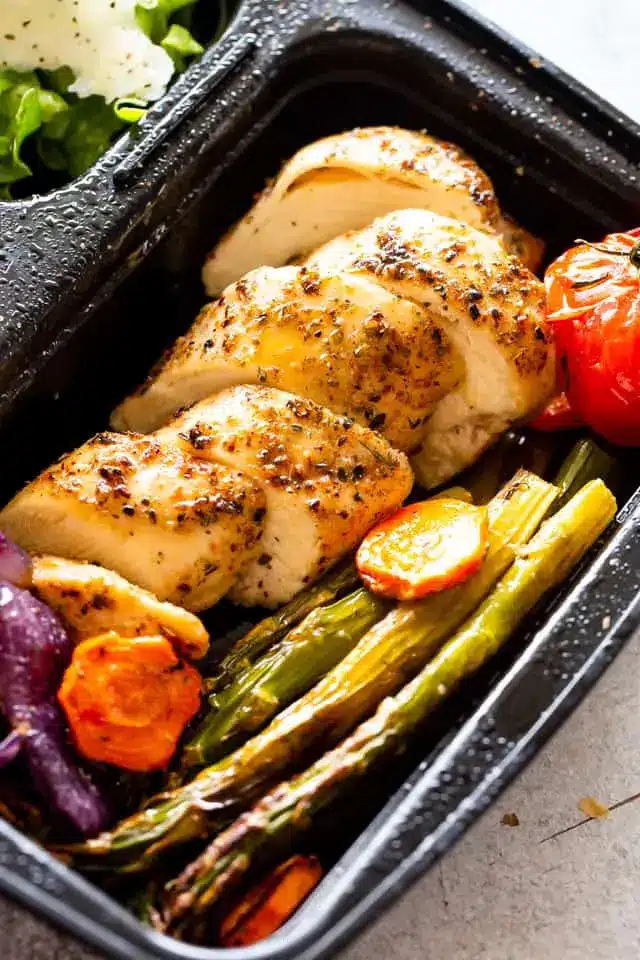
The aroma of perfectly roasted chicken, crisp-tender vegetables, and subtly fragrant herbs filling your kitchen is a true culinary delight. It’s the promise of a wholesome, delicious meal that comes together with minimal fuss, a weeknight warrior’s dream come true.
This sheet pan chicken recipe embodies that very essence, transforming simple ingredients into a symphony of flavors and textures, all cooked conveniently on a single baking sheet. Get ready to simplify your cooking without compromising on taste or quality.
Why You Will Love This Recipe
- Effortless Preparation: With just about 10 minutes of hands-on time, you can have this meal prepped and ready for the oven, leaving you more time to relax or spend with family.
- One-Pan Wonder: The beauty of sheet pan cooking lies in its simplicity and minimal cleanup. Everything cooks together, meaning fewer dishes to wash afterwards, a true blessing after a long day.
- Flavorful and Juicy: The combination of seasoned chicken, perfectly roasted vegetables, and a touch of butter ensures every bite is packed with deliciousness and moisture.
- Highly Customizable: This recipe is a fantastic canvas for your favorite vegetables and seasonings, allowing you to adapt it to your family’s preferences or what you have on hand.
- Excellent for Meal Prep: Prepare this dish in advance and enjoy healthy, homemade meals throughout the week, making your busy schedule feel much more manageable.
Ingredients You Need
The success of any recipe hinges on the quality of its ingredients, and this sheet pan chicken is no exception. Opting for fresh, vibrant produce and good quality chicken will elevate the final dish significantly. Don’t be afraid to explore different types of potatoes or seasonal vegetables to keep things exciting. Remember, the quantities for each ingredient can be found in the printable recipe card below.
Sheet Pan Chicken
This flavorful sheet pan chicken recipe is ready in under an hour, with juicy seasoned chicken breasts, tender potatoes, and vegetables all baked together. It’s perfect for an easy weeknight chicken dinner, and I love it as a meal prep idea! Everything bakes in one pan, and you can store the leftovers in containers to reheat in the coming days.
- 4 boneless, skinless chicken breasts (about 1 to 1½ pounds total)
- 3 cups diced potatoes
- 1 pound asparagus, ends trimmed
- 2 large carrots, diced or thinly sliced
- 1 large red onion, quartered
- 2 cups cherry tomatoes (optional)
- 2 tablespoons olive oil, divided
- 2 cloves garlic, minced, divided
- 1 teaspoon garlic powder
- 1½ teaspoons dried rosemary, divided
- 1½ teaspoons dried thyme, divided
- Salt and freshly ground black pepper, to taste
- 1 tablespoon butter, cut into 4 pats
- 1Preheat oven to 425°F. Line a large sheet pan with parchment paper or foil; set aside.
- 2Cut up the potatoes, Brussels sprouts, asparagus, carrots, and red onion. Place each in a separate corner of the prepared sheet pan. Do not add the cherry tomatoes yet.
- 3Drizzle olive oil over the veggies. Season with garlic powder, ½ teaspoon dried rosemary, ½ teaspoon dried thyme, salt, and pepper.
- 4Place 2 chicken breasts over a large piece of parchment paper. Rub both sides of the chicken with a bit of olive oil, and season with salt, pepper, ½ teaspoon rosemary, ½ teaspoon thyme, and half of the minced garlic.
- 5Place a pat of butter on top of each chicken breast and tightly seal the parchment paper around the chicken breasts. Repeat the same process with the remaining 2 chicken breasts.
- 6Bake for 30 minutes, or until the chicken is cooked through. Chicken is done when its internal temperature reaches 165°F.
- 7Optionally, 10 minutes before it’s done cooking, add cherry tomatoes to the sheet pan.
- 8Remove from oven and let stand 5 minutes. Unwrap the chicken and serve.
Keywords: sheet pan chicken, easy chicken recipe, weeknight dinner, meal prep, roasted vegetables, one pan meal
- boneless, skinless chicken breasts: about 1 to 1½ pounds total, ensuring even cooking and a lean protein source.
- diced potatoes: 3 cups, providing a hearty and satisfying starchy component.
- brussel sprouts: ½ pound, cut in half, offering a slightly bitter, earthy flavor that caramelizes beautifully.
- asparagus: 1 pound, ends trimmed, adding a fresh, green element and a delicate flavor profile.
- large carrots: 2, diced or thinly sliced, contributing sweetness and vibrant color.
- large red onion: 1, quartered, lending a savory depth and a touch of sweetness when roasted.
- cherry tomatoes: 2 cups, optional, adding bursts of juicy sweetness towards the end of cooking.
- olive oil: 2 tablespoons, divided, acting as a crucial medium for roasting and flavor infusion.
- garlic: 2 cloves, minced, divided, for that essential aromatic foundation.
- garlic powder: 1 teaspoon, amplifying the garlicky notes.
- dried rosemary: 1½ teaspoons, divided, bringing an earthy, pine-like fragrance.
- dried thyme: 1½ teaspoons, divided, offering a subtle, savory, and slightly minty aroma.
- salt and freshly ground black pepper: to taste, the fundamental elements for enhancing all other flavors.
- butter: 1 tablespoon, cut into 4 pats, adding richness and helping to keep the chicken incredibly moist.
Variations
This sheet pan chicken is wonderfully adaptable, allowing you to cater to various dietary needs and flavor preferences with ease. Consider these exciting twists for your next culinary adventure.
For a Vibrant Vegan Option: Replace the chicken with firm or extra-firm tofu, pressed to remove excess water, or substantial portobello mushroom caps. Toss these protein sources with the same marinade ingredients before roasting alongside your chosen vegetables. Ensure your vegetables complement the tofu or mushrooms, perhaps with some broccoli florets and bell peppers for added texture and color. This vegan adaptation maintains the ease of sheet pan cooking while offering a completely plant-based, protein-rich meal that is just as satisfying and flavorful as its chicken counterpart.
Embrace a Low-Carb Lifestyle: To transform this into a low-carbohydrate delight, simply omit the potatoes and increase the quantity of non-starchy vegetables. Think zucchini, bell peppers, cauliflower, and green beans. You can also add a generous amount of broccoli or asparagus, which roast beautifully and add excellent texture. Seasoning remains key; a sprinkle of red pepper flakes can add a welcome kick to the low-carb medley, making it a flavorful and satisfying option for those watching their carbohydrate intake.
Introduce Mediterranean Flavors: Infuse this recipe with the bright, zesty notes of the Mediterranean. Marinate the chicken in a mixture of olive oil, lemon juice, garlic, oregano, and a pinch of red pepper flakes. When it comes to vegetables, consider adding chopped bell peppers, Kalamata olives, and cherry tomatoes. A sprinkle of feta cheese after roasting can add a delightful salty tang, making this a refreshing and robust variation that transports your taste buds to the sunny coasts of Greece. This approach elevates the humble sheet pan meal into something truly special.
How to Prepare sheet pan chicken
Step 1: Prepare to Bake and Chop Your Vegetables
The initial steps set the stage for a smooth cooking process. Preheat your oven to a robust 425°F (220°C), ensuring it’s hot enough to achieve that desirable caramelization on your vegetables and a perfect sear on the chicken. While the oven heats, prepare a large baking sheet by lining it with parchment paper or aluminum foil. This not only aids in easy cleanup but also helps prevent sticking, making the whole experience far more enjoyable.
Now, it’s time to get your vegetables ready for their roasting journey. Carefully cut the potatoes into roughly 1-inch cubes; this uniform size ensures they cook evenly and become tender. Halve the Brussels sprouts, trim the woody ends from the asparagus, dice the carrots into similar-sized pieces as the potatoes, and quarter the red onion. Place each type of vegetable into a separate section on your prepared baking sheet. It’s important not to overcrowd the pan at this stage, as this can lead to steaming rather than roasting, hindering that delightful crispy texture you’re aiming for.
This careful preparation of the vegetables is crucial for achieving optimal texture and flavor. By cutting them to similar sizes, you are ensuring that they will all reach that perfect tender-crisp state simultaneously. The separation on the pan allows for better air circulation, which is key for roasting. Avoid the temptation to mix everything together too early; patience here will reward you with superior results. Remember to keep the optional cherry tomatoes aside for now, as they will be added later to prevent them from bursting too early.
Step 2: Season the Veggies and Chicken
With your vegetables arranged on the pan, it’s time to infuse them with flavor. Drizzle a good amount of olive oil evenly over all the chopped vegetables, ensuring each piece is lightly coated. This oil is essential for conducting heat and helping the seasonings adhere beautifully. Next, sprinkle the vegetables with garlic powder, a portion of your dried rosemary, a portion of your dried thyme, and season generously with salt and freshly ground black pepper. Use your hands or a spatula to gently toss the vegetables, ensuring the oil and seasonings are distributed uniformly across all the pieces.
Now, turn your attention to the star of the show: the chicken. Place your boneless, skinless chicken breasts on a separate, clean piece of parchment paper or directly onto a section of the large baking sheet if space allows. Rub both sides of the chicken breasts with a bit more olive oil, ensuring they are well-coated. Season them generously with salt and freshly ground black pepper, then sprinkle with the remaining dried rosemary, the remaining dried thyme, and the minced garlic. Gently press the seasonings into the chicken to help them adhere. This step ensures that the chicken itself is as flavorful as the vegetables it will be cooked alongside.
The division of seasonings between the vegetables and chicken is intentional. The vegetables benefit from a broader base of garlic powder and herbs, while the chicken receives a more direct application of minced garlic and a balanced herb profile. This layering of flavors is what builds complexity in the final dish. The olive oil acts as a carrier for these aromatic compounds, allowing them to meld and penetrate the ingredients during the roasting process, promising a truly delicious outcome for every component of the meal. The goal here is maximum flavor with minimal effort.
Step 3: Wrap the Chicken and Arrange Everything
This particular method of preparing the chicken is key to its succulence. Take a pat of butter and place it directly on top of each chicken breast. The butter will melt as it cooks, basting the chicken from within and locking in moisture, ensuring an incredibly tender and juicy result. Once the butter is in place, carefully fold the parchment paper around each chicken breast, creating a sealed packet. Ensure the edges are tightly crimped or folded to trap the steam and butter inside during the cooking process. Repeat this process for the remaining chicken breasts, ensuring each one is individually enrobed in its buttery parchment parcel.
Now, carefully arrange these individually wrapped chicken packets in the center of the large baking sheet, nestled amongst the seasoned vegetables. The vegetables should occupy the outer edges of the pan, creating a perimeter around the chicken. This arrangement allows the heat to circulate effectively around both the chicken and the vegetables, ensuring even cooking and optimal caramelization. Make sure there is adequate space between the vegetables; overcrowding can prevent them from becoming nicely roasted and crisp. The parchment paper surrounding the chicken not only keeps it moist but also prevents any direct contact with the raw chicken juices, contributing to food safety and simplifying the removal of the cooked chicken.
The act of wrapping the chicken in parchment paper, often referred to as “en papillote” cooking, is a French technique that essentially steams the ingredients within their own sealed packet. This method is incredibly effective for delicate proteins like chicken breasts, as it guarantees they remain moist and tender, preventing them from drying out in the hot oven. The butter melting over the top further enhances this, creating a rich, flavorful sauce that permeates the chicken as it cooks. This thoughtful preparation step is a game-changer for achieving restaurant-quality results at home with minimal effort, demonstrating that simple techniques can yield spectacular flavors.
Step 4: Bake to Perfection
Once everything is arranged on the baking sheet, it’s time to let the oven work its magic. Carefully place the sheet pan into the preheated oven at 425°F (220°C). Allow the chicken and vegetables to bake for approximately 30 minutes. The exact cooking time can vary depending on the thickness of your chicken breasts and the size of your vegetable pieces, so it’s always a good idea to keep an eye on it towards the end of the cooking window. The goal is for the chicken to be cooked through and the vegetables to be tender and slightly caramelized, with pleasing browned edges.
During the last 10 minutes of baking, it’s time to introduce the optional cherry tomatoes. If you are using them, carefully scatter the cherry tomatoes over the vegetables on the sheet pan. The residual heat from the oven will cause them to soften, burst slightly, and release their sweet, juicy flavor, adding another layer of deliciousness to the dish. Return the sheet pan to the oven for these final 10 minutes. This timing ensures the tomatoes are warmed through and slightly cooked but not overdone, maintaining their vibrant freshness amidst the roasted components.
To confirm that the chicken is perfectly cooked, the most reliable method is to use an instant-read meat thermometer. Insert the thermometer into the thickest part of a chicken breast; it should register an internal temperature of 165°F (74°C). If the chicken is not quite done, you can leave it in the oven for an additional 5-10 minutes, checking again. This ensures that the chicken is safe to eat and wonderfully moist, avoiding any risk of undercooking. The vegetables should be fork-tender by this point, with some edges showing a lovely roasted char.
Step 5: Rest and Serve
Once the chicken has reached the perfect internal temperature and the vegetables are tender and beautifully roasted, carefully remove the sheet pan from the oven. It’s crucial to allow the chicken to rest for about 5 to 10 minutes before unwrapping and serving. This resting period is vital for allowing the juices within the chicken to redistribute evenly throughout the meat. If you cut into the chicken immediately after cooking, those flavorful juices would escape onto the pan, resulting in drier chicken.
While the chicken rests, you can take this opportunity to give the vegetables a final stir on the pan, ensuring they are evenly coated with any rendered juices or butter from the chicken packets. The aroma at this stage is usually incredible, a testament to the simple yet effective cooking method. When ready to serve, carefully unwrap the parchment paper packets. Be cautious, as hot steam will escape when you open them. The chicken should be exceptionally juicy and tender, having been gently steamed and basted by its own juices and the melting butter.
Serve the succulent chicken breasts alongside the roasted medley of potatoes, Brussels sprouts, asparagus, carrots, and red onion. The optional cherry tomatoes, now slightly softened and bursting with sweetness, add a beautiful pop of color and flavor. This dish is a complete meal in itself, offering protein, carbohydrates, and an abundance of vitamins and minerals from the diverse range of vegetables. The presentation on the pan, with vibrant colors and appealing roasted textures, makes it an inviting centerpiece for any weeknight dinner table, showcasing how straightforward cooking can lead to incredibly satisfying meals.
Pro Tips for sheet pan chicken
Uniform Vegetable Sizing is Key: To ensure all your vegetables cook evenly and reach that perfect tender-crisp texture, aim for consistent sizing. Cut potatoes and carrots into roughly 1-inch cubes, halve Brussels sprouts, and trim asparagus to a similar thickness. This simple practice prevents some vegetables from becoming mushy while others remain undercooked, guaranteeing a harmonious result from your sheet pan creation.
Don’t Crowd the Pan: Overcrowding your sheet pan is a common pitfall that leads to steamed vegetables rather than beautifully roasted ones. Ensure there is ample space between each piece of chicken and vegetable, allowing for proper air circulation. If your pan seems too full, don’t hesitate to use two baking sheets; this small step makes a significant difference in achieving that desirable crispiness and caramelization.
Invest in Good Quality Parchment Paper: While foil can be used, high-quality parchment paper is a game-changer for sheet pan meals. It prevents sticking, makes cleanup a breeze, and as demonstrated in this recipe, it’s excellent for creating moisture-retaining packets for the chicken. Look for unbleached, oven-safe parchment paper to ensure the best results and safety.
Adjust Seasonings to Your Taste: This recipe provides a solid foundation of herbs and spices, but feel free to experiment! Consider adding smoked paprika for a touch of smokiness, a pinch of red pepper flakes for heat, or even a dash of onion powder to complement the fresh onion. The versatility of this dish means you can tailor the flavor profile to your exact preferences, making it uniquely yours.
Embrace Meal Prep Potential: This sheet pan chicken is a meal prep champion. Once cooled, portion the chicken and vegetables into airtight containers and store them in the refrigerator for up to five days. Reheat gently in the oven or microwave for a quick, healthy, and delicious lunch or dinner option throughout the week. This foresight saves precious time and reduces the temptation to opt for less healthy convenience foods.
Serving Suggestions for sheet pan chicken
Decoration
Elevate the visual appeal of your sheet pan chicken with a final flourish of freshness and color. A generous sprinkle of freshly chopped parsley or chives over the finished dish adds a vibrant green contrast and a burst of aromatic freshness. For a touch of elegance and a pop of bright flavor, consider a light drizzle of balsamic glaze or a squeeze of fresh lemon juice just before serving. These simple additions not only enhance the aesthetics but also contribute delightful nuances to the overall taste profile, making the meal as pleasing to the eye as it is to the palate.
Side Dishes
While this sheet pan chicken is a complete meal in itself, it pairs wonderfully with a variety of complementary side dishes. For a classic pairing, serve it alongside fluffy jasmine rice or creamy mashed potatoes, which are perfect for soaking up any delicious pan juices. Garlic butter noodles offer a decadent yet simple accompaniment, adding another layer of savory richness. If you’re looking for something lighter, a crisp green salad with a tangy vinaigrette provides a refreshing balance to the roasted components of the main dish.
Creative Serving Ideas
Transform your sheet pan chicken into exciting new meals with a little creativity. Shred the leftover chicken and mix it with the roasted vegetables to create hearty tacos or flavorful quesadillas, perhaps with a dollop of salsa and sour cream. Roll the shredded chicken and veggies into warm tortillas or flatbreads for a satisfying wrap lunch, or incorporate them into a frittata or omelet for a protein-packed brunch. These inventive uses ensure that every last bit of this delicious meal is enjoyed, minimizing waste and maximizing culinary enjoyment, demonstrating the versatility of this simple yet spectacular dish.
Preparation & Storage
Storing Leftovers
Once your delicious sheet pan chicken and vegetables have cooled down, store any leftovers in an airtight container. Refrigerate them promptly to maintain freshness and food safety. Properly stored, this dish can last in the refrigerator for up to 5 days, making it an excellent option for convenient weekday meals or packed lunches. The flavors often meld even further overnight, making leftovers a true treat.
Freezing
If you’ve prepared a larger batch or want to ensure you have a quick meal on hand for the future, freezing is a great option. Allow the cooked chicken and vegetables to cool completely before transferring them to a freezer-safe container or heavy-duty freezer bags. Press out as much air as possible to prevent freezer burn. Frozen leftovers are best consumed within 2 months for optimal quality, though they may remain safe to eat for longer if kept consistently frozen.
Reheating
To reheat your sheet pan chicken and vegetables, you have several convenient options. For the best texture, reheating in a preheated oven at around 350°F (175°C) for 10-15 minutes works wonderfully, bringing back some of the roastiness. Alternatively, you can gently warm them in a skillet on the stovetop over medium-low heat, stirring occasionally, or use the microwave for a quick reheat, ensuring they are heated through completely before serving. Whichever method you choose, the goal is to enjoy a delicious, reheated meal.
Frequently Asked Questions
-
Can I use chicken thighs instead of chicken breasts?
Absolutely! Chicken thighs are a fantastic alternative to chicken breasts for this sheet pan recipe. They tend to be more forgiving and remain incredibly moist, even if cooked for a slightly longer duration. If you opt for bone-in, skin-on chicken thighs, you may need to adjust the cooking time upwards, as they typically take longer to cook through than boneless, skinless breasts. Always use a meat thermometer to ensure they reach an internal temperature of 165°F (74°C) for safety and optimal juiciness.
-
What are the best vegetables to use for sheet pan chicken if I don’t have the ones listed?
The beauty of sheet pan cooking is its versatility with vegetables. For optimal results, choose vegetables that have similar cooking times to chicken, or cut them accordingly. Excellent options include broccoli florets, cauliflower florets, sweet potatoes, bell peppers (any color), zucchini, parsnips, and even green beans. Root vegetables like potatoes and carrots take longer, so cutting them smaller or adding quicker-cooking vegetables like asparagus or cherry tomatoes towards the end of the cooking time is advisable. Avoid very delicate greens like spinach, as they will overcook.
-
How can I make this recipe spicier?
To add a kick of heat to your sheet pan chicken, there are several simple ways to incorporate spice. You can add red pepper flakes directly to the seasoning mix for the chicken and vegetables, perhaps ½ to 1 teaspoon depending on your spice tolerance. For a deeper, more complex heat, consider adding some sliced jalapeños or other chili peppers to the vegetable medley during the last 15-20 minutes of roasting. A dash of hot sauce mixed into the olive oil used for coating the ingredients is another effective method to infuse spiciness throughout the dish, transforming it into a fiery delight.