Irresistible Mango Coconut Lava Sponge Cake: A Tropical Delight
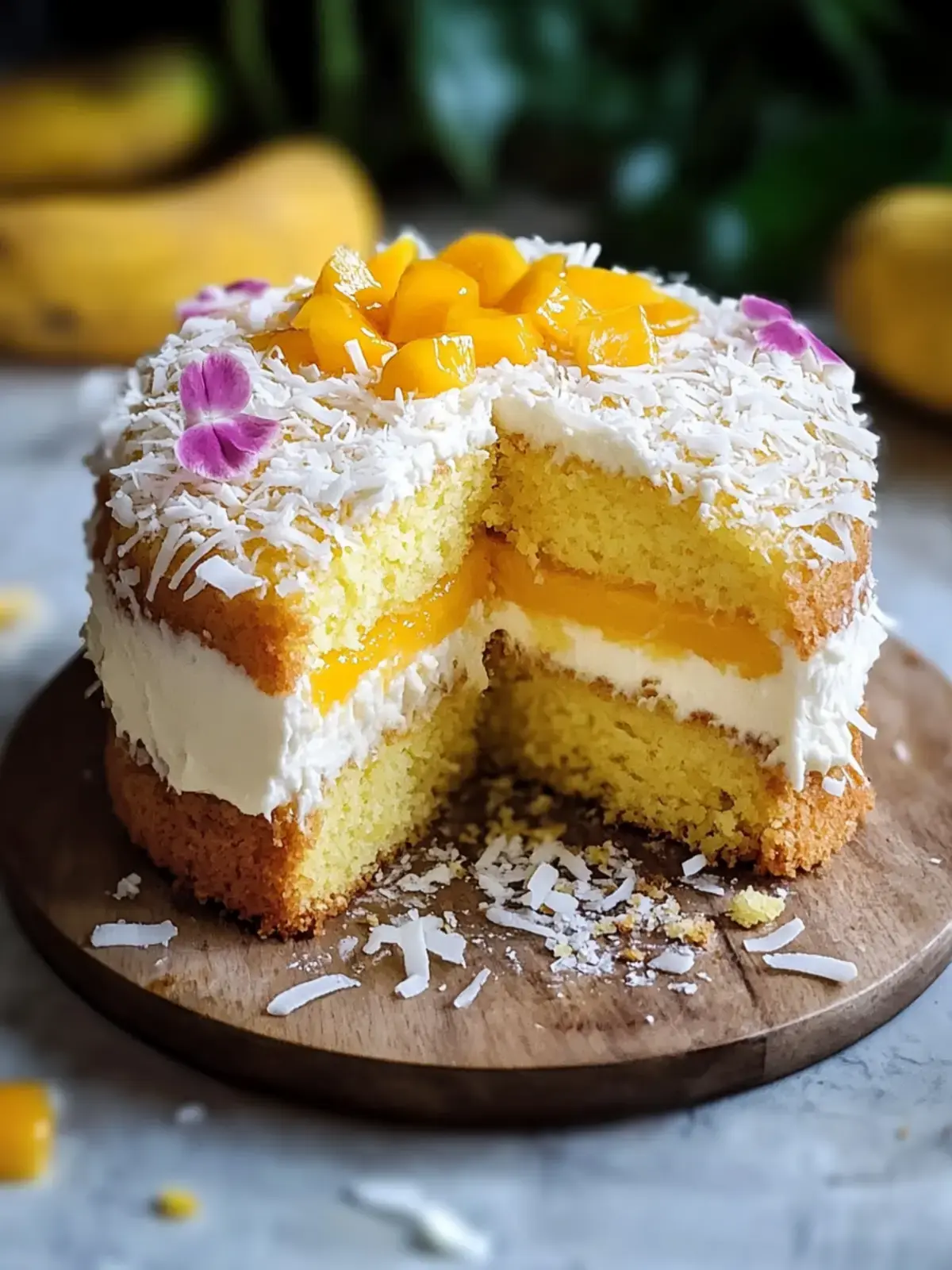
Imagine a dessert that transports you to a sun-kissed beach with every single mouthful. The Mango Coconut Lava Sponge Cake beautifully captures the very essence of a tropical getaway, bringing it directly into the comfort of your own kitchen. The moment you take that first delightful bite, the incredibly airy sponge texture gracefully gives way to an indulgently warm, molten mango-coconut center; it is, quite simply, pure bliss that dances exquisitely on your palate, leaving you with an immediate and profound craving for more.
After navigating through a particularly demanding and hectic week, I discovered immense solace and a genuine sense of peace in the simple act of creating this light, yet wonderfully satisfying, sweet treat. It stands as the perfect offering for a cozy, intimate gathering with loved ones, or equally, for a personal, solitary escape into the boundless world of exquisite flavor. This cake is more than just a dessert; it’s an experience designed to uplift and delight.
Why You Will Love This Recipe
- Tropical Bliss: This dessert masterfully captures the vibrant essence of a sun-drenched beach vacation in every single slice you serve.
- Effortless Preparation: Requiring only a handful of carefully selected ingredients, it’s remarkably quick to make, making it an ideal choice even for those busy weeknights.
- Indulgent Yet Light: You can savor a rich, wonderfully creamy center without encountering the heaviness that often accompanies many traditional dessert recipes.
- Versatile Flavor: The inherent tropical notes of mango and coconut provide a fantastic base that can be easily swapped with other fruit purees for delightful variety and personal preference.
- Crowd-Pleaser: This cake is guaranteed to impress any guests you invite, positioning it as an absolutely excellent choice for any kind of gathering or celebration.
Ingredients You Need
Crafting this tropical marvel begins with selecting high-quality ingredients that promise to deliver an authentic and delightful flavor profile. The interplay between the sweet mango and creamy coconut is central to its appeal, and using fresh, ripe fruits will elevate the experience significantly. Even if you opt for purées, choosing premium options ensures a rich, vibrant taste that defines this unique dessert. Remember that the magic of this cake lies in the harmony of its simple yet potent components, creating a dessert that is both elegant and utterly delicious.
Mango Coconut Lava Sponge Cake
Imagine a dessert that whisks you away to a sun-kissed beach with each mouthful. The Mango Coconut Lava Sponge Cake brings the essence of a tropical getaway directly to your kitchen. The moment you take a bite, the airy sponge gives way to an indulgent, warm mango-coconut center; it’s pure bliss that dances on your palate, leaving you craving more. This light yet satisfying treat is perfect for a cozy gathering or a solo escape into flavor. Its simplicity makes it incredibly easy to whip up, offering a restaurant-worthy appeal with just a few key ingredients. Explore something vibrant and fresh with this delightful recipe that promises to be a hit with everyone.
- For the Sponge: 3 large Eggs, 1 cup Sugar, 1 cup All-Purpose Flour, 1 tbsp Baking Powder, 1/2 cup Milk, 1 tsp Vanilla Extract
- For the Lava Center: 1 cup Mango Puree, 1/2 cup Coconut Cream, 2 tbsp Sugar, 1 tbsp Cornstarch (optional)
- 1Prepare the Batter: Beat eggs and sugar together in a mixing bowl until light and fluffy, about 3-5 minutes. Add in milk and vanilla extract, mixing gently until just combined.
- 2Layer the Batter: Pour half of your fluffy batter into a prepared baking dish, spreading it evenly across the bottom.
- 3Make the Lava Center: In a separate bowl, combine mango puree, coconut cream, and sugar, mixing until smooth and creamy.
- 4Create the Lava Layer: Spoon the mango-coconut mixture into the center of your batter in the dish. Then, carefully cover it with the remaining batter.
- 5Bake: Place your cake in the preheated oven and bake at 350°F (175°C) for approximately 20-25 minutes, watching for a lightly golden top while ensuring the center remains soft.
- 6Cool & Serve: Once baked, let the cake cool for a few minutes, then slice and serve warm to enjoy the delightful flow of the mango-coconut center.
Keywords: Mango, Coconut, Lava Cake, Sponge Cake, Tropical, Dessert, Easy Baking, Fruity
- eggs: provides structure and fluffiness to the sponge; use large eggs for best results.
- sugar: sweetens the sponge and helps with browning; coconut sugar can be used for a hint of caramel flavor.
- all-purpose flour: gives structure to the cake; swap with a gluten-free blend if needed.
- baking powder: helps the cake rise; always check that it’s fresh for optimal lift.
- milk: adds moisture to the sponge; coconut milk can enhance the tropical flavor.
- vanilla extract: enhances the overall flavor profile; using pure vanilla is recommended for the best taste.
- mango puree: provides sweetness and the beloved tropical flavor; fresh mango is ideal, but store-bought puree works too.
- coconut cream: adds richness and a creamy texture; make sure it’s thick and well-shaken before use.
- sugar (for lava center): balances the tanginess of the mango; adjust based on the ripeness of the mango used.
- cornstarch (optional): thickens the lava center, but feel free to omit if you prefer a thinner consistency.
The precise quantities for each ingredient are readily available in the detailed recipe card situated below this section for your convenience.
Variations
This Mango Coconut Lava Sponge Cake is a delightful canvas for culinary creativity, inviting you to personalize its tropical charm. Consider transforming it into a dessert that caters to specific dietary needs or preferences, ensuring everyone can partake in its exquisite taste. The foundation is so adaptable, allowing for a multitude of delicious interpretations that are sure to impress.
For those following a plant-based lifestyle, a vegan version is wonderfully achievable. Simply substitute the eggs with a flax egg (one tablespoon of ground flaxseed mixed with three tablespoons of water, left to sit for five minutes) or a commercial egg replacer. Ensure your milk is plant-based, such as almond or soy milk, and use full-fat coconut milk for the lava center, which naturally provides that luscious, creamy texture. This adaptation maintains the rich, tropical essence without compromising on flavor or texture, making it a truly inclusive treat.
If you’re managing carbohydrate intake, a low-carb variation is also a fantastic option. Replace the all-purpose flour with an almond flour or coconut flour blend, adjusting the liquid content slightly as needed to achieve the right batter consistency. For the sweetener, opt for a sugar substitute like erythritol or xylitol, ensuring it measures comparably to granulated sugar. The mango and coconut naturally contain some carbohydrates, so moderation is key, but the result is a guilt-free indulgence that still delivers that delightful lava center.
Furthermore, don’t hesitate to experiment with different fruit combinations. While mango is classic, a vibrant passion fruit puree can add a delightful tartness, or a sweet peach puree can offer a different kind of summery appeal. You could even try a mixed berry puree for a beautiful color contrast and a burst of berry flavor. Each fruit will lend its unique character, creating an entirely new tropical adventure with every bake. This flexibility ensures that your Mango Coconut Lava Sponge Cake can be a year-round delight, adapting to the seasons and your mood.
How to Prepare Mango Coconut Lava Sponge Cake
Step 1: Prepare the Sponge Batter
Begin by preheating your oven to 350°F (175°C) and preparing your baking dish; greasing and lightly flouring it, or lining it with parchment paper, will ensure easy removal. In a large mixing bowl, embark on the crucial task of creaming together the eggs and sugar. This step is foundational for achieving that signature airy lightness in the sponge. Employ an electric mixer, either a hand-held or stand mixer, to beat the eggs and sugar vigorously.
Continue this process for approximately three to five minutes, or until the mixture transforms into a pale yellow, voluminous, and luxuriously fluffy state. This aeration is what provides the cake with its delicate structure and incredible softness. Once you’ve achieved this perfect consistency, gently fold in the milk and vanilla extract. It’s important to mix these wet ingredients in slowly and with a light hand, just until they are fully incorporated into the egg and sugar mixture. Overmixing at this stage can deflate the precious air you’ve just incorporated, so a gentle touch is paramount.
After carefully combining the wet ingredients, it’s time to introduce the dry elements. In a separate, smaller bowl, whisk together the all-purpose flour and the baking powder. This ensures that the baking powder is evenly distributed throughout the flour, which is essential for an even rise. Gradually sift or spoon this dry mixture into the wet batter, folding it in gently using a spatula or wooden spoon. Again, resist the urge to overmix; a few streaks of flour are acceptable, as they will disappear during the baking process. The goal is a smooth, homogeneous batter that is light and airy, ready to form the delicious base of your lava cake.
Step 2: Construct the Cake Layers
With your beautifully prepared sponge batter ready, the next step is to begin assembling the cake itself within your chosen baking dish. Carefully pour approximately half of the fluffy batter into the greased and floured baking dish. Use a spatula to gently spread this initial layer evenly across the entire bottom surface of the dish. This forms the foundational layer upon which the luscious lava center will rest. Ensuring an even spread at this stage is important for the overall structure and presentation of the finished cake.
Once the first layer of batter is in place, it’s time to prepare the star of the show: the vibrant and rich lava center. In a separate, clean mixing bowl, combine the mango puree, the thick coconut cream, and the additional sugar designated for the lava filling. Whisk these ingredients together until you achieve a smooth, creamy, and homogenous mixture. Taste this mixture at this point; if your mango is particularly tart, you might want to add a touch more sugar to balance the flavors perfectly. The consistency should be pourable but not too runny.
Now comes the exciting part of layering. Gently spoon the prepared mango-coconut mixture directly into the center of the batter that is already in the baking dish. Be careful to keep the mango-coconut mixture contained within the central area, avoiding spreading it too close to the edges. This precise placement is key to ensuring that the molten center flows outwards during baking, creating the signature lava effect. Once the luscious mango-coconut filling is in place, carefully spoon or pour the remaining half of the sponge batter over the top. Gently spread this final layer of batter to fully enclose the mango-coconut mixture, ensuring it covers the filling completely and evenly across the dish. This creates a beautiful, hidden treasure ready to be baked.
Step 3: Bake to Perfection
With the cake layers meticulously assembled, it is now time to place your creation into the preheated oven to work its magic. Carefully transfer the baking dish containing the layered batter and lava filling into the center of your oven, which should be maintained at a consistent temperature of 350°F (175°C). This moderate temperature is crucial for allowing the cake to cook through evenly without burning the exterior before the interior is properly set and the lava center has melted.
The baking time for this delightful Mango Coconut Lava Sponge Cake typically ranges from 20 to 25 minutes. During this period, it’s important to keep a watchful eye on the cake, especially as it nears the end of the baking time. You are looking for visual cues that indicate it’s perfectly done. The top of the sponge should be a light golden brown, indicating that it has baked sufficiently. However, the true test is the center; it should remain soft and slightly jiggly, confirming that the lava center is still molten and has not overcooked.
Avoid the temptation to overbake this cake, as this is the most common mistake that can lead to a dry sponge and a solidified center, defeating the purpose of the “lava” effect. If you notice the edges are browning too quickly, you can loosely tent the dish with aluminum foil for the final few minutes of baking. Once the cake appears golden on top and the center still has a slight wobble, carefully remove the baking dish from the oven. The residual heat will continue to cook the cake slightly as it cools, ensuring the perfect texture.
Step 4: The Moment of Truth: Cooling and Serving
After the cake has emerged from the oven, radiating its tropical aroma, it’s vital to allow it a brief period of cooling. Resist the immediate urge to slice into it the second it leaves the heat; this short resting period is essential for the cake’s structure to set properly. Allow the Mango Coconut Lava Sponge Cake to cool in its baking dish for approximately five to ten minutes on a wire rack. This brief pause allows the internal structure to firm up slightly, making it easier to slice and preventing the molten center from completely escaping prematurely.
Once this short cooling period has elapsed, you can proceed to serve the cake. The most enchanting way to enjoy this dessert is while it is still warm. The warmth is what activates the “lava” flow, creating that spectacular gooey center that defines this recipe. Carefully slice the cake into individual portions using a sharp knife. As you cut into each slice, you should witness the glorious, warm mango-coconut mixture oozing out from the center, creating a beautiful visual and sensory experience.
Serve these warm slices immediately to your eager guests or enjoy them yourself. For an extra touch of decadence and a delightful temperature contrast, consider serving each warm slice with a cool scoop of vanilla ice cream or a dollop of freshly whipped coconut cream. The combination of warm, molten filling and cool, creamy toppings is simply sublime. This is the moment where all your preparation culminates in a truly spectacular tropical delight that is sure to be remembered and savored.
Step 5: Optional Indulgences
While the Mango Coconut Lava Sponge Cake is absolutely divine on its own, there are several optional enhancements that can elevate this tropical treat to an even more extraordinary dessert experience. These small additions can add layers of flavor, texture, and visual appeal, transforming a wonderful cake into a truly unforgettable masterpiece. Consider these suggestions to take your dessert presentation and enjoyment to the next level, catering to diverse tastes and preferences.
One classic and highly recommended accompaniment is a scoop of premium vanilla ice cream. The cold, creamy texture of the ice cream provides a delightful contrast to the warm, molten center of the cake. As the ice cream melts slightly into the still-warm cake, it creates a wonderfully rich and harmonious combination of temperatures and flavors. This pairing is a timeless favorite for a reason, as it perfectly complements the tropical sweetness of the mango and coconut without overpowering it.
Another exquisite addition is a generous dollop of whipped coconut cream. This enhances the coconut flavor profile of the cake while adding a light, airy, and luxurious finish. For an added flourish and a hint of sophistication, consider a delicate drizzle of melted dark chocolate over the top of the warm slice. The slight bitterness of the dark chocolate beautifully balances the sweetness of the mango and coconut, creating a complex flavor profile that is both intriguing and deeply satisfying. These optional touches ensure that every serving is a celebration of tropical indulgence.
Pro Tips for Mango Coconut Lava Sponge Cake
To ensure your Mango Coconut Lava Sponge Cake reaches its full potential, employing a few expert tips can make a significant difference. These insights focus on enhancing texture, flavor, and overall presentation, turning a good cake into an exceptional one. Mastering these small details will help you achieve consistently perfect results, impressing yourself and anyone lucky enough to share this tropical delight with you.
Perfecting the Sponge Texture: For an exceptionally light and airy sponge, ensure your eggs are at room temperature before you begin. Cold eggs do not incorporate air as effectively as room-temperature eggs. Beat the eggs and sugar together until the mixture is very pale and has significantly increased in volume, resembling ribbon stage when the whisk is lifted. This crucial step builds the essential structure for a fluffy cake. When adding dry ingredients, fold them in gently and only until just combined to avoid developing gluten, which can lead to a tougher cake.
Achieving the Ideal Lava Center: The key to a successful lava center lies in its consistency and temperature when baking. Ensure your mango puree is smooth and free of large lumps. If using fresh mango, blend it until perfectly smooth. The coconut cream should be thick; if it’s too liquid, the center might be too thin. Taste the mango-coconut mixture and adjust sweetness based on the ripeness of your mangoes. If using cornstarch, ensure it’s fully dissolved before adding to the batter; lumps of cornstarch can create an unpleasant texture.
The Art of Baking: Always preheat your oven thoroughly to the specified temperature. Oven temperatures can vary, so using an oven thermometer can be helpful to ensure accuracy. Do not overbake the cake. The edges should be set and lightly golden, but the center should still have a slight wobble when gently shaken. A toothpick inserted near the edge should come out with moist crumbs attached, but if inserted directly into the center, it should come out wet. This indicates the lava center is still molten.
Cooling and Serving Strategy: Allow the cake to cool in the pan for about 5-10 minutes after removing it from the oven. This brief resting period allows the cake structure to stabilize, preventing it from falling apart when sliced. Serve the cake warm for the best lava flow experience. If you need to reheat a slice, do so gently in the microwave for short intervals or in a low-temperature oven to avoid drying out the sponge.
Ingredient Quality Matters: While this recipe is forgiving, using good quality ingredients will always enhance the final result. Ripe, sweet mangoes are paramount for a flavorful filling. Full-fat coconut cream will yield a richer, creamier lava center. For the sponge, fresh baking powder is essential for a good rise. Choosing pure vanilla extract over imitation will also contribute a more complex and desirable flavor profile to your delightful creation.
Serving Suggestions for Mango Coconut Lava Sponge Cake
Decoration
Elevate the visual appeal of your Mango Coconut Lava Sponge Cake with simple yet elegant decorative touches that enhance its tropical theme. A dusting of powdered sugar can add a soft, snowy finish that contrasts beautifully with the golden cake. For a pop of vibrant color, consider garnishing with fresh mint leaves or a sprinkle of toasted shredded coconut. These elements not only add aesthetic charm but also contribute subtle aromatic and textural enhancements to the dessert experience.
Side Dishes
While the cake is a complete indulgence on its own, pairing it with complementary side dishes can create a more comprehensive dessert experience. A small scoop of creamy vanilla bean ice cream is a classic choice that provides a delightful temperature and texture contrast. Alternatively, a dollop of lightly sweetened whipped coconut cream echoes the cake’s tropical flavors and adds a layer of refreshing lightness. For those who enjoy a more adventurous pairing, consider a small side of fresh pineapple salsa, its slight tanginess cutting through the sweetness of the cake beautifully.
Creative Serving Ideas
Think outside the box when presenting your Mango Coconut Lava Sponge Cake to create memorable moments. Serve individual portions in elegant ramekins or small cast-iron skillets for a rustic, cozy presentation that keeps the cake warm. Drizzle a little extra warm mango coulis around the plate for an artistic touch, or add a few edible flowers for an unexpected burst of color and whimsy. You could even serve a warm slice alongside a small glass of chilled coconut water for a refreshing palate cleanser between bites, truly immersing your guests in a tropical paradise.
Preparation & Storage
Storing Leftovers
Should you be fortunate enough to have any Mango Coconut Lava Sponge Cake leftover, proper storage is key to maintaining its delightful texture and flavor. The cake is best enjoyed fresh, but it can be stored for a short period. Keep any remaining cake covered tightly with plastic wrap or in an airtight container at room temperature for no more than a day. This prevents the sponge from drying out and helps to retain some of the moisture from the lava center.
If you anticipate keeping the cake for longer than a day, or if your climate is particularly warm, it’s advisable to store it in the refrigerator. Place the covered cake in an airtight container. Refrigeration can sometimes firm up the lava center, so plan to reheat it before serving to restore that desirable gooey consistency. Stored correctly in the refrigerator, the cake should remain palatable for up to three days, although its peak freshness will be within the first two days.
When ready to serve leftovers, allow the cake to come to room temperature for about 15-20 minutes before any reheating, if desired. This gradual warming helps to prevent the sponge from becoming too dense or dry. Enjoying the leftovers promptly will ensure you experience the cake at its best, capturing as much of its intended delightful texture and flavor as possible after the initial bake.
Freezing
For longer-term preservation, the Mango Coconut Lava Sponge Cake can be successfully frozen, allowing you to enjoy this tropical treat at a later date. It is best to freeze individual portions rather than the entire cake to facilitate easier thawing and reheating. Ensure the cake has cooled completely before you begin the freezing process. This is crucial to prevent condensation, which can lead to freezer burn and affect the cake’s texture.
Wrap each individual slice of cake tightly in a layer of plastic wrap, ensuring there are no air pockets. Once securely wrapped, add a second layer of protection by wrapping it again in aluminum foil. This double-wrapping provides an excellent barrier against freezer odors and moisture loss. Label each portion with the date it was frozen for easy tracking. Properly wrapped, the Mango Coconut Lava Sponge Cake can be stored in the freezer for up to two months.
When you are ready to enjoy a frozen slice, the best method for thawing is to transfer it from the freezer to the refrigerator. Allow it to thaw overnight. This slow thawing process helps to maintain the cake’s structure and prevents the lava center from becoming too liquidy or the sponge from becoming soggy. Once thawed, it can be gently reheated as per the reheating instructions to enjoy its intended warm, gooey state.
Reheating
Reheating your Mango Coconut Lava Sponge Cake is a simple process that effectively revives the delightful warmth and gooeyness of its lava center. The most effective method for reheating is using a microwave, as it heats the cake quickly and evenly. Place a slice of cake on a microwave-safe plate. Heat it on medium power for short intervals, starting with 15-20 seconds, and checking the consistency of the lava center after each interval. Be cautious not to overheat, as this can make the sponge dry or the center too liquid.
An alternative reheating method is to use a conventional oven. Preheat your oven to a low temperature, around 300°F (150°C). Place the individual slices on a baking sheet lined with parchment paper. Warm the cake for approximately 5-7 minutes, or until the center is heated through and the lava begins to flow. This method can sometimes provide a more even heating experience and help retain the sponge’s texture better than a microwave.
If your cake has been refrigerated, it might require a slightly longer reheating time compared to a frozen and thawed slice. Always check the center for warmth and fluidity before serving. The goal is to achieve a perfectly warm cake with a molten, flowing center that delights the senses. Ensure the reheating process is gentle to preserve the delicate balance of textures and flavors that make this dessert so special.
Frequently Asked Questions
-
How do I ensure the mango-coconut lava center is perfectly gooey and doesn’t solidify?
To achieve a perfectly gooey lava center, several factors are crucial. Firstly, ensure your mango puree is smooth and well-blended; any large mango chunks can affect the flow. Secondly, the ratio of ingredients in the lava center is important; the coconut cream provides richness and creaminess. If your mango is very watery, you might need a touch more coconut cream or a minimal amount of cornstarch (about 1 teaspoon) to achieve the desired thick-yet-pourable consistency before baking. Lastly, and most importantly, do not overbake the cake. The key is to bake just until the outer edges of the sponge are set and lightly golden, while the center still retains a slight wobble, indicating the lava is still molten. Overbaking will cook the center through, turning it into a solid filling rather than a flowing lava.
-
Can I make the Mango Coconut Lava Sponge Cake ahead of time, and if so, how should I store it?
Yes, you can definitely prepare elements of the Mango Coconut Lava Sponge Cake ahead of time to simplify serving. You can prepare the sponge batter and the mango-coconut lava filling separately and store them in the refrigerator. The sponge batter should be stored in an airtight container and will keep for up to 24 hours; you might need to stir it gently before using if it separates. The mango-coconut lava filling can also be stored in an airtight container in the refrigerator for up to 3 days. When you are ready to bake, assemble the cake by layering the prepared batter and filling as per the recipe instructions. Bake as directed, keeping in mind that a chilled batter might require a couple of extra minutes in the oven. Alternatively, you can bake the entire cake and store it as described in the “Storing Leftovers” section, remembering to reheat it to ensure the lava center is perfectly gooey.
-
What are the best ways to serve this cake, and are there any specific beverage pairings that complement its tropical flavors?
The Mango Coconut Lava Sponge Cake is best served warm, immediately after baking or after gentle reheating, to allow the lava center to flow beautifully. A classic serving suggestion is with a scoop of creamy vanilla ice cream, its coolness providing a delightful contrast to the warm cake. Whipped coconut cream is another excellent accompaniment, enhancing the tropical theme. For a more refined presentation, consider a light dusting of powdered sugar, a sprinkle of toasted coconut flakes, or a few fresh mint leaves. As for beverage pairings, chilled sparkling coconut water is an ideal choice, echoing the cake’s flavors and providing a refreshing counterpoint. A chilled glass of Moscato or a light, fruity white wine like a Riesling can also beautifully complement the sweet and tropical notes of the dessert, enhancing the overall sensory experience.