Ultimate Miso Glazed Eggplant: A Delicious Vegetarian Delight
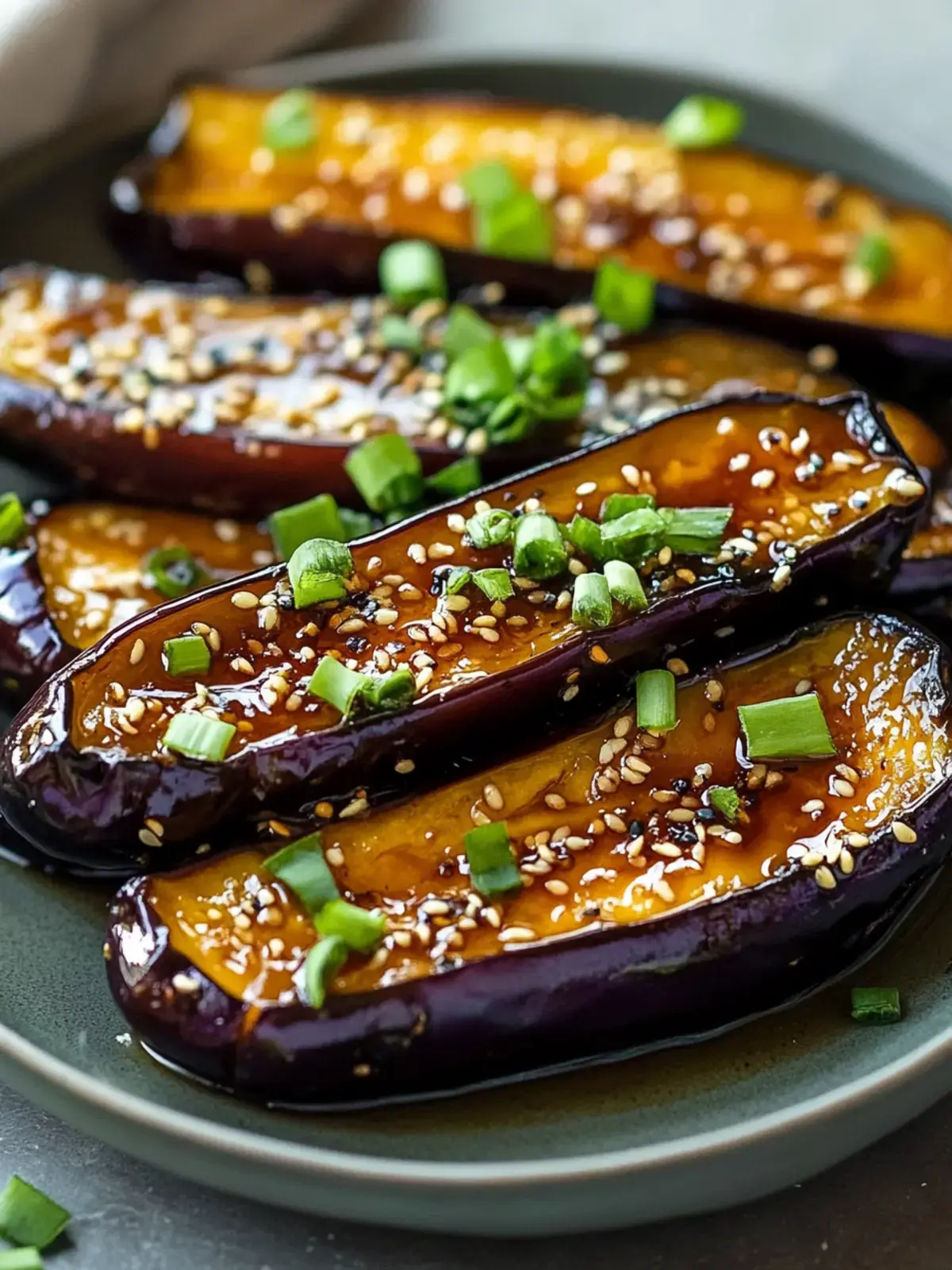
There’s a certain warmth that fills my kitchen when I prepare Miso Glazed Eggplant, a dish that brings a burst of flavor with every bite. Picture this: tender, roasted eggplant coated in a glossy, sweet miso glaze, promising both comfort and health in a vibrant medley.
After a long day, this Japanese-inspired recipe has become my go-to for quick dinners that taste anything but ordinary. With just a handful of ingredients, you’ll create an indulgent dish that satisfies both vegetarians and meat-lovers alike—a fabulous crowd-pleaser that elevates any meal. The savory aroma wafting through my home draws in curious family members, eager to experience the delight on their plates. Let’s dive into this easy-to-make recipe that transforms humble eggplant into a star of the dinner table!
Why You Will Love This Recipe
- Unique Flavor Profile: This Miso Glazed Eggplant stands out with its perfect balance of savory and sweet flavors, creating a truly memorable dish that you won’t find in ordinary takeout.
- Speedy Preparation: With minimal hands-on time and a quick roasting process, you can have this delicious dish on the table in under 30 minutes, making it ideal for busy weeknights.
- Nutrient-Rich Delight: This recipe is a fantastic way to incorporate more vegetables into your diet, offering a healthy meal packed with flavor and essential nutrients.
- Versatile Accompaniment: Whether served over fluffy jasmine rice, alongside grilled chicken, or as an impressive appetizer, this dish complements a wide range of meals beautifully.
- Guaranteed Crowd-Pleaser: From picky eaters to seasoned foodies, the universally appealing taste of Miso Glazed Eggplant is sure to bring smiles and satisfied sighs to everyone at the table.
Ingredients You Need
Crafting this delightful dish begins with selecting high-quality ingredients that will shine through in the final preparation. The eggplant should be firm and free of bruises, while fresh ginger and garlic are essential for that vibrant aromatic base. Selecting good quality white miso paste is paramount, as it forms the savory backbone of the exquisite glaze.
Miso Glazed Eggplant
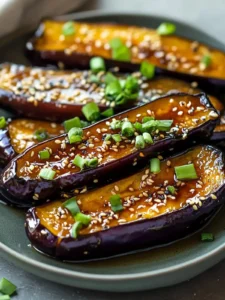
Experience the burst of flavors in Miso Glazed Eggplant, a comforting Japanese-inspired dish perfect for any meal. Tender, roasted eggplant coated in a glossy, sweet miso glaze, promising both comfort and health in a vibrant medley. This quick and easy recipe transforms humble eggplant into a star of the dinner table!
- 2 medium Eggplant (Choose firm, even-sized eggplants for uniform roasting.)
- 2 tablespoons Olive Oil (Can use avocado oil for a different flavor.)
- 1 teaspoon Salt (Enhances flavor; essential for seasoning at all stages.)
- 1/2 teaspoon Pepper (Black pepper is standard, but use white for a milder taste.)
- 1/4 cup White Miso Paste (Key ingredient providing umami flavor.)
- 2 tablespoons Mirin (Adds sweetness to the glaze.)
- 2 tablespoons Soy Sauce (Adds depth; swap with tamari or coconut aminos.)
- 1 tablespoon Honey (Promotes caramelization; maple syrup as a vegan option.)
- 1 tablespoon Fresh Ginger (Grated for a zesty kick.)
- 2 cloves Garlic (Minced for richness.)
- 2 tablespoons Sesame Seeds (Sprinkle on top for added texture.)
- 2 tablespoons Chopped Green Onions (Adds freshness and a pop of color.)
- 1Preheat your oven to 400°F (200°C).
- 2Cube the eggplant into one-inch pieces. Toss them in a mixing bowl with olive oil, salt, and pepper until evenly coated.
- 3Spread the eggplant cubes on a baking sheet in a single layer. Roast for 20-25 minutes, flipping halfway through until tender and browned.
- 4In a bowl, whisk together white miso paste, mirin, soy sauce, honey, grated ginger, and minced garlic until smooth.
- 5Once the eggplant is roasted, generously brush the miso glaze over the pieces to coat thoroughly.
- 6Return the glazed eggplant to the oven for an additional 5-7 minutes to bubble and caramelize the glaze.
- 7Sprinkle sesame seeds and chopped green onions on top before serving.
Keywords: Miso Glazed Eggplant, Japanese, Vegetarian, Quick Dinner, Healthy, Easy Recipe
- eggplant: Choose firm, even-sized eggplants for uniform roasting; look for shiny skin without soft spots or blemishes, as these can indicate an overripe vegetable that might become mushy.
- olive oil: This healthy fat aids in achieving that perfect roasted texture and helps the eggplant absorb the seasoning; avocado oil is a great alternative if you prefer a different flavor profile.
- salt: A fundamental seasoning that not only enhances the natural flavors of the eggplant but also helps to draw out moisture, contributing to a better texture during roasting.
- pepper: Adds a subtle warmth and complexity to the dish; while black pepper is the standard choice, consider using white pepper for a slightly milder, more refined heat.
- white miso paste: The star ingredient for the glaze, this fermented soybean paste provides a deep umami flavor and a slightly sweet, nutty undertone that is utterly addictive.
- mirin: A sweet Japanese rice wine that adds a delicate sweetness and glossy finish to the glaze, helping it to caramelize beautifully during the final bake.
- soy sauce: Contributes depth of flavor and saltiness to the glaze; for a gluten-free option, tamari is an excellent substitute, or coconut aminos for those avoiding soy altogether.
- honey: Provides a touch of sweetness and aids in the caramelization process, giving the glaze that irresistible sticky texture; maple syrup or agave nectar can be used for a vegan variation.
- fresh ginger: Freshly grated ginger offers a bright, zesty, and slightly spicy note that cuts through the richness of the glaze and complements the earthy eggplant.
- garlic: Minced fresh garlic is essential for its pungent aroma and deep flavor, adding a savory dimension that rounds out the complex taste of the glaze.
- sesame seeds: These tiny seeds add a delightful nutty crunch and visual appeal when sprinkled over the finished dish.
- chopped green onions: Offer a fresh, slightly pungent bite and a vibrant pop of color, providing a perfect counterpoint to the rich, savory glaze.
You’ll find the precise quantities for each ingredient conveniently detailed in the recipe card, ensuring your culinary success.
Variations
Vegan Delight: To transform this dish into a fully vegan masterpiece, the honey in the glaze can be effortlessly swapped with maple syrup or agave nectar. This maintains the sweetness and caramelization without compromising the plant-based nature of the recipe.
Spicy Kick: For those who crave a bit of heat, consider adding a pinch of red pepper flakes or a teaspoon of sriracha directly into the miso glaze mixture. This infusion will provide a delightful warmth that awakens the palate and adds an exciting dimension to each bite.
Nutty Creaminess: Elevate the glaze’s texture and flavor by incorporating a tablespoon or two of tahini. This sesame paste will add a wonderfully smooth, creamy consistency and a rich, nutty undertone that harmonizes beautifully with the other glaze ingredients.
Citrus Zest: A surprising yet incredibly effective variation involves adding the zest of half a lime or lemon to the finished glazed eggplant just before serving. This bright citrus note cuts through the richness, adding a refreshing tang that makes the dish feel even more vibrant and sophisticated.
How to Prepare miso glazed eggplant
Step 1: Preheat Oven and Prepare Eggplant
Begin your culinary journey by setting your oven to a toasty 400°F (200°C). This ensures that the eggplant will roast beautifully, developing a tender interior and slightly crisped exterior. Properly preheating the oven is a crucial first step for achieving optimal results with roasted vegetables.
Next, take your firm eggplants and dice them into uniform, bite-sized cubes, approximately one inch in size. Uniformity in size is key here, as it guarantees that all pieces will cook at the same rate, preventing some from becoming overcooked and mushy while others remain underdone.
In a large mixing bowl, toss the cubed eggplant with a generous drizzle of olive oil, a good pinch of salt, and a grind of fresh black pepper. Ensure each piece is thoroughly coated in the oil and seasonings; this initial coating not only adds flavor but also helps the eggplant to roast instead of steam.
Step 2: Roast the Eggplant to Perfection
Carefully spread the seasoned eggplant cubes onto a large baking sheet. It’s important to arrange them in a single layer, avoiding any overlap or overcrowding. Overcrowding will cause the eggplant to steam, which is the opposite of the desired roasting effect, leading to a less desirable texture.
Place the baking sheet into the preheated oven and allow the eggplant to roast for approximately 20 to 25 minutes. During this time, the eggplant will begin to soften and develop a lovely golden-brown hue. Midway through the roasting time, it’s a good practice to give the eggplant a gentle flip to ensure even browning on all sides.
The goal here is to achieve eggplant pieces that are tender when pierced with a fork and have started to caramelize slightly at the edges. This process draws out excess moisture and concentrates the natural sugars, setting the stage for the flavorful glaze to come. The aroma filling your kitchen at this stage is already promising deliciousness.
Step 3: Craft the Irresistible Miso Glaze
While the eggplant is in its first roasting phase, you can turn your attention to creating the star of the show: the miso glaze. In a separate, clean bowl, combine the white miso paste, mirin, soy sauce, and honey. These ingredients form the savory, sweet, and umami-rich foundation of the glaze.
Add the finely grated fresh ginger and minced garlic to the bowl. These aromatics are vital for adding a layer of complexity and a pleasant zing that perfectly complements the other glaze components. Ensure your ginger is grated very finely to avoid large, stringy pieces.
Whisk all the ingredients together vigorously until you achieve a smooth, well-emulsified, and glossy glaze. The mixture should be thick but pourable, easily coat the back of a spoon, and have a uniform color. Taste a tiny bit (carefully!) to adjust seasoning if necessary, although the miso and soy sauce provide significant saltiness.
Step 4: Glaze the Roasted Eggplant
Once the eggplant has completed its initial roasting and is tender and beautifully browned, carefully remove the baking sheet from the oven. The eggplant pieces should be soft and slightly yielding, ready to absorb the flavorful glaze.
Using a pastry brush or a spoon, generously brush or spoon the prepared miso glaze all over the roasted eggplant pieces. Ensure that each cube is thoroughly coated with the glossy mixture, allowing the glaze to seep into any nooks and crannies. This step is where the magic truly happens, infusing the eggplant with its signature flavor.
Take your time with this step, ensuring complete coverage for maximum flavor impact. The glaze will adhere beautifully to the slightly dehydrated surface of the roasted eggplant, promising a delightful sticky texture once baked.
Step 5: The Final Bake for Caramelization
After the eggplant has been lovingly coated in the miso glaze, return the baking sheet to the oven. This final baking stage is critical for allowing the glaze to bubble, caramelize, and meld with the eggplant.
Bake for an additional 5 to 7 minutes. Keep a close eye on the eggplant during this short period, as the sugars in the glaze can burn quickly. You are looking for the glaze to become slightly sticky and to develop a beautiful, rich caramelized color. It should look glossy and inviting.
This short burst of heat transforms the glaze from merely coated to truly baked on, creating a delightful sticky texture and an intensely savory-sweet flavor that is utterly irresistible. The aroma in your kitchen will now be absolutely captivating, a testament to the deliciousness about to be served.
Step 6: Garnish and Serve
As soon as the Miso Glazed Eggplant comes out of the oven for the final time, and while it’s still wonderfully hot and fragrant, it’s time for the finishing touches. This is when the dish truly comes alive visually and texturally.
Sprinkle a generous amount of toasted sesame seeds over the glazed eggplant. The sesame seeds add a lovely subtle crunch, a nutty aroma, and an authentic visual appeal that signals the deliciousness to come. Ensure they are distributed evenly across the surface.
Next, scatter freshly chopped green onions over the top. Their vibrant green color provides a beautiful contrast to the rich, caramel-colored glaze, and their fresh, slightly sharp flavor offers a refreshing counterpoint. Serve immediately and savor the explosion of flavors and textures.
Pro Tips for miso glazed eggplant
Select the Right Eggplant: For the best results, always opt for firm, blemish-free eggplants with smooth, shiny skin. Younger eggplants tend to have fewer seeds and a less bitter taste, ensuring a more pleasant texture and flavor profile. Avoid eggplants that feel soft or have noticeable bruises.
Don’t Crowd the Pan: It might be tempting to fit all the eggplant onto one baking sheet, but resisting this urge is crucial. Laying the eggplant pieces in a single layer with adequate space between them allows hot air to circulate, promoting even roasting and crisping rather than steaming, which is detrimental to texture.
Master the Glaze Consistency: If your miso glaze appears too thick to spread easily, don’t hesitate to thin it out. A teaspoon or two of water, more mirin, or even a splash of soy sauce can achieve the perfect consistency for optimal coating. Conversely, if it’s too thin, a little more miso paste can thicken it up.
Watch Like a Hawk: The final baking stage where the glaze caramelizes is critical. Keep a close eye on the eggplant during these last few minutes. If the glaze starts to darken too rapidly and risks burning, you can loosely tent the baking sheet with aluminum foil to shield it from direct heat.
Serve It Freshly Baked: While leftovers can be delicious, Miso Glazed Eggplant is truly at its peak when served immediately after baking. The glaze is perfectly sticky and caramelized, and the eggplant is tender with slightly crisp edges. This is when the textures and flavors are most vibrant.
Embrace the Umami: Miso paste is a fermented powerhouse of flavor, providing that sought-after umami. Understanding its depth will help you appreciate how it transforms simple ingredients into something extraordinary. Don’t be afraid to experiment with different types of miso (red, yellow) for subtle flavor variations in future batches.
Balance is Key: The beauty of this dish lies in its balance of savory miso, sweet mirin and honey, and the pungency of ginger and garlic. When tasting your glaze, consider how these elements work together; a touch more sweetness might be needed to balance the saltiness, or a bit more ginger to cut through richness.
Serving Suggestions for miso glazed eggplant
Decoration
To elevate the visual appeal of your Miso Glazed Eggplant, a scattering of toasted sesame seeds is almost mandatory. Their tiny size and light color provide a delightful contrast to the deep, glossy glaze. In addition, freshly chopped green onions, with their vibrant green hue and delicate texture, add a touch of freshness and color that makes the dish truly pop.
Side Dishes
This flavorful dish pairs exceptionally well with simple, clean-tasting accompaniments that allow the eggplant’s glaze to shine. Steamed jasmine rice is a classic choice, its subtle aroma and fluffy texture providing the perfect base to soak up any extra glaze. For a more robust meal, consider serving it alongside grilled chicken or fish, or even with a light and refreshing cucumber salad dressed in rice vinegar for a palate-cleansing contrast.
Creative Serving Ideas
Beyond the traditional accompaniments, Miso Glazed Eggplant can be integrated into various creative culinary presentations. It makes a fantastic topping for savory rice bowls, adding a burst of umami and sweetness. You could also serve it as an elegant appetizer on small crostini or as a component in a bento box, offering a delightful surprise for lunch. Imagine it chopped and mixed into a cold noodle salad for a refreshing summer dish.
Consider using it as a filling for lettuce wraps, perhaps with some shredded cabbage and a drizzle of tahini sauce. Another innovative idea is to incorporate it into a vegetarian sushi roll, where its rich flavor can add a surprising depth. The possibilities are truly endless, limited only by your culinary imagination.
Preparation & Storage
Storing Leftovers
Should you find yourself with any delectable Miso Glazed Eggplant remaining, storing it properly will ensure its flavor and texture are preserved for later enjoyment. Transfer any cooled leftovers into an airtight container. This prevents the eggplant from drying out and absorbs any undesirable odors from other foods in the refrigerator.
The glazed eggplant will keep well in the refrigerator for up to three days. While it’s best enjoyed fresh, leftovers are still quite delicious and can be repurposed in various ways, such as chopped into a stir-fry or added to a grain bowl. Ensure the container is well-sealed to maintain optimal freshness.
Freezing
For longer storage, Miso Glazed Eggplant can indeed be frozen, allowing you to enjoy this treat even further down the line. It’s advisable to freeze the eggplant after it has been roasted and glazed but before the final garnishes are added. This helps to maintain the best possible texture upon reheating.
Place cooled glazed eggplant pieces in a freezer-safe airtight container. To prevent the pieces from sticking together, you can layer them with parchment paper. Properly frozen, the eggplant should retain good quality for up to two months, making it a convenient option for future meals.
Reheating
Reheating Miso Glazed Eggplant effectively is key to recapturing its delicious texture and flavor. The best method for reheating is in the oven, which helps to restore some of the original crispness and caramelization of the glaze.
Preheat your oven to 350°F (175°C). Spread the leftover eggplant on a baking sheet in a single layer and reheat for approximately 10 to 15 minutes, or until heated through and slightly crisped. This gentle reheating process ensures the eggplant doesn’t become too soft or mushy, and the glaze gets a second chance to caramelize beautifully.
Alternatively, for a quicker reheat, you can use a microwave. However, be aware that microwaving may result in a softer texture, and the glaze might not regain its delightful crispness. If using the microwave, heat in short intervals, stirring or flipping the pieces halfway through, until they are warm.
Frequently Asked Questions
-
What type of eggplant should I use for this recipe?
For the most delightful Miso Glazed Eggplant, it’s best to choose firm, evenly sized eggplants that feel heavy for their size. Look for smooth, shiny skin free from blemishes, cuts, or soft spots. Medium-sized globe eggplants or Japanese eggplants are excellent choices as they tend to have fewer seeds and a less bitter taste, leading to a more tender and enjoyable texture after roasting. Overripe eggplants can sometimes develop a slightly bitter flavor and a mushy consistency, so selecting fresh and firm produce is key.
-
How long can I store leftover Miso Glazed Eggplant?
Leftover Miso Glazed Eggplant can be stored in the refrigerator in an airtight container for up to 3 days. It’s important to ensure the container is completely sealed to prevent the eggplant from drying out or absorbing other flavors from your fridge. While the texture might slightly soften over time, the flavor remains wonderfully intact, making it perfect for a quick lunch or a component in another dish. Always allow the eggplant to cool completely before storing.
-
Can I freeze Miso Glazed Eggplant?
Yes, you absolutely can freeze Miso Glazed Eggplant for longer-term storage, which is a great way to have this delicious dish on hand. After the eggplant has been roasted and glazed, allow it to cool completely. Then, arrange the pieces in a single layer on a baking sheet and freeze until solid, which typically takes about 1-2 hours. Once frozen, transfer the eggplant pieces to a freezer-safe airtight container or a heavy-duty resealable bag, separating layers with parchment paper to prevent sticking. Properly frozen, it should maintain good quality for up to 2 months.