Low Carb Dumpling Spring Rolls
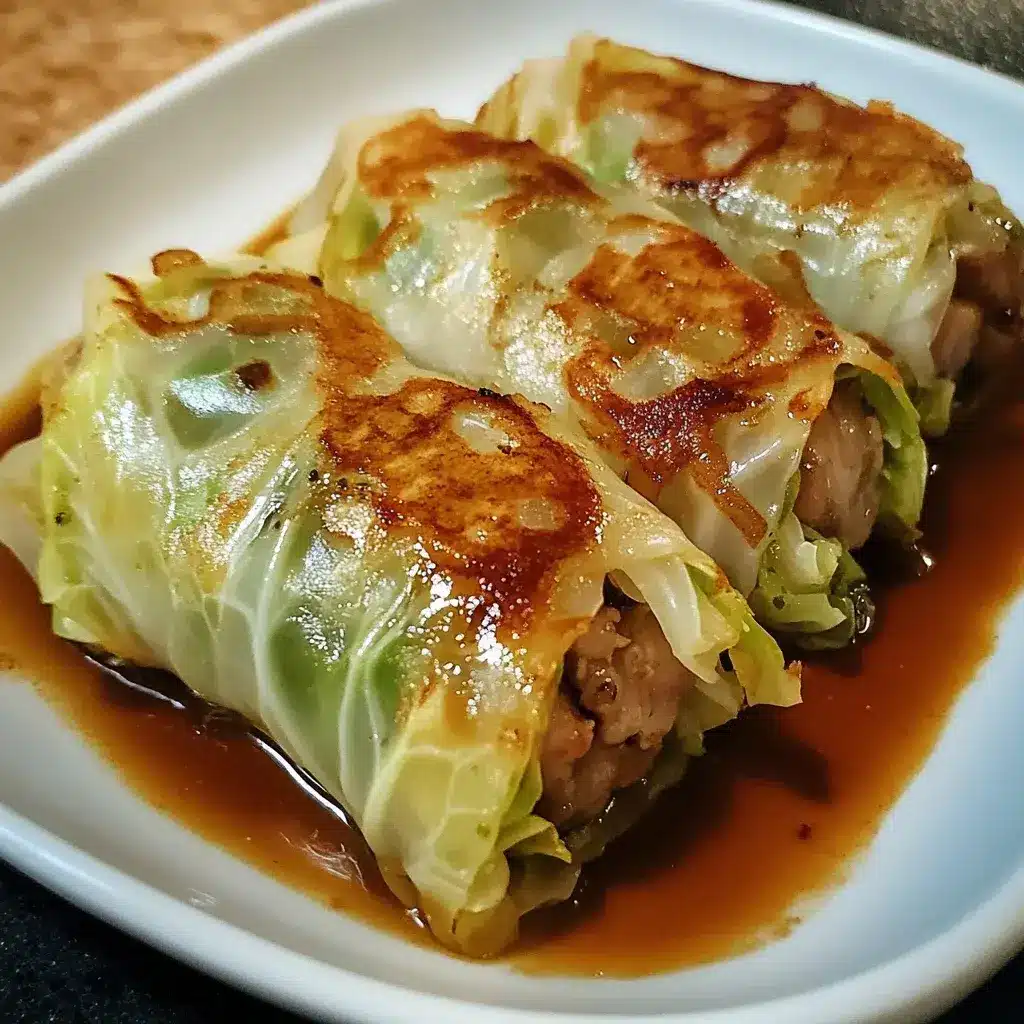
Embark on a culinary adventure that redefines the classic spring roll with a delightful low-carb twist. These savory delights are meticulously crafted to offer a guilt-free indulgence, perfect for those mindful of their carbohydrate intake without compromising on taste.
Imagine tender cabbage leaves embracing a rich, flavorful beef filling, baked to a perfect crispness that rivals their fried counterparts. This recipe promises an experience that is both satisfying and surprisingly healthy, making it an ideal choice for any occasion, from casual gatherings to elegant appetizers.
Why You Will Love This Recipe
- Healthy Alternative: These spring rolls are a fantastic low-carb and high-protein option, fitting seamlessly into various dietary lifestyles.
- Effortless Preparation: The straightforward steps ensure that even novice cooks can achieve impressive results with minimal fuss.
- Explosive Flavor: A harmonious blend of beef, garlic, and ginger creates a deeply savory and aromatic filling that will tantalize your taste buds.
- Ultimate Versatility: Whether served as a starter, a light lunch, or a substantial snack, these rolls adapt beautifully to any dining scenario.
- Healthier Baking Method: Enjoy a satisfying crunch and golden-brown finish achieved through baking, offering a lighter alternative to deep-frying.
Ingredients You Need
The key to exceptional Low Carb Dumpling Spring Rolls lies in the quality of the ingredients you select. Opting for fresh, vibrant components will significantly enhance the overall flavor and texture of your dish, ensuring a truly memorable culinary creation.
Low Carb Dumpling Spring Rolls
Enjoy flavorful Low Carb Dumpling Spring Rolls filled with beef and baked until crispy! Try this healthy recipe today for a delicious treat.
- 1 kg beef mince
- 2 cubes garlic paste (or 2 tsp minced garlic)
- 2 cubes ginger paste (or 2 tsp minced ginger)
- 4 shallots/scallions, sliced
- 1 wombok (Chinese cabbage)
- olive oil spray
- tamari soy sauce or coconut aminos for serving
- 1Prepare the beef filling: Sauté sliced shallots in olive oil until softened. Add garlic and ginger; fry until fragrant. Stir in beef mince, season with salt and pepper, and cook until browned.
- 2Prepare cabbage leaves: Boil water and soften cabbage leaves by simmering them for about 30 seconds. Cool in a strainer.
- 3Assemble the rolls: Lay a cabbage leaf flat, add a portion of filling at the bottom, fold up the leaf, tuck in the sides, and roll tightly.
- 4Bake: Preheat oven to 200°C (400°F), spray rolls with olive oil, and bake for about 15 minutes until golden brown.
- 5Serve: Drizzle with tamari soy sauce or sesame seed oil.
Keywords: low carb, spring rolls, dumplings, beef, baked, appetizer, healthy
- beef mince: the primary protein source for the hearty filling
- garlic paste: provides an pungent, aromatic foundation for the savory mixture
- ginger paste: adds a warming, slightly spicy note that complements the beef beautifully
- shallots/scallions: offer a delicate onion flavor and a hint of sweetness
- wombok (Chinese cabbage): serves as the ideal low-carb wrapper, offering a tender yet sturdy casing
- olive oil spray: for lightly coating the rolls to achieve a golden, crispy exterior
- tamari soy sauce or coconut aminos: a gluten-free and low-carb dipping sauce option
Detailed quantities for each ingredient can be found within the accompanying recipe card, ensuring precise measurements for perfect results.
Variations
To elevate your Low Carb Dumpling Spring Rolls, consider incorporating these creative variations that cater to diverse palates and dietary needs.
For a delightful Vegan Option, replace the beef mince with a finely crumbled mixture of firm tofu and finely chopped mushrooms, sautéed with the same aromatic garlic and ginger. You can also add finely diced water chestnuts for a pleasing crunch, ensuring the texture remains satisfying and engaging.
Embrace a Low Carb Vegetarian Delight by using a blend of finely minced cauliflower florets, spinach, and pan-fried shiitake mushrooms as your filling. Season this vegetarian base with the garlic, ginger, and shallots, creating a robust flavor profile that is both light and delicious.
Explore a Spicy Kick Variation by introducing a pinch of red pepper flakes or a teaspoon of sriracha to the beef filling. This addition brings a subtle heat that awakens the palate and adds another layer of complexity to the traditional flavors of the spring rolls.
How to Prepare Low Carb Dumpling Spring Rolls
Step 1: Prepare the Beef Filling
Begin by heating a generous tablespoon of olive oil in a large pot or deep skillet over medium heat. The oil should shimmer slightly, indicating it’s ready to receive the aromatics.
Add the finely sliced shallots or scallions to the heated oil. Sauté these gently for about three to four minutes, stirring occasionally, until they soften and become translucent, releasing their sweet aroma into the kitchen.
Next, stir in the minced garlic and ginger paste. Cook for approximately one minute, stirring constantly, until they become wonderfully fragrant. Be careful not to let the garlic burn, as this can impart a bitter taste to your filling. This step is crucial for developing a deep flavor base.
Introduce the kilogram of beef mince to the pot. Break up the mince with your spoon and season it generously with salt and freshly ground black pepper. Continue to cook, stirring and breaking up the meat, until it is thoroughly browned and no pink remains. Drain any excess fat if necessary, ensuring the filling isn’t too greasy for rolling.
Once the beef is fully cooked and the flavors have melded, remove the pot from the heat. Allow the filling to cool slightly before proceeding to the next step. This cooling period prevents the hot filling from wilting the cabbage leaves prematurely and makes the mixture easier to handle.
Step 2: Prepare Cabbage Leaves
Fill another large pot with ample water, enough to fully submerge the cabbage leaves. Bring this water to a rolling boil over high heat. A large pot is essential to ensure the leaves have enough space to move freely and soften evenly.
While the water heats, carefully examine the wombok (Chinese cabbage). Remove and discard any damaged or bruised outer leaves. These outer leaves are often tougher and less appealing for wrapping. You are looking for the fresh, vibrant inner leaves.
Once the water reaches a boil, reduce the heat slightly to a simmer. This gentle heat is key to softening the leaves without them disintegrating. Carefully peel off the whole cabbage leaves one by one from the wombok. Aim to remove them without tearing, preserving their integrity for rolling.
For each leaf, locate the thickest part of the stem at the base. Using a sharp knife or the tip of your paring knife, carefully trim away this tough central rib. This makes the leaf more pliable and easier to roll without splitting. Be precise in this trimming; you want to remove the bulk without compromising the leaf’s structure.
Gently submerge three to four softened cabbage leaves into the simmering water. Use tongs to push them down, ensuring they are fully immersed. Allow them to soften for about 30 seconds, or until they become pliable enough to bend without breaking. Do not overcook them, as they will become mushy.
With your tongs, carefully lift the softened leaves from the hot water and transfer them to a waiting strainer. Allow them to drain and cool completely. This draining process removes excess water, preventing sogginess in your finished rolls and making them easier to handle for assembly.
Step 3: Assemble the Spring Rolls
Lay one of the cooled, softened cabbage leaves flat on a clean, dry chopping board. Position the leaf so the stem end is facing you, or at the bottom of the board. Ensure the surface is free of moisture.
Spoon a generous portion of the cooled beef filling onto the broader part of the cabbage leaf, towards the stem end. Distribute it evenly, forming a compact log shape. Be mindful not to overfill the leaf; this is a common mistake that can lead to torn wrappers and messy rolls. Aim for a filling quantity that allows for a neat fold.
Begin the rolling process by folding the bottom edge of the cabbage leaf upwards, over the filling. This initial fold tucks the filling securely within the leaf’s base. Ensure this fold is snug against the filling to create a compact start.
Next, fold in both the left and right sides of the cabbage leaf towards the center, enclosing the filling completely. This creates a neat rectangular package, much like you would prepare a burrito or a wrap.
Finally, continue rolling the filled leaf upwards from the bottom, as tightly as possible, until you reach the top edge. The natural stickiness of the cabbage leaf should help it seal. If the leaf seems loose, a gentle press as you roll will help it adhere.
Prepare a baking tray by lining it with parchment paper. Lightly spray the parchment paper with olive oil to prevent sticking. Carefully place each assembled spring roll seam-side down on the prepared baking tray. Arrange them with a little space between each one to ensure even baking and crisping.
Step 4: Bake the Rolls
Preheat your oven to a moderate 200°C (approximately 400°F). This temperature is ideal for achieving a lovely golden-brown finish and a satisfyingly crisp texture on the outside of the rolls.
Once the rolls are arranged on the baking tray, take your olive oil spray and lightly mist the top and sides of each assembled spring roll. This light coating of oil is crucial for achieving that desirable crispy, golden exterior.
Place the baking tray into the preheated oven. Bake the Low Carb Dumpling Spring Rolls for approximately 15 to 20 minutes. Keep a close eye on them during the last few minutes of baking to prevent over-browning.
The rolls are ready when they appear golden brown and the cabbage leaves have a slightly crisped edge. The filling should be heated through, and the overall aroma should be incredibly inviting. They should feel firm to the touch.
Carefully remove the baking tray from the oven using oven mitts. Let the spring rolls rest on the tray for a couple of minutes before transferring them to a serving platter. This brief resting period allows the juices to settle and the crispness to fully develop.
Step 5: Serve
Once your delicious Low Carb Dumpling Spring Rolls are perfectly baked and have cooled slightly, it’s time to present them. Arrange them attractively on a serving dish or platter.
For an extra layer of flavor and visual appeal, drizzle the baked rolls with a touch of tamari soy sauce or coconut aminos. A delicate swirl of sesame seed oil over the top adds a wonderful nutty aroma and complements the savory filling.
Serve these delightful rolls warm. They are best enjoyed immediately after baking to savor their optimal crispness and flavor. You can also offer additional dipping sauces on the side to allow your guests to customize their experience.
These homemade Low Carb Dumpling Spring Rolls are a fantastic and healthy addition to any meal or social gathering, offering a satisfying bite that is both flavorful and guilt-free. Their appealing appearance and delicious taste are sure to impress.
Pro Tips for Low Carb Dumpling Spring Rolls
Achieving perfectly crisp and flavorful Low Carb Dumpling Spring Rolls requires a few insider tips and tricks. Applying these suggestions will help you avoid common pitfalls and elevate your spring roll game.
Use Fresh, High-Quality Ingredients: The foundation of any great dish is its ingredients. For these spring rolls, ensuring your beef is fresh and your aromatics like garlic and ginger are potent will make a significant difference in the final taste. Likewise, choose a firm, fresh wombok for the best wrapping leaves.
Avoid Overstuffing: A common mistake is filling the cabbage leaves too generously. This not only makes rolling difficult but can cause the leaves to tear during the rolling or baking process. Aim for a moderate amount of filling that can be neatly enclosed.
Master Cabbage Leaf Softening: The cabbage leaves must be perfectly softened to be pliable enough for rolling. Under-softened leaves will crack, and over-softened ones will become mushy. The suggested 30 seconds in simmering water is a guideline; observe their texture and adjust time slightly if needed.
Spray Generously with Oil: Don’t shy away from using the olive oil spray before baking. This step is critical for achieving that delightful golden-brown and crispy exterior that makes these rolls so appealing. Ensure an even coating over all sides.
Bake Until Golden Brown and Crispy: Keep a watchful eye on the spring rolls during the baking process. The goal is a deep golden-brown color, indicating that the outside is crisp. If they are pale, they might be undercooked and lack that desirable texture.
Drain Filling Well: After cooking the beef mince, ensure you drain off any excess grease. Too much fat in the filling can make the cabbage wrappers soggy and less appealing, detracting from the overall crispness you aim to achieve.
Serving Suggestions for Low Carb Dumpling Spring Rolls
Decoration
Garnish your Low Carb Dumpling Spring Rolls with a sprinkle of toasted sesame seeds for a nutty crunch and an attractive finish. Freshly chopped chives or thinly sliced green onions can add a vibrant splash of color and a mild, fresh onion flavor that complements the savory filling beautifully.
Side Dishes
Pair these flavorful rolls with a light and refreshing Cucumber Salad. Slices of cucumber tossed with a simple dressing of rice vinegar, a dash of sesame oil, and a pinch of salt offer a cooling counterpoint to the warm, savory spring rolls. Consider serving them alongside a portion of Steamed Broccoli or vibrant stir-fried mixed vegetables for a complete and balanced meal.
For those seeking a more traditional Asian-inspired accompaniment, Cauliflower Rice is an excellent low-carb choice. It can be seasoned lightly and served as a bed upon which to place the spring rolls, allowing them to absorb any delicious sauces. Alternatively, lightly sautéed Zucchini Noodles provide a delightful, low-carb pasta alternative that is both healthy and satisfying.
A small bowl of spicy, fermented Kimchi can offer a bold, zesty contrast to the richness of the beef filling, appealing to those who enjoy a kick of heat and complex flavors. Roasted Bell Peppers, with their inherent sweetness and tender texture, also make a wonderful side, adding depth and color to the plate.
Creative Serving Ideas
Present the Low Carb Dumpling Spring Rolls as an elegant appetizer for a dinner party, arranged artfully on a platter. For a more casual setting, they can be served in individual bowls with a variety of dipping sauces, allowing guests to mix and match flavors.
Consider a “build-your-own” spring roll bar where guests can choose their preferred dipping sauces and garnishes. This interactive approach adds an element of fun and personalization to the dining experience, making it memorable for everyone involved. You can also serve them as a light lunch alongside a fresh green salad.
Preparation & Storage
Storing Leftovers
To store leftover Low Carb Dumpling Spring Rolls, allow them to cool completely to room temperature before placing them in an airtight container. This prevents condensation from forming inside the container, which can make the rolls soggy. Ensure the container is sealed tightly to maintain freshness.
Leftovers can be stored in the refrigerator for up to three days. While they are best enjoyed fresh, proper storage will help preserve their texture and flavor for a few days. Always check for any signs of spoilage before reheating.
Freezing Low Carb Dumpling Spring Rolls
For longer storage, these spring rolls can be frozen. It is advisable to freeze them before they are baked, or after they have been baked and cooled. If freezing baked rolls, ensure they are completely cool.
Individually wrap each spring roll tightly in plastic wrap or aluminum foil. Then, place the wrapped rolls into a freezer-safe bag or airtight container. This double layer of protection helps prevent freezer burn. Frozen spring rolls can be kept for up to two months.
Reheating
To reheat baked spring rolls, the oven is generally the best method for restoring crispness. Preheat your oven to around 180°C (350°F) and place the rolls on a baking tray. Heat for about 10 to 15 minutes, or until they are warmed through and the exterior has regained its crispness.
If you are short on time, the microwave can be used, though it may result in a softer texture. Place the rolls on a microwave-safe plate, cover them with a damp paper towel, and heat in 30-second intervals until warm. Be cautious not to overheat, as this can make them tough.
Alternatively, you can reheat them on the stovetop. Heat a non-stick pan over medium heat, add a small amount of oil, and cook the spring rolls for 2-3 minutes per side until they are heated through and slightly crisped. This method can also yield a satisfying texture.
Frequently Asked Questions
-
Can I use different types of meat for the filling of these Low Carb Dumpling Spring Rolls?
Absolutely! The beauty of this recipe lies in its adaptability. You can easily substitute the beef mince with ground chicken, turkey, or even finely chopped lamb for a different flavor profile. For a vegetarian or vegan variation, consider using crumbled firm tofu, finely chopped mushrooms, or a mix of lentils seasoned with the same aromatic spices.
-
How can I ensure my Low Carb Dumpling Spring Rolls are entirely gluten-free?
The primary gluten-containing ingredient in many spring roll recipes is soy sauce. To make these rolls gluten-free, simply ensure you use tamari soy sauce or coconut aminos, which are naturally gluten-free alternatives. Always check the labels of any other sauces or seasonings you use to confirm they are certified gluten-free. The cabbage leaves themselves are naturally gluten-free.
-
What are the best accompaniments or side dishes to serve with Low Carb Dumpling Spring Rolls?
These versatile rolls pair wonderfully with a range of sides. A light, crisp salad, such as a cucumber and sesame dressing salad, offers a refreshing contrast. Steamed or roasted vegetables like broccoli, asparagus, or bell peppers are excellent healthy choices. For a more substantial meal, consider serving them over a bed of cauliflower rice or alongside a simple stir-fry. Classic dipping sauces like sweet chili sauce (ensure it’s low-sugar), a ginger-scallion oil, or a peanut sauce can also be offered as accompaniments.