Pico de Gallo – Easy and Classic Pico de Gallo Recipe!
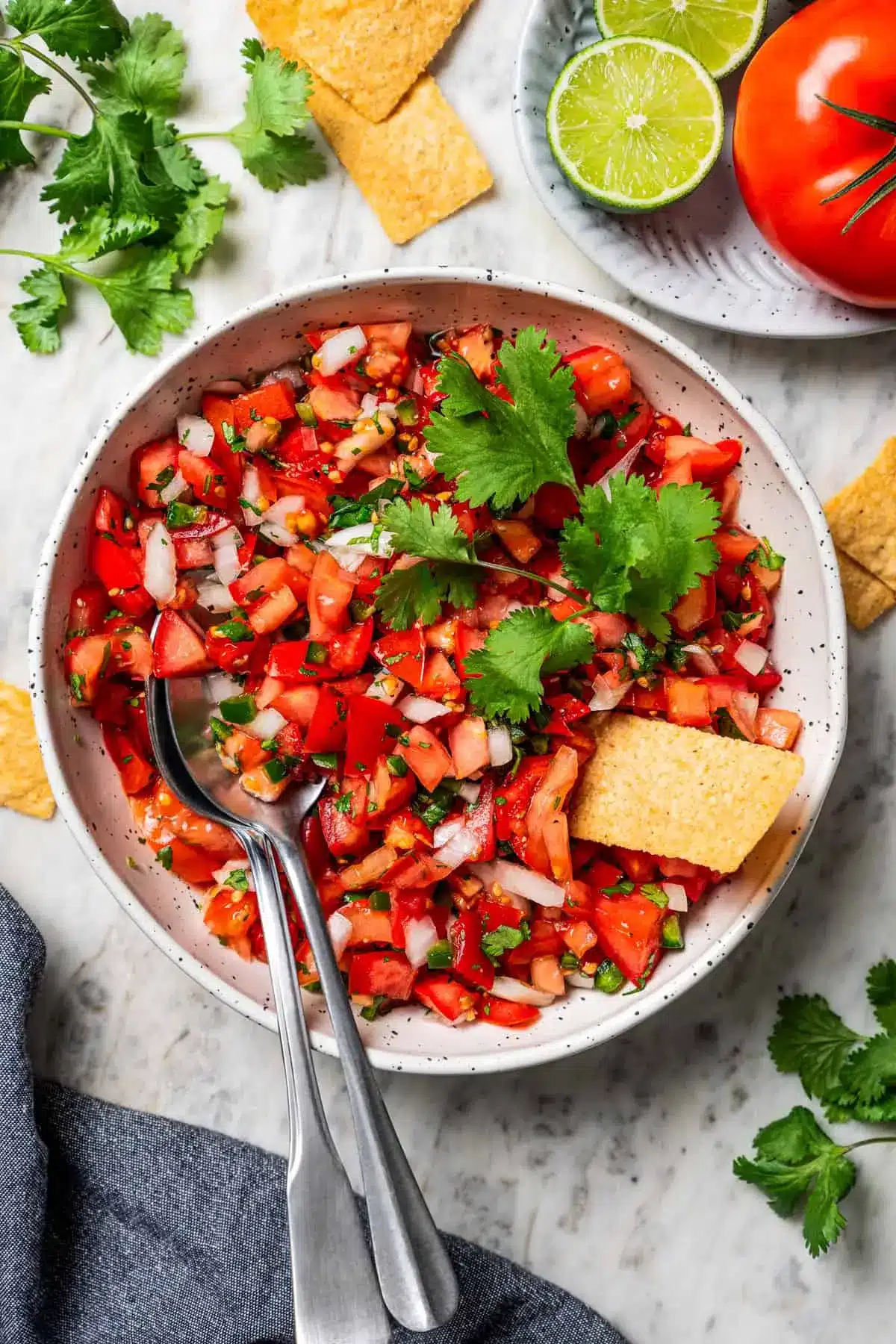
Freshness isn’t just a buzzword; it’s a promise, especially when it comes to vibrant, flavorful dishes that bring life to any meal. Pico de gallo, a cornerstone of Mexican cuisine, embodies this promise perfectly. Its bright, zesty profile and satisfyingly chunky texture make it an irresistible accompaniment to a vast array of culinary creations. This isn’t just a simple salsa; it’s a celebration of peak-season produce, a testament to how a few high-quality ingredients can come together to create something truly spectacular.
Imagine the moment you gather your ingredients: the ruby red of ripe tomatoes, the crisp white of finely diced onion, the subtle warmth of jalapeño, the fresh green of cilantro, and the bright tang of lime. Each element plays a crucial role, harmonizing to create a symphony of taste and aroma that instantly transports you to sun-drenched plazas. This recipe is your gateway to recreating that authentic, homemade magic in your own kitchen, proving that the best flavors often come from the simplest of preparations.
Why You Will Love This Recipe
- Vibrant Freshness: Experience an explosion of authentic, bright flavors from perfectly ripe tomatoes, zesty lime, and aromatic cilantro, elevating any dish it accompanies.
- Effortless Preparation: With just a few simple chopping steps and minimal ingredients, this pico de gallo comes together in under 30 minutes, making it ideal for quick meals or spontaneous entertaining.
- Incredible Versatility: Far more than just a dip for chips, this salsa fresca is a culinary chameleon, perfect for topping tacos, enchiladas, grilled meats, and even enhancing salads or breakfast dishes.
- Customizable Heat: Easily adjust the spice level by modifying the amount of jalapeño or choosing milder peppers, ensuring a perfect balance of heat and flavor for everyone’s palate.
- Healthy & Wholesome: Packed with vitamins and fiber from fresh vegetables and lime juice, this pico de gallo is a guilt-free way to add flavor and nutrition to your meals.
Ingredients You Need
The magic of pico de gallo lies in its simplicity, relying on the inherent quality of its core ingredients to shine. When you select the freshest, ripest produce available, each component contributes its unique character, creating a beautifully balanced and intensely flavorful salsa. Opting for peak-season tomatoes and vibrant herbs will undoubtedly elevate your homemade creation to restaurant-quality standards, ensuring every bite is a delightful experience. Remember, the better the ingredients, the more spectacular your pico de gallo will be.
Pico de Gallo (Fresh Salsa Fresca)
Learn how to make authentic Mexican pico de gallo, also known as salsa fresca, with just 5 simple ingredients: tomatoes, onion, jalapeño, cilantro, and lime. This quick and easy recipe results in a fresh, chunky salsa perfect for dipping or as a versatile topping for your favorite Mexican and Tex-Mex dishes.
- 1 to 1.5 pounds ripe tomatoes, diced (use room temperature tomatoes)
- 1 jalapeño, finely diced (ribs and seeds removed)
- 3 tablespoons fresh lime juice
- 1In a bowl, combine the diced tomatoes, onions, jalapeño, salt, and pepper. Let it sit for about 5 minutes.
- 2Stir in the lime juice and cilantro and toss to combine. Taste and adjust accordingly.
- 3Let it rest for about 15 to 20 minutes before serving. You can also refrigerate it, covered, for up to 4 days.
Keywords: pico de gallo, salsa fresca, fresh salsa, Mexican salsa, tomato salsa, cilantro lime salsa, jalapeño salsa, easy salsa recipe, side dish, dip
The exact quantities for each of these essential components, along with detailed instructions on how to prepare them, are readily available in the recipe card for your convenience. These foundational elements are what make pico de gallo so universally loved and adaptable for countless culinary applications.
Variations
While the classic combination is undeniably perfect, the beauty of pico de gallo lies in its adaptability, allowing for exciting variations that cater to different dietary needs and flavor preferences. Consider introducing a tropical twist by swapping some of the tomatoes for finely diced ripe mango or juicy pineapple. This addition brings a delightful sweetness and a more complex fruity note, transforming the salsa into a refreshing complement for grilled fish or chicken, turning ordinary meals into extraordinary culinary adventures.
For those following a low-carbohydrate lifestyle, a fantastic variation involves replacing some of the tomatoes with finely diced cucumber and adding a splash more lime juice for an extra zesty kick. This substitution maintains the refreshing crunch and vibrant flavors while significantly reducing the carbohydrate content. You could also incorporate finely chopped bell peppers, such as red or yellow, to add a different kind of crunch and a touch of sweetness without altering the carb count substantially. This creates a lighter, equally satisfying salsa perfect for those mindful of their carb intake.
A truly delightful vegan adaptation can be achieved by enhancing the texture and richness. Consider adding finely diced avocado just before serving for a creamy contrast to the crisp vegetables, or incorporating a handful of black beans for added protein and a heartier bite. A sprinkle of toasted pepitas (pumpkin seeds) can also introduce a lovely nutty flavor and a satisfying crunch, making this vegan version a complete and utterly delicious powerhouse of taste and texture, perfect for any occasion.
How to Prepare Pico de Gallo recipe
Step 1: Preparing the Foundation
Begin by gathering all your fresh ingredients and ensuring they are meticulously washed and dried. The quality of your produce is paramount for authentic flavor, so select the ripest tomatoes and freshest herbs you can find. This initial step sets the stage for the vibrant taste that defines pico de gallo, making it crucial to start with the best.
Next, meticulously dice your tomatoes into small, uniform pieces. Aim for a size that allows them to integrate well with the other ingredients without becoming mushy. This precise dicing ensures that each spoonful offers a balanced medley of textures and flavors, contributing to the overall delightful eating experience.
Following the tomatoes, finely dice your white or red onion. The goal here is to achieve pieces that are small enough to meld seamlessly with the tomatoes and jalapeño, providing a subtle sharpness without overpowering the other components. A well-executed dice ensures that the onion’s flavor is present but not dominant, contributing to the salsa’s harmonious profile.
Step 2: Introducing the Heat and Aroma
Now, it’s time to address the jalapeño pepper, the source of pico de gallo’s characteristic warmth. Carefully slice the jalapeño in half lengthwise. For a milder salsa, thoroughly scrape out the seeds and the white ribs, as these are where most of the capsaicin, the compound responsible for spiciness, resides. This careful removal allows you to control the heat level precisely to your preference.
Once the seeds and ribs are removed, proceed to mince the jalapeño very finely. The objective is to distribute its heat evenly throughout the salsa, providing a pleasant warmth rather than overwhelming bursts of spiciness. If you desire a truly fiery experience, you can leave some seeds in, or even opt for a spicier pepper like a serrano.
In a medium-sized mixing bowl, combine the diced tomatoes, finely diced onion, and minced jalapeño. Add the salt and freshly ground black pepper to this mixture. The salt not only enhances the flavors but also begins the process of drawing out excess moisture from the vegetables, a crucial step for achieving the perfect pico de gallo consistency. This initial mingling of raw ingredients is where the magic truly begins to unfold, laying the groundwork for the complex flavors to come.
Step 3: The Zest and The Green
It’s time to introduce the bright, zesty element that truly defines pico de gallo: fresh lime juice. Squeeze the juice from one to two fresh limes directly into the bowl with the vegetable mixture. Ensure you use freshly squeezed lime juice; the bottled varieties lack the vibrant tang and aromatic qualities that fresh limes impart. This citrusy brightness is essential for cutting through the richness of the vegetables and providing a refreshing counterpoint.
Next, incorporate the freshly chopped cilantro into the bowl. Cilantro brings an indispensable herbaceous freshness and a distinctive aroma that is characteristic of authentic pico de gallo. Gently toss the ingredients to ensure the lime juice and cilantro are evenly distributed throughout the tomato, onion, and jalapeño mixture. This careful incorporation ensures that every bite is infused with these essential flavors, contributing to the salsa’s overall appeal.
Taste the mixture at this point and adjust the seasoning as needed. This is your opportunity to fine-tune the balance of flavors. If you desire more saltiness, add a pinch more salt. For a tangier profile, add a little more lime juice. If you’d prefer a spicier kick, you can carefully add a bit more minced jalapeño, ensuring it’s well distributed.
Step 4: The Marination Moment
Allow the pico de gallo to rest and marinate for at least 15 to 20 minutes at room temperature before serving. This resting period is not merely a suggestion; it’s a vital step in the preparation process. During this time, the flavors meld together, allowing the lime juice to lightly ‘cook’ and tenderize the vegetables, and the salt to continue drawing out moisture, resulting in a more cohesive and deeply flavored salsa.
This marination allows the salt to work its magic, drawing out some of the natural juices from the tomatoes and onions. This process not only concentrates the flavors but also creates a more pleasant texture by preventing the pico de gallo from being too watery. The longer it sits, the more the ingredients will harmonize, creating a richer and more complex taste profile that is truly satisfying.
If you are preparing the pico de gallo in advance, this marinating time is even more beneficial. Covering the bowl tightly and refrigerating it allows the flavors to deepen considerably. You can safely store homemade pico de gallo in the refrigerator for up to 4 days, and its flavor often improves on the second day as the ingredients continue to intermingle.
Step 5: Serving with Finesse
When it’s time to serve, pay attention to the texture of your pico de gallo. As it rests, the tomatoes and onions will release liquid. To ensure your dishes don’t become soggy, it is highly recommended to serve the pico de gallo with a slotted spoon. This allows the excess liquid to remain in the bowl, ensuring your tacos, nachos, or other accompaniments maintain their crispness.
The vibrant colors and fresh aroma of the pico de gallo make it a beautiful addition to any plate. Its chunky texture provides a delightful contrast to smoother dishes, adding visual appeal and an engaging textural element. This attention to serving detail enhances the overall dining experience, showcasing the care and quality that went into its preparation.
You can also incorporate the reserved liquid from the pico de gallo into other dishes. It can be a flavorful addition to salad dressings, marinades for meats, or even stirred into soups and stews to add an extra layer of fresh, zesty flavor. This practice minimizes waste and maximizes the deliciousness of your pico de gallo preparation.
Step 6: Enjoying the Culinary Delight
The ultimate step is, of course, to enjoy the fruits of your labor! Serve the pico de gallo generously alongside your favorite Mexican or Tex-Mex dishes. Its versatility means it’s an indispensable condiment for everything from simple weeknight tacos to more elaborate fajita platters and enchiladas.
Don’t be afraid to get creative with its applications. Piled high on grilled chicken or fish, mixed into scrambled eggs for a breakfast boost, or simply served with a basket of warm tortilla chips, this fresh salsa is sure to impress. Its bright, clean taste is a perfect counterpoint to richer or spicier foods, offering a refreshing balance.
Share this delicious homemade creation with friends and family, and watch as it becomes a fast favorite. The satisfaction of serving a dish made from scratch, bursting with such vibrant and authentic flavors, is unparalleled. This is more than just a recipe; it’s an invitation to savor the simple, yet profound, pleasures of fresh, homemade food.
Pro Tips for Pico de Gallo recipe
The Importance of Tomato Ripeness: Always aim for the ripest tomatoes you can find, preferably when they are in season. Underripe or mealy tomatoes will result in a watery and less flavorful pico de gallo. Roma tomatoes are excellent due to their lower seed content and firmer flesh, but any ripe, flavorful tomato will work beautifully. A truly ripe tomato is key to that authentic, sun-kissed flavor.
Mastering the Dice: Uniformity in dicing is crucial for the best texture. Strive to cut your tomatoes, onions, and jalapeños into similarly sized, small pieces. This ensures that each bite contains a balanced combination of all the flavors and textures, preventing any single ingredient from dominating the palate. Consistent dicing also makes the salsa more visually appealing.
Balancing the Heat: Control the spice level by judiciously removing the seeds and ribs from your jalapeño peppers. If you are particularly sensitive to heat, omit the jalapeño entirely or use a milder pepper. Conversely, if you love a fiery kick, leave some seeds in or opt for a hotter chili pepper. Experimentation is key to finding your perfect heat level.
The Magic of Marination: Do not skip the resting period. Allowing the pico de gallo to sit for at least 15-20 minutes lets the flavors meld and deepen. The salt draws out moisture, concentrating the flavors and achieving the ideal texture. This marination time is essential for transforming fresh ingredients into a harmonious salsa.
Serving Strategy: To maintain the crispness of your accompanying dishes, serve pico de gallo with a slotted spoon. This technique leaves behind the excess liquid that the vegetables release during resting, preventing sogginess in tacos, nachos, or burritos. The reserved liquid can be a flavorful addition to other recipes, ensuring no waste.
Serving Suggestions for Pico de Gallo recipe
Decoration
Elevate your presentation by garnishing dishes with a generous dollop of vibrant pico de gallo. Its bright red, green, and white colors add an immediate visual appeal, transforming even the simplest meal into a festive plate. A sprinkle of fresh cilantro leaves over the top can further enhance its freshly made look and aroma. The contrast it provides makes any dish more inviting.
Consider using a ring mold to create a neatly presented mound of pico de gallo on top of a salad or a piece of grilled protein. This adds a touch of sophistication and ensures a balanced ratio of pico to the main dish with every bite. It’s a simple technique that makes a significant visual impact.
For larger gatherings, serving pico de gallo in a decorative rustic bowl or a hollowed-out bell pepper can be a charming touch. The natural colors of the ingredients are the best decoration, so let them shine. Simple elegance is often the most effective way to present this fresh salsa.
Side Dishes
Pico de gallo is the quintessential accompaniment for a wide variety of Mexican and Tex-Mex staples. It’s the perfect topping for tacos, enchiladas, quesadillas, and burritos, adding a burst of freshness and zest. Its chunky texture provides a delightful contrast to the softer fillings of these popular dishes.
It also pairs beautifully with grilled meats like steak, chicken, or pork, acting as a bright salsa that cuts through richness. Serve it alongside fajitas for an extra layer of flavor and texture, or spoon it over nachos for a fresh, tangy kick. It complements any dish needing a vibrant lift.
Beyond traditional pairings, consider serving it as a refreshing side salad on its own, perhaps with a few tortilla chips for scooping. It’s also a fantastic accompaniment to heartier dishes like chili or stews, providing a cooling, fresh counterpoint. Its versatility makes it a must-have for any Mexican-inspired feast.
Creative Serving Ideas
Transform ordinary breakfast dishes into something extraordinary by topping scrambled eggs, omelets, or breakfast burritos with a spoonful of pico de gallo. Its fresh ingredients provide a lively start to the day, offering a refreshing contrast to rich eggs and savory fillings.
For a unique appetizer, layer pico de gallo on toasted crostini or baguette slices, similar to bruschetta, for a Tex-Mex twist. This can be a delightful and unexpected hit at parties, offering a familiar yet novel flavor profile. It’s a quick way to impress guests with minimal effort.
Consider incorporating pico de gallo into a refreshing ceviche-style dish, perhaps with cooked shrimp or firm white fish. Its acidity helps to ‘cook’ the seafood, and its vibrant flavors enhance the overall maritime essence. This creative application showcases its adaptability beyond being just a topping or dip.
Preparation & Storage
Storing Leftovers
Properly stored, leftover pico de gallo can maintain its delicious freshness for several days. To ensure the best quality, transfer any remaining salsa to an airtight container immediately after serving. This prevents the ingredients from drying out and minimizes exposure to air, which can accelerate spoilage.
The refrigerator is the ideal place to keep your leftover pico de gallo. Aim to consume it within 3 to 4 days for optimal flavor and texture. While it remains safe to eat for longer, the fresh vibrant qualities will begin to diminish over time, especially after the initial marination period has passed.
If you notice a significant amount of liquid pooling at the bottom of the container, you can carefully drain some of it off before resealing, especially if you plan to use it as a topping for dishes where sogginess is a concern. This simple step helps maintain the desired consistency.
Freezing
Unfortunately, fresh pico de gallo does not lend itself well to freezing. The high water content of the tomatoes and onions, combined with their delicate structure, means that when thawed, they tend to become mushy and lose their characteristic crisp texture. Freezing fundamentally alters the delightful chunky consistency that makes pico de gallo so appealing.
The fresh bright flavors also tend to diminish significantly after being subjected to the freezing and thawing process. While the salsa might still be safe to eat, the sensory experience will be considerably compromised, lacking the vibrant zest and clean taste that defines this beloved condiment. It’s best enjoyed fresh.
If you absolutely must preserve it for a longer period, consider making a cooked salsa or sauce that can withstand freezing better. However, for authentic pico de gallo, it’s highly recommended to prepare it fresh and consume it within a few days for the best possible taste and texture. Embrace its ephemeral nature.
Reheating
Reheating pico de gallo is generally not recommended or necessary, as its appeal lies in its raw, fresh, and uncooked state. The beauty of this salsa is its vibrant, crisp texture and bright, zesty flavors, all of which are compromised by heat. Applying heat would cook the ingredients, destroying the very essence of what makes pico de gallo so special.
If you find yourself with pico de gallo that has been sitting out for a while and you’re concerned about its freshness, it’s often best to discard it rather than attempt to reheat it. The goal is to preserve its raw qualities, not to cook it. Its natural state is its most desirable state for consumption.
However, if you’ve made a larger batch and some has been refrigerated, and you simply want to bring it to a slightly more palatable temperature before serving, a very brief, gentle warming might be considered. But this is strongly discouraged. The best approach is to serve it chilled or at room temperature, allowing its natural freshness to shine through without any intervention from heat.
Frequently Asked Questions
-
What is the difference between pico de gallo and salsa?
The primary distinction lies in their preparation and texture. Salsa, in its broader definition, can often involve cooked ingredients and may be blended to a smoother consistency, sometimes resembling a puree. In contrast, pico de gallo, often referred to as “salsa fresca” or “salsa cruda,” is always made with uncooked, fresh ingredients that are finely chopped, resulting in a chunky texture with less liquid. This difference in preparation means pico de gallo retains a more vibrant, crisp freshness that is less common in blended salsas.
-
Can I make pico de gallo without cilantro?
Absolutely. While cilantro is a traditional and integral component for many, its strong flavor can be polarizing due to a genetic predisposition that makes it taste soapy for some individuals. If you are part of this group or simply dislike cilantro, you can substitute it with freshly chopped parsley. Other herbs like chives or even a small amount of fresh mint could also be experimented with, though parsley is the most common and effective alternative for maintaining a fresh, herbaceous note without the cilantro flavor.
-
How long does homemade pico de gallo last, and what’s the best way to store it?
Homemade pico de gallo is best enjoyed fresh, but it can be stored in an airtight container in the refrigerator for up to 3 to 4 days. To maintain its quality, ensure it is well-sealed to prevent oxidation and absorption of other fridge odors. It’s important to note that as it sits, the vegetables will continue to release moisture, so you might want to serve it with a slotted spoon after a day or two to avoid making dishes soggy. Freezing is generally not recommended as the texture will become mushy upon thawing.