Colorful Raw Veggie Kabobs
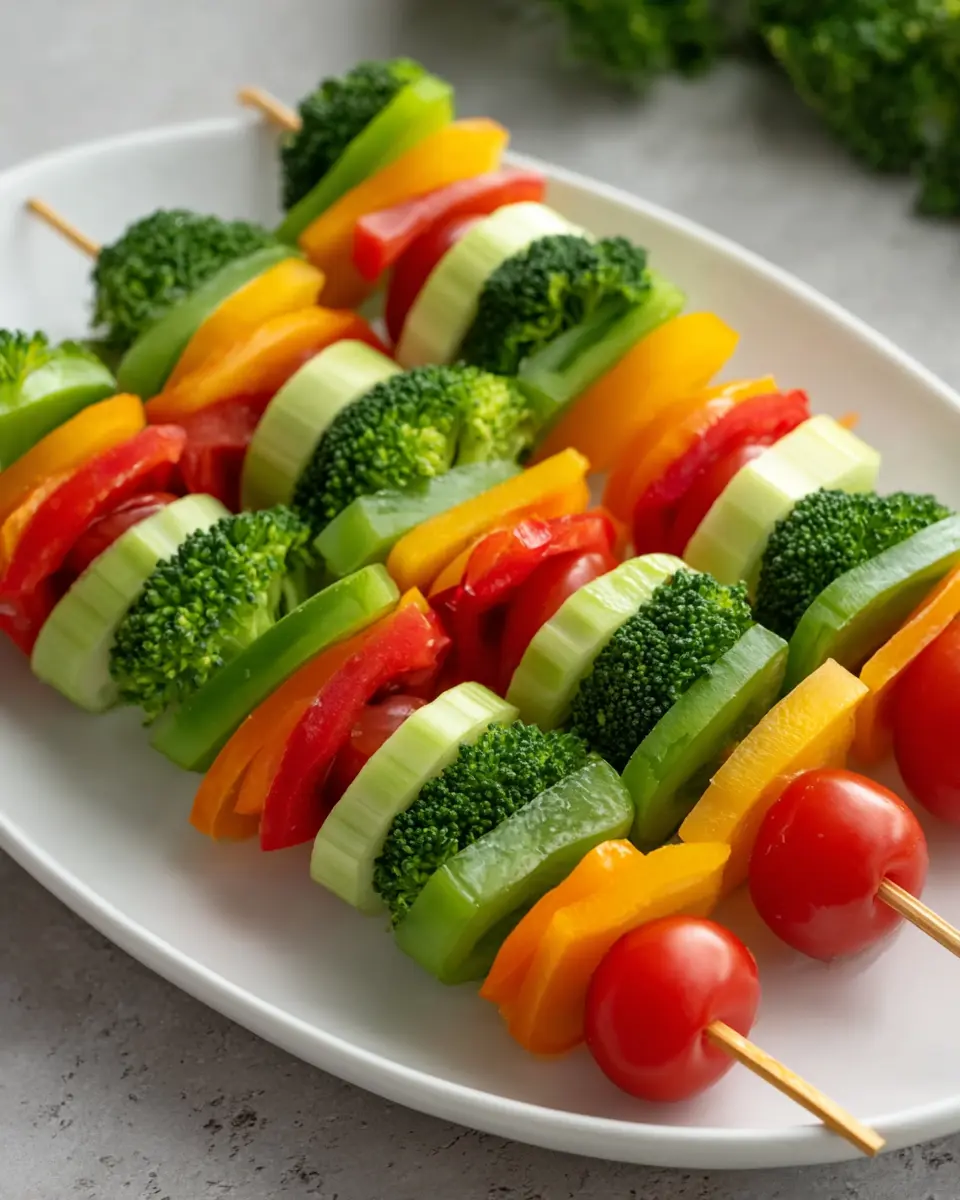
Raw Veggie Kabobs are a quick, no-cook appetizer that brings crisp texture, bright color, and easy party-friendly serving to the table. With fresh vegetables and creamy dips, they work beautifully for snack boards, gatherings, and make-ahead entertaining. Pin
These kabobs are the kind of appetizer you can set out almost anywhere, from a casual family lunch to a spring party spread. They look cheerful on the platter, feel light and fresh, and give everyone something easy to grab.
Why You Will Love This Recipe
- Vibrant Presentation: The colorful medley of fresh vegetables makes these kabobs a feast for the eyes, perfect for impressing guests at any event.
- Effortless Preparation: With no cooking required, these kabobs are incredibly simple to assemble, freeing up your time for other hosting duties.
- Healthy & Refreshing: Packed with vitamins and fiber, they offer a light and satisfying option that complements any meal or gathering.
- Customizable: Easily adapt the vegetable selection to suit personal preferences or seasonal availability, ensuring a fresh and exciting experience every time.
- Perfect for Grazing: Their individual skewer format makes them ideal for parties, picnics, and buffet-style serving, allowing guests to mingle and enjoy.
Ingredients You Need
Selecting the freshest, highest-quality produce is paramount for truly exceptional raw veggie kabobs. The natural sweetness and crispness of the vegetables will shine through, creating a delightful experience. Opt for firm, unblemished items that will hold their shape and texture throughout the assembly and serving process.
Raw Veggie Kabobs
A bright and refreshing assortment of raw vegetables threaded onto skewers and presented with creamy vegetable dips for a crisp, colorful appetizer or light snack.
- Fresh broccoli florets
- Crisp celery stalks
- Yellow summer squash
- Green bell pepper strips
- Red bell pepper strips
- Sliced cucumbers
- Orange cherry tomatoes
- Snap pea pods
- Yellow cherry tomatoes
- Carrot sticks
- Radishes
- Orange bell pepper strips
- Grape tomatoes
- Dill-seasoned vegetable dip
- Yellow bell pepper strips
- Zucchini
- Spicy avocado ranch vegetable dip
- 1Wash all of the vegetables thoroughly to remove any dirt or remaining residue. Choose a colorful assortment in shades of red, orange, yellow, and green for the most attractive presentation.
- 2Cut the vegetables into skewer-friendly pieces, using shapes such as strips, slices, wedges, and florets as needed. Slice firmer vegetables, including the carrots, into thin sticks so they are easy to thread and simple to eat.
- 3Set out the skewers and begin assembling each kabob. Start with a broccoli floret, add a cucumber slice, then thread on two strips of green bell pepper, one piece of celery, and one snap pea pod.
- 4Continue by adding three strips of yellow bell pepper, two carrot sticks, and two strips of red bell pepper. Finish the skewer with one grape tomato.
- 5Repeat the same assembly process until all of the kabobs are prepared, keeping the colors evenly distributed so each skewer has a vibrant appearance.
- 6Arrange the completed vegetable kabobs on a large serving platter. Place the dill-flavored vegetable dip and the spicy avocado ranch vegetable dip alongside the platter, and add a small spoon to each dip for serving.
- 7Serve immediately as a fresh, crisp appetizer or wholesome snack.
Keywords: Raw Veggie Kabobs, Appetizer, Snack, Vegetable Skewers, Healthy, No-Cook, Party Food, Summer
- fresh broccoli florets: vibrant green florets that provide a satisfying crunch and a slightly earthy flavor.
- crisp celery stalks: offering a refreshing, watery crunch and a clean taste that balances richer elements.
- yellow summer squash: tender and mild, adding a subtle sweetness and a softer texture to the skewer.
- green bell pepper strips: delivering a crisp bite and a slightly grassy, sweet flavor that complements other vegetables.
- red bell pepper strips: a burst of sweetness and vibrant color, these peppers are both visually appealing and delicious.
- sliced cucumbers: cool and hydrating, cucumber slices add a refreshing element and a pleasant juiciness.
- orange cherry tomatoes: small, sweet orbs of flavor that bring a juicy pop and a sunny hue to each skewer.
- snap pea pods: offering a delightful snap and a sweet, fresh taste, these pods are a textural marvel.
- yellow cherry tomatoes: similar to orange tomatoes, these add another layer of sweetness and a cheerful yellow tone.
- carrot sticks: sturdy and slightly sweet, carrot sticks provide excellent crunch and a good structural base.
- radishes: a peppery kick and a crisp texture make radishes an interesting addition that adds complexity.
- orange bell pepper strips: adding more vibrant color and a sweet, mild flavor, these peppers enhance the visual appeal and taste.
- grape tomatoes: another small, sweet tomato variety that contributes juicy bursts and bright color.
- dill-seasoned vegetable dip: a creamy, herbaceous accompaniment that enhances the fresh flavors of the vegetables.
- yellow bell pepper strips: a beautiful sunny addition that brings a mild sweetness and satisfying crunch.
- zucchini: similar to summer squash, zucchini offers a tender-crisp texture and a delicate flavor.
- spicy avocado ranch vegetable dip: a richer, more complex dip with a hint of spice and creamy avocado, offering a delightful contrast.
The exact quantities for each ingredient are detailed within the provided recipe card.
Variations
Elevate your raw veggie kabobs with these exciting variations, designed to cater to diverse dietary needs and flavor preferences. Each adaptation focuses on maintaining the fresh, crisp appeal while introducing unique taste profiles. Consider these creative twists for your next gathering.
Vegan Delight: For a completely plant-based option, ensure your dips are dairy-free and vegan-friendly, perhaps a cashew-based ranch or a tahini-lemon dressing. Focus on an abundant array of colorful vegetables like purple carrots, vibrant beet slices (if you don’t mind a slight bleed of color), and various heirloom cherry tomatoes. Adding marinated tofu cubes or plant-based cheese alternatives can also provide a heartier element.
Low-Carb Crunch: Embrace a keto or low-carbohydrate lifestyle by focusing on non-starchy vegetables. Excellent choices include a spectrum of bell peppers, cucumbers, zucchini, broccoli, cauliflower florets, and radishes. For dips, a creamy avocado or a blue cheese dip would be ideal, offering healthy fats and rich flavor without the carb load. Avoid starchy vegetables like carrots and corn.
Mediterranean Flair: Infuse your kabobs with the vibrant tastes of the Mediterranean. Thread skewers with cherry tomatoes, Kalamata olives, cucumber chunks, and chunks of firm feta cheese (if not strictly vegan). Marinated artichoke hearts and bell peppers in red, yellow, and green would also be fantastic additions. Serve with a side of hummus or a Greek yogurt-based tzatziki dip for an authentic touch.
Spicy Kick: For those who love a bit of heat, incorporate jalapeño slices or thinly sliced serrano peppers into the mix (handle with care!). Consider adding a sprinkle of chili flakes over the finished kabobs or serving them with a spicy sriracha-lime dip. Grilled pineapple chunks can also add a sweet and spicy contrast.
How to Prepare Raw Veggie Kabobs
Step 1: Gather and Prepare Your Fresh Produce
The foundation of any excellent raw veggie kabob lies in the quality and preparation of the ingredients. Begin by selecting the freshest, most vibrant vegetables available at your local market or grocery store. Think about a rainbow of colors for visual appeal and a variety of textures for an engaging eating experience.
Thoroughly wash all of your chosen vegetables under cool running water to remove any dirt, pesticides, or lingering debris. This step is crucial for both food safety and for ensuring the final presentation is as clean and appealing as possible. After washing, gently pat each vegetable dry with a clean kitchen towel or paper towels; excess moisture can make the kabobs slippery and may dilute the flavors of your dips.
Consider which vegetables will hold up best on a skewer and offer a satisfying bite. Harder vegetables like carrots and celery provide a good sturdy base and crunch, while softer options like tomatoes and squash add juiciness and color. The careful selection and preparation of each component sets the stage for a successful and delicious appetizer.
Step 2: Cut Vegetables into Skewer-Friendly Pieces
Once your vegetables are clean and dry, the next crucial step is to cut them into appropriately sized pieces that are easy to thread onto skewers and comfortable to eat. The goal is uniformity, ensuring that each bite offers a balanced mix of flavors and textures. Aim for pieces that are roughly bite-sized, allowing guests to enjoy the kabob in one or two mouthfuls.
For firmer vegetables such as carrots and celery, cut them into slender sticks or rounds that are easy to pierce with a skewer. Bell peppers should be cut into strips or squares that fit neatly between other ingredients. Cucumbers can be sliced into thick rounds or half-moons, providing a cool, juicy element. Broccoli and cauliflower should be separated into small, manageable florets that are easy to grasp.
Cherry and grape tomatoes are typically left whole, as they are already a perfect skewer size and add beautiful bursts of color and flavor. Yellow summer squash and zucchini can be sliced into rounds or half-moons, similar to cucumbers, offering a tender-crisp texture. Snap peas are generally added whole, providing a satisfying crunch and sweetness.
Step 3: Organize Vegetables for Efficient Assembly
Before you begin the actual threading of the skewers, take a moment to organize your prepared vegetables. Grouping them by color, shape, or type can significantly streamline the assembly process and ensure a visually appealing final product. This organizational step prevents last-minute scrambling and allows for more thoughtful arrangement on each skewer.
Lay out your cut vegetables on a large cutting board or platter. You might arrange them in separate bowls or piles. For example, you could have a section for all the red ingredients (tomatoes, red peppers), another for green (broccoli, green peppers, cucumbers), and so on. This visual separation helps you to easily select a variety of colors and textures as you build each kabob.
This organized approach not only speeds up the process but also allows you to create visually balanced skewers. You can ensure that each kabob has a good distribution of colors and shapes, rather than having one end that’s predominantly one color or texture. This thoughtful arrangement contributes to the overall aesthetic appeal of your appetizer spread.
Step 4: Begin Threading the Skewers with a Diverse Mix
Now comes the fun part: assembling the raw veggie kabobs! Start by selecting your first skewer and begin threading the prepared vegetables. It’s beneficial to start with a sturdy vegetable that will anchor the other ingredients, or to create an interesting contrast from the very first piece.
A good strategy is to begin with a firm vegetable like a broccoli floret or a carrot stick, followed by a cooler, juicier element like a cucumber slice. Then, add some crunch with bell pepper strips and a refreshing snap from a celery piece or a snap pea. The aim is to create a layered experience of textures and flavors with each addition. Consider the visual appeal; alternate colors and shapes to make each skewer a miniature work of art.
Don’t overcrowd the skewers; leave a small space at the top and bottom for easy handling. This also prevents the vegetables from being too compressed, which can affect their crispness. Remember that the goal is to create an inviting and easy-to-eat appetizer that guests will enjoy grabbing and dipping.
Step 5: Continue Filling Skewers with Color and Texture Variety
Continue building each kabob by thoughtfully adding more vegetables. Introduce a variety of colors and textures as you move along the skewer, ensuring a balanced and attractive presentation. Aim to distribute the vibrant hues of red, orange, yellow, and green evenly across each stick.
Incorporate elements that add delightful pops of flavor and moisture, such as cherry tomatoes or small pieces of zucchini. These juicy additions provide a welcome contrast to the firmer vegetables. Continue adding sturdy elements like carrot sticks and extra bell pepper strips to maintain the skewer’s structure and satisfying crunch.
As you approach the end of a skewer, consider adding a final bright element, like a cherry tomato or a colorful pepper strip, to create a visually appealing finish. The consistent effort to vary colors and textures on every single kabob will result in a platter that is not only delicious but also stunning to behold, inviting guests to dig in and enjoy.
Step 6: Arrange and Present Your Finished Kabobs
Once all of your skewers are artfully assembled, it’s time to present them in the most appealing way possible. Select a large, attractive serving platter that can accommodate all of your raw veggie kabobs without making them feel cramped. A platter that has a slight rim can be helpful in keeping everything contained and looking tidy.
Arrange the finished kabobs on the platter in an organized manner. You can lay them side-by-side, perhaps in rows or a more decorative pattern. Ensure there’s enough space between them so that guests can easily pick one up without disturbing the others. Placing the dips in small bowls alongside the platter is essential, providing easy access for dipping.
For the best flavor and crispness, it is recommended to serve the raw veggie kabobs shortly after assembling them. If you need to prepare them slightly in advance, cover the platter loosely with plastic wrap and refrigerate them until you are ready to serve. This ensures that the vegetables remain cool, crisp, and vibrant for your guests to enjoy. The visual impact of a beautifully arranged platter of colorful kabobs is undeniable.
Pro Tips for Raw Veggie Kabobs
Uniform Cutting is Key: For a professional look and consistent eating experience, strive to cut all your vegetables into similarly sized, bite-sized pieces. This ensures that each skewer is easy to handle and enjoy. It also makes the assembly process much smoother.
Embrace the Color Wheel: Don’t shy away from a vibrant spectrum of colors. Using a variety of red, orange, yellow, green, and even purple vegetables creates a visually stunning appetizer that immediately draws attention. Think about how the colors will look together on the skewer.
Sturdy Skewers Are Your Friend: If you are using wooden skewers, soaking them in water for at least 30 minutes before use is essential. This prevents them from burning or splitting when you are threading the vegetables. For heavier assortments, consider using thicker skewers or even reusable metal skewers.
Dip Smartly: Always serve your dips on the side rather than coating the kabobs beforehand. This keeps the vegetables crisp and allows guests to customize their dip preference. Offering two different dips, like a creamy ranch and a zesty salsa, adds extra appeal and variety to the appetizer.
Prep Ahead Strategically: While the kabobs are best served fresh, you can definitely prep components ahead. Wash and chop vegetables up to a day in advance, storing them in airtight containers in the refrigerator. Assemble the kabobs a few hours before serving for optimal crispness. This makes entertaining far less stressful.
Serving Suggestions for Raw Veggie Kabobs
Decoration
Adorn your serving platter with fresh herb sprigs like parsley or dill for an aromatic and visually appealing touch. A sprinkle of sesame seeds or a light dusting of paprika over the dips can also add a sophisticated flair. Consider scattering a few edible flowers around the base of the platter for an extra touch of elegance and charm. A drizzle of balsamic glaze over some of the vegetables before serving can add a unique flavor dimension and visual interest. Small, colorful cocktail umbrellas can add a fun, festive touch, especially for casual gatherings.
Side Dishes
These raw veggie kabobs are incredibly versatile and pair wonderfully with a wide array of dishes. They serve as a refreshing contrast to heartier fare like baked lemon chicken or grilled meats, cutting through richness with their crispness. For a lighter meal, consider serving them alongside a vibrant lobster bisque or a hearty grain salad. They also make an excellent addition to any lunch spread, complementing sandwiches and wraps beautifully.
Creative Serving Ideas
Instead of a traditional platter, serve individual kabobs in tall glasses or jars for a chic presentation at seated events. Create a “Build-Your-Own Kabob” station for a fun, interactive party experience, with bowls of pre-cut vegetables and skewers for guests to assemble their own. For a themed party, arrange the kabobs in a festive shape, like a star or a flower, on a large board. Consider serving them with a small selection of artisanal cheeses and crackers for a more sophisticated appetizer board. For a truly unique touch, offer a tasting flight of different dips alongside the kabobs, allowing guests to explore various flavor combinations.
Preparation & Storage
Storing Leftovers
If you find yourself with any leftover raw veggie kabobs, it’s best to store them promptly to maintain their freshness and crispness. Transfer any uneaten kabobs from the platter to an airtight container, ensuring they are not packed too tightly. You can place a piece of paper towel at the bottom of the container to absorb any excess moisture that might develop. Refrigerate them immediately; they are typically at their best when consumed within 24 hours of preparation.
For longer storage, it’s often preferable to store the cut vegetables separately from the skewers. This is because some vegetables might release more moisture over time, potentially affecting the crispness of others. Keep the cut vegetables in separate airtight containers in the refrigerator. The dips should also be stored separately in their own sealed containers in the refrigerator. Proper storage ensures that you can enjoy any remaining components for a few more days.
It’s important to note that the texture of raw vegetables can change after they’ve been cut and exposed to air, even with careful storage. While they will remain edible, they might lose some of their initial crispness. For this reason, raw veggie kabobs are best enjoyed as fresh as possible, ideally on the day they are made, as part of a delightful dinner or as a snack.
Freezing
Freezing raw veggie kabobs is generally not recommended as it significantly impacts their texture and overall appeal. Raw vegetables, when frozen and then thawed, tend to become soft, mushy, and lose their crisp, refreshing bite. This would transform the delightful crunch that makes these kabobs so appealing into an undesirable texture.
Furthermore, the watery components of vegetables like cucumbers and tomatoes would likely separate upon thawing, leading to a soggy outcome. Dips, especially those with creamy bases like ranch or avocado, can also experience separation and textural changes when frozen and thawed. This can result in an unappetizing consistency that is not ideal for serving.
Therefore, it is best to prepare and consume raw veggie kabobs fresh. If you have an abundance of vegetables intended for kabobs, it’s better to use them in cooked dishes or salads rather than attempting to freeze them for later use in this specific appetizer format. This ensures you maintain the intended quality and enjoyment of the dish.
Reheating
The beauty of raw veggie kabobs lies in their no-cook nature, meaning they do not require reheating at all. They are designed to be served chilled or at room temperature, offering a cool and refreshing contrast, especially on warm days. This characteristic makes them an incredibly convenient appetizer, as there’s no need to fuss with ovens, stovetops, or microwaves.
Simply take the prepared kabobs and dips out of the refrigerator a short while before you intend to serve them. A brief chilling period is all that’s needed to ensure they are at their best. The dips might benefit from a quick stir to ensure their creamy consistency is maintained before serving. This simplicity is one of the main reasons they are such a popular choice for parties and gatherings.
The absence of a reheating step contributes to the overall ease of preparation, making them an ideal make-ahead option. Guests can enjoy them just as they are, experiencing the full crispness and vibrant flavors of the fresh ingredients without any intervention required from the host. This makes them a stress-free addition to any menu, from casual snacks to more formal dessert spreads.
Frequently Asked Questions
-
Can I make raw veggie kabobs ahead of time, and if so, how should I store them to maintain freshness?
Yes, raw veggie kabobs are excellent candidates for making ahead, which is a major convenience for hosts. For optimal crispness, it’s best to assemble them a few hours before serving, or at most, up to 24 hours in advance. After assembly, cover the platter loosely with plastic wrap or transfer the skewers to an airtight container. Refrigerate them in a cool environment. If you are preparing them further in advance, consider chopping the vegetables and storing them separately in airtight containers in the refrigerator. This strategy helps prevent any excess moisture released by certain vegetables from affecting others and can prolong their crispness. The dips should always be stored separately in their own sealed containers and kept chilled. When ready to serve, arrange the kabobs on a platter and place the dips alongside.
-
What are the best types of vegetables to use for raw veggie kabobs to ensure they hold up well on the skewer and taste great?
The key to successful raw veggie kabobs is selecting vegetables that maintain their crisp texture and structural integrity when threaded onto a skewer. Excellent choices include sturdy items like broccoli and cauliflower florets, carrot sticks, celery stalks, and firm bell pepper strips (red, yellow, orange, and green). Cucumbers, sliced into thick rounds or half-moons, add a refreshing, juicy element. Cherry and grape tomatoes are perfect as they are already skewer-sized and provide delightful bursts of sweetness. Snap pea pods offer a satisfying crunch and a slightly sweet flavor. Radishes can add a peppery bite and crispness. Yellow summer squash and zucchini, sliced, provide a tender-crisp texture that complements the firmer vegetables. Avoid very soft or leafy vegetables that might wilt or fall off easily.
-
Are there any creative dipping sauces or marinades that would complement raw veggie kabobs, beyond the standard creamy options?
Absolutely! While creamy dips are popular, there are many exciting alternatives to elevate your raw veggie kabobs. Consider a bright and zesty lemon-tahini dressing, which offers a nutty depth and citrusy tang. A vibrant chimichurri sauce, packed with fresh herbs like parsley and cilantro, provides a herbaceous and slightly garlicky kick. For a touch of sweetness and spice, a mango-habanero salsa or a pineapple-chili vinaigrette can be a refreshing choice. A light ginger-sesame dressing, reminiscent of Asian-inspired flavors, offers a savory and aromatic profile. Even a simple vinaigrette, perhaps with a hint of Dijon mustard and honey, can serve as a lighter, flavorful accompaniment. You could also explore a smoky chipotle crema or a refreshing mint-yogurt dip for variety. The possibilities are vast and can significantly enhance the overall flavor experience of your kabobs.