Reverse-Sear Ribeye Steak Recipe 5 Easy Steps for Busy Weeknights
Father’s Day always presents a culinary challenge for me, a delightful dilemma of wanting to craft something truly special for my dad without getting bogged down in a complicated kitchen affair. Last year, with a packed schedule looming, I surveyed my fridge, brimming with good intentions but lacking inspiration for a time-efficient yet impressive meal. I yearned for a steak dinner that felt luxurious and celebratory, but wouldn’t consume my entire afternoon.
This quest for the perfect balance led me to discover a technique that has since become my go-to for all things steak: the reverse sear. Paired with a rich, aromatic brown butter herb sauce, this reverse-sear ribeye steak recipe is not just a meal; it’s an experience that delivers restaurant-quality results with surprising ease, making it ideal for both busy weeknights and those cherished, leisurely weekends.
Why You Will Love This Recipe
- Effortless Perfection: The reverse sear method guarantees a steak cooked to your exact preference, from edge to edge, eliminating the guesswork and anxiety often associated with traditional steak cooking.
- Stunning Crust: A final, high-heat sear creates an irresistible, deeply caramelized crust that is the hallmark of a truly exceptional steak, offering a delightful textural contrast to the tender interior.
- Quick Assembly: While the oven does the slow work, the active cooking time for this recipe is minimal, allowing you to multitask or simply relax while your steak achieves steakhouse-grade perfection.
- Decadent Sauce: The nutty, fragrant brown butter herb sauce is a game-changer, elevating a simple ribeye into a sophisticated dish that sings with complementary flavors.
- Versatile Appeal: Whether you’re aiming to impress for a holiday meal or simply seeking an elevated weeknight dinner, this recipe offers flexibility and consistently delicious results.
Ingredients You Need
The beauty of this reverse-sear ribeye steak recipe lies in its focus on quality ingredients that speak for themselves, enhanced by a simple yet incredibly flavorful brown butter herb sauce. Using the best possible ribeye steak you can find, ideally with good marbling, will provide the most tender and flavorful outcome. Complementing this richness are simple pantry staples and fresh aromatics that come together harmoniously to create a truly memorable dish.
Reverse-Sear Ribeye Steak with Brown Butter Herb Sauce
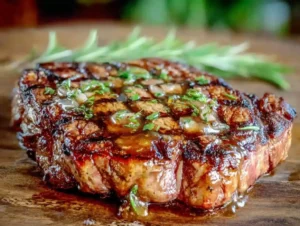
A simple and delicious reverse-sear ribeye steak with brown butter herb sauce, perfect for busy weeknights and special occasions. This method ensures perfectly cooked, tender meat with a rich, nutty sauce.
- 1 large ribeye steak, about 1 to 1½ inches thick, 12-16 oz (340-450g)
- 1½ teaspoons kosher or sea salt
- 1 teaspoon freshly ground black pepper
- 2 tablespoons high smoke point oil (grapeseed or avocado oil)
- 4 tablespoons (57g) unsalted butter
- 2 cloves fresh garlic, smashed
- 2 teaspoons chopped fresh thyme
- 2 teaspoons chopped fresh rosemary
- 1 teaspoon freshly squeezed lemon juice
- Salt and pepper to taste
- 1Prep and Salt the Steak (40+ minutes, mostly hands-off): Pat the ribeye dry and season generously on both sides with kosher salt. Let it sit uncovered on a wire rack in the fridge for at least 40 minutes or up to overnight.
- 2Bring Steak to Room Temperature (15 minutes): Let the steak sit out for about 15 minutes before cooking. Preheat oven to 275°F (135°C).
- 3Slow Cook the Steak in the Oven (20-30 minutes): Place steak on a wire rack over a baking sheet. Insert an instant-read thermometer into the thickest part. Roast until 10-15°F below desired final temperature (120°F for rare, 130°F for medium-rare).
- 4Sear the Steak (3-4 minutes): Heat cast iron skillet over high heat with 2 tablespoons oil until shimmering. Pat steak dry again. Sear steak 1.5 to 2 minutes per side until deep brown crust forms. Add black pepper as you flip. Sear edges if thick.
- 5Make the Brown Butter Herb Sauce & Rest (5 minutes): While steak rests, melt butter in a small saucepan over medium heat until golden brown and nutty (3-4 minutes). Add smashed garlic and fresh herbs, cook 1 minute. Remove from heat, stir in lemon juice, salt, and pepper. Spoon sauce over steak before serving.
Keywords: reverse sear, ribeye steak, steak recipe, brown butter herb sauce, easy steak, weeknight dinner, steakhouse steak
Refer to the recipe card for precise quantities of each ingredient; the goal here is to gather the building blocks for an unforgettable steak experience.
Variations
Once you’ve mastered the classic reverse-sear ribeye with brown butter herb sauce, the culinary landscape opens up with delightful possibilities for customization and adaptation. This versatile technique and accompanying sauce serve as a fantastic base for numerous flavor profiles and dietary considerations, ensuring that this steak experience can be tailored to almost any palate or preference.
For those seeking a plant-based twist, while a direct vegan substitute for ribeye is not applicable, the principles of slow cooking followed by a quick sear can be applied to large portobello mushrooms or thick slices of cauliflower steak. The brown butter herb sauce, in this instance, would be replaced by a rich cashew cream sauce infused with garlic and herbs, or a robust balsamic glaze, offering a deeply satisfying vegetarian alternative.
If you’re following a low-carb or ketogenic lifestyle, this ribeye steak recipe is already a champion. The key is to be mindful of any accompanying sides. Instead of traditional mashed potatoes, consider serving with a cauliflower mash or a vibrant medley of sautéed asparagus and green beans. The brown butter herb sauce is naturally low in carbohydrates, making it a perfect accompaniment that adds richness without derailing your dietary goals.
Another exciting avenue to explore is the addition of international flair. Imagine infusing the brown butter with a touch of miso paste for an umami-rich twist, or incorporating a hint of gochujang for a Korean-inspired subtle heat. You could also experiment with different herb combinations, perhaps adding a sprig of tarragon for a delicate anise note, or a pinch of smoked paprika for a deeper, more complex flavor profile. These small adjustments can transform the dish into something entirely new and exciting, keeping your culinary repertoire fresh and inspiring.
How to Prepare reverse sear ribeye steak brown butter herb sauce
Step 1: Preparing and Salting the Steak
The foundation of a truly exceptional reverse-sear ribeye steak begins long before it hits the oven or the pan; it starts with meticulous preparation and thoughtful seasoning. Take your thick-cut ribeye steak, ideally between 1 to 1.5 inches thick, out of its packaging. Gently but thoroughly pat it completely dry using paper towels. This step is absolutely critical, as moisture on the surface of the steak will steam rather than sear, preventing the development of that coveted, crispy brown crust.
Once impeccably dry, generously season both sides of the ribeye with kosher salt or sea salt. Don’t be shy; a good amount of salt is essential for both flavor and for initiating the dry-brining process. For the absolute best results, place the seasoned steak on a wire rack set over a baking sheet. This allows air to circulate freely around the entire steak, promoting even drying and seasoning penetration. Refrigerate the steak uncovered for at least 40 minutes, or ideally, for several hours, or even overnight. This dry-brining period allows the salt to work its magic, drawing out moisture, then reabsorbing it, resulting in a more tender and deeply flavored steak.
This initial step is a passive one, requiring no active cooking, but it is arguably the most crucial for achieving that perfect steakhouse texture and taste. The longer it rests in the fridge, the more pronounced the benefits will be, transforming a good steak into an outstanding one. If you are short on time, even 40 minutes of resting on the wire rack after salting will make a noticeable difference.
Step 2: Bringing the Steak to Room Temperature and Preheating
After its extended slumber in the refrigerator, it’s time to prepare the ribeye for its gentle oven journey. Remove the steak from the refrigerator approximately 15 to 20 minutes before you intend to start the cooking process. Allowing the steak to come closer to room temperature helps it to cook more evenly in the oven, reducing the likelihood of the exterior cooking significantly faster than the interior. A steak that is closer to room temperature will cook more predictably.
While the steak is acclimating, preheat your oven to a relatively low temperature. For this reverse sear method, 275°F (135°C) is ideal. This low and slow approach allows the steak to cook gently and uniformly through its thickest part, bringing it up to temperature without developing a tough, overcooked exterior. The oven’s consistent, gentle heat is key to the success of the reverse sear technique, setting the stage for a perfect final sear.
As the oven heats and the steak rests, take this time to ensure your baking sheet and wire rack are ready. The wire rack is essential for promoting even airflow around the steak, which is fundamental to the reverse searing process. This methodical approach ensures that every part of the steak is treated with care, leading to a superior final product.
Step 3: The Slow Cook in the Oven
Now, it’s time for the “reverse” part of the reverse sear. Place the ribeye steak, still on its wire rack set atop the baking sheet, into the preheated 275°F (135°C) oven. The goal here is to gently bring the internal temperature of the steak up to just below your desired final doneness. Insert an instant-read meat thermometer into the thickest part of the steak, ensuring it doesn’t touch any bone or fat pockets that could give a false reading. This thermometer is your most valuable tool for achieving precise results.
The cooking time in the oven will vary depending on the thickness of your steak and your desired level of doneness. For a rare steak, you’ll aim for an internal temperature of around 115-120°F (46-49°C). For medium-rare, target 125-130°F (52-54°C). For medium, aim for 135-140°F (57-60°C). A general guideline for a 1.5-inch thick ribeye is about 20-30 minutes, but always rely on the thermometer. The low temperature of the oven ensures that even as the internal temperature rises, the exterior remains relatively pale, setting the stage for the dramatic transformation that will happen in the next step.
Resist the urge to open the oven door frequently, as this can cause the temperature to fluctuate and extend the cooking time. Trust the thermometer; it will tell you precisely when the steak has reached its target internal temperature. This slow cooking phase is where the magic of even cooking truly happens, ensuring a tender, uniformly cooked interior.
Step 4: Achieving the Perfect Sear
This is where the steak transitions from its gentle oven bake to its glorious, crusty finale. Once the steak has reached your target internal temperature in the oven (remembering to pull it about 10-15°F below your ultimate desired temperature, as it will continue to cook), remove it from the oven. Immediately place a heavy-bottomed skillet, ideally cast iron, over high heat. Add 2 tablespoons of a high-smoke point oil, such as grapeseed or avocado oil, to the skillet.
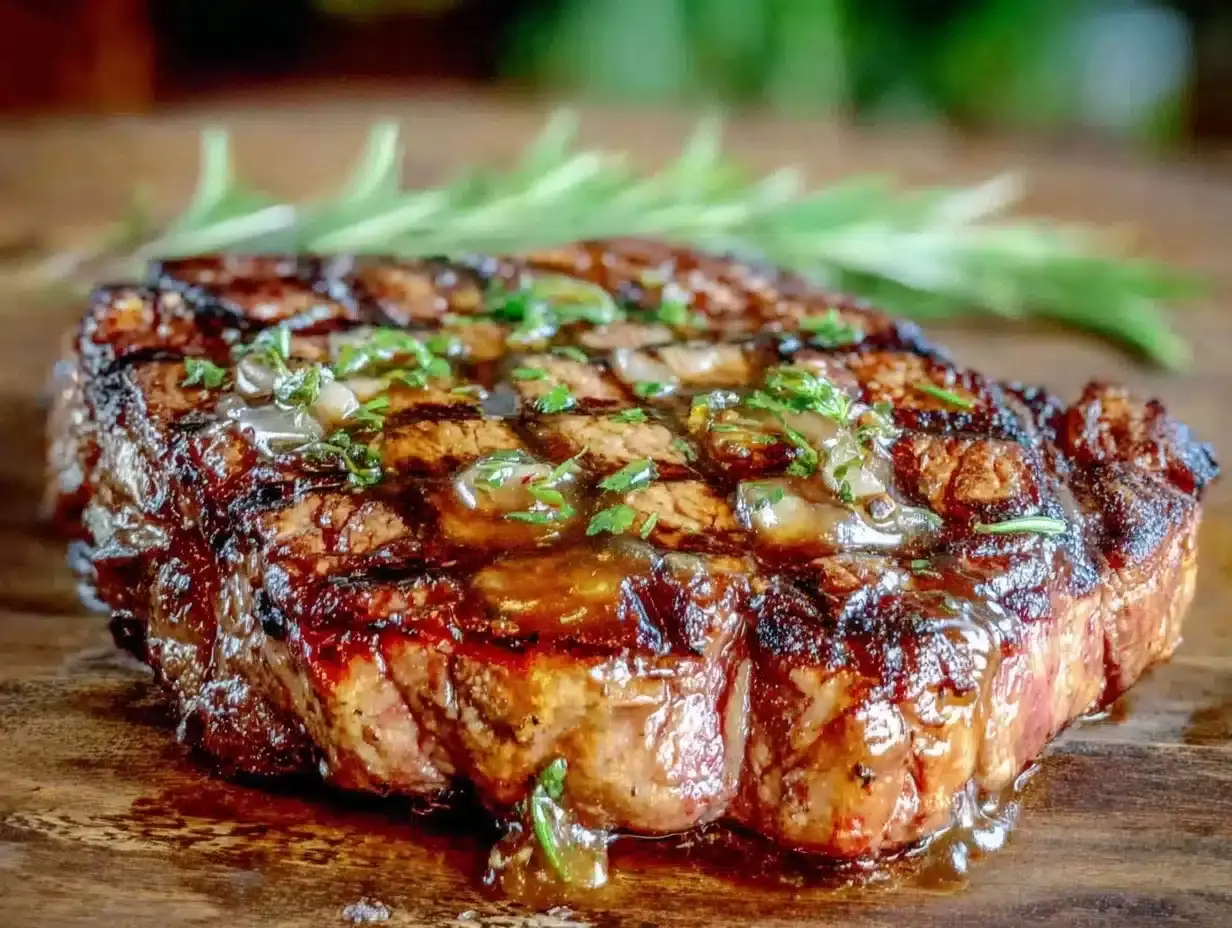
Allow the skillet to heat up until the oil is shimmering and just beginning to smoke. This high heat is crucial for creating that beautiful, Maillard reaction-induced crust. Carefully transfer the steak into the screaming-hot skillet. Sear for approximately 1.5 to 2 minutes per side. You are looking for a deep, rich brown crust to form. As you flip the steak, season the newly seared side with freshly ground black pepper, which can burn at high temperatures if added too early. If your steak is particularly thick, use tongs to briefly sear the edges as well, ensuring all sides have a beautiful crust.
The goal here is speed and intensity. You’re not trying to cook the steak further, but rather to caramelize the surface. The dry-brined steak and the high heat combine to create a magnificent crust in a very short amount of time. This step is vital for both the visual appeal and the textural contrast that makes a great steak so satisfying. Ensure you have good ventilation, as this searing process can create some smoke.
Step 5: Crafting the Brown Butter Herb Sauce and Resting
While your perfectly seared ribeye steak rests, it’s time to create the sublime brown butter herb sauce that will elevate it to new heights. Transfer the steak to a clean cutting board and let it rest for at least 5-10 minutes. This resting period is non-negotiable; it allows the juices, which have been driven to the surface during cooking, to redistribute throughout the steak, ensuring maximum tenderness and juiciness. Cutting into it too soon will result in a loss of those precious juices.
In a small saucepan or a clean skillet over medium heat, melt 4 tablespoons of unsalted butter. Watch the butter carefully as it melts and begins to foam. Continue to cook, swirling the pan occasionally, until the milk solids at the bottom of the pan turn a deep golden brown and the butter develops a rich, nutty aroma. This process, known as browning the butter, takes about 3-4 minutes and transforms ordinary butter into an elixir of flavor. Be vigilant, as burnt butter is bitter and will ruin the sauce.
Once the butter is beautifully browned, add 2 cloves of smashed garlic and 2 teaspoons each of chopped fresh thyme and rosemary. Cook for another minute, stirring gently, until the garlic is fragrant and the herbs have infused the butter. Remove the pan from the heat and stir in 1 teaspoon of freshly squeezed lemon juice, which adds a vital touch of brightness to cut through the richness. Season the sauce with salt and pepper to taste. Spoon this aromatic, nutty brown butter herb sauce generously over the rested, sliced ribeye just before serving.
Pro Tips for reverse sear ribeye steak brown butter herb sauce
Achieving steak perfection is an art, and with the reverse sear method, it becomes a science accessible to everyone. These seasoned tips will ensure your reverse-sear ribeye steak with brown butter herb sauce is consistently spectacular, moving you from good to truly great.
Don’t Skip the Dry Brine: This is non-negotiable for developing deep flavor and aiding in crust formation. Even 40 minutes makes a difference, but overnight is sublime. If you can’t salt ahead, a generous salting just before cooking is better than none, but lacks the tenderizing benefits.
Moisture is the Enemy of Crust: After the oven, pat your steak *very* dry with paper towels before it hits the hot skillet. This is paramount for achieving that beautiful, crispy sear rather than a steamed exterior.
Invest in a Reliable Thermometer: This is the single most important tool for hitting your desired doneness. Don’t guess; use an instant-read thermometer to measure the thickest part of the steak. Remember carry-over cooking means pulling it a few degrees early.
High Heat is Your Friend for Searing: Ensure your pan is ripping hot before the steak goes in. A cast iron skillet is ideal because it retains and distributes heat exceptionally well. Don’t overcrowd the pan if cooking multiple steaks; sear them one at a time.
Resting is Mandatory: Always allow your steak to rest for at least 5-10 minutes after searing. This allows the juices to redistribute, resulting in a more tender and flavorful steak. Slicing too soon will lead to all the delicious juices running out onto the plate.
Watch the Brown Butter Like a Hawk: Browning butter is a delicate dance. It can go from perfectly nutty to burnt in mere seconds. Keep stirring and watch for the color change; remove it from the heat immediately once it reaches a rich, amber hue.
Herb Freshness Matters: While dried herbs can be used in a pinch, fresh thyme and rosemary provide a brighter, more vibrant flavor profile that truly complements the richness of the ribeye and brown butter. If using dried, use about one-third the amount and add them to the butter earlier to allow them to rehydrate and release their oils.
Serving Suggestions for reverse sear ribeye steak brown butter herb sauce
Decoration
Elevate the visual appeal of your reverse-sear ribeye steak by adding simple yet striking garnishes. A sprinkle of flaky sea salt just before serving provides a delicate crunch and visual sparkle. A few fresh sprigs of rosemary or thyme, lightly placed atop the steak or scattered around the plate, echo the flavors in the sauce and add a touch of rustic elegance. For a pop of color, a finely chopped chive or a light dusting of vibrant smoked paprika can also work wonders, making the dish as appealing to the eyes as it is to the palate.
Side Dishes
The rich, savory profile of the reverse-sear ribeye steak with brown butter herb sauce pairs wonderfully with a variety of accompaniments. Creamy mashed potatoes, whether classic or infused with garlic and herbs, offer a comforting and luxurious base. Roasted asparagus or Brussels sprouts, tossed with a little olive oil, salt, and pepper, provide a welcome crispness and a slightly bitter contrast to the steak’s richness. A simple, bright salad with a light vinaigrette can also serve as a refreshing counterpoint, balancing the decadence of the steak.
For a more substantial meal, consider pairing this steak with a hearty side like a fluffy German pancake (savory or sweet), a robust wild mushroom risotto, or even a side of baked sweet potato fries. The key is to choose sides that complement, rather than compete with, the star of the show. Explore the vast possibilities within the dinner category on our site for more inspiration.
Creative Serving Ideas
Take your steak presentation to the next level with a few creative serving ideas. Slice the ribeye against the grain into thick, generous portions and arrange them slightly overlapping on a warm platter. Drizzle the brown butter herb sauce generously over the slices, ensuring each piece is coated. For a family-style presentation, serve the whole rested steak at the table, allowing guests to admire its perfect crust before you carve it. You could also serve it alongside a small ramekin of extra brown butter herb sauce for diners to add more to their liking.
Consider a deconstructed approach: serve the sliced steak with a dollop of herb-infused mashed potatoes and a side of blistered cherry tomatoes. For an appetizer-style presentation, slice the steak thinly and serve it over grilled sourdough crostini, drizzled with the brown butter sauce, perhaps adding a dollop of horseradish cream for an extra kick. If you’re planning a dessert, this steak is a perfect main for a meal that also includes something like our easy berry tart for a sweet finish.
Preparation & Storage
Storing Leftovers
If you are fortunate enough to have any leftover reverse-sear ribeye steak, proper storage is key to maintaining its quality. Allow the steak to cool completely at room temperature before wrapping it tightly in plastic wrap or aluminum foil, or transferring it to an airtight container. Stored this way in the refrigerator, the steak should remain fresh and flavorful for up to 3 days. Ensure the container is truly airtight to prevent the steak from drying out or absorbing odors from other foods in the fridge.
The brown butter herb sauce can be stored separately in an airtight container in the refrigerator. It’s best to keep it separate from the steak until you are ready to reheat, as this allows for better control over how much sauce is reapplied. Storing leftovers properly ensures that you can enjoy the delicious flavors of this steak even after the initial meal has concluded.
Freezing
Freezing cooked steak, especially a tender cut like ribeye, is generally not recommended. The texture of the meat can change significantly after thawing, often becoming mushy or dry. The reverse-sear method is best enjoyed fresh or within a few days of preparation. While it’s possible to freeze, the resulting quality is unlikely to match the experience of eating it freshly cooked.
If you absolutely must freeze it, ensure the steak is cooled completely, wrapped very tightly in multiple layers of plastic wrap, followed by a layer of aluminum foil or placed in a vacuum-sealed bag. This will help to minimize freezer burn. However, be prepared for a noticeable difference in texture and flavor upon thawing and reheating. It’s far better to plan your meals to consume the steak within its optimal fresh period.
Reheating
Reheating leftover reverse-sear ribeye steak requires a gentle approach to preserve its tenderness and moisture. The best method is often a gentle pan-sear or a brief warming in the oven. If pan-searing, add a small amount of oil or butter to a skillet over medium-low heat. Place the steak in the pan and warm it through, flipping once, for just a few minutes until heated. Avoid high heat, which will cook the steak further and dry it out.
Alternatively, you can reheat the steak in a preheated oven at a low temperature, around 250°F (120°C), for about 5-10 minutes, depending on thickness. This method provides more even heating. Reheat the brown butter herb sauce gently in a small saucepan over low heat. Once the steak is warmed, spoon the reheated sauce over it. For best results, slice the steak thinly before reheating, as thinner slices warm more quickly and evenly.
Frequently Asked Questions
-
Can I use a different cut of steak for this reverse-sear method?
Absolutely! The reverse sear method is incredibly versatile and works beautifully with other thick-cut steaks. New York strip steaks, especially those at least 1.5 inches thick, are excellent candidates. Filet mignon, known for its tenderness, also benefits from this cooking approach, offering an unbelievably tender result. Even a thick-cut sirloin can be prepared this way, though it may not have the same marbling and richness as a ribeye or strip. For any cut, the key is thickness; thinner steaks are more prone to overcooking during the low-and-slow oven phase and won’t develop as substantial a crust during the sear. Always adjust your oven time based on the specific thickness of the steak and your desired final internal temperature, using an instant-read thermometer as your guide.
-
Why is the reverse sear considered better than traditional pan-searing for a thick steak?
The primary advantage of the reverse sear over traditional pan-searing for a thick steak lies in its control over the cooking process and the resulting evenness of doneness. In traditional pan-searing, the high heat cooks the exterior of the steak much faster than the interior. This often leads to a significant temperature gradient, meaning the edges can become overcooked (and dry) by the time the center reaches the desired temperature. The reverse sear, conversely, begins with a low-temperature oven cook. This gentle, even heat slowly brings the entire steak up to temperature simultaneously, minimizing that temperature gradient. Consequently, you achieve a perfectly uniform pink interior from edge to edge. The subsequent high-heat sear then focuses solely on creating that desirable, flavorful crust without overcooking the interior, making it the superior method for achieving steakhouse-quality results with thick cuts.
-
What if I don’t have fresh herbs for the brown butter sauce? Can dried herbs work?
Yes, dried herbs can certainly be used if fresh herbs are not available, although the flavor profile will be slightly different. Fresh herbs tend to offer a brighter, more vibrant taste, while dried herbs are more concentrated and can impart a deeper, earthier flavor. If using dried thyme and rosemary, you will want to use about one-third of the amount recommended for fresh herbs. It’s also beneficial to add the dried herbs to the butter a little earlier in the browning process, perhaps letting them infuse for a minute or two before adding any garlic or lemon juice. This allows the dried herbs to rehydrate and release their oils more effectively into the butter. While fresh herbs are always preferred for their distinct aromatics, dried herbs can still yield a delicious and satisfying brown butter sauce.