Reuben Casserole
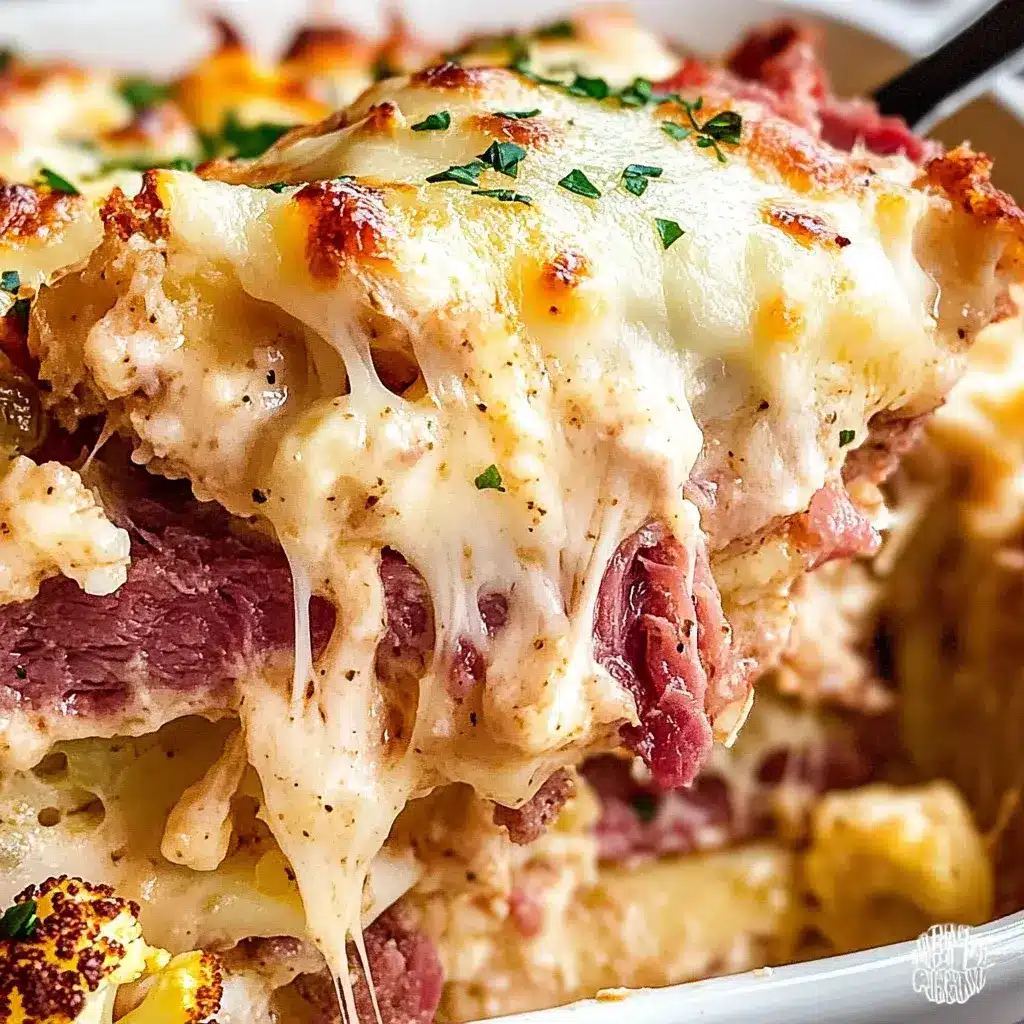
Reuben Casserole offers a comforting and delicious twist on a beloved deli classic, reimagined into a hearty baked dish perfect for any occasion. This recipe transforms the traditional Reuben sandwich into an easy-to-prepare casserole, bringing together savory corned beef, tangy sauerkraut, creamy thousand island dressing, and gooey melted Swiss cheese, all nestled atop a bed of tender roasted cauliflower. It’s a flavorful fusion that promises to satisfy cravings and impress your family and friends alike.
The beauty of this Reuben Casserole lies not only in its incredible taste but also in its adaptability and relatively simple preparation. It’s designed to be a forgiving and enjoyable cooking experience, even for those who might be new to casserole making. Get ready to embark on a culinary journey that is both nostalgic and exciting, creating a meal that’s a true testament to comfort food at its finest. This dish is a celebration of flavors and textures, making it a standout addition to your recipe repertoire.
Why You Will Love This Recipe
- Quick Preparation: This delicious casserole comes together with minimal fuss, making it an ideal option for busy weeknights when you need a satisfying meal on the table without extensive effort. It’s designed to be straightforward and efficient.
- Flavorful Layers: Experience a delightful symphony of tastes and textures with every bite, as the savory corned beef, zesty sauerkraut, creamy dressing, and rich Swiss cheese meld together beautifully. The roasted cauliflower base adds a grounding, earthy note that complements the other elements perfectly.
- Versatile Dish: This casserole is incredibly adaptable, fitting seamlessly into various dining scenarios, from casual family dinners to more formal potlucks and gatherings with friends. Its comforting nature makes it a crowd-pleaser every time.
- Healthier Twist: By incorporating roasted cauliflower as a base instead of bread or pasta, this Reuben Casserole offers a lighter, more vegetable-forward approach to a classic comfort food, proving that indulgence doesn’t have to mean compromising on health. It’s a guilt-free pleasure.
- Crowd-Pleasing Portions: Designed to serve a generous eight people, this recipe is perfect for larger families, entertaining guests, or ensuring you have delicious leftovers to enjoy throughout the week. It’s a substantial meal that’s ready to be shared.
Ingredients You Need
Crafting this exceptional Reuben Casserole begins with selecting fresh, high-quality ingredients that will ensure the best possible flavor and texture. The combination of classic Reuben components with the innovative cauliflower base creates a dish that is both familiar and exciting. Taking a moment to gather and appreciate these ingredients sets the stage for a successful and incredibly tasty culinary creation.
Reuben Casserole

A delightful twist on the traditional Reuben sandwich, this casserole features tender corned beef, creamy thousand island dressing, tangy sauerkraut, and melty Swiss cheese, all layered over a base of roasted cauliflower. It's an easy, comforting, and flavorful dish perfect for weeknight dinners or gatherings.
- 1 head Cauliflower (cut into bite-sized florets)
- 3 tbsp Avocado oil
- 1/2 tsp Sea salt
- 1/4 tsp Black pepper
- 1 14-oz can Sauerkraut (drained)
- 1 cup Sugar-free thousand island dressing
- 1 lb Corned beef (chopped into bite-size pieces)
- 8 oz Swiss cheese slices (about 8 slices; adjust based on thickness)
- 1Preheat your oven to 400°F (204°C).
- 2In a large bowl, toss cauliflower florets with avocado oil, sea salt, and black pepper until evenly coated.
- 3Spread the seasoned cauliflower in a single layer on a baking sheet. Roast for 25-30 minutes until tender and lightly browned.
- 4Transfer the roasted cauliflower to the bottom of a 9x13 baking dish.
- 5Top with drained sauerkraut.
- 6Drizzle with thousand island dressing.
- 7Add chopped corned beef evenly over the top.
- 8Finally, cover everything with Swiss cheese slices.
- 9Place the assembled casserole in the oven for 10-15 minutes until heated through and cheese is melted to perfection.
Keywords: reuben casserole, corned beef, sauerkraut, swiss cheese, cauliflower, comfort food, easy dinner, baked casserole, german-inspired
The quantities for each ingredient are detailed within the provided recipe card, ensuring you have all the precise measurements needed for perfect results. This ensures that the balance of flavors and textures will be just right, leading to a truly satisfying casserole.
Variations
To cater to different dietary preferences and taste buds, the classic Reuben Casserole can be wonderfully adapted into various exciting variations. These tweaks ensure that everyone can enjoy a delicious version of this comforting dish, expanding its appeal and making it even more inclusive.
For those seeking a plant-based option, a fantastic vegan Reuben Casserole can be created. Instead of corned beef, consider using hearty sautéed mushrooms or protein-rich lentils, which offer a satisfying chewiness and absorb flavors beautifully. The Swiss cheese can be expertly replaced with a plant-based alternative that melts well, and a vegan thousand island dressing, often made with cashew or silken tofu, will provide that signature creamy tang. This adaptation still captures the essence of the Reuben flavor profile while being entirely vegan-friendly and incredibly delicious.
A low-carb version is also remarkably achievable and equally delectable. The existing cauliflower base is already a brilliant low-carb foundation, so the focus shifts to the topping. While traditional Reuben sandwiches rely heavily on rye bread, this casserole skips that entirely. Ensuring your thousand island dressing is low in sugar is key, and you can certainly enhance the savory elements with extra seasonings or a touch of Dijon mustard mixed into the filling. This variation is perfect for those managing their carbohydrate intake without sacrificing flavor.
Another creative adaptation could involve a “Deconstructed Reuben” approach, perfect for a lighter meal or appetizer. Instead of a baked casserole, you could serve layers of shredded corned beef, warm sauerkraut, toasted rye bread croutons, and a dollop of creamy thousand island dressing, all topped with a sprinkle of melted Swiss cheese. This presents the flavors in a more distinct and elegant way, allowing each component to shine individually while still offering that classic Reuben taste in a different format.
How to Prepare Reuben Casserole
Step 1: Prepare the Cauliflower Base
Begin by preheating your oven to a moderately high temperature, specifically 400 degrees Fahrenheit (204 degrees Celsius). This crucial first step ensures that your oven is at the optimal temperature for roasting the cauliflower, which forms the savory and wholesome foundation of our casserole. Getting the oven ready beforehand saves valuable time during the assembly process, allowing for a smooth transition from preparation to baking.
While the oven heats, meticulously prepare the cauliflower florets. You will want to cut a whole head of cauliflower into bite-sized pieces, ensuring they are roughly uniform in size for even cooking. This uniformity is key to preventing some pieces from becoming overcooked and mushy while others remain undercooked and firm. Aim for pieces that are substantial enough to hold their shape throughout the baking process but small enough to be easily eaten with a fork.
Once the florets are cut, transfer them into a large mixing bowl. Drizzle them generously with avocado oil, ensuring each piece is lightly coated. Season them with sea salt and freshly ground black pepper, using the recommended amounts to enhance the natural flavors of the cauliflower. Toss everything together thoroughly until the florets are evenly coated with oil and seasonings, creating a flavorful base ready for roasting.
Step 2: Roast the Cauliflower to Perfection
Arrange the seasoned cauliflower florets in a single, even layer across a large baking sheet. It is essential to avoid overcrowding the baking sheet, as this can lead to steaming rather than roasting, resulting in less desirable texture. If necessary, use two baking sheets to ensure adequate space for each floret to develop a beautiful, slightly caramelized exterior. This even distribution promotes consistent browning and tenderization.
Place the baking sheet into the preheated oven and allow the cauliflower to roast for approximately 25 to 30 minutes. During this time, keep an eye on the florets, as roasting times can vary slightly depending on your oven and the size of your florets. You are looking for them to become tender when pierced with a fork and develop lovely golden-brown edges, indicating a delicious depth of flavor has been achieved through caramelization.
Carefully remove the baking sheet from the oven once the cauliflower has reached the desired tenderness and color. The roasted cauliflower should have a delightful aroma and a slightly chewy texture, making it a perfect, low-carb alternative to traditional casserole bases. This step is vital for building the flavor profile of the entire dish, so do not rush the roasting process.
Step 3: Assemble the Flavorful Layers
Once the cauliflower is perfectly roasted and slightly cooled, it’s time to assemble the casserole. Keep the oven on at the same temperature (400°F or 204°C) as the next stage involves baking the assembled dish. Carefully transfer all the roasted cauliflower florets directly into the bottom of a 9×13 inch baking dish. Spread them out evenly to create a solid, consistent layer that will serve as the hearty base for all the delicious toppings to come.
The next crucial layer involves the sauerkraut. Ensure that the sauerkraut has been thoroughly drained of its liquid before adding it to the dish. Excess moisture can make the casserole watery and dilute the flavors, so squeezing out as much liquid as possible is a vital step for achieving the perfect consistency. Sprinkle the drained sauerkraut evenly over the bed of roasted cauliflower, distributing it across the entire surface to ensure every bite gets a hint of its tangy goodness.
Following the sauerkraut, it’s time to introduce the creamy element that binds the flavors together. Drizzle the sugar-free thousand island dressing generously over the sauerkraut layer. Aim for an even distribution, ensuring that the dressing lightly coats the sauerkraut and starts to seep down towards the cauliflower base. This dressing is a signature component of any Reuben-inspired dish, providing a sweet and tangy counterpoint to the savory meats and cheese.
Step 4: Add the Savory Corned Beef
Now comes the star of the show: the corned beef. Ensure that your corned beef has been chopped into bite-sized pieces. This makes it easier to distribute evenly throughout the casserole and ensures that each serving contains a satisfying amount of this flavorful meat. If you are using leftover corned beef, ensure it is still moist and flavorful; if it seems a bit dry, a small splash of beef broth can help rehydrate it.
Carefully and evenly distribute the chopped corned beef over the layer of thousand island dressing. Take your time to ensure the meat is spread across the entire surface of the baking dish. Avoid clumping the corned beef in one area; a uniform distribution will guarantee that the savory richness of the corned beef is present in every forkful of the finished casserole. This evenness is key to a balanced and enjoyable eating experience.
The corned beef layer acts as a hearty and satisfying component, complementing the tanginess of the sauerkraut and the creaminess of the dressing. Its distinct flavor profile is what truly makes this dish reminiscent of the classic Reuben sandwich, bringing that familiar comfort food essence into a baked casserole format. This addition significantly enhances the overall richness and appeal of the dish.
Step 5: Top with Melty Swiss Cheese
The final, glorious layer of our Reuben Casserole is the Swiss cheese. Arrange the slices of Swiss cheese meticulously over the entire surface of the corned beef and sauerkraut mixture. Ensure that the cheese slices overlap slightly to create a complete, unbroken blanket. This will ensure that when it melts, it forms a beautiful, cohesive, and gooey topping that is utterly irresistible.
If you are using pre-shredded Swiss cheese, distribute it evenly to create a thick, consistent layer. The goal is to have enough cheese so that it melts and pools, creating those coveted cheesy pockets that make casseroles so comforting. Adjust the amount of cheese based on your personal preference – some like a light dusting, while others prefer a truly decadent, cheese-laden top. The quantity specified in the recipe is a good starting point for a satisfying cheese layer.
Once the cheese is artfully arranged, the casserole is ready for its final bake. This step is where all the individual components come together, melding their flavors and transforming into a cohesive, comforting dish. The melting cheese acts as a delicious seal, locking in the flavors of the layers below and creating a visually appealing, golden-brown topping that signifies a perfectly cooked casserole.
Step 6: Bake Until Golden and Bubbly
Carefully place the assembled casserole dish into the preheated oven, which should still be at 400°F (204°C). The high heat is ideal for melting the cheese thoroughly and ensuring the entire casserole is heated through. You want the edges to be slightly bubbly and the cheese on top to be fully melted and beginning to turn a beautiful golden-brown hue.
Allow the casserole to bake for approximately 10 to 15 minutes. During this time, keep a close watch on it, as ovens can vary in temperature and baking intensity. The objective is to achieve a perfectly melted and slightly browned cheese topping without burning it. The filling should be heated through, and the flavors should have had a chance to meld together harmoniously under the cheesy blanket.
Once the cheese is gloriously melted and bubbly, and the casserole is heated through, carefully remove it from the oven using oven mitts. Allow the Reuben Casserole to rest for about 5-10 minutes before serving. This resting period is crucial; it allows the cheese to set slightly and the internal temperature to even out, preventing the casserole from falling apart when you serve it. This brief pause ensures a more cohesive and enjoyable serving experience.
Pro Tips for Reuben Casserole
Selecting Quality Corned Beef: For the best flavor, opt for high-quality corned beef. Whether you’re using leftover baked corned beef or purchasing it specifically for this recipe, ensure it has a good balance of meat and fat. Chopping it into uniform, bite-sized pieces is key for even distribution and a pleasant texture in every spoonful of the casserole.
Draining Sauerkraut Thoroughly: This is a critical step that cannot be overstated. Excess liquid from the sauerkraut can make your entire casserole watery and dilute the flavors. Squeeze out as much liquid as humanly possible by pressing it in a fine-mesh sieve or wrapping it in paper towels before adding it to the dish. The tanginess is desired, but not the excess moisture.
Don’t Skip Roasting the Cauliflower: While you could technically use raw cauliflower, roasting it first is essential for developing its flavor and achieving the right texture. Roasting brings out a subtle sweetness and a slightly nutty character, and it ensures the cauliflower is tender but not mushy. This step adds a crucial layer of depth to the casserole.
Customizing the Dressing: While sugar-free thousand island dressing is recommended for a lighter option, feel free to use your favorite brand or even a homemade version. You can also add a touch of Dijon mustard or a dash of Worcestershire sauce to the dressing for an extra layer of savory complexity. Taste and adjust the dressing to your preference before assembling.
Achieving the Perfect Cheese Melt: For a beautiful, golden-brown topping, ensure the cheese slices completely cover the casserole. If you want an extra crispy, browned top, you can switch the oven to broil for the last 1-2 minutes of baking, watching it very closely to prevent burning. This final touch adds a delightful textural contrast.
Serving Suggestions for Reuben Casserole
Decoration
While the melted Swiss cheese provides a naturally appealing golden top, a few simple garnishes can elevate the presentation of your Reuben Casserole. A scattering of fresh, finely chopped chives or parsley over the hot, bubbly cheese adds a vibrant touch of green and a hint of fresh aroma. These herbs offer a visual contrast and a refreshing counterpoint to the rich flavors of the casserole. Consider a very light sprinkle of paprika for a subtle color boost and a hint of warmth.
Side Dishes
This hearty casserole pairs beautifully with a variety of side dishes that complement its rich and savory profile. A crisp, tangy coleslaw is a classic accompaniment, its crunch and acidity cutting through the richness of the cheese and corned beef. Alternatively, a simple mixed green salad with a light vinaigrette offers a refreshing balance and adds a touch of brightness to the meal. For those who enjoy a starchy side, warm garlic bread or soft dinner rolls are perfect for sopping up any extra deliciousness from the dish.
Roasted vegetables also make excellent partners. Lightly seasoned roasted Brussels sprouts, asparagus, or green beans can provide a lovely textural and flavor contrast. The slight bitterness of Brussels sprouts, for example, works wonderfully against the savory notes of the casserole. Even a simple side of steamed broccoli can add a healthy and colorful element to your plate, ensuring a well-rounded and satisfying meal that appeals to both the palate and the eye.
Creative Serving Ideas
To present this Reuben Casserole in a unique way, consider serving individual portions in small, oven-safe ramekins. This allows for elegant single-serving presentations, perfect for dinner parties or when you want to add a touch of sophistication. The classic 9×13 inch dish is ideal for family-style serving, allowing everyone to dig in and enjoy the comforting layers together.
Another fun idea is to serve the casserole alongside a selection of pickles – dill pickles, bread and butter pickles, or even spicy pickled onions. The briny, acidic nature of pickles is a traditional complement to Reuben flavors and adds an extra pop of tanginess. You could also present it with a small dollop of extra thousand island dressing on the side for those who enjoy a creamier bite. Exploring these serving styles can transform your Reuben Casserole experience.
Preparation & Storage
Storing Leftovers
Reuben Casserole is exceptionally well-suited for leftovers, often tasting just as good, if not better, the next day. To store it properly, allow the casserole to cool down to room temperature for about an hour after baking. This prevents excess condensation inside the storage container. Once cooled, transfer any remaining portions into an airtight container.
Seal the container tightly to prevent the casserole from drying out or absorbing any unwanted odors from the refrigerator. Store the covered casserole in the refrigerator for up to 3 to 4 days. Ensure the refrigerator temperature is maintained at or below 40°F (4°C) to guarantee food safety and optimal freshness. Properly stored leftovers maintain their delicious flavor and texture, making them a convenient meal solution.
Freezing
This Reuben Casserole freezes beautifully, making it an excellent candidate for meal prepping or stocking up for future busy nights. For freezing, it’s best to portion the casserole into individual servings or smaller batches into freezer-safe containers or heavy-duty aluminum foil. Ensure each portion is wrapped tightly to prevent freezer burn.
Alternatively, you can freeze the entire unbaked or baked casserole in its baking dish if it is freezer-safe, ensuring it’s well-covered with plastic wrap followed by a layer of aluminum foil. Properly frozen, the casserole will maintain its quality for up to 2 to 3 months. Label each container with the date of freezing to keep track of freshness.
Reheating
When you are ready to enjoy your frozen or refrigerated Reuben Casserole, reheating is straightforward and ensures it’s served warm and delicious. For refrigerated leftovers, preheat your oven to 350°F (175°C). Place the casserole in an oven-safe dish, cover it with foil to prevent the top from drying out or burning, and heat for about 20-25 minutes, or until it is heated through and bubbling. Remove the foil for the last few minutes if you wish to re-crisp the cheese topping.
If reheating from frozen, the process will take a bit longer. It’s generally recommended to thaw the casserole overnight in the refrigerator first for the most even results. However, if you’re short on time, you can reheat directly from frozen by increasing the oven temperature slightly to 375°F (190°C) and baking, covered, for approximately 40-50 minutes, or until thoroughly heated. Microwave reheating is also an option for small portions; place a serving in a microwave-safe bowl and heat on medium power for 2-3 minutes, stirring halfway through, until warm.
Frequently Asked Questions
-
What is the best type of corned beef to use for Reuben Casserole?
The best type of corned beef for Reuben Casserole is typically a high-quality, lean cut that is already cooked. This can be leftover corned beef from St. Patrick’s Day or deli-style corned beef. If using a raw cut, you would need to cook it thoroughly before chopping and adding it to the casserole. The key is to have tender, flavorful meat that is easy to chop into bite-sized pieces for even distribution throughout the dish. Ensure it’s not overly fatty, as this can make the casserole greasy. Chopping it evenly ensures that each serving receives a balanced amount of the savory meat component.
-
Can I make Reuben Casserole ahead of time and freeze it?
Yes, absolutely! Reuben Casserole is an excellent candidate for making ahead and freezing, which is perfect for busy schedules. You can assemble the entire casserole up to the point of baking, cover it tightly with plastic wrap and then foil, and refrigerate it for up to 24 hours before baking. For longer storage, you can freeze the unbaked or baked casserole. If freezing unbaked, thaw it in the refrigerator overnight before baking as usual, perhaps adding a few extra minutes to the baking time. If freezing baked casserole, allow it to cool completely, then wrap portions tightly and freeze. Reheat from frozen in a 350°F (175°C) oven until heated through.
-
How can I make this Reuben Casserole gluten-free or vegetarian?
To make this Reuben Casserole gluten-free, the primary consideration is ensuring all your ingredients are certified gluten-free. The recipe as written, with its cauliflower base, is inherently gluten-free, so you just need to check labels on the thousand island dressing and corned beef (if using pre-packaged). For a vegetarian version, replace the corned beef with a hearty plant-based alternative. Sautéed mushrooms, particularly cremini or portobello, offer a meaty texture and earthy flavor. Another great option is seasoned lentils, which provide protein and a satisfying chew. You can also substitute a plant-based Swiss cheese and ensure your thousand island dressing is vegan/vegetarian.