Red Wine Vinaigrette: The Perfect Easy Dressing Recipe
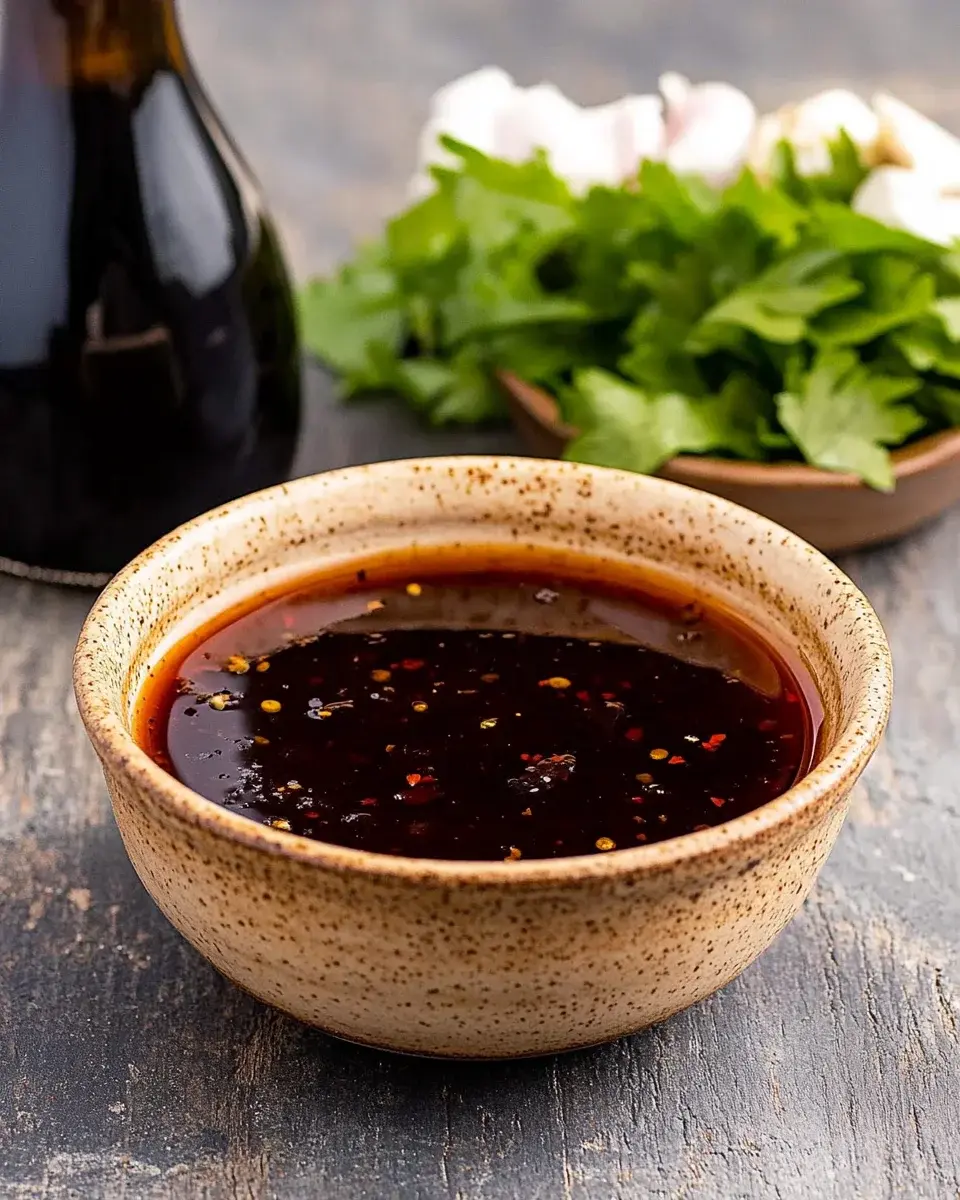
Elevate your everyday meals with the vibrant zest of a homemade Red Wine Vinaigrette. This classic dressing is incredibly simple to prepare, yet it offers a sophisticated flavor profile that can transform ordinary salads into culinary masterpieces. Its versatility extends far beyond greens, making it a fundamental addition to any home cook’s repertoire.
Imagine a dressing that takes mere minutes to whip up, bursting with bright, tangy notes that awaken the palate. That’s exactly what this Red Wine Vinaigrette delivers, providing a healthy and flavorful alternative to store-bought dressings. Prepare to discover why this recipe is destined to become a go-to favorite.
Why You Will Love This Recipe
- Quick Preparation: This vinaigrette comes together in under 5 minutes, making it an ideal choice for weeknight meals or when you need a last-minute flavorful addition to your dishes.
- Zesty & Tangy Flavor: The perfect balance of sharp red wine vinegar and mellow olive oil, complemented by Dijon mustard and garlic, creates an irresistible zing that brightens any salad.
- Incredible Versatility: Beyond salads, this dressing shines as a marinade for proteins and vegetables, a flavorful drizzle for roasted items, or even as a base for more complex sauces.
- Wholesome Ingredients: Crafted from simple, high-quality pantry staples, this vinaigrette offers a nutritious and delicious way to enhance your meals without artificial additives.
- Customizable to Your Taste: Easily adjust the ratios of vinegar to oil, or experiment with adding fresh herbs, spices, or a touch of sweetener to perfectly match your personal preferences.
Ingredients You Need
The beauty of this Red Wine Vinaigrette lies in its simplicity and the quality of its components. Using fresh, high-quality ingredients will truly make a difference in the final taste. Opt for a good extra virgin olive oil and a robust red wine vinegar for the best results.
Red Wine Vinaigrette
Red Wine Vinaigrette is a quick and easy salad dressing that packs a zesty punch. This versatile dressing works perfectly for salads or as a flavorful marinade for meats and vegetables.
- 1/4 cup red wine vinegar
- 1/2 cup olive oil
- 1 tsp Dijon mustard
- 1 garlic clove, finely minced
- 1 tsp salt
- Freshly ground pepper to taste
- 1In a bowl, combine red wine vinegar, minced garlic, Dijon mustard, salt, and pepper.
- 2Gradually pour in the olive oil while whisking vigorously until well combined. Alternatively, place all ingredients in a jar, seal tightly, and shake until emulsified.
- 3Use immediately or store in an airtight container in the refrigerator for up to one week.
Keywords: Red Wine Vinaigrette, Salad Dressing, Marinade, Easy Dressing, Homemade Dressing
- red wine vinegar: a cornerstone ingredient, providing a sharp and fruity base note.
- olive oil: a high-quality extra virgin olive oil lends a smooth, rich texture and peppery undertones.
- dijon mustard: acts as an emulsifier, helping to bind the oil and vinegar, and adds a subtle pungent depth.
- garlic clove: freshly minced garlic offers a pungent, aromatic kick that elevates the overall flavor profile.
- salt: essential for enhancing all the other flavors and bringing balance to the dressing.
- freshly ground pepper: adds a touch of warmth and complexity, awakening the senses with its aroma and mild spice.
The exact quantities for these ingredients can be found within the detailed recipe card provided, ensuring you achieve the perfect balance every time.
Variations
While the classic Red Wine Vinaigrette is superb on its own, it’s also a fantastic canvas for creative variations. Experimenting with different additions can lead to exciting new flavor profiles that suit a wide array of dishes and preferences.
Consider a Herbed Red Wine Vinaigrette by finely chopping fresh herbs like basil, parsley, chives, or oregano and whisking them into the dressing. These fresh additions bring a burst of garden-fresh aroma and a delightful visual appeal, making your salads even more enticing.
For those seeking a sweeter or richer note, a Sweetened or Honey-Dijon Vinaigrette is an excellent option. A tablespoon of honey or maple syrup can balance the tanginess of the vinegar, while a touch more Dijon mustard amplifies its creamy texture and flavor. This variation pairs wonderfully with hearty greens and grilled meats.
A Spicy Kick Vinaigrette can be achieved by adding a pinch of red pepper flakes or a dash of your favorite hot sauce. This adds an exciting layer of heat that is particularly delightful when paired with grilled chicken or robust vegetable salads. It’s a simple adjustment that packs a flavorful punch.
For a more complex flavor profile, try incorporating a small amount of Balsamic Red Wine Vinaigrette. A tablespoon or two of good quality balsamic vinegar can add a layer of sweetness and depth, creating a richer, darker dressing. This is perfect for salads with cheeses or fruits.
Embracing these variations allows you to tailor the vinaigrette to specific dishes or to simply keep your culinary creations exciting and new. Each tweak offers a unique sensory experience, demonstrating the remarkable adaptability of this fundamental dressing.
How to Prepare Red Wine Vinaigrette
Step 1: Combine the Foundation Ingredients
Begin by gathering a medium-sized mixing bowl and a whisk. Into this bowl, carefully measure and add the red wine vinegar. This tangy liquid forms the vibrant backbone of your vinaigrette, providing its signature zest.
Next, introduce the freshly minced garlic clove into the bowl with the vinegar. The sharp aroma of the garlic will already begin to mingle with the vinegar’s acidity, promising a depth of flavor. Then, add the Dijon mustard; this creamy condiment is crucial not only for its distinct flavor but also for its emulsifying properties, which will help bind the oil and vinegar later on.
Finally, season the mixture with the salt and freshly ground black pepper. The salt is essential for awakening and harmonizing all the flavors, while the pepper adds a subtle warmth and aromatic complexity. A good pinch of each is usually sufficient to start, with further adjustments made later to taste. These initial ingredients create the flavor base that the olive oil will beautifully emulsify into.
Step 2: The Art of Emulsification
Now comes the crucial step of incorporating the olive oil, which will transform the initial mixture into a cohesive vinaigrette. This process is known as emulsification, where two liquids that normally don’t mix (oil and vinegar) are persuaded to combine. The key here is to add the olive oil gradually while whisking continuously and vigorously.
Start by slowly drizzling the olive oil into the bowl. As you pour, maintain a steady and energetic whisking motion. The whisk’s rapid movement helps to break down the oil into tiny droplets that become suspended within the vinegar mixture. This constant agitation is vital for achieving a smooth, creamy texture rather than an oily, separated dressing.
Continue this process until all the olive oil has been incorporated and the vinaigrette has thickened slightly and taken on a uniform, opaque appearance. It should no longer look like separate layers of oil and vinegar, but rather a beautifully blended dressing. The vigorous whisking ensures that the emulsion is stable, at least for immediate consumption. The aroma will be wonderfully fragrant, a testament to the fresh ingredients you’ve combined.
Step 3: The Shake Method (A Quick Alternative)
For those who prefer an even quicker method or lack a whisk, the jar method is an excellent alternative for preparing your Red Wine Vinaigrette. This technique is particularly useful for making smaller batches or for when you’re on the go and need a portable dressing.
Gather a small jar with a tight-fitting lid. Carefully add all the prepared ingredients – the red wine vinegar, minced garlic, Dijon mustard, salt, and pepper – directly into the jar. This is a very straightforward assembly process, making cleanup minimal.
Once all ingredients are inside, securely screw the lid onto the jar. Then, shake the jar vigorously for about 30 seconds. The energetic shaking action mimics the emulsifying effect of whisking, forcing the oil and vinegar to combine rapidly. You’ll see the mixture become cloudy and slightly thickened as the emulsion forms. This method is incredibly efficient and produces a perfectly emulsified vinaigrette ready for immediate use.
Step 4: Tasting and Adjusting for Perfection
Once your vinaigrette has been prepared, either by whisking or shaking, the most important next step is to taste it. This is your opportunity to fine-tune the flavors to your exact preference. Spoon a small amount of the dressing onto a clean spoon or a small piece of lettuce to get an accurate sense of its taste profile.
Consider the balance of flavors: Is it too tangy? Does it need more salt? Perhaps a bit more pepper would enhance its complexity? If the dressing is too sharp, you can counteract it by adding a tiny bit more olive oil to smooth out the acidity or a small pinch of sugar or a drop of honey to provide a subtle sweetness.
If it lacks depth, a little more salt or pepper might be all it needs. Don’t be afraid to experiment; this is where you truly make the vinaigrette your own. A perfectly balanced vinaigrette should have a harmonious interplay between the acidity of the vinegar, the richness of the oil, and the savory notes of the seasonings.
Step 5: Immediate Use or Storage
Your Red Wine Vinaigrette is now ready to be enjoyed immediately! Its fresh flavors are at their peak when used shortly after preparation. Drizzle it generously over your favorite salad greens, toss it with roasted vegetables, or use it as a vibrant marinade for grilled chicken or fish.
If you happen to have any leftover dressing, or if you’ve made a larger batch, it can be stored for later use. Transfer the vinaigrette to an airtight container, such as a glass jar with a lid or a sealed bottle. Proper sealing is essential to prevent oxidation and maintain its freshness for as long as possible.
Stored correctly in the refrigerator, this homemade Red Wine Vinaigrette will retain its delightful flavor for up to a week. You may notice some separation upon standing, which is normal for homemade dressings. Simply shake or whisk it again before each use to re-emulsify it.
Step 6: Exploring Further Culinary Applications
The journey with your Red Wine Vinaigrette doesn’t have to end with a simple salad. Its bright, acidic profile makes it an exceptional marinade for a variety of proteins. Consider marinating chicken breasts, fish fillets, or even tofu for at least 30 minutes before grilling, baking, or pan-frying to infuse them with a wonderful tanginess and tenderize the meat.
Roasted vegetables also benefit immensely from a drizzle of this vinaigrette. Toss cooked root vegetables like carrots, potatoes, or beets with the dressing after they’ve come out of the oven. The warmth of the vegetables will help the vinaigrette meld into their flavors, creating a delicious side dish that’s anything but bland.
Furthermore, this vinaigrette can serve as a fantastic base for other culinary creations. It can be blended into dips, used to deglaze a pan after sautéing meats, or even incorporated into a flavorful pasta salad dressing. Its adaptability ensures it will be a frequent guest in your kitchen adventures.
Pro Tips for Red Wine Vinaigrette
Quality Matters: Always opt for the best quality extra virgin olive oil and red wine vinegar you can find. The simpler the recipe, the more the quality of individual ingredients shines through.
Achieve Perfect Emulsion: Whisk vigorously or shake the jar with gusto to ensure the oil and vinegar are well combined. A stable emulsion creates a smooth, cohesive dressing that coats ingredients beautifully. If it separates, a quick whisk or shake will bring it back together.
Taste and Adjust: Never skip the tasting step. Your palate is the ultimate judge. Adjust salt, pepper, and acidity (vinegar) or richness (oil) until the flavors sing. A tiny pinch of sugar can balance excessive tartness.
Fresh Herbs are Key: Incorporating fresh, finely chopped herbs like parsley, chives, basil, or dill adds a wonderful burst of freshness and aroma. Add them just before serving for the most vibrant flavor.
Consider Sweetness: If your red wine vinegar is particularly sharp, a small amount of honey, maple syrup, or even a pinch of sugar can provide a delightful counterpoint, rounding out the flavors beautifully.
Storage Smart: Store your vinaigrette in an airtight container in the refrigerator. While it’s best used within a week, you can extend its life by ensuring it’s properly sealed. Re-emulsify before each use.
Serving Suggestions for Red Wine Vinaigrette
Decoration
Garnish your salads with a sprinkle of fresh, finely chopped parsley or chives. A few toasted sesame seeds or a scattering of crumbled feta cheese can also add visual appeal and complementary flavors.
Side Dishes
This vinaigrette is a perfect accompaniment to a simple green salad, a Caprese salad, or a hearty grain salad. It also brightens up roasted vegetables like broccoli, asparagus, or Brussels sprouts.
Creative Serving Ideas
Use the Red Wine Vinaigrette as a marinade for grilled chicken or fish, or drizzle it over a platter of antipasto. It can even be used as a dressing for potato or pasta salads, adding a zesty kick to these crowd-pleasing favorites. Explore its use as a flavorful component in a rich bisque or as a base for a refreshing dessert sauce.
Preparation & Storage
Storing Leftovers
Leftover Red Wine Vinaigrette should be stored in an airtight container, such as a glass jar with a tight-fitting lid, in the refrigerator. This helps to maintain its freshness and prevent it from absorbing odors from other foods.
When stored properly, the vinaigrette can last for up to one week. You will notice that the oil and vinegar may separate over time, which is completely natural. Simply give the container a good shake or whisk the dressing again before each use to re-emulsify it.
Freezing
While it is possible to freeze Red Wine Vinaigrette, it is generally not recommended as it can negatively impact the texture. The emulsification may break down permanently upon thawing, leaving you with an oily and watery consistency that is difficult to salvage.
If you must freeze it, use a freezer-safe container and leave some headspace for expansion. However, it’s best to enjoy this vibrant dressing fresh or store it in the refrigerator for optimal results and flavor.
Reheating
If your vinaigrette has been refrigerated and has solidified slightly due to the olive oil, gentle reheating can help. You can warm it by placing the container in a bowl of warm water for a few minutes, stirring occasionally until the oil melts and the dressing becomes pourable again.
Alternatively, for small quantities, a few seconds in the microwave on low power or a brief warming on the stovetop over very low heat, with constant stirring, can achieve the desired consistency. Always ensure it is gently warmed and never boiled to preserve its fresh flavor profile.
Frequently Asked Questions
-
What makes Red Wine Vinaigrette so versatile?
The versatility of Red Wine Vinaigrette stems from its fundamental balance of acidity and richness, coupled with its bright, clean flavor. The acidity from the red wine vinegar acts as a tenderizer, making it an excellent marinade for meats and vegetables, allowing flavors to penetrate deeply. Simultaneously, the olive oil provides a smooth mouthfeel and carries fat-soluble flavors, creating a dressing that coats ingredients evenly without being heavy. This combination makes it suitable for everything from delicate leafy greens to robust roasted root vegetables, and its straightforward flavor profile doesn’t overpower other ingredients, allowing it to complement a wide array of culinary creations.
-
Can I substitute the red wine vinegar with another type of vinegar?
Absolutely! While red wine vinegar is traditional and provides a specific fruity tang, you can successfully substitute it with other vinegars depending on the desired flavor profile. For a milder, fruitier option, apple cider vinegar works well and is also great for marinades. Balsamic vinegar offers a sweeter, richer depth, though it will change the color and intensify the flavor, creating a different kind of dressing. White wine vinegar provides a clean, crisp acidity that is similar to red wine vinegar but lighter in color. Even champagne vinegar can be used for a more delicate and refined taste. Just remember that each vinegar has a unique flavor, so you might need to slightly adjust other seasonings, like salt or sweetness, to achieve your preferred balance.
-
How can I prevent my Red Wine Vinaigrette from separating?
Preventing separation in homemade vinaigrette is all about creating a stable emulsion, and the key is thorough mixing. The Dijon mustard in the recipe acts as a natural emulsifier, helping to bind the oil and vinegar. When preparing the vinaigrette, whisking the ingredients vigorously or shaking them intensely in a sealed jar is crucial. The smaller the oil droplets are broken down and dispersed within the vinegar, the more stable the emulsion will be. While some separation is natural over time, especially with fresh ingredients, a good initial emulsification and a quick shake or whisk before serving will usually resolve it. Using fresh ingredients and not over-mixing to the point where the emulsion breaks are also important factors in maintaining its consistency.