Sheet Pan Steak and Veggies
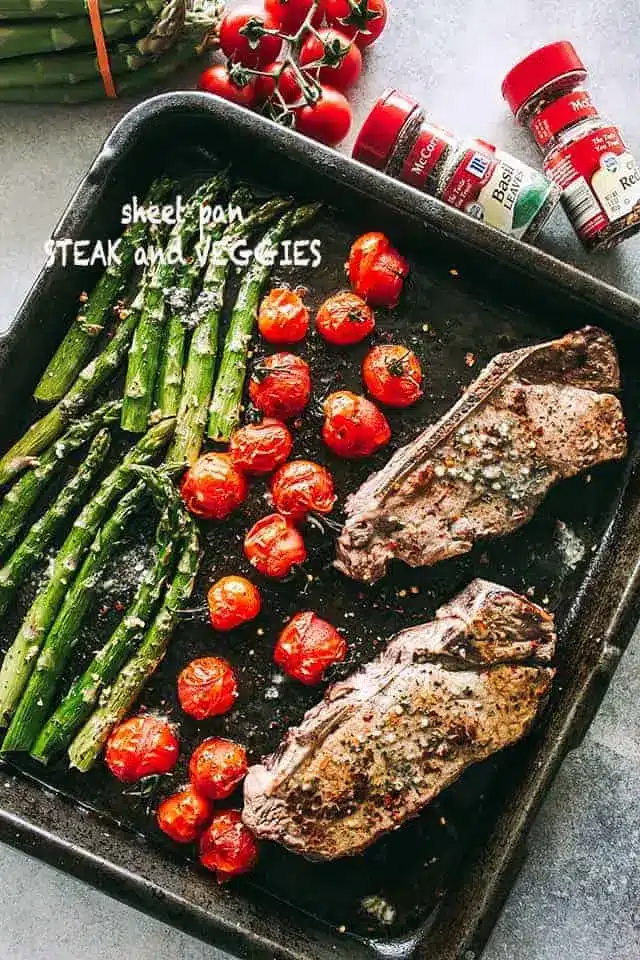
There’s a special kind of magic that happens when a complete meal comes together on a single pan. It’s the promise of less cleanup, more flavor, and a stress-free cooking experience that appeals to everyone, from seasoned home cooks to beginners. This sheet pan steak and veggies recipe embodies that magic, delivering a satisfying and delicious dinner with minimal fuss.
Imagine perfectly cooked sirloin steak, kissed by the heat of the oven, alongside vibrant, tender-crisp asparagus and sweet bursts of cherry tomatoes, all seasoned to perfection. This isn’t just a meal; it’s an achievable weeknight dream, proving that gourmet-worthy dishes can be incredibly simple to create. Get ready to discover your new favorite way to enjoy a wholesome and flavorful dinner.
Why You Will Love This Recipe
- Effortless Preparation: With everything cooking on one sheet pan, the prep work is minimal, and the cleanup is a breeze, leaving you with more time to enjoy your evening.
- Flavorful Combination: The savory sirloin steak, earthy asparagus, and sweet cherry tomatoes create a harmonious blend of tastes and textures that are truly delightful.
- Quick Cooking Time: This meal comes together in approximately 30 minutes, making it an ideal choice for busy weeknights when time is of the essence.
- Customizable Ingredients: Feel free to adapt the vegetables based on what you have on hand or your personal preferences, making this recipe incredibly versatile.
- Visually Appealing: The vibrant colors of the ingredients make this dish not only delicious but also a beautiful centerpiece for your dinner table.
Ingredients You Need
The success of any simple dish hinges on the quality of its ingredients. For this sheet pan steak and veggies, opt for fresh, vibrant produce and a good cut of sirloin steak. Using high-quality olive oil and freshly ground black pepper will elevate the flavors significantly, ensuring each bite is packed with deliciousness. Don’t underestimate the power of simple, fresh components working in harmony.
Sheet Pan Steak and Veggies
Easy sheet pan steak and veggies recipe featuring juicy sirloin, tender asparagus, and cherry tomatoes, cooked on one pan and ready in 30 minutes. Perfect for busy weeknights.
- 1 pound asparagus, trimmed
- 3 cups cherry tomatoes
- ½ tablespoon olive oil
- 1 teaspoon dried basil
- salt and freshly ground black pepper, to taste
- 1 pound top sirloin steaks, about 1-inch thick
- salt and fresh ground pepper, to taste
- ¼ to ½ teaspoon crushed red pepper flakes, or to taste
- 1 to 2 tablespoons butter, room temperature
- 1 teaspoon dried basil
- 1 clove garlic, minced
- salt and freshly ground black pepper, to taste
- dried basil, for garnish
- crushed red pepper flakes, for garnish
- 1Preheat the oven to 400°F.
- 2Place asparagus and cherry tomatoes on a large sheet pan or baking tray. Try not to overlap the vegetables so that they roast properly.
- 3Drizzle the veggies with olive oil and season with dried basil, salt, and pepper; using your hands or tongs, mix them until they are evenly covered with the oil and seasonings.
- 4Roast the vegetables for 10 minutes.
- 5In the meantime, prepare the steaks by seasoning them with salt, pepper, and red pepper flakes. Using your hands, rub the seasoning into the steaks.
- 6Remove the sheet pan from the oven, push the vegetables to the side to make room for the steaks; place the steaks on the sheet pan and roast for 10 more minutes, or until desired doneness is reached. Flip the steaks halfway through cooking.
- 7Meanwhile, combine the butter, basil, garlic, salt, and pepper in a small mixing bowl. Using a fork, mix and mash the butter mixture until well incorporated.
- 8Remove the sheet pan from the oven and spoon a few dabs of butter over the steaks and veggies.
- 9Let the steaks rest for 5 minutes before serving.
Keywords: sheet pan steak, steak and vegetables, sirloin steak, asparagus, cherry tomatoes, quick dinner, easy recipe, one pan meal
The specific quantities for each ingredient are detailed within the recipe card, ensuring you have everything you need for a perfectly balanced meal. Always check the recipe card for precise measurements.
Variations
This sheet pan steak and veggies recipe is a fantastic foundation that can be adapted to suit various dietary preferences and flavor profiles. Imagine transforming this simple meal into something entirely new with just a few strategic additions or substitutions. The goal is always to maintain the ease of the sheet pan method while introducing exciting new tastes.
For a delicious vegan twist, swap the sirloin steak for thick slices of portobello mushrooms or firm tofu. Toss them with the same seasonings and roast alongside the vegetables. You could also add a sprinkle of nutritional yeast for a cheesy, umami flavor. This vegan variation proves that hearty and satisfying meals don’t always need meat.
If you’re looking for a low-carb option, consider replacing the cherry tomatoes with bell peppers or zucchini. Broccoli florets or green beans also make excellent low-carb additions. Ensure your steak cut is lean and consider a side salad with a vinaigrette dressing instead of starchy options. This adjustment keeps the meal light and nutrient-dense.
You could also infuse global flavors into this dish. Think about adding a sprinkle of cumin and chili powder to the vegetables and steak for a Tex-Mex flair. Alternatively, toss everything with soy sauce, ginger, and garlic before roasting for an Asian-inspired meal. A drizzle of balsamic glaze over the finished dish can also add a touch of gourmet sweetness.
How to Prepare sheet pan steak and veggies
Step 1: Preheat and Prepare the Vegetables
Begin by preheating your oven to a robust 400°F (200°C). This temperature is crucial for achieving that perfect sear on the steak and tender-crisp texture on the vegetables. Ensure your oven rack is positioned in the center to allow for even heat distribution throughout the cooking process.
Next, meticulously prepare your vegetables. Trim the woody ends from the asparagus spears, as these are tough and unappetizing. Rinse the cherry tomatoes under cool water and pat them dry; this helps them roast rather than steam. Arrange the trimmed asparagus and the whole cherry tomatoes in a single layer on a large, heavy-duty baking sheet or a rimmed roasting pan. It’s important to give the vegetables ample space, avoiding overcrowding the pan, which can lead to soggy results instead of beautifully roasted produce.
Drizzle the vegetables generously with olive oil. This not only helps them roast evenly but also imparts a lovely richness. Sprinkle the dried basil evenly over the asparagus and tomatoes. Season liberally with salt and freshly ground black pepper. Use your hands or a pair of tongs to gently toss the vegetables, ensuring each piece is lightly coated with the oil and seasonings. This initial seasoning step is key to building layers of flavor from the very beginning of the cooking process.
Place the seasoned vegetables into the preheated oven and roast for precisely 10 minutes. This initial roasting period allows the vegetables to begin softening and developing their natural sweetness, preparing them for the arrival of the steak. Keep an eye on them, as oven temperatures can vary; you’re looking for a slight softening, not complete cooking.
Step 2: Season the Steaks
While the vegetables are undergoing their initial roast, it’s time to turn your attention to the star of the show: the sirloin steaks. Take the steaks out of their packaging and pat them thoroughly dry with paper towels. This step is critical for achieving a good sear; moisture on the surface of the steak will steam it rather than sear it, hindering the development of that desirable crust.
Now, season the steaks with a generous amount of salt and freshly ground black pepper on all sides. Don’t be shy with the seasoning; the steak needs it to stand up to the other flavors on the pan. For an extra layer of subtle heat and complexity, sprinkle the crushed red pepper flakes over the steaks. You can adjust the amount of red pepper flakes to your personal preference, from a mild warmth to a more pronounced kick.
Using your hands, gently rub all the seasonings into the surface of the steaks. Ensure that every part of the steak is coated evenly. This hands-on approach helps the seasonings adhere properly and ensures consistent flavor distribution throughout the cooking process. The aroma of the spices beginning to meld with the beef is a promising sign of the delicious meal to come.
Allow the seasoned steaks to sit at room temperature for a few minutes while you prepare to add them to the pan. This short resting period helps them cook more evenly once they hit the heat. The goal is to have the steak at a relatively consistent internal temperature before it enters the hot oven.
Step 3: Roast the Steaks and Vegetables Together
Carefully remove the sheet pan with the partially roasted vegetables from the oven. The vegetables should already be showing signs of tenderness and a hint of charring. Using oven mitts, gently push the asparagus and cherry tomatoes to one side of the baking sheet. You want to create enough space in the center of the pan to accommodate the seasoned steaks. This strategic placement ensures that the steak gets direct heat and the vegetables continue to cook without becoming overcrowded.
Place the seasoned sirloin steaks directly onto the cleared space on the hot sheet pan. Ensure they are not touching each other, allowing for proper heat circulation around each steak. The sizzling sound as the steaks hit the hot pan is music to any home cook’s ears, promising a beautiful sear.
Return the sheet pan, now loaded with both vegetables and steaks, to the preheated oven. Continue to roast for approximately 10 to 12 minutes. The exact cooking time will depend heavily on the thickness of your steaks and your desired level of doneness. For medium-rare, aim for an internal temperature of around 130-135°F (54-57°C). For medium, target 135-145°F (57-63°C), and for well-done, go up to 150-155°F (65-68°C). An instant-read thermometer is your best friend here for accuracy.
To ensure even cooking and a beautiful crust on both sides, it is highly recommended to flip the steaks halfway through their roasting time. This typically means flipping them around the 5-6 minute mark after they’ve been placed on the pan. This step helps develop a more uniform sear across the entire surface of the steak. Observe the color and firmness of the steak as it cooks; these visual cues can also help you gauge doneness.
Step 4: Make the Basil Garlic Butter
While the steaks and vegetables are in their final stage of roasting, take this opportunity to prepare a flavorful compound butter. In a small mixing bowl, combine the softened butter with the minced garlic. The garlic should be finely minced to distribute its potent flavor evenly throughout the butter without large, overwhelming chunks.
Add the dried basil to the butter and garlic mixture. The basil will infuse the butter with its aromatic, slightly peppery notes, complementing the richness of the steak beautifully. Season the butter with a pinch of salt and a bit of freshly ground black pepper to enhance all the flavors. Remember that the steaks are already seasoned, so the butter seasoning should be complementary, not overpowering.
Using a fork, thoroughly mix and mash the butter, garlic, basil, salt, and pepper together until all the ingredients are well incorporated and you have a smooth, homogeneous compound butter. The consistency should be spreadable but not so soft that it completely melts away too quickly. This butter will add a luxurious finish to both the steak and the vegetables.
If you find your butter is too firm, you can let it sit at room temperature for a few more minutes. If it’s too soft, a brief stint in the refrigerator can help firm it up slightly. The goal is a butter that is easily spreadable or dollop-able onto the hot food.
Step 5: Rest and Finish
Once the steaks have reached your desired level of doneness, carefully remove the entire sheet pan from the oven. The aroma filling your kitchen at this point should be absolutely divine, a testament to the simple ingredients and effective cooking method. Let the sheet pan sit on a heatproof surface for at least 5 to 10 minutes before you even think about slicing the steak.
This resting period is absolutely non-negotiable for tender, juicy steak. During cooking, the muscle fibers contract, pushing the juices towards the center. Resting allows these juices to redistribute throughout the steak, ensuring that when you slice into it, those delicious juices remain within the meat, making it incredibly moist and flavorful. Cutting into the steak too soon will result in all those precious juices running out onto the pan, leaving your steak dry.
During this resting time, take small dollops of the prepared basil garlic butter and spoon them directly onto the hot steaks and vegetables. As the butter melts, it will gently coat everything in its savory, aromatic goodness, further enhancing the flavors of the dish. The residual heat from the pan and the steak will help melt the butter beautifully.
After the steak has rested, it’s time to slice it. For the most tender results, it’s crucial to slice the steak against the grain. Look for the direction in which the muscle fibers are running and cut perpendicular to them. This shortens the muscle fibers, making the steak much easier to chew and significantly more tender. Arrange the sliced steak alongside the roasted asparagus and cherry tomatoes on serving plates, ensuring each portion gets a good amount of both steak and veggies.
Step 6: Serve and Enjoy
Present the beautifully roasted steak and vegetables immediately while they are still warm and the compound butter has just melted. The vibrant colors and the inviting aroma will entice everyone to the table. Ensure each serving includes a generous portion of the tender sirloin, the perfectly roasted asparagus, and the sweet, bursting cherry tomatoes.
This dish is designed to be a complete meal on its own, offering a fantastic balance of protein, vegetables, and healthy fats. The simplicity of the preparation allows the natural flavors of the high-quality ingredients to shine through, creating a truly satisfying culinary experience. It’s the kind of meal that looks elegant enough for guests but is straightforward enough for a weeknight family dinner.
Don’t forget to garnish with a little extra dried basil and a pinch of crushed red pepper flakes if desired. These final touches not only add visual appeal but also reinforce the flavors of the dish. The fresh herbs and a hint of spice provide a lovely finishing note that elevates the entire meal. Gather your loved ones and savor this delicious and effortless sheet pan creation.
Pro Tips for sheet pan steak and veggies
- Use a Heavy-Duty Sheet Pan: A thick, sturdy sheet pan is essential for even cooking. It prevents hot spots and reduces the risk of warping under high heat, ensuring your steak and vegetables cook uniformly.
- Cut Veggies Uniformly: Ensuring all your vegetables are cut to a similar size and thickness is key. This promotes even roasting, preventing smaller pieces from burning while larger pieces remain undercooked.
- Don’t Overcrowd the Pan: Give your ingredients space on the sheet pan. Overcrowding leads to steaming rather than roasting, resulting in soggy vegetables and less-than-ideal steak sear.
- Rest Your Steak: Always let the steak rest for at least 5-10 minutes after cooking. This allows the juices to redistribute, resulting in a more tender and flavorful steak.
- Use an Instant-Read Thermometer: For precise steak doneness, an instant-read thermometer is invaluable. It takes the guesswork out of cooking and ensures your steak is perfectly cooked every time.
- Slice Against the Grain: This is a crucial step for tender steak. Identifying the direction of the muscle fibers and slicing perpendicular to them makes the meat significantly easier to chew.
Serving Suggestions for sheet pan steak and veggies
Decoration
A sprinkle of fresh parsley or chives over the finished dish can add a vibrant pop of green and a fresh herbaceous note. For a touch more elegance, a drizzle of balsamic glaze over the steak and vegetables before serving can add a beautiful sheen and a touch of sweet tang. Consider adding a small nest of microgreens on the side of the plate for an extra touch of refined presentation.
Side Dishes
While this sheet pan meal is quite complete, you can certainly enhance it further. A simple cucumber salad with a light vinaigrette offers a refreshing contrast to the richness of the steak. For those who love grains, consider serving it alongside fluffy Mediterranean rice or fluffy couscous. A side of crusty bread, perhaps some no-knead skillet bread, is perfect for soaking up any delicious pan juices.
Creative Serving Ideas
For a more rustic presentation, arrange the sliced steak and vegetables directly on a large wooden board. This makes for a beautiful, communal dining experience. You could also serve individual portions in shallow bowls, perhaps over a bed of quinoa or a lightly dressed arugula salad, for a more plated meal. Consider creating small “steak bites” by cutting the steak into larger cubes before cooking and serving them skewered with the roasted vegetables.
Preparation & Storage
Storing Leftovers
Leftover sheet pan steak and veggies can be stored in an airtight container in the refrigerator. It’s best to separate the steak from the vegetables if possible, as they may have different textures and cooking times when reheated. Ensure the food has cooled completely before sealing the container to prevent condensation buildup.
Properly stored leftovers can typically be kept for 2-3 days. The flavors may meld further, and while still delicious, the texture of the vegetables might soften slightly upon refrigeration. Always check for any signs of spoilage before consuming.
When storing, ensure the container is truly airtight to maintain freshness and prevent the absorption of other odors from the refrigerator. If you have a lot of juices from the steak, you can store them separately in a small lidded container as well; they are great for adding moisture when reheating.
Freezing
Freezing this dish is possible, but it’s important to manage expectations regarding texture. Steak can become a bit drier and tougher after freezing and thawing. Vegetables, especially softer ones like cherry tomatoes, can become mushy. For best results, it’s often recommended to consume leftovers within a few days rather than freezing.
If you do choose to freeze, cool the components completely. It may be best to freeze the steak separately from the vegetables to potentially mitigate texture changes. Portion them into freezer-safe bags or containers, removing as much air as possible to prevent freezer burn. Label with the date of freezing.
When thawing, allow the ingredients to thaw slowly in the refrigerator overnight. This helps to retain as much moisture and texture as possible. Freezing is a last resort for preserving the meal if you know you won’t be able to consume it within the recommended refrigerator storage time.
Reheating
The best way to reheat your sheet pan steak and veggies is in the oven. Place the leftovers on a baking sheet and warm them in a preheated oven at around 300-325°F (150-160°C) for 10-15 minutes, or until heated through. This method helps to revive some of the crispness of the vegetables and warm the steak gently.
If you’re short on time, you can reheat in the microwave. Use a microwave-safe plate and heat in short bursts of 30-60 seconds, stirring in between. Be cautious not to overcook the steak in the microwave, as it can quickly become tough and dry. Adding a tablespoon of water or broth to the plate before microwaving can help retain moisture.
For the steak specifically, consider reheating it separately from the vegetables if you want to maintain optimal texture. You can quickly sear the steak slices in a hot skillet with a little oil for a more appealing finish after reheating. Always ensure the food is heated to a safe internal temperature before serving.
Frequently Asked Questions
-
What kind of steak works best for sheet pan dinners, and how thick should it be?
For sheet pan steak and veggie dinners, cuts like sirloin, ribeye, or strip steak are excellent choices because they cook relatively quickly and remain tender. These cuts have enough marbling to stay flavorful and juicy even when cooked at high heat. Look for steaks that are about 1 inch thick. This thickness allows the steak to develop a good sear on the outside while cooking to your desired doneness on the inside without becoming overcooked or tough. Thinner cuts tend to cook too quickly and can dry out, while much thicker cuts may require different cooking times than the vegetables.
-
Can I marinate the steak for this recipe, or is it better to stick with simple seasoning?
While this recipe is designed for simplicity and excellent flavor with just seasonings, you can absolutely marinate the steak if you prefer. A marinade can add another layer of flavor complexity and help tenderize the meat. If you choose to marinate, keep it relatively short, about 30 minutes to a few hours, as the acids in many marinades can start to “cook” the steak and affect its texture if left too long. Ensure you pat the steak very dry after marinating before seasoning and cooking, as excess moisture will prevent a good sear. Popular marinade ingredients include soy sauce, garlic, herbs, and a touch of acid like lemon juice or vinegar.
-
How can I ensure my steak is cooked to the perfect doneness without a thermometer?
Achieving the perfect steak doneness without an instant-read thermometer relies on a combination of visual cues and touch. For rare, the steak will feel very soft and springy. For medium-rare, it will have a slight spring-back. For medium, it will feel firmer with noticeable resistance. For well-done, it will feel quite firm. A common method is the “finger test,” where you compare the firmness of the steak to the fleshy part of your hand below your thumb when touching different fingers to your thumb. However, this method is subjective and can vary significantly based on the cut of meat and individual hand firmness. For reliable and consistent results, especially with thicker cuts, an instant-read thermometer is highly recommended for accuracy and peace of mind. It is the most foolproof way to guarantee your steak is cooked exactly as you like it.