Colorful Raw Veggie Kabobs
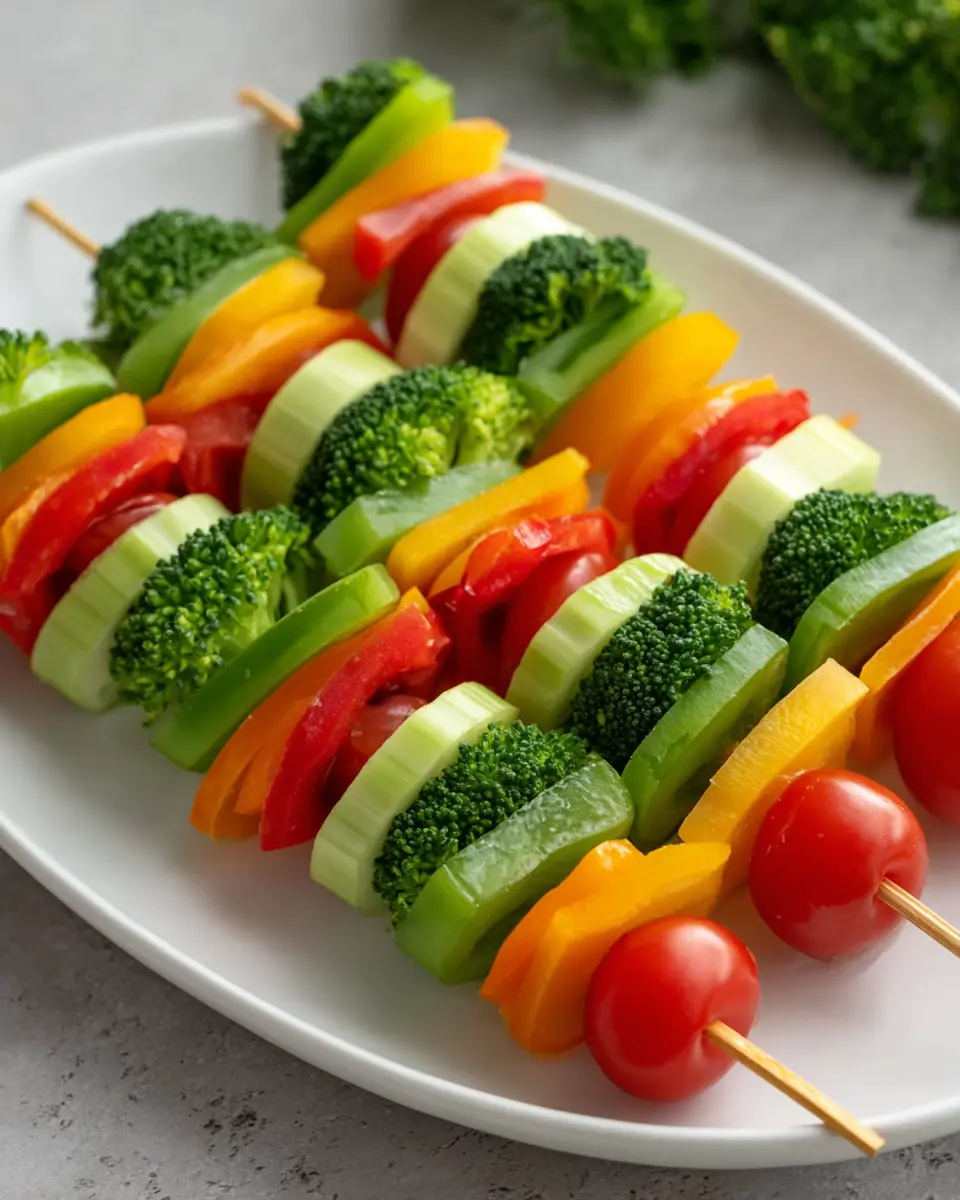
Raw Veggie Kabobs are a vibrant and effortlessly fresh appetizer, perfect for any occasion that calls for a splash of color and a satisfying crunch. These no-cook wonders are designed for ease, bringing together crisp textures and bright flavors in a way that’s both visually appealing and incredibly simple to prepare.
They serve as an ideal solution for entertaining, offering a healthy and delightful option that guests can easily enjoy. Whether you’re hosting a casual get-together or a more formal event, these kabobs provide a refreshing counterpoint to richer dishes, ensuring a balanced and enjoyable culinary experience for everyone.
Why You Will Love This Recipe
- Effortless Preparation: With absolutely no cooking required, these kabobs come together quickly, making them a stress-free option for busy hosts.
- Visually Stunning: The array of colorful vegetables threaded onto each skewer creates a beautiful and eye-catching centerpiece for any appetizer spread.
- Incredibly Versatile: This recipe serves as a fantastic base, allowing for endless customization with different vegetables and dips to suit any taste or dietary need.
- Perfectly Portioned: Each skewer is a self-contained serving, making them ideal for parties, picnics, and finger-food friendly events where ease of eating is paramount.
- Healthy and Refreshing: Packed with fresh, raw vegetables, these kabobs offer a light and nutritious option that’s a welcome alternative to heavier appetizers, providing essential vitamins and hydration.
Ingredients You Need
The success of these Raw Veggie Kabobs hinges on the quality and freshness of your ingredients, so selecting the best produce available will truly elevate the final dish. Opt for crisp, firm vegetables that will hold their shape on the skewer and deliver a satisfying bite. Don’t shy away from a rainbow of colors; each hue not only adds visual appeal but also a unique set of nutrients and flavors.
Raw Veggie Kabobs
A bright and refreshing assortment of raw vegetables threaded onto skewers and presented with creamy vegetable dips for a crisp, colorful appetizer or light snack.
- Fresh broccoli florets
- Crisp celery stalks
- Yellow summer squash
- Green bell pepper strips
- Red bell pepper strips
- Sliced cucumbers
- Orange cherry tomatoes
- Snap pea pods
- Yellow cherry tomatoes
- Carrot sticks
- Radishes
- Orange bell pepper strips
- Grape tomatoes
- Dill-seasoned vegetable dip
- Yellow bell pepper strips
- Zucchini
- Spicy avocado ranch vegetable dip
- 1Wash all of the vegetables thoroughly to remove any dirt or remaining residue. Choose a colorful assortment in shades of red, orange, yellow, and green for the most attractive presentation.
- 2Cut the vegetables into skewer-friendly pieces, using shapes such as strips, slices, wedges, and florets as needed. Slice firmer vegetables, including the carrots, into thin sticks so they are easy to thread and simple to eat.
- 3Set out the skewers and begin assembling each kabob. Start with a broccoli floret, add a cucumber slice, then thread on two strips of green bell pepper, one piece of celery, and one snap pea pod.
- 4Continue by adding three strips of yellow bell pepper, two carrot sticks, and two strips of red bell pepper. Finish the skewer with one grape tomato.
- 5Repeat the same assembly process until all of the kabobs are prepared, keeping the colors evenly distributed so each skewer has a vibrant appearance.
- 6Arrange the completed vegetable kabobs on a large serving platter. Place the dill-flavored vegetable dip and the spicy avocado ranch vegetable dip alongside the platter, and add a small spoon to each dip for serving.
- 7Serve immediately as a fresh, crisp appetizer or wholesome snack.
Keywords: Raw Veggie Kabobs, Appetizer, Snack, No-Cook, Healthy, Party Food, Vegetable Skewers, Gluten-Free, Vegan
The precise quantities for each item are conveniently detailed within the accompanying recipe card, ensuring you have all the information needed for perfect preparation.
Variations
To add a unique twist to your Raw Veggie Kabobs, consider incorporating a theme. For a delightful vegan option, ensure all your dips are plant-based and explore exotic vegetables like Romanesco broccoli or vibrant purple carrots for an unexpected pop of flavor and color. This approach maintains the fresh, crisp appeal while catering to specific dietary preferences.
For those following a low-carb lifestyle, focus on non-starchy vegetables such as bell peppers, cucumbers, zucchini, and broccoli, while omitting any sweet vegetables like cherry tomatoes in large quantities. Pair these with a creamy, low-carb dip like an avocado-based sauce or a tahini-based dressing for a guilt-free indulgence. The key is to maintain texture and visual appeal with careful selection.
Another exciting variation involves embracing international flavors. Create Mediterranean-inspired skewers with sun-dried tomatoes, Kalamata olives, artichoke hearts, and cubes of firm feta cheese (for a vegetarian option). Serve them with a lemon-herb vinaigrette dip or a creamy tzatziki sauce for a sophisticated and flavorful culinary journey that transports your taste buds with every bite.
How to Prepare Raw Veggie Kabobs
Step 1: Thorough Preparation of Your Produce
The initial and most crucial step involves meticulously washing all your chosen vegetables under cool running water. This ensures that any dirt, residue, or potential contaminants are thoroughly removed, guaranteeing a clean and safe appetizer. After washing, it is paramount to pat each vegetable completely dry using paper towels or a clean kitchen towel. Excess moisture can make the vegetables slippery and difficult to thread onto skewers, and it can also dilute the flavors of your dips and make the final presentation less appealing.
Proper drying also helps maintain the crisp texture of the vegetables, preventing them from becoming soggy. For certain vegetables like bell peppers or cucumbers, you might want to consider removing seeds or tough cores at this stage to ensure they are ready for skewering. A little extra care in this early phase sets the stage for a beautiful and delicious final product that truly shines.
Step 2: Precision Cutting for Optimal Skewering
Once your vegetables are clean and dry, the next step is to cut them into appropriate sizes and shapes that are easy to thread onto skewers and pleasant to eat. For firmer vegetables like carrots, slicing them into slender sticks ensures they are easy to pierce with the skewer and bite through. Bell peppers and celery can be cut into uniform strips, providing a good textural contrast and vibrant color on the skewer.
Cucumbers and summer squash are best sliced into thick rounds or half-moons, offering a juicy and cooling element. Broccoli and cauliflower should be divided into small, bite-sized florets, ensuring they are not too large to manage on a skewer. Cherry and grape tomatoes, along with radishes, can often be left whole or halved if they are particularly large, adding bursts of flavor and color. The goal is to achieve a consistent size and shape that allows for easy assembly and enjoyment.
Step 3: Strategic Grouping for Assembly Efficiency
Before you begin the actual assembly of the kabobs, take a moment to group your prepared vegetables. This organizational step is surprisingly impactful, saving you time and ensuring a more visually appealing final platter. By segregating your vegetables based on color, shape, and texture, you can easily select a balanced combination for each skewer as you build them.
For instance, you might place all the red items together, all the green items together, and so on, or you might group by shape – all the strips, all the rounds, all the florets. This visual organization allows you to quickly grab a diverse array of components without rummaging, making the assembly process far more fluid and enjoyable. It’s a simple yet effective method that transforms the task into a more mindful and creative endeavor, leading to a more cohesive and attractive end result.
Step 4: Building the Foundation of Your Kabobs
Now, the exciting part begins: threading the vegetables onto the skewers. Start by selecting a base vegetable that offers a good foundation, perhaps a firm broccoli floret or a sturdy carrot stick. This provides a stable starting point for layering your other ingredients. Alternate between vegetables with different textures and colors to create visual interest and a balanced eating experience.
For example, you could begin with a crisp broccoli floret, followed by a cool cucumber slice, then a vibrant strip of bell pepper, a piece of crunchy celery, and a snappy snap pea pod. This combination offers a delightful mix of textures – firm, cool, crisp, and tender – along with a spectrum of colors. Aim for a distribution that feels balanced, avoiding placing too many of the same type of vegetable consecutively.
Step 5: Completing the Skewers with Flair
Continue building each skewer by adding more vegetables, thoughtfully interspersing different colors and shapes to create an appealing mosaic. Consider adding another bell pepper strip in a different hue, a slender carrot stick for added crunch, and perhaps a juicy cherry tomato towards the end to provide a bright, flavorful burst. The key is to maintain an even distribution of colors – reds, greens, oranges, and yellows – across each kabob.
This deliberate arrangement ensures that every skewer looks as attractive as the last, making your serving platter a feast for the eyes. Experiment with layering techniques; you might wrap a pepper strip around a cucumber slice or alternate smooth and textured vegetables. The goal is to create skewers that are not only delicious but also visually captivating, inviting guests to reach for them immediately.
Step 6: Presentation and Immediate Serving
Once all your kabobs are assembled, carefully arrange them on a large, attractive serving platter. Ensure there’s enough space between them so they don’t look overcrowded and each skewer is clearly visible. Place your chosen dips in attractive small bowls alongside the platter, making sure they are easily accessible for dipping. A small spoon in each dip dish is a thoughtful addition for guests.
For the absolute best texture and crispness, it is highly recommended to serve these kabobs immediately after assembly. This ensures that the vegetables are at their peak crunch and freshness. If immediate serving isn’t possible, you can cover the platter loosely with plastic wrap and chill them in the refrigerator for a short period, ideally no more than an hour, to maintain their cool, crisp appeal before presenting them to your guests.
Pro Tips for Raw Veggie Kabobs
Uniformity is Key: When cutting your vegetables, strive for similar bite-sized pieces. This not only makes the kabobs easier to assemble but also ensures they are comfortable to eat in one or two bites. Consistent sizing prevents any single vegetable from dominating the skewer’s eating experience.
Color and Shape Harmony: Avoid grouping similar vegetables together on one skewer. Instead, intersperse different colors and shapes throughout each kabob. This creates a more visually dynamic and appealing platter that looks professionally prepared and inviting to guests.
Dip Diplomacy: Always serve your dips on the side rather than coating the vegetables beforehand. This keeps the vegetables wonderfully crisp and allows guests the freedom to choose their preferred dip or to dip as much or as little as they like, maintaining the integrity of the vegetable’s texture.
Anticipate Refills: If you’re serving these kabobs at a larger gathering or party, it’s wise to have a few extra prepped vegetables and a small reserve of your dips on hand. This allows for quick and seamless replenishment of the platter as it empties, ensuring your appetizer station remains full and appealing throughout the event.
Skewer Selection Matters: For raw vegetables, wooden skewers are a classic choice. If you are concerned about splintering or food safety, consider using bamboo skewers, which are often smoother and sturdier. For very dense vegetables, you might even opt for metal skewers, which are robust and reusable, though they require more careful handling.
Serving Suggestions for Raw Veggie Kabobs
Decoration
The vibrant colors of the vegetables themselves serve as a natural and beautiful decoration. To enhance this, consider garnishing the platter with fresh herbs like parsley, dill, or chives scattered artfully around the kabobs. A few edible flowers can also add an unexpected touch of elegance and whimsy, transforming a simple appetizer into a showstopper.
Side Dishes
These raw veggie kabobs are incredibly versatile and pair wonderfully with a wide array of dishes. They are the perfect accompaniment to lighter fare such as baked lemon chicken or grilled fish, offering a refreshing contrast. For a more substantial meal, they complement pasta salads or can be served alongside sliders and finger sandwiches at casual gatherings, providing a healthy balance.
Creative Serving Ideas
Instead of a traditional platter, try serving the kabobs upright in a tall vase or mason jar filled with edible greens like lettuce or kale, creating a stunning vertical display. Another idea is to arrange them on a tiered stand, adding dimension and visual interest to your appetizer table. For a fun, interactive experience, create a “Build Your Own Kabob” station where guests can select their own vegetables and dip combinations.
Preparation & Storage
Storing Leftovers
Raw Veggie Kabobs are undeniably best enjoyed on the day they are prepared, when the vegetables are at their crispiest and most vibrant. If you find yourself with leftovers, the best way to store them is to transfer the skewers to an airtight container or to tightly cover the original platter with plastic wrap. Refrigerate them promptly, and they should maintain good quality for up to one day, though some slight softening might occur.
Freezing
Freezing is generally not recommended for raw vegetable kabobs. The cellular structure of most raw vegetables is compromised by the freezing and thawing process, which leads to a significant loss of their crisp texture. They will become mushy and unappealing once thawed, losing the very essence that makes these kabobs so delightful. Similarly, dips, especially those with dairy or creamy bases, can separate and become watery when frozen and thawed.
Reheating
There is no reheating required or advisable for these Raw Veggie Kabobs. Their appeal lies in their refreshing, cool crispness. Simply retrieve them from the refrigerator and serve them chilled. If the dips have been sitting out, give them a quick stir before re-presenting them alongside the kabobs to ensure they maintain their best consistency and flavor. Enjoy them as they are, straight from the chill.
Frequently Asked Questions
-
Can I prepare raw veggie kabobs significantly in advance?
Yes, these kabobs are an excellent make-ahead appetizer, which is one of their most appealing features for entertaining. You can prepare them a few hours before your event, or even up to one full day in advance, to save yourself time on the day of. The key to success is to assemble them and then store them properly. Cover the finished kabobs tightly with plastic wrap or place them in an airtight container and keep them refrigerated. This will help to preserve their crispness and freshness until your guests arrive. For even longer prep, you can cut the vegetables and store them separately in the refrigerator for 2-3 days, assembling the skewers closer to serving time, though note that pre-cut cucumbers and squash are best used sooner.
-
What types of vegetables are most suitable for raw vegetable skewers?
The best vegetables for raw veggie kabobs are those that maintain their crisp texture and hold their shape well when threaded onto a skewer. Excellent choices include sturdy options like broccoli florets, crisp celery stalks, firm bell peppers (all colors), cucumbers, carrots, radishes, snap peas, and cherry or grape tomatoes. Summer squash and zucchini also work well, offering a slightly softer, tender-crisp element. These vegetables are resilient, easy to eat raw, and provide a wonderful range of colors and flavors. Avoid vegetables that wilt quickly or become too soft, such as lettuce leaves or soft herbs, as they won’t hold up well on the skewer or during serving.
-
How can I ensure the raw veggie kabobs remain visually appealing and fresh on the serving platter, especially if they will be out for a while?
To keep your raw veggie kabobs looking their best, starting with thoroughly washed and, most importantly, well-dried vegetables is crucial. This prevents any sogginess. Once assembled, keep the skewers chilled in the refrigerator until just before you plan to serve them. If they will be sitting out for an extended period during a party, it is advisable to place the platter out shortly before your guests are expected to arrive. This timing ensures the vegetables remain cool, crisp, and vibrant. You can also strategically place ice packs beneath the serving platter if it’s an outdoor event or a warm environment, helping to maintain their freshness and appealing appearance throughout the gathering.