Oven BBQ Pulled beef
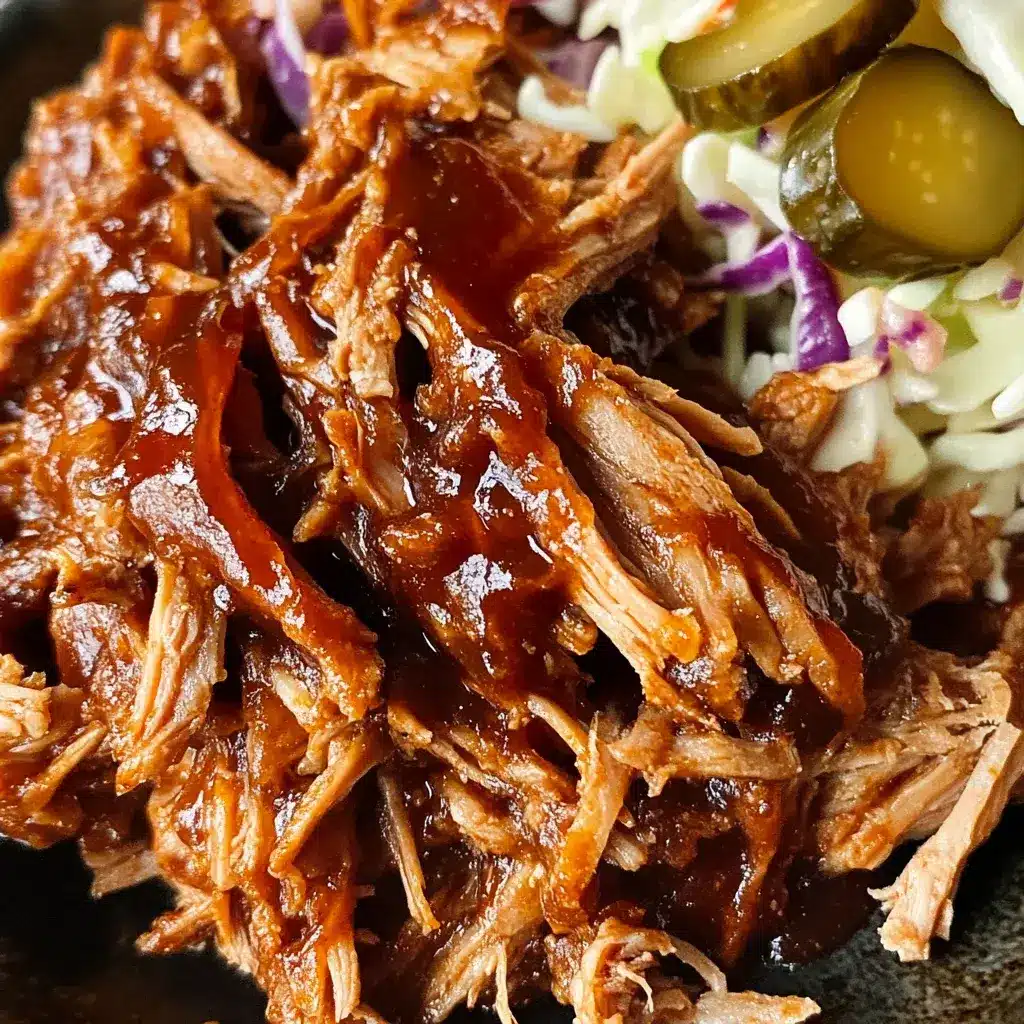
Oven BBQ pulled beef is a classic comfort dish that combines deep, savory flavors with an incredibly tender texture that practically melts in your mouth. This recipe is the perfect centerpiece for your next dinner party, providing a satisfying and hearty experience that always leaves guests asking for seconds.
The slow-roasting process allows the connective tissues in the beef to break down beautifully, resulting in a succulent meat that is easily shredded. Whether you are hosting a festive game day or simply looking for a reliable meal that pleases the whole family, this dish stands out as a true culinary triumph.
Why You Will Love This Recipe
- Quick Preparation: While the cooking time is long to ensure tenderness, the actual hands-on prep work takes less than 15 minutes of your time.
- Flavor Packed: The combination of apple cider vinegar, brown sugar, and smoky spices creates a perfectly balanced marinade that penetrates deep into the meat.
- Versatile Serving Options: You can enjoy this tender beef piled high on toasted buns, tucked into taco shells, or even served over a bed of fluffy rice.
- Great for Meal Prep: This dish tastes even better the next day, making it an excellent choice for planning your weekly lunch menu in advance.
- Crowd-Pleaser: The universal appeal of barbecue flavors ensures that both children and adults will find this meal absolutely irresistible and satisfying.
Ingredients You Need
To achieve the best results, always opt for high-quality cuts of beef that have a good amount of intramuscular fat, as this ensures the meat remains juicy throughout the long cooking process. Using fresh spices and premium barbecue sauce will significantly elevate the final flavor profile of your pulled beef. The exact measurements for all these components can be found in the recipe card provided further down this page.
Oven BBQ Pulled Beef
Indulge in the mouthwatering goodness of Oven BBQ Pulled Beef, a dish that is perfect for any occasion, from family dinners to game day gatherings. This recipe features tender, slow-cooked beef infused with a tangy and sweet marinade that brings out rich flavors.
- 2 lb beef roast (shoulder or butt)
- 1 tsp yellow mustard
- 1 tbsp apple cider vinegar
- 1/2 tsp paprika
- 1 tbsp brown sugar
- 1/2 tsp salt
- 1/2 tsp pepper
- 1 tbsp oil
- 1/4 cup water
- 1 cup BBQ sauce
- 1In a small bowl, mix apple cider vinegar, mustard, paprika, brown sugar, salt, and pepper. Place the beef in a large bag; pour the marinade over it and coat thoroughly. Refrigerate for at least 2 hours or overnight.
- 2Preheat your oven to 300°F (150°C). Bring beef to room temperature for about 20 minutes.
- 3Heat oil in a Dutch oven over high heat; sear the beef until browned on all sides.
- 4Transfer the seared beef back to the Dutch oven and add water around it. Cover with a lid or foil and cook in the oven for approximately three hours until fork-tender.
- 5Shred the beef using two forks and mix in BBQ sauce until well combined. Serve warm on buns or as desired.
Keywords: pulled beef, BBQ, oven roasted, dinner, beef recipe, slow cooked
- 2 lb beef roast: use shoulder or butt cuts for the best results when shredding
- 1 tsp yellow mustard: provides a tangy base that helps the other spices adhere to the surface
- 1 tbsp apple cider vinegar: acts as a tenderizer and adds a bright, acidic contrast to the rich meat
- 1/2 tsp paprika: imparts a mild, sweet, and smoky depth to the overall flavor profile
- 1 tbsp brown sugar: adds a subtle sweetness that caramelizes beautifully during the roasting phase
- 1/2 tsp salt: essential for enhancing the natural flavors of the beef and balancing the sweetness
- 1/2 tsp pepper: freshly cracked black pepper adds a necessary bite and warmth to the rub
- 1 tbsp oil: neutral oil is perfect for searing the exterior of the meat at higher temperatures
- 1/4 cup water: creates a moist environment inside the cooking vessel to prevent drying out
- 1 cup bbq sauce: your favorite smoky or spicy variety to coat the meat after it is shredded
Variations
The Vegan Twist: For a plant-based alternative, you can substitute the beef roast with large, meaty mushrooms like king oyster or shredded jackfruit. These options absorb the barbecue marinade exceptionally well and mimic the texture of pulled meat, making them a fantastic choice for breakfast sliders or tacos.
Low Carb Lifestyle: To keep this dish low-carb, simply omit the brown sugar from the rub and use a sugar-free, keto-friendly barbecue sauce. Serve your pulled beef in lettuce wraps instead of traditional buns to keep the carb count significantly lower while still enjoying all the rich, smoky flavors.
Spicy Infusion: If you love heat, feel free to add a generous teaspoon of chili flakes, cayenne pepper, or diced jalapeños into your marinade mixture. Adding a splash of hot sauce to your final barbecue mix will give the dish a fiery kick that pairs perfectly with cooling coleslaw toppings.
How to Prepare Oven BBQ Pulled Beef
Step 1: Preparing the Spice Rub and Marinade
Start by finding a small mixing bowl to combine your dry and wet ingredients effectively. Whisk together the apple cider vinegar, yellow mustard, paprika, brown sugar, salt, and black pepper until you have a smooth, consistent paste. This mixture acts as both a flavor enhancer and a tenderizing agent that starts the work of breaking down the meat fibers before it even hits the oven.
Place your beef roast into a large, durable storage bag or a non-reactive glass bowl. Pour the prepared marinade mixture over the meat, ensuring every single crevice is thoroughly coated for maximum flavor absorption. Seal the bag tightly or cover the bowl, then place it in the refrigerator for at least two hours, though letting it sit overnight produces the deepest flavor results.
Step 2: Tempering and Searing the Meat
Before you begin the cooking process, remove the beef from the refrigerator and let it sit at room temperature for about 20 minutes. This essential step ensures the meat cooks more evenly throughout the roasting process rather than having a cold center. While it rests, preheat your oven to 300 degrees Fahrenheit to prepare for the low and slow cook time.
Heat a tablespoon of high-smoke-point oil in a heavy-duty Dutch oven set over medium-high heat. Carefully place the beef roast into the hot pot and sear it on all sides until a deep brown, flavorful crust develops. This searing step is vital because it locks in juices and creates a complex, savory base that boiling alone cannot achieve.
Step 3: The Slow Roasting Process
Once your beef is beautifully seared, turn off the heat and make sure the meat is positioned correctly in the bottom of your Dutch oven. Pour the quarter cup of water into the pot around the base of the meat; this liquid will turn into steam and keep the beef incredibly moist. Ensure you do not pour the water directly over the seasoned meat, as this could wash away your hard-earned flavor crust.
Cover your Dutch oven securely with its heavy lid to trap all the moisture inside during the long cooking duration. Place the pot into your preheated oven and let it roast undisturbed for approximately three hours. This patient approach is the secret to achieving that signature, fall-apart tender consistency that is mandatory for genuine pulled beef.
Step 4: Checking for Tenderness
After three hours have passed, carefully remove the lid to check on the progress of your roast. The beef should look dark and glistening, and it should be easy to insert a fork into the thickest part of the meat without any resistance. If the meat still feels firm or tough, replace the lid and give it another 30 minutes in the oven to continue softening.
Once the beef is fork-tender, carefully remove the Dutch oven from the heat and set it on a stable surface. Allow the meat to rest in its juices for about 10 minutes, as this rest period helps the fibers reabsorb some of the moisture, resulting in a much more succulent final product. Do not discard the flavorful liquid left at the bottom of the pot, as a little bit can be used to thin out the barbecue sauce later.
Step 5: Shredding and Sauce Integration
Transfer the resting beef to a large cutting board or a clean, wide mixing bowl. Use two sturdy kitchen forks to pull the meat apart, working against the grain to create long, juicy strands of beef. Discard any large pieces of excess fat that might remain, although most should have rendered down during the long cooking time.
Return the shredded meat to the Dutch oven or keep it in the bowl and drizzle your chosen barbecue sauce over the top. Toss the beef thoroughly until every single strand is coated in the sweet and tangy sauce. If the mixture seems too dry, add a tablespoon or two of the reserved cooking juices from the pot to achieve your preferred consistency.
Pro Tips for Oven BBQ Pulled Beef
The Resting Rule: Always allow the beef to rest for at least ten minutes before you begin the shredding process. This allows the internal juices to redistribute, ensuring that every bite remains tender and moist rather than drying out quickly after being pulled.
Choosing the Cut: For the most authentic experience, prioritize purchasing a beef shoulder or “chuck” roast for this recipe. These cuts are naturally rich in connective tissue which melts into gelatin during the long roasting time, providing that signature “pulled” texture you simply cannot get from leaner cuts like round or sirloin.
Searing Success: Do not crowd the Dutch oven when you are searing the meat, as this can cause the beef to steam rather than brown. If your piece of meat is particularly large, take the extra time to ensure each side gets a proper, golden-brown sear to build that depth of flavor.
Flavor Depth: Consider adding a small splash of liquid smoke to your barbecue sauce if you prefer a more intense, campfire-style profile. A tiny amount goes a long way, providing a complexity that pairs perfectly with the caramelized sugars in the brown sugar rub.
Serving Suggestions for Oven BBQ Pulled Beef
Decoration
To make your dish look as impressive as it tastes, garnish the top of the shredded beef with finely chopped fresh cilantro or green onions. A sprinkle of toasted sesame seeds adds a professional touch and a slight nutty crunch that contrasts beautifully with the soft, pulled texture of the beef.
Side Dishes
Pairing your beef with classic comfort sides is the best way to round out the meal. A crisp, vinegar-based coleslaw provides a much-needed acidic crunch that cuts through the richness of the barbecue sauce perfectly. Additionally, serving warm cornbread or baked beans creates a traditional, hearty spread that feels like a backyard barbecue feast.
Creative Serving Ideas
Think beyond the bun by incorporating the beef into unique formats. Use it as a protein-rich topping for loaded baked potatoes, or mix it into a mac and cheese casserole for a gourmet twist. For a lighter approach, serve the beef inside crisp lettuce leaves topped with pickled red onions and fresh avocado slices for a vibrant, low-carb street taco experience.
Preparation & Storage
Storing Leftovers
If you have any leftovers, allow the meat to cool completely before transferring it to an airtight container. Keep the container in the coldest part of your refrigerator, where it will maintain its quality for up to 4 days. Storing the meat in its juices is recommended to keep it as hydrated as possible during the storage period.
Freezing
This recipe is an excellent candidate for long-term storage in the freezer, as the flavor often improves after sitting. Place the cooled, shredded beef into heavy-duty freezer bags and press out all the excess air before sealing. It can be safely stored in the freezer for up to 3 months, making it a perfect emergency meal for busy nights.
Reheating
When you are ready to eat, the best way to reheat the beef is in an oven-safe dish at 350°F, covered with foil to retain moisture. If you are in a rush, a microwave set to medium power will work, but be sure to add a small splash of water or extra barbecue sauce to prevent the meat from drying out.
Frequently Asked Questions
- What is the best way to tell if the beef is finished cooking?
The most reliable sign is the “fork test,” where the beef should be so tender that the fibers pull apart with zero resistance. If the meat feels springy or firm, it requires more time in the oven; a digital thermometer should ideally read around 200°F for perfect shredding. - Can I use a different type of meat for this recipe?
While beef is traditional, this technique works wonderfully with pork shoulder or even chicken thighs if you prefer a leaner result. Simply adjust the cooking time based on the specific meat, as chicken will finish cooking much faster than a thick beef roast. - Is it necessary to use a Dutch oven for this recipe?
Using a heavy-duty Dutch oven is highly recommended because it provides uniform heat distribution and creates the ideal humid environment for slow roasting. If you do not own one, you can use a deep glass or ceramic baking dish, provided you seal it extremely tightly with heavy-duty aluminum foil to prevent steam from escaping.
Visit our Pinterest page for more visual inspiration and step-by-step guides for all your favorite meals. For additional culinary adventures, explore our curated collections such as decadent desserts or try our popular baked lemon chicken for a lighter weekday dinner. You can also find tips on preparing a perfect breakfast that starts your day off on the right foot.