Low Calorie Balsamic Vinaigrette – Easy & Delicious Dressing
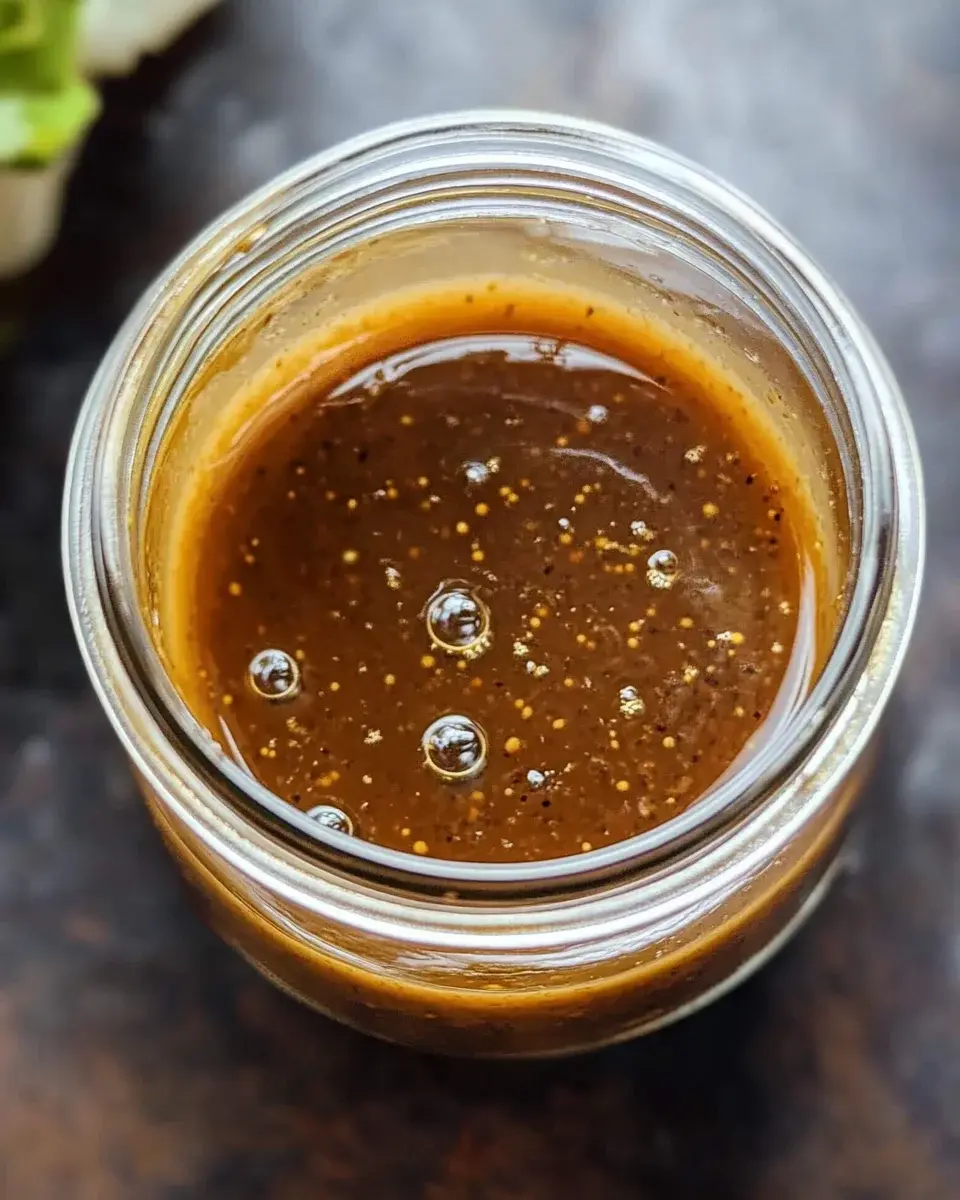
Embark on a culinary adventure with this exquisite Low Calorie Balsamic Vinaigrette, a recipe that promises to elevate your everyday meals with vibrant flavor and healthful simplicity. This dressing is not just a condiment; it’s a testament to how delicious and satisfying healthy eating can be, proving that you don’t need excess calories to achieve a delightful taste experience.
Crafted for both ease and elegance, this vinaigrette is perfect for the busy home cook seeking to infuse their dishes with a gourmet touch. Its balanced profile and minimal ingredients make it an accessible yet impressive addition to your culinary repertoire, ready to transform salads, marinades, and more into culinary masterpieces.
Why You Will Love This Recipe
- Quick Preparation: This recipe is a true time-saver, ready in a mere five minutes, making it an ideal choice for those hectic weeknights or spontaneous meal preparations.
- Remarkably Low Calorie: Indulge in this flavorful dressing with confidence, as each serving boasts an incredibly low calorie count, allowing for guilt-free enjoyment.
- Incredible Versatility: Beyond salads, this vinaigrette shines as a marinade for your favorite proteins and vegetables, or as a zesty drizzle over roasted or grilled produce.
- Wholesome Ingredients: You can feel good about what you’re consuming, as this dressing is made with simple, high-quality ingredients, ensuring a pure and unadulterated taste.
- Effortless Storage: Designed for convenience, the simple jar method ensures that any leftovers can be stored directly in the same container, making future use a breeze.
Ingredients You Need
The beauty of this low calorie balsamic vinaigrette lies in its simplicity and the quality of its components. Using fresh, vibrant ingredients is paramount to achieving the most exquisite flavor profile. Each element plays a crucial role in creating a harmonious balance that defines this dressing.
Low Calorie Balsamic Vinaigrette Salad Dressing
A quick and easy low-calorie balsamic vinaigrette perfect for salads, marinades, or drizzling over vegetables. This homemade dressing is flavorful, healthy, and ready in just 5 minutes.
- 1/4 cup balsamic vinegar
- 2 teaspoons Dijon mustard
- 1 tablespoon honey (or maple syrup)
- 1/2 cup vegetable broth
- 1 garlic clove (minced)
- 1/4 teaspoon salt
- 1/4 teaspoon pepper
- 1/8 cup extra virgin olive oil
- 1In a jar or mixing bowl, combine balsamic vinegar, Dijon mustard, honey (or maple syrup), vegetable broth, minced garlic, salt, and pepper.
- 2If using a jar, seal tightly and shake vigorously until well mixed; if using a bowl, whisk until smooth.
- 3Gradually add the extra virgin olive oil while whisking or shaking to emulsify the dressing.
- 4Taste and adjust seasoning before serving.
Keywords: balsamic vinaigrette, low calorie dressing, healthy salad dressing, homemade vinaigrette, Dijon mustard, garlic, vegetable broth, easy salad dressing, light dressing
- balsamic vinegar: a rich, syrupy vinegar that forms the tangy foundation of the dressing.
- dijon mustard: adds a pungent kick and helps to emulsify the vinaigrette, creating a smoother texture.
- honey (or maple syrup): provides a touch of sweetness to balance the acidity of the vinegar, with maple syrup offering a vegan alternative.
- vegetable broth: a light base that helps to dilute the intensity of the vinegar and oil, contributing to the dressing’s pourable consistency.
- garlic clove (minced): infuses the vinaigrette with a pungent, aromatic depth that complements the other flavors beautifully.
- extra virgin olive oil: essential for richness and mouthfeel, it binds the ingredients together and carries the flavors.
- salt and pepper to taste: simple seasonings that enhance all the other flavors and bring the vinaigrette into perfect balance.
The specific quantities for these delightful ingredients are detailed within the recipe card for your convenience.
Variations
This fundamental low calorie balsamic vinaigrette recipe serves as a magnificent canvas for culinary creativity, allowing for numerous delightful variations that cater to diverse dietary needs and taste preferences. By making minor adjustments or additions, you can transform this simple dressing into something truly unique and perfectly suited to your palate or specific meal requirements.
For those following a plant-based lifestyle, a Vegan Balsamic Vinaigrette is easily achievable by substituting the honey with an equal amount of pure maple syrup or agave nectar. These liquid sweeteners offer a comparable sweetness and viscosity, ensuring the dressing maintains its delightful balance without compromising your vegan principles. This simple swap makes the dressing incredibly inclusive and suitable for a wider range of diners.
If you are mindful of carbohydrate intake, a Low-Carb Balsamic Vinaigrette can be prepared by omitting the honey or maple syrup altogether or by using a sugar-free alternative sweetener. The natural tang of the balsamic vinegar and the savory notes from the Dijon mustard and garlic provide ample flavor. You might also consider adding a small amount of avocado oil or a different neutral oil for a richer texture without added sugars. This adaptation is perfect for keto or low-carb diets, maintaining flavor while adhering to strict dietary goals.
To introduce an herbaceous twist, consider creating an Herbed Balsamic Vinaigrette. Finely chopped fresh herbs like basil, oregano, parsley, or chives can be stirred into the dressing after mixing. Alternatively, dried herbs can be added during the emulsification process. These aromatic additions infuse the vinaigrette with fresh, vibrant notes, making it an even more complex and delightful complement to salads and grilled dishes. Experimenting with different herb combinations can lead to truly exciting flavor profiles.
How to Prepare low calorie balsamic vinaigrette
Step 1: Gather and Combine the Foundation Ingredients
The initial phase of crafting this delightful low calorie balsamic vinaigrette involves precisely measuring and combining the core liquid and aromatic elements. This step sets the stage for the emulsification process and ensures that the fundamental flavors are well-integrated from the outset. Select a clean, medium-sized mixing bowl or, for ultimate convenience, a jar with a tightly fitting lid, as this will streamline the mixing and storage process.
Begin by carefully pouring the specified amount of balsamic vinegar into your chosen vessel. The quality of your balsamic vinegar will significantly impact the final flavor, so opt for one you truly enjoy. Next, introduce the Dijon mustard; this ingredient not only adds a characteristic tang and depth but also acts as an emulsifier, helping the oil and vinegar to combine more effectively later on. Follow this with the sweetener, whether it’s honey or maple syrup, measuring it accurately to achieve the desired balance between sweet and tart.
Step 2: Incorporate the Liquid Base and Aromatics
With the primary flavor agents in place, the next crucial step involves integrating the liquid base and the potent aromatics that will infuse the vinaigrette with complexity. This stage ensures that the dressing achieves a smooth, consistent texture and a well-rounded flavor profile before the final addition of oil. Pour the vegetable broth into the bowl or jar; this liquid helps to mellow the intensity of the vinegar and oil, contributing to a more palatable and spreadable consistency suitable for coating salads.
Now, add the minced garlic clove. Using fresh garlic, finely minced, will release its essential oils and impart a robust, pungent aroma and flavor that is far superior to powdered garlic. If you prefer a milder garlic note, you can use half a clove or very finely grate it. Finally, season generously with salt and freshly ground black pepper. These basic seasonings are vital for enhancing all the other flavors present, bringing out the best in the vinegar, mustard, and garlic. Do not underestimate their importance in achieving a perfectly balanced vinaigrette.
Step 3: The Art of Emulsification with Olive Oil
This is perhaps the most critical step in achieving a truly professional-grade vinaigrette: the emulsification of the extra virgin olive oil. Emulsification is the process where two liquids that normally don’t mix, like oil and vinegar, are encouraged to combine into a stable, creamy mixture. This is best achieved through vigorous mixing, whether by shaking or whisking, while slowly incorporating the oil.
If you are using a jar, seal the lid tightly to prevent any leaks. Begin shaking the jar vigorously. While shaking, gradually add the extra virgin olive oil in a slow, steady stream through a small opening or by temporarily loosening the lid. This gradual addition is key to forming a stable emulsion. Continue shaking until the mixture appears creamy and well-combined, with no distinct separation of oil and vinegar. The dressing should have a slightly thickened, opaque appearance.
If you are using a mixing bowl and whisk or fork, the process is similar. Start whisking the balsamic vinegar, mustard, sweetener, broth, garlic, salt, and pepper mixture. While continuously whisking at a moderate to high speed, slowly drizzle in the extra virgin olive oil. Keep whisking vigorously until the oil is fully incorporated and the dressing has thickened to a smooth, creamy consistency. The constant motion breaks down the oil into tiny droplets, which are then suspended within the vinegar mixture, creating the emulsion.
Step 4: Refine the Flavors Through Tasting and Adjustment
Once the emulsification process is complete, the vinaigrette is nearly ready to be enjoyed. However, the crucial final step involves tasting and adjusting the seasoning to ensure the perfect flavor balance. This is where you can truly personalize the dressing to your exact preferences. Use a clean spoon to carefully taste a small amount of the vinaigrette, paying attention to the interplay of acidity, sweetness, saltiness, and the pungency of the garlic and mustard.
Consider the primary flavor components: the balsamic vinegar provides acidity, the honey or maple syrup offers sweetness, and the salt and pepper bring out and balance these elements. If the dressing tastes too sharp or acidic, you might add a tiny bit more sweetener, whisking thoroughly to incorporate it. Conversely, if it’s too sweet, a touch more balsamic vinegar or a pinch of salt can help restore balance. If the garlic flavor is too dominant for your liking, you might find that adding a bit more olive oil and re-emulsifying can slightly mellow its intensity.
Likewise, if the dressing seems a little bland, don’t hesitate to add another pinch of salt or a grind of fresh black pepper. The goal is to achieve a harmonious blend where no single flavor overpowers the others, creating a delicious, well-rounded vinaigrette. Continue to taste and adjust in small increments until you achieve your desired flavor profile. This careful calibration ensures that your low calorie balsamic vinaigrette is absolutely perfect for its intended use, whether on a crisp salad or as a flavorful marinade.
Step 5: Final Check for Consistency and Appearance
Before you declare your low calorie balsamic vinaigrette ready for consumption, take a moment to assess its final consistency and visual appeal. A properly emulsified vinaigrette should have a uniform, slightly thickened appearance, devoid of any visible separation between the oil and vinegar layers. The color should be a rich, appealing hue, characteristic of the balsamic vinegar used, perhaps with subtle flecks of garlic or herbs if you’ve added them.
If the dressing appears too thick for your liking after emulsification, you can thin it slightly by whisking in a teaspoon or two of water or a little more vegetable broth. Conversely, if it seems too thin and hasn’t achieved the desired viscosity, you can attempt to thicken it further by continuing to whisk vigorously while adding a tiny bit more olive oil, or by allowing it to sit in the refrigerator for about 15-30 minutes, as the cold can sometimes help to slightly firm up the emulsion. This brief pause also allows the flavors to meld further, enhancing the overall taste.
Once you are satisfied with both the taste and the consistency, your low calorie balsamic vinaigrette is complete and ready to be used. You have successfully created a healthy, flavorful dressing from scratch that is far superior to most store-bought options. Its versatility ensures it will become a staple in your kitchen, ready to elevate countless dishes with its bright, tangy charm and healthful profile.
Pro Tips for low calorie balsamic vinaigrette
Quality Matters: Always opt for good quality balsamic vinegar. A premium balsamic will offer a richer flavor, a more complex sweetness, and a smoother finish, directly impacting the overall taste of your vinaigrette.
Fresh Garlic is Key: While garlic powder can be used in a pinch, fresh garlic, minced or even microplaned, provides a vibrant, aromatic depth that powdered versions simply cannot replicate. It truly elevates the dressing.
Emulsify Patiently: When adding the olive oil, do so slowly and with continuous whisking or shaking. This patient approach is vital for creating a stable emulsion that won’t easily separate, ensuring a consistently creamy texture with every pour.
Taste and Adjust is Non-Negotiable: Your palate is the ultimate guide. Always taste your vinaigrette before serving and adjust the salt, pepper, sweetness, or acidity as needed. Small adjustments can make a world of difference.
Storage Savvy: For optimal freshness, store your finished vinaigrette in an airtight container, preferably a glass jar, in the refrigerator. This keeps the flavors vibrant and prevents spoilage for up to a week.
Serving Suggestions for low calorie balsamic vinaigrette
Decoration
Elevate the visual appeal of your salads and dishes by using the vinaigrette as a final flourish. A light, artistic drizzle over the top of a composed salad can add an elegant touch, highlighting the vibrant colors of fresh ingredients. Consider garnishing with a few fresh basil leaves or a sprinkle of toasted sesame seeds for added texture and visual interest.
Side Dishes
This vinaigrette is an exceptional accompaniment to a wide array of side dishes. Toss roasted vegetables like Brussels sprouts, asparagus, or bell peppers with a light coating for a tangy, caramelized finish. It also pairs wonderfully with grain-based salads, such as quinoa or couscous, adding a bright, zesty counterpoint to their earthy flavors. It can even be used to dress simple steamed vegetables, transforming them into something more exciting.
Creative Serving Ideas
Think beyond the salad bowl! Use this vinaigrette as a marinade for chicken, tofu, or fish before grilling or baking, infusing them with a delightful tang. It also makes a fantastic dipping sauce for fresh bread or an appetizer platter of crudités. Drizzling it inside a wrap or sandwich can add a burst of flavor that complements other fillings beautifully, offering a healthier alternative to mayonnaise-based spreads.
Preparation & Storage
Storing Leftovers
Should you find yourself with any leftover low calorie balsamic vinaigrette, storing it is remarkably simple. Transfer the dressing into an airtight container, such as a glass jar with a tight-fitting lid, or a dedicated food storage container. Keeping it well-sealed prevents it from absorbing odors from other foods in the refrigerator and helps maintain its freshness.
This vinaigrette will keep well in the refrigerator for up to one week. The emulsion might naturally separate slightly over time; this is perfectly normal. Simply give it a good shake or whisk it briefly before each use to re-emulsify it. Proper storage ensures that you can enjoy the delicious flavor of your homemade dressing for several days.
Freezing
While it is technically possible to freeze homemade balsamic vinaigrette, it is generally not recommended for optimal texture and flavor. Freezing can cause the oil and vinegar to separate in a way that is difficult to fully restore upon thawing, potentially resulting in a grainy or curdled consistency. The emulsification may be permanently compromised.
If you must freeze it, store it in a freezer-safe container, leaving some headspace for expansion, as liquids increase in volume when frozen. Upon thawing, you will likely need to whisk or blend it vigorously to attempt to re-establish the emulsion. However, the texture may still be altered, and it’s best to use it promptly after thawing for culinary applications where texture is less critical.
Reheating
Typically, this low calorie balsamic vinaigrette is served chilled or at room temperature and does not require reheating. However, if you’ve stored it for a while and prefer it slightly warmed, particularly for marinating purposes, gentle warming is advisable. Avoid high heat, which can cause the ingredients to break down and lose their fresh flavor.
For gentle reheating, you can place the sealed container in a bowl of warm water for a few minutes, allowing the ambient heat to warm the dressing gradually. Alternatively, if using a small saucepan, warm it over very low heat, stirring constantly, just until it reaches your desired temperature. Microwave reheating is also an option; use short bursts of 10-15 seconds, stirring between each interval, to prevent overheating. The key is to warm it subtly without cooking it.
Frequently Asked Questions
-
How long does Low Calorie Balsamic Vinaigrette last?
When stored properly in an airtight container in the refrigerator, this low calorie balsamic vinaigrette typically remains fresh and flavorful for up to one week. The quality of the ingredients, especially the freshness of the garlic and the balsamic vinegar itself, plays a role in its longevity. It’s always a good practice to give it a sniff and a quick visual check before using it after several days to ensure it hasn’t developed any off-putting odors or appearances, which would indicate spoilage.
-
Can I customize my Low Calorie Balsamic Vinaigrette?
Absolutely! The beauty of homemade dressings is their inherent customizability. For an aromatic twist, consider adding finely chopped fresh herbs like basil, oregano, thyme, or chives to the mixture during the emulsification stage or stirring them in just before serving. If you prefer a hint of spice, a pinch of red pepper flakes can add a pleasant warmth. For a richer flavor profile, a small amount of roasted garlic instead of raw can be used. Sweetness can be adjusted by varying the amount of honey or maple syrup, or by using a different type of sweetener altogether.
-
Is Low Calorie Balsamic Vinaigrette healthy?
Yes, this low calorie balsamic vinaigrette is considered a very healthy option. With only around 41 calories per serving, it’s a fantastic choice for those looking to manage their calorie intake without sacrificing flavor. The ingredients are wholesome: balsamic vinegar provides antioxidants, olive oil offers healthy monounsaturated fats, and the minimal use of sweeteners keeps the sugar content low. It’s a nutritious way to add zest and flavor to salads and other dishes, supporting a balanced diet and reducing the consumption of less healthy, store-bought dressings that often contain added sugars and preservatives.