Homemade Jambalaya – Easy one-pot recipe!
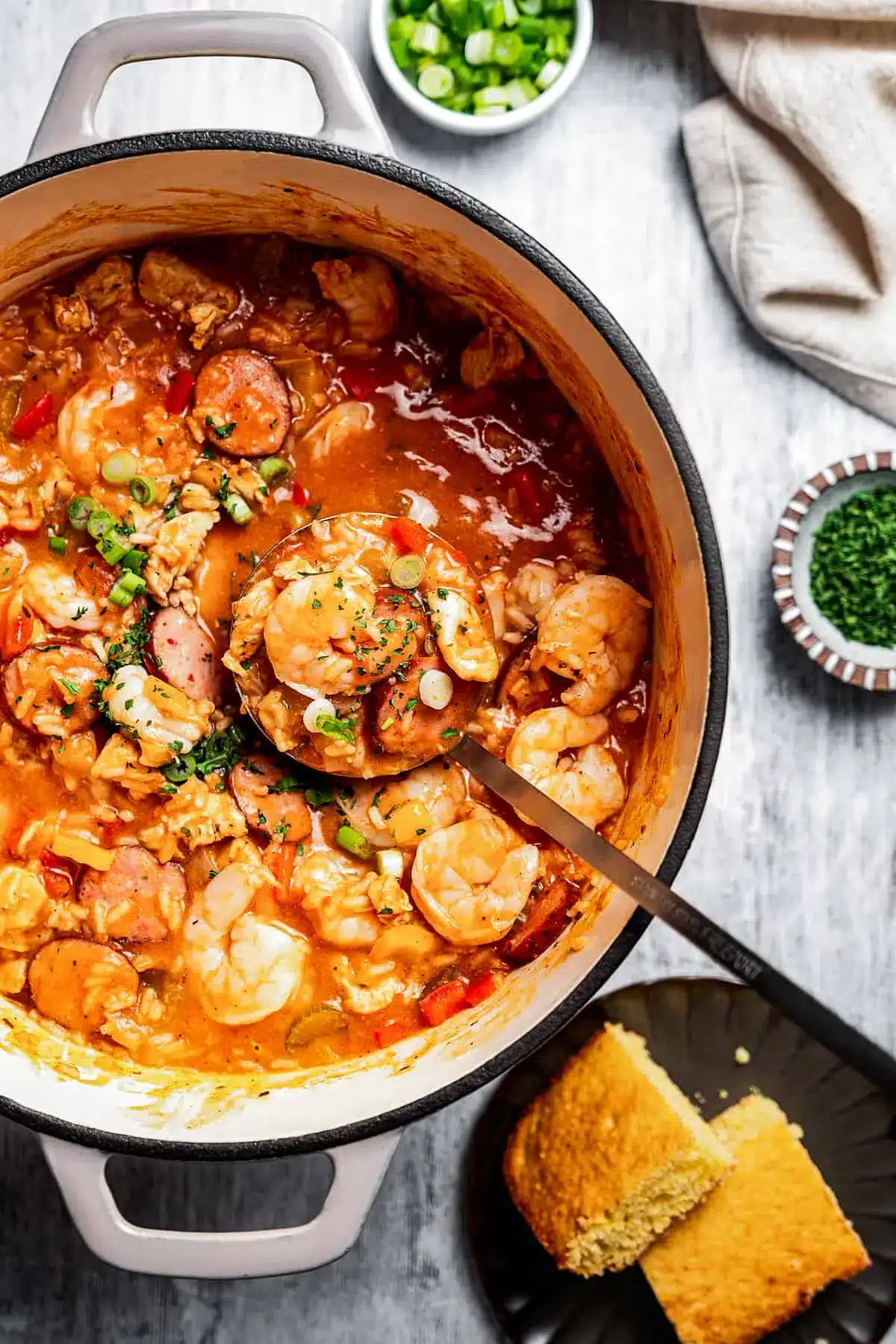
Embark on a culinary adventure that transports your taste buds straight to the heart of Louisiana with this sensational Jambalaya recipe. This one-pot wonder is a vibrant tapestry of flavors, textures, and aromas, promising a deeply satisfying meal that’s both comforting and exhilarating.
Crafted to be accessible for home cooks, this Jambalaya strikes a perfect balance between authentic Cajun zest and weeknight convenience, ensuring a memorable dining experience without the fuss. Prepare yourself for a dish that embodies the spirit of celebration and communal dining.
Why You Will Love This Recipe
- Authentic Cajun Flavors: Experience the true taste of Louisiana with a harmonious blend of spices, the “holy trinity” of vegetables, and rich, savory meats.
- One-Pot Simplicity: Minimize cleanup and maximize flavor as all the delicious components meld together in a single pot, creating a symphony of taste.
- Hearty and Filling: Packed with tender chicken, succulent shrimp, and flavorful sausage alongside fluffy rice, this Jambalaya is a complete meal that will satisfy even the heartiest appetites.
- Customizable Spice Level: While traditionally spicy, this recipe allows you to adjust the heat to your preference, making it enjoyable for everyone at the table.
- Quick Preparation: Despite its complex flavors, this dish comes together surprisingly quickly, making it an ideal choice for a busy weeknight dinner or a festive weekend gathering.
Ingredients You Need
The soul of any great Jambalaya lies in the quality of its ingredients and the thoughtful combination of classic Cajun elements. We’re using readily available components that, when brought together, create an unforgettable culinary experience. Each ingredient plays a vital role in building the dish’s characteristic depth and warmth, from the aromatic vegetables to the perfectly cooked rice and succulent proteins.
Easy Jambalaya Recipe
Enjoy the vibrant flavors of this delicious one-pot Jambalaya packed with juicy chicken, zesty shrimp, tender rice, and fiery andouille sausage. This recipe is an easy and filling comfort food, perfect for feeding a crowd.
- 1 tablespoon olive oil
- 1 yellow onion, diced
- 2 celery ribs, diced
- 2 bell peppers, diced (red, green, yellow, or orange)
- Salt and fresh ground black pepper, to taste
- 3 cloves garlic, minced
- 1 pound boneless skinless chicken breasts, cubed
- 1 teaspoon dried oregano
- 6 ounces andouille sausage, sliced into ¼-inch rounds
- 2 tablespoons tomato paste
- 2 cups chicken broth
- 14.5 ounces canned diced tomatoes
- 1 cup long grain rice
- 1 teaspoon cajun seasoning, or to taste
- 1 pound raw shrimp, peeled and deveined
- 2 green onions, thinly sliced, for garnish
- Chopped fresh parsley, for garnish
- 1In a large Dutch oven, heat the olive oil over medium heat.
- 2Add onions, celery, and bell peppers, and season with salt and pepper. Cook for 4 minutes or until just tender.
- 3Stir in garlic and cook for 1 minute.
- 4Stir in chicken and add sweet paprika and oregano. Cook for 5 minutes, or until chicken is browned on all sides.
- 5Stir in the sliced sausage and tomato paste; cook for 1 minute.
- 6Add chicken broth, diced tomatoes, rice, and cajun seasoning. Bring mixture to a boil; reduce heat to medium-low and cover the pot with a lid.
- 7Cook for 20 minutes or until rice is tender and most of the liquid is absorbed.
- 8Add the shrimp and cook for 3 to 4 minutes or until the shrimp is pink and cooked through.
- 9Remove from heat and garnish with sliced green onions and parsley. Serve.
Keywords: jambalaya, cajun, creole, one-pot, chicken, shrimp, sausage, dinner, spicy
The precise quantities for these wonderful ingredients can be found within the accompanying recipe card, ensuring your Jambalaya turns out perfectly every time. Trust in these foundational elements to guide you toward an exceptional meal.
Variations
While the classic Jambalaya is a masterpiece in itself, its adaptable nature allows for delightful culinary explorations. Consider a vegan jambalaya, where plant-based proteins like smoked tofu or hearty lentils stand in for the traditional meats, simmered in a rich vegetable broth infused with the same aromatic spices and the holy trinity. This version offers a robust and satisfying experience that appeals to a wide range of dietary preferences without compromising on flavor intensity.
For those mindful of carbohydrates, a low-carb Jambalaya can be achieved by substituting the rice with cauliflower rice. This ingenious swap maintains the beloved flavor profile while significantly reducing the carbohydrate count, making it a lighter yet equally delicious option. Ensure your vegetables and proteins are sautéed to perfection before folding in the cauliflower rice towards the end of the cooking process for the best texture.
Another exciting avenue is the seafood-focused Jambalaya, where the chicken and sausage might be reduced or omitted to let the exquisite flavors of shrimp, crawfish, and even oysters shine. This variation leans into the briny sweetness of the ocean, creating a sophisticated and deeply flavorful dish that celebrates the bounty of the sea.
How to Prepare Jambalaya recipe
Step 1: Building the Flavor Base
Begin by heating a generous tablespoon of olive oil in a large, heavy-bottomed pot or Dutch oven over medium heat. This foundational step is crucial for unlocking the full potential of your aromatics. The gentle warmth of the oil prepares the ingredients to release their essential oils and develop a rich, nuanced flavor profile.
Once the oil is shimmering, introduce your diced yellow onion, celery ribs, and bell peppers. These three vegetables, known collectively as the “holy trinity” in Cajun and Creole cooking, are the aromatic cornerstone of countless Louisiana dishes. Season them generously with salt and fresh ground black pepper, which not only enhances their natural sweetness but also aids in their softening process.
Allow these vegetables to sauté, stirring occasionally, for about 4 to 4 minutes, or until they have just begun to soften and become translucent. This gentle cooking process mellows their raw sharpness, allowing their inherent sweetness and savory notes to emerge and create a deeply aromatic foundation for the entire dish. Avoid overcooking them at this stage; a slight tenderness is exactly what you are aiming for.
Step 2: Introducing the Aromatics and Chicken
As the holy trinity reaches its perfect tenderness, it’s time to introduce another layer of aromatic depth: minced garlic. Stir in the finely minced garlic and continue to cook for just one more minute. Be vigilant during this step, as garlic can quickly go from fragrant to burnt, which would impart an undesirable bitter taste to your Jambalaya.
With the aromatics beautifully softened and fragrant, add your cubed boneless, skinless chicken breasts to the pot. Stir them in thoroughly, ensuring each piece is coated with the flavorful oil and vegetable mixture. Season the chicken with the sweet paprika and dried oregano, allowing these spices to bloom and release their vibrant colors and aromas as they cook.
Continue to cook, stirring frequently, for approximately 5 minutes, or until the chicken is nicely browned on all sides. This browning process, known as the Maillard reaction, is essential for developing a rich, savory flavor in the chicken and adds an appealing visual contrast to the dish. The chicken should be cooked through but still retain its tenderness.
Step 3: Incorporating Sausage and Tomato Paste
Now, it’s time to add the iconic Andouille sausage. Add the sliced sausage rounds to the pot, stirring them into the chicken and vegetable mixture. The slightly spicy, smoky flavor of the Andouille is a hallmark of authentic Jambalaya and will contribute significantly to the dish’s complex taste.
Next, stir in the tomato paste. Cook for an additional minute, stirring constantly. This brief cooking period allows the tomato paste to caramelize slightly, deepening its flavor and removing any raw, tinny notes. It also helps to emulsify with the cooking fats, creating a richer base for the sauce.
The combination of the browned chicken, flavorful sausage, and the now-caramelized tomato paste creates an incredibly rich and aromatic foundation. You’ll notice the ingredients beginning to meld together, hinting at the deliciousness to come as the cooking process continues and the flavors deepen.
Step 4: Adding Liquids and Simmering the Rice
With the savory base established, it’s time to introduce the liquids that will form the heart of your Jambalaya. Pour in the chicken broth, ensuring it deglazes the bottom of the pot, picking up any flavorful browned bits. Then, add the canned diced tomatoes, juice and all, which will contribute a delightful tanginess and subtle sweetness.
Introduce the long-grain rice to the pot, stirring it gently to ensure it’s evenly distributed throughout the mixture. Long-grain rice is preferred for Jambalaya as it cooks up fluffy and separate, preventing a gummy texture. Finally, stir in the Cajun seasoning, adjusting the amount to suit your preference for heat and spice.
Bring the entire mixture to a rolling boil. Once boiling, reduce the heat to medium-low, cover the pot tightly with a lid, and allow it to simmer gently for 20 minutes. During this crucial simmering period, the rice will absorb the flavorful liquid, becoming tender and infused with all the wonderful tastes of the ingredients. Resist the urge to lift the lid too often during this time, as this allows the steam to escape, which is vital for proper rice cooking.
Step 5: Checking Rice and Adding Shrimp
After 20 minutes of simmering, carefully lift the lid and check on the rice. It should be tender and most of the liquid should be absorbed. If the rice appears dry or is not yet tender, you can add a little more chicken broth, about 1/4 to 1/2 cup at a time, and continue to cook, covered, until the rice is perfectly cooked. Keep a close eye on it to prevent it from becoming mushy.
The Jambalaya should have a consistency that is neither overly soupy nor completely dry; it should be moist and luscious. Once the rice has achieved the desired tender texture and the liquid is mostly absorbed, it’s time to add the star of the seafood world: the shrimp. Gently stir the peeled and deveined raw shrimp into the hot Jambalaya.
Cover the pot again and let it cook for an additional 3 to 4 minutes, or just until the shrimp turn opaque, pink, and are cooked through. Shrimp cook very quickly, so it’s important not to overcook them, as they can become tough and rubbery. The residual heat in the Jambalaya is usually sufficient to cook them perfectly.
Step 6: Resting and Garnishing
Once the shrimp are beautifully pink and cooked through, remove the pot from the heat. This resting period is surprisingly important for allowing the flavors to meld further and the textures to settle. It ensures that the finished dish is harmonious and cohesive.
Before serving, garnish the Jambalaya generously with thinly sliced green onions and chopped fresh parsley. The vibrant green of the herbs provides a beautiful visual contrast to the rich colors of the dish, and their fresh, herbaceous notes add a final pop of flavor. These garnishes are not just for aesthetics; they contribute to the overall sensory experience of the meal.
Serve your magnificent Jambalaya hot, straight from the pot, allowing everyone to enjoy its incredible aroma and delicious taste. This one-pot masterpiece is ready to be savored.
Pro Tips for Jambalaya recipe
The Importance of the “Holy Trinity”: Don’t skimp on the onions, celery, and bell peppers; they are the aromatic backbone of authentic Louisiana cooking and build a flavor foundation that is irreplaceable. Sauté them until they are softened but not browned to release their sweet, savory essences without bitterness.
Choosing the Right Rice: For that classic Jambalaya texture, long-grain white rice is your best bet. It cooks up fluffy and distinct, absorbing the flavorful liquid without becoming gummy or clumpy, which is essential for the dish’s integrity. Varieties like Basmati or Jasmine can also work well, offering slightly different aromatic profiles.
Andouille Sausage is Key: While substitutions are possible, genuine Andouille sausage provides that signature smoky, spicy depth. If you can’t find it, look for a good quality smoked kielbasa or even a spicy chorizo, but be aware these may slightly alter the authentic flavor profile.
Don’t Overcrowd the Pan: When browning the chicken, ensure you don’t overcrowd the pot. Brown it in batches if necessary to achieve a good sear. This browning process is crucial for developing rich flavor and a pleasing texture. The Maillard reaction is your friend here.
Taste and Adjust Seasoning: Cajun food is renowned for its bold flavors, so tasting and adjusting the seasoning throughout the cooking process is vital. Especially with the Cajun seasoning, which can vary in saltiness and heat, it’s important to find your perfect balance before serving. A final adjustment just before serving can elevate the entire dish.
Serving Suggestions for Jambalaya recipe
Decoration
Elevate the visual appeal of your Jambalaya with a vibrant scattering of fresh garnishes. Thinly sliced green onions offer a crisp, mild onion flavor and a beautiful pop of color. Chopped fresh parsley adds a bright, herbaceous note and a touch of green freshness that cuts through the richness of the dish. A drizzle of your favorite hot sauce, whether it’s a Louisiana-style cayenne-based sauce or a more complex artisanal blend, can also add an attractive visual element and a customizable kick.
Side Dishes
While Jambalaya is a complete meal on its own, certain side dishes can perfectly complement its robust flavors. A simple, crisp coleslaw provides a refreshing contrast to the hearty stew, with its creamy dressing and crunchy texture. A cool tomato and cucumber salad offers a light, acidic counterpoint, cleansing the palate between bites. Warm, fluffy cornbread, especially with a slightly sweet profile, is another classic pairing, perfect for sopping up any leftover flavorful sauce.
Creative Serving Ideas
For a more interactive dining experience, consider serving Jambalaya in individual small cast-iron skillets or shallow bowls. This presentation not only looks rustic and inviting but also keeps the dish warm. You could also offer a “Jambalaya Bar” with various toppings, allowing guests to customize their bowls with different hot sauces, extra herbs, sour cream, or even some crispy fried onions for added texture.
Preparation & Storage
Storing Leftovers
Leftover Jambalaya can be stored in an airtight container in the refrigerator for up to three days. Ensure the Jambalaya has cooled down to room temperature before transferring it to the container to prevent the growth of bacteria. Proper storage will help maintain its delicious flavor and texture for future enjoyment.
Freezing
This Jambalaya freezes exceptionally well, making it perfect for meal prepping or stoking up for future cravings. Allow the Jambalaya to cool completely, then portion it into freezer-safe containers or heavy-duty freezer bags. It can be stored in the freezer for up to three months, retaining much of its original quality and flavor.
Reheating
To reheat refrigerated Jambalaya, place it in a saucepan over medium-low heat, adding a splash of chicken broth or water if it seems too thick. Stir gently until heated through. For frozen Jambalaya, thaw it overnight in the refrigerator before reheating using the same stovetop method. Alternatively, you can reheat individual portions in the microwave, stirring halfway through for even heating.
Frequently Asked Questions
-
What is the difference between Jambalaya and Gumbo?
While both are iconic Louisiana dishes, they differ significantly in preparation and texture. Gumbo is typically a soup or stew with a darker, richer roux base, often thickened with okra or filé powder, and usually served over rice. Jambalaya, on the other hand, is a one-pot rice dish where the rice is cooked directly in the flavorful liquid with meats and vegetables, resulting in a more cohesive, pilaf-like consistency. Gumbo often features a wider variety of proteins, including seafood and different types of meats, while Jambalaya is more consistently built around rice, protein, and the “holy trinity” of vegetables.
-
Can I make Jambalaya vegetarian or vegan?
Absolutely! You can easily adapt Jambalaya to be vegetarian or vegan. For a vegetarian version, omit the chicken, shrimp, and andouille sausage, and increase the quantity of vegetables like bell peppers, onions, and celery. You can also add hearty ingredients like mushrooms, artichoke hearts, or even chickpeas for added texture and protein. For a vegan rendition, ensure you use vegetable broth instead of chicken broth and consider plant-based sausage alternatives or firm tofu that has been well-seasoned and possibly pan-fried before adding to the dish. The key is to build a robust flavor profile with plenty of spices and aromatics.
-
How can I adjust the spice level of my Jambalaya?
The spice level in Jambalaya can be easily managed based on personal preference. The primary source of heat comes from the Cajun seasoning and, if used, the andouille sausage. To make it milder, reduce the amount of Cajun seasoning you add and opt for a less spicy sausage or omit it altogether. You can also use milder bell peppers, like green or yellow, instead of spicier varieties. Conversely, to increase the heat, use a spicier Cajun blend, incorporate a pinch of cayenne pepper, or add a dash of your favorite hot sauce directly into the dish. Offering a selection of hot sauces at the table allows each diner to customize their heat level.