P.F. Chang's Mongolian Beef Recipe
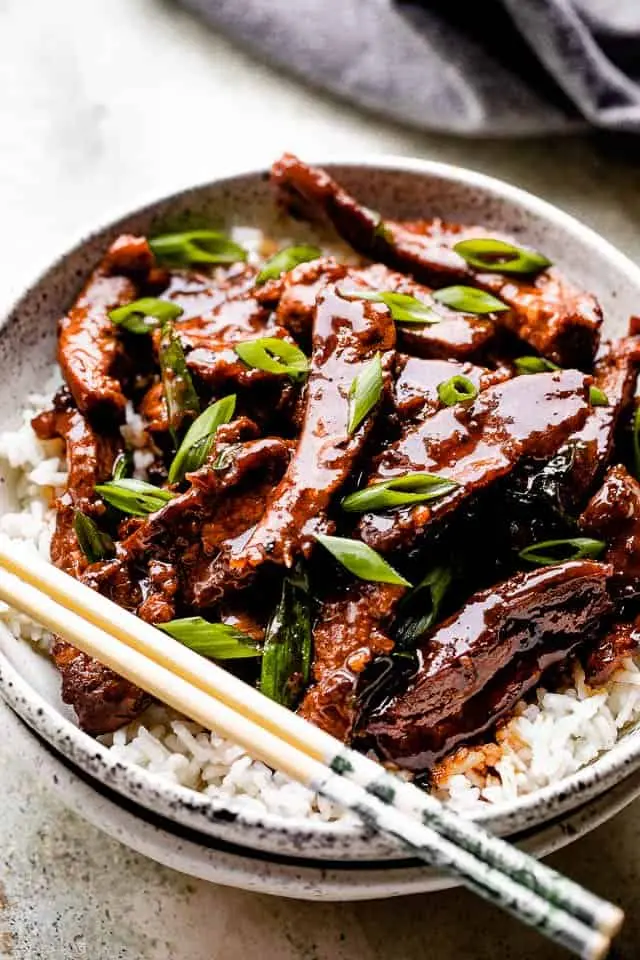
Embark on a culinary adventure that transports your taste buds straight to your favorite Chinese-American restaurant with this sensational Mongolian Beef recipe. It’s a dish that’s both incredibly satisfying and surprisingly simple to recreate at home, offering that beloved sweet and savory balance you crave.
Forget the delivery apps; this copycat recipe is here to become your new weeknight hero, delivering authentic restaurant-quality flavors with a fraction of the fuss. Prepare to be amazed by how easily you can achieve that perfect tender beef and glossy sauce.
Why You Will Love This Recipe
- Authentic Flavor Profile: This recipe masterfully replicates the irresistible sweet, savory, and slightly umami notes that make classic Mongolian Beef so addictive, ensuring a truly satisfying dining experience.
- Remarkable Tenderness: Through careful slicing and a precise cooking technique, the flank steak achieves a melt-in-your-mouth tenderness that is the hallmark of an expertly prepared dish.
- Quick Weeknight Solution: With a preparation and cooking time that hovers around 30 minutes, this dish is perfectly suited for busy evenings when you desire a delicious homemade meal without the extended effort.
- Accessible Ingredients: You won’t need to venture to specialty stores; all the core components are commonly found in most kitchens or readily available at your local grocery.
- Customizable Spice Level: While this recipe focuses on the classic sweet and savory profile, there’s ample room to adjust the heat by adding chili flakes or a touch of sriracha, tailoring it to your personal preference.
Ingredients You Need
The beauty of this Mongolian Beef recipe lies in its reliance on everyday pantry staples and easily sourced fresh ingredients, proving that exceptional flavor doesn’t require exotic components. We prioritize quality and freshness to ensure every bite is a delight, transforming simple items into a gourmet experience.
Mongolian Beef
This copycat of P.F. Chang’s Mongolian Beef recipe features flank steak simmered in a delectable sweet sauce made with ginger, garlic, soy sauce, and brown sugar. It’s simple to prepare and perfectly captures the flavors of the renowned restaurant’s dish!
- 1 pound flank steak, thinly sliced across the grain on a diagonal
- 2 teaspoons vegetable oil
- 1 teaspoon minced fresh ginger
- 1 tablespoon minced garlic
- 1 cup vegetable oil, for frying
- 2 green onions, green parts only, sliced on the diagonal into 2 inches
- 4 cups cooked white rice
- 1Place cornstarch on a shallow plate. Dip steak slices into the cornstarch, applying it on both sides of each slice of beef. Put the steak pieces aside for 10 minutes while you work on the sauce.
- 2In a saucepan, heat 2 teaspoons of vegetable oil over medium-low heat. Add ginger and garlic to the pan; cook for 10 seconds or until fragrant.
- 3Stir in the soy sauce and water. Whisk in brown sugar and cook while stirring until the sugar dissolves. Set to medium heat and cook the sauce until it thickens, about 10 minutes. Remove from heat and set aside.
- 4Place vegetable oil in a separate large skillet and heat over medium heat until hot. Add the steak slices to the oil and cook for 2 to 3 minutes or until cooked through, flipping the pieces over to cook on the opposite side.
- 5Using a pair of tongs, remove the steak pieces from the oil and let them drain on paper towels.
- 6Discard the oil. Return the saucepan to the stove and heat over medium heat. Add steak slices and cook for 1 minute. Gently stir in previously prepared sauce; continue to cook and stir for a minute. Stir in green onions and cook for 1 to 2 minutes, or until heated through. Remove from heat and serve over rice.
Keywords: Mongolian Beef, P.F. Chang's, Copycat, Flank Steak, Chinese-American, Dinner, Weeknight Meal
The precise quantities for these key ingredients are detailed within the accompanying recipe card.
Variations
For those seeking plant-based delights, transforming this classic into a sensational vegan Mongolian “Beef” is a culinary triumph. The secret lies in using exceptionally tender king oyster mushrooms, sliced and scored to mimic the texture of beef. Marinate these mushroom slices in a blend of soy sauce, a touch of sesame oil, and a hint of cornstarch before pan-frying until golden brown and slightly crisp. The sauce base remains largely the same, ensuring that characteristic sweet and savory flavor profile that makes Mongolian Beef so beloved.
Embracing a low-carb lifestyle doesn’t mean sacrificing enjoyment, and this recipe offers a fantastic adaptation. Instead of serving over traditional rice, opt for a generous bed of fluffy cauliflower rice, which absorbs the rich sauce beautifully. You can also incorporate a medley of crisp-tender vegetables like broccoli florets, snow peas, and bell pepper strips into the stir-fry for added texture, color, and nutrients, creating a complete and satisfying meal without the carb load.
Adventurous palates might enjoy a spicy rendition by incorporating a kick of heat. A tablespoon or two of sriracha or a pinch of red pepper flakes stirred into the sauce during the thickening stage will elevate the dish with a welcome warmth. Alternatively, consider adding a touch of chili garlic sauce for a more complex heat profile. Garnish with freshly sliced jalapeños for an extra visual and fiery flourish, turning this familiar favorite into an exciting new experience.
How to Prepare Mongolian Beef Recipe
Step 1: Preparing the Flank Steak for Perfection
The journey to sublime Mongolian Beef begins with the meticulous preparation of the flank steak. This cut of beef is renowned for its rich flavor and ability to become incredibly tender when handled correctly, making it the star of our dish. To achieve the ideal texture, it’s crucial to slice the steak thinly and against the grain. This technique shortens the muscle fibers, resulting in a bite that is luxuriously tender and easy to chew.
For an even easier slicing experience, a brief stint in the freezer can work wonders. Pop the flank steak into the freezer for about 20 to 30 minutes; this will firm up the meat without freezing it solid, making those thin, precise cuts much more manageable. Aim for slices that are about 1/4 inch thick. This uniformity in thickness is key to ensuring that all the beef cooks evenly and quickly, preventing any pieces from becoming tough or overcooked.
Once sliced, the beef is ready for its cornstarch coating. Spread the cornstarch evenly on a shallow plate or a baking sheet. Gently toss each slice of beef in the cornstarch, ensuring that both sides are lightly and thoroughly coated. This coating is a critical step, as it will help to create a slightly crispy exterior when the beef is fried and will also act as a thickening agent for the sauce later on. Allow the coated beef to rest for at least 10 minutes; this resting period allows the cornstarch to adhere to the meat, forming a more robust coating.
Step 2: Crafting the Irresistible Mongolian Sauce
While the beef is resting, it’s time to assemble the heart of the dish: the luscious Mongolian sauce. This sauce is a harmonious blend of sweet, savory, and aromatic elements that define the character of the dish. You’ll need a saucepan for this process, and a medium-low heat will be your guide to coaxing out the best flavors without scorching any of the ingredients.
Begin by heating a small amount of vegetable oil in the saucepan. This initial oil serves to bloom the aromatics, infusing the sauce with their vibrant essence. Add the freshly minced ginger and garlic to the warm oil. Sauté them gently for just about 10 seconds, or until their fragrant aromas fill your kitchen. Be careful not to burn them, as this can impart a bitter taste to the sauce. This quick sautéing step is all about awakening their flavors.
Next, pour in the soy sauce and water, creating the base of your sauce. Stir these liquids together to ensure they are well combined. Then, it’s time to introduce the sweetness and richness with the dark brown sugar. Whisk the brown sugar into the liquid mixture until it is completely dissolved. Continue to cook the sauce over medium heat, stirring occasionally, until it begins to thicken to a syrupy consistency. This process usually takes around 10 minutes. Once thickened, remove the saucepan from the heat and set it aside; the sauce will continue to thicken slightly as it cools.
Step 3: Achieving Perfectly Fried Steak
With the sauce prepared and the beef coated and rested, the next crucial step is to achieve that perfect sear on the flank steak. This is where the magic happens, transforming the thin slices into succulent pieces with delightful textural contrast. You’ll need a separate, large skillet for this process, and it’s important to ensure it’s properly heated to achieve the best results.
Add a generous amount of vegetable oil to the large skillet, enough to generously coat the bottom. Heat the oil over medium-high heat until it shimmers. A hot pan is essential for quickly searing the beef, creating that desirable slightly crispy exterior without overcooking the interior. The thinness of the steak slices means they will cook very rapidly, so vigilance is key.
Carefully add the cornstarch-coated steak slices to the hot oil. Ensure you do not overcrowd the pan; working in batches if necessary is highly recommended. Overcrowding will lower the temperature of the oil, leading to steamed rather than fried beef, and preventing that crucial crispiness. Fry the steak for about 2 to 3 minutes per side, or until it is beautifully browned and cooked through. Use tongs to flip the pieces, ensuring even cooking and browning on both sides. Once cooked, promptly remove the steak from the skillet and place it on a plate lined with paper towels to drain any excess oil. This step is vital for maintaining the desired texture and preventing the dish from becoming greasy.
Step 4: Bringing it all Together: Steak Meets Sauce
Now, the moment of truth arrives as we unite the perfectly fried steak with the rich, aromatic sauce we meticulously prepared. This fusion is where the classic Mongolian Beef truly comes to life, coating every tender morsel in that irresistible glaze. You’ll return to the saucepan where the sauce was made, as it’s the ideal vessel for this final integration.
Discard the excess oil from the skillet you used to fry the beef, taking care to avoid any burnt bits. Return the saucepan containing the prepared sauce to the stove over medium heat. Once the sauce is warm and gently simmering, add the drained, fried steak slices back into the saucepan. Stir everything together gently, allowing the steak to get coated evenly in the glossy sauce. Let it cook for about one minute, giving the flavors a chance to meld beautifully.
This brief cooking period allows the cornstarch on the beef to further thicken the sauce, creating that signature sticky glaze. The key here is to ensure the steak is heated through but not overcooked, as it has already been cooked once. The goal is to warm it and allow it to absorb some of the sauce’s exquisite flavor profile without sacrificing its tender texture.
Step 5: The Final Flourish with Green Onions
The penultimate step in creating your restaurant-quality Mongolian Beef involves adding the vibrant touch of green onions, which not only enhance the visual appeal but also contribute a subtle, fresh bite. This addition offers a delightful contrast to the rich sauce and tender beef, elevating the overall sensory experience of the dish.
Ensure your green onions are sliced on the diagonal into approximately 2-inch pieces, focusing on the green parts for their mild onion flavor and bright color. Add these prepared green onions to the saucepan with the beef and sauce. Stir them in gently, distributing them evenly throughout the mixture. Continue to cook and stir for another 1 to 2 minutes, just until the green onions are heated through and slightly softened but still retain a bit of their crispness. Overcooking the green onions would diminish their fresh flavor and vibrant color, so this brief cooking time is perfect.
This short period allows the heat to meld the flavors together without wilting the onions completely. The vibrant green of the scallions against the rich, dark glaze of the Mongolian Beef creates a visually stunning presentation, making the dish as appealing to the eyes as it is to the palate. Remove the saucepan from the heat once the green onions are incorporated and heated through, signaling that your masterpiece is ready for its grand finale.
Step 6: Serving Your Culinary Creation
The culmination of your efforts is finally at hand: serving your magnificent homemade Mongolian Beef. This is the moment to present your culinary creation in its full glory, showcasing the perfectly cooked steak, the glossy, flavorful sauce, and the vibrant garnish. The traditional and most beloved way to serve Mongolian Beef is over a bed of fluffy white rice, which acts as the perfect canvas to soak up every last drop of the delicious sauce.
Prepare your rice according to your preferred method; steamed jasmine rice is a classic choice that complements the dish beautifully. Spoon a generous portion of the hot, cooked rice into serving bowls or onto plates. Then, ladle the hot Mongolian Beef directly over the rice, ensuring a good distribution of steak and sauce. The aroma alone will be enough to make mouths water in anticipation of the first delicious bite. Consider garnishing with a few extra slices of fresh green onion for an added burst of color and freshness.
For those who enjoy a little extra heat, a sprinkle of toasted sesame seeds or a small dish of chili flakes on the side can be offered. This dish is best enjoyed immediately while it’s piping hot, allowing you to experience the full spectrum of textures and flavors in perfect harmony. Share this delightful meal with loved ones and revel in the compliments you’re sure to receive for your amazing home cooking.
Pro Tips for Mongolian Beef Recipe
Master the Slicing Technique: For impossibly tender beef, always slice your flank steak thinly against the grain. Placing the beef in the freezer for 20-30 minutes before slicing makes this process significantly easier and results in more uniform, delicate pieces.
The Power of a Hot Pan: When frying the steak, ensure your skillet is sufficiently hot. A properly heated pan will sear the cornstarch coating rapidly, creating a slightly crisp exterior and locking in the juices, preventing the beef from becoming tough or rubbery.
Don’t Overcrowd the Skillet: To achieve even cooking and optimal crispiness, fry the beef in a single layer. If you have a large quantity of beef, it is far better to cook it in two or more batches rather than crowding the pan, which lowers the oil temperature and leads to steamed, less appealing results.
Quality Ingredients Shine Through: While this recipe uses common ingredients, opting for fresh ginger and garlic will significantly enhance the depth of flavor in the sauce. Similarly, using dark brown sugar provides a richer, more nuanced sweetness compared to granulated sugar.
Sauce Consistency is Key: Pay attention to the sauce thickening process. It should become syrupy but not overly thick; remember it will thicken slightly more as it cools and coats the beef. Adjust simmering time as needed.
Serving Suggestions for Mongolian Beef Recipe
Decoration
Elevate the visual appeal of your Mongolian Beef by garnishing it with fresh, vibrant ingredients. Sliced green onions, particularly the bright green tops, add a pop of color and a mild oniony flavor that complements the rich sauce beautifully. A sprinkle of toasted sesame seeds offers a nutty aroma and a subtle crunch, enhancing the overall sensory experience of the dish.
Side Dishes
This flavorful dinner centerpiece pairs wonderfully with a variety of accompaniments. For a classic experience, serve it alongside perfectly steamed jasmine rice, which is ideal for soaking up the savory sauce. Consider adding a side of stir-fried vegetables like broccoli, snap peas, or bell peppers to add color, texture, and essential nutrients to your meal. Kimchi fried rice offers a zesty, spicy, and fermented counterpoint that is incredibly satisfying.
Creative Serving Ideas
Beyond the traditional rice bowl, get creative with your serving presentations. Transform it into a filling for lettuce wraps, offering a refreshing and lighter alternative. Consider serving it over a bed of savory noodles, such as lo mein or even ramen, for a heartier meal. For a healthier twist, try serving this Mongolian Beef atop a mound of cauliflower rice, creating a delicious low-carb option that doesn’t compromise on flavor.
Preparation & Storage
Storing Leftovers
Leftover Mongolian Beef can be stored in an airtight container in the refrigerator for up to 3 to 4 days. Ensure the container is properly sealed to maintain freshness and prevent the sauce from drying out or absorbing odors from other foods in the fridge. It’s best to store the beef and rice separately if possible, as rice can sometimes become dry when refrigerated for extended periods.
Freezing
This delicious dish also freezes well, making it an excellent candidate for meal prepping. Place the cooled Mongolian Beef into a freezer-safe zip-top bag or an airtight container. Press out as much air as possible before sealing to prevent freezer burn. It can be stored in the freezer for up to 3 to 4 months. Remember to label the container with the date of freezing for easy tracking.
Reheating
To reheat refrigerated leftovers, the most effective method is to gently warm the beef in a skillet over medium-low heat. Stir occasionally until the beef is heated through and the sauce has returned to its desired consistency. If reheating from frozen, you can place the beef directly into a skillet over low heat, allowing it to thaw and heat through slowly, or use the microwave for convenience, ensuring even heating throughout.
Frequently Asked Questions
-
What is the best cut of beef for Mongolian Beef?
The ideal cut of beef for Mongolian Beef is flank steak due to its relatively lean nature and ability to become incredibly tender when sliced thinly against the grain and cooked quickly. Other suitable options that offer similar quick-cooking properties include sirloin steak or skirt steak. The key is to select a cut that is not too tough and can be sliced thinly for rapid searing, ensuring a melt-in-your-mouth texture.
-
Why is my Mongolian Beef not crispy?
If your Mongolian Beef isn’t achieving the desired crispiness, there are a few common reasons. Firstly, the skillet may not have been hot enough when the beef was added; a searing hot pan is crucial for achieving that characteristic crisp exterior. Secondly, overcrowding the pan is a frequent culprit, as it causes the beef to steam rather than fry, preventing the formation of a crispy crust. Ensure you cook the beef in batches, leaving ample space around each piece. Finally, make sure the beef is thoroughly coated in cornstarch and allowed to rest for a few minutes before frying.
-
Can I make the sauce ahead of time?
Absolutely! The Mongolian Beef sauce can very successfully be made ahead of time, which is a fantastic way to save time when preparing the dish. Simply prepare the sauce according to the recipe instructions, let it cool completely, and then store it in an airtight container in the refrigerator. When you’re ready to cook, you can gently reheat the sauce on the stovetop before proceeding with frying the beef and combining everything. This makes weeknight preparation even smoother and quicker, ensuring a delicious meal is always within reach.