Arancini Recipe – Crispy & Cheesy Italian Rice Balls!
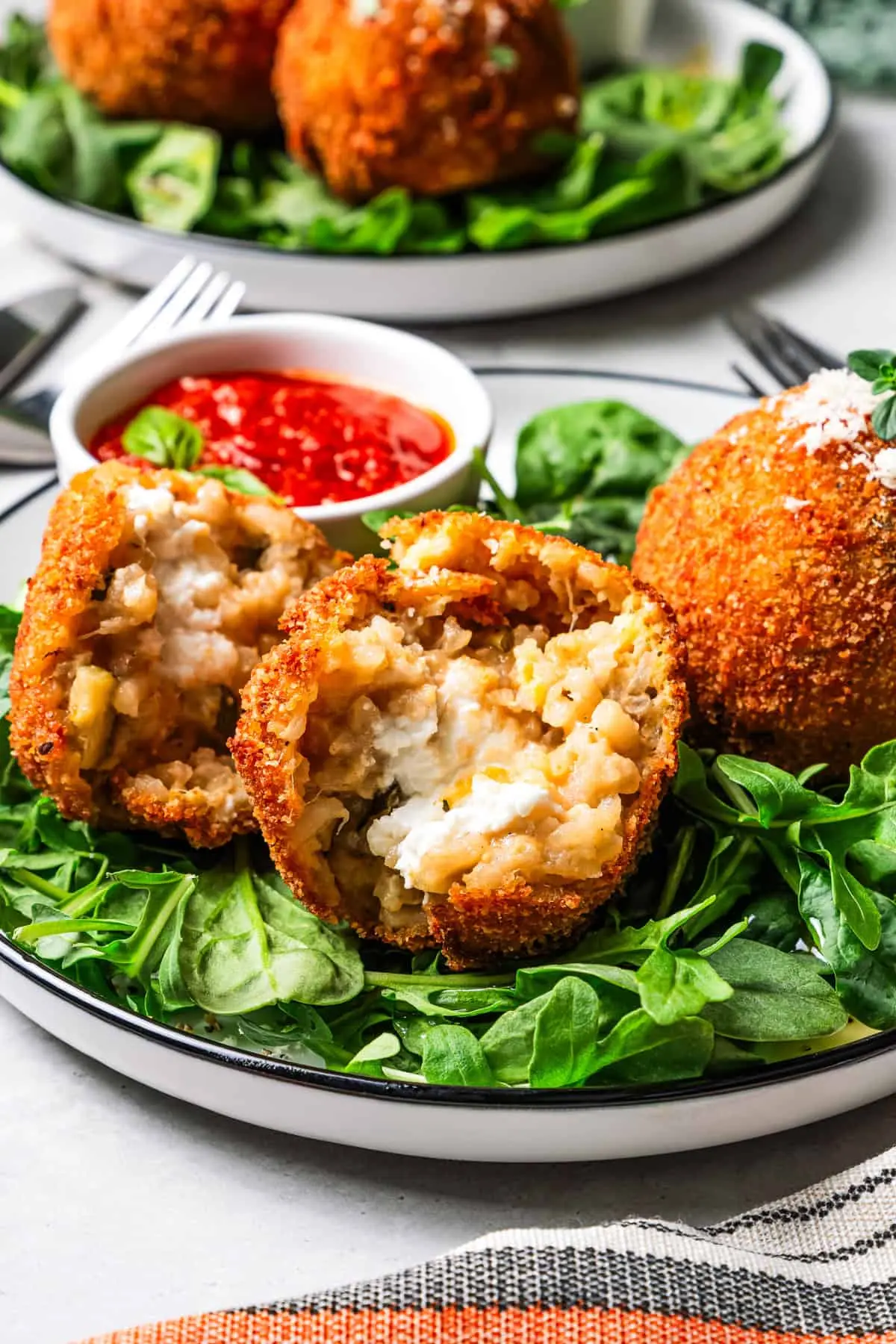
Embarking on the journey of creating authentic Italian arancini at home is a rewarding culinary adventure. These delightful fried rice balls, a beloved staple of Sicilian cuisine, promise a symphony of textures and flavors with every bite. Imagine a perfectly golden-brown exterior yielding to a tender, creamy interior, all enrobed in a savory risotto and harboring a molten, cheesy core.
This particular arancini recipe has been crafted with both seasoned home cooks and enthusiastic beginners in mind, aiming to demystify the process and ensure success. From the foundational risotto to the precise breading and frying techniques, every step is laid out to guide you toward creating these irresistible morsels that are perfect for any occasion, whether it’s a sophisticated appetizer or a comforting snack.
Why You Will Love This Recipe
- Crispy Golden Exterior: Each arancini boasts a perfectly fried, crunchy coating that locks in the creamy risotto and melty cheese center, creating an irresistible textural contrast.
- Molten Cheesy Core: The surprise inside is a generous pocket of tangy goat cheese that melts beautifully during frying, adding a luxurious and flavorful dimension to every bite.
- Beginner-Friendly Guidance: This recipe breaks down the process into clear, manageable steps, ensuring that even novice cooks can achieve impressive results with homemade arancini.
- Versatile Delight: Arancini are incredibly adaptable, serving brilliantly as an appetizer, a light meal, or a satisfying snack, and can be customized with various fillings and dipping sauces.
- Excellent for Leftovers: It’s a fantastic way to transform leftover risotto into a brand-new, delicious dish, minimizing food waste and maximizing flavor.
Ingredients You Need
The foundation of exceptional arancini lies in the quality of the ingredients you choose. Using fresh, high-quality components will elevate the final dish from merely good to truly outstanding. This recipe emphasizes using Arborio rice for its starchy properties, which are crucial for creating a cohesive risotto that binds perfectly. The creamy tang of goat cheese provides a delightful contrast to the rich rice, while a classic breading ensures that perfect crunch.
Arancini Recipe

Learn how to make perfect homemade arancini! My easy arancini recipe makes crispy, cheesy, golden-fried Italian rice balls filled with melty pockets of tangy goat cheese.
- 1 tablespoon olive oil
- 2 shallots, finely diced
- ½ teaspoon kosher salt
- 2 cloves garlic, minced
- 1 tablespoon unsalted butter
- 2 medium zucchini, finely diced
- 1 teaspoon fresh thyme leaves
- 1 cup Arborio rice
- ¼ cup white wine
- 2¾ cups vegetable broth
- ½ cup freshly grated Parmesan cheese
- ¼ cup fresh goat cheese
- ½ cup fresh goat cheese
- 1 large egg
- 1 cup all purpose flour
- 1 cup breadcrumbs
- ⅓ cup grated Parmesan cheese
- ½ teaspoon kosher salt
- ¼ teaspoon freshly ground black pepper
- vegetable oil, for frying
- 1To Make the Risotto
- 2Sauté the veggies: In a large, heavy-bottomed skillet, heat the olive oil over medium-high heat. Add the shallots, season with salt, and sauté until translucent. Add the garlic and sauté for 15 seconds or until fragrant. Add the butter. Once the butter has melted, add the zucchini. Sauté until tender and nicely browned, about 2 to 3 minutes.
- 3Toast the rice: Add the rice to the pan and cook for 1 minute, stirring constantly to toast.
- 4Cook the rice: Add the white wine. Cook until mostly evaporated. Turn the heat to medium-low. Add ½ cup of the broth. Cook until the vegetable broth absorbs into the rice, stirring occasionally. Repeat until you are out of broth, and don't forget to stir. If the rice is not fully cooked by the time you run out of vegetable broth, add a bit more broth or water, ½ cup at a time, until the rice is cooked through.
- 5Finish the rice: Remove the pan from the heat and stir in the grated Parmesan and goat cheese.
- 6Cool: Allow the rice to cool to room temperature before continuing. If you are not ready to make the arancini right away, store the cooled rice in an airtight container in the refrigerator for up to 2 days.
- 7To Make the Arancini
- 8Form the arancini: Divide the rice mixture into 12 portions and form the remaining goat cheese into 12 balls. Use your hands to form a portion of the rice mixture into a flat circle in your palm. Add a goat cheese ball to the center of the circle. Close the rice mixture around the goat cheese and form it into a ball. Repeat with the remaining portions of the rice mixture and goat cheese.
- 9Bread the arancini: Add the egg to a small bowl and the flour to another. In a large, shallow bowl, whisk together the breadcrumbs, Parmigiano, salt, and pepper. Dip a goat cheese-stuffed rice ball into the flour bowl, coating it thoroughly. Dip the ball into the egg, coating it thoroughly. Allow any excess egg to drip off the ball into the bowl. Dip the ball into the breadcrumb mixture, coating thoroughly.
- 10Heat the oil: Pour 4 inches of vegetable oil into a large, heavy-bottomed saucepan and heat over medium heat until a piece of bread added to the oil turns golden brown within 45 seconds. You could also use a thermometer and start frying the rice balls when the oil has reached a temperature of about 350°F to 375°F.
- 11Fry the arancini: Gently lower the rice balls into the oil and fry for 8-10 minutes. Turn the fried arancini out onto a plate lined with a paper towel.
- 12Serve: Serve the arancini warm with a fresh green salad.
Keywords: Arancini, Italian Rice Balls, Fried Risotto Balls, Goat Cheese Stuffed, Appetizer, Comfort Food, Italian Cuisine
Detailed quantities for each component are readily available in the accompanying recipe card for your convenience.
Variations
The beauty of arancini lies in their inherent adaptability, allowing for endless creative interpretations. Beyond the classic goat cheese filling, you can explore a world of flavors to suit any palate or occasion, making each batch a unique culinary experience.
Vegan Arancini: For a plant-based twist, prepare the risotto using vegetable broth and nutritional yeast for cheesy flavor. Instead of dairy cheese, consider using a firm, dairy-free mozzarella alternative that melts well, or even a savory cashew-based cream cheese. The breading can be made vegan by using a plant-based milk or aquafaba as the binder instead of eggs, ensuring a delicious, cruelty-free treat.
Low Carb Arancini: While traditional arancini are rice-based, you can create a low-carb variation by substituting cauliflower rice for Arborio rice. Steam and thoroughly dry the cauliflower rice before incorporating it into the risotto-style preparation, binding it with a touch of almond flour or psyllium husk. For the filling, cubes of sharp cheddar or mozzarella work wonderfully, offering a satisfyingly cheesy experience without the carbs.
Spicy Chorizo and Manchego Arancini: Inject some fiery Spanish flair by adding finely diced, cooked chorizo sausage and cubes of Manchego cheese to the risotto. The spicy, smoky notes of the chorizo combined with the nutty, firm texture of the Manchego create a robust and exciting flavor profile. This variation is particularly delicious served with a vibrant romesco sauce for an extra layer of complexity.
How to Prepare Arancini recipe
Step 1: Crafting the Perfect Risotto Base
The journey to perfect arancini begins with a meticulously prepared risotto. This isn’t just any rice dish; it’s the very soul of your fried rice balls, providing the creamy texture and structural integrity needed for shaping. It’s crucial to use the right type of rice, like Arborio, which releases its starches to create that signature creamy consistency that holds everything together beautifully.
Begin by gently sautéing finely diced shallots in a generous swirl of olive oil within a heavy-bottomed skillet over medium-high heat. Season them with a pinch of kosher salt to draw out their moisture and encourage a beautiful translucence. Once the shallots have softened and become fragrant, introduce the minced garlic, stirring it in for just about 15 seconds until its aroma fills your kitchen, being careful not to let it burn.
Next, add a tablespoon of unsalted butter to the skillet. As it melts, toss in the finely diced zucchini, allowing it to sauté until it achieves a tender yet pleasingly browned appearance, typically taking about two to three minutes. This brief sautéing enhances the zucchini’s sweetness and removes excess moisture, preventing a soggy risotto. Finish this initial stage by stirring in the fresh thyme leaves, releasing their herbaceous aroma into the mixture.
Step 2: Toasting the Rice and Building Flavor
Now, introduce the star of the risotto: the Arborio rice. Add it directly to the skillet with the sautéed vegetables and toast it for approximately one minute, stirring constantly. This toasting process is vital as it coats each grain of rice in fat, slightly hardens its exterior, and helps it absorb liquid more evenly, leading to a better texture in the final risotto. It also toasts the rice slightly, unlocking a nuttier depth of flavor that is subtle but important.
Following the toasting, deglaze the pan by pouring in the white wine. Allow this wine to bubble and cook until it has almost completely evaporated, which takes away the raw alcohol taste and leaves behind a delicate fruity note. This step adds a layer of complexity to the risotto’s flavor profile, complementing the richness of the other ingredients and creating a more balanced taste. Don’t rush this part, as the evaporation is key to developing the wine’s flavor within the rice.
Once the wine has mostly reduced, lower the heat to medium-low, signifying the beginning of the slow, steady cooking process. Begin adding the vegetable broth, about half a cup at a time. Stir the rice occasionally, allowing the liquid to be absorbed before adding the next ladleful. This gradual addition and stirring is what encourages the Arborio rice to release its starches, forming the creamy emulsion that defines a perfect risotto. Be patient and continue this process until all the broth is incorporated and the rice is cooked al dente, meaning it’s tender but still has a slight bite.
Step 3: Finishing the Risotto and Cooling
When the rice has reached that perfect al dente consistency and has absorbed most of the liquid, it’s time to finish the risotto. Remove the skillet from the heat to stop the cooking process and prevent the rice from becoming mushy. This gentle off-heat incorporation ensures the final textures remain optimal for shaping later on.
Stir in the freshly grated Parmesan cheese and the quarter cup of fresh goat cheese. The residual heat from the risotto will be sufficient to melt these cheeses into a lusciously creamy, integrated mixture. This step not only adds immense flavor but also contributes to the risotto’s binding properties, making it easier to form into compact balls. Ensure the cheese is thoroughly mixed in, creating a cohesive, rich, and wonderfully aromatic base.
Crucially, the risotto must cool down completely to room temperature before you can proceed to shape it into arancini. This cooling period is non-negotiable; attempting to shape hot risotto will result in a sticky, unmanageable mess and your arancini will be far less likely to hold their shape. If you’re not making the arancini immediately, transfer the cooled risotto to an airtight container and refrigerate it for up to two days; chilled risotto is even easier to handle for shaping.
Step 4: Shaping and Filling the Arancini
With your perfectly cooled risotto ready, it’s time to transform it into the classic arancini shape. Divide the risotto mixture into approximately 12 equal portions. This ensures that each rice ball will be uniformly sized, leading to consistent cooking times and presentation. Using your hands, take one portion of the risotto and flatten it into a small circle in your palm; the size of a small coin is generally ideal.
Prepare the filling by dividing the remaining half cup of fresh goat cheese into 12 small balls. These cheese balls should be roughly the size of a small marble or a hazelnut. Carefully place one of these goat cheese balls into the center of the flattened risotto circle in your palm. The aim is to create a generous, melty core for your arancini.
Gently fold the edges of the risotto circle up and around the goat cheese ball, sealing it completely within the rice. Continue to roll and shape the mixture between your palms until you have a smooth, compact ball. Repeat this process with the remaining portions of risotto and goat cheese, ensuring each ball is well-sealed to prevent the cheese from leaking out during frying. This meticulous shaping is key to achieving that perfect, enclosed sphere.
Step 5: The Breading Process for Ultimate Crispiness
Achieving that signature crunchy exterior requires a classic three-step breading process. Set up your breading station with three shallow bowls or plates. In the first bowl, crack the large egg and whisk it thoroughly with a fork until it’s well combined and slightly frothy; this acts as the binder for the breadcrumbs. In the second bowl, place the all-purpose flour, ensuring it’s readily accessible for coating.
In the third, largest shallow bowl, combine the breadcrumbs, the additional one-third cup of grated Parmesan cheese, the kosher salt, and the freshly ground black pepper. Whisk these ingredients together until they are evenly distributed. The Parmesan adds an extra layer of savory flavor to the coating, while the salt and pepper season the crust perfectly. This flavorful breadcrumb mixture is what will give your arancini their irresistible golden crunch.
Now, take one shaped arancini ball and carefully dip it into the flour, ensuring it is completely coated on all sides. Gently shake off any excess flour. Next, dip the flour-coated ball into the beaten egg mixture, allowing any excess egg to drip back into the bowl. Finally, roll the egg-coated ball in the seasoned breadcrumb mixture, pressing lightly to ensure the breadcrumbs adhere thoroughly and evenly. Repeat this entire breading process for all the arancini, setting them aside on a clean plate or parchment paper as you go.
Step 6: Frying to Golden Perfection
The final step is to fry the arancini to a beautiful golden brown, rendering them crispy on the outside and gloriously gooey on the inside. Pour about four inches of vegetable oil into a large, heavy-bottomed saucepan or a Dutch oven. Heat the oil over medium heat until it reaches the optimal frying temperature. A good indicator is when a small piece of bread dropped into the oil turns golden brown within about 45 seconds, or when a thermometer registers between 350°F and 375°F (175°C to 190°C).
Carefully and gently lower the breaded arancini into the hot oil, being mindful not to overcrowd the pan, as this can lower the oil temperature and result in greasy arancini. Fry them in batches of three to four at a time, allowing them enough space to cook evenly. The frying process typically takes about 8 to 10 minutes, or until they are a deep golden brown and beautifully crisp all over.
Once perfectly fried, use a slotted spoon or spider strainer to carefully remove the arancini from the hot oil. Transfer them immediately to a plate lined with paper towels. This step is crucial for absorbing any excess oil, ensuring that your arancini are as crisp as possible and not greasy. Allow them to drain for a minute or two before serving them warm. For the best experience, serve them immediately after frying, when the cheese is perfectly molten and the crust is at its crunchiest.
Pro Tips for Arancini recipe
- Chill Before Frying: If you’re concerned about your arancini holding their shape during frying, especially if they seem a bit soft, pop the breaded balls into the freezer for 10-15 minutes before they hit the oil. This brief chill firms them up considerably, reducing the risk of them breaking apart in the hot oil.
- Don’t Overcrowd the Pan: Frying in batches is essential. Overcrowding the pan will drop the oil temperature significantly, leading to soggy, greasy arancini rather than crisp, golden ones.
- Even Risotto Cooling is Key: Ensure your risotto is completely cooled to room temperature before you attempt to shape it. Warm risotto is sticky and difficult to handle, making it hard to form tight balls that will maintain their structure during the frying process.
- Consistent Oil Temperature: Maintaining a consistent oil temperature between 350°F and 375°F (175°C to 190°C) is vital. Too low, and they’ll absorb too much oil; too high, and the outside will burn before the inside is heated through.
- Taste Your Breading: Always taste your breadcrumb mixture before coating the arancini. Adjust the salt and pepper as needed to ensure the crust is well-seasoned, as this is a significant flavor component of the final dish.
Serving Suggestions for Arancini recipe
Decoration
Elevate your arancini presentation with a simple yet elegant flourish. A light dusting of finely chopped fresh parsley or chives adds a vibrant pop of color and a hint of fresh aroma. For a touch of sophistication, a drizzle of balsamic glaze or a sprinkle of smoked paprika can also enhance both the visual appeal and the flavor profile of your dish.
Side Dishes
Arancini pair beautifully with a variety of accompaniments that complement their rich, savory nature. A fresh, crisp green salad with a light vinaigrette offers a refreshing counterpoint to the fried rice balls. Alternatively, a vibrant Mediterranean salad, bursting with olives, tomatoes, and cucumbers, provides a delightful textural and flavorful contrast. For a heartier meal, consider serving them alongside a classic tomato burrata salad.
Creative Serving Ideas
Beyond the traditional appetizer, arancini can be the star of a casual Italian feast. Serve them as a delightful starter before a substantial main course such as tender osso buco, grilled chicken spiedini, or a comforting bowl of pasta with homemade spaghetti sauce, allowing them to whet the appetite. For a more relaxed gathering, present them as a sophisticated snack alongside a selection of Italian cured meats and cheeses, or even as a fun, bite-sized component of a tapas-style meal. Don’t forget a sweet treat afterward, like chewy funfetti cookies or a classic Italian berry tart.
Preparation & Storage
Storing Leftovers
Should you be fortunate enough to have any leftover arancini, storing them properly is key to maintaining their quality. Once they have cooled completely, place them in an airtight container. Ensure the container is well-sealed to prevent the arancini from drying out or absorbing odors from the refrigerator. They will keep well in the refrigerator for approximately 2 to 3 days.
Freezing
Arancini are excellent candidates for freezing, allowing you to enjoy them at a later date. You can freeze them either before or after they have been fried. For best results, place the shaped (or fried) arancini on a parchment-lined baking sheet in a single layer, ensuring they are not touching. Freeze them until solid, which usually takes about 1-2 hours. Once frozen, transfer the individual balls to a freezer-safe bag or airtight container for storage for up to 2 months.
Reheating
The best way to reheat arancini and preserve their delightful crispiness is by using your oven. Preheat your oven to 350°F (175°C). Arrange the leftover arancini on a baking sheet, ideally on a wire rack set over the sheet to allow for better air circulation and crisping. Warm them for about 10-15 minutes, or until they are heated through and the exterior has regained its crisp texture. Avoid microwaving, as this will result in a soggy texture.
Frequently Asked Questions
-
Can I bake arancini instead of frying them?
While deep-frying is the traditional method that yields the most authentic crispy texture, baking is a viable alternative if you prefer to avoid frying. To bake your arancini, preheat your oven to 350°F (175°C) and place the breaded rice balls on a wire rack set over a baking sheet. Line the baking sheet with parchment paper for easier cleanup. Bake for approximately 20 minutes, turning them halfway through, until they are golden brown and heated through. Keep a close eye on them as baking times can vary depending on your oven and the size of the arancini.
-
How do you keep arancini from falling apart during cooking?
The most critical factor in preventing arancini from falling apart is ensuring the risotto is completely cooled and firm before shaping. If the risotto is too warm or too wet, it won’t hold its shape. Secondly, chilling the shaped and breaded arancini in the freezer for about 10-15 minutes before frying adds extra stability. If your oil isn’t hot enough when you start frying, it’s better to keep the un-fried arancini in the refrigerator until the oil reaches the correct temperature; this helps them maintain their structure.
-
What is the best way to season the breadcrumbs for arancini?
For the most flavorful breadcrumb coating, it’s recommended to mix in additional grated Parmesan cheese, along with kosher salt and freshly ground black pepper. You can also add a pinch of garlic powder, onion powder, or even a touch of dried Italian herbs like oregano or basil to the breadcrumb mixture for an extra layer of savory depth. Whisking these ingredients thoroughly ensures an even distribution of flavor throughout the crust. Remember to taste a small amount of the mixture before coating to adjust seasonings if necessary.