Rhubarb and Raspberry Pavlova Recipe Easy Perfect Spring Dessert with Chantilly Cream
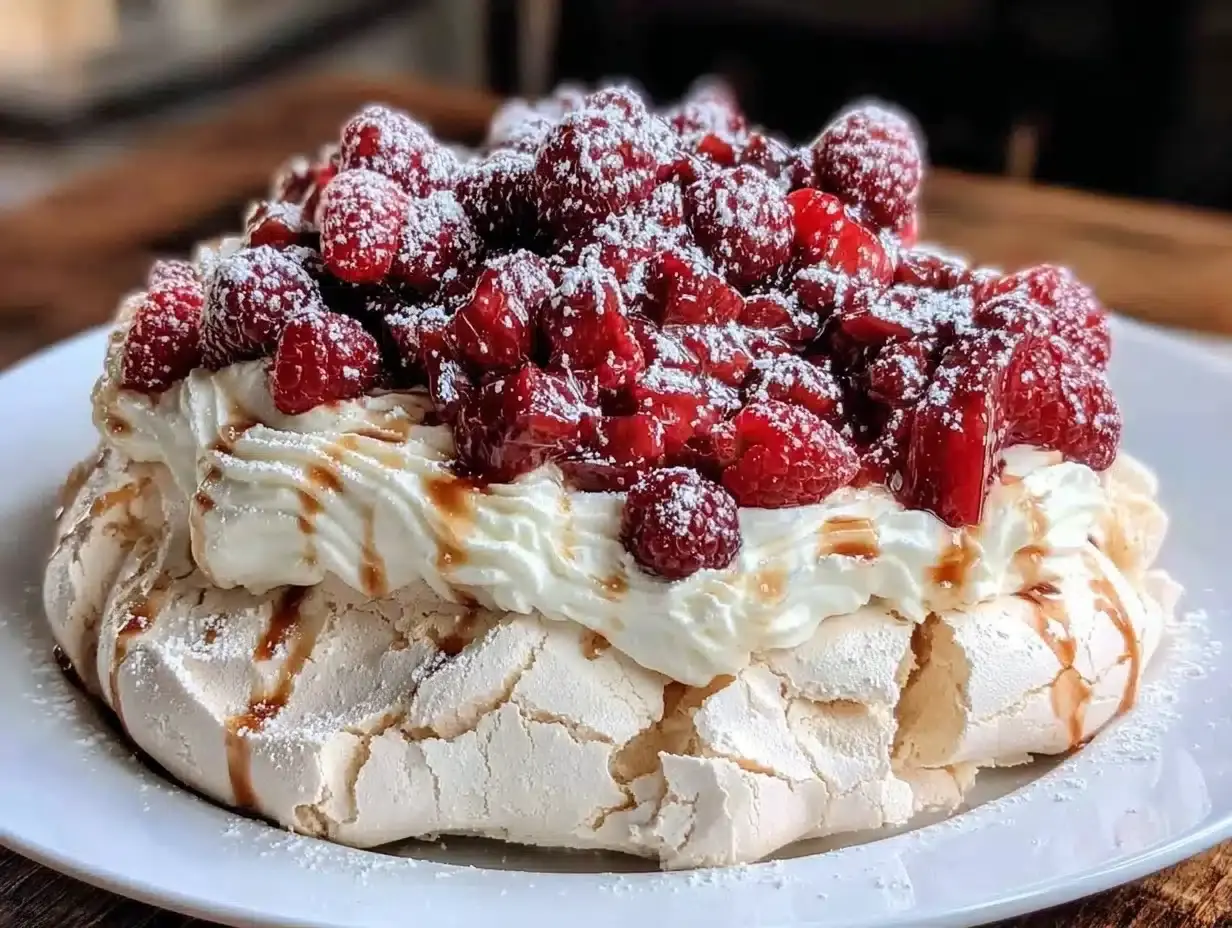
The first time I made this rhubarb and raspberry pavlova with Chantilly cream, it was for a spring garden party—one of those rare sunny days when the air smells like fresh earth and blooming flowers. I remember nervously carrying the towering meringue out to the table, worried it might collapse or taste like crunchy sugar.
But the moment my friends took their first forkfuls, their eyes lit up. That crisp shell giving way to marshmallow-soft inside, the tangy rhubarb and vibrant raspberries balancing the sweet cream—it was like spring on a plate. Since then, I’ve made this pavlova every spring for gatherings big and small. It’s become my go-to dessert when I want something that feels fancy but is actually pretty simple to pull off.
Why You Will Love This Recipe
- Perfect Balance: The crisp meringue offers a delightful contrast to the tart rhubarb and sweet raspberries, creating a harmonious flavor profile that is both refreshing and satisfying.
- Texture Sensation: Experience the unique textural interplay of a shatteringly crisp outer shell yielding to a chewy, marshmallow-like interior. This classic pavlova characteristic is achieved through careful baking and cooling.
- Elegant Presentation: With its towering meringue, vibrant fruit topping, and creamy Chantilly, this dessert is a visual masterpiece that’s sure to impress any guest. It’s the perfect centerpiece for any spring or summer celebration.
- Seasonal Flavors: Embracing the best of spring, the tartness of rhubarb and the bright sweetness of raspberries come together to create a dessert that truly sings of the season.
- Make-Ahead Convenience: The meringue base can be prepared in advance, simplifying assembly on the day of your event and reducing last-minute kitchen stress. This makes entertaining a breeze.
Ingredients You Need
Crafting a truly exceptional rhubarb and raspberry pavlova begins with selecting the finest ingredients. High-quality components are the bedrock of this delicate dessert, ensuring each bite is a celebration of flavor and texture. I always opt for fresh, vibrant produce and good pantry staples to achieve that signature crisp exterior and soft, marshmallow-like interior.
Rhubarb and Raspberry Pavlova with Chantilly Cream
A perfect spring dessert featuring a crisp yet marshmallow-soft meringue base topped with tangy rhubarb and fresh raspberries, finished with rich Chantilly cream. This recipe is impressive but easy to assemble.
- 4 large egg whites
- 1 cup (200g) granulated sugar
- 1 teaspoon cornstarch
- 1 teaspoon white vinegar
- 1 teaspoon vanilla extract
- 2 cups chopped rhubarb (about
- 300g)
- 1 cup (125g) fresh raspberries
- 1 cup (240ml) heavy cream
- 2 tablespoons powdered sugar
- 1 teaspoon vanilla extract
- 1Preheat oven to 250°F (120°C). Line a baking sheet with parchment paper and draw a 7-inch (18cm) circle as a guide on the back side of the paper.
- 2In a clean, dry bowl, beat 4 large egg whites on medium speed until soft peaks form. Gradually add 1 cup (200g) granulated sugar, a tablespoon at a time, increasing speed to high. Beat until glossy and stiff peaks form (5-7 minutes).
- 3Sprinkle in 1 teaspoon cornstarch, 1 teaspoon white vinegar, and 1 teaspoon vanilla extract, folding gently with a spatula to combine. The meringue should be thick and shiny.
- 4Spoon the meringue onto the parchment paper within the circle, building edges slightly higher than the center to create a shallow bowl shape. Smooth or leave rustic as desired.
- 5Bake at 250°F (120°C) for 1 hour and 15 minutes until the outside is crisp and dry but not browned. Turn off oven and leave meringue inside to cool completely with door slightly ajar.
- 6While baking or cooling, combine 2 cups chopped rhubarb, ½ cup sugar, and ¼ cup water in a saucepan. Cook over medium heat, stirring occasionally, until rhubarb softens but holds shape, about 10 minutes.
- 7Remove from heat and gently fold in 1 cup fresh raspberries. Let cool completely.
- 8In a chilled bowl, beat 1 cup heavy cream, 2 tablespoons powdered sugar, and 1 teaspoon vanilla extract until soft peaks form. Do not overwhip.
- 9Carefully transfer cooled meringue to a serving plate. Dollop Chantilly cream into the center and spread gently.
- 10Spoon rhubarb and raspberry compote over the cream, letting juices mingle. Garnish with extra fresh raspberries or mint leaves if desired.
Keywords: pavlova, rhubarb, raspberry, Chantilly cream, spring dessert, meringue, easy dessert, fruit dessert
- egg whites: sourced at room temperature for optimal whipping volume, these form the airy structure of the meringue base.
- granulated sugar: provides the sweetness and structure, dissolving slowly to create a stable, glossy meringue.
- cornstarch: a secret weapon that helps create the signature soft, marshmallow-like center.
- white vinegar: a touch of acidity that stabilizes the egg whites, ensuring a strong and resilient meringue.
- vanilla extract: infuses the meringue with a subtle, warm aroma and flavor.
- rhubarb stalks: freshly picked, firm, and bright red stalks offer the essential tartness that cuts through the sweetness.
- granulated sugar: used to cook down the rhubarb, balancing its natural tartness with a gentle sweetness.
- water: a small amount to help the rhubarb soften evenly without becoming mushy.
- fresh raspberries: added at the end to retain their vibrant color and fresh, slightly tart flavor.
- heavy cream: chilled to perfection, this whips into a luscious, decadent Chantilly cream.
- powdered sugar: dissolves seamlessly into the cream for a subtle, smooth sweetness.
- vanilla extract: enhances the richness of the cream, elevating it to a truly luxurious topping.
You’ll find precise quantities for each ingredient within the detailed recipe card, ensuring perfect results every time.
Variations
Once you’ve mastered the classic rhubarb and raspberry pavlova, the possibilities for variations are truly endless. The versatility of the meringue base and the creamy topping allows for a delightful canvas to explore new flavor combinations. This is where your own creativity can truly shine.
For a tropical escape, consider a tropical fruit pavlova. Swap the rhubarb and raspberries for a vibrant mix of diced mango, passionfruit pulp, and perhaps some finely grated lime zest folded into the Chantilly cream. The bright, tangy flavors of the tropics create an exhilarating contrast to the sweet meringue, making it a refreshing alternative for warmer days. This version offers a completely different sensory experience, transporting you to sun-drenched shores with every spoonful.
If you’re looking for a more decadent experience, a chocolate-kissed pavlova is an excellent choice. Drizzle melted dark or milk chocolate generously over the assembled pavlova just before serving. You could also add a sprinkle of toasted flaked almonds or desiccated coconut for an added textural element and nutty depth. This variation adds a rich, indulgent layer that appeals to chocolate lovers and transforms the light dessert into something more luxurious.
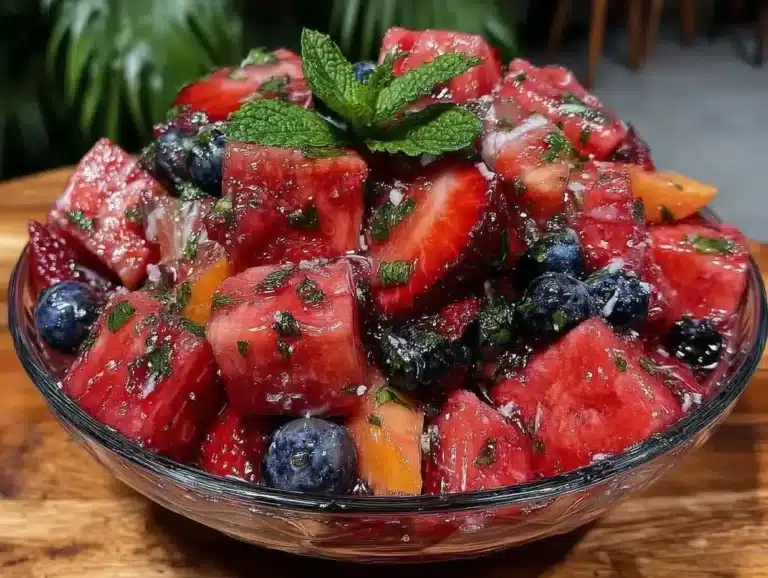
For a vibrant and berry-forward twist, a mixed berry pavlova is always a winner. Simply combine fresh blueberries, blackberries, and a few extra raspberries. Macerate them with a touch of sugar and a squeeze of lemon juice for about 15-20 minutes before spooning them over the Chantilly cream. The medley of berry flavors offers a beautiful spectrum of sweet and tart notes, and the different colors make for a visually stunning dessert that’s a feast for the eyes as well as the palate.
Experimenting with different liqueurs can also add a sophisticated touch. A tablespoon of elderflower liqueur folded into the Chantilly cream, or a splash of raspberry liqueur drizzled over the fruit topping, can elevate the dessert to new heights. For those who enjoy a bit more tartness, a lemon curd swirled into the Chantilly cream provides a wonderfully zingy counterpoint to the sweet meringue, creating a delightful citrusy note that complements the fruits beautifully. The key is to have fun and tailor the flavors to your personal preferences.
How to Prepare rhubarb and raspberry pavlova
Step 1: Preheat Oven and Prepare Baking Sheet (10 minutes)
Begin by preheating your oven to a low and steady 250°F (120°C). This gentle heat is crucial for achieving the perfect pavlova texture – a crisp exterior without browning. Simultaneously, prepare your baking sheet by lining it with parchment paper.
For a perfectly shaped pavlova, it’s helpful to have a guide. On the underside of the parchment paper, use a pencil to draw a circle about 7 inches (18cm) in diameter. This ensures your meringue forms a consistent base, ready to cradle the delicious toppings.
Ensure the baking sheet is stable and will not be moved during the baking process. A properly prepared baking sheet prevents sticking and makes transferring the finished pavlova much easier, setting you up for success right from the start.
Step 2: Make the Meringue Base (15 minutes)
In a meticulously clean and dry mixing bowl, whisk four large egg whites on medium speed until soft peaks begin to form. It’s essential that the bowl and whisk are free from any grease, as this can prevent the egg whites from whipping properly. The goal here is to incorporate air gradually, building a stable foundation for your meringue.
Once soft peaks appear, begin gradually adding your granulated sugar, about a tablespoon at a time, while increasing the mixer speed to high. Continue beating until the mixture becomes glossy, stiff, and forms shiny peaks that hold their shape when the whisk is lifted. This process can take anywhere from 5 to 7 minutes, so patience is key to achieving the ideal meringue consistency.
Finally, gently sprinkle in one teaspoon of cornstarch, one teaspoon of white vinegar, and one teaspoon of vanilla extract. Use a rubber spatula to gently fold these ingredients into the meringue. This step stabilizes the structure and adds that signature soft, marshmallow-like interior, ensuring a delightful contrast to the crisp exterior. The resulting meringue should be thick, smooth, and almost marshmallowy in texture, ready for shaping.
Step 3: Shape the Meringue (5 minutes)
Carefully spoon the prepared meringue mixture onto the parchment paper, using the drawn circle as your guide. Distribute the meringue evenly within the circle, ensuring it forms a cohesive base for your dessert.
To create the characteristic pavlova shape, build the edges of the meringue slightly higher than the center. This forms a shallow bowl or nest that will beautifully hold the Chantilly cream and the vibrant fruit compote later on. This slight elevation is not just for aesthetics; it helps contain the toppings and prevent them from spilling over the sides.
You can smooth the top with a spatula or the back of a spoon for a more refined look, or embrace a more rustic, free-form appearance. Both styles are equally charming and delicious, allowing you to tailor the pavlova’s presentation to your preference. The key is to create a stable, appealing foundation for the subsequent layers.
Step 4: Bake the Meringue (1 hour 15 minutes)
Place the shaped meringue into the preheated oven, set at 250°F (120°C). Bake for a total of 1 hour and 15 minutes. During this time, the meringue will slowly cook and dry out, developing its characteristic crisp exterior.
The objective is for the outside to become crisp and dry to the touch, with a creamy white color. It is crucial to avoid any browning, as this indicates the oven temperature is too high and can lead to a less desirable texture or even burning. Observe the pavlova throughout the baking process to ensure it maintains its pale hue.
Once the baking time is complete, turn off the oven. Do not remove the pavlova immediately; instead, leave it inside the oven to cool completely with the door slightly ajar. This gradual cooling process is vital for preventing dramatic temperature changes that can cause the meringue to crack. The residual heat will continue to gently dry the interior, ensuring that perfectly chewy center.
Step 5: Make the Rhubarb Compote (15 minutes)
While the meringue is in its passive baking or cooling phase, you can turn your attention to preparing the vibrant rhubarb and raspberry compote. In a medium saucepan, combine the chopped rhubarb stalks with half a cup of granulated sugar and a quarter cup of water. The sugar will help draw out the rhubarb’s natural juices and balance its tartness.
Place the saucepan over medium heat and cook, stirring occasionally, until the rhubarb softens but still retains some of its shape. This usually takes about 10 minutes. You don’t want the rhubarb to turn into a complete mush; some texture will make the compote more appealing.
Once the rhubarb is tender, remove the saucepan from the heat. Gently fold in one cup of fresh raspberries. The residual heat will slightly warm them, releasing some of their juices without making them break down entirely. Allow the compote to cool completely before assembling the pavlova; this allows the flavors to meld beautifully and prevents the warm compote from affecting the cream.
Step 6: Whip the Chantilly Cream (5 minutes)
Just before you are ready to assemble your masterpiece, prepare the Chantilly cream. Ensure your heavy cream is well-chilled, straight from the refrigerator, as this is essential for achieving the best volume when whipping. Pour one cup of heavy cream into a chilled mixing bowl.
Add two tablespoons of powdered sugar and one teaspoon of vanilla extract to the cream. Begin whipping on medium-high speed. Continue until soft peaks form; this means that when you lift the whisk, the cream will hold a soft shape that gently curls over. Be careful not to overwhip, as this can turn the cream into butter, which is not ideal for a light and airy topping.
The goal is a light, luscious cream that will beautifully complement the crisp meringue and tart fruit. Once soft peaks are achieved, set the Chantilly cream aside. Keep it chilled until you are ready to assemble the pavlova.
Step 7: Assemble the Pavlova (5-10 minutes)
Now for the grand finale: assembling your stunning rhubarb and raspberry pavlova. Carefully transfer the completely cooled meringue base from the parchment paper onto your chosen serving plate. A wide spatula or even a clean oven mitt can help with this delicate maneuver.
Next, gently dollop the prepared Chantilly cream into the center of the meringue nest. Spread it outwards towards the edges using your spatula, creating a beautiful, creamy layer that acts as a soft bed for the fruit. Aim for an even layer, but don’t worry if it’s not perfectly smooth – a slightly rustic look adds to its charm.
Finally, spoon the cooled rhubarb and raspberry compote generously over the Chantilly cream. Allow the vibrant juices to mingle with the cream, creating a beautiful swirl of color and flavor. For an extra touch of elegance and freshness, garnish with a few additional fresh raspberries or a sprig of fresh mint. Your show-stopping dessert is now ready to be admired and devoured!
Pro Tips for rhubarb and raspberry pavlova
Crafting the perfect pavlova, especially one featuring the delicate balance of rhubarb and raspberry, involves a few key techniques that ensure success. These tips, born from experience, are designed to help you achieve that sought-after crisp shell and marshmallowy center every time. Embracing these little secrets will elevate your pavlova from good to absolutely unforgettable, making it a true highlight of any meal. They are the accumulated wisdom from many attempts, both successful and those that taught valuable lessons.
Use Room-Temperature Egg Whites: For the fluffiest, most voluminous meringue, always ensure your egg whites are at room temperature. Cold egg whites from the refrigerator simply won’t whip up as well, resulting in less volume and a less stable structure. You can separate your eggs the day before and leave the whites uncovered in the fridge to dry out slightly and reach room temperature faster.
Add Sugar Slowly: When beating the egg whites, add the granulated sugar gradually, a tablespoon at a time. This allows the sugar crystals to dissolve properly into the egg whites. If you add it too quickly, the sugar may remain gritty, leading to a grainy meringue texture and a less stable structure that’s prone to weeping.
Low and Slow Baking is Key: Resist the temptation to rush the baking process by increasing the oven temperature. Pavlova requires low and slow baking (around 250°F or 120°C) to dry out the meringue without browning it. This gentle heat ensures the exterior crisps up beautifully while the interior remains wonderfully soft and chewy, creating that signature textural contrast.
Cool Meringue in the Oven: Once baked, turn off the oven and leave the meringue inside to cool completely with the door slightly ajar. This gradual cooling prevents drastic temperature changes, which are a common cause of cracks. The residual heat will continue to dry out the meringue gently, helping to maintain its integrity and texture.
Make Rhubarb Compote Ahead: For a stress-free assembly, prepare the rhubarb and raspberry compote a day in advance. It can be stored in an airtight container in the refrigerator. This allows the flavors to meld and deepen, and it means one less thing to worry about on the day you plan to serve. The compote will be perfectly chilled and ready to go.
Whip Cream Just Before Serving: Chantilly cream is at its best when freshly whipped. While it can be refrigerated for a few hours, it’s ideal to whip it just before you plan to assemble the pavlova to ensure it remains light, airy, and holds its shape beautifully. If it starts to separate, a quick whisk will bring it back together.
Embrace Imperfections: Don’t be disheartened if your pavlova cracks slightly during baking or cooling. Small cracks are perfectly normal and often add to the rustic charm of the dessert. They don’t affect the taste or the delightful textures one bit, so consider them a badge of honor for your home-baked creation.
Serving Suggestions for rhubarb and raspberry pavlova
Decoration
The presentation of your rhubarb and raspberry pavlova is almost as important as its taste. To make it truly shine, focus on enhancing its natural beauty with complementary garnishes. A few fresh raspberries, artfully scattered around the base or nestled into the cream, will echo the flavors within and add a vibrant pop of color. Edible flowers, such as violas or pansies, can add an exquisite, ethereal touch, making the dessert look like it belongs in a fairytale garden. A delicate dusting of powdered sugar over the entire creation can mimic a light snowfall, adding a touch of elegance and visual depth.
Side Dishes
While this pavlova is a complete dessert in itself, it pairs wonderfully with certain accompaniments that enhance its flavors without overwhelming them. A glass of crisp, dry sparkling rosé or a light, aromatic Moscato d’Asti complements the sweetness and fruitiness of the dessert beautifully. For a non-alcoholic option, a homemade raspberry lemonade or a delicate elderflower cordial provides a refreshing counterpoint. If you desire a more substantial pairing, a simple shortbread cookie or a light almond biscotti served alongside can add a pleasant crunch and complementary nutty flavor.
Creative Serving Ideas
Beyond the traditional single, large pavlova, consider individual mini pavlovas for an elegant party setting. These bite-sized wonders are easier to serve and allow guests to enjoy their own personal dessert. For a more interactive experience, set up a “pavlova bar” where guests can assemble their own, choosing from various fruits, sauces, and whipped cream options. This adds an element of fun and personalization. You could also deconstruct the pavlova by serving the meringue shards, Chantilly cream, and fruit compote in separate bowls, allowing guests to layer their own perfect bite. This method is particularly useful if you want to keep the meringue crisp until the very last moment, especially in humid weather.
Preparation & Storage
Storing Leftovers
Storing leftover rhubarb and raspberry pavlova requires a bit of strategy to maintain its delicate textures. It’s best to store any components separately if possible. The meringue base, if it has any leftovers, can be kept in an airtight container at room temperature for up to 2 days, provided the environment is not too humid, as moisture is its enemy. The rhubarb and raspberry compote will keep well in an airtight container in the refrigerator for up to 4 days. The Chantilly cream should be stored separately in an airtight container in the fridge and is best used within 1-2 days; if it starts to look a bit watery, a quick whisk can often revive it.
Freezing
Freezing a fully assembled pavlova is generally not recommended due to the delicate nature of the meringue and whipped cream. The meringue can become soggy and lose its crispness upon thawing, and the cream’s texture can be compromised. However, the meringue base itself can be baked ahead and frozen if wrapped very tightly in plastic wrap and then in foil. Thaw it slowly at room temperature before assembling. The rhubarb compote can also be frozen in an airtight container for up to 3 months; thaw it in the refrigerator and drain any excess liquid before using.
Reheating
Reheating a fully assembled pavlova is not advisable as it will ruin the textures. The goal is to preserve the crispness of the meringue and the lightness of the cream. If you have leftover compote, it does not need reheating and is best served chilled or at room temperature. If, by chance, you only have leftover meringue and want to re-crisp it, you could potentially place it in a very low oven (around 200°F or 95°C) for a short period, but this carries the risk of drying it out too much or causing it to brown. Generally, it’s best to enjoy the pavlova fresh and store components separately for any future use.
Frequently Asked Questions
- Can I make the meringue ahead of time?
Yes, absolutely! The meringue base is an excellent candidate for making ahead, which significantly simplifies the assembly process. Bake the meringue according to the instructions, ensure it has cooled completely, and then store it in an airtight container at room temperature. It’s crucial to keep it away from humidity, as this can cause it to soften and lose its crispness. For best results, aim to assemble the pavlova within one to two days of baking the meringue. Store the cooled meringue in a dry place, perhaps in a cupboard away from any moisture sources, to maintain its perfect texture until you’re ready to add the cream and fruit.
- What if I don’t have fresh rhubarb? Can I use frozen?
Frozen rhubarb is a perfectly acceptable substitute for fresh rhubarb, especially if fresh is out of season or unavailable. When using frozen rhubarb, it’s important to thaw it completely first and then drain away any excess liquid that is released during thawing. This step prevents the compote from becoming too watery. You may need to adjust the cooking time slightly, as frozen rhubarb can soften more quickly. The flavor of frozen rhubarb might be slightly less bright and intense than fresh, but it will still yield a delicious and tart compote that complements the pavlova wonderfully. Ensure you’ve drained it well to achieve the desired consistency.
- Can I use frozen raspberries instead of fresh ones for the topping?
Using frozen raspberries is also a viable option for the topping, though fresh ones are generally preferred for their vibrant texture and color. If you opt for frozen raspberries, it’s best not to thaw them before adding them to the compote or using them as a fresh garnish. Frozen raspberries will bleed their color and juices more readily into the cream, which can alter the visual appearance of the final dessert, making the cream pinkish. However, this doesn’t significantly impact the delicious flavor. The tartness and sweetness they provide will still be delightful, and they add a lovely fruity element to the overall dessert experience. Just be prepared for a slightly different aesthetic.