Coconut Mug Cake in Minutes
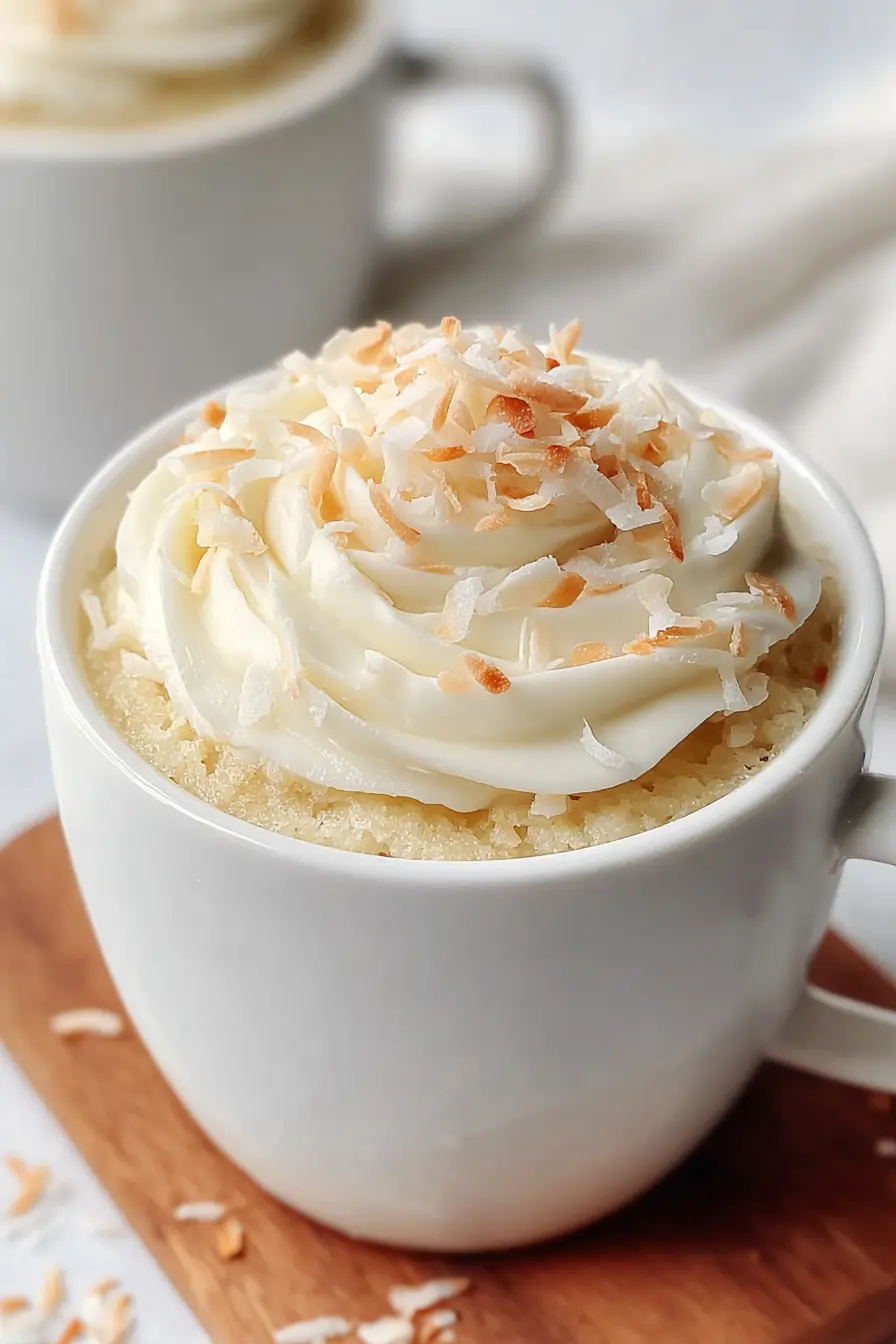
Quick, cozy, and beginner-friendly, Coconut Mug Cake gives you a soft, warm dessert with rich coconut flavor in just minutes. It is perfect for small cravings, fast weeknight treats, and those moments when you want something homemade without baking a full cake.
This is the kind of dessert that fits real life. You can mix it in one small bowl, cook it in the microwave, and have a tender little cake ready before your coffee has even cooled down. The flavor works because every ingredient has a clear job.
Why You Will Love This Recipe
- Speedy Preparation: Indulge in a freshly baked dessert within minutes, perfect for satisfying immediate sweet cravings without a lengthy cooking process.
- Single-Serving Convenience: Enjoy a perfectly portioned treat that eliminates the need for leftovers, ideal for solo enjoyment or mindful portion control.
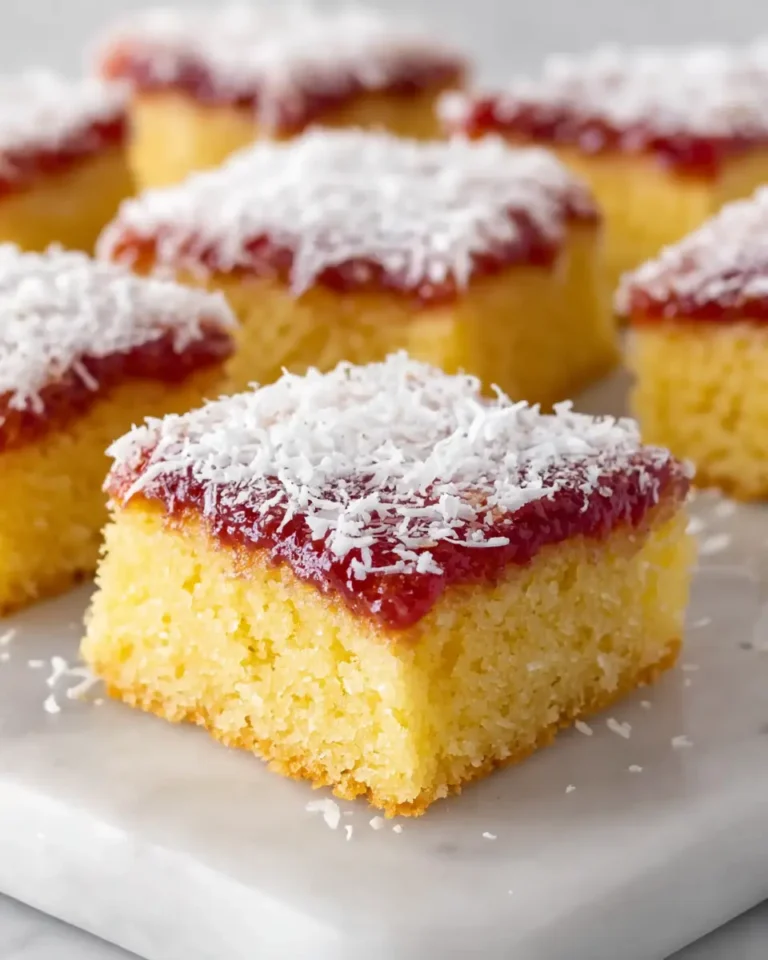
- Intense Coconut Flavor: Experience a delightful burst of tropical taste in every bite, thanks to a thoughtful combination of flaked coconut and coconut extract.
- Minimal Cleanup: With most of the preparation happening in a single mug or bowl, you’ll spend less time washing dishes and more time savoring your creation.
- Beginner-Friendly: This recipe requires no special baking skills, making it an accessible and rewarding dessert option for cooks of all levels.
Ingredients You Need
Choosing high-quality ingredients is key to achieving the best flavor and texture in your Coconut Mug Cake. Freshness matters for elements like milk and sour cream, while the type of flaked coconut can influence the final chewiness and overall coconut intensity. Opting for good quality staples ensures a delicious outcome every time, even in such a small-scale preparation.
Coconut Mug Cake

A warm, individual coconut cake prepared in minutes, this simple microwave dessert offers a soft texture and rich flavor in a convenient single-serving format.
- 2 tablespoons granulated sugar
- 1 tablespoon melted butter
- 3 tablespoons milk (preferably whole for a richer result)
- 1 tablespoon full-fat sour cream
- 1/4 teaspoon coconut extract
- 2 tablespoons flaked coconut (such as Baker’s shredded coconut)
- 1/2 teaspoon baking powder
- 1/4 cup all-purpose flour
- 1In a small bowl, place the melted butter, sugar, baking powder, coconut extract, milk, flaked coconut, sour cream, and flour. Stir well with a whisk or a small spatula until the mixture becomes smooth and evenly blended.
- 2Continue mixing until no lumps remain in the batter, as this will help the cake cook evenly.
- 3Pour the prepared batter into a microwave-safe mug and place it carefully in the microwave.
- 4Cook for 1 to 1 1/2 minutes, checking at the 1-minute mark to avoid overbaking. In many microwaves, about 1 minute 15 seconds produces the best texture, though the exact time may vary by appliance.
- 5Once cooked, let the mug cake rest briefly so it can cool slightly and settle.
- 6Finish with any preferred topping, such as buttercream frosting, whipped cream, plain or toasted shredded coconut, or another garnish of choice. Serve directly from the mug.
Keywords: Coconut Mug Cake
- granulated sugar: This provides essential sweetness to balance the other flavors, ensuring the cake isn’t too tart or bland.
- melted butter: It contributes richness and moisture, leading to a tender crumb and a more satisfying mouthfeel.
- milk: Preferably whole milk, it adds necessary liquid to the batter and contributes to a smooth consistency.
- full-fat sour cream: This is a secret weapon for a moist and tender mug cake, preventing it from becoming dry or crumbly.
- coconut extract: This potent flavoring amplifies the coconut essence, making the cake taste distinctly tropical and aromatic.
- flaked coconut: Adds delightful texture and a more pronounced coconut presence, enhancing the overall sensory experience of the dessert.
- baking powder: This leavening agent is crucial for ensuring the mug cake rises properly in the microwave, resulting in a light and airy texture.
- all-purpose flour: It forms the structural base of the cake, binding the ingredients together to create a coherent cake-like consistency.
The specific quantities for each ingredient are detailed within the provided recipe card for your convenience.
Variations
For those seeking a completely plant-based indulgence, transforming this Coconut Mug Cake into a vegan delight is remarkably simple. You can easily substitute the dairy milk with your favorite non-dairy alternative, such as almond, soy, or oat milk, which will still provide the necessary liquid. The sour cream can be replaced with a dollop of unsweetened full-fat coconut yogurt or even a tablespoon of cashew cream for that essential richness and moisture, ensuring the cake remains delightfully tender.
If you’re managing carbohydrate intake, this mug cake can be adapted for a low-carb lifestyle with a few smart swaps. Instead of granulated sugar, opt for a keto-friendly sweetener like erythritol or xylitol, adjusting the amount to your preferred sweetness level, as these sweeteners can sometimes be more potent. For the flour component, a blend of almond flour and a touch of coconut flour works wonderfully; almond flour provides a good texture, while coconut flour absorbs excess moisture, helping to prevent a dense outcome. Ensure your flaked coconut is unsweetened to keep the carb count down.
Adding a touch of decadence or a different flavor profile can also elevate this basic mug cake. Consider incorporating a teaspoon of finely chopped dark chocolate chips for a chocolate-coconut fusion that’s utterly irresistible, or perhaps a tiny pinch of cinnamon and nutmeg for a warm, spiced twist that complements the coconut beautifully. A swirl of raspberry jam folded in just before microwaving can also introduce a delightful tartness and visual appeal, making each bite a unique experience.
How to Prepare Coconut Mug Cake
Step 1: Combine Dry Ingredients
Begin by carefully measuring your dry ingredients into a small, microwave-safe mug. This is where you’ll combine the granulated sugar, baking powder, and all-purpose flour. It is important to whisk or stir these together thoroughly before introducing any wet ingredients.
Ensuring the dry components are evenly distributed at this initial stage is a small but vital step. This helps to guarantee that the leavening agent, baking powder, is uniformly dispersed throughout the batter, which is essential for achieving an even rise and a consistent texture throughout your mug cake. A well-mixed dry base prevents pockets of unmixed flour or baking powder, leading to a superior final product.
Step 2: Incorporate Wet Ingredients and Coconut
Next, add the melted butter, milk, full-fat sour cream, and coconut extract directly into the mug with the dry ingredients. Gently stir these wet components into the dry mixture until a smooth, creamy batter begins to form. It’s important to mix just enough to combine, avoiding over-stirring at this point.
Once the batter is mostly smooth, it’s time to fold in the flaked coconut. This step adds that wonderful texture and reinforces the tropical flavor that defines this mug cake. Ensure the flaked coconut is evenly distributed throughout the batter so that every spoonful offers a satisfying bite. The goal is a cohesive mixture where the coconut pieces are well-integrated, not clumped together.
Step 3: Achieve a Smooth Batter
Continue to stir the batter gently until all visible lumps have disappeared, creating a uniformly smooth consistency. This careful mixing is crucial because a smooth batter cooks more evenly in the microwave. If there are still dry pockets or streaks of flour, the cake might have an inconsistent texture, with some parts cooked perfectly and others slightly underdone or grainy.
The final texture of your mug cake is significantly influenced by how smoothly you achieve the batter. A lusciously smooth batter ensures that the heat from the microwave penetrates the mixture uniformly. This leads to a tender crumb that is delightful to eat, rather than a cake that feels dense or heavy due to unmixed flour or uneven moisture distribution throughout the batter.
Step 4: Prepare the Mug for Cooking
Carefully spoon or pour the prepared mug cake batter into your chosen microwave-safe mug. It is essential to ensure that the mug is not filled more than two-thirds full with batter. This allows ample space for the cake to rise as it cooks, preventing any overflow which can create a mess and potentially undercook the cake.
The choice of mug is also important. A standard-sized mug usually works best, offering enough volume for the batter to expand without becoming constricted. Overfilling the mug is a common mistake that can lead to the cake puffing up over the rim, resulting in uneven cooking and a less appealing presentation. Always prioritize sufficient headroom for your rising mug cake.
Step 5: Microwave Until Set
Place the mug containing the batter into the microwave. Start by cooking it for approximately 60 seconds on high power, then carefully check the center of the cake. It should appear mostly set, with perhaps a slight wobble in the very middle.
If the center still looks wet and liquidy, continue microwaving in very short bursts, such as 10-15 seconds at a time. It’s crucial to monitor it closely to prevent overcooking, which can quickly turn the tender cake into a rubbery, tough dessert. The ideal texture is when the top looks cooked and springs back lightly when gently touched, indicating it’s ready.
Step 6: Allow for a Brief Rest
Once the mug cake has reached the desired cooked state, remove the mug from the microwave using oven mitts or a towel, as it will be hot. Let the mug cake stand undisturbed for one to two minutes before attempting to eat it. This seemingly small step is quite important for the final texture and quality of the cake.
This short resting period allows the internal temperature of the cake to equalize and the crumb structure to fully set. It helps to prevent the cake from feeling too steamy or potentially underdone in the very center, as residual heat continues to cook it slightly. The brief pause makes the finished cake more enjoyable and less prone to being gummy or overly moist.
Step 7: Add Your Favorite Toppings
Now comes the fun part: decorating your delicious, warm Coconut Mug Cake. While it is perfectly delightful on its own, a few thoughtful additions can elevate it from a simple treat to something truly special. Consider a small dollop of whipped cream for a cool, airy contrast to the warm cake.
Another fantastic option is a sprinkle of toasted flaked coconut, which adds a delightful crunch and intensifies the coconut flavor even further. For a more decadent experience, a small swirl of your favorite buttercream or cream cheese frosting provides a rich, bakery-like finish. Even a simple dusting of powdered sugar can add a touch of elegance and sweetness, making your quick dessert feel truly indulgent and celebratory.
Pro Tips for Coconut Mug Cake
Master the Microwave Timing: Microwaves vary significantly in power, so the cooking time for your mug cake is approximate. It’s always best to start checking at the lower end of the suggested time (around 1 minute) and add additional 10-15 second intervals as needed. Overcooking is the quickest way to a dry, rubbery mug cake, so vigilant observation is key.
Don’t Overmix the Batter: While you want a smooth batter, overworking it can develop the gluten in the flour too much, resulting in a tougher cake. Mix just until the ingredients are combined and the batter is uniform. A light hand ensures a tender crumb.
The Power of Sour Cream: Don’t skip the sour cream if possible. Its fat and acidity contribute significantly to the moistness and tenderness of the mug cake. If you absolutely must substitute, plain full-fat yogurt is the next best option, though the texture might be slightly different.
Mug Size Matters: Use a mug that is large enough to accommodate the cake’s rise. Filling the mug more than two-thirds full is a recipe for overflow and a messy microwave. A standard 10-12 ounce mug usually works perfectly.
Enhance the Coconut Flavor: For an even more intense coconut experience, consider toasting the flaked coconut lightly in a dry pan before adding it to the batter. This awakens its natural oils and amplifies its aroma and flavor, making your mug cake even more tropical.
Serving Suggestions for Coconut Mug Cake
Decoration
Elevate your humble mug cake with simple yet impactful decorations. A cloud of freshly whipped cream is a classic pairing, offering a cool, creamy counterpoint to the warm cake and enhancing its luxurious feel. For added texture and a deeper coconut essence, a sprinkle of toasted shredded coconut provides a delightful crunch and a delightful aroma.
A light dusting of powdered sugar offers an elegant finish, evoking a sense of delicate sweetness and sophistication with minimal effort. If you’re feeling more adventurous, a small swirl of buttercream frosting or a drizzle of melted white chocolate can transform this simple dessert into a miniature masterpiece, making it perfect for special occasions or just a delightful treat.
Side Dishes
While the Coconut Mug Cake is a complete dessert on its own, it can also be complemented by certain accompaniments. A small scoop of coconut ice cream or vanilla bean ice cream served alongside creates a delightful hot-and-cold contrast, amplifying the dessert experience. The coolness of the ice cream melting into the warm cake is a truly satisfying sensation.
Fresh berries, such as raspberries or blueberries, offer a burst of tartness and vibrant color that cuts through the sweetness of the cake beautifully. A few berries arranged artfully on the side or even placed on top of the whipped cream add a refreshing element and visual appeal, making the presentation even more appealing and the flavor profile more complex.
Creative Serving Ideas
Consider serving the mug cake warm directly from the microwave for the ultimate cozy experience, especially on a chilly evening. The aroma alone is incredibly inviting and sets a comforting tone. For a more formal presentation, you could gently invert the mug cake onto a small dessert plate once it has cooled slightly, then add your chosen toppings for a more refined look.
Another imaginative idea is to serve it as part of a dessert trio, paired with a miniature portion of another berry tart and a small glass of something sweet, like a dessert wine or a rich coffee. This allows for a tasting experience that offers variety in flavors and textures, making your dessert offering feel more special and curated.
Preparation & Storage
Storing Leftovers
Given its single-serving nature, the Coconut Mug Cake is optimally enjoyed fresh from the microwave, ensuring the most tender and moist texture. However, if you find yourself with a small portion remaining, it can be stored. Cover the mug tightly with plastic wrap or transfer the cake to an airtight container to prevent it from drying out.
Refrigerate any leftover mug cake for no more than 24 hours. While it will remain edible, the texture may become slightly firmer and less yielding compared to when it was freshly made. Proper storage is crucial to maintain as much of its original desirable texture as possible.
Freezing
Freezing is generally not recommended for this particular Coconut Mug Cake. Due to its small size and intended delicate texture, the thawing process can significantly alter its consistency, often resulting in a less pleasant, slightly rubbery or crumbly texture. Mug cakes are best when consumed relatively soon after preparation.
The structure of such a small, moist cake is quite susceptible to the ice crystal formation that occurs during freezing. This can break down the delicate crumb, and reheating doesn’t always fully restore it to its original soft, tender state. It’s best to prepare only what you intend to eat in one sitting.
Reheating
If you decide to reheat your stored Coconut Mug Cake, do so with extreme caution and gentleness. Place the mug or container in the microwave and heat in very short intervals, starting with just 10-15 seconds. This allows you to gauge the warmth without overcooking the cake.
The goal is to gently warm it through, not to cook it further. Overheating can quickly turn the cake tough and dry, defeating the purpose of reheating. A minute or two of gentle warming, checking frequently, should be sufficient to restore a pleasant, warm temperature for enjoyment.
Frequently Asked Questions
-
Can I make this Coconut Mug Cake recipe without a microwave?
While the recipe is specifically designed for microwave cooking due to its speed and convenience, it is possible to adapt it for oven baking, though it will alter the cooking time and potentially the texture. Preheat your oven to 350°F (175°C). Pour the batter into a lightly greased ramekin or small oven-safe dish instead of a mug. Bake for approximately 15-20 minutes, or until a toothpick inserted into the center comes out clean. Keep in mind that oven-baked mug cakes might have a slightly different crumb, often a bit firmer, compared to their microwave counterparts. For the quintessential quick, single-serving treat, the microwave remains the most efficient method, aligning perfectly with the recipe’s intent for immediate enjoyment from its dessert category.
-
What kind of coconut should I use for the best flavor and texture in my mug cake?
For this Coconut Mug Cake, using unsweetened flaked coconut or shredded coconut is highly recommended. These types of coconut provide the best balance of distinct coconut flavor and a pleasing textural element without adding unnecessary sweetness or altering the moisture balance of the batter. Sweetened coconut can make the cake overly sweet, and its texture might be too fine or too coarse depending on the brand. Baker’s brand shredded coconut is a good example that works well. If you desire an even more intense coconut experience, lightly toasting the flaked coconut in a dry skillet before adding it to the batter can further enhance its aroma and nutty notes, contributing to a more complex flavor profile within this delightful breakfast-style treat.
-
Why did my Coconut Mug Cake come out dense or gummy instead of fluffy?
A dense or gummy texture in your Coconut Mug Cake typically arises from one of a few common issues. Overmixing the batter after adding the flour can develop the gluten too much, leading to a tougher, denser cake. Ensure you mix just until the ingredients are combined and the batter is smooth. Another frequent culprit is overcooking; microwaves vary, and an extra 30 seconds can turn a perfectly cooked cake into a rubbery mess. Always start checking for doneness early and use short increments. Lastly, incorrect ingredient proportions, especially too much liquid or not enough leavening agent (baking powder), can also contribute to a dense outcome. Sticking closely to the specified ingredient measurements and using a reliable microwave timer will help achieve the desired fluffy consistency, making it a more satisfying german pancake recipe companion.