Lemon Herb Grilled Vegetables
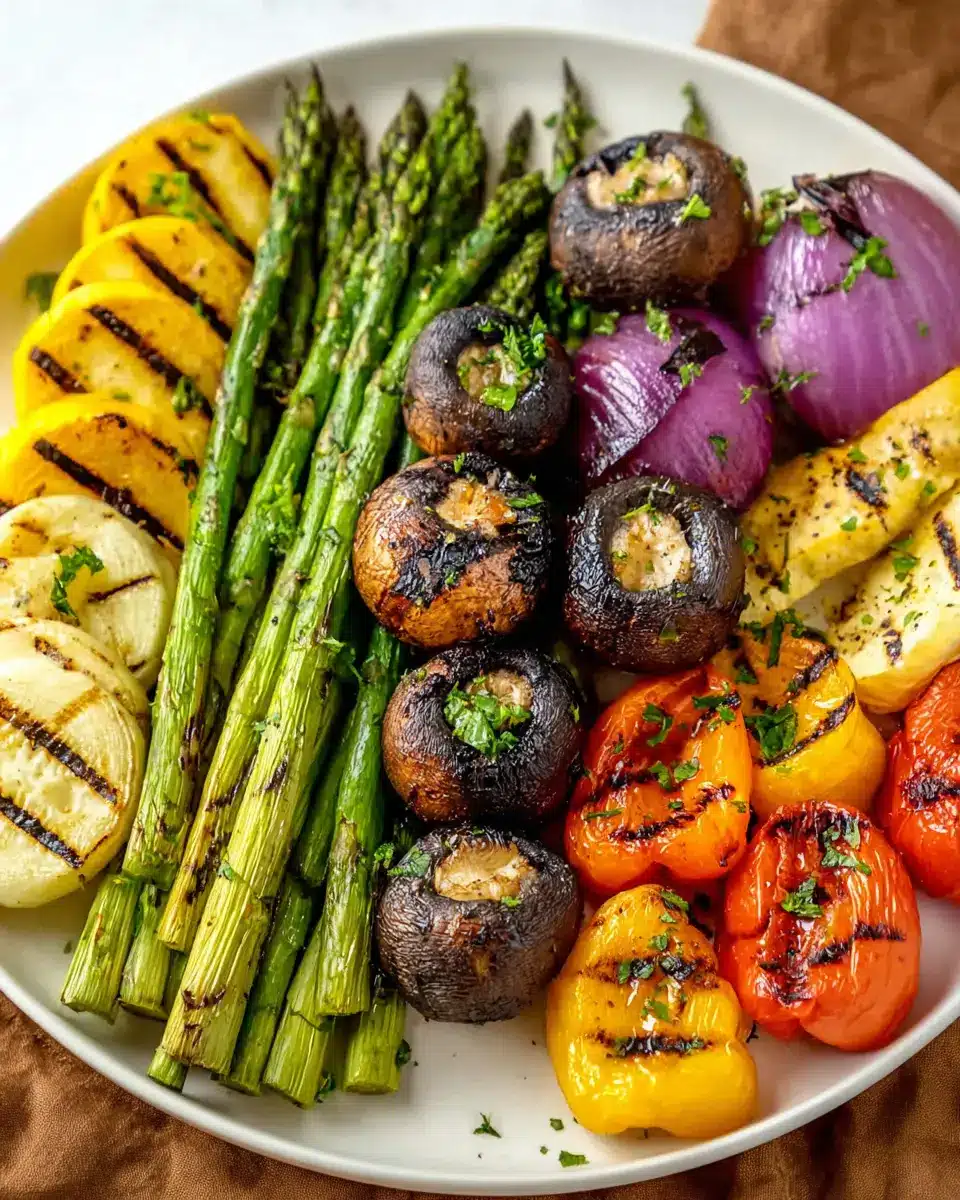
Grilled vegetables are a culinary revelation, transforming simple produce into a symphony of smoky char, tender textures, and vibrant flavors. This versatile side dish effortlessly elevates weeknight dinners, outdoor barbecues, and even sophisticated Mediterranean-inspired meals with its bright lemon-herb profile. It’s the kind of dish that proves vegetables can be the star, not just a supporting act.
The magic lies in the perfect balance of ingredients and technique. Olive oil encourages beautiful caramelization, while fresh lemon juice cuts through the richness, keeping everything bright and lively. Minced garlic adds a savory depth, and a blend of dried Italian herbs ties it all together, creating a flavor profile that is both comforting and exciting. This recipe offers a wonderful opportunity to embrace seasonal produce and personalize your grilling experience.
Why You Will Love This Recipe
- Quick Preparation: Dinner is on the table in less than 30 minutes, making it ideal for busy weeknights.
- Versatile Flavor Profile: The lemon-herb marinade complements a wide range of main courses, from grilled meats to seafood and vegetarian dishes.
- Beautiful Presentation: The colorful assortment of vegetables, coupled with a fresh parsley garnish, creates a visually appealing side dish.
- Healthy and Fresh: Packed with vitamins and fiber, this recipe offers a delicious way to enjoy nutrient-rich produce.
- Customizable: Easily adapt the vegetable selection based on seasonal availability and personal preferences.
Ingredients You Need
The foundation of exceptional grilled vegetables lies in the quality of the ingredients you select. Opting for fresh, ripe produce will ensure the best flavor and texture, allowing the natural sweetness of the vegetables to shine through. A good quality olive oil will not only help the marinade adhere but also contribute to the delightful char and caramelization on the grill. Don’t underestimate the power of fresh herbs and aromatics to elevate the simple to the sublime. The exact quantities and specific types of vegetables are detailed within the
Grilled Vegetables with Lemon-Herb Marinade
A quick, colorful side dish with bright lemon-herb flavor, tender-crisp texture, and lightly charred edges. Perfect for weeknight dinners, cookouts, meal prep, and simple Mediterranean-inspired meals. This versatile dish pairs well with chicken, fish, steak, pasta, or grain bowls.
- For the vegetables:
- 1/4 cup freshly chopped parsley (for garnish)
- 2 lb assorted vegetables (such as bell peppers, zucchini, and red onion, cut into 1-inch pieces)
- Lemon wedges (for serving)
- For the marinade:
- 5 tbsp olive oil
- 2 tbsp fresh lemon juice (preferably from Meyer lemons for a softer acidity and fragrant citrus note)
- 1 tsp salt
- 1 1/2 tsp dried Italian herbs (such as McCormick Gourmet Italian Seasoning)
- 1/4 tsp black pepper
- 1 1/2 tsp freshly minced garlic
- 1In a large mixing bowl, combine the olive oil, lemon juice, salt, black pepper, dried Italian herbs, and minced garlic. Whisk thoroughly until the marinade is fully combined and evenly blended.
- 2Add the cut vegetables to the bowl and toss gently so each piece is well coated with the marinade.
- 3Cover the bowl and refrigerate for at least 20 minutes, or for as long as 2 hours, to allow the flavors to develop.
- 4Preheat a grill or grill pan over medium-high heat before cooking.
- 5Begin grilling with the firmer vegetable pieces first, then add the remaining vegetables.
- 6Cook the vegetables for 3 to 5 minutes per side, or until they are browned and tender to your preference.
- 7Transfer the grilled vegetables to a serving platter.
- 8Finish with the chopped parsley and add lemon wedges on the side, if desired. Serve warm.
Keywords: Grilled Vegetables, Lemon Herb, Side Dish, Mediterranean, Healthy, Vegetarian, Cookout
Grilled Vegetables with Lemon-Herb Marinade
A quick, colorful side dish with bright lemon-herb flavor, tender-crisp texture, and lightly charred edges. Perfect for weeknight dinners, cookouts, meal prep, and simple Mediterranean-inspired meals. This versatile dish pairs well with chicken, fish, steak, pasta, or grain bowls.
- For the vegetables:
- 1/4 cup freshly chopped parsley (for garnish)
- 2 lb assorted vegetables (such as bell peppers, zucchini, and red onion, cut into 1-inch pieces)
- Lemon wedges (for serving)
- For the marinade:
- 5 tbsp olive oil
- 2 tbsp fresh lemon juice (preferably from Meyer lemons for a softer acidity and fragrant citrus note)
- 1 tsp salt
- 1 1/2 tsp dried Italian herbs (such as McCormick Gourmet Italian Seasoning)
- 1/4 tsp black pepper
- 1 1/2 tsp freshly minced garlic
- 1In a large mixing bowl, combine the olive oil, lemon juice, salt, black pepper, dried Italian herbs, and minced garlic. Whisk thoroughly until the marinade is fully combined and evenly blended.
- 2Add the cut vegetables to the bowl and toss gently so each piece is well coated with the marinade.
- 3Cover the bowl and refrigerate for at least 20 minutes, or for as long as 2 hours, to allow the flavors to develop.
- 4Preheat a grill or grill pan over medium-high heat before cooking.
- 5Begin grilling with the firmer vegetable pieces first, then add the remaining vegetables.
- 6Cook the vegetables for 3 to 5 minutes per side, or until they are browned and tender to your preference.
- 7Transfer the grilled vegetables to a serving platter.
- 8Finish with the chopped parsley and add lemon wedges on the side, if desired. Serve warm.
Keywords: Grilled Vegetables, Lemon Herb, Side Dish, Mediterranean, Healthy, Vegetarian, Cookout
You will find the complete ingredient list, including exact quantities, within the embedded recipe card.
Variations
To cater to different dietary needs and flavor preferences, consider these exciting variations for your grilled vegetables.
For a vibrant vegan feast, simply ensure all your chosen vegetables are plant-based and omit any dairy-based marinades if you opt for a different flavor profile. This recipe is naturally vegan-friendly with its olive oil and lemon-based marinade, making it an effortless choice for plant-based eaters. You can enhance the umami by adding shiitake mushrooms or grilling firm tofu skewers alongside your vegetables.
If you’re embracing a low-carb lifestyle, focus on non-starchy vegetables. Zucchini, bell peppers, asparagus, green beans, and cauliflower florets are excellent choices that grill beautifully. Avoid root vegetables like potatoes or corn, as these are higher in carbohydrates. A light dusting of nutritional yeast can add a cheesy flavor without the carbs.
Spice up your grilled vegetables with a touch of heat. Incorporate sliced jalapeños or serrano peppers into your mix, or add a pinch of red pepper flakes to the marinade. For an extra layer of complexity, consider a spicy peanut or sriracha-lime glaze that can be brushed on during the last few minutes of grilling. This adds an Asian-inspired twist that is both bold and delicious.
How to Prepare Grilled Vegetables
Step 1: Crafting the Perfect Marinade
The initial step in creating spectacularly flavored grilled vegetables is to meticulously prepare the marinade. In a spacious mixing bowl, combine the heart of the dressing: a generous pour of good quality extra virgin olive oil, which acts as the emulsifier and flavor carrier for all the other ingredients. To this, add the bright, zesty liquid of freshly squeezed lemon juice, preferably from vibrant Meyer lemons if available, for their softer acidity and intoxicating aroma.
Next, season the mixture with finely ground sea salt and freshly cracked black pepper to awaken and enhance all the inherent flavors of the produce. The aromatic foundation is built with the addition of minced fresh garlic, which lends a pungent and savory depth without overpowering the delicate vegetable notes. Finally, introduce the dried Italian herbs, a quintessential blend that imparts a warm, herbaceous complexity, infusing the marinade with a taste of the Mediterranean countryside. Whisk these components together with vigor until they are thoroughly combined, creating a homogenous mixture that is ready to embrace the vegetables.
Ensure that every element is fully incorporated; this uniformity is key to achieving an even distribution of flavor across all the vegetable pieces. A well-mixed marinade guarantees that no bite will be bland, and each piece of vegetable will receive the full spectrum of intended taste. This foundational step sets the stage for the incredible flavors that will develop as the vegetables hit the heat of the grill.
Step 2: Marinating the Vegetables
Once your vibrant lemon-herb marinade is perfectly blended, it’s time to introduce the star players: your assorted vegetables. Carefully add the pre-cut vegetables to the large bowl containing the marinade. Ensure that each piece of produce, whether it’s a colorful bell pepper chunk, a tender zucchini slice, or a robust red onion wedge, is thoughtfully added to the bowl. The goal here is to ensure that every single surface of every vegetable piece is lightly yet thoroughly coated with the delicious marinade.
Gently toss the vegetables within the bowl. Use your hands or a large spoon to carefully maneuver the vegetables, allowing the marinade to cascade over each segment. Be thorough but gentle; you want to achieve an even coating without bruising or breaking down the delicate produce. This even coating is absolutely crucial for consistent cooking and balanced flavor distribution. When every piece is uniformly dressed, the flavors will meld beautifully, and the vegetables will cook more predictably on the grill, leading to a more satisfying culinary outcome.
After the vegetables have been lovingly coated, cover the bowl securely with plastic wrap or a lid. Place the covered bowl into the refrigerator to allow the vegetables to marinate. Even a short marinating period of about 20 to 30 minutes will begin to infuse the vegetables with the bright, herbaceous flavors. For a more profound taste experience, you can extend this marinating time to up to 2 hours, allowing the garlic, lemon, and herbs to penetrate deeper into the vegetable tissues, creating an even more intense and layered flavor profile without the risk of the vegetables becoming mushy.
Step 3: Preparing the Grill
As your vegetables are patiently absorbing the delightful marinade, it’s time to turn your attention to the essential step of preparing your grilling apparatus. Whether you are using an outdoor charcoal or gas grill, or a stovetop grill pan, preheating it over medium-high heat is paramount for achieving perfectly cooked vegetables with those coveted charred edges. Allow ample time for the grill grates to become thoroughly heated; this usually takes at least 10 to 15 minutes, depending on the type of grill and ambient temperature.
A properly preheated grill is not merely about aesthetics; it’s fundamentally about optimal cooking performance. The intense heat creates an immediate sear on the vegetables’ exterior, which is key to developing that characteristic smoky flavor and attractive grill marks. This initial sear also helps to lock in the vegetables’ natural moisture and juices, preventing them from drying out during the cooking process. Furthermore, a hot grill surface significantly reduces the likelihood of the vegetables sticking, ensuring that they release easily and maintain their structural integrity.
If you are using an outdoor grill, ensure the grates are clean before you begin preheating. A quick brush with a wire grill brush while the grates are hot will remove any residual debris from previous cooking sessions. For a grill pan, place it over medium-high heat on your stovetop and let it come up to temperature. The goal is a surface that is hot enough to sizzle immediately upon contact, indicating that it is ready to transform your marinated produce into a delicious masterpiece. This preparation ensures a smooth and successful grilling experience, leading to beautifully cooked and flavorful vegetables.
Step 4: Grilling Strategy – Firm First, Then Tender
With the grill or grill pan radiating intense heat, it’s time to strategically introduce your marinated vegetables. The key to grilling a medley of vegetables successfully lies in understanding their varying densities and cooking times. Begin by placing the firmer vegetables onto the hot grill grates first. These are the vegetables that require a little more time to soften and develop a tender-crisp texture, such as thicker slices of bell peppers, substantial chunks of zucchini, or sturdy red onion wedges. Spreading them out in a single layer ensures they all receive direct heat, promoting even cooking and desirable charring.
After the firmer vegetables have had a few minutes to begin their cooking process and develop some initial char marks, it’s time to introduce the quicker-cooking components. This might include thinner vegetable slices, asparagus spears, or cherry tomatoes that can blister and soften rapidly. Adding these later prevents them from becoming overcooked and mushy while you wait for the denser vegetables to reach their optimal texture. This staggered approach ensures that all the vegetables on the grill are ready to be served at the same time, creating a harmonious and perfectly cooked side dish.
Avoid overcrowding the grill. Giving each piece of vegetable adequate space allows for proper heat circulation and direct contact with the hot surface. Overcrowding can lead to steaming rather than grilling, which will hinder the development of those essential smoky flavors and attractive char marks. Monitor the vegetables closely, turning them as needed to achieve an even sear and tenderization on all sides. This careful orchestration of cooking times is fundamental to achieving a balanced and delicious grilled vegetable medley.
Step 5: Achieving Perfect Char and Tenderness
As the vegetables cook on the hot grill, pay close attention to their transformation. The goal is to achieve a delightful balance: vegetables that are tender enough to be easily pierced with a fork but still retain a satisfying bite, accompanied by beautifully browned and slightly charred edges. This delicate interplay of textures and flavors is the hallmark of expertly grilled produce.
Grill the vegetables for approximately 3 to 5 minutes per side. The exact timing will vary depending on the thickness of your cuts, the heat of your grill, and the specific type of vegetable. Use tongs to carefully turn each piece, allowing you to inspect the progress and ensure even cooking. You are looking for those appealing grill marks to appear and the edges to start softening and caramelizing. Some vegetables, like asparagus or thinner pepper strips, might cook faster and may need to be removed from the grill earlier than denser items like zucchini rounds or onion wedges.
The “tender-crisp” stage is crucial. Avoid the temptation to overcook them into a soft, unappealing mush. A slight resistance when bitten indicates they are perfectly cooked. Once they reach this ideal state, remove them promptly from the grill. Transfer the beautifully charred and tender vegetables to a clean serving platter. This step marks the culmination of your grilling efforts, readying them for their final flourish of freshness.
Step 6: The Finishing Touches
The final moments before serving are critical for infusing your grilled vegetables with a burst of freshness and vibrancy. Once you have transferred the perfectly cooked vegetables to your serving platter, it’s time to add the finishing touches that will elevate their flavor and presentation. Immediately after removing them from the heat, generously scatter the freshly chopped parsley over the top of the warm vegetables. The bright green flecks of parsley not only add a beautiful visual contrast but also impart a clean, herbaceous aroma that complements the smoky, grilled flavors.
The addition of fresh parsley is more than just a garnish; it’s an integral part of the flavor profile, offering a refreshing counterpoint to the richness of the olive oil and the savory notes of the marinade. For an optional, yet highly recommended, final flourish, arrange fresh lemon wedges around the platter. These wedges serve as an invitation for diners to add an extra squeeze of bright, acidic lemon juice just before eating, further enhancing the liveliness of the dish and allowing them to customize the tartness to their personal preference.
Serve the grilled vegetables immediately while they are warm and at their peak of flavor and texture. The combination of the tender, lightly charred vegetables, the aromatic parsley, and the optional squeeze of lemon creates a harmonious and incredibly satisfying side dish. This final presentation ensures that the grilled vegetables are not just a healthy accompaniment but a delightful culinary experience in themselves, ready to impress at any meal.
Pro Tips for Grilled Vegetables
To ensure your grilled vegetables are always a resounding success, consider these expert recommendations.
Uniform Cutting is Key: When preparing your vegetables, strive for pieces that are roughly the same size and thickness. This practice is not just for aesthetics; it ensures that all the vegetables cook at a similar rate on the grill, preventing some pieces from becoming overcooked and mushy while others remain stubbornly undercooked.
Drip Off Excess Marinade: Before placing your marinated vegetables on the grill, allow any excess marinade to drip off. Too much liquid on the vegetables can lead to steaming rather than searing, which will impede the development of those desirable smoky flavors and attractive char marks you are aiming for.
Embrace Imperfection: Don’t strive for uniformly browned vegetables. The beauty of grilled vegetables lies in their rustic appearance and varied char marks. A few dark spots or slightly uneven cooking are desirable and contribute to the authentic grilled flavor. Focus on tenderness rather than perfect visual uniformity.
Don’t Crowd the Grill: Always cook your vegetables in batches if necessary, ensuring they have ample space between them on the grill grates. Overcrowding can lead to a steaming effect, hindering the caramelization process and preventing the formation of those delicious, smoky grill marks. This allows for better heat circulation and direct contact with the heat source.
Consider Using Skewers: For smaller or irregularly shaped vegetables, using skewers can make grilling much easier. Thread pieces onto metal or pre-soaked wooden skewers. This prevents small items from falling through the grill grates and makes turning them a breeze. Remember to group vegetables with similar cooking times on the same skewer.
Serving Suggestions for Grilled Vegetables
Decoration
Elevate the visual appeal of your grilled vegetables with simple yet impactful decorative touches. A generous scattering of freshly chopped parsley or chives right before serving adds a vibrant pop of green and a burst of freshness. Edible flowers, such as nasturtiums or pansies, can introduce an elegant and colorful flourish, especially for more formal occasions. A light drizzle of balsamic glaze, applied in a decorative pattern, can add both visual interest and a subtle sweet-tangy flavor dimension.
Side Dishes
Grilled vegetables are the ultimate adaptable side, pairing harmoniously with an array of main courses. Serve them alongside grilled chicken, succulent steak, or flaky salmon for a classic barbecue experience. They are also a perfect accompaniment to pan-seared pork chops or roasted lamb. For a lighter meal, spoon them over fluffy couscous, hearty quinoa, or creamy polenta. They can also be tucked into warm pita bread with hummus and a dollop of tzatziki for a delightful Mediterranean-inspired lunch.
Creative Serving Ideas
Think beyond the plate for truly creative ways to present your grilled vegetables. Layer them into vibrant grain bowls, adding a protein source like grilled halloumi or chickpeas for a complete meal. Fold them into omelets or frittatas for a flavorful breakfast or brunch option. Chop them finely and mix them into pasta salads or potato salads for an added layer of texture and flavor. They can also be puréed into a flavorful soup base or incorporated into savory tarts and quiches for a delightful twist.
Preparation & Storage
Storing Leftovers
Leftover grilled vegetables retain their delicious flavor and texture when stored properly. Transfer any remaining vegetables to an airtight container, ensuring it is sealed tightly to prevent moisture loss and preserve freshness. Store the container in the refrigerator. Properly stored, grilled vegetables can remain enjoyable for up to 4 days, making them a convenient option for future meals.
Freezing
For longer-term storage, grilled vegetables can be frozen. It’s advisable to cool them completely before freezing. Spread them in a single layer on a baking sheet and freeze until solid. Once frozen, transfer them to freezer-safe bags or containers, removing as much air as possible. Frozen grilled vegetables are best used within 2 months for optimal quality. Keep in mind that the texture may become softer upon thawing, so they are best suited for dishes where texture is less critical.
Reheating
Reheating grilled vegetables is a straightforward process that brings back their appealing warmth and flavor. For the best texture, a quick sauté in a skillet over medium heat is recommended; this helps to revive some of the char and tenderness. Alternatively, spread the vegetables on a baking sheet and warm them in a preheated oven at a moderate temperature until heated through. If convenience is paramount, the microwave can be used, but heat in short intervals, checking frequently, to avoid overcooking and losing their desirable texture.
Frequently Asked Questions
-
Can I use any type of vegetable for grilling, and how should I adjust cooking times?
Absolutely, the beauty of grilled vegetables lies in their adaptability. You can grill a vast array of produce, including but not limited to, asparagus, broccoli florets, cauliflower, eggplant, corn on the cob, mushrooms, and sweet potatoes. The key to success with a mixed selection is to group vegetables with similar cooking times together. Firmer vegetables like dense root vegetables (if used, though higher in carbs) or thick bell pepper chunks will require longer on the grill, typically starting them first. Softer vegetables such as zucchini slices, cherry tomatoes, and asparagus spears cook much more quickly and should be added to the grill later to prevent them from becoming mushy or incinerated. Always keep a close eye on the vegetables and remove them as they reach your desired tenderness to maintain optimal texture across the board.
-
What is the best way to prevent vegetables from sticking to the grill grates, and how can I achieve those desirable grill marks?
Preventing sticking is crucial for beautifully presented and intact grilled vegetables. First and foremost, ensure your grill grates are thoroughly clean and adequately preheated to a medium-high temperature before adding any food. Applying a light coating of oil directly to the grill grates just before placing the vegetables can also create a non-stick surface. A common technique involves brushing the vegetables themselves with olive oil as part of the marinade; this oil helps to conduct heat and creates a barrier between the vegetable and the hot metal. For those coveted grill marks, avoid moving the vegetables too frequently. Let them sit undisturbed for a few minutes on each side to allow the heat to sear the surface and create those distinctive lines. Turning them only when they release easily from the grate is a good indicator they are ready for their flip.
-
How can I enhance the flavor profile of grilled vegetables beyond the basic lemon-herb marinade, and are there any specific herbs that work particularly well?
The lemon-herb marinade is a fantastic starting point, but the flavor possibilities for grilled vegetables are virtually endless. For a smoky and spicy kick, consider adding a teaspoon of smoked paprika or a pinch of cayenne pepper to your marinade. A touch of soy sauce or Worcestershire sauce can introduce umami depth, while a tablespoon of honey or maple syrup can add a subtle sweetness that caramelizes beautifully on the grill. For a more exotic twist, experiment with marinades featuring ginger, garlic, chili, and lime, reminiscent of Southeast Asian flavors. Specific herbs that pair exceptionally well with grilled vegetables include rosemary, thyme, oregano, dill, and basil. A sprinkle of fresh mint or cilantro after grilling can also provide a wonderfully refreshing contrast. Don’t be afraid to mix and match herbs and spices to create your own signature flavor combinations.