Texas Roadhouse Rolls – Easy Copycat Recipe!
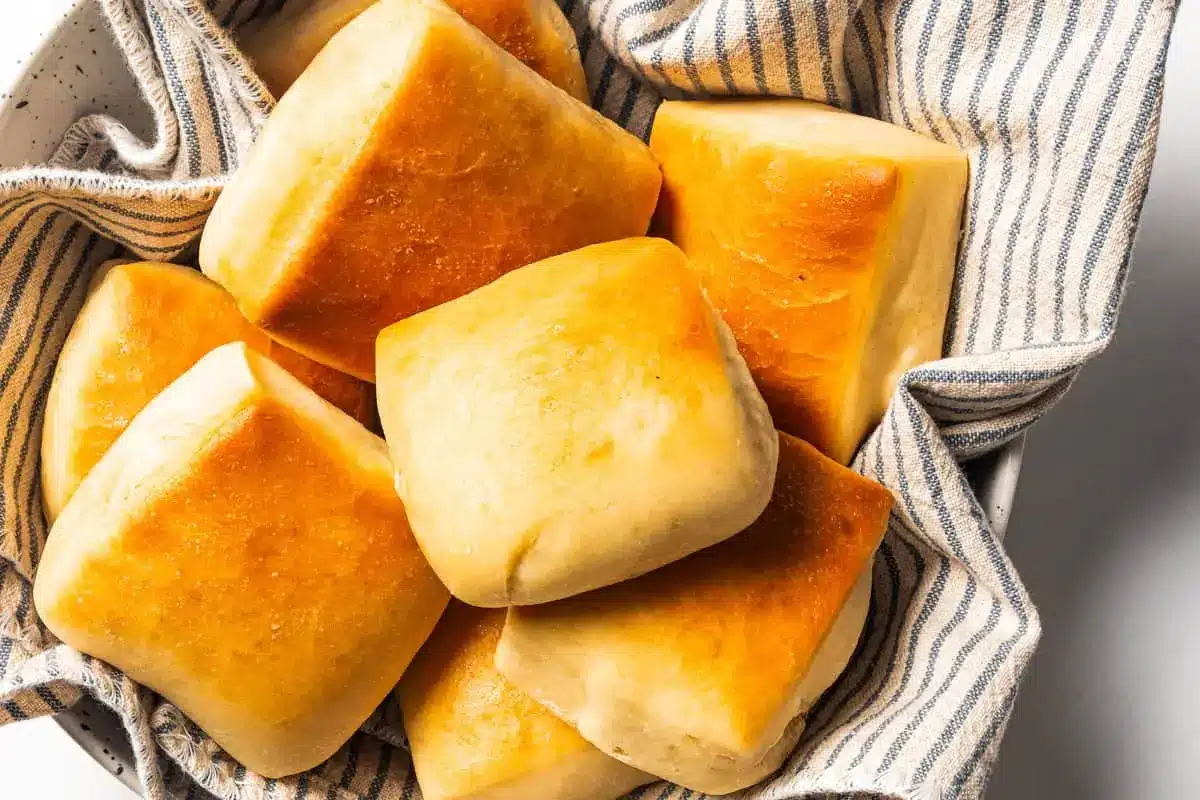
If you’ve ever savored the irresistible warmth and sweetness of the rolls from Texas Roadhouse, prepare to be delighted. This recipe unlocks the secret to achieving that same cloud-like texture and comforting flavor right in your own kitchen. Imagine the aroma filling your home as these golden-brown beauties emerge from the oven, ready to be slathered with decadent cinnamon butter.
These aren’t just any dinner rolls; they are a culinary experience designed to elevate any meal. They are the perfect accompaniment to a hearty steak, a comforting bowl of soup, or a vibrant salad. Their subtly sweet undertones and incredibly soft crumb make them an instant crowd-pleaser. Get ready to impress your family and friends with this foolproof copycat recipe.
Why You Will Love This Recipe
- Incredibly Soft and Fluffy: The combination of milk, butter, and the precise rising technique creates a texture that is exceptionally light and airy, melting in your mouth with every bite.
- Easy to Make: Despite their restaurant-quality appearance and taste, these rolls are surprisingly straightforward to prepare, requiring only basic ingredients and a little patience for rising.
- Customizable Sweetness: While the classic cinnamon butter is divine, you can easily adjust the sweetness or opt for a savory garlic butter to suit your meal and personal preference.
- Better Than Store-Bought: Enjoy the satisfaction of homemade goodness, far surpassing any frozen or pre-made alternative with their fresh-baked aroma and superior taste.
- Versatile Pairing: These rolls are the perfect side for a wide range of dishes, from savory stews and chilis to grilled meats and pasta, adding a touch of warmth and comfort to any dining occasion.
Ingredients You Need
Crafting these delightful rolls begins with selecting simple, high-quality ingredients that work harmoniously to create their signature texture and flavor. The magic truly lies in the balance of pantry staples and a touch of culinary care.
Texas Roadhouse Rolls

These copycat Texas Roadhouse rolls are soft and fluffy, and you can serve them warm with homemade cinnamon butter as a side with any meal. They are simple to make with only 7 main ingredients and are much better fresh from the oven than store-bought.
- 2 teaspoons active dry yeast
- ½ teaspoon granulated sugar
- ¼ cup warm water (between 100ºF and 110ºF)
- 1 cup milk (lukewarm, about 105ºF)
- 2 tablespoons unsalted butter, melted and cooled
- 1 large egg
- 1 teaspoon salt
- 3¾ cup all purpose flour
- Additional: 1½ tablespoons unsalted butter, melted and cooled (for brushing)
- To serve with: Cinnamon butter (recipe in notes)
- 1Bloom the yeast: Add the active dry yeast, sugar, and warm water to a bowl. Stir and let it sit for 5-10 minutes until foamy.
- 2Add wet ingredients: In the bowl of a stand mixer, combine the warm milk, melted butter, and the foamy yeast mixture. Add the egg and salt and mix until well combined.
- 3Add flour: Attach the dough hooks to the mixer. Gradually add the flour while mixing. The dough should start to pull away from the sides of the bowl. Add more flour if it's too sticky.
- 4First rise: Transfer the dough to a lightly oiled bowl, cover with a clean kitchen towel, and let it rise in a warm place for 1½ hours, or until doubled in size.
- 5Roll and cut: Punch down the dough and roll it out into a ½-inch thick rectangle. Cut the dough into 15 squares or rectangles.
- 6Second rise: Place the cut dough pieces onto a parchment paper-lined baking sheet. Cover with a clean kitchen towel and let them rise until doubled in size, about 30-45 minutes.
- 7Bake: Preheat your oven to 350ºF. Bake the rolls for 20 minutes.
- 8Serve: Immediately after baking, brush the rolls with the additional melted butter. Let them cool for 5-10 minutes before serving warm, optionally with cinnamon butter.
Tips for rising dough: Use a warm, dark environment. You can place the covered dough in a turned-off oven that was briefly heated to 200ºF, or in an empty dryer that was run for 5 minutes. Ensure your water, milk, and butter are not too hot (under 110ºF) as this can kill the yeast.
Keywords: Texas Roadhouse Rolls, copycat recipe, dinner rolls, homemade bread, yeast rolls, soft rolls, fluffy rolls, cinnamon butter
The exact quantities for these essential components are detailed within the recipe card, ensuring you have all the precise measurements needed for success.
Variations
While the classic Texas Roadhouse roll is a masterpiece on its own, culinary creativity allows for delightful adaptations. These variations ensure there’s a perfect roll for every palate and occasion, expanding the joy these baked goods can bring to your table.
Vegan Delight: To transform these into a vegan treat, simply swap the milk for a fortified plant-based milk like almond or soy milk, and substitute the butter with a high-quality vegan butter alternative. An egg replacer, such as a flax egg (1 tablespoon ground flaxseed mixed with 3 tablespoons water, let sit for 5 minutes), can be used in place of the egg to bind the ingredients. The yeast and sugar will activate just as effectively, and you’ll achieve a wonderfully tender vegan roll, perfect for pairing with dairy-free cinnamon or maple butter.
Low-Carb Option: For those following a low-carbohydrate lifestyle, adapting this recipe requires a bit more ingenuity. Consider using a blend of almond flour and coconut flour as your base, along with a sugar substitute like erythritol or stevia for sweetness. Psyllium husk can help with binding and texture, mimicking the gluten’s structure. While the texture might differ slightly from the original, you can still capture the essence of a warm, comforting roll with careful ingredient selection and a touch of experimentation.
Herbed Savory Rolls: Elevate the savory potential by infusing the dough with aromatic herbs and spices. Finely chopped fresh rosemary, thyme, or chives can be gently kneaded into the dough during the final stages of mixing. A pinch of garlic powder or onion powder can also add a delightful umami depth. Brush the tops with melted garlic-infused olive oil or butter just before baking for an extra layer of savory goodness, making these a superb alternative for pasta dishes or hearty stews.
How to Prepare texas roadhouse rolls
Step 1: Bloom the Yeast
The journey to perfect rolls begins with activating the yeast, a crucial step that ensures a light and airy crumb. In a small bowl, combine the active dry yeast with a pinch of sugar and warm water. This sugary, lukewarm environment provides the perfect food source for the yeast to awaken and multiply.
Let this mixture stand undisturbed for about 5 to 10 minutes. You’ll know the yeast is alive and ready when it becomes foamy and develops a pleasant, yeasty aroma. If, after 10 minutes, there’s no sign of foam, your yeast may be expired, and you’ll need to start with a fresh packet to ensure your dough rises properly.
Step 2: Combine the Wet Ingredients
In the spacious bowl of a stand mixer fitted with the dough hook attachment, gently whisk together the lukewarm milk and the melted, slightly cooled unsalted butter. It’s essential that the butter is not too hot, as excessive heat can kill the active yeast, hindering the dough’s rise.
Next, add the bloomed yeast mixture to the bowl, followed by the room-temperature egg and the salt. Give everything a good mix with a spatula or whisk until all the wet ingredients are thoroughly combined and the salt is largely dissolved. This forms the flavorful liquid base for your dough.
Step 3: Incorporate the Flour and Knead
Begin gradually adding the all-purpose flour to the wet ingredients in the stand mixer. Start with about half the flour and mix on low speed. As the dough starts to come together, continue adding the remaining flour, a little at a time, until the dough pulls away cleanly from the sides of the bowl.
The dough should be slightly tacky but not overly sticky. If it feels too wet, add a tablespoon more flour at a time; if it seems too dry, a teaspoon of milk can be added. Once the dough has formed a cohesive ball, increase the mixer speed to medium and knead for about 5-7 minutes. This process develops the gluten, which is vital for the rolls’ chewy yet tender structure.
The resulting dough should be smooth, elastic, and slightly pliable. You can test if it’s sufficiently kneaded by performing the “windowpane test”: gently stretch a small piece of dough between your fingers; if it can be stretched thin enough to see light through it without tearing, the gluten is well-developed.
Step 4: First Rise
Lightly grease a large clean bowl with a bit of oil or cooking spray. Transfer the kneaded dough ball into the prepared bowl, turning it once to ensure the entire surface is lightly coated. This prevents the dough from drying out as it rises.
Cover the bowl snugly with a clean kitchen towel or plastic wrap. Place the bowl in a warm, draft-free location to rise. An ideal spot is often inside a slightly warmed, then turned-off oven, or near a sunny window. Allow the dough to rise for approximately 1.5 to 2 hours, or until it has doubled in size.
This slow, steady rise allows the yeast to work its magic, creating air pockets that will give the rolls their signature fluffiness. The warmth helps to speed up the yeast activity, while the covered environment traps the moisture necessary for a good rise. Patience is key here, as a longer, slower rise can often yield a more flavorful and textured result.
Step 5: Shape and Second Rise
Once the dough has impressively doubled in size, gently punch it down to release the accumulated gases. Turn the dough out onto a lightly floured surface. For these particular rolls, a slightly thicker dough is preferred for that characteristic pillowy texture.
Roll the dough out into a rectangle approximately 1/2 inch thick. Using a sharp knife or a pizza cutter, slice the dough into evenly sized squares or rectangles, aiming for about 15 portions. Transfer these individual portions onto a baking sheet lined with parchment paper, leaving a little space between each one to allow for their second rise and expansion during baking.
Cover the shaped rolls loosely with a clean kitchen towel once more. Let them rest and rise in a warm place for an additional 30 to 45 minutes, or until they have visibly puffed up and nearly doubled in size again. This second rise is crucial for achieving that extra lightness and tender interior.
Step 6: Bake to Golden Perfection
Preheat your oven to 350°F (175°C) during the final 15 minutes of the second rise. This ensures the oven is at the perfect temperature the moment your rolls are ready to bake. A properly preheated oven is critical for achieving an even bake and a beautiful golden-brown crust.
Carefully place the baking sheet with the risen rolls into the preheated oven. Bake for approximately 18-20 minutes. Keep an eye on them, as oven temperatures can vary; you’re looking for a deep golden-brown color on top and a similarly golden hue on the bottom. The internal temperature should reach around 190-200°F.
As soon as the rolls are out of the oven, and while they are still hot, brush the tops generously with the reserved melted unsalted butter. This step adds an extra layer of richness and helps to keep the crust wonderfully soft. Allow the rolls to cool on the baking sheet for about 5-10 minutes before serving, letting them set slightly while remaining wonderfully warm.
Pro Tips for texas roadhouse rolls
The Importance of Yeast Quality: Always check the expiration date on your yeast. Dead yeast won’t foam and will result in a dense, flat bread. If you’re unsure, test its viability in warm water with a pinch of sugar before proceeding.
Temperature Control is Key: Pay close attention to the temperature of your liquids. Water that is too hot (above 115°F) will kill the yeast, while water that is too cool won’t activate it effectively. Aim for that sweet spot between 100°F and 110°F for optimal yeast performance.
Don’t Overwork the Dough: While kneading is essential for gluten development, over-kneading can lead to tough rolls. Stop kneading once the dough is smooth, elastic, and passes the windowpane test. Over-flouring during kneading can also make the dough dense, so add flour sparingly.
Create a Warm Rising Environment: Yeast thrives in warmth. If your kitchen is cool, consider the “oven method” mentioned: warm your oven slightly (around 200°F for 2 minutes), then turn it off and place the covered dough inside. The residual heat creates a perfect proofing environment. A sunny spot on the counter can also work well on warmer days.
Achieve Perfect Butter Brush: Using melted and slightly cooled butter right after baking adds flavor and keeps the crust soft. Don’t skip this step; it contributes significantly to the signature Texas Roadhouse finish and mouthfeel. Ensure the butter isn’t too hot, or it might make the crust soggy.
Serving Suggestions for texas roadhouse rolls
Decoration
While these rolls are perfection in their simple, golden-baked state, a touch of elegance can be added. A light brushing of melted butter immediately after baking imparts a lovely sheen and enhances their golden color. For a more herbaceous presentation, finely chopped fresh parsley or chives can be sprinkled over the melted butter just before serving. This adds a subtle visual contrast and a hint of freshness.
Side Dishes
These warm, slightly sweet rolls are incredibly versatile and pair beautifully with a wide array of dishes. They are the perfect vehicle for sopping up rich sauces from dishes like baked lemon chicken or a hearty beef stew. They also complement lighter fare, such as a vibrant easy lobster bisque recipe or a grilled salmon. Their comforting nature makes them an ideal accompaniment to any dinner entree.
Creative Serving Ideas
Beyond the classic cinnamon butter, consider a savory garlic herb butter, infused with minced garlic, fresh rosemary, and thyme, for a delightful twist. For a touch of the Southwest, a smoky chipotle butter or a creamy avocado spread can offer an unexpected yet delicious pairing. You could even serve them as part of a charming lunch spread alongside a selection of artisanal cheeses and cured meats, transforming a simple roll into a star player.
Preparation & Storage
Storing Leftovers
To keep your delightful Texas Roadhouse rolls fresh for as long as possible, store them in an airtight container or a resealable plastic bag at room temperature. They typically maintain their best texture and flavor for up to 3-4 days. Ensure they are completely cooled before storing to prevent condensation, which can make them soggy.
Freezing
For longer storage, these rolls freeze beautifully. Once completely cooled, wrap each roll individually and tightly in plastic wrap, then place them in a freezer-safe bag or container. This double-layer protection prevents freezer burn and helps maintain their quality. Frozen rolls can be stored for up to 3 months.
Reheating
To enjoy frozen rolls, thaw them overnight at room temperature. You can then reheat them gently in a preheated oven at 300°F (150°C) for about 5-10 minutes, or until warmed through. For a single roll, a few seconds in the microwave can also bring back their warmth, though be careful not to overheat, which can make them tough.
Frequently Asked Questions
- Can I make these rolls ahead of time?
Yes, you can certainly prepare these Texas Roadhouse rolls in advance. After the first rise, you can refrigerate the dough for up to 24 hours. When you’re ready to bake, allow the dough to come to room temperature for about 30-60 minutes before shaping and proceeding with the second rise and baking. Alternatively, once baked and completely cooled, you can store them at room temperature for a few days or freeze them for longer preservation, making them perfect for entertaining or a quick homemade treat anytime. - Why did my rolls not rise properly?
There are several common reasons why bread dough might not rise as expected. The most frequent culprit is inactive yeast; ensure your yeast is fresh and properly activated in warm, not hot, water with sugar. Temperature plays a critical role; the dough needs a warm, draft-free environment for both rises, so using a slightly warmed oven (turned off) can be very effective. Lastly, be patient; sometimes, especially in cooler environments, the rising process can take longer than the estimated times, so allow sufficient time for the dough to double in size before assuming it’s not working. - What is the best way to achieve that signature soft texture?
The key to achieving the signature soft texture of these Texas Roadhouse rolls lies in a few essential techniques. Using milk instead of just water adds richness and softness to the crumb. Ensuring you don’t add too much flour during kneading is also vital; the dough should be slightly tacky, not dry. The gentle kneading process develops gluten without making the dough tough. Finally, the generous brushing of melted butter immediately after baking helps to keep the crust wonderfully soft and adds a delightful richness that is characteristic of these beloved rolls. For more baking inspiration, explore our other bread recipes like German pancake recipe or easy berry tart.