Grilled beef Tenderloin Recipe
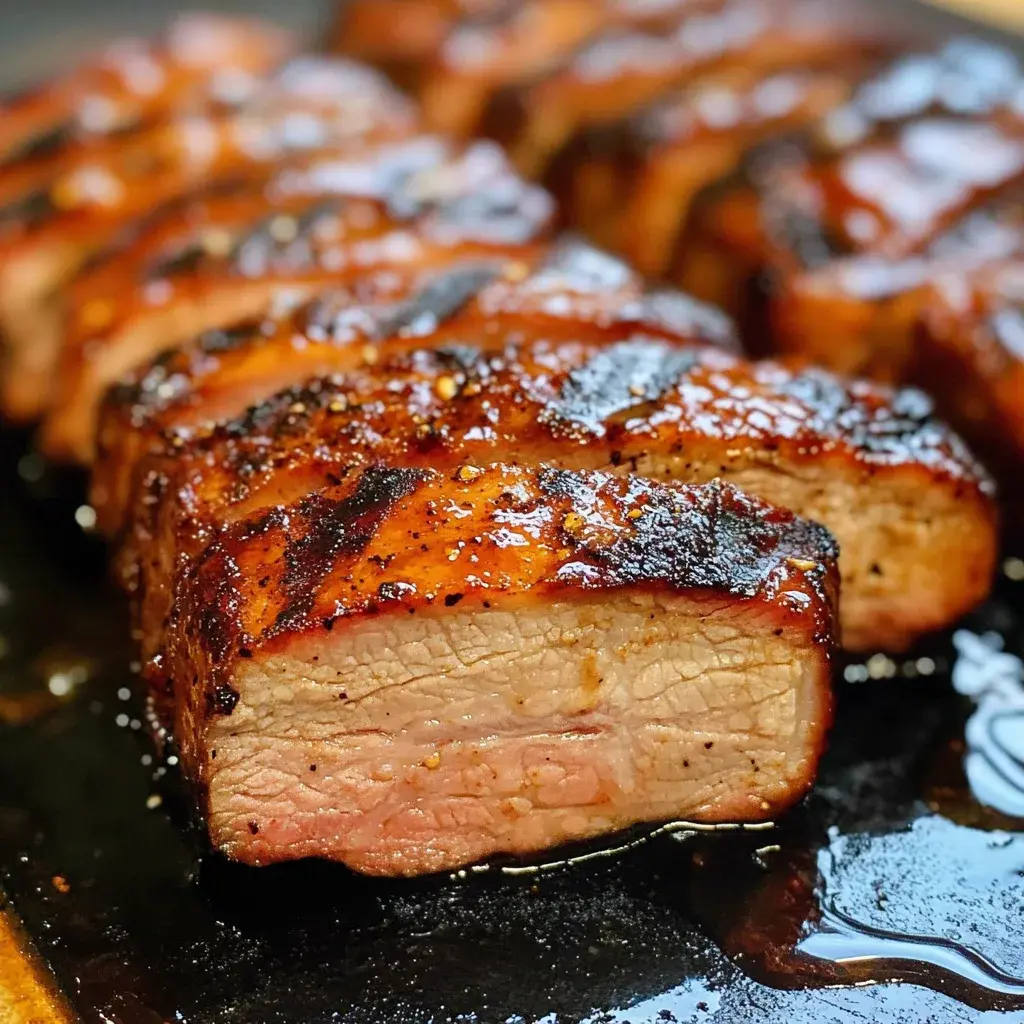
Elevating your home-cooked meals to gourmet status has never been more accessible, especially when it comes to a show-stopping dish like grilled beef tenderloin. This particular recipe is designed to bring that restaurant-quality experience to your backyard grill, ensuring a juicy, flavorful, and utterly satisfying meal that will leave your guests asking for seconds.
Imagine the aroma of perfectly seared beef mingling with the subtle notes of a custom dry rub, all kissed by the smoky embrace of your grill; that’s the promise of this grilled beef tenderloin. It’s a culinary journey that’s both simple in execution and spectacular in result, making it a go-to for any occasion that calls for a touch of elegance without the fuss. Prepare to be amazed by what your grill can achieve.
Why You Will Love This Recipe
- Effortless Elegance: This recipe transforms a premium cut of beef into a magnificent meal with surprisingly little effort, perfect for busy hosts or those new to grilling.
- Explosion of Flavor: A carefully crafted dry rub and a delicious basting sauce work in harmony to create layers of savory, sweet, and smoky notes that deeply penetrate the tenderloin.
- Impressive Presentation: Whether served whole or sliced, grilled beef tenderloin offers a visually stunning centerpiece that speaks of sophisticated dining.
- Quick Culinary Achievement: Despite its impressive nature, this dish comes together in a timeframe that makes it suitable for weeknight celebrations or spontaneous gatherings.
- Versatile Meal Component: Beyond being a standalone star, this tenderloin is incredibly adaptable, pairing wonderfully with a variety of sides for a complete and satisfying dining experience.
Ingredients You Need
The success of any great dish hinges on the quality of its components, and this grilled beef tenderloin is no exception. Opting for the freshest ingredients available will ensure that the natural flavors of the beef shine through, enhanced rather than masked by the supporting cast of spices and sauces. Each element plays a crucial role in building the complex flavor profile that makes this recipe so beloved.
Grilled Beef Tenderloin Recipe
Indulge in the exquisite flavors of this Grilled Beef Tenderloin Recipe, perfect for any occasion. With its succulent texture and rich taste, this dish is sure to impress family and friends alike. The tenderloin is coated with a flavorful dry rub, enhancing its natural juiciness while a savory basting sauce adds an irresistible glaze. Ideal for summertime barbecues or cozy family dinners, you can serve it alongside fresh vegetables or on a bed of greens for a delightful meal. In just 30 minutes, you can create a gourmet experience right at home.
- 1 1/4 - 1 1/2 lb beef tenderloin
- 1 1/2 teaspoons smoked paprika
- 1 tablespoon brown sugar
- 1 tablespoon cumin
- 1 1/2 teaspoons chili powder
- 1/2 teaspoon kosher salt
- 1/2 teaspoon fresh ground black pepper
- 1/4 teaspoon ground cayenne pepper
- 1 tablespoon honey
- 2/3 cup BBQ sauce
- 2 teaspoons Dijon mustard
- 1In a Ziploc bag, mix the smoked paprika, brown sugar, cumin, chili powder, kosher salt, black pepper, and cayenne pepper.
- 2Pat the beef tenderloin dry and coat it thoroughly with the dry rub. Refrigerate for at least two hours or overnight.
- 3Combine honey, BBQ sauce, and Dijon mustard in a small bowl to make the basting sauce.
- 4Preheat your grill to medium-high heat (425-450°F) with half of the burners lit.
- 5Grill the tenderloin directly over heat for about 5-6 minutes per side. Move it to indirect heat and baste every few minutes until it reaches an internal temperature of 145°F.
- 6Remove from grill and let rest covered with aluminum foil for 10-15 minutes before slicing.
Keywords: grilled beef tenderloin, beef tenderloin recipe, grilling recipes, barbecue, easy grilling, flavorful beef
- beef tenderloin: 1 1/4 – 1 1/2 lb, trimmed for a clean, lean presentation.
- smoked paprika: 1 1/2 teaspoons, for a deep, smoky foundation.
- brown sugar: 1 tablespoon, to add a subtle sweetness and aid in caramelization.
- cumin: 1 tablespoon, lending an earthy, warm aroma that complements beef beautifully.
- chili powder: 1 1/2 teaspoons, providing a gentle warmth and depth of flavor.
- kosher salt: 1/2 teaspoon, essential for enhancing all other flavors and drawing out moisture.
- fresh ground black pepper: 1/2 teaspoon, offering a pungent bite that balances the richness.
- ground cayenne pepper: 1/4 teaspoon, for a touch of heat that awakens the palate.
- honey: 1 tablespoon, to create a sticky, sweet glaze when combined with the BBQ sauce.
- your favorite BBQ sauce: 2/3 cup, the base for our savory and slightly tangy basting sauce.
- Dijon mustard: 2 teaspoons, adding a sharp, zesty counterpoint to the sweetness.
These are the foundational elements for an unforgettable grilled beef tenderloin; specific quantities are detailed within the recipe card above for your convenience.
Variations
While the classic preparation of this grilled beef tenderloin is undeniably superb, its inherent versatility allows for exciting modifications. Experimenting with these variations can introduce new dimensions of flavor and cater to diverse dietary preferences, ensuring everyone can enjoy this magnificent dish.
Vegan Adaptation: For a plant-based twist, consider using thick slices of grilled portobello mushrooms or firm, marinated tofu steaks. A robust marinade featuring soy sauce, balsamic vinegar, garlic, and herbs would be ideal. These alternatives, when grilled, can absorb smoky flavors beautifully, offering a satisfying, earthy counterpoint to the traditional beef dish. Serve them with the same vibrant side dishes for a complete meat-free feast that still captures the spirit of outdoor grilling.
Low-Carb Delight: To make this recipe keto-friendly or lower in carbohydrates, focus on the core beef and spice blend. Omit the brown sugar from the dry rub and adjust the BBQ sauce to a sugar-free variety, or create your own from scratch using tomato paste, vinegar, and sugar substitutes. Pair the tenderloin with a fresh, leafy green salad, grilled or roasted non-starchy vegetables like asparagus or zucchini, and a creamy avocado salsa for a truly low-carb indulgence. This approach keeps the rich flavors intact while adhering to specific dietary goals.
Spicy Kick: For those who crave a bit more heat, ramp up the chili powder and cayenne pepper in the dry rub. You could also incorporate a pinch of smoked ghost pepper or chipotle powder for a more intense smoky heat. Consider adding a finely minced jalapeño or a dash of hot sauce to the basting sauce for an extra layer of fiery flavor. This spicy rendition is perfect for adventurous eaters who enjoy a culinary challenge, making the tenderloin a bold statement on any plate.
How to Prepare Grilled Beef Tenderloin Recipe
Step 1: Crafting the Flavorful Dry Rub
The journey to a perfectly grilled beef tenderloin begins with the meticulous preparation of its signature dry rub. This blend of spices is not merely a coating; it’s a flavor foundation that will permeate the meat, creating an irresistible crust as it grills. In a dry, clean Ziploc bag, combine the smoked paprika, brown sugar, cumin, chili powder, kosher salt, freshly ground black pepper, and the ground cayenne pepper. Ensure all the spices are well-distributed within the bag.
Once the spice mixture is assembled, it’s time to address the star ingredient: the beef tenderloin. Gently pat the beef tenderloin dry using paper towels. This crucial step ensures that the rub will adhere properly to the surface of the meat, forming a cohesive layer rather than sliding off. Now, thoroughly rub the prepared spice mixture all over the beef tenderloin, making sure every inch is coated evenly. This ensures consistent flavor penetration and a beautiful, caramelized exterior. After the tenderloin is well-seasoned, place it back into the Ziploc bag, seal it, and refrigerate. Allow it to marinate for at least two hours, or ideally, let it rest in the refrigerator overnight. This extended marination period is key to allowing the flavors to deeply infuse into the meat, promising a more complex and satisfying taste.
Step 2: Concocting the Savory Basting Sauce
While the beef tenderloin is busy absorbing the aromatic dry rub in the refrigerator, it’s the perfect time to prepare the luscious basting sauce. This sauce will add another layer of moisture and flavor during the grilling process, creating a beautiful, glossy finish that’s as visually appealing as it is delicious. In a small, clean bowl, combine the honey, your favorite barbecue sauce, and the Dijon mustard. Each ingredient plays a specific role: the honey contributes sweetness and helps create a sticky glaze, the barbecue sauce provides a tangy and savory base, and the Dijon mustard adds a pleasant sharpness that cuts through the richness.
Whisk these ingredients together vigorously until they are thoroughly combined into a smooth, cohesive sauce. Ensure there are no pockets of individual ingredients, creating a uniform mixture that can be easily brushed onto the tenderloin. The consistency should be thick enough to coat the back of a spoon but thin enough to spread easily. This sauce is designed to complement the dry rub, offering a complementary flavor profile that enhances the beef without overpowering it. Once mixed, set this delectable basting sauce aside; it will be ready to bring your grilled beef tenderloin to its flavorful peak during the final stages of cooking.
Step 3: Achieving Optimal Grill Temperature
The success of grilling beef tenderloin to perfection lies significantly in managing the grill’s heat. Achieving the right temperature ensures a beautiful sear on the outside while allowing the inside to cook to the desired doneness. Begin by preheating your outdoor grill to a moderately high temperature, aiming for the range of 425 to 450 degrees Fahrenheit. This high heat is essential for developing that desirable crust and smoky char on the exterior of the tenderloin.
To facilitate a more controlled cooking process and prevent overcooking, employ a two-zone grilling setup. This involves lighting only half of the burners on your grill, leaving the other side unlit. The lit side will provide direct, intense heat for searing, while the unlit side will offer indirect heat for gentler cooking and finishing. This strategic temperature management is crucial for achieving both a perfect sear and precise internal doneness without burning the outside before the inside is cooked through. This balanced approach to heat ensures your beef tenderloin is cooked beautifully from edge to center.
Step 4: The Art of Grilling the Tenderloin
With the grill preheated and the tenderloin seasoned, it’s time to embark on the grilling process, where the magic truly happens. Carefully place the seasoned beef tenderloin directly onto the preheated, lit side of the grill. Immediately cover the grill lid to trap the heat and begin the searing process. Allow the tenderloin to cook undisturbed on this side for approximately 5 to 6 minutes. This initial high-heat exposure is critical for developing a rich, flavorful crust and achieving those coveted grill marks.
After the initial searing period, it’s time to flip the tenderloin to its other side. Continue to cook on the direct heat for an additional 4 to 5 minutes, again with the lid closed. Once both sides have been seared, carefully move the tenderloin to the unlit, cooler side of the grill. This is where the indirect heat will gently finish cooking the tenderloin to your desired level of doneness without burning the exterior. Begin basting the tenderloin with the prepared barbecue sauce mixture every 2 to 3 minutes as it cooks on the indirect heat. Continue this process, basting frequently and monitoring the internal temperature with a meat thermometer, until the tenderloin reaches an internal temperature of 145 degrees Fahrenheit for medium-rare, or your preferred doneness.
Step 5: The Essential Resting Period
The moment the beef tenderloin reaches its target internal temperature of 145°F, it’s time to remove it from the grill. While the temptation to slice into it immediately might be strong, this step is absolutely critical for ensuring a supremely juicy and tender result. Carefully transfer the grilled tenderloin from the grill onto a clean plate or a cutting board. Once it’s plated, loosely tent the meat with a piece of aluminum foil. This creates a gentle, steamy environment that helps the juices redistribute throughout the cut.
Allow the beef tenderloin to rest for a minimum of 10 to 15 minutes. During this resting period, the muscle fibers relax, and the juices, which were pushed to the center during cooking, are able to flow back out evenly into the meat. Skipping this step can lead to all those delicious, flavorful juices escaping onto the cutting board the moment you slice, resulting in dry, less palatable meat. Patience during this phase is richly rewarded with a tender, succulent tenderloin that is at its absolute best. Once rested, it is ready to be sliced and enjoyed.
Pro Tips for Grilled Beef Tenderloin Recipe
Mastering the art of grilled beef tenderloin involves a few key insights that elevate the dish from good to exceptional. Paying attention to these details ensures consistent success and a truly memorable culinary experience. These tips are born from experience and are designed to guide you toward grilled perfection.
Select Prime Beef: Always choose a high-quality beef tenderloin for the best results. Look for a well-marbled cut, as the intramuscular fat melts during cooking, contributing significantly to flavor and tenderness. A good butcher can help you select the perfect piece.
Generous Seasoning is Key: Don’t be shy with the dry rub. Ensure the entire surface of the tenderloin is coated generously. The spices not only add flavor but also help create a delicious crust when grilled. Allow adequate time for the rub to penetrate the meat for deeper flavor infusion.
Master Two-Zone Grilling: Utilizing indirect heat after searing is paramount. This technique allows the tenderloin to cook through evenly without burning the exterior. It provides control over the cooking process, ensuring the desired internal temperature is reached precisely.
The Power of Resting: Never underestimate the importance of resting the meat. This step is non-negotiable for juicy results. It allows the natural juices to redistribute, ensuring every slice is succulent and flavorful, making the effort truly worthwhile.
Use a Reliable Thermometer: A meat thermometer is your best friend for achieving perfect doneness. Overcooking is the most common mistake, and a thermometer eliminates guesswork, guaranteeing your tenderloin is cooked precisely to your liking, whether medium-rare or medium.
Experiment with Flavors: Feel empowered to adjust the dry rub and basting sauce to your personal taste. Add herbs like rosemary or thyme to the rub, or explore different BBQ sauce bases. Customization makes the dish uniquely yours and can lead to exciting new flavor combinations.
Serving Suggestions for Grilled Beef Tenderloin Recipe
Decoration
Elevate the visual appeal of your grilled beef tenderloin with simple yet elegant garnishes. Freshly chopped parsley or chives sprinkled over the sliced meat add a vibrant pop of green and a subtle herbaceous note. A few sprigs of rosemary or thyme placed artfully around the platter can enhance the rustic, grilled aesthetic. For a touch of color, consider a scattering of toasted pine nuts or slivered almonds, adding a delightful crunch and visual texture.
Side Dishes
The grilled beef tenderloin serves as a magnificent centerpiece, and its richness is beautifully complemented by a variety of thoughtful side dishes. Creamy garlic mashed potatoes offer a comforting, decadent pairing that soaks up any extra juices. Grilled asparagus, lightly charred and seasoned, provides a fresh, crisp contrast with a hint of smokiness. Roasted Brussels sprouts, caramelized to perfection, bring a delightful nutty sweetness that balances the savory beef.
A vibrant quinoa salad, tossed with fresh vegetables and a light lemon vinaigrette, offers a lighter, more refreshing option that’s packed with nutrients. For a classic touch, consider a baked potato bar, allowing guests to customize their toppings. Alternatively, a simple, elegant side of sautéed mushrooms and onions adds an earthy depth that harmonizes wonderfully with the grilled flavors. Each of these selections aims to create a balanced and satisfying dining experience.
Creative Serving Ideas
Beyond traditional platters, consider innovative ways to present your grilled beef tenderloin. Slice it thinly and serve it atop a bed of mixed greens with a light vinaigrette for a sophisticated steak salad. Another idea is to create elegant beef tenderloin sliders on mini brioche buns, perhaps with a horseradish cream sauce for an extra kick. You could also dice the leftover tenderloin and incorporate it into a hearty pasta dish or a flavorful beef stir-fry for a second delicious meal.
For a more interactive experience, serve the sliced tenderloin alongside a selection of gourmet mustards and artisanal bread, allowing guests to build their own perfect bite. This approach adds an element of fun and personalization to the dining occasion. Even the simplest serving – thinly sliced and arranged on a warm platter with a drizzle of the basting sauce – can be utterly show-stopping, demonstrating that sometimes, less is truly more when the quality of the ingredients and preparation is this high.
Preparation & Storage
Storing Leftovers
Once your grilled beef tenderloin has been enjoyed, storing any remaining portions properly is key to maintaining its deliciousness. Ensure the meat has cooled down to room temperature before attempting to store it. This helps prevent the growth of bacteria. For optimal preservation, wrap the leftover tenderloin tightly in plastic wrap, ensuring no air can get to it, then place it inside an airtight container. Alternatively, you can wrap it securely in aluminum foil. Stored this way in the refrigerator, it should remain fresh and flavorful for up to 3 days.
Freezing
If you find yourself with an abundance of grilled beef tenderloin that you won’t be able to consume within a few days, freezing is an excellent option for longer-term storage. To prevent freezer burn and maintain the quality of the meat, it’s crucial to wrap it exceptionally well. First, wrap the cooled tenderloin tightly in a layer of plastic wrap, then follow with a second layer of heavy-duty aluminum foil. For even better protection, you can place the foil-wrapped tenderloin inside a freezer-safe bag, pressing out as much air as possible before sealing. Properly frozen, grilled beef tenderloin can retain its quality for up to 3 months.
Reheating
Reheating leftover grilled beef tenderloin requires a gentle approach to ensure it remains as moist and tender as possible. Overheating can quickly turn it dry and tough. For the best results, consider reheating in the oven. Preheat your oven to a moderate 350°F. Place the wrapped tenderloin (either in its foil or in an oven-safe dish covered with foil) into the preheated oven and heat until it’s warmed through, typically about 15 to 20 minutes, depending on the thickness of the cut. Avoid the temptation to rush this process with excessively high heat.
If you’re short on time, the microwave can be used, but with caution. Place a few slices of the tenderloin in a microwave-safe dish. Cover them with a damp paper towel, which helps to retain moisture. Heat on medium power in short intervals, checking frequently to avoid overcooking. For a stovetop method, heat a skillet over medium heat, add a small amount of broth or water to the pan, and place the tenderloin slices in. Cover the skillet and heat gently until warmed through. This method also helps to keep the meat moist and flavorful.
Frequently Asked Questions
-
How do I know when my grilled beef tenderloin is done cooking perfectly?
The most reliable method for determining the doneness of your grilled beef tenderloin is by using an instant-read meat thermometer. Insert the thermometer into the thickest part of the tenderloin, avoiding any bone or large pockets of fat. For a perfect medium-rare, aim for an internal temperature of 135°F (57°C). For medium, the target temperature is 145°F (63°C). Keep in mind that the temperature will rise slightly as the meat rests, so pull it from the grill a few degrees below your desired final temperature. Always rely on the thermometer rather than visual cues alone for accuracy.
-
Can I substitute or add different spices to the dry rub for more flavor complexity?
Absolutely! The beauty of a dry rub is its versatility, and it’s highly encouraged to customize it to your preferences. Consider adding garlic powder or onion powder to the existing blend for an extra layer of aromatic depth. Smoked paprika can be swapped for sweet paprika if you prefer a milder smoky note, or you can experiment with less common spices like coriander or even a pinch of ground star anise for a unique twist. For a spicier kick, incorporate chipotle powder or a small amount of crushed red pepper flakes. The key is to maintain a balance of flavors that complements the rich taste of the beef.
-
How can I enhance the flavor of my grilled beef tenderloin even further, perhaps through marination?
While the dry rub is incredibly effective, marinating overnight can indeed impart an even deeper level of flavor into the beef tenderloin. A simple marinade could consist of olive oil, Worcestershire sauce, garlic cloves, fresh rosemary, and black pepper. For a bolder flavor, a red wine-based marinade with herbs and aromatics can be used. Ensure the tenderloin is fully submerged in the marinade and refrigerated for at least 4-6 hours, or preferably, overnight. When grilling marinated tenderloin, be mindful that sugars in the marinade can cause quicker browning, so adjust grilling times and potentially move to indirect heat sooner. Remember to pat the tenderloin dry before applying the dry rub if you plan to use both methods.