P.F. Chang's Mongolian Beef Recipe
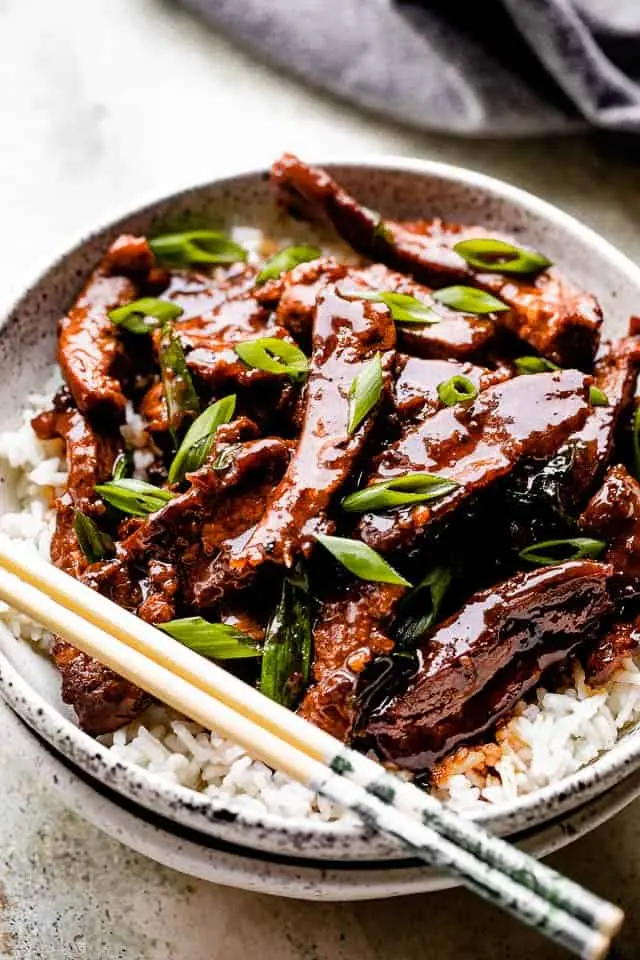
Embark on a culinary adventure that brings the vibrant flavors of your favorite Asian restaurant right into your kitchen. This Mongolian Beef recipe is a testament to how simple ingredients can transform into something truly spectacular, offering a taste experience that is both comforting and exciting.
Get ready to impress yourself and your loved ones with a dish that’s renowned for its irresistible sweet and savory sauce, perfectly coating tender slices of beef. It’s more than just a meal; it’s a delightful journey for your taste buds that promises satisfaction with every bite.
Why You Will Love This Recipe
- Authentic Restaurant Taste: Recreate the beloved P.F. Chang’s style Mongolian Beef with a copycat recipe that nails the sweet, savory, and slightly tangy flavor profile, making you feel like you’re dining out.
- Quick Preparation: Designed for busy weeknights, this dish comes together in about 30 minutes from start to finish, proving that delicious can also be remarkably fast.
- Simple, Accessible Ingredients: You won’t need to scour specialty stores; all the key components, from flank steak to pantry staples like soy sauce and brown sugar, are readily available at your local grocery store, making it an easy decision to make tonight.
- Tender, Flavorful Beef: The key is in the preparation and cut of the beef, ensuring each slice is incredibly tender and perfectly infused with the rich, glossy sauce, creating a texture that is simply melt-in-your-mouth delightful.
- Versatile Serving Options: Beyond the traditional steamed rice, this Mongolian beef is a fantastic canvas for a variety of side dishes, allowing you to customize your meal to your exact preferences and dietary needs.
Ingredients You Need
The beauty of this Mongolian beef recipe lies in its straightforward ingredient list, relying on common kitchen staples that come together to create an explosion of flavor. Opting for fresh ginger and garlic will elevate the sauce, providing a depth that powdered versions simply cannot match, ensuring a truly authentic taste experience that is both aromatic and satisfying.
Mongolian Beef (P.F. Chang’s Copycat)
This copycat of P.F. Chang’s Mongolian Beef recipe features flank steak simmered in a delectable sweet sauce made with ginger, garlic, soy sauce, and brown sugar. It’s simple to prepare and perfectly captures the flavors of the renowned restaurant’s dish!
- 1 pound flank steak, thinly sliced across the grain on a diagonal
- ¼ cup cornstarch
- 2 teaspoons vegetable oil
- 1 teaspoon minced fresh ginger
- 1 tablespoon minced garlic
- ½ cup soy sauce
- ½ cup water
- ½ cup dark brown sugar
- 1 cup vegetable oil, for frying
- 2 green onions, green parts only, sliced on the diagonal into 2 inches
- 4 cups cooked white rice
- 1Place cornstarch on a shallow plate. Dip steak slices into the cornstarch, applying it on both sides of each slice of beef. Put the steak pieces aside for 10 minutes while you work on the sauce.
- 2In a saucepan, heat 2 teaspoons of vegetable oil over medium-low heat. Add ginger and garlic to the pan; cook for 10 seconds or until fragrant.
- 3Stir in the soy sauce and water. Whisk in brown sugar and cook while stirring until the sugar dissolves. Set to medium heat and cook the sauce until it thickens, about 10 minutes. Remove from heat and set aside.
- 4Place vegetable oil in a separate large skillet and heat over medium heat until hot. Add the steak slices to the oil and cook for 2 to 3 minutes or until cooked through, flipping the pieces over to cook on the opposite side.
- 5Using a pair of tongs, remove the steak pieces from the oil and let them drain on paper towels.
- 6Discard the oil. Return the saucepan to the stove and heat over medium heat. Add steak slices and cook for 1 minute. Gently stir in previously prepared sauce; continue to cook and stir for a minute. Stir in green onions and cook for 1 to 2 minutes, or until heated through. Remove from heat and serve over rice.
Keywords: Mongolian Beef, P.F. Chang's, Copycat, Flank Steak, Asian, Chinese-American, Takeout Fakeout
For those curious about exact measurements, all the precise quantities for this sensational dish can be found within the recipe card located just above this section, detailing every component needed for success.
Variations
For those seeking a plant-based delight, a fantastic vegan Mongolian “beef” can be achieved by substituting the flank steak with firm or extra-firm tofu. Press the tofu thoroughly to remove excess water, then cube it and follow the same cornstarch coating and frying steps to achieve a wonderfully crispy texture that mimics the original dish beautifully. The sauce remains largely the same, though you might consider adding a touch more brown sugar or a splash of mirin for added depth and complexity.
If you’re navigating a low-carb lifestyle, fret not, as this dish is easily adaptable. Instead of serving over white rice, opt for cauliflower rice, which provides a fantastic neutral base that soaks up the luscious sauce without the carbohydrates. You can also skip the sugar entirely or use a sugar substitute like erythritol or stevia, while slightly increasing the soy sauce and a touch of rice vinegar to maintain that signature savory balance.
To introduce a touch of heat and complexity, consider a spicy Mongolian beef. Add a teaspoon or two of sriracha or a pinch of red pepper flakes to the sauce mixture as it simmers. This will impart a gentle warmth that complements the sweetness of the brown sugar and the umami of the soy sauce, creating a more dynamic flavor profile that’s sure to tantalize your taste buds with an exciting kick.
How to Prepare Mongolian beef recipe
Step 1: Preparing the Beef for Frying
The first crucial step in achieving that perfect Mongolian beef texture involves preparing the thinly sliced flank steak. Take your pound of flank steak, which should already be sliced against the grain into approximately 1/4-inch thick pieces, and spread them out on a clean, dry surface or a large plate. This initial preparation is key to ensuring the beef cooks quickly and remains incredibly tender throughout the cooking process.
Next, you will need a shallow dish, such as a plate or a wide bowl, filled with about 1/4 cup of cornstarch. Carefully take each slice of beef and dredge it through the cornstarch, ensuring that both sides are thoroughly coated. Gently shake off any excess cornstarch; you want a light, even coating that will help create a slightly crispy exterior when fried. Place the cornstarch-coated beef slices back onto a plate or a clean parchment-lined baking sheet, allowing them to rest for at least 10 minutes.
This resting period is important for a couple of reasons. It allows the cornstarch to adhere better to the beef, and it gives you a moment to focus on preparing the delectable sauce. By taking these small steps, you are laying the groundwork for a dish that not only tastes amazing but also has a superior texture, setting the stage for a truly restaurant-quality experience right in your own home.
Step 2: Crafting the Flavorful Sauce
While the beef is resting and absorbing the cornstarch coating, it’s time to create the heart of this dish: the Mongolian sauce. Grab a medium-sized saucepan and add 2 teaspoons of vegetable oil to it, setting the heat to medium-low. This gentle heat is perfect for slowly releasing the fragrant aromas of the aromatics without scorching them.
Once the oil is shimmering slightly, add 1 teaspoon of finely minced fresh ginger and 1 tablespoon of minced fresh garlic to the saucepan. Sauté these aromatics for about 10 seconds, just until they become incredibly fragrant. Be careful not to let them burn, as burnt garlic and ginger can impart a bitter taste to your sauce, so keep a close eye on them during this brief but important stage.
Now, pour in 1/2 cup of soy sauce and 1/2 cup of water. Stir these liquids together and then whisk in 1/2 cup of dark brown sugar until it completely dissolves into the mixture. Increase the heat to medium and continue to cook the sauce, stirring occasionally, until it thickens to a glossy, syrupy consistency, which typically takes around 10 minutes. Once thickened, remove the saucepan from the heat and set this flavor-packed sauce aside to await the arrival of the fried beef.
Step 3: Frying the Beef to Perfection
In a separate, large skillet or wok, add 1 cup of vegetable oil, or a neutral oil like canola or peanut oil. Heat this oil over medium-high heat until it reaches a nice, hot temperature; you’ll know it’s ready when a tiny drop of water sizzles immediately upon contact. A hot pan is essential for quickly searing the thin slices of beef, ensuring they cook through without becoming tough or greasy.
Carefully add the cornstarch-coated beef slices to the hot oil, making sure not to overcrowd the pan. It’s often best to cook the beef in batches to maintain the oil temperature and allow each piece to fry evenly. Fry the beef for approximately 2 to 3 minutes per side, or until it achieves a golden-brown color and a slightly crispy exterior. The goal here is to achieve a beautiful sear that locks in the juices.
Once the beef is perfectly fried, use a slotted spoon or tongs to carefully remove the slices from the hot oil. Place them onto a plate lined with paper towels to drain any excess oil. This step is vital for preventing the final dish from being greasy and ensures that the sauce adheres beautifully to the crispy beef, rather than sliding off.
Step 4: Combining Beef and Sauce
After draining the excess oil from the skillet used for frying (or using a clean saucepan if preferred), return it to the stove over medium heat. This is where the magic truly happens, bringing together the tender, crispy beef and the luscious, homemade sauce. The residual heat from the pan will be perfect for this final integration.
Gently add the fried and drained steak slices back into the warmed pan. It’s important to handle them with care to preserve that lovely crispiness you worked so hard to achieve. Avoid stirring too vigorously at this stage, as you want the beef to retain its individual form and texture.
Pour the prepared Mongolian sauce, which you set aside earlier, over the beef slices in the pan. Gently stir the beef to coat each piece evenly with the glossy, flavorful sauce. Continue to cook and stir for about 1 minute, allowing the sauce to cling to the beef and warm through. This short cooking time ensures the beef doesn’t overcook and become tough, while infusing it with the sauce’s incredible flavors.
Step 5: Adding the Finishing Touches
As the beef and sauce meld together beautifully, it’s time to add the aromatic finishing touches that complete the classic Mongolian beef experience. Take 2 green onions, using only the vibrant green parts, and slice them diagonally into roughly 2-inch pieces. These provide a fresh, slightly pungent counterpoint to the richness of the dish, adding both color and a subtle bite.
Add these sliced green onions to the pan with the beef and sauce. Stir gently to incorporate them throughout the dish. Continue to cook for another 1 to 2 minutes, or until the green onions are just heated through and have softened slightly but still retain some of their vibrant green color and crispness. This brief cooking period ensures they are perfectly integrated without becoming wilted or losing their fresh appeal.
Once everything is heated through and the sauce is beautifully coating the beef and green onions, remove the pan from the heat. Your restaurant-quality Mongolian beef is now ready to be served and savored. The combination of tender beef, sweet and savory sauce, and fresh green onions creates a harmonious blend of flavors and textures that is simply irresistible.
Step 6: Serving the Masterpiece
The final and perhaps most enjoyable step is serving your incredible homemade Mongolian beef. Traditionally, this dish is served over a bed of perfectly steamed white rice. The fluffy rice acts as a wonderful sponge, soaking up every last drop of the delicious, glossy sauce, ensuring no flavor is left behind. Ensure your rice is hot and ready before you plate the beef.
To serve, spoon a generous portion of steamed white rice onto each plate or into individual bowls. Then, carefully spoon the hot Mongolian beef, ensuring you get a good mix of tender beef slices and the rich sauce, over the rice. The visual appeal of the glossy beef atop the white rice is truly inviting and promises a satisfying meal.
For an even more delightful presentation, consider garnishing the dish with a few extra slivers of fresh green onion or a sprinkle of toasted sesame seeds. This adds a final touch of color and texture, elevating the dish from simply delicious to truly impressive. Enjoy your culinary triumph!
Pro Tips for Mongolian beef recipe
Slicing Beef for Tenderness: To make slicing the flank steak significantly easier and to ensure maximum tenderness, pop the beef into the freezer for about 20 minutes before you plan to cut it. This slight chilling firms up the meat, allowing for much cleaner, thinner slices. Always slice against the grain; look for the long muscle fibers and cut perpendicularly across them.
Achieving the Perfect Sear: The key to tender, slightly crisp beef is a screaming hot pan and not overcrowding it. Ensure your vegetable oil is properly heated before adding the beef. This high heat sears the outside quickly, locking in moisture and preventing the thin slices from becoming tough or rubbery. If your pan isn’t large enough, cook the beef in two or even three batches.
Balancing the Sauce: The sweet and savory balance of the sauce is critical. Taste it before adding the beef and adjust. If it’s too sweet, a tiny splash more soy sauce or a touch of rice vinegar can help. If it needs more depth, a little more brown sugar or even a splash of Worcestershire sauce can work wonders.
Don’t Overcook the Beef: Once the beef is fried and coated in the sauce, it only needs a very short time to heat through. Overcooking at this stage will turn those beautifully tender slices into chewy disappointments. The goal is to warm the beef and allow it to absorb the sauce flavors without further cooking.
Ingredient Quality Matters: While this recipe uses common ingredients, opting for fresh ginger and garlic over powdered versions will make a noticeable difference in the final flavor. Similarly, using dark brown sugar adds a richer molasses note than light brown sugar or white sugar, contributing to the sauce’s complex profile.
Serving Suggestions for Mongolian beef recipe
Decoration
To elevate the visual appeal of your Mongolian beef, consider a few simple garnishes. A scattering of thinly sliced fresh green onions, reserved from the preparation, adds a pop of vibrant green color and a fresh, mild onion flavor that contrasts beautifully with the rich sauce. For an extra touch of elegance and a delightful textural element, a sprinkle of toasted sesame seeds offers a nutty aroma and a subtle crunch.
Side Dishes
The classic pairing for Mongolian beef is, of course, steamed white rice, which is perfect for soaking up every last drop of the delectable sauce. For a slightly more flavorful rice option, consider kimchi fried rice, offering a spicy and tangy dimension that complements the beef wonderfully. If you’re aiming for a lighter meal or following a low-carb diet, fluffy cauliflower rice is an excellent substitute.
Vegetables play a crucial role in balancing the richness of Mongolian beef. Steamed or stir-fried bok choy provides a crisp, slightly bitter green that cuts through the sweetness of the sauce. An Asian cucumber salad, with its refreshing crunch and tangy vinegar dressing, offers a cooling contrast that cleanses the palate between bites of the savory beef.
Creative Serving Ideas
Move beyond the traditional bowl and explore creative serving avenues. Consider assembling “Mongolian Beef Bowls” by layering rice, the beef mixture, and your chosen vegetables like shredded carrots, bell peppers, or snap peas. This makes for a visually appealing and complete meal in one dish, perfect for individual servings or meal prep. For a fun, deconstructed approach, serve the beef mixture alongside small ramekins of rice, pickled ginger, and a side of quick-pickled red onions for guests to assemble their own perfect bite.
Another delightful idea is to use the Mongolian beef as a filling for wraps or lettuce cups. The rich, savory mixture is fantastic enclosed in soft flour tortillas or crisp iceberg lettuce leaves, offering a refreshing and interactive way to enjoy the flavors. You could also incorporate it into noodle dishes, perhaps tossed with a simple stir-fried noodle to create a more substantial and varied meal, similar to a chow mein style preparation.
For a more upscale presentation, serve the Mongolian beef as an appetizer by portioning it into small, elegant serving dishes or shot glasses, perhaps topped with a single sliver of green onion or a tiny edible flower. This allows guests to enjoy the intense flavors in smaller, bite-sized portions, making it ideal for gatherings and parties. Don’t hesitate to experiment with different textures and flavor pairings to make this classic dish uniquely your own, truly embodying the spirit of home cooking and culinary exploration.
Preparation & Storage
Storing Leftovers
Leftover Mongolian beef can be a delightful treat to enjoy later. Store any remaining portions in an airtight container to maintain freshness and prevent them from absorbing odors from other foods in the refrigerator. It’s best to let the dish cool down to room temperature before sealing the container and placing it in the fridge. Properly stored, your delicious Mongolian beef should remain good to eat for 3 to 4 days.
Freezing
Yes, this Mongolian beef recipe freezes remarkably well, making it an excellent candidate for meal prepping or saving for a future craving. Allow the cooked beef and sauce to cool completely before transferring it to a freezer-safe container or a heavy-duty zip-top bag. Ensure you remove as much air as possible from the bag to prevent freezer burn. Frozen Mongolian beef can be safely stored for up to 3 to 4 months.
Reheating
Reheating leftover Mongolian beef is a straightforward process that ensures you can enjoy it just as much as when it was freshly made. For refrigerated leftovers, the best method is to gently reheat them in a skillet over medium-low heat. Stir the beef occasionally until it is heated through, which usually takes about 5-7 minutes. This method helps to revive the texture of the beef and the richness of the sauce.
If reheating from frozen, you can typically do so directly in the microwave. Place the frozen portion in a microwave-safe dish, cover it loosely, and microwave on medium power, stirring halfway through, until it is thoroughly heated. Alternatively, you can thaw it in the refrigerator overnight and then reheat it in a skillet as described above. Be mindful not to overheat, as this can toughen the beef.
Frequently Asked Questions
-
What is the best cut of beef for Mongolian beef?
The best cut of beef for Mongolian beef is a tender cut that cooks quickly, such as flank steak or sirloin steak. These cuts are ideal because they can be sliced thinly against the grain, which ensures maximum tenderness when stir-fried or pan-fried. Using a tougher cut or slicing with the grain will result in chewy, less enjoyable beef. The thin slicing and quick cooking are paramount to achieving that signature tender texture that makes this dish so popular and reminiscent of restaurant versions.
-
Why is my Mongolian beef sauce not thickening?
If your Mongolian beef sauce isn’t thickening as expected, there are a few common reasons. Ensure you allowed the sauce to simmer for the recommended duration; thickening takes time as the liquid evaporates and the sugars caramelize. If it’s still too thin after simmering, you can create a slurry by whisking together 1 tablespoon of cornstarch with 2 tablespoons of cold water, then gradually stir this mixture into the simmering sauce until it reaches your desired consistency. Another possibility is that your heat was too low, preventing adequate reduction and thickening.
-
Can I make this recipe ahead of time, and how should I store it?
Yes, you can prepare aspects of this recipe ahead of time, and storing leftovers is quite simple. You can slice the beef and prepare the sauce a day in advance; store them separately in airtight containers in the refrigerator. When ready to cook, simply proceed with frying the beef and combining it with the sauce. For fully cooked leftovers, store them in an airtight container in the refrigerator for up to 3-4 days, or freeze them for longer storage. Reheat gently on the stovetop or in the microwave to preserve the texture and flavor.