Greek Grilled Chicken Kabobs
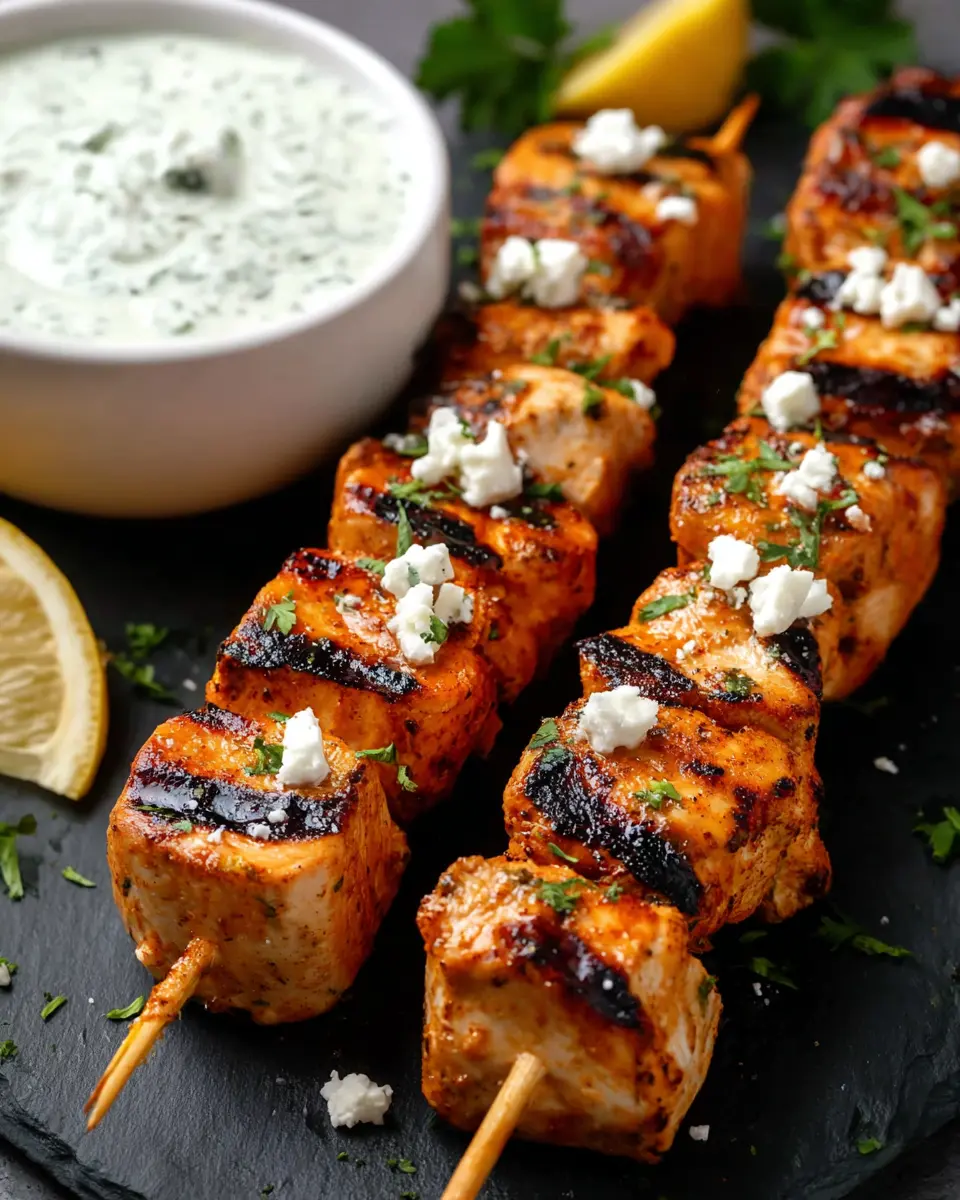
Greek grilled chicken kabobs are a quick, juicy, flavor-packed dinner that’s destined to become a favorite. The combination of a creamy lemon-garlic marinade, the reliability of grilling, and a fresh Mediterranean finish makes these skewers a stellar choice for busy weeknights, casual cookouts, or delicious make-ahead summer meals. They truly hit all the right notes for a satisfying and impressive dish.
When you’re seeking a dish that feels brighter and more vibrant than your standard grilled chicken, these kabobs are an absolute winner. The yogurt-based marinade is the secret to their incredibly tender texture, while the essential Greek flavors of lemon, garlic, and oregano infuse every bite with that sought-after Mediterranean zest. It’s a simple yet profoundly satisfying meal that’s incredibly adaptable.
Why You Will Love This Recipe
- Exceptional Tenderness: The key is the luxurious Greek yogurt marinade, which not only infuses the chicken with vibrant flavors but also breaks down the proteins, ensuring an incredibly tender and juicy outcome.
- Bright Mediterranean Flavors: A harmonious blend of fresh lemon, pungent garlic, fragrant oregano, and a hint of red wine vinegar creates an authentic and irresistible taste profile that is both zesty and aromatic.
- Effortless Preparation: This recipe is designed for convenience; the marinating can be done in advance, and threading the skewers is a straightforward process, making it ideal for time-crunched cooks.
- Versatile Serving: These kabobs are fantastic on their own, but they also pair beautifully with a variety of sides, from simple rice and pita to fresh salads, allowing you to customize your meal.
- Grilling Perfection: The high heat of the grill sears the chicken beautifully, creating delightful char marks and a smoky undertone that complements the marinade perfectly for a truly elevated flavor experience.
Ingredients You Need
The quality of your ingredients plays a significant role in the final flavor and texture of these Greek grilled chicken kabobs. Opting for fresh produce and good quality olive oil will truly elevate the dish, ensuring a vibrant and authentic Mediterranean taste experience that is both simple and satisfying.
Greek Grilled Chicken Kabobs
Greek grilled chicken kabobs are a quick, juicy, flavor-packed dinner with a creamy lemon-garlic marinade, reliable grilling results, and a fresh Mediterranean finish that works beautifully for weeknights, cookouts, or make-ahead summer meals. The yogurt marinade gives the chicken a tender texture, while lemon, garlic, and oregano bring that classic Greek-style flavor. It looks impressive, but the method is wonderfully straightforward.
- For the chicken kabobs:2 pounds boneless, skinless chicken breasts, cut into 1-inch cubes
- For the marinade:1/2 cup full-fat plain Greek yogurt2 tablespoons red wine vinegar1/4 cup olive oil
- 4 garlic cloves, finely minced3 tablespoons freshly squeezed lemon juice1 teaspoon grated lemon zest1 1/2 teaspoons dried oregano1/2 teaspoon paprika1/2 teaspoon freshly ground black pepper1 1/2 teaspoons kosher salt
- For serving:Tzatziki sauceCrumbled feta cheeseChopped fresh parsley
- 1Cut the chicken breasts into 1-inch pieces and place them in a large resealable bag, mixing bowl, or shallow dish.
- 2In a medium mixing bowl, whisk together the Greek yogurt, minced garlic, olive oil, lemon zest, lemon juice, red wine vinegar, oregano, paprika, kosher salt, and black pepper until the mixture is smooth and fully blended.
- 3Pour the marinade over the chicken and toss thoroughly so each piece is evenly coated.
- 4Transfer the chicken to the refrigerator and allow it to marinate for at least 30 minutes, or for as long as 4 hours for deeper flavor.
- 5If using wooden skewers, soak them in water for no less than 20 minutes before grilling to help prevent scorching.
- 6Remove the chicken from the marinade and thread the pieces onto the skewers, using roughly 4 ounces of chicken per skewer. Discard any excess marinade.
- 7Heat the grill to medium-high. A grill pan may also be used on the stovetop. Lightly oil the grill grates or grill pan to help keep the kabobs from sticking.
- 8Place the skewers on the hot grill and cook for about 10 minutes, turning every couple of minutes so the chicken cooks evenly and becomes fully done throughout.
- 9Arrange the cooked kabobs on a serving platter. Finish with crumbled feta and chopped parsley, then serve warm with tzatziki sauce.
Keywords: Greek, Grilled, Chicken, Kabobs, Mediterranean, Yogurt, Lemon, Garlic, Skewers, Dinner
- boneless, skinless chicken breasts: the lean, hearty base that cooks quickly when cut into evenly sized cubes, absorbing marinades wonderfully.
- full-fat plain Greek yogurt: forms the backbone of the marinade, helping the chicken stay wonderfully tender while giving the seasoning a creamy medium to cling to.
- red wine vinegar: sharpens the marinade just enough to give it that unmistakable Greek-inspired edge, providing a delightful tang.
- olive oil: adds richness and moisture, supporting better browning on the grill and contributing to a succulent texture.
- garlic cloves: adds bold, savory depth and makes the marinade taste wonderfully full and aromatic, a cornerstone of Mediterranean cooking.
- freshly squeezed lemon juice: gives the kabobs their bright, fresh character and keeps the flavor lively rather than heavy, adding a crucial zesty element.
- grated lemon zest: complements the juice with an intensified citrus aroma and flavor, adding another layer of brightness.
- dried oregano: delivers the classic herbal note that makes the whole dish taste familiar and authentically Mediterranean, evoking sunny kitchens.
- paprika: adds gentle warmth and a touch of color without making the kabobs spicy, contributing subtly to the visual appeal and depth of flavor.
- kosher salt and black pepper: season the chicken throughout so every bite tastes perfectly balanced and flavorful.
- tzatziki sauce: brings a cool, creamy serving element that ties all the vibrant flavors together beautifully.
- crumbled feta cheese: finishes the kabobs with a salty, creamy contrast that works beautifully with the char from the grill, adding a delightful tang.
- chopped fresh parsley: adds a clean, bright finish and makes the platter look extra fresh and inviting, providing a burst of herbaceousness.
Specific quantities for each ingredient can be found within the accompanying recipe card details, ensuring you have precisely what you need for perfect results.
Variations
The beauty of these Greek grilled chicken kabobs lies not only in their classic preparation but also in their adaptability. You can easily transform them to suit different dietary preferences or simply to explore new flavor dimensions.
Vegan Delight: To create a fantastic vegan version, substitute the chicken with firm or extra-firm tofu cubes or large chunks of portobello mushrooms. Marinate them in the same lemon-garlic mixture, ensuring they are well-coated. For an even richer umami flavor, you could add a splash of soy sauce or tamari to the marinade. Grill until slightly charred and tender, serving them with the same delightful accompaniments.
Low-Carb Powerhouse: For a low-carbohydrate option, keep the chicken breast as your base and focus on the marinade and toppings. Ensure your tzatziki sauce is made with full-fat Greek yogurt and no added sugar. Instead of serving with pita or rice, opt for a generous side of mixed greens tossed with a simple lemon-herb vinaigrette or a hearty portion of roasted Mediterranean vegetables like zucchini, bell peppers, and onions. This keeps the meal satisfying and packed with nutrients while staying true to the low-carb principle.
Spicy Kick: If you enjoy a bit of heat, a simple addition to the marinade can transform these kabobs into a spicier affair. Incorporate a pinch of red pepper flakes directly into the yogurt mixture or add a finely minced jalapeño or serrano pepper. For an extra layer of warmth that still maintains a Mediterranean feel, consider adding a touch of smoked paprika alongside the regular paprika, which will enhance the smoky notes from the grill.
Herbaceous Twist: While oregano is classic, don’t hesitate to experiment with other Mediterranean herbs. Fresh dill or mint, finely chopped and added to the marinade or sprinkled on top just before serving, can offer a refreshing and aromatic change. Rosemary, finely minced, also pairs wonderfully with chicken and lemon for a more robust herbal profile. Adjusting these herb combinations can lead to subtly different yet equally delicious flavor profiles.
How to Prepare Greek grilled chicken kabobs
Step 1: Preparing the Chicken for Marination
Begin by preparing your chicken breasts, ensuring they are thoroughly thawed if frozen. Pat them dry with paper towels; this step is crucial for allowing the marinade to adhere effectively and for achieving a better sear on the grill later on. You want to aim for uniform pieces, roughly 1-inch cubes, as this consistency is key to even cooking. Unevenly cut chicken can lead to some pieces being perfectly cooked while others are either underdone or overcooked and dry.
Take your time to trim away any excess fat or connective tissue. While a little fat can add flavor, too much can render unevenly and potentially cause flare-ups on the grill. Once cut, place these uniform chicken pieces into a large resealable bag, a spacious mixing bowl, or a shallow dish. This vessel will be used for the marinating process, so ensure it’s large enough to comfortably hold all the chicken and allow for easy tossing.
Having the chicken ready in its marinating container before you mix the marinade simplifies the process immensely. This allows you to move swiftly from mixing the flavorful sauce to coating the chicken, maximizing the time the chicken can absorb those delicious Greek-inspired flavors before hitting the heat. It’s a small organizational step that makes a big difference in the overall flow of preparing the kabobs.
Step 2: Crafting the Zesty Lemon-Garlic Marinade
In a medium-sized mixing bowl, gather all the components for your vibrant marinade. Start by adding the full-fat plain Greek yogurt, which provides a creamy and tangy base. Next, incorporate the finely minced garlic cloves; using fresh garlic here will yield a much more potent and aromatic flavor than powdered garlic ever could.
Pour in the olive oil for richness, the freshly squeezed lemon juice for brightness, and the grated lemon zest to amplify that citrusy punch. Add the red wine vinegar for that essential sharp tang characteristic of Greek cuisine. Sprinkle in the dried oregano for its classic Mediterranean aroma, the paprika for a touch of color and mild warmth, along with the kosher salt and freshly ground black pepper to season everything perfectly. Whisk all these ingredients together vigorously until the mixture is wonderfully smooth, creamy, and fully blended, with no lumps of yogurt or clumps of spices.
The goal is to achieve a thick, luscious consistency that will cling beautifully to each piece of chicken. This rich, emulsified marinade is the heart of the flavor for your kabobs, so take a moment to ensure it smells as good as it looks. The combination of tang, aroma, and subtle spice is exactly what you’re aiming for.
Step 3: Marinating the Chicken for Maximum Flavor
Now, it’s time to bring the chicken and marinade together. Pour the prepared, creamy marinade over the chicken pieces that are waiting in their bag or bowl. Use a spoon or your clean hands to toss everything together thoroughly, ensuring that every single piece of chicken is completely coated in the luscious mixture. You want to see no bare spots; each cube should be enveloped in that zesty, herbaceous yogurt blend.
If you are using a resealable bag, once the chicken is coated, securely seal the bag, pressing out as much air as possible to create a vacuum seal. Gently move the chicken around inside the bag to ensure the marinade is evenly distributed, reaching all surfaces. If using a bowl or dish, cover it tightly with plastic wrap to prevent any spills and to keep the marinade from drying out.
Transfer the marinating chicken to the refrigerator and let it chill for at least 30 minutes. This initial marinating period allows the flavors to begin their work, tenderizing the meat and infusing it with the lemon-garlic-herb profile. For an even deeper, more pronounced flavor, you can marinate the chicken for up to 4 hours, but avoid marinating for much longer, as the acidity from the lemon and vinegar can start to break down the chicken’s texture too much, making it mushy.
Step 4: Skewer Assembly for Grilling
If you are using wooden skewers, this is the crucial time to prepare them. Submerge them completely in water and let them soak for at least 20 to 30 minutes. This soaking process prevents the wooden skewers from burning to a crisp on the hot grill, ensuring they hold their structural integrity throughout the cooking time and allow you to easily handle the kabobs. Metal skewers do not require soaking, but they do get very hot, so use tongs or oven mitts when handling them.
Once the chicken has finished its marinating time and the skewers are ready, remove the chicken pieces from the marinade. Let any excess marinade drip back into the bag or bowl; you don’t want a thick coating of marinade dripping onto the grill, which can cause excessive flare-ups and prevent proper searing. You can use a paper towel to gently dab off any overly thick excess if needed, but ensure the chicken is still well-coated.
Begin threading the marinated chicken pieces onto the prepared skewers. Aim to pack them snugly but not so tightly that they are squashed together. Leave a little bit of space between each chicken cube; this gap allows the heat from the grill to circulate evenly around each piece, ensuring that all sides cook at the same rate and develop a beautiful char. Typically, you can fit about 4-5 cubes of chicken per skewer, depending on the length of your skewers and the size of your chicken pieces.
Step 5: Grilling the Kabobs to Perfection
Preheat your grill to a medium-high heat setting. If you don’t have an outdoor grill, a cast-iron grill pan on the stovetop works beautifully as an alternative, providing similar char marks and flavor development. Once the grill or grill pan is hot, it’s essential to lightly oil the grates or the surface of the pan. This step is vital for preventing the marinated chicken from sticking, which can be a common frustration when grilling.
Carefully place the assembled chicken kabobs onto the hot, oiled grill grates or into the grill pan. You should hear a satisfying sizzle as the chicken hits the heat, indicating that the searing process is beginning. Resist the urge to move the kabobs around immediately; allow them to sear undisturbed for a few minutes to develop those desirable grill marks and a nice crust. This initial contact with high heat is key to locking in the juices.
Cook the kabobs for approximately 10 minutes in total, turning them every couple of minutes. This frequent turning ensures that each side of the chicken gets exposed to the direct heat, leading to even cooking and a beautiful, slightly charred exterior. Keep an eye on them, as grilling times can vary depending on the heat of your grill and the exact size of the chicken pieces.
Step 6: Achieving Doneness and Final Touches
The goal is for the chicken to be cooked through, opaque in the center, and possess those enticing golden-brown, lightly charred edges. The best way to confirm the chicken is safely cooked is by using an instant-read meat thermometer. Insert it into the thickest part of a chicken piece; it should register an internal temperature of 165°F (74°C). This ensures that the chicken is fully cooked and safe to eat while still remaining wonderfully juicy.
Once the kabobs have reached the perfect internal temperature and look beautifully grilled, carefully remove them from the grill using tongs or a spatula. Transfer the hot kabobs to a clean serving platter. It’s beneficial to let them rest for just a few minutes before adding any final toppings; this brief resting period allows the juices to redistribute throughout the meat, resulting in an even more tender and succulent bite.
As the kabobs rest, sprinkle them generously with crumbled feta cheese and freshly chopped parsley. The salty tang of the feta and the bright, herbaceous notes of the parsley add a burst of freshness and a beautiful visual appeal that signifies the classic Greek flavors. This final flourish truly completes the presentation and enhances the overall flavor experience, making them ready to be served.
Step 7: Presenting and Serving Your Delicious Kabobs
Arrange the finished Greek grilled chicken kabobs attractively on a serving platter. The vibrant colors of the charred chicken, the white feta cheese, and the bright green parsley create a visually appealing dish that’s sure to entice your guests. A final drizzle of good quality olive oil over the top can add an extra sheen and a touch more richness, enhancing both the look and the taste.
Ensure your accompaniments are ready to go. Have the cool, creamy tzatziki sauce in a serving bowl on the side, inviting everyone to dip their skewers. Warm pita bread or flatbread should be readily available for scooping up any stray bits of chicken or sauce, making the meal more interactive and satisfying. A side of Greek salad or some simple roasted vegetables can complete the plate.
Serve the kabobs immediately while they are warm and at their peak flavor. The contrast between the warm, savory chicken and the cool, tangy tzatziki is what makes this dish so delightful. This presentation emphasizes the fresh, bright, and satisfying nature of these Greek-inspired skewers, making them a perfect centerpiece for any meal.
Pro Tips for Greek grilled chicken kabobs
Marination Matters: While 30 minutes is the minimum marinating time for flavor, allowing the chicken to marinate for 2-4 hours in the refrigerator will significantly deepen the flavors and enhance the tenderness. This longer soak allows the yogurt and citrus to work their magic more thoroughly on the chicken fibers, resulting in a more pronounced taste and a wonderfully moist texture.
Even Sizing is Key: When cutting your chicken breasts, strive for uniform 1-inch cubes. This consistency ensures that all the pieces cook at the same rate on the grill. If some pieces are significantly larger than others, you risk having undercooked chicken alongside dry, overcooked pieces, which detracts from the overall enjoyment of the kabobs.
Don’t Crowd the Skewers: When threading the chicken onto the skewers, leave a little space (about ¼ inch) between each piece. This separation is crucial for allowing the hot grill air to circulate freely around the chicken, promoting even cooking and developing those sought-after crispy, charred edges on all sides. Overcrowding can lead to steaming rather than grilling.
Preheat and Oil Your Grill: Ensure your grill grates are thoroughly preheated to medium-high heat before placing the kabobs on them. A hot grill sears the chicken quickly, locking in juices and creating those desirable grill marks. Immediately after preheating, oil the grates generously using a paper towel soaked in high-heat oil (like canola or vegetable oil) and tongs. This prevents the marinated chicken from sticking disastrously.
Watch for Overcooking: Chicken breast can dry out quickly if overcooked. The moment the chicken reaches an internal temperature of 165°F (74°C) in the thickest part, it is done. Remove the kabobs from the grill promptly. Allowing them to rest for a few minutes after cooking also helps the juices settle back into the meat, ensuring a more tender and moist result.
Serving Suggestions for Greek grilled chicken kabobs
Decoration
The visual appeal of these kabobs is enhanced by simple, fresh garnishes. A generous scattering of crumbled feta cheese provides pops of white and a salty visual contrast. Freshly chopped parsley adds vibrant green flecks, bringing a sense of freshness and color. For an extra touch, a few thin slices of red onion or Kalamata olives can be artfully arranged around the platter, mirroring the Mediterranean theme and adding textural interest to the presentation.
Side Dishes
These Greek grilled chicken kabobs are incredibly versatile and pair beautifully with a range of Mediterranean-inspired sides. Warm pita bread or soft flatbread is essential for scooping up any leftover marinade or tzatziki. A classic Greek salad, with its crisp cucumbers, ripe tomatoes, sharp red onions, briny olives, and tangy feta, complements the grilled chicken perfectly. For a heartier meal, consider serving them alongside fluffy couscous, fragrant rice pilaf, or even some simple roasted potatoes tossed with herbs and lemon.
Creative Serving Ideas
Elevate your presentation by serving the kabobs in a slightly unconventional way. You could arrange them over a bed of mixed greens for a lighter, more salad-like meal. Another idea is to deconstruct the kabobs and serve the grilled chicken alongside bowls of hummus, baba ghanoush, and a platter of fresh vegetables like bell pepper strips and cucumber slices for a mezze-style experience. For a fun family-style presentation, place the skewers vertically in a large vase or pitcher, allowing guests to easily select their own.
Preparation & Storage
Storing Leftovers
Once the Greek grilled chicken kabobs have cooled completely, store any leftovers in an airtight container. It’s often easiest to remove the chicken from the skewers before storing, as this allows for more compact packing and easier reheating. Keep the container in the refrigerator, where the cooked chicken should remain fresh and safe to consume for up to 3 to 4 days. It’s a good idea to store any separate toppings, like tzatziki or extra feta, in their own containers to maintain their best texture and flavor.
Freezing
For longer-term storage, these grilled chicken kabobs can be frozen. Ensure the chicken is completely cooled before transferring it to a freezer-safe airtight container or a heavy-duty freezer bag. Remove as much air as possible to prevent freezer burn. Properly stored, the cooked chicken will maintain good quality for up to 2 months. It’s best to freeze the chicken pieces without the skewers if possible for ease of reheating and to prevent the skewers from taking up too much space.
Reheating
When you’re ready to enjoy your leftover kabobs, reheating them gently is key to preserving their moisture and flavor. You can reheat them in a skillet over medium-low heat, stirring occasionally, until warmed through. Alternatively, place them on a baking sheet loosely covered with foil and reheat in a preheated oven at around 300°F (150°C). For a quick reheat, use the microwave in short, 30-second bursts, checking for warmth to avoid overcooking. Adding a small spoonful of tzatziki or a splash of lemon juice after reheating can help revive freshness and moisture.
Frequently Asked Questions
-
Can I use chicken thighs instead of chicken breast for this recipe?
Absolutely, chicken thighs are an excellent alternative to chicken breast for these Greek grilled chicken kabobs. Thighs are naturally more forgiving on the grill, tending to stay juicier and more tender, even if they cook a few minutes longer than breast meat. The marinade will infuse them with the same delicious lemon-garlic-herb flavors, and the resulting dish will be just as delightful, perhaps even more so for those who prefer a richer, moister chicken texture. You may need to adjust grilling time slightly, as thighs can take a few minutes longer to cook through compared to breast meat.
-
How long should I marinate the chicken, and what happens if I marinate it for too long or not long enough?
A minimum marinating time of 30 minutes is recommended to allow the flavors to penetrate the chicken and begin tenderizing it. For optimal taste and texture, marinating for 2 to 4 hours is ideal. If you marinate for too short a time, the chicken will still be tasty, but the flavors won’t be as deeply infused, and the tenderness benefits will be less pronounced. Conversely, while the yogurt-based marinade is relatively gentle, marinating for excessively long periods (e.g., overnight or more than 6-8 hours) can cause the acidity from the lemon juice and vinegar to break down the chicken proteins too much, potentially resulting in a mushy texture rather than a tender one. Sticking to the recommended 30 minutes to 4 hours ensures the best balance of flavor and texture.
-
How do I know when the kabobs are perfectly cooked and safe to eat?
The most reliable method for ensuring your Greek grilled chicken kabobs are perfectly cooked and safe to eat is by using an instant-read meat thermometer. Insert the thermometer into the thickest part of a chicken cube, avoiding any contact with the skewer. The chicken is safely cooked when it reaches an internal temperature of 165°F (74°C). Visually, the chicken should be opaque throughout, with no pinkness in the center, and the exterior should have appealing golden-brown char marks. Overcooking will result in dry chicken, so using a thermometer is highly recommended to achieve that ideal balance of doneness and juiciness.