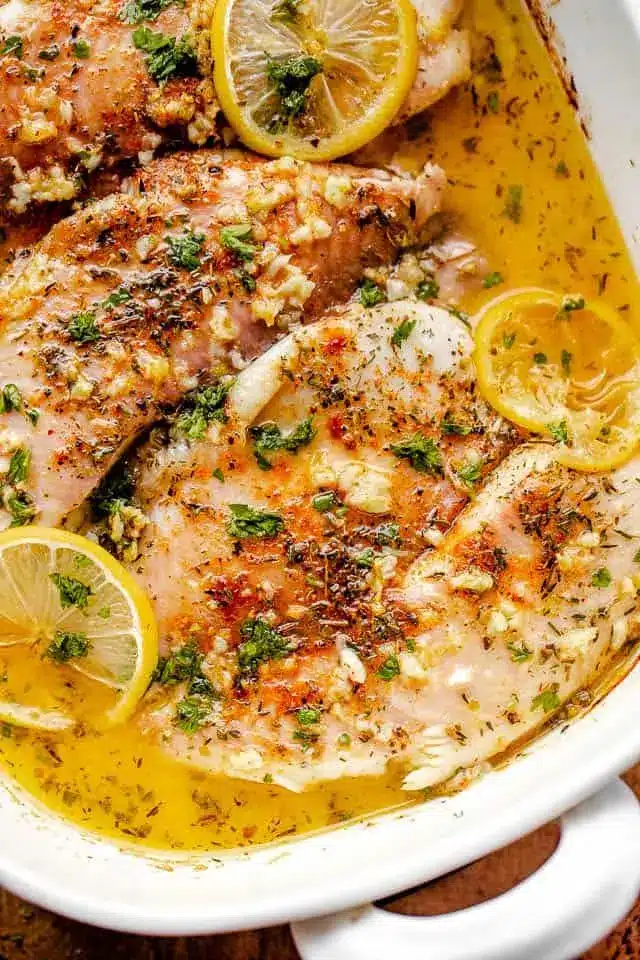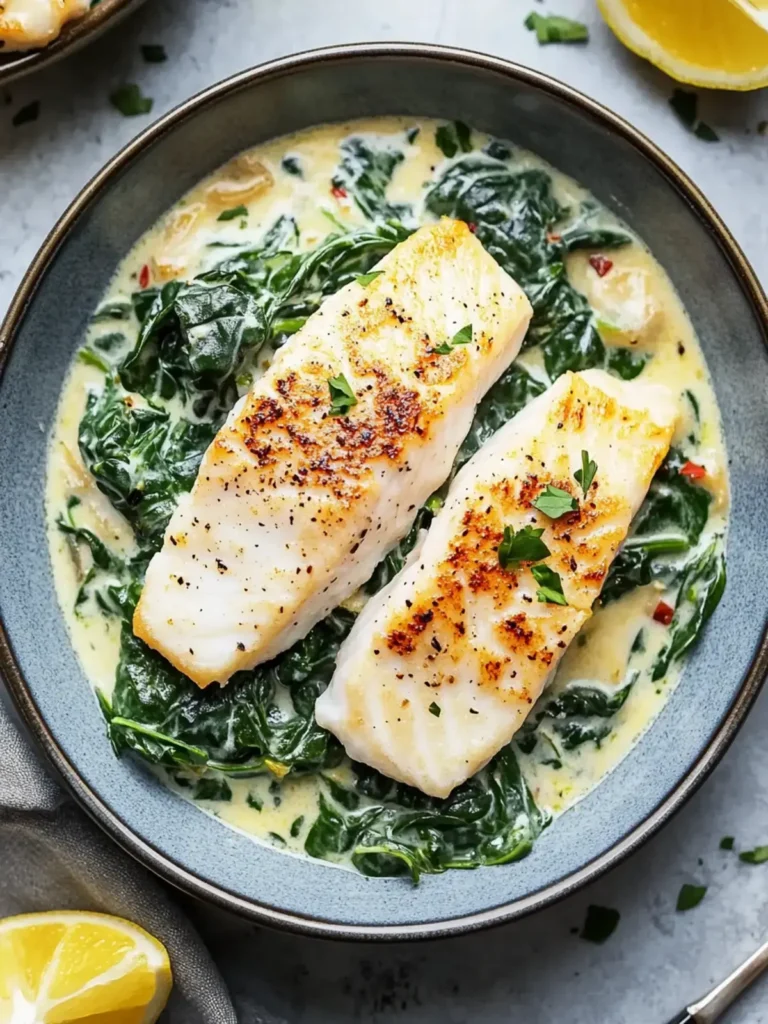
Creamy Lemon Chicken Recipe

Experience the delightful symphony of flavors that is Creamy Lemon Chicken, a dish designed to bring a touch of gourmet elegance to your weeknight table with unparalleled ease. This recipe masterfully blends succulent chicken breasts with the bright zest of lemon and the comforting embrace of a velvety cream sauce, promising a culinary experience that is both sophisticated and remarkably simple to achieve. It’s a testament to how straightforward ingredients can transform into something truly special, offering a burst of freshness and richness in every bite.
This one-skillet wonder is not just about exceptional taste; it’s a celebration of efficiency in the kitchen, ready from start to finish in under 30 minutes, making it an ideal candidate for those evenings when time is of the essence but the craving for a home-cooked meal is strong. The vibrant tang of lemon cuts through the richness of the cream, creating a perfectly balanced sauce that coats the tender chicken, making it a dish that’s both comforting and invigorating. Prepare to be enchanted by its simplicity and impressed by its delicious depth.
Why You Will Love This Recipe
- Effortless One-Skillet Preparation: This recipe streamlines the cooking process by utilizing a single skillet, significantly reducing the amount of cleanup required after your meal.
- Remarkably Quick Cooking Time: With a total preparation and cooking time of under 30 minutes, it’s a perfect solution for busy weeknights or when you need a delicious meal in a hurry without sacrificing quality.
- Exquisite Flavor Profile: The delightful combination of tangy lemon, rich cream, and savory chicken, enhanced by aromatic garlic and herbs, creates a complex yet harmonious taste experience that is sure to please any palate.
- Versatile Meal Option: Whether served for a casual dinner or a more special occasion, this creamy lemon chicken adapts beautifully, offering a satisfying and elegant dish that feels both indulgent and wholesome.
- Impressive Yet Accessible: Despite its sophisticated flavors and presentation, the recipe is designed for home cooks of all levels, making it an achievable and rewarding dish to prepare.
Ingredients You Need
The success of this Creamy Lemon Chicken hinges on the quality and freshness of its components, ensuring each element contributes its best to the final dish. Opting for high-quality chicken breasts ensures a tender and juicy outcome, while fresh lemon juice provides that essential bright, zesty character that defines the sauce. Using good quality Parmesan cheese adds a subtle nutty depth and helps achieve the perfect sauce consistency, underscoring the importance of selecting ingredients that elevate the overall taste and texture of this delightful meal.
Creamy Lemon Chicken

Experience the ease and flavor of Creamy Lemon Chicken, a perfect dish that combines juicy chicken and tender asparagus in a rich, lemon-infused cream sauce. This simple, one-skillet meal is ready in under 30 minutes, making it a quick and satisfying option for any night of the week.
- 2 tablespoons olive oil
- 4 (1 to 1.5 pounds) boneless, skinless chicken breasts, pounded to about 1/2-inch thickness
- Salt and fresh ground black pepper, to taste
- 2 teaspoons Italian Seasoning
- 1 tablespoon butter
- 1 pound asparagus, stalks trimmed and cut into thirds
- 1 small yellow onion, sliced
- 1 cup Half & Half (you can also use light half & half, heavy cream, or evaporated milk)
- 1 whole lemon, juiced
- 3 cloves garlic, minced
- Salt and fresh ground black pepper, to taste
- Lemon slices, for garnish
- Chopped parsley, for garnish
- Freshly grated parmesan, for garnish
- 1Heat olive oil in a large skillet set over medium heat.
- 2Season the chicken with salt, pepper, and Italian seasoning and add it to the heated oil.
- 3Cook the chicken for about 6 minutes per side or until no longer pink. Remove from skillet and set aside.
- 4Add the butter to the skillet and melt it over medium heat. Add the asparagus and onions and cook for 4 minutes or until the asparagus is crisp-tender.
- 5In the meantime, combine the half & half, flour, cheese, lemon juice, garlic, salt, and pepper in a mixing bowl; whisk until thoroughly incorporated.
- 6Whisk the prepared sauce into the skillet and bring to a slow boil while still whisking to prevent curdling.
- 7Transfer the chicken back to the skillet and lower the heat to a simmer.
- 8Cook for 3 to 4 minutes or until the asparagus is tender and the chicken is cooked through.
- 9Remove the skillet from the heat. Spoon the sauce over the chicken breasts and top with lemon slices.
- 10Garnish with parsley and cheese, and serve.
Keywords: Creamy Lemon Chicken, One-Skillet Meal, Quick Dinner, Chicken Recipe, Asparagus
- boneless, skinless chicken breasts: the star of the show, ensuring a tender and juicy protein base for the dish.
- asparagus: offering a vibrant green color and a delightful crisp-tender texture that complements the creamy sauce beautifully.
- lemon: essential for its bright, citrusy notes that cut through the richness and add a refreshing zing.
- yellow onion: provides a foundational sweetness and aromatic depth to the sauce as it sautés.
- garlic: minced finely, it infuses the sauce with its pungent, savory aroma and flavor, a cornerstone of many great dishes.
- half & half: the base for the luscious cream sauce, providing a rich, velvety texture that coats everything perfectly.
- all purpose flour: used as a thickening agent to achieve the desired luxurious consistency for the sauce.
- grated Parmesan cheese: adds a layer of savory, slightly nutty flavor and contributes to the sauce’s creamy texture.
- olive oil: used for searing the chicken and sautéing vegetables, providing a good base for cooking.
- butter: adds richness and depth of flavor to the sautéed vegetables and helps to create a well-rounded sauce.
- Italian seasoning: a blend of dried herbs like oregano, basil, and thyme, offering an aromatic herbaceousness.
- salt: crucial for enhancing all the other flavors and bringing out the best in each ingredient.
- fresh ground black pepper: adds a gentle warmth and a touch of spicy complexity to the overall taste profile.
- lemon slices: used for garnishing, these add a visual appeal and an extra hint of fresh lemon aroma.
- chopped parsley: a fresh herb garnish that provides a pop of color and a delicate, clean herbal finish.
- freshly grated parmesan: an optional but highly recommended garnish for an extra burst of cheesy flavor and visual appeal.
The precise quantities for these ingredients are readily available within the accompanying recipe card, ensuring you have all the details needed for a perfect execution of this dish.
Variations
To cater to different dietary preferences and taste profiles, this versatile Creamy Lemon Chicken recipe can be adapted in numerous exciting ways. For those following a plant-based lifestyle, substituting chicken with firm tofu or large portobello mushrooms that have been marinated and pan-seared can create a wholly satisfying vegan alternative. The creamy sauce can be made using full-fat coconut milk or a cashew cream base, with nutritional yeast adding a cheesy, umami note and a touch of Dijon mustard enhancing the tangy profile, ensuring a rich and flavorful experience without any animal products.
For individuals managing carbohydrate intake, a low-carb variation can be achieved by omitting the flour and thickening the sauce with a cornstarch slurry or simply allowing it to reduce naturally. Serving the chicken and sauce over a bed of cauliflower rice or zucchini noodles instead of traditional pasta or rice will significantly lower the carbohydrate count. The vibrant asparagus can also be swapped for lower-carb vegetables such as green beans, broccoli florets, or bell peppers, maintaining the dish’s nutritional balance while offering a different textural and visual appeal.
Furthermore, the flavor profile can be significantly altered with simple additions or substitutions. For a spicier kick, a pinch of red pepper flakes can be added to the sauce during the simmering stage, or a swirl of sriracha can be incorporated just before serving. Introducing sun-dried tomatoes can lend a sweet and tangy chewiness to the dish, while a splash of white wine added to the sauce while it simmers can provide an extra layer of complex acidity and depth. Experimenting with different fresh herbs, like dill or chives, can also introduce subtle yet distinct aromatic nuances, allowing you to tailor this delightful recipe to your personal culinary adventures.
How to Prepare creamy lemon chicken
Step 1: Season and Sear the Chicken
Begin by preparing the chicken breasts. Ensure they are pounded to an even thickness, ideally around half an inch, which is crucial for uniform cooking. This step prevents the thinner parts from drying out while the thicker parts cook through. Generously season both sides of each chicken breast with salt, freshly ground black pepper, and the Italian seasoning blend. This initial seasoning is key to building flavor from the very beginning of the cooking process.
Next, heat a tablespoon of olive oil in a large, heavy-bottomed skillet over medium heat until it shimmers. Carefully place the seasoned chicken breasts into the hot skillet, ensuring not to overcrowd the pan; cook in batches if necessary. Sear the chicken for approximately six minutes on each side. You are looking for a beautiful golden-brown crust to form, indicating a good sear has been achieved, and the chicken should be cooked through to an internal temperature of 165°F (74°C).
Once the chicken is perfectly cooked and beautifully seared, remove it from the skillet and set it aside on a clean plate or cutting board. Tent it loosely with foil to keep it warm and allow the juices to redistribute, which will ensure it remains incredibly moist and tender. This resting period is vital for achieving the best texture for the chicken.
Step 2: Sauté the Asparagus and Onions
In the same skillet, add the tablespoon of butter to the residual olive oil and drippings from the chicken. Allow the butter to melt completely over medium heat, scraping up any delicious browned bits from the bottom of the pan, as these add significant flavor to the vegetables. Once the butter is melted and slightly foamy, add the thinly sliced yellow onion and the trimmed asparagus spears, cut into roughly one-inch pieces.
Sauté the onions and asparagus for about four minutes, stirring occasionally. You want the onions to become slightly softened and translucent, and the asparagus to turn bright green and become tender-crisp. The goal here is to cook the vegetables until they have a slight bite to them, ensuring they don’t become mushy in the final dish. The residual heat from the pan will continue to cook them slightly as the sauce is prepared.
As the vegetables cook, ensure they are evenly distributed in the skillet. If your skillet is very large, you might need to stir more frequently to ensure even cooking of both the onions and the asparagus. The aroma of the onions softening and the asparagus reaching its perfect tender-crisp stage will fill your kitchen, signaling that you are on your way to a truly delicious meal.
Step 3: Prepare the Creamy Lemon Sauce
While the asparagus and onions are gently sautéing, prepare the luscious creamy lemon sauce. In a separate mixing bowl, combine the half & half, all-purpose flour, grated Parmesan cheese, freshly squeezed lemon juice, minced garlic, and a good pinch of salt and pepper. Whisk these ingredients together thoroughly until the flour is completely incorporated and there are no lumps, creating a smooth, homogenous mixture.
The flour acts as a thickening agent, and ensuring it’s well-mixed with the liquid components before adding it to the hot skillet is crucial for preventing lumps and achieving a silky smooth sauce. The minced garlic can be added directly into the sauce mixture; its potent flavor will meld beautifully as the sauce simmers. The Parmesan cheese will not only contribute to the flavor but also help in achieving that desirable creamy texture.
Taste the sauce mixture at this stage and adjust the seasoning if necessary. You might want a little more lemon juice for extra tang, or more salt and pepper to enhance the savory notes. This step is your opportunity to fine-tune the flavor profile before the sauce is added to the skillet, ensuring it is perfectly balanced to your liking.
Step 4: Combine and Simmer the Sauce
Once the asparagus and onions have reached the desired tender-crisp texture, it’s time to introduce the prepared creamy lemon sauce. Carefully pour the whisked sauce mixture directly into the skillet with the sautéed vegetables. Do this gradually while continuously whisking the sauce in the skillet.
Bring the mixture to a gentle simmer over medium heat, stirring constantly. The constant whisking and medium heat are critical to prevent the dairy in the half & half from curdling and to ensure the flour thickens the sauce smoothly. As the sauce heats, it will begin to thicken, coating the vegetables in a rich, creamy glaze. This process should take a few minutes, transforming the liquid into a luscious sauce.
Continue to simmer and stir for about 2-3 minutes, allowing the sauce to reach your preferred consistency. If it seems too thick, you can always loosen it with a splash of chicken broth or a little more half & half. If it’s too thin, let it simmer for a bit longer to reduce. The aroma at this stage is incredible, with the citrusy lemon mingling with the savory garlic and creamy base.
Step 5: Finish the Dish with Chicken
With the creamy lemon sauce perfectly thickened and the vegetables beautifully coated, it’s time to reintroduce the star of the show: the seared chicken breasts. Gently place the rested chicken breasts back into the skillet, nestling them into the creamy sauce. Ensure the chicken is submerged as much as possible, allowing it to absorb the delicious flavors of the sauce.
Reduce the heat to low and let the chicken simmer in the sauce for approximately 3 to 4 minutes. This brief simmering period allows the chicken to heat through completely and absorb some of the wonderful flavors from the lemon cream sauce. It also gives the sauce a chance to meld with the chicken, creating a unified and cohesive dish. The sauce will continue to thicken slightly during this time.
After the simmering period, the chicken should be piping hot, and the sauce should have a wonderfully smooth, luxurious consistency. You can spoon some of the sauce over the chicken breasts to ensure they are thoroughly coated. The dish is now essentially complete, ready for its final presentation and serving.
Step 6: Garnish and Serve
The final step in creating this delightful Creamy Lemon Chicken is to add the finishing touches that elevate its presentation and flavor. Carefully remove the skillet from the heat. Arrange the chicken breasts attractively on serving plates or a platter. Spoon generous amounts of the luscious creamy lemon sauce over each chicken breast, ensuring every piece is coated in the velvety goodness.
For an extra burst of freshness and visual appeal, garnish the dish with fresh lemon slices, placing them artfully around the chicken or on top. A sprinkle of freshly chopped parsley adds a vibrant splash of green and a delicate herbaceous note that complements the lemon and cream beautifully. Finally, a dusting of freshly grated Parmesan cheese over the top adds a final savory flourish and enhances the overall richness of the dish.
Serve immediately while hot, allowing your guests or family to enjoy the immediate warmth and vibrant flavors of this expertly prepared meal. This final presentation makes the dish as visually appealing as it is delicious, promising a truly satisfying dining experience.
Pro Tips for creamy lemon chicken
- Prevent Sauce Curdling: Always maintain medium heat when adding dairy-based sauces to the skillet. Whisk continuously as the sauce heats to ensure the dairy proteins do not bond improperly and separate, resulting in a grainy texture.
- Achieve Even Cooking: Select chicken breasts of similar size and thickness. If they vary significantly, pound the thicker parts to match the thinner ones, ensuring they cook through at the same rate, preventing overcooked or undercooked sections.
- Master Sauce Consistency: If your sauce becomes too thick, simply whisk in a tablespoon of chicken broth or more half & half until it reaches your desired consistency. Conversely, if it’s too thin, let it simmer gently uncovered for a few more minutes to reduce and thicken naturally.
- Boost the Lemon Flavor: For an intensified lemon experience, add a teaspoon of fresh lemon zest to the sauce along with the lemon juice. The zest contains aromatic oils that provide a brighter, more fragrant lemon essence than juice alone.
- Enhance with Herbs: While Italian seasoning is excellent, don’t hesitate to experiment with other fresh or dried herbs. Dill, tarragon, or even a hint of fresh thyme can add unique aromatic dimensions to the creamy lemon sauce, creating delightful variations.
Serving Suggestions for creamy lemon chicken
Decoration
Elevate the visual appeal of your Creamy Lemon Chicken with thoughtful garnishes that enhance its appetizing look. Fresh lemon slices, fanned or quartered, placed artfully around the chicken breasts, offer a bright, citrusy visual cue and an aromatic hint. A generous sprinkle of finely chopped fresh parsley adds a vibrant pop of green, creating a beautiful contrast against the creamy sauce and chicken. For an extra touch of elegance and a savory depth, a final dusting of freshly grated Parmesan cheese over the top provides a visually appealing finishing layer that promises deliciousness.
Side Dishes
This Creamy Lemon Chicken pairs wonderfully with a variety of complementary side dishes that balance its richness and enhance the dining experience. A fluffy bed of rice, particularly basmati or jasmine, is perfect for soaking up the extra delectable sauce. For a lighter option, consider serving it alongside roasted asparagus or steamed green beans to echo the vegetable component of the dish. A simple side salad with a light vinaigrette provides a refreshing contrast, or consider a crusty baguette to mop up every last drop of the luxurious sauce.
Creative Serving Ideas
Transform this already delightful dish into a truly memorable meal with a few creative serving ideas. Serve the chicken and sauce over a bed of al dente pasta, such as fettuccine or linguine, for a more substantial and comforting meal that’s reminiscent of classic Italian cuisine. Alternatively, for a lighter and more elegant presentation, spoon the creamy lemon chicken and sauce over pan-seared polenta or creamy mashed cauliflower for a gourmet twist. You could also incorporate a touch of culinary theater by serving it family-style directly from a beautiful cast-iron skillet, allowing everyone to help themselves to the tender chicken and abundant sauce.
Preparation & Storage
Storing Leftovers
Should you be fortunate enough to have any Creamy Lemon Chicken remaining, proper storage is key to maintaining its quality and flavor. Transfer any cooled leftovers into an airtight container. Ensure the lid is sealed tightly to prevent air exposure, which can lead to drying out or oxidation. Store these containers in the refrigerator for up to 2 to 3 days, keeping them chilled to preserve their freshness.
Freezing
While this dish is best enjoyed fresh, freezing is an option for longer-term storage, though some texture changes may occur. Allow the cooked chicken and sauce to cool completely before transferring it to a freezer-safe airtight container or heavy-duty freezer bag. Remove as much air as possible before sealing to prevent freezer burn. Frozen Creamy Lemon Chicken can be stored for up to 1 to 2 months. It’s advisable to freeze the chicken and sauce separately if possible, as dairy-based sauces can sometimes separate upon thawing.
Reheating
Reheating Creamy Lemon Chicken requires a gentle approach to preserve its texture and flavor. For refrigerated leftovers, the stovetop is often the best method. Place the chicken and sauce in a skillet over low to medium-low heat. Add a tablespoon or two of water, chicken broth, or a splash of milk to help loosen the sauce and prevent it from becoming too thick or dry. Stir gently and consistently until the chicken is heated through and the sauce is creamy once more. Avoid high heat, which can cause the sauce to curdle or the chicken to toughen.
If reheating from frozen, it’s recommended to thaw the dish in the refrigerator overnight first. Once thawed, follow the stovetop reheating method described above. Microwaving is another option for reheating, but it can sometimes lead to uneven heating and a less desirable sauce texture. If using a microwave, place the leftovers in a microwave-safe dish, cover loosely, and heat on medium power, stirring occasionally, until thoroughly warmed. For best results, a gentle reheat on the stovetop is generally preferred.
Frequently Asked Questions
-
Can I use chicken thighs instead of chicken breasts for this recipe?
Yes, you can absolutely substitute chicken thighs for chicken breasts. Boneless, skinless chicken thighs are often more forgiving and can remain tender even if slightly overcooked, making them a good choice for this dish. You may need to adjust the cooking time slightly, as thighs can sometimes take a few minutes longer to cook through compared to pounded chicken breasts. Ensure they are cooked to an internal temperature of 165°F (74°C). The richer flavor of chicken thighs will also add a wonderful depth to the creamy lemon sauce, creating a slightly different but equally delicious outcome.
-
What can I do if my creamy lemon sauce separates or looks curdled?
Sauce separation, or curdling, typically happens when dairy products are exposed to too high heat or are over-stirred after cooking. If your sauce begins to look curdled, immediately remove the skillet from the heat. You can try to salvage it by whisking in a tablespoon of cold half & half or a small dollop of sour cream (if not concerned about added tang) off the heat. Sometimes, a very vigorous whisking off the heat can help re-emulsify the sauce. Alternatively, you can try to blend a small portion of the sauce with an immersion blender and then whisk it back into the main sauce. Preventing curdling is key, so maintaining medium heat and constant whisking when first incorporating the dairy is paramount.
-
Is it possible to make this recipe ahead of time, and if so, how should I store and reheat it?
While this Creamy Lemon Chicken is best enjoyed fresh due to the delicate nature of the sauce and the crisp-tender asparagus, it can be partially prepared in advance. You can season and sear the chicken and cook the vegetables separately, storing them in airtight containers in the refrigerator. The sauce can also be made ahead and stored. However, the final simmering of the chicken in the sauce should ideally be done just before serving. If you need to store the fully cooked dish, cool it completely and store it in an airtight container in the refrigerator for up to 2 days. Reheat gently on the stovetop over low heat, adding a splash of liquid like water or broth to loosen the sauce, as mentioned in the storage section. Avoid high heat to maintain the sauce’s texture.