Pineapple Glazed Pound Cake
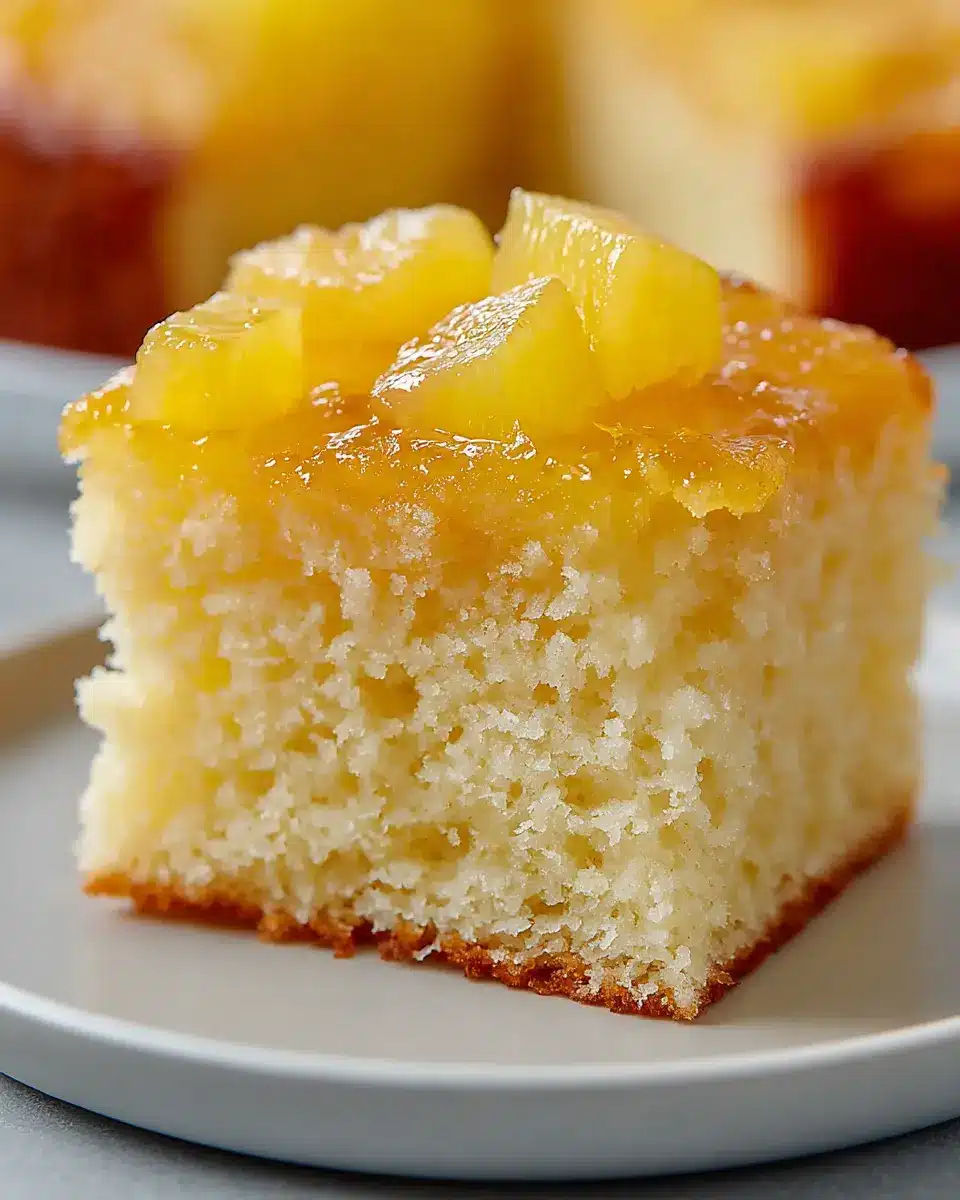
Pineapple Pound Cake is a rich, moist dessert that embodies classic comfort with a delightful twist. Its buttery crumb, infused with the bright essence of pineapple, and finished with a warm, glossy glaze, makes it an exceptional choice for any occasion, especially during festive seasons, casual potlucks, or when you need a dependable, perfectly sliceable treat to prepare in advance.
This cake instantly evokes a sense of timeless appeal the moment it emerges from the oven, boasting the dense, deeply satisfying texture that defines a traditional pound cake. Yet, the inclusion of crushed pineapple ensures each slice remains wonderfully soft and tender, artfully preventing any heaviness and offering a delightful surprise with every bite.
Why You Will Love This Recipe
- Exceptional Moistness: The secret lies in the undrained crushed pineapple, which infuses the batter with natural moisture and delightful fruity pockets, ensuring every bite is tender and flavorful.
- Classic Comfort Flavor: A harmonious blend of butter, vanilla, sugar, and pineapple creates a familiar yet irresistible taste profile that appeals to everyone’s sweet tooth.
- Foolproof Preparation: This recipe simplifies the pound cake process, featuring a straightforward batter that comes together easily, making it accessible even for novice bakers.
- Visually Appealing Finish: The warm pineapple glaze not only enhances the flavor but also provides a beautiful, glossy sheen that makes the cake a stunning centerpiece for any dessert table.
- Make-Ahead Convenience: Its sturdy yet tender structure makes it an ideal candidate for baking ahead, allowing more time to enjoy with guests without last-minute kitchen stress.
Ingredients You Need
The success of any great cake hinges on the quality of its ingredients, and this Pineapple Pound Cake is no exception. Using fresh, high-quality components will significantly elevate the final flavor and texture, ensuring a truly memorable dessert experience for you and your loved ones. Opting for ingredients that are at room temperature is also a crucial step that helps in achieving a uniformly smooth batter and an evenly baked cake.
Pineapple Pound Cake

A rich, buttery pound cake made especially moist with crushed pineapple and finished with a warm pineapple glaze for added sweetness and flavor. This cake is a strong choice when you want something old-fashioned, reliable, and full of flavor without needing complicated steps. The buttery crumb, soft pineapple throughout, and warm fruit glaze give it a homemade feel that always looks generous on the table.
- For the cake: 3 cups granulated sugar
- 6 large eggs
- 1/2 cup buttermilk (brought to room temperature for best results)
- 2 teaspoons vanilla essence or pure vanilla extract
- 1 3/4 cups salted butter (softened)
- 20 ounces crushed pineapple in juice (undrained)
- 4 cups all-purpose flour
- For the glaze: 1 tablespoon butter
- 1 cup granulated sugar
- Pineapple and pineapple juice (as used in the glaze preparation)
- 1Preheat the oven to 325°F. Coat a 10-inch tube pan thoroughly with non-stick spray. Make certain the ingredients, particularly the refrigerated ones, are at room temperature before mixing.
- 2Place the flour, sugar, softened butter, buttermilk, eggs, 1/2 cup pineapple juice, and vanilla into the bowl of a stand mixer in that order. Beat on low speed for 1 minute.
- 3Stop the mixer and scrape down the sides of the bowl. Resume mixing on medium speed for 4 minutes, or until the batter is smooth and fully blended.
- 4Fold in the crushed pineapple gently so it is evenly distributed throughout the batter.
- 5Transfer the batter to the prepared tube pan. Bake for 1 hour and 20 minutes to 1 hour and 30 minutes, or until a wooden pick inserted into the cake comes out clean or with only dry crumbs attached.
- 6Let the cake rest in the pan on a wire rack for 20 to 30 minutes. After that, turn it out carefully onto a serving plate.
- 7To make the glaze, combine the pineapple, pineapple juice, and sugar in a small saucepan. Bring the mixture to a boil and cook for 2 minutes, then lower the heat and let it simmer for 2 to 3 minutes more.
- 8Take the saucepan off the heat and stir in the butter until fully melted and the glaze is smooth.
- 9Pour the hot pineapple glaze evenly over the cake once it has been placed on the serving dish. Allow the glaze to settle slightly before serving.
Keywords: Pineapple Pound Cake, moist, buttery, fruit glaze, holiday dessert, potluck, make-ahead
The specific quantities for each ingredient are detailed within the provided recipe card, guiding you precisely through the preparation process to achieve perfect results every time.
Variations
While this Pineapple Pound Cake is already a showstopper, its inherent versatility allows for delightful variations that can cater to different dietary preferences or flavor profiles. Each modification aims to enhance the cake’s charm while respecting its core essence.
For those seeking a vegan option, dairy and eggs can be artfully substituted. Replace the butter with a high-quality vegan butter or coconut oil, and for the eggs, a flax egg (one tablespoon of ground flaxseed mixed with three tablespoons of water, allowed to sit for five minutes) or a commercial egg replacer works beautifully. The buttermilk can be swapped for a plant-based milk like almond or soy milk with a teaspoon of apple cider vinegar added to create a vegan buttermilk substitute, which will still provide that essential tang and moisture.
A low-carb rendition can also be explored by making strategic ingredient swaps. Granulated sugar can be replaced with a keto-friendly sweetener blend, such as erythritol or xylitol, adjusting the quantity to taste as these sweeteners can be more potent. Similarly, a low-carb flour blend, like almond flour or coconut flour, can be used in place of all-purpose flour, though this may require adjustments to liquid ratios and baking times to achieve the desired texture. The pineapple, being higher in natural sugars, might need to be used sparingly or replaced with a sugar-free pineapple extract for an intense flavor without the carbs.
Elevating the flavor profile further is simple by adding complementary ingredients. Consider incorporating a cup of toasted macadamia nuts or chopped pecans into the batter for an added crunch and nutty undertone that pairs wonderfully with pineapple. A touch of lemon zest, perhaps from one medium lemon, can also introduce a bright, zesty counterpoint to the sweetness, cutting through the richness and adding another layer of aromatic complexity that beautifully complements the tropical pineapple notes.
How to Prepare Pineapple Pound Cake
Step 1: Oven and Pan Preparation
Begin by preheating your oven to a precise 325 degrees Fahrenheit (160 degrees Celsius). This moderate temperature is crucial for allowing the dense pound cake batter to bake through evenly without the exterior burning before the interior is cooked. Simultaneously, prepare your 10-inch tube pan with meticulous care; a thorough greasing and flouring, or using a non-stick baking spray, is essential for ensuring the cake releases cleanly after baking. This step is vital for maintaining the cake’s beautiful shape and preventing frustrating sticking.
This initial preparation phase also involves ensuring your key refrigerated ingredients are brought to room temperature. This includes the butter, eggs, and buttermilk. Room-temperature ingredients emulsify much more effectively, creating a smoother, more cohesive batter that bakes up with a superior texture. Cold ingredients can cause the butter to seize, leading to a denser cake and an uneven crumb structure, so this is a non-negotiable step for achieving pound cake perfection.
Taking the time to properly prepare the pan and ensure ingredients are at the correct temperature sets the foundation for a successful bake. It minimizes potential issues during the baking and unmolding process, guaranteeing that your beautiful Pineapple Pound Cake emerges from its pan looking as good as it tastes. This attention to detail in the early stages significantly contributes to the overall quality and presentation of the final product, making the effort well worth it.
Step 2: Mixing the Batter
In the spacious bowl of a stand mixer, combine the primary batter ingredients in the specified order: the all-purpose flour, granulated sugar, softened salted butter, room-temperature buttermilk, large eggs, and a portion of the pineapple juice. Begin mixing on a low speed for approximately one minute. This gentle initial mixing allows the ingredients to start incorporating without becoming overly agitated, preventing gluten development that could toughen the cake.
After the initial incorporation, stop the mixer and meticulously scrape down the sides and bottom of the bowl. This ensures that all ingredients, particularly any butter that may have clung to the sides, are fully integrated into the batter. Resume mixing on a medium speed for about four minutes. During this period, the batter should transform into a smooth, creamy, and beautifully blended mixture, free from any visible streaks of butter or unincorporated flour. The texture should be lusciously uniform, indicating proper emulsification.
The goal of this stage is to achieve a perfectly homogenous batter. Thorough mixing at medium speed develops the cake’s structure while maintaining its tenderness. It’s important to achieve this smooth consistency before proceeding to the next step, as it directly influences the final crumb and overall texture of your Pineapple Pound Cake. A well-mixed batter is the hallmark of a properly executed pound cake, ensuring that every slice will be delightful.
Step 3: Incorporating the Pineapple
With the batter beautifully smooth and fully blended from the previous step, it’s time to introduce the star ingredient: the crushed pineapple. Gently fold the undrained crushed pineapple into the batter using a spatula. The key here is to be delicate and avoid overmixing at this stage. You want to ensure the pineapple is evenly dispersed throughout the batter, creating delightful pockets of fruitiness in every slice, but without breaking down the fruit too much or developing the gluten further.
Overworking the batter after adding the fruit can inadvertently toughen the cake, diminishing the desired tender, moist crumb that makes this pound cake so special. The goal is a light incorporation that distributes the pineapple evenly. Take your time with this folding motion, ensuring each piece of pineapple is distributed throughout the mixture without aggressively stirring or beating. This gentle handling is crucial for maintaining the cake’s delicate texture.
This step is where the pineapple truly begins to work its magic, infusing the batter with its natural moisture and sweet, tropical flavor. The undrained pineapple is essential, as its juice contributes significantly to the cake’s overall moistness and tender crumb. By folding it in carefully, you preserve its integrity and ensure that the final bake will be a delightful balance of buttery cake and bright, fruity bursts.
Step 4: Baking the Cake
Once the pineapple has been gently folded into the batter, carefully spoon the mixture into the meticulously prepared 10-inch tube pan. Use your spatula to smooth the top of the batter evenly, ensuring it fills the pan without any significant gaps or peaks. This even surface will contribute to a more uniformly baked cake and a more appealing presentation once it’s unmolded.
Place the filled pan into the preheated oven and bake for approximately 1 hour and 20 minutes to 1 hour and 30 minutes. The exact baking time can vary depending on your oven, so it’s essential to monitor the cake towards the end of the baking period. To check for doneness, insert a wooden skewer or a cake tester into the center of the cake; it should come out clean or with only a few dry crumbs attached, indicating that the cake is fully cooked through.
Because this is a large, exceptionally moist cake thanks to the pineapple, it requires a substantial baking time to ensure the center is cooked thoroughly. Rushing this process can lead to a gummy or underbaked interior. Allow the cake the full duration it needs to bake properly, ensuring a perfectly tender and delicious result. The deep golden-brown color of the crust is another visual cue that the cake is nearing perfection, signifying a rich flavor development.
Step 5: Cooling and Unmolding
After the cake has finished baking and has passed the tester for doneness, remove the pan from the oven. Place the hot pan on a wire cooling rack and allow the cake to rest inside the pan for about 20 to 30 minutes. This resting period is particularly important for a fruit-filled pound cake. It allows the cake’s structure to settle and firm up slightly, making it more stable and less likely to break when you attempt to unmold it.
The density and moisture from the pineapple require this crucial cooling phase within the pan. Trying to unmold it too soon might result in a slumped cake or broken pieces, which would be a shame after all your efforts. Patience during this step is a virtue that will be rewarded with a beautifully intact cake.
Once the cake has had its initial rest in the pan, carefully invert it onto a serving plate or a clean wire rack. If the pan was properly greased and floured, the cake should release smoothly. If it seems a little stuck, you can gently run a thin spatula around the edges, but be very careful not to damage the cake. Allow the cake to cool completely on the rack before proceeding to the glaze, ensuring the surface is dry and ready to absorb the delicious topping.
Step 6: Preparing and Applying the Glaze
While the cake is cooling, prepare the warm pineapple glaze. In a small saucepan, combine the ingredients for the glaze: a tablespoon of butter, one cup of granulated sugar, and additional pineapple and pineapple juice as specified in the recipe. Place the saucepan over medium heat, bringing the mixture to a gentle boil.
Allow the glaze to simmer for a short period, usually around 2 minutes, stirring occasionally to ensure the sugar dissolves completely and the mixture begins to thicken slightly. Then, reduce the heat to low and let it simmer for an additional 2 to 3 minutes. The consistency should be slightly syrupy, not overly thick, so it can pour smoothly over the cake. This simmering process allows the flavors to meld and the sugar to create a lovely, glossy finish.
Once the glaze has reached the desired consistency, remove the saucepan from the heat. Stir in the tablespoon of butter until it is fully melted and incorporated into the pineapple mixture. This addition of butter lends a beautiful shine and a smoother, richer texture to the glaze. Once the cake has cooled sufficiently and is ready to be finished, pour the warm glaze evenly over the top of the cake, allowing it to drip down the sides. The warm glaze will soak slightly into the surface of the cake, adding an extra layer of sweetness and a beautiful, inviting sheen.
Pro Tips for Pineapple Pound Cake
Don’t Drain the Pineapple: This is perhaps the most critical tip for achieving an exceptionally moist pound cake. The juice from the crushed pineapple is a vital component that contributes to the cake’s tender crumb and adds an extra layer of fruity flavor. Leaving the juice in ensures maximum moisture and a wonderfully soft texture throughout the cake.
Scrape the Bowl Thoroughly: During the mixing process, especially after adding the dry ingredients, it’s imperative to scrape down the sides and bottom of the mixing bowl multiple times. This ensures that all ingredients, including any butter or flour that might be sticking to the bowl’s surface, are incorporated evenly into the batter. Uneven mixing can lead to dense streaks or pockets of unmixed ingredients, compromising the cake’s texture and overall quality.
Glaze Temperature is Key: When pouring the glaze over the cooled cake, ensure it is warm but not boiling hot. A glaze that is too hot may slide off the cake or make it soggy. Conversely, a glaze that is too cool will be difficult to spread and may set too quickly. Aim for a pourable consistency that will gently coat the cake, settling into the surface and creating that desirable glossy finish without being overly runny.
Room Temperature Ingredients are Non-Negotiable: For pound cakes, the temperature of your ingredients is paramount to achieving the perfect texture. Butter, eggs, and buttermilk should all be at room temperature. This allows them to emulsify properly, creating a smooth, stable batter that bakes up evenly. Cold ingredients can cause the butter to solidify, leading to a dense, heavy cake with a poor crumb structure.
Gentle Folding is Essential: When incorporating the crushed pineapple into the batter, use a gentle folding motion. Overmixing at this stage can toughen the cake by developing the gluten in the flour. The goal is to distribute the pineapple evenly without overworking the batter, preserving the delicate crumb that is characteristic of a well-made pound cake.
Serving Suggestions for Pineapple Pound Cake
Decoration
The warm pineapple glaze already provides a beautiful, glossy finish that requires little embellishment. For a touch of elegance, consider a dusting of powdered sugar over the cooled glaze, creating a delicate contrast. Fresh pineapple chunks or curls can be artfully arranged on top for a more pronounced tropical theme. A few maraschino cherries, their vibrant red offering a pop of color, can also add a festive and classic touch. For a more sophisticated look, a delicate drizzle of white chocolate ganache over the pineapple glaze can add a beautiful pattern and a complementary flavor note.
Side Dishes
This pound cake is delightful served on its own, but it also pairs wonderfully with complementary flavors and textures. Fresh berries, such as sliced strawberries, raspberries, or blueberries, offer a bright, slightly tart contrast to the cake’s sweetness and richness. A dollop of lightly sweetened whipped cream or a scoop of vanilla bean ice cream provides a cool, creamy counterpoint that enhances the dessert experience. For a truly decadent treat, a small serving of coconut cream or a rich crème anglaise can elevate the tropical notes and add another layer of luxurious texture.
Creative Serving Ideas
Transform slices of Pineapple Pound Cake into an elegant dessert parfait by layering crumbled cake with whipped cream, fresh berries, and a drizzle of caramel or pineapple coulis in individual glasses. For a brunch setting, serve warm slices with a side of crispy bacon or a fresh fruit salad for a delightful sweet and savory combination. Consider an “upside-down” presentation by carefully unmolding the cake onto a platter and then topping it with a vibrant fruit salsa made from diced pineapple, mango, and kiwi. Another innovative idea is to create mini pound cake bites, perfect for parties, by cutting the cake into small cubes and serving them on skewers with chunks of fresh fruit or marshmallows for a fun fondue-style dessert.
Preparation & Storage
Storing Leftovers
Once your delicious Pineapple Pound Cake has cooled completely, proper storage is key to maintaining its freshness and flavor. If you have any leftovers, wrap the cake tightly in plastic wrap or aluminum foil to prevent it from drying out. For best results, store the wrapped cake in an airtight container. At room temperature, in a cool, dry place, the cake is generally best enjoyed within 1 to 2 days. Ensure the environment is not too warm, as this can affect the cake’s texture and the glaze.
Freezing
This pound cake freezes exceptionally well, making it an excellent candidate for preparing well in advance for future enjoyment. To freeze, first ensure the cake is completely cooled. It’s often easiest to freeze individual slices or smaller portions. Wrap each portion securely in plastic wrap, followed by a layer of aluminum foil. For maximum protection against freezer burn, place the individually wrapped portions into a freezer-safe airtight container or a heavy-duty freezer bag. Properly stored, your Pineapple Pound Cake can maintain its quality in the freezer for up to 2 months.
Reheating
When you are ready to enjoy your frozen or refrigerated Pineapple Pound Cake, reheating is a simple process that can revive its delightful texture and flavor. For slices that have been refrigerated, a few seconds in the microwave are usually sufficient to gently warm them and soften the glaze slightly. Be careful not to overheat, as this can cause the cake to become dry or rubbery. If reheating a larger portion or a slice directly from the freezer, allow it to thaw in the refrigerator overnight before gently warming it in the microwave or a low-temperature oven (around 250°F or 120°C) for a short duration until just warmed through.
Frequently Asked Questions
-
Why is my Pineapple Pound Cake dense or heavy instead of light and tender?
A dense or heavy pound cake can stem from several common issues. Overmixing the batter after the dry ingredients have been incorporated is a primary culprit, as it develops gluten, leading to toughness. Using cold ingredients, particularly butter, eggs, and buttermilk, prevents proper emulsification, resulting in a denser crumb. Additionally, not baking the cake long enough can leave the center undercooked and heavy. Ensuring all ingredients are at room temperature and mixing only until just combined after adding flour are key steps to prevent density.
-
Can I substitute unsalted butter for the salted butter specified in the recipe? If so, how should I adjust?
Yes, you can absolutely use unsalted butter if that’s what you have on hand. Salted butter contributes to the overall flavor profile, and unsalted butter offers more control over the salt content. If you opt for unsalted butter, it is recommended to add about 1/2 teaspoon of salt to the cake batter along with the other dry ingredients. This small adjustment will help to balance the sweetness and replicate the nuanced flavor that salted butter provides, ensuring your cake doesn’t taste bland and its flavors are well-rounded and vibrant.
-
How do I know when the pineapple glaze is ready to be poured over the cake?
The readiness of the pineapple glaze is indicated by its consistency and appearance. When you are simmering the pineapple, juice, and sugar, watch for the sugar to dissolve completely, creating a slightly thickened, syrupy mixture. The butter, when stirred in off the heat, should melt smoothly, contributing to a glossy finish. The glaze should be pourable, meaning it flows easily when tilted, but not so thin that it runs off the cake immediately. It should be warm enough to coat the cake beautifully without being so hot that it melts the cake’s structure or makes it excessively soggy.