Couscous Salat mit Feta & Gurke – Einfach und erfrischend für den Sommer – Muma’s Kitchen
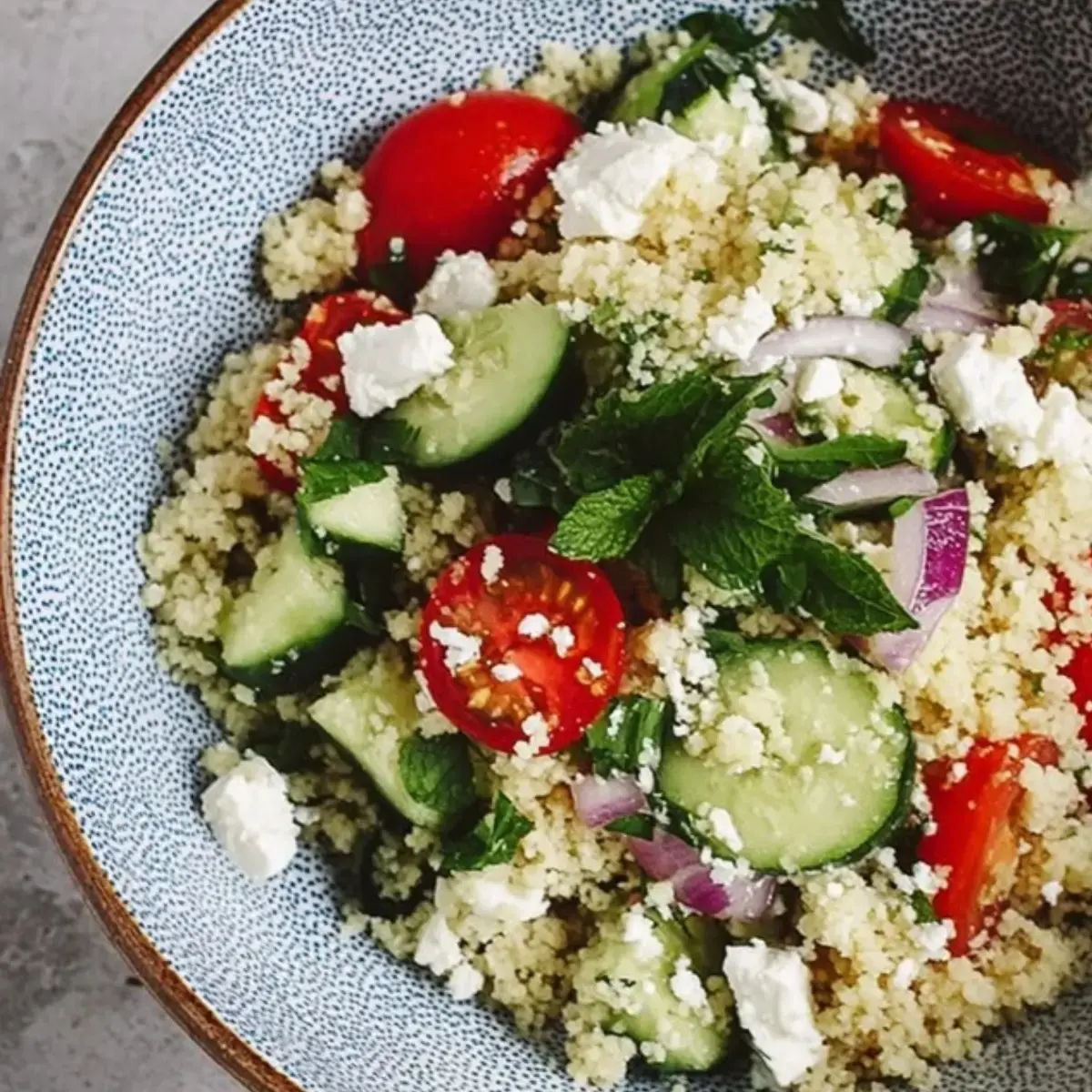
This vibrant Couscous Salad with Feta and Cucumber is your ultimate answer for a quick, refreshing, and incredibly flavorful meal. It’s the perfect companion for those warm summer days, lively barbecue gatherings, or simply when you crave a light yet satisfying lunch that doesn’t compromise on taste.
Imagine tender couscous infused with the bright zest of lemon, the salty tang of feta cheese, and the cool crunch of fresh cucumber and juicy tomatoes. This dish is a testament to how simple ingredients can create something truly spectacular, proving that healthy eating can be both exciting and effortlessly achievable.
Why You Will Love This Recipe
- Effortless Preparation: With minimal cooking involved, this salad comes together in a flash, making it ideal for busy weeknights or impromptu entertaining.
- Bursting with Freshness: The combination of crisp cucumber, sweet tomatoes, and aromatic parsley delivers a delightful burst of seasonal flavor in every bite.
- Customizable Delight: Easily adapt this base recipe to suit your preferences, adding or swapping ingredients to create endless delicious variations.
- Perfect for Meal Prep: This salad holds up wonderfully in the refrigerator, making it an excellent make-ahead option for lunches throughout the week.
- Visually Appealing: The colorful medley of ingredients makes this couscous salad as beautiful to look at as it is delicious to eat, gracing any table with its presence.
Ingredients You Need
Crafting this delightful couscous salad relies on selecting ingredients that are not only fresh but also of good quality to truly elevate the flavors. The beauty of this dish lies in its simplicity, allowing each component to shine through, from the fluffy couscous to the creamy feta.
Couscous Salad with Feta & Cucumber
Couscous Salad with Feta & Cucumber is the ideal accompaniment for hot summer days, barbecues, or as a light lunch. This simple recipe combines the freshness of cucumber and tomatoes with the savory note of feta to create a salad that is not only quick to prepare but also full of flavor. With few ingredients and little effort, you can conjure up a dish that is both healthy and delicious.
- 200 g Couscous
- 250 ml boiling water
- 3-4 snack cucumbers (or ½ cucumber), sliced
- 150 g cherry tomatoes, halved
- 1 red onion, thinly sliced
- 200 g Feta, crumbled
- 1 bunch flat-leaf parsley, chopped
- 5 tbsp extra virgin olive oil
- 2 ½ tbsp lemon juice
- 1 tsp dried oregano
- Salt & pepper
- 1Place the couscous in a large bowl and add ½ tsp salt. Pour 250 ml of boiling water over the couscous, stir briefly, and let it steep for 5 minutes. Then, fluff the couscous with a fork.
- 2Prepare the dressing by combining olive oil, lemon juice, maple syrup, oregano, salt, and pepper in a jar and shaking vigorously until well combined.
- 3Cut the cucumbers into thin slices, halve the tomatoes, and thinly slice the onion. Crumble the feta and chop the parsley.
- 4Combine the steeped couscous with the sliced cucumbers, tomatoes, onions, feta, and parsley.
- 5Pour the prepared dressing over the salad and mix well. Season the salad with salt and pepper, and add more olive oil and lemon juice if needed. A splash of balsamic vinegar can also add an interesting note.
Keywords: Couscous Salad, Feta Salad, Cucumber Salad, Summer Salad, Light Lunch, Vegetarian, Quick Recipe, Grill Side Dish
- couscous: the fluffy, grain-like semolina that forms the satisfying base of our salad.
- feta cheese: a briny, crumbly cheese that adds a wonderful salty and creamy dimension.
- cucumber: providing a cool, crisp texture and refreshing hydration to the dish.
- cherry tomatoes: bursting with sweet juiciness, these add vibrant color and a delightful tang.
- red onion: offering a mild, pungent bite that balances the other flavors beautifully.
- fresh parsley: contributing a bright, herbaceous freshness that cuts through the richness.
- olive oil: extra virgin olive oil is preferred for its fruity notes and smooth finish in the dressing.
- lemon juice: freshly squeezed lemon juice adds essential brightness and acidity to the dressing.
- maple syrup: a touch of natural sweetness to round out the dressing and balance the tartness of the lemon.
- dried oregano: this classic Mediterranean herb infuses the dressing with a warm, aromatic depth.
- salt and black pepper: essential for seasoning and bringing out the best in all the ingredients.
Quantities for each ingredient can be found within the detailed recipe card.
Variations
The versatility of couscous salad makes it a fantastic canvas for culinary creativity. Whether you’re catering to dietary needs or simply looking to explore new flavor profiles, this dish can be wonderfully transformed.
For a delightful vegan take on this salad, the key is to substitute the feta with a plant-based alternative. Many excellent vegan feta cheeses are available in stores, offering a similar salty and tangy profile. Alternatively, you can create your own “feta” using firm tofu, marinated and crumbled for texture and flavor.
If you’re following a low-carb lifestyle, consider swapping the couscous for finely chopped cauliflower or broccoli florets. This modification maintains the salad’s refreshing qualities while significantly reducing the carbohydrate content. You might also want to increase the amount of vegetables and healthy fats, such as avocado, to ensure it remains satisfying.
To introduce a distinctly Mediterranean flair, think about adding Kalamata olives for their briny depth and sweet bell peppers, perhaps in shades of red and yellow for added visual appeal and a subtle sweetness. A sprinkle of toasted pine nuts or slivered almonds can also introduce a lovely nutty crunch and richness.
How to Prepare Couscous Salad with Feta and Cucumber
Step 1: Preparing the Couscous Base
Begin by placing the couscous into a large, heatproof bowl. This will be the foundation of our flavorful salad, absorbing all the delicious dressing and juices from the other ingredients. It’s crucial to measure accurately to ensure the correct texture.
Add approximately half a teaspoon of salt to the dry couscous. This initial seasoning is important as it permeates the grains during the cooking process, ensuring the couscous isn’t bland. Then, carefully pour 250 milliliters of boiling water directly over the couscous. Be cautious as the water is extremely hot.
Stir the mixture gently just once to ensure all the couscous is moistened by the water. Cover the bowl tightly with a lid or plastic wrap and allow it to stand undisturbed for precisely five minutes. This resting period is essential for the couscous to absorb the water and become tender and fluffy. Resist the urge to peek during this crucial step.
Step 2: Fluffing the Couscous and Crafting the Dressing
Once the couscous has rested for its allotted five minutes, carefully remove the cover. You’ll notice it has absorbed all the liquid and is ready for the next step. Using a fork, gently fluff the couscous. This process helps to separate the grains, preventing any clumping and ensuring a light, airy texture.
Take your time with the fluffing; a fork is ideal for this, as it’s delicate and effective. You’re aiming for individual, distinct grains rather than a sticky mass. Set the fluffed couscous aside for now, allowing it to cool slightly as you prepare the vibrant dressing that will bring all the flavors together.
For the dressing, gather a small jar with a tight-fitting lid. Add five tablespoons of good quality extra virgin olive oil to the jar. Next, measure and add two and a half tablespoons of freshly squeezed lemon juice, ensuring no seeds make their way into the mixture. Add half a tablespoon of maple syrup for a subtle sweetness, followed by one teaspoon of dried oregano for that characteristic Mediterranean aroma.
Step 3: Chopping and Prepping the Fresh Ingredients
While the couscous is cooling, it’s time to prepare the fresh vegetables that will provide crunch and vibrant flavor. Take three to four snack cucumbers or about half of a large salad cucumber. Wash them thoroughly and then slice them into thin, uniform rounds. The thinness of the slices ensures they integrate well into the salad without overpowering.
Next, prepare the cherry tomatoes. Wash them and then slice each one in half. This allows their sweet juice to meld beautifully with the other ingredients and makes them easier to eat in a salad. If you are using larger tomatoes, simply dice them into bite-sized pieces. The goal is to have them easily manageable on a fork.
Finely slice one red onion into delicate rings. If the onion flavor is too strong for your liking, you can soak the rings in cold water for about 10 minutes, then drain them thoroughly before adding them to the salad; this significantly mellows their pungency. The red onion adds a lovely sharpness and a beautiful splash of color.
Step 4: Assembling the Salad Components
Now it’s time to combine the prepared elements. Take the slightly cooled, fluffed couscous and transfer it into a large mixing bowl. This bowl should be spacious enough to allow for easy mixing of all the ingredients without spillage.
To the couscous, add the sliced cucumbers, the halved cherry tomatoes, and the finely sliced red onion rings. These fresh vegetables will provide a wonderful contrast in texture and flavor to the soft couscous. Ensure they are evenly distributed throughout the bowl.
Next, take 200 grams of feta cheese and crumble it directly into the bowl over the other ingredients. The feta will add its signature salty, creamy element, binding the flavors together. Finally, add a generous handful of freshly chopped flat-leaf parsley. This herbaceous addition brings a crucial element of freshness and aromatic complexity.
Step 5: Dressing and Final Seasoning
Retrieve the jar containing your prepared dressing. Give it a vigorous shake to emulsify the oil and lemon juice, ensuring all the components are well combined and the oregano is evenly distributed. This step is vital for a balanced dressing.
Pour the entire contents of the dressing jar over the couscous mixture in the large bowl. Make sure to coat all the ingredients evenly with the dressing. This is where the salad truly begins to come alive, infusing every element with bright, zesty flavors.
Gently toss everything together using two large spoons or salad tongs. Mix thoroughly but carefully, ensuring the feta remains somewhat in chunks rather than being completely broken down. Taste the salad and season with additional salt and freshly ground black pepper as needed. A little extra drizzle of olive oil or a tiny splash more lemon juice can also be added if you feel the flavor needs further adjustment.
Step 6: Resting and Serving
For the absolute best flavor experience, allow the couscous salad to rest for at least 15 to 30 minutes before serving. This resting period is crucial, as it gives the couscous time to absorb the dressing fully and allows the flavors of all the ingredients to meld together beautifully. This brief marination period transforms a good salad into an exceptional one.
While resting, cover the bowl with plastic wrap or a lid and place it in the refrigerator. This keeps the salad cool and allows the ingredients to harmonize. If you find you prefer a more intense lemon flavor, you can add an extra squeeze of lemon juice just before serving.
If you desire an even more complex flavor profile, consider adding a small splash of balsamic vinegar along with the lemon dressing. This adds a subtle sweetness and acidity that can provide an interesting counterpoint to the other ingredients, adding another layer of depth to the salad’s overall taste. However, use it sparingly to avoid overpowering the delicate flavors.
Pro Tips for Couscous Salad with Feta and Cucumber
Perfect Couscous Texture: The key to fluffy couscous lies in the ratio of liquid to grain and the resting time. Ensure you use boiling water and allow the recommended five minutes of undisturbed steeping. Over-steeping can lead to mushy grains, so timing is essential.
Ingredient Quality Matters: Always opt for the freshest ingredients possible, especially for the cucumbers and tomatoes. This makes a significant difference in the salad’s overall crispness and flavor profile. High-quality extra virgin olive oil will also lend a superior taste to the dressing.
Balance Your Dressing: Taste the dressing before you add it to the salad. Adjust the lemon juice and maple syrup to your preference – some like it tangier, others a bit sweeter. The balance between acidity and sweetness is what makes a dressing truly shine.
Embrace the Flavors: Don’t underestimate the power of letting the salad sit. The flavors develop beautifully over time, making it even more delicious on the second day. This makes it an ideal candidate for making ahead for lunches or picnics.
Get Creative with Additions: Feel free to experiment with additions. Toasted nuts like almonds or pistachios add a lovely crunch. Fresh mint can be a delightful alternative or addition to parsley for an extra layer of freshness.
Serving Suggestions for Couscous Salad with Feta and Cucumber
Decoration
Elevate the visual appeal of your couscous salad with simple yet effective garnishes. A final sprinkle of fresh parsley, chopped finely, adds a pop of green and reinforces the herb’s fresh flavor. You can also add a few whole parsley leaves for a more rustic presentation.
For a touch of color, consider a few extra cherry tomato halves artfully placed on top, or perhaps a scattering of toasted sesame seeds or slivered almonds. A light drizzle of good quality olive oil over the top just before serving can also add a beautiful sheen and an extra hint of richness.
If you’ve added any extra ingredients like olives or bell peppers, ensure a few are visible on the surface for an enticing preview of the salad’s contents. A small wedge of lemon on the side allows diners to add more zest if they desire, adding both visual interest and practical appeal.
Side Dishes
This couscous salad is incredibly versatile and pairs wonderfully with a variety of main courses. It acts as a fantastic accompaniment to grilled chicken or fish, its lightness cutting through richer flavors. Consider serving it alongside baked lemon chicken for a bright and zesty meal.
It also complements grilled halloumi or tofu skewers, making it perfect for vegetarian or vegan gatherings. For a heartier meal, it can be served alongside lentil soup or a simple bowl of flavorful lobster bisque, providing a fresh contrast.
If you are hosting a barbecue, this salad is an absolute must-have. It’s the perfect refreshing counterpoint to grilled meats, burgers, and sausages. It can also stand alone as a light and satisfying lunch when paired with a slice of crusty whole-grain bread.
Creative Serving Ideas
Instead of serving the salad in a large bowl, consider individual portions. Spoon the couscous salad into small mason jars for an attractive, portable lunch option, perfect for picnics or work. You can layer the ingredients for a visually appealing presentation within the jar.
Another idea is to use the couscous salad as a filling for pita bread or wraps. The refreshing mixture is a delightful alternative to heavier fillings, creating a light and healthy sandwich. Stuff the pita pockets generously for a satisfying on-the-go meal.
For a more elegant presentation, serve the couscous salad alongside a platter of antipasti or tapas. Its bright flavors can cleanse the palate between other dishes. It also works beautifully as a topping for grilled or baked fish fillets, adding texture and a burst of freshness to the main dish.
Preparation & Storage
Storing Leftovers
To store leftover couscous salad, ensure it is completely cooled before transferring it to an airtight container. This will prevent condensation from making the salad soggy and will help to preserve its freshness and texture for as long as possible. Storing it in a well-sealed container is paramount for maintaining quality.
Place the container in the refrigerator. The salad will keep well for up to 2 to 3 days. While it’s best enjoyed within the first two days, it remains edible for slightly longer, though the vegetables might lose some of their crispness over time. The flavors tend to deepen and meld together as it sits.
If you notice any moisture pooling at the bottom of the container, you can carefully drain it off before serving again. This simple step helps to maintain the desired consistency of the salad and prevents it from becoming too wet. It’s a small effort that makes a big difference in the final taste and texture.
Freezing
Freezing couscous salad with feta and cucumber is generally not recommended. The texture of the fresh vegetables, particularly the cucumber, can become unpleasantly watery and mushy once thawed. Feta cheese also tends to change its texture when frozen and thawed, becoming crumbly and less creamy.
Couscous itself can become somewhat gummy after freezing and thawing, losing its appealing fluffy texture. While some components might withstand freezing better than others, the overall salad experience is likely to be compromised significantly. It’s best enjoyed fresh or refrigerated.
If you absolutely must freeze parts of it, consider freezing the cooked couscous separately, and then adding the fresh ingredients like cucumber, feta, and herbs after thawing and reheating the couscous. However, even then, the results may not be optimal. This salad is designed for immediate enjoyment and refrigeration.
Reheating
This couscous salad is best served chilled or at room temperature, so reheating is typically unnecessary and not advisable. The fresh ingredients like cucumber and feta are meant to be enjoyed cold, and heating them would alter their texture and flavor profile significantly. Reheating would also cause the couscous to become mushy.
If you do find yourself with a portion that has been refrigerated for a day or two and you prefer it slightly warmer, you can gently warm the couscous portion on its own. However, it’s far better to allow it to come to room temperature naturally. Avoid microwaving the entire salad, as this will wilt the vegetables and melt the feta unpleasantly.
The ideal way to revive a chilled salad is to take it out of the refrigerator about 20-30 minutes before serving. This allows the flavors to bloom again and brings it to a more palatable temperature. If the dressing seems to have separated, a quick stir is all it needs to be ready to enjoy again.
Frequently Asked Questions
-
Can I make the Couscous Salad with Feta & Cucumber ahead of time?
Absolutely! This couscous salad is an excellent candidate for meal preparation. In fact, making it a few hours or even a day in advance can actually enhance the flavors as the ingredients have more time to meld together. Store the prepared salad in an airtight container in the refrigerator. When ready to serve, you can either enjoy it chilled, or allow it to sit at room temperature for about 20-30 minutes for a slightly less cold, more nuanced taste experience.
-
Is it possible to make this Couscous Salad vegan?
Yes, transforming this salad into a delicious vegan dish is very straightforward. The primary substitution involves replacing the feta cheese with a high-quality vegan feta alternative. Many plant-based feta products are available commercially, offering a similar salty and tangy profile. Alternatively, you can create your own vegan feta using firm tofu. Simply press the tofu to remove excess water, crumble it, and then marinate it in a mixture of lemon juice, olive oil, and herbs to impart flavor and texture similar to traditional feta.
-
What other ingredients can I add to enhance the Couscous Salad?
The beauty of this salad lies in its versatility, and there are numerous additions that can elevate it further. For an extra burst of Mediterranean flavor, consider incorporating pitted Kalamata olives or finely diced bell peppers (red, yellow, or orange work beautifully). Roasted chickpeas can add a delightful crunch and extra protein. If you enjoy a touch of sweetness, pomegranate seeds offer a fantastic juicy pop and vibrant color. For a more substantial meal, cooked and cooled quinoa can be mixed with the couscous, or you could add grilled chicken strips or flaked salmon.