Easy Tres Leches Cake Recipe – Authentic Mexican Dessert!
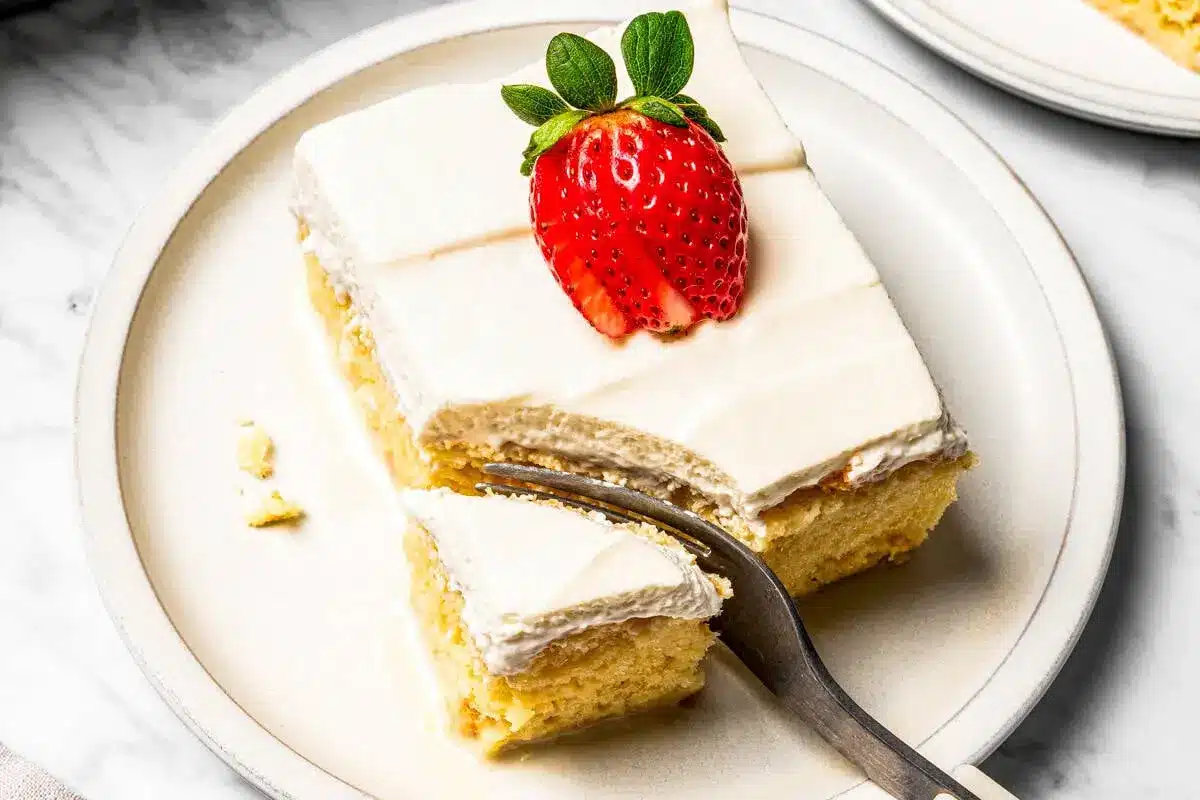
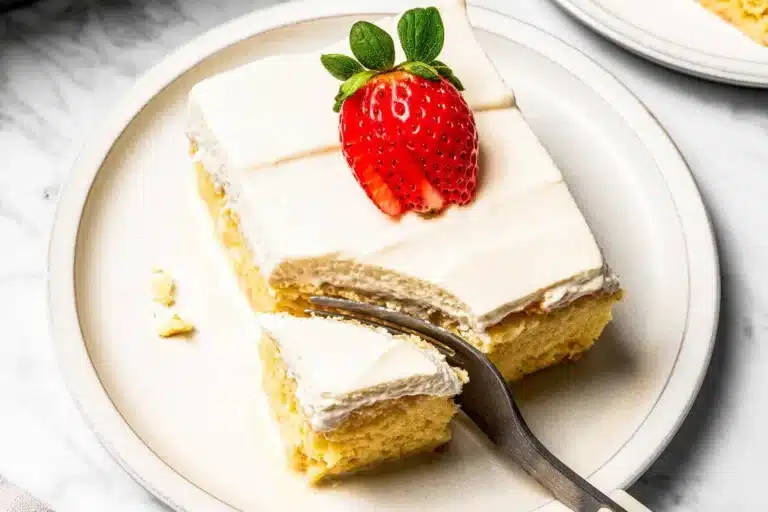
Indulge in the ultimate comfort dessert with this authentic tres leches cake recipe. It’s a light, airy sponge cake that’s generously soaked in a dreamy blend of three milks, creating a moist and decadent treat that’s perfect for any occasion.
This beloved Latin American dessert, often found gracing tables in Mexican restaurants and homes alike, offers a delightful balance of sweetness and texture. Its simplicity belies its incredible flavor, making it a guaranteed crowd-pleaser that evokes warmth and happiness with every spoonful.
Why You Will Love This Recipe
- Authentic Flavor: This recipe stays true to the classic Latin original, delivering a perfectly balanced sweetness that isn’t overpowering.
- Incredibly Moist Texture: The triple milk soak infuses the sponge cake with unparalleled moisture, resulting in a melt-in-your-mouth experience.
- Make-Ahead Marvel: Tres leches cake actually improves with time, making it an ideal dessert to prepare in advance for stress-free entertaining.
- Simple Ingredients: You likely have most of the basic baking staples on hand, and the special milks are readily available at most grocery stores.
- Visually Stunning: Topped with fluffy whipped cream and perhaps a dusting of cinnamon, this cake is as beautiful to look at as it is delicious to eat.
Ingredients You Need
Crafting this exquisite tres leches cake begins with selecting high-quality ingredients that will contribute to its signature delicate texture and rich flavor. The foundation of the cake relies on pantry staples, while the star of the show is the trio of milks that creates its iconic moistness. Ensuring your baking powder is fresh is crucial for a light and airy cake crumb.
Tres Leches Cake
This authentic tres leches cake recipe is a light, spongy cake soaked in a sweet milk mixture and topped with fluffy homemade whipped cream. It’s a favorite Mexican dessert, and so easy to make!
- 1 cup all purpose flour
- 1½ teaspoons baking powder
- ¼ teaspoon salt
- 1 cup granulated sugar
- 4 eggs
- &8531; cup milk
- 1½ teaspoons pure vanilla extract
- Butter, for greasing the baking dish
- 14 ounce can condensed milk
- 12 ounce can evaporated milk
- 3 tablespoons milk
- 1½ cups heavy cream
- 3 tablespoons powdered sugar
- 1 teaspoon pure vanilla extract
- 1Make the sponge cake: Prepare to bake. Preheat the oven to 350°F.
- 2Mix the dry ingredients. In a medium bowl, whisk the flour, baking powder, and salt. Set aside.
- 3Beat the eggs. In a separate bowl, using an electric mixer, beat the sugar with the eggs until fluffy and pale, about 2 to 3 minutes.
- 4Combine. Whisk the milk and vanilla into the egg mixture until smooth. Using a spatula, gently fold in the flour mixture just until the batter is smooth and lump-free.
- 5Bake the cake. Grease your 9×13-inch baking dish with some butter. Pour in the prepared cake batter and tap gently onto the kitchen counter to remove air bubbles. Bake the cake for 30-35 minutes, or until a toothpick inserted into the center comes out clean.
- 6Prepare the milk mixture: Combine the milks. Meanwhile, whisk together the condensed milk, evaporated milk, and plain milk in a bowl until combined.
- 7Drizzle the cake. Remove the cake from the oven and allow it to cool down completely. Then, use a fork to poke holes in the cake. Pour the milk mixture all over the cake, especially saturating the edges, as they are the firmest.
- 8Refrigerate the cake for at least 2 to 3 hours, but overnight is best.
- 9Add the topping: Whip the cream. Add heavy cream, powdered sugar, and vanilla extract to a large bowl. Whip with a handheld mixer until stiff peaks form.
- 10Finish and serve. Top the tres leches cake with the whipped cream. Cut the cake into squares and serve.
Keywords: Tres Leches Cake, Mexican Dessert, Sponge Cake, Milk Cake, Whipped Cream, Katerina Petrovska
The exact quantities for each component are detailed within the recipe card, guiding you through precise measurements for optimal results.
Variations
While the classic tres leches cake is undeniably divine, there are several creative avenues you can explore to personalize this beloved dessert. Each variation offers a unique twist on the original, catering to different dietary preferences or flavor profiles, ensuring there’s a tres leches experience for everyone.
For those seeking a vegan delight, the transformation is surprisingly straightforward. You can substitute the dairy milks with full-fat coconut milk, almond milk, or oat milk, ensuring they are unsweetened to control the overall sweetness. The eggs can be replaced with a flax egg or a commercial egg replacer, and the butter for greasing can be swapped with a vegan alternative or a light spray oil. The whipped cream topping can also be made using chilled full-fat coconut cream or a store-bought vegan whipped topping.
A low-carb or keto-friendly version is also achievable with a few smart ingredient swaps. Opt for a keto-friendly flour blend, such as almond flour and coconut flour, to create the cake base, and use a sugar substitute like erythritol or stevia for sweetness. For the milk soak, utilize unsweetened almond milk, heavy cream, and a touch of unsweetened coconut cream. The whipped cream topping can be sweetened with your preferred keto-friendly sweetener and made with heavy whipping cream.
If you’re a fan of deeper, more intense flavors, consider infusing the milk soak with hints of coffee or chocolate. Dissolve a teaspoon or two of instant espresso powder into the milk mixture for a subtle mocha essence, or whisk in some unsweetened cocoa powder for a chocolate tres leches. You could even add a splash of coffee liqueur or rum to the milk soak for an adult-friendly kick, enhancing the cake’s overall complexity and indulgence.
How to Prepare tres leches cake recipe
Step 1: Prepare the Cake Batter
The journey to a perfect tres leches cake begins with creating a light and airy sponge cake base. This requires a careful balance of dry and wet ingredients, ensuring a tender crumb that will readily absorb the luscious milk mixture. Accurate measurements are key to achieving the desired texture, so take your time with each step.
Begin by preheating your oven to 350°F (175°C) and preparing your 9×13-inch baking dish. Lightly grease the dish with butter or a cooking spray to prevent sticking. In a medium bowl, whisk together the all-purpose flour, baking powder, and salt. This dry mixture will form the structural backbone of your cake, providing lift and stability.
In a separate, larger bowl, embark on the crucial step of beating the eggs and granulated sugar. Using an electric mixer, whip these ingredients together until they become fluffy, pale yellow, and significantly increase in volume. This creaming process incorporates air into the batter, which is essential for a light and delicate cake. Aim for about 2 to 3 minutes of vigorous beating to achieve this fluffy consistency.
Next, gently incorporate the wet ingredients into the beaten egg and sugar mixture. Whisk in the ⅓ cup of milk and 1½ teaspoons of pure vanilla extract until everything is smoothly combined. The vanilla adds a foundational layer of aromatic sweetness that complements the other flavors beautifully. Ensure the milk is fully integrated before moving on to the dry ingredients.
With a spatula, carefully fold the dry ingredients into the wet mixture. It’s important not to overmix at this stage; mix just until the batter is smooth and no dry streaks of flour remain. Overmixing can develop the gluten in the flour too much, leading to a tougher cake. The batter should be of a pourable, but not watery, consistency.
Step 2: Bake the Cake
Once your batter is perfectly prepared, it’s time to bake it into a beautiful, golden cake. The baking process transforms the liquid batter into a tender, porous structure that is ready to be infused with the signature milky soak.
Pour the cake batter evenly into the prepared 9×13-inch baking dish. Gently tap the pan on your kitchen counter a few times to release any large air bubbles that might be trapped within the batter. This simple action helps to ensure a more uniform texture throughout the baked cake and prevents large hollow pockets from forming.
Place the baking dish into the preheated oven. Bake for approximately 30-35 minutes. The cake is ready when it’s golden brown on top and a toothpick inserted into the center comes out clean. Resist the temptation to open the oven door too early, as this can cause the cake to deflate. Keep an eye on the cake during the final minutes of baking to prevent over-browning.
As soon as the cake is out of the oven, allow it to cool completely in the baking dish. This cooling period is critical. A warm cake can become too fragile and might crumble when poked or when the milk mixture is added. Patience here will pay off in a beautifully intact and thoroughly soaked tres leches cake. Ensure it reaches room temperature before proceeding to the next step.
Step 3: Prepare the Milk Mixture
While the cake is cooling, it’s the perfect time to prepare the star of the show: the luscious three-milk soaking liquid. This mixture is what gives tres leches cake its name and its incredibly moist, decadent texture.
In a medium bowl, combine the 14-ounce can of condensed milk, the 12-ounce can of evaporated milk, and the 3 tablespoons of regular milk. Whisk these three milky components together until they are thoroughly combined and create a smooth, homogenous liquid. The condensed milk provides sweetness, the evaporated milk adds a rich creaminess, and the regular milk helps to slightly thin the mixture, ensuring it distributes evenly.
This simple combination is the essence of what makes tres leches so special. The proportions are designed to create a sweet, creamy liquid that will saturate the cake without making it overly heavy or cloying. Once mixed, set this liquid aside, ready to be poured over the cooled cake.
Step 4: Soak the Cake
This is where the magic truly happens – transforming a simple sponge cake into a dessert of unparalleled moistness and flavor. The key to a perfect tres leches soak is thoroughness and patience.
Once the cake has completely cooled in its baking dish, take a fork or a skewer and begin poking holes all over the surface of the cake. You want to create an ample network of small holes that will allow the milk mixture to penetrate deep into the cake’s crumb. Be generous with the poking, ensuring you reach close to the edges, which tend to bake up a bit firmer.
Slowly and evenly pour the prepared three-milk mixture over the entire surface of the cake. Pour in stages, allowing the liquid to be absorbed before adding more. Make sure to saturate the edges and corners of the cake, as these areas can sometimes be drier. The cake will appear to be swimming in liquid, which is exactly what you want for ultimate moisture.
After pouring all the milk mixture over the cake, cover the baking dish tightly with plastic wrap or aluminum foil. Place the cake in the refrigerator to chill and soak. For optimal flavor and texture, allow it to soak for at least 2 to 3 hours. However, overnight refrigeration is highly recommended for the deepest flavor penetration and the most incredibly moist result. This extended soaking time allows the cake to fully absorb the milky goodness.
Step 5: Prepare the Whipped Cream Topping
While the cake is chilling and soaking, prepare the delightful fluffy topping that crowns this magnificent dessert. A homemade whipped cream adds a light, airy contrast to the rich, moist cake base.
In a large, chilled bowl, combine the 1½ cups of heavy whipping cream, 3 tablespoons of powdered sugar, and 1 teaspoon of pure vanilla extract. Ensure your bowl and beaters are also cold, as this helps the cream whip up faster and achieve stiffer peaks.
Using a handheld electric mixer or a stand mixer with the whisk attachment, begin whipping the cream on medium speed. Gradually increase the speed to high as the cream starts to thicken. Continue whipping until stiff peaks form. This means that when you lift the beaters, the cream will stand up straight without drooping. Be careful not to overbeat, as this can turn the cream into butter.
Once you’ve achieved stiff peaks, the whipped cream is ready to be spread. It should be light, airy, and delicately sweet, providing the perfect finishing touch to your tres leches cake. Keep the whipped cream chilled in the refrigerator until you are ready to assemble the final dessert.
Step 6: Finish and Serve
The final assembly and serving of your tres leches cake are the culmination of your delicious efforts, promising a truly satisfying dessert experience.
Once the cake has thoroughly chilled and soaked in the refrigerator, carefully remove it from its covering. Spread the prepared whipped cream evenly over the entire surface of the chilled cake, creating a smooth and inviting layer. You can use an offset spatula for a perfectly even finish, or create decorative swirls for a more rustic look.
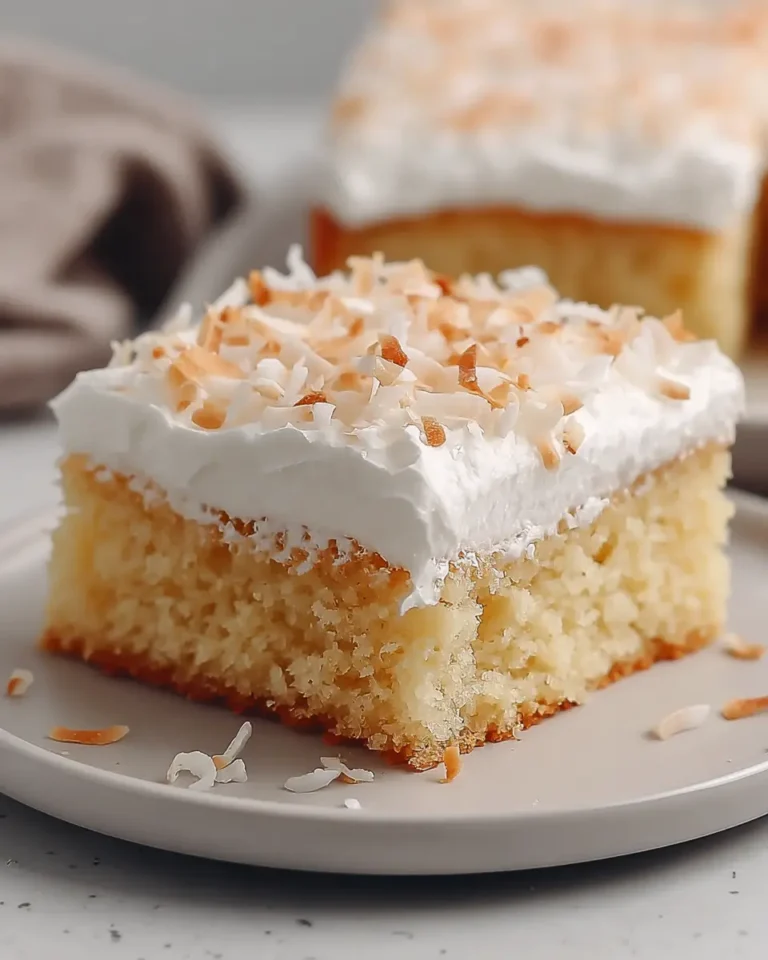
If desired, you can add a final flourish. A light dusting of cinnamon over the whipped cream is a traditional and aromatic touch that complements the sweetness of the cake beautifully. Some people also like to add a few maraschino cherries or toasted coconut flakes for extra visual appeal and flavor. Cut the cake into individual squares, ensuring each serving gets a good portion of both the soaked cake and the creamy topping.
Serve the tres leches cake immediately after topping and cutting. The combination of the cool, moist cake and the fluffy whipped cream is utterly delightful. This dessert is perfect on its own, or it can be accompanied by fresh fruit or a light coffee. Enjoy the decadent flavors and comforting textures of your homemade masterpiece.
Pro Tips for tres leches cake recipe
Don’t Overbake the Cake: While a toothpick test is crucial, keep a close eye on the cake’s golden-brown hue. If it’s browning too quickly, tent it loosely with aluminum foil for the remainder of the baking time to prevent the top from becoming too dark.
Strategic Poking: When poking holes, aim for consistency. A fork works well, but ensure the holes are not too large or too deep, as this can compromise the cake’s structural integrity. Evenly spaced holes allow for even milk absorption.
Quality Milks Matter: While any milk will technically work for the soak, using whole milk or a good quality evaporated and condensed milk will yield a richer, creamier result. The fats in these milks contribute significantly to the cake’s luxurious mouthfeel.
Chill Time is Crucial: Resist the urge to serve the cake too soon. The longer the tres leches cake refrigerates, the more the milks will meld with the cake, creating that signature incredibly moist and flavorful texture. Overnight is truly the gold standard for this dessert.
Serve Cold: Tres leches cake is best served chilled. The coolness enhances the refreshing quality of the milk soak and provides a delightful contrast to the fluffy whipped cream topping. Ensure it has had adequate time to chill before serving.
Serving Suggestions for tres leches cake recipe
Decoration
The visual appeal of a tres leches cake is just as important as its taste. A classic decoration involves a generous, even layer of homemade whipped cream spread smoothly across the top. For a touch of color and sweetness, you can garnish the whipped cream with vibrant maraschino cherries, their glossy red hue providing a beautiful contrast.
Alternatively, a light dusting of ground cinnamon over the whipped cream adds an aromatic warmth and a classic finishing touch. You could also consider a sprinkle of toasted shredded coconut for a delightful textural contrast and a subtle tropical note. For a more elaborate presentation, a drizzle of dulce de leche over the whipped cream offers an extra layer of caramelized sweetness and visual interest.
Edible flowers can also be used to elevate the presentation, adding a touch of elegance and natural beauty. Even simple decorative piping of the whipped cream can transform the cake’s appearance, making it suitable for more formal occasions. The key is to keep the decoration complementary to the cake’s inherent sweetness and moistness.
Side Dishes
While tres leches cake is a decadent dessert that stands wonderfully on its own, it pairs exceptionally well with certain accompaniments that enhance the overall dining experience. Serving it after a flavorful Mexican meal, such as baked lemon chicken or hearty enchiladas, provides a perfectly sweet conclusion.
A small side of fresh, vibrant fruit can offer a refreshing counterpoint to the cake’s richness. Think about serving it with fresh berries like strawberries and raspberries, or slices of tropical fruits such as mango or pineapple. These fruits add a natural sweetness and a touch of acidity that balances the dessert’s creaminess.
For a truly complementary beverage, consider serving a traditional Mexican coffee or a creamy horchata. The spiced notes of Mexican coffee or the sweet, cinnamon-infused flavor of horchata harmonize beautifully with the milks and sweetness of the tres leches cake, creating a complete and satisfying dessert course.
Creative Serving Ideas
Beyond the traditional square slices, tres leches cake lends itself to several creative serving presentations that can add an element of surprise and delight. Consider serving individual portions in elegant parfait glasses or small mason jars for a charming, rustic presentation that also makes serving a breeze at parties.
Another innovative approach is to transform the cake into miniature trifles. Layer crumbled pieces of the tres leches cake with extra whipped cream and perhaps a berry compote or a swirl of caramel in individual cups. This method showcases the cake’s texture and allows for beautiful layering.
For a fun, grab-and-go option, especially for casual gatherings, you could create tres leches cake pops. Simply crumble the cake, mix it with a bit of the whipped cream or a binding agent like cream cheese frosting, form into balls, and dip in melted white chocolate or a complementary glaze. These bite-sized treats are always a hit, offering all the beloved flavors in a convenient format. Don’t forget to explore our broader dessert category for more inspiration.
Preparation & Storage
Storing Leftovers
Tres leches cake is a forgiving dessert when it comes to leftovers, and in fact, its flavor often deepens with time. To store any remaining cake, ensure it’s in an airtight container. If it’s still in its original baking dish, cover it tightly with plastic wrap, pressing it down gently to minimize air exposure.
Keep the covered cake refrigerated at all times. The milk-soaked nature of the cake means it requires constant refrigeration to maintain its quality and safety. Properly stored, leftover tres leches cake can typically be enjoyed for up to 3 to 4 days after it’s been made. You might notice the cake becoming even more moist and flavorful as it sits in the refrigerator.
If your cake was topped with homemade whipped cream, it’s best to store the whipped cream separately if possible, or ensure the container is very airtight to prevent the cream from absorbing any unwanted odors from the refrigerator. The cake itself will remain moist due to the milk soak.
Freezing
Freezing tres leches cake is a viable option for preserving its deliciousness for an extended period, but it requires a specific approach to maintain its texture. The key is to freeze the cake *before* adding the whipped cream topping, as cream can sometimes separate or change texture upon thawing.
Allow the soaked cake to cool completely and be thoroughly chilled in the refrigerator first. Then, wrap the entire cake tightly in several layers of plastic wrap, ensuring there are no gaps where air can penetrate. Follow this with a layer of heavy-duty aluminum foil for an added layer of protection against freezer burn. Label the package with the date.
When you are ready to thaw the cake, remove it from the freezer and unwrap the foil, but keep the plastic wrap on. Place the cake in the refrigerator to thaw slowly and completely, which can take 24-48 hours depending on the size of the cake. Once thawed, remove the plastic wrap, add a fresh batch of whipped cream, and serve.
Reheating
Tres leches cake is designed to be served chilled and does not require reheating. In fact, attempting to reheat this delicate, milk-soaked dessert can alter its signature texture and potentially lead to a soggy or uneven result. The beauty of tres leches lies in its cool, refreshing creaminess.
Therefore, the best practice is to serve the cake directly from the refrigerator. If you have frozen and thawed your tres leches cake, ensure it has been fully thawed and chilled in the refrigerator before adding the whipped topping and serving. The refrigerator ensures the milk mixture stays perfectly integrated with the cake, providing that beloved melt-in-your-mouth sensation.
If, for some reason, a very slight warming is desired (though not recommended), it would need to be done with extreme caution. Perhaps a minute in a very low oven or microwave, but this is highly experimental and likely to compromise the cake’s integrity. Stick to the classic chilled serving method for the most authentic and enjoyable experience.
Frequently Asked Questions
-
What are the “three milks” in tres leches cake?
The name “tres leches” literally translates to “three milks” in Spanish, and these are the essential components that give the cake its signature moistness and rich flavor. The three milks typically used are sweetened condensed milk, evaporated milk, and regular whole milk. Condensed milk provides a significant portion of the sweetness and a creamy, syrupy texture. Evaporated milk, which is milk that has had about 60% of its water content removed, offers a concentrated, richer milk flavor without added sugar. The third milk, usually whole milk, helps to slightly dilute the other two, making the soaking mixture more evenly distributed throughout the cake and preventing it from becoming overly dense or intensely sweet.
-
Can I use different types of milk for the soaking liquid?
Yes, while the classic combination is condensed milk, evaporated milk, and whole milk, you can certainly experiment with variations. For a richer soak, you could increase the proportion of heavy cream or use a milk alternative like almond milk, oat milk, or coconut milk. If using unsweetened plant-based milks, you might need to adjust the amount of condensed milk slightly to achieve your desired sweetness level. Some recipes also incorporate a splash of rum or coffee liqueur for added flavor complexity, especially for adult palates. However, it’s important to maintain a balance to ensure the cake absorbs the liquid properly without becoming soggy or mushy.
-
Why is my tres leches cake dry, or why doesn’t it absorb the milk mixture?
A dry or unabsorbent tres leches cake can be due to several factors, most commonly related to the cake’s preparation or the soaking process. Firstly, ensure the cake itself was baked correctly. Overbaking can result in a denser, drier crumb that is less receptive to soaking. Secondly, the cake must be completely cooled before the milk mixture is added; a warm cake will absorb liquid differently and can become gummy. Crucially, the method of poking holes is vital: if there aren’t enough holes, or if they are too shallow, the milk will pool on the surface instead of penetrating the cake. Ensure you poke holes generously across the entire surface, including the edges. Lastly, allow adequate soaking time; the cake needs several hours, ideally overnight, in the refrigerator for the milks to fully absorb and meld with the cake structure.