Easy Chicken Pasta Primavera – Quick Dinner Idea!
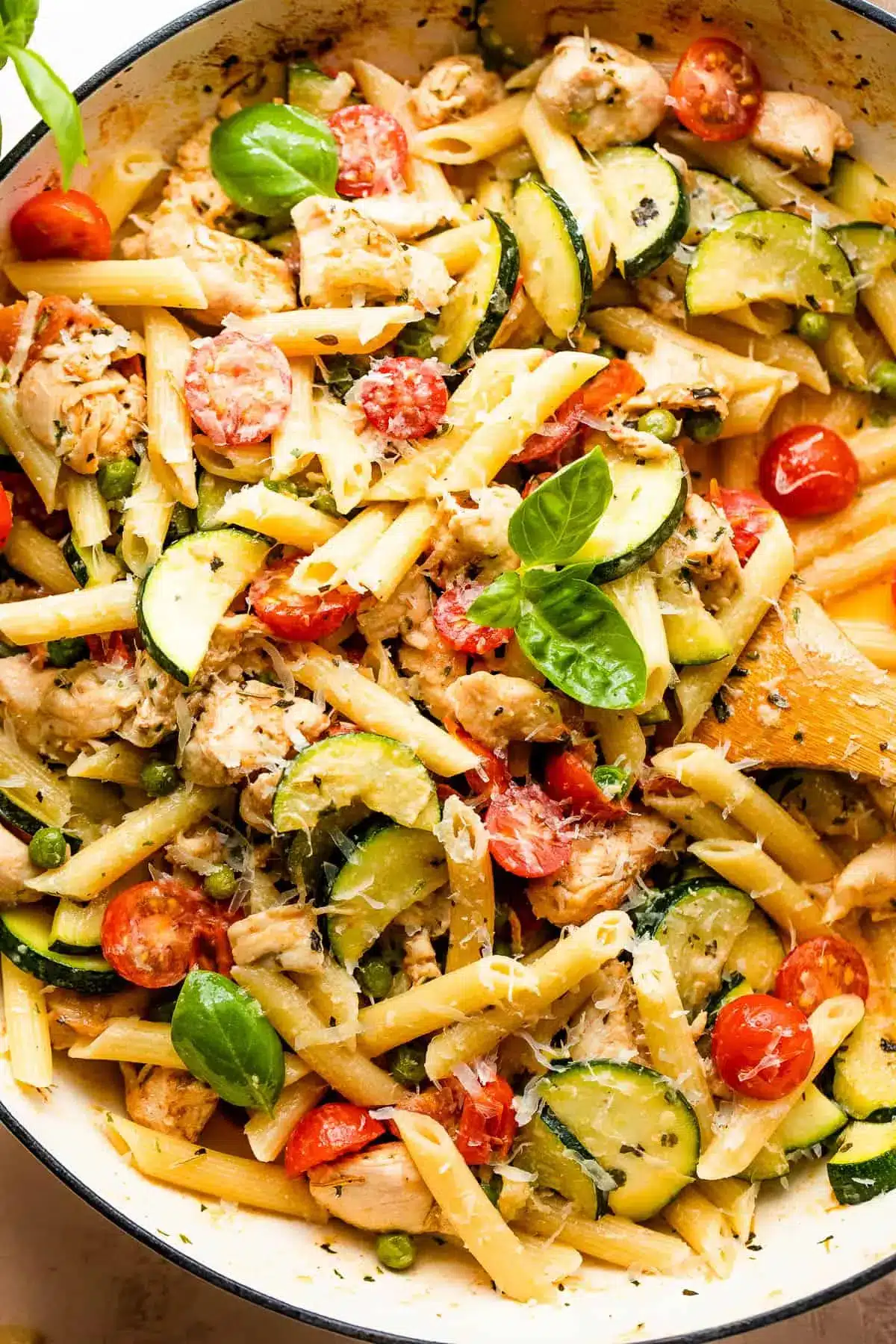
Juicy chicken and colorful vegetables are the stars of this delightful Chicken Pasta Primavera, all brought together in a rich, irresistible Parmesan sauce. This dish is remarkably quick to prepare, making it an ideal choice for those busy evenings when you crave a delicious meal without a lengthy waiting period.
Prepare yourself for a dining experience that guarantees empty plates and thoroughly satisfied smiles all around. This recipe truly embodies a harmonious blend of creamy indulgence and vibrant freshness, promising a meal that is as visually appealing as it is delicious to eat.
Why You Will Love This Recipe
- Speedy Preparation: This delightful Chicken Pasta Primavera comes together in under 30 minutes, perfect for weeknight dinners.
- Vibrant Presentation: Loaded with a spectrum of colorful vegetables, this dish is a feast for the eyes as well as the palate.
- Balanced Flavors: It strikes a perfect chord between creamy, cheesy richness and the bright, crisp textures of fresh produce and tender chicken.
- Family-Friendly Appeal: Both children and adults will find this pasta dish incredibly satisfying, ensuring everyone at the table is happy.
- Versatile Ingredients: The recipe welcomes a variety of seasonal vegetables, allowing for flexibility and making use of the freshest produce available.
Ingredients You Need
The success of any great dish hinges on the quality of its components. For this Chicken Pasta Primavera, opting for fresh, high-quality ingredients will elevate the final taste and texture significantly. Using vibrant vegetables and good quality chicken ensures a superior culinary experience that is both satisfying and wholesome.
Chicken Pasta Primavera
Juicy chicken and colorful veggies star in this Chicken Pasta Primavera, all tossed in a rich Parmesan sauce that's just too good to resist! It's quick to whip up, making it a winning choice for busy nights when you want a tasty meal without the wait. Get ready for clean plates and happy faces!
- 8 to 10 ounces dry penne pasta
- 2 tablespoons olive oil
- 1 pound skinless boneless chicken breasts, cut into 1-inch cubes or long thin strips
- Salt and freshly ground black pepper
- 1 zucchini, sliced into thin half-moons
- 1 to 2 cups grape tomatoes, quartered
- 1 cup frozen peas
- ½ tablespoon dried basil
- 1 teaspoon dried rosemary
- 1 teaspoon dried parsley
- 4 cloves garlic, minced
- ¼ cup white wine
- ⅓ cup heavy whipping cream
- ¼ cup grated fresh parmesan cheese
- Chopped fresh basil, for garnish
- 1Cook pasta according to the directions on the package.
- 2In the meantime, heat oil in a large 14-inch skillet set over medium-high heat.
- 3Season the chicken pieces with salt and pepper, add the chicken to the hot oil, and cook for 5 minutes.
- 4Stir in the zucchini, tomatoes, and frozen peas; season with dried basil, rosemary, and parsley.
- 5Stir in garlic and continue to cook for 3 minutes, stirring occasionally.
- 6Stir in the wine and scrape up all the browned bits from the bottom of the pan.
- 7Add cream and cook for 1 minute.
- 8Drain the cooked pasta, then stir the pasta into the skillet.
- 9Taste for salt and adjust accordingly.
- 10Remove from heat.
- 11Top with parmesan cheese, garnish with basil, and serve.
Keywords: Chicken, Pasta, Primavera, Dinner, Quick, Easy, Italian-inspired, Vegetables, Creamy
- penne pasta: typically 8 to 10 ounces of dry penne, though gluten-free varieties work wonderfully too.
- olive oil: about 2 tablespoons are needed for sautéing the chicken and vegetables to perfection.
- chicken breasts: 1 pound, boneless and skinless, cut into convenient 1-inch cubes for even cooking.
- salt and black pepper: essential seasonings to enhance the natural flavors of the chicken and vegetables.
- zucchini: one medium zucchini, thinly sliced into appealing half-moon shapes.
- grape tomatoes: 1 to 2 cups, halved or quartered for bursts of sweetness.
- frozen peas: 1 cup, adding a pop of color and tender sweetness without extra prep.
- dried basil: ½ tablespoon to infuse the dish with classic Italian aroma.
- dried rosemary: 1 teaspoon, providing an earthy and piney fragrance.
- dried parsley: 1 teaspoon, contributing a fresh, slightly peppery note to the herb blend.
- garlic: 4 cloves, freshly minced for that pungent, irreplaceable garlic flavor.
- white wine: ¼ cup, a splash of dry white wine to deglaze the pan and add depth to the sauce.
- heavy cream: ⅓ cup, creating a velvety smooth and luxuriously rich sauce base.
- Parmesan cheese: ¼ cup, freshly grated for the best melting and savory impact.
- fresh basil: a small amount, chopped, for a fragrant and vibrant garnish.
Quantities for these delightful ingredients are conveniently detailed within the recipe card.
Variations
One of the most appealing aspects of Pasta Primavera is its inherent adaptability, allowing you to tailor it to various dietary preferences and tastes. This flexibility makes it a cornerstone recipe that can be enjoyed by almost everyone at your table, regardless of their specific eating habits or flavor preferences.
For a wholly plant-based experience, you can easily transform this dish into a delicious vegan meal. Simply omit the chicken and heavy cream. Instead, consider adding hearty elements like pan-seared tofu or a generous amount of extra mixed vegetables. You might also opt for a creamy sauce base made from blended cashews or a plant-based milk alternative, seasoned carefully to maintain that delectable richness and flavor profile.
If you’re seeking a low-carb or keto-friendly option, the pasta itself can be swapped. Explore using spiralized zucchini noodles, spaghetti squash strands, or even a gluten-free pasta alternative made from legumes. The focus then shifts entirely to the vibrant vegetables and the savory chicken and sauce, creating a satisfying meal that aligns with lower carbohydrate goals while still delivering immense flavor.
Introducing different vegetables can also create exciting new dimensions. Think about adding crisp asparagus spears, earthy mushrooms, sweet yellow squash, or florets of broccoli. These additions not only increase the nutritional value but also provide diverse textures and complementary flavors, ensuring each bite is a delightful exploration of taste and color within your pasta primavera.
How to Prepare Chicken Pasta Primavera
Step 1: Prepare the Pasta
Begin by bringing a large pot of generously salted water to a rolling boil. This initial step is crucial for infusing the pasta with flavor from the very start. Adding salt to the pasta water is a fundamental technique that significantly enhances the overall taste of the final dish, preventing it from being bland.
Once the water is at a vigorous boil, add your dry penne pasta. Stir it immediately to prevent the pieces from sticking together as they begin to soften. Cook the pasta according to the package directions, aiming for a perfectly al dente texture – tender yet with a slight bite. Overcooked pasta can become mushy and detract from the dish’s delightful textures.
While the pasta cooks, it’s an excellent time to prepare your other ingredients. This multitasking approach ensures efficiency and that all components are ready when needed. Keep an eye on the pasta, as cooking times can vary slightly between brands and types, and you want it to be just right for the next steps.
Step 2: Cook the Chicken
In parallel with the pasta preparation, grab a large, sturdy skillet, preferably one with a good non-stick surface or well-seasoned cast iron, and place it over medium-high heat. Add the two tablespoons of olive oil to the skillet and allow it to heat up until it shimmers slightly, indicating it’s ready for the chicken.
Season the cubed chicken breasts generously with salt and freshly ground black pepper. This seasoning step is vital for building flavor into the chicken itself. Once the oil is hot, carefully add the seasoned chicken pieces to the skillet in a single layer, avoiding overcrowding, which can lead to steaming rather than searing.
Cook the chicken for approximately 5 minutes, turning the pieces occasionally until they are golden brown on all sides and cooked through. The goal is to achieve a beautiful sear that locks in the juices and adds a lovely depth of flavor and texture to the chicken, making it a tender and delicious component of the pasta dish.
Step 3: Add the Vegetables and Dried Herbs
Once the chicken is beautifully browned and cooked through, it’s time to introduce the vibrant medley of vegetables to the skillet. Add the thinly sliced zucchini and the quartered grape tomatoes directly to the pan with the chicken. These vegetables will begin to soften and release their delicious juices into the pan.
Now, incorporate the frozen peas into the mix, adding a burst of green and a hint of sweetness. Sprinkle the dried basil, rosemary, and parsley over the chicken and vegetables. These herbs will toast slightly in the heat, releasing their aromatic oils and infusing the entire dish with a wonderful fragrance.
Stir everything together gently to ensure the vegetables and herbs are evenly distributed amongst the chicken. Continue to cook for another 3 minutes, stirring occasionally. This brief cooking period allows the vegetables to become tender-crisp and meld their flavors with the chicken and herbs, preparing the stage for the sauce.
Step 4: Deglaze the Pan and Create the Sauce
This is where the magic truly happens and the sauce begins to form, transforming the skillet contents into a cohesive and creamy masterpiece. Pour the ¼ cup of dry white wine into the hot skillet. As the wine hits the pan, you’ll hear it sizzle, and you should immediately begin to scrape up any browned bits that have adhered to the bottom of the pan.
These browned bits, known as fond, are packed with concentrated flavor from the chicken and vegetables. Dissolving them into the wine creates a flavorful foundation for your sauce. Let the wine simmer and reduce slightly for about 30 seconds to a minute, allowing the alcohol to cook off and the flavors to concentrate.
Next, pour in the ⅓ cup of heavy whipping cream. Stir it into the wine and fond mixture until it’s well combined. Allow the sauce to simmer gently for about 1 minute, stirring constantly, until it begins to thicken slightly into a luxurious, velvety consistency that will coat the pasta beautifully.
Step 5: Assemble the Dish
By this point, your pasta should be perfectly cooked and al dente. Carefully drain all the excess water from the cooked penne pasta. It’s important not to rinse the pasta, as the starch clinging to its surface helps the sauce adhere better.
Gently add the drained pasta directly into the skillet containing the creamy sauce, chicken, and vegetables. Use your wooden spoon or tongs to carefully stir the pasta into the sauce, ensuring that every piece of pasta is coated in the rich, flavorful mixture. This is the moment when all the components come together harmoniously.
Taste the assembled pasta primavera and adjust seasoning with additional salt and freshly ground black pepper if necessary. The flavors should be well-balanced and savory. Once seasoned to your liking, remove the skillet from the heat to prevent the sauce from over-thickening.
Step 6: Serve and Garnish
Transfer the glorious Chicken Pasta Primavera from the skillet onto your serving plates or into a large serving bowl. Ensure an even distribution of chicken, vegetables, and pasta for each serving. The vibrant colors of the bell peppers, zucchini, and tomatoes, combined with the golden chicken and creamy sauce, create a truly appetizing presentation.
Generously sprinkle the ¼ cup of grated fresh Parmesan cheese over the top of the pasta. As the cheese melts slightly from the residual heat, it adds another layer of savory, nutty flavor and a beautiful finishing touch. The Parmesan cheese is essential for that classic Primavera taste.
Finally, garnish the dish with the chopped fresh basil. The bright green leaves and fragrant aroma of fresh basil provide a perfect final flourish, both visually and aromatically. Serve immediately and enjoy this incredibly delicious and satisfying meal that’s perfect for any occasion, especially weeknights.
Pro Tips for Chicken Pasta Primavera
Don’t Skimp on Salting Pasta Water: Properly salting your pasta water is akin to seasoning your food at the molecular level. It ensures that the pasta itself is flavorful, creating a better base for the entire dish. A good rule of thumb is to make the water taste like the sea; it might seem like a lot, but most of the salt stays in the water.
Achieve the Perfect Sear on Chicken: For the most succulent chicken, ensure your skillet is adequately hot before adding the pieces. Overcrowding the pan will cause the chicken to steam rather than sear, leading to a less appealing texture and color. Cook in batches if necessary to achieve that desirable golden-brown crust.
Embrace Fresh Herbs for Garnish: While dried herbs are used in the cooking process for depth of flavor, fresh herbs like basil or parsley, added at the very end, provide a burst of bright, fresh aroma and flavor that truly elevates the dish. They offer a contrast to the cooked flavors and add a vibrant visual appeal.
Adjust Creaminess to Your Liking: The amount of heavy cream can be slightly adjusted based on your preference for sauce thickness. If you prefer a lighter sauce, you can use a bit less cream or even a mixture of heavy cream and half-and-half. Conversely, for an even richer sauce, a touch more cream can be added, but be mindful not to make it too heavy.
Consider the Wine Substitute Carefully: If you must omit the white wine, don’t skip the deglazing step entirely. Using chicken broth or vegetable broth in its place will help lift those flavorful browned bits from the pan. Adding a small squeeze of fresh lemon juice can then provide that necessary brightness and acidity that the wine would have contributed, balancing the richness of the cream.
Serving Suggestions for Chicken Pasta Primavera
Decoration
Elevate the visual appeal of your Chicken Pasta Primavera with thoughtful decoration. A final flourish of freshly chopped parsley or chives scattered over the top adds a vibrant green contrast and a hint of freshness. Tiny edible flowers, if available and in season, can also lend an elegant and whimsical touch to the presentation, making the dish look as spectacular as it tastes.
Side Dishes
Complement the richness of this pasta dish with a light and refreshing side salad, perhaps featuring a simple vinaigrette that won’t overpower the main course. Crusty garlic bread is always a crowd-pleaser and perfect for soaking up any lingering sauce. A side of steamed or roasted asparagus also adds another layer of green goodness and a complementary texture.
Creative Serving Ideas
For a more intimate dining experience, consider serving individual portions in shallow bowls, ensuring each serving has a good balance of pasta, chicken, and vegetables. You could also present the dish family-style in a large, rustic platter, allowing everyone to help themselves. For a brunch or lunch option, a lighter portion could be served alongside a flavorful German pancake or a delicate lobster bisque.
Preparation & Storage
Storing Leftovers
To properly store leftover Chicken Pasta Primavera, allow the dish to cool down to room temperature completely before transferring it to an airtight container. Refrigerate the container promptly. This method ensures that the pasta and sauce maintain their optimal texture and flavor for up to 2-3 days.
Freezing
While this dish is best enjoyed fresh, it can be frozen, though the texture of the pasta and vegetables may change slightly upon thawing. If you decide to freeze it, cool it completely and place it in freezer-safe containers or heavy-duty freezer bags, removing as much air as possible. Frozen pasta primavera should be consumed within 1-2 months for best quality.
Reheating
Reheat leftovers gently to preserve the integrity of the dish. Place the refrigerated pasta primavera in a skillet over low heat, adding a splash of water or milk to help loosen the sauce and prevent it from drying out. Stir occasionally until heated through. Alternatively, microwave individual portions, stirring halfway through, until warm.
Frequently Asked Questions
-
Can I use different types of pasta for Chicken Pasta Primavera?
Yes, absolutely! While penne is a classic choice for its ability to hold sauce and vegetables, feel free to experiment with other pasta shapes. Farfalle (bow-ties), rotini (corkscrews), fusilli, or even fettuccine can work wonderfully. The key is to ensure the pasta shape can effectively capture the creamy sauce and intermingle with the diced chicken and vegetables. If using a different shape, always cook it according to its package directions to achieve the perfect al dente texture, which is crucial for this dish. Remember that some pasta shapes might require slightly different cooking times, so keep an eye on it to avoid overcooking or undercooking. The vibrant colors of the vegetables and the savory chicken will complement most pasta varieties beautifully. -
What can I substitute for white wine if I prefer not to use it?
If you wish to omit the white wine, there are several excellent substitutions that can still add depth and acidity to the sauce. Chicken broth or vegetable broth are fantastic alternatives; they will provide liquid for deglazing the pan and add a savory foundation. For a brighter, more acidic note that mimics the wine, consider adding a tablespoon or two of fresh lemon juice to the broth. Another interesting option, though less common, could be a splash of white grape juice, which offers a subtle sweetness and fruitiness. Regardless of your choice, the goal is to achieve a well-balanced sauce that is neither too bland nor too heavy. -
How can I make this Chicken Pasta Primavera spicier?
To add a kick of heat to your Chicken Pasta Primavera, several methods can be employed. You could incorporate red pepper flakes into the skillet along with the garlic and vegetables during the initial sautéing phase. For a more integrated spice, consider stirring a teaspoon or two of Creole seasoning or Cajun seasoning directly into the cream sauce in the final stages of cooking. If you prefer a fresh heat, finely mince a small amount of fresh jalapeño or serrano pepper and add it with the garlic. Adjust the amount of spice to your personal preference, ensuring it complements rather than overpowers the delicate flavors of the primavera vegetables and creamy sauce.