Easy Chicken Pasta Primavera – Quick Dinner Idea!
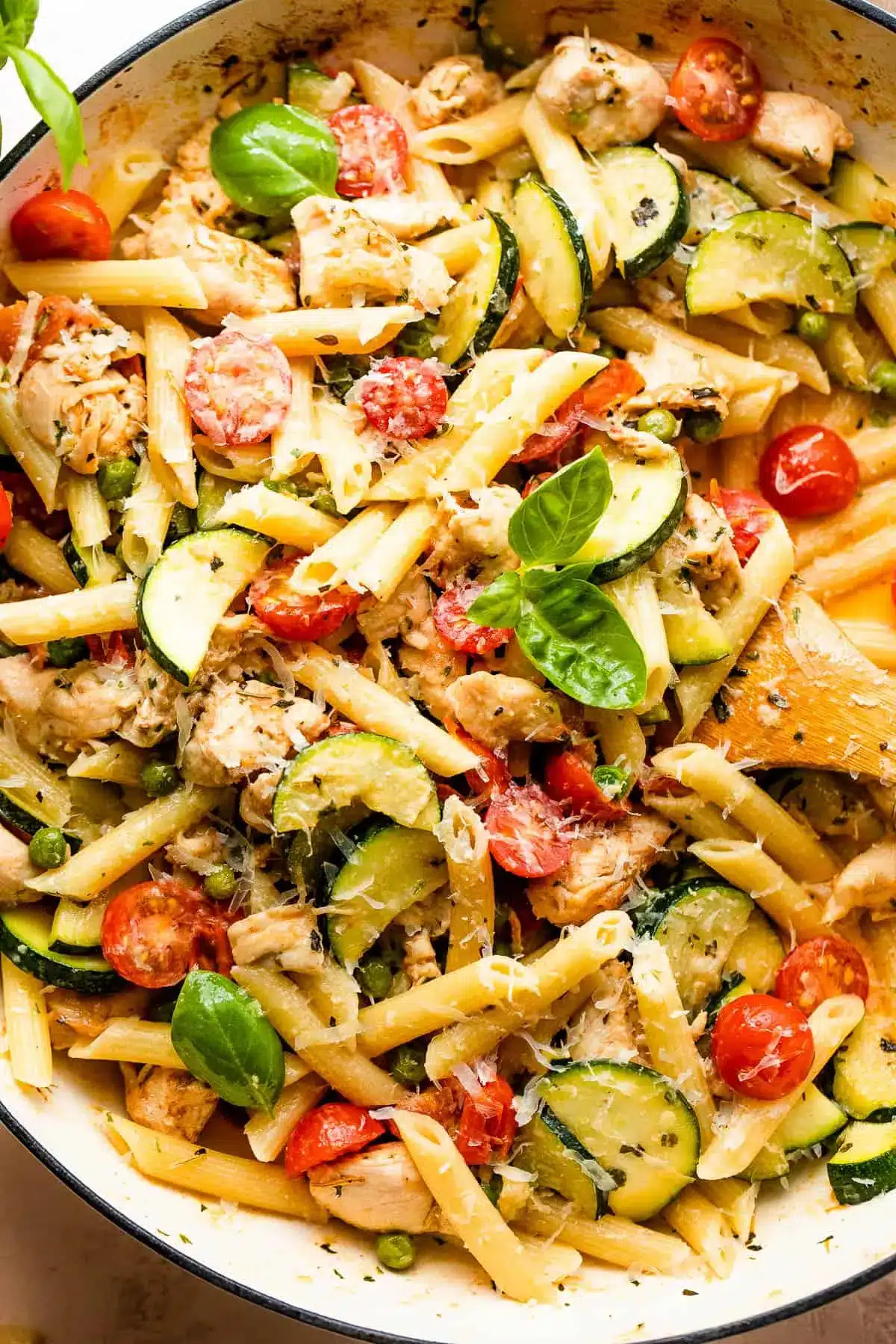
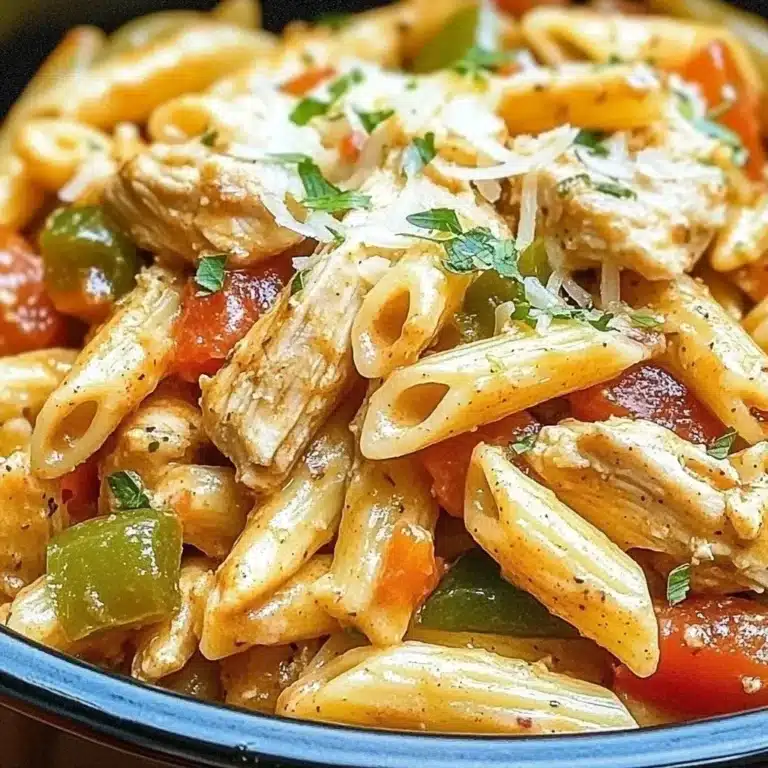
Juicy chicken and an abundance of colorful, crisp-tender vegetables are the stars of this vibrant Chicken Pasta Primavera. Each bite is coated in a lusciously rich Parmesan sauce that is simply irresistible, making it a comforting and satisfying meal.
This dish is incredibly quick to prepare, positioning it as a fantastic choice for those hectic weeknights when you crave a delicious, home-cooked dinner without spending hours in the kitchen. Prepare for an experience where every plate is licked clean and smiles abound.
Why You Will Love This Recipe
- Speedy Preparation: Enjoy a restaurant-quality meal on your table in approximately 30 minutes, perfect for busy schedules.
- Flavorful Combination: The creamy Parmesan sauce perfectly complements the tender chicken and fresh, vibrant vegetables.
- Versatile Ingredients: Easily adaptable with your favorite seasonal vegetables or alternative pasta shapes for endless variations.
- Family-Friendly Appeal: A universally loved dish that appeals to both adults and children, ensuring everyone at the table is happy.
- Visually Stunning: The array of colorful vegetables makes this pasta primavera a feast for the eyes as well as the palate.
Ingredients You Need
Crafting this delightful Chicken Pasta Primavera hinges on using fresh, high-quality ingredients. Opting for seasonal vegetables will truly elevate the dish, bringing out their natural sweetness and vibrant flavors. The choice of pasta and the quality of your chicken will also significantly impact the final outcome, ensuring a truly memorable meal.
Chicken Pasta Primavera
Juicy chicken and colorful veggies star in this Chicken Pasta Primavera, all tossed in a rich Parmesan sauce that’s just too good to resist! It’s quick to whip up, making it a winning choice for busy nights when you want a tasty meal without the wait. Get ready for clean plates and happy faces!
- 8 to 10 ounces dry penne pasta
- 2 tablespoons olive oil
- 1 pound skinless boneless chicken breasts, cut into 1-inch cubes or long thin strips
- Salt and freshly ground black pepper
- 1 zucchini, sliced into thin half-moons
- 1 to 2 cups grape tomatoes, quartered
- 1 cup frozen peas
- 1 teaspoon dried rosemary
- 1 teaspoon dried parsley
- 4 cloves garlic, minced
- Chopped fresh basil, for garnish
- 1Cook pasta according to the directions on the package.
- 2In the meantime, heat oil in a large 14-inch skillet set over medium-high heat.
- 3Season the chicken pieces with salt and pepper, add the chicken to the hot oil, and cook for 5 minutes.
- 4Stir in the zucchini, tomatoes, and frozen peas; season with dried basil, rosemary, and parsley.
- 5Stir in garlic and continue to cook for 3 minutes, stirring occasionally.
- 6Stir in the wine and scrape up all the browned bits from the bottom of the pan. Add cream and cook for 1 minute.
- 7Drain the cooked pasta, then stir the pasta into the skillet. Taste for salt and adjust accordingly. Remove from heat.
- 8Top with parmesan cheese, garnish with basil, and serve.
Keywords: Chicken, Pasta, Primavera, Creamy, Italian, Weeknight, Dinner
- penne pasta: a classic choice, though other shapes work well too.
- olive oil: the foundation for sautéing and building flavor.
- boneless, skinless chicken breasts: cubed for even cooking and easy eating.
- salt and freshly ground black pepper: essential for bringing out the best in every ingredient.
- zucchini: thinly sliced into half-moons for tender bites.
- grape tomatoes: quartered to burst with sweet, juicy flavor.
- frozen peas: adding a pop of sweetness and vibrant green color.
- dried basil: infusing an aromatic, slightly sweet herbaceous note.
- dried rosemary: contributing a pungent, pine-like aroma and flavor.
- dried parsley: offering a fresh, peppery undertone to the herb blend.
- garlic: minced or pressed for a pungent, savory depth.
- dry white wine: to deglaze the pan and add a layer of sophisticated flavor.
- heavy whipping cream: creating a velvety smooth and rich sauce base.
- freshly grated Parmesan cheese: for a salty, nutty, and umami finish.
- fresh basil: a fragrant garnish that adds a final touch of freshness.
Specific quantities for each ingredient are readily available in the detailed recipe card.
Variations
The beauty of Pasta Primavera lies in its inherent adaptability, allowing for countless delicious twists on the original concept. This dish is a culinary canvas, ready to be painted with your favorite seasonal produce and flavor profiles. Don’t hesitate to experiment and make it your own.
Vegan Delight: For a completely plant-based iteration, simply omit the chicken and incorporate a more generous selection of vegetables. Consider adding pan-seared tofu cubes or a handful of toasted chickpeas for protein. Replace the heavy cream with a plant-based alternative like full-fat coconut milk or a cashew cream, and ensure your Parmesan cheese is a vegan variety. A squeeze of lemon juice can help brighten the flavors, compensating for any richness lost from dairy.
Low-Carb Option: To reduce the carbohydrate content, swap the traditional pasta for a spiralized vegetable base. Zucchini noodles (zoodles), spaghetti squash strands, or even hearts of palm noodles make excellent low-carb substitutes. Ensure the chicken and vegetables are cooked to perfection, and the creamy sauce remains rich and satisfying. This approach allows you to enjoy the vibrant flavors and textures of Primavera without the pasta.
Spicy Kick: If you enjoy a bit of heat, infusing this dish with a spicy element is wonderfully simple. Stir in a pinch of red pepper flakes along with the garlic and herbs to give the sauce a gentle warmth. For a more pronounced kick, consider adding a diced jalapeño or a tablespoon of your favorite hot sauce to the sauce while it simmers. This adds an exciting new dimension to the classic Primavera profile.
How to Prepare Chicken Pasta Primavera
Step 1: Cook the Pasta to Perfection
Begin by bringing a large pot of generously salted water to a rolling boil. This initial step is crucial for flavoring the pasta from the inside out, ensuring each strand is as delicious as the vegetables and sauce it will be tossed with. Aim for the water to be as salty as the sea; this might seem like a lot, but the pasta will absorb the salt, enhancing its overall taste significantly.
Carefully add your chosen pasta, such as penne, to the boiling water. Cook the pasta according to the package instructions, diligently checking it for al dente perfection before draining. You want the pasta to have a slight bite, a pleasant firmness that holds its shape and texture when mixed with the sauce. Overcooked pasta can become mushy, detracting from the delightful contrast of textures this dish offers.
Once the pasta reaches the desired al dente stage, drain it thoroughly in a colander. Do not rinse the pasta; the starch clinging to the noodles helps the sauce adhere beautifully. Set the drained pasta aside, keeping it warm, perhaps by covering the colander with a clean kitchen towel, ready to be reunited with the flavorful chicken and vegetable mixture.
Step 2: Sauté the Chicken to Golden Brown
While the pasta is cooking, prepare to cook the chicken. Heat a generous amount of olive oil in a large, deep skillet or Dutch oven over medium-high heat. Ensure the pan is sufficiently hot before adding the chicken, as this helps to achieve a beautiful sear and prevents the chicken from sticking to the pan surface.
Season the cubed chicken breasts generously with salt and freshly ground black pepper. Place the seasoned chicken pieces into the hot skillet in a single layer, being careful not to overcrowd the pan. Overcrowding can lead to steaming rather than searing, resulting in less desirable texture and color for your chicken.
Cook the chicken for approximately 5 minutes, or until it is golden brown and cooked through. Stir the chicken occasionally to ensure even cooking on all sides. Once cooked, remove the chicken from the skillet and set it aside on a plate, leaving any rendered juices in the pan as they will contribute to the sauce’s flavor base.
Step 3: Introduce the Vibrant Vegetables and Aromatics
To the same skillet where the chicken was cooked, add the thinly sliced zucchini, quartered grape tomatoes, and the frozen peas. If your skillet appears a bit dry, you can add another splash of olive oil before adding the vegetables to prevent sticking and promote even cooking.
Season the vegetables with the dried basil, rosemary, and parsley. Stir everything together gently, allowing the vegetables to begin softening and absorbing the flavors left behind by the chicken. The heat from the pan will start to release the aromatic compounds from the dried herbs, infusing the entire dish.
Add the minced garlic to the skillet and continue to cook for another 3 minutes, stirring frequently. Be mindful not to burn the garlic, as burnt garlic can impart a bitter taste to the dish. The garlic should become fragrant and slightly softened, releasing its potent flavor into the developing sauce base.
Step 4: Deglaze and Create the Luscious Cream Sauce
Now, it’s time to build the luxurious sauce that ties everything together. Pour the ¼ cup of dry white wine into the hot skillet. As you add the wine, use a wooden spoon or spatula to scrape up any browned bits and flavorful fond that have adhered to the bottom of the pan; this process is known as deglazing and is key to developing deep flavor.
Allow the wine to simmer and reduce slightly for about 1 minute, letting the alcohol evaporate while leaving behind its complex flavor notes. The wine adds a subtle acidity and depth that beautifully complements the richness of the cream and the sweetness of the vegetables. If you prefer not to use wine, a good quality chicken or vegetable broth can be substituted, though the flavor profile will be slightly different.
Pour in the ⅔ cup of heavy whipping cream and stir it into the wine and vegetable mixture. Continue to cook the sauce, stirring gently, for another minute until it begins to thicken slightly. The cream will emulsify with the deglazed bits and vegetable juices, creating a smooth, velvety sauce that will coat the pasta and chicken perfectly.
Step 5: Marry the Pasta with the Sauce and Chicken
With the sauce having reached a lovely, slightly thickened consistency, it’s time to bring all the components together. Gently add the drained, cooked pasta directly into the skillet with the sauce and vegetables. Ensure the pasta is evenly distributed throughout the pan.
Carefully return the cooked chicken pieces to the skillet, nestling them amongst the pasta and vegetables. Stir everything together gently to ensure that every piece of pasta and chicken is coated in the luscious Parmesan cream sauce. The residual heat will continue to cook the ingredients slightly, allowing the flavors to meld beautifully.
Taste the pasta primavera at this stage and adjust the seasoning with additional salt and freshly ground black pepper if needed. The saltiness from the Parmesan cheese, if added directly to the sauce, will also influence the final taste, so season cautiously. Remove the skillet from the heat once everything is thoroughly combined and heated through.
Step 6: Garnish and Serve with Flair
As the Chicken Pasta Primavera comes together beautifully in the skillet, it’s time for the final touches that elevate it from a delicious meal to a visually stunning presentation. Generously sprinkle the ¼ cup of freshly grated Parmesan cheese over the top of the pasta mixture. The heat from the pasta and sauce will gently melt the cheese, creating delightful, cheesy tendrils.
For a burst of freshness and an aromatic flourish, finely chop a small amount of fresh basil and scatter it over the entire dish. The bright green flecks of basil not only add visual appeal but also contribute a wonderfully fragrant aroma that awakens the senses. This fresh herb garnish is the perfect counterpoint to the rich sauce.
Serve the Chicken Pasta Primavera immediately, ensuring each portion receives a generous helping of chicken, vegetables, and pasta, all bathed in that irresistible cream sauce. This dish is best enjoyed fresh off the stove, allowing you to savor the interplay of textures and flavors at their peak. It’s a triumphant conclusion to a relatively quick and rewarding cooking endeavor.
Pro Tips for Chicken Pasta Primavera
Embrace the Al Dente: Always cook your pasta to al dente, meaning it should still have a slight bite to it. This is crucial because the pasta will continue to cook slightly when tossed with the hot sauce, and you don’t want it to become mushy. Testing a piece a minute or two before the package directions suggest is a wise move.
Don’t Fear the Fat (in Moderation): While we’re using cream and olive oil, these are essential for building flavor and achieving that signature silky texture. Using high-quality olive oil and not skimping on the heavy cream ensures the sauce is rich and satisfying. For a slightly lighter sauce, you can substitute half-and-half, but the richness will be diminished.
The Power of Deglazing: That step where you add wine to the hot pan and scrape up the browned bits is more than just a technique; it’s flavor building in action. Those browned bits, called the fond, are packed with concentrated taste from the chicken and vegetables. Don’t skip this step, as it’s fundamental to developing a complex and delicious sauce.
Fresh is Best for Garnish: While dried herbs are used in the cooking process, finishing the dish with fresh basil provides a vibrant aroma and a bright, herbaceous contrast to the creamy sauce. A sprinkle of extra Parmesan cheese at the table is also never a bad idea for those who love a cheesy finish.
Vegetable Flexibility: Pasta Primavera is famously adaptable. Feel free to swap out the zucchini and tomatoes for other seasonal vegetables like asparagus, broccoli florets, bell peppers, or even mushrooms. Just ensure they are cut into bite-sized pieces so they cook quickly and evenly alongside the chicken and pasta.
Serving Suggestions for Chicken Pasta Primavera
Decoration
Elevate the presentation of your Chicken Pasta Primavera with simple yet impactful garnishes. A generous sprinkle of freshly chopped parsley or chives adds a vibrant green hue and a fresh, herbaceous aroma. For a touch of elegance, a few edible flowers, such as nasturtiums or pansies, can provide a delightful splash of color and an unexpected visual treat.
A final dusting of finely grated Parmesan cheese right before serving ensures a beautiful finish and enhances the cheesy appeal of the dish. For those who enjoy a bit of crunch, consider adding toasted pine nuts or slivered almonds scattered over the top, offering a delightful textural contrast to the tender pasta and creamy sauce.
Side Dishes
A light and crisp garden salad is an ideal companion to the rich Chicken Pasta Primavera, offering a refreshing counterpoint to its creamy texture. Consider a salad with a simple vinaigrette dressing to keep the overall meal balanced. Alternatively, a more robust chopped salad featuring cucumber, tomatoes, and perhaps some hard-boiled eggs can add further substance and variety.
For a comforting Italian-themed meal, warm, crusty breadsticks or a slice of focaccia are perfect for sopping up any extra sauce. If you’re looking for something a little more refined, a small bowl of creamy tomato bisque or a smooth asparagus soup makes for an elegant starter that complements the pasta beautifully without overpowering it.
Creative Serving Ideas
Transform this delightful pasta into a delightful main course for a brunch gathering by serving it in individual ramekins, topped with a perfectly poached egg. The runny yolk will add another layer of creamy richness to the dish. For a fun, family-style presentation, serve the pasta primavera directly from a large, rustic platter adorned with fresh herb sprigs and a few extra cherry tomatoes.
Consider making mini versions of the dish by using smaller pasta shapes and serving them in appetizer-sized portions. This is a wonderful way to offer it as part of a larger tasting menu or at a casual party. For an outdoor summer barbecue, portion the pasta into individual mason jars for a charming and portable meal option.
Preparation & Storage
Storing Leftovers
To store any leftover Chicken Pasta Primavera, allow the dish to cool down to room temperature before transferring it into an airtight container. This is important to prevent condensation buildup, which can make the pasta soggy. Proper storage in the refrigerator will keep the leftovers fresh and safe to eat for up to 3 days.
Ensure the container is sealed tightly to prevent the pasta from drying out or absorbing odors from other foods in the refrigerator. When you’re ready to enjoy your leftovers, remember that the sauce might have thickened slightly from refrigeration, which is perfectly normal and easily remedied upon reheating.
Freezing
While this particular pasta primavera is best enjoyed fresh due to the creamy sauce and delicate vegetables, it can be frozen with some considerations. It’s advisable to freeze the components separately if possible; freeze the cooked pasta and chicken mixture without the creamy sauce. The sauce itself can also be frozen in a separate airtight container.
However, be aware that freezing creamy sauces can sometimes alter their texture upon thawing, potentially making them a bit grainy or separated. It’s generally recommended to refrigerate this dish rather than freeze it for optimal quality. If you do choose to freeze it, pack it tightly in freezer-safe containers, removing as much air as possible to prevent freezer burn.
Reheating
To reheat your leftover Chicken Pasta Primavera, the best method is on the stovetop. Place the leftovers in a skillet over medium-low heat. Add a small splash of water, milk, or even a little extra cream to help loosen the sauce and prevent it from sticking. Stir gently and continuously until the pasta is heated through.
Using the stovetop allows you to control the heat and rehydrate the sauce more effectively than microwaving. If you must use a microwave, heat in short intervals, stirring between each interval, until evenly warmed. Be cautious not to overheat, as this can lead to dry chicken or mushy pasta. The goal is to gently warm everything to its original delicious state.
Frequently Asked Questions
- Can I make Chicken Pasta Primavera ahead of time?
While Chicken Pasta Primavera is best enjoyed fresh, you can prepare some components in advance to speed up the final assembly. The chicken can be cooked and stored in the refrigerator for up to 2 days. The vegetables can also be prepped and chopped. However, it’s recommended to cook the pasta and make the sauce just before serving to ensure the best texture and flavor, as creamy sauces can sometimes break or thicken undescribably when stored for extended periods. Tossing the pasta with the sauce while warm is key to achieving the ideal consistency. - What are the best vegetables to use in Pasta Primavera?
Pasta Primavera is incredibly versatile, making it ideal for using up seasonal produce. While zucchini, grape tomatoes, and peas are classic choices that offer a lovely balance of textures and flavors, feel free to experiment. Excellent additions include asparagus spears, broccoli florets, bell peppers (any color), snap peas, green beans, spinach, or even chopped mushrooms. The key is to cut the vegetables into bite-sized pieces so they cook relatively quickly and evenly alongside the chicken and pasta. Consider the color variety for a visually appealing dish; a mix of greens, reds, and yellows is always striking. - How can I make the sauce richer or lighter?
To make the sauce richer, you can incorporate a tablespoon or two of cream cheese along with the heavy cream, stirring until fully incorporated for an extra velvety texture and subtle tang. Another option for enhanced richness is to finish the sauce with a knob of butter stirred in off the heat, adding gloss and depth. If you prefer a lighter sauce, you can substitute half of the heavy cream with half-and-half or even whole milk, though this may result in a less intensely creamy and slightly thinner sauce. For a dairy-free option, a well-made cashew cream or full-fat coconut milk can be used, but be mindful that these alternatives will impart their own distinct flavors.