Easy Maki Roll Recipe – Make Your Own Sushi
Embarking on the journey of making sushi at home can seem like a daunting culinary Everest, but with a few tried-and-true techniques and a spirit of adventure, you’ll find it’s far more accessible than you might imagine. This specific Maki Roll recipe is designed to demystify the process, offering a delightful introduction to the world of homemade Japanese cuisine.
Imagine the satisfaction of presenting beautifully rolled sushi, bursting with fresh flavors and vibrant colors, all crafted with your own hands. This recipe breaks down each step, from preparing the perfect sticky rice to expertly layering your fillings, ensuring a successful and rewarding outcome for both novice and experienced home cooks alike.
Why You Will Love This Recipe
- Authentic Flavor: Experience the delightful balance of seasoned sushi rice and savory fillings encased in crisp nori, reminiscent of your favorite Japanese restaurant but with the added bonus of homemade freshness.
- Customizable Fillings: While this recipe provides a classic combination, you have the freedom to experiment with a wide array of ingredients, from various fresh vegetables to different types of seafood, making each roll uniquely yours.
- Engaging Activity: Preparing maki rolls is a fantastic interactive experience, perfect for family dinners or gatherings with friends, allowing everyone to get involved in the creative process of building their own sushi creations.
- Healthy & Nutritious: Packed with lean protein from imitation crab (or other seafood options), healthy fats from avocado, and essential vitamins from fresh vegetables, these maki rolls offer a wholesome and satisfying meal option.
- Impressive Presentation: Homemade maki rolls are visually stunning and incredibly impressive, making them an ideal choice for special occasions or when you want to elevate an everyday meal into something extraordinary.
Ingredients You Need
The foundation of any great sushi roll lies in the quality of its ingredients. Using fresh, vibrant components will elevate your maki rolls from good to truly exceptional. We’ve selected a classic combination that balances textures and flavors beautifully, but remember this is just a starting point for your own culinary adventures. Always aim for the freshest produce and the best quality imitation crab you can find to ensure a delightful taste experience with every bite.
Easy Maki Rolls

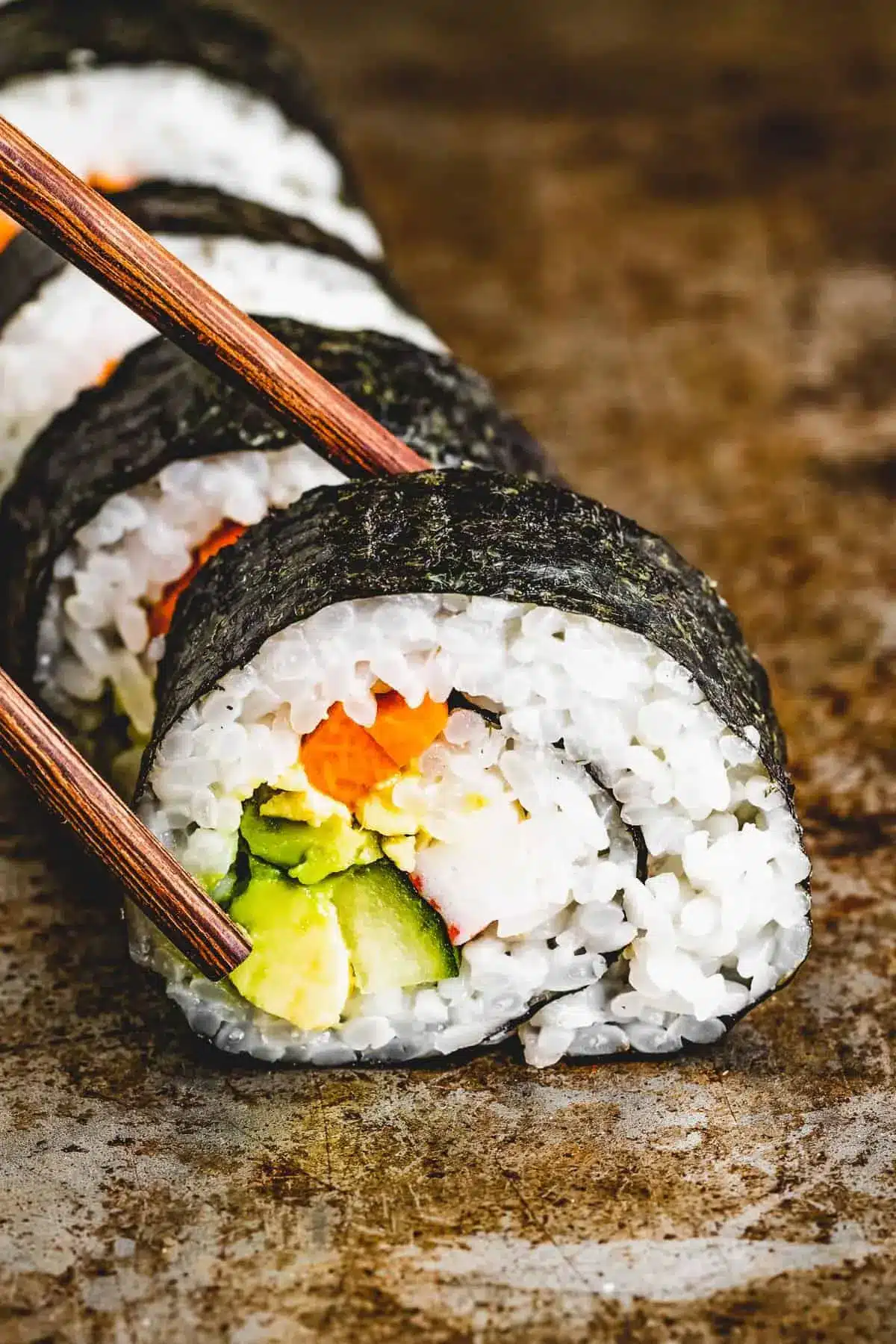
Master the art of homemade sushi with this easy Maki Roll recipe! Featuring nori and perfectly cooked sushi rice wrapped around a colorful combo of imitation crab, cucumber, avocado, and carrots, these rolls promise a fun and flavorful dining experience!
- 1½ cups sushi rice
- 1½ cups water
- 1½ tablespoons granulated sugar
- 4 sheets sushi Nori
- 1 English cucumber, peeled and sliced into thin strips
- 1 medium carrot, peeled and sliced into thin strips
- 1 avocado, sliced
- 4 sticks imitation crab, cut in half, longwise
- 1Prep the rice. In a fine mesh strainer, rinse the rice until the water runs clear.
- 2Cook the rice. Combine the rice and the water in the bowl of an Instant Pot. Seal the Instant Pot and cook on high pressure for 10 minutes. Allow the pressure to release naturally for 12 minutes before opening the instant pot and fluffing the rice with a fork.
- 3Make the rice wine vinegar mixture. In a small saucepan, combine the rice wine vinegar and the sugar and cook over medium heat until the sugar dissolves.
- 4Combine and cool. Fold the rice vinegar mixture into the prepared sushi rice. Allow the rice to cool to just above room temperature before using.
- 5Prep. Place a sheet of nori over a bamboo sushi mat. Wet your fingers with warm water. This will help keep the rice from sticking to your hands. I like to keep a bowl of warm water near me when I'm making sushi rolls.
- 6Add the rice. Press about ¾ cup of the prepared sushi rice over the nori. Use your hand to press it into an even layer, covering the nori.
- 7Layer the veggies and crab. Stack 1 row of English cucumbers, 1 row of carrots, 1 row of imitation crab, and 1 row of avocado slices on top of each other in a line at one end of the mat.
- 8Roll. Fold the nori and rice over the filling, then squeeze the bamboo mat to create a tight cylinder. Continue folding the roll over itself, squeezing it into a cylinder after each fold, until you reach the end of the roll. Repeat with the remaining ingredients.
- 9Cut and serve. Wet a sharp knife with warm water and slice the rolls into ½ inch slices, wetting the knife between slices if it starts to get sticky. Serve the sushi rolls with your favorite sushi dipping sauce(s).
Keywords: Maki Rolls, Sushi, Japanese, Seafood, Vegetarian, Dinner, Lunch, Meal Prep, Interactive, Versatile
The detailed ingredient quantities and specific measurements are readily available within the provided recipe card. This ensures you have precise guidance for achieving the perfect balance in your maki rolls.
Variations
One of the most exciting aspects of making maki rolls at home is the boundless potential for customization. This recipe provides a fantastic base, but feel empowered to explore beyond the classic California-inspired combination. Think about adding ingredients that appeal to your personal taste preferences or dietary needs, transforming this dish into something truly unique for every occasion.
For those seeking a plant-based delight, consider a vibrant vegan variation. Swap the imitation crab for marinated baked tofu strips, pan-fried tempeh, or even grilled king oyster mushrooms for a meaty texture. Complement these with extra avocado for creaminess, julienned bell peppers for a sweet crunch, and perhaps some pickled daikon radish for a tangy counterpoint. A drizzle of sriracha mayonnaise (vegan version, of course) can add a delightful spicy kick, making for a guilt-free and incredibly flavorful experience.
If you’re mindful of carbohydrate intake, a low-carb approach is entirely achievable. Instead of rice, consider using finely shredded cauliflower that has been lightly steamed and seasoned, or even thinly sliced cucumber sheets as the wrapping. This significantly reduces the carb count while still allowing you to enjoy the delightful combination of fillings and the satisfying act of rolling and eating sushi. The key here is to maintain the integrity of the fillings, ensuring they are still fresh and flavorful to compensate for the absence of rice.
Exploring different protein sources can also lead to exciting new flavor profiles. While imitation crab is a popular choice, why not try a seafood twist? Fresh, sashimi-grade salmon or tuna, thinly sliced, can offer a luxurious experience. For a cooked option, flaked smoked salmon or even small cooked shrimp can be equally delicious. Ensure any raw fish used is specifically labeled as sushi-grade to guarantee safety and quality, a crucial consideration when working with raw ingredients.
How to Prepare maki roll recipe
Step 1: Perfecting the Sushi Rice
The journey to exquisite maki rolls begins with the rice, the very soul of sushi. It’s crucial to select the right type of rice – short-grain sushi rice is paramount due to its higher starch content, which creates that signature sticky, clump-together texture essential for holding your rolls intact. Thoroughly rinsing the rice under cold running water is a non-negotiable first step; continue this process until the water runs clear, which effectively removes excess surface starch, preventing a gummy or mushy outcome.
Once rinsed, the rice is cooked to perfection. While many follow package instructions, using a rice cooker or an Instant Pot can offer consistent, foolproof results. For an Instant Pot, combine the rinsed rice with the specified amount of water, seal the lid, and cook on high pressure for approximately 10 minutes, followed by a natural pressure release for about 12 minutes. This gentle cooking method ensures each grain is tender yet firm. Meanwhile, prepare the seasoning liquid by gently heating rice wine vinegar and granulated sugar in a small saucepan until the sugar is fully dissolved, creating a subtly sweet and tangy dressing for the rice.
The final stage of rice preparation involves a delicate yet important step: seasoning. Transfer the cooked rice to a wide, non-metallic bowl. Slowly drizzle the warm rice vinegar mixture over the hot rice while gently folding it in with a rice paddle or spatula. The goal is to distribute the seasoning evenly without mashing the grains. Allow this seasoned rice to cool to just above room temperature; it should be warm to the touch but not hot, as this temperature is ideal for spreading onto the nori without causing it to steam or tear.
Step 2: Preparing the Fillings
With your perfectly seasoned sushi rice cooling, it’s time to turn your attention to the vibrant fillings that will bring your maki rolls to life. Each ingredient should be prepared with care, cut into uniform, thin strips to ensure they are easy to roll and create an appealing visual appeal within the finished product. This attention to detail not only enhances the eating experience but also makes the rolling process much smoother and more manageable.
Begin with the cucumber and carrot. After peeling, slice them into long, thin matchsticks. The goal is consistency in size, about the thickness of a pencil or slightly thinner, ensuring they cook evenly if lightly blanched or simply provide a pleasant crispness when raw. For the avocado, select a ripe but firm specimen. Halve it, remove the pit, and then slice it into thin strips, similar in thickness to the cucumber and carrot. A touch of lemon or lime juice can be brushed onto the avocado slices to prevent browning while you work on other components.
The imitation crab sticks are also prepared by slicing them lengthwise into halves. This presentation offers a more substantial piece for the roll. If you’re opting for raw fish, ensure it’s of the highest sushi-grade quality and thinly sliced into strips that are manageable to roll. The key to successful filling preparation is uniformity in size and shape, which aids in creating evenly packed and aesthetically pleasing maki rolls every single time.
Step 3: Assembling the Maki Rolls
This is where the magic truly begins, transforming individual components into a cohesive and beautiful sushi roll. Set yourself up for success by having all your prepared ingredients within easy reach. Place a bamboo sushi rolling mat on a clean, dry surface, and lay one sheet of nori, shiny side down, onto the mat. Have a small bowl of water nearby – this is your secret weapon against sticky rice.
Dampen your fingertips slightly with the water. Take about three-quarters of a cup of the cooled sushi rice and carefully spread it evenly over the nori sheet. Leave a border of about an inch along the top edge of the nori completely bare; this will help seal the roll later. Gently press the rice down to create an even layer, ensuring it covers the nori without being too thick, as this can make rolling difficult. The damp fingers are crucial here, preventing the sticky rice from adhering to your hands and making the spreading process smooth.
Now, it’s time to strategically place your fillings. Arrange a row of cucumber strips horizontally across the rice, about an inch from the edge closest to you. Lay a row of carrot strips directly alongside the cucumber, followed by a row of imitation crab sticks, and finally, a row of avocado slices. Stack these ingredients neatly in a single line, ensuring they are not piled too high, which could cause the roll to break during the rolling process. The goal is a balanced distribution of each component.
Step 4: Rolling the Maki
The rolling technique is where practice truly makes perfect, but this guide will set you on the right path to achieving tight, well-formed maki rolls. Start by lifting the edge of the bamboo mat closest to you, along with the nori and rice, and gently fold it over the fillings. Use your fingers to tuck the nori and rice snugly around the ingredients. This initial tuck is critical for creating a compact core for your roll.
Once the first fold is made, continue to roll the mat forward, applying gentle but firm pressure. As you roll, periodically squeeze the mat around the developing roll. This squeezing action compacts the rice and fillings, ensuring the roll holds its shape and doesn’t come apart. Think of it as gently molding a piece of clay; consistent, even pressure is key to a beautiful outcome. Continue this process, folding and squeezing, until you reach the bare edge of the nori.
As you reach the end, use the slight moisture from the rice and the nori’s natural stickiness to seal the roll shut. If the seam doesn’t adhere well, a tiny bit of water dabbed along the edge can help. Once rolled, gently shape the cylinder with the mat one last time to ensure it’s uniformly round or square, depending on your preference. Set the finished roll aside, seam-side down, and repeat the entire process with the remaining ingredients to create more delicious maki rolls.
Step 5: Cutting and Serving the Rolls
The final flourish to your homemade maki rolls involves transforming the long cylinders into perfectly portioned, bite-sized pieces. This step requires a sharp knife and a steady hand to achieve clean, professional-looking slices. It is absolutely essential to keep your knife blade moist throughout this process; a dry knife will drag the rice and fillings, resulting in messy, mangled cuts.
Prepare a small bowl of warm water and have a clean kitchen towel ready. Dip the blade of a very sharp knife into the warm water, allowing excess water to drip off. Carefully place your sushi roll on a cutting board, seam-side down. Begin by cutting the roll in half, using a smooth, decisive slicing motion rather than a sawing one. Wipe the knife blade with the damp towel and re-dip it in warm water between each cut. This simple step of keeping the blade wet and clean is the secret to achieving those perfect, crisp edges.
Continue slicing the two halves into smaller pieces, aiming for about half-inch to three-quarters-of-an-inch thickness. Each slice should reveal a beautiful cross-section of your meticulously layered ingredients. Arrange the cut maki rolls attractively on a serving platter. Present them immediately with traditional accompaniments like soy sauce, pickled ginger (gari), and a small mound of wasabi, allowing your guests to customize their dipping experience. The visual appeal of these fresh, homemade rolls is often as delightful as their taste.
Step 6: Enjoying Your Culinary Creation
The moment of truth has arrived – savoring the fruits of your labor! Take a moment to admire the beautifully crafted maki rolls before you. The vibrant colors of the vegetables, the creamy avocado, the distinct shape of the imitation crab, all encased within the dark nori and perfectly seasoned rice, make for a visually stunning presentation that you can be truly proud of. It’s a testament to your newfound sushi-making skills and a delightful reward for your efforts.
As you take your first bite, notice the harmonious interplay of textures and flavors. The slight chewiness of the nori, the subtle sweetness and tang of the seasoned sushi rice, the crispness of the cucumber and carrot, the rich creaminess of the avocado, and the savory notes of the imitation crab all come together in a delightful symphony. Dipping gently into soy sauce, perhaps with a touch of spicy wasabi, further enhances these individual elements, creating a complex and satisfying taste experience.
Sharing this experience with loved ones amplifies the joy. Gather your friends and family, and let everyone partake in this delicious meal. The interactive nature of sushi making often extends to the enjoyment, as people can discuss their favorite combinations and dipping preferences. This shared culinary adventure transforms a simple meal into a memorable occasion, fostering connection and conversation around the table.
Pro Tips for maki roll recipe
Rice is Key: Always use short-grain sushi rice and rinse it thoroughly until the water runs clear. The proper rinsing removes excess starch, preventing gummy rice and ensuring it has the right sticky consistency for rolling. Don’t skip this crucial first step; it sets the stage for success.
The Damp Hand Method: Keep a small bowl of warm water nearby and dampen your fingertips before handling the sushi rice. This simple trick prevents the sticky rice from clinging to your hands, making it much easier to spread an even layer over the nori without creating a mess. Re-wet your fingers as needed.
Sharp and Wet Knife: When it comes time to slice your maki rolls, a sharp knife is non-negotiable. Dip the blade in warm water and wipe it clean between each cut. This prevents the rice from sticking to the knife, allowing for clean, precise slices that showcase the beautiful interior of your rolls.
Gentle but Firm Rolling: As you roll the maki, apply consistent, gentle pressure with the bamboo mat. You want to create a tight cylinder that holds its shape, but avoid squeezing so hard that you crush the fillings or tear the nori. The goal is a compact roll that is easy to slice.
Don’t Overfill: While it’s tempting to pack your rolls with as many delicious fillings as possible, overfilling can lead to rolls that are difficult to close and prone to bursting when sliced. Aim for a balanced amount of filling that allows the nori to be sealed properly.
Serving Suggestions for maki roll recipe
Decoration
Elevate the visual appeal of your maki rolls with thoughtful garnishes. A sprinkle of toasted sesame seeds, both black and white, adds a contrasting color and a subtle nutty flavor. Thinly sliced radishes or edible flowers can provide a delicate and artistic touch, making your platter look like it came straight from a high-end Japanese restaurant. Even a simple swirl of spicy mayonnaise or a drizzle of eel sauce across the top can add a gourmet finishing touch that delights the eye.
Side Dishes
Complement your maki rolls with traditional Japanese accompaniments that enhance the overall dining experience. A small bowl of pickled ginger, known as gari, is essential for cleansing the palate between different types of rolls. A dab of fiery wasabi, often served alongside soy sauce, provides a pungent kick that cuts through the richness of the seafood. For a more substantial meal, consider serving alongside a refreshing Asian cucumber salad, a light miso soup, or even a simple bowl of steamed edamame.
Creative Serving Ideas
Think outside the traditional platter when presenting your maki rolls. For a fun and interactive party setting, consider arranging the rolls on a tiered stand, showcasing the different varieties you’ve prepared. You could also create individual bento boxes, complete with a selection of rolls, a small portion of rice, some pickled vegetables, and perhaps a piece of fruit. Another creative idea is to present them as part of a larger sushi platter alongside sashimi and nigiri for a truly impressive feast that caters to all tastes.
Preparation & Storage
Storing Leftovers
To store leftover maki rolls, it’s crucial to maintain their freshness and texture as much as possible. Wrap each roll tightly in plastic wrap to prevent them from drying out and absorbing odors from other foods in the refrigerator. Then, place the individually wrapped rolls in an airtight container. This double layer of protection ensures the nori stays as crisp as possible and the rice remains moist. They are best consumed within 1-2 days for optimal quality.
Freezing
Freezing maki rolls is generally not recommended, as the rice texture can become mushy and the nori can lose its crispness upon thawing. The high moisture content in the rice and the delicate nature of nori do not fare well with the freezing and thawing process. For the best flavor and texture, it is always advisable to prepare maki rolls fresh and consume them shortly after preparation.
Reheating
Maki rolls are best enjoyed at room temperature or slightly chilled. Reheating is not typically advised for sushi, as it can negatively impact the texture of both the rice and the fillings, and it can make the nori unpleasantly soggy. If your rolls have been refrigerated, it is best to let them sit at room temperature for about 15-20 minutes before serving to take the chill off. This allows the flavors to meld and the rice to return to a more palatable temperature.
Frequently Asked Questions
-
Can I use regular white rice instead of sushi rice for maki rolls?
While you can technically use regular long-grain white rice, it is highly discouraged for making authentic maki rolls. Sushi rice, specifically short-grain varieties, has a much higher starch content. This starch is what gives sushi rice its essential sticky consistency, allowing the grains to cling together and hold the nori and fillings firmly in place. Regular rice is typically drier and more separate, making it extremely difficult to roll and causing your maki to fall apart easily. The texture and flavor will also be significantly different, lacking the characteristic chewiness and slight sweetness that seasoned sushi rice provides.
-
How can I prevent my maki rolls from falling apart when slicing?
Several factors contribute to rolls falling apart during slicing, and addressing them proactively is key. Firstly, ensure your rice is cooked and seasoned correctly, achieving that perfect sticky texture. Secondly, avoid overfilling the rolls; too many ingredients can make it impossible to seal the nori tightly. When rolling, use the bamboo mat to apply consistent, gentle pressure to create a compact cylinder. Most importantly, use a very sharp knife and keep the blade wet by dipping it in warm water and wiping it with a damp cloth between each cut. This prevents the rice from sticking to the blade and allows for clean, precise slices that hold the roll together.
-
What are some good alternative fillings if I don’t have imitation crab?
There are numerous delicious alternatives to imitation crab for your maki rolls. For a seafood option, consider using sushi-grade raw salmon or tuna, thinly sliced. Cooked shrimp, flaked smoked salmon, or even small pieces of cooked crab meat (real crab) are excellent choices. If you prefer vegetarian or vegan fillings, try seasoned baked tofu strips, pan-fried tempeh, grilled king oyster mushrooms, or even roasted sweet potato strips. A mix of crunchy vegetables like bell peppers, asparagus, or pickled daikon radish also works wonderfully. The versatility of maki rolls means you can explore a wide array of flavors and textures to suit your preferences.