Creamy Salmon Recipe
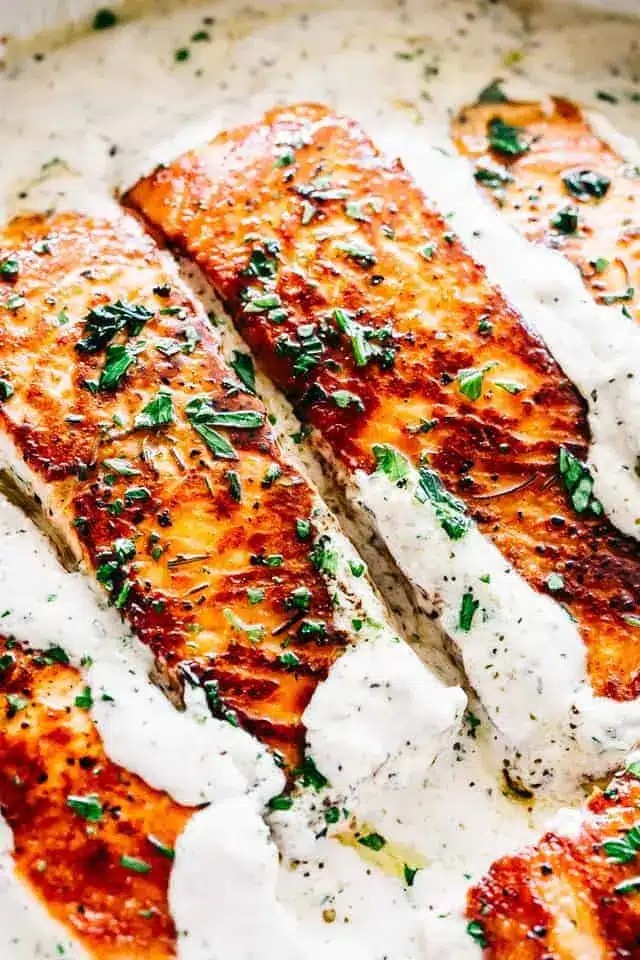
Embark on a culinary journey that promises elegance and simplicity with this exquisite creamy salmon recipe. This dish is designed to impress, offering a restaurant-quality experience right in your own home without demanding hours in the kitchen. Prepare to dazzle your taste buds with the delicate flavor of perfectly cooked salmon enveloped in a luscious, velvety sauce, proving that gourmet dining can indeed be achievable on a weeknight.
Imagine a scenario where a sophisticated meal, bursting with vibrant flavors and satisfying textures, can be prepared in mere minutes, transforming your ordinary evening into an extraordinary occasion. This recipe masterfully achieves that balance, combining the richness of cream, the zest of lemon, and the aromatic depth of garlic to create a symphony of tastes that perfectly complements the star ingredient: succulent salmon.
Why You Will Love This Recipe
- Effortless Elegance: Transform simple ingredients into a visually stunning and incredibly delicious meal that looks and tastes like it came straight from a fine dining establishment.
- Speedy Preparation: Ready in under 30 minutes, this recipe is your secret weapon for busy weeknights when you crave something special without the fuss.
- Rich and Creamy Sauce: The star of the show, this decadent lemon-garlic cream sauce is so irresistible, you’ll want to lick the plate clean and use it on everything.
- One-Skillet Simplicity: Minimize your cleanup with a recipe that cooks beautifully in a single skillet, making the entire process from start to finish a breeze.
- Versatile Delight: While incredibly satisfying on its own, this creamy salmon also pairs wonderfully with a variety of sides, allowing for endless meal possibilities.
Ingredients You Need
The success of any exceptional dish hinges on the quality of its ingredients. For this creamy salmon, we aim for freshness and flavor to ensure a truly memorable dining experience. Opting for the best available produce and seafood will elevate the final outcome, making each bite a celebration of taste and texture. Remember that while quantities are detailed in the recipe card, the essence of great cooking lies in selecting superior components.
Creamy Salmon with Lemon Garlic Sauce
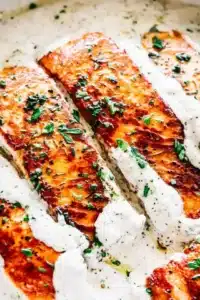
This quick, delicious, and creamy salmon recipe is prepared in just one skillet and served with an incredible lemon garlic cream sauce, and it's done in under 30 minutes. Pan-seared salmon fillets are cooked to perfection and then coated in a rich, flavorful lemon garlic cream sauce.
- 2 tablespoons olive oil
- 6 skin-on salmon fillets, room temperature, each fillet should be about 4 to 5 ounces
- Salt and freshly ground black pepper, to taste
- 1 tablespoon butter
- 1 cup half & half (you can also use heavy cream or low-fat evaporated milk)
- ½ tablespoon all purpose flour
- ⅓ cup grated Parmesan cheese
- 1 lemon, zested and juiced
- 3 cloves garlic, minced
- 1 teaspoon dried dill
- ¾ teaspoon dried thyme
- Salt and freshly ground black pepper, to taste
- Lemon slices, for garnish
- Fresh chopped parsley, for garnish
- 1Heat the olive oil in a large skillet over medium-high heat.
- 2Season the salmon fillets with salt and pepper. Transfer them to the skillet, skin-side down, and cook two to three fillets at a time – don't crowd the skillet.
- 3Cook for 6 minutes, or until cooked about three quarters of the way through. Do not move the fish around; just let it cook.
- 4Using a spatula, flip the salmon fillets over and cook for 2 more minutes; remove from skillet and set aside.
- 5Repeat with the rest of the fillets and set all aside.
- 6In the meantime, combine the half & half, flour, cheese, lemon juice, lemon zest, garlic, dill, thyme, salt, and pepper in a mixing bowl; whisk until thoroughly incorporated.
- 7Add butter to the skillet and melt it over medium heat. Add the prepared sauce to the skillet and bring to a boil, then lower the heat to a simmer.
- 8Place previously prepared salmon fillets back in the skillet. Cook for 2 to 3 minutes or until salmon is heated through. Remove the skillet from the heat.
- 9Spoon the sauce over the salmon. Garnish with lemon slices and parsley, and serve.
Keywords: salmon, creamy, lemon, garlic, skillet, quick, weeknight, seafood, dinner, easy
These are the essential components that form the foundation of this delightful recipe; precise quantities are available in the recipe card for your convenience.
Variations
This creamy salmon recipe is a fantastic canvas for culinary creativity, allowing for delightful adaptations to suit various dietary preferences and taste inclinations. The core elements of pan-seared salmon and a rich sauce can be wonderfully modified.
For a delightful Vegan Alternative, consider using firm tofu or large portobello mushrooms as the base instead of salmon. Prepare them similarly by pan-searing until golden. The creamy sauce can be reimagined using full-fat coconut milk or cashew cream, thickened with a cornstarch slurry. A generous amount of nutritional yeast will add a cheesy, umami depth, and capers can introduce a briny, caper-like flavor reminiscent of traditional fish dishes. Ensure to season generously with garlic, lemon, herbs, and a touch of Dijon mustard for complexity.
If you’re following a Low-Carb Lifestyle, this recipe is easily adaptable. Simply omit the all-purpose flour from the sauce and rely on a blend of heavy cream and a touch of cream cheese or a small amount of blended cauliflower puree to achieve a luxurious thickness. You can also thicken the sauce by reducing it further over a gentle simmer. Ensure your garnishes are low-carb friendly, focusing on fresh herbs and lemon slices rather than starchy accompaniments, making this a guilt-free indulgence.
An exciting Mediterranean Twist can be achieved by incorporating ingredients like sun-dried tomatoes, Kalamata olives, and capers directly into the cream sauce. A sprinkle of fresh oregano or a pinch of red pepper flakes can add an extra layer of vibrant flavor. This variation leans into the zesty and briny notes, offering a bolder, more complex profile that is both refreshing and deeply satisfying. It’s a wonderful way to explore different flavor horizons within the same beloved recipe framework.
How to Prepare creamy salmon recipe
Step 1: Prepare the Salmon Fillets
The journey to a perfect creamy salmon dinner begins with the proper preparation of the star ingredient: the salmon fillets. Ensuring they are at room temperature allows for more even cooking. This simple step prevents the exterior from overcooking while the interior remains raw, leading to a beautifully cooked piece of fish every time. Gently patting them dry is also crucial for achieving that desirable crispy skin.
For optimal results, select salmon fillets that are relatively uniform in thickness. This uniformity ensures that all the fillets cook at the same rate, preventing some from becoming overdone while others are still undercooked. Seasoning generously with salt and freshly ground black pepper on both sides is paramount; this not only enhances the natural flavor of the salmon but also helps to draw out moisture from the skin, promoting a crispier texture during the searing process.
If you’re using skin-on fillets, as is often recommended for this recipe due to the texture it provides, pay special attention to drying the skin thoroughly. A damp skin will steam rather than sear, defeating the purpose of achieving that delightful crispness. This meticulous attention to detail in the initial preparation stages lays the groundwork for a truly spectacular final dish.
Step 2: Achieve the Perfect Sear
The art of pan-searing is what transforms good salmon into exceptional salmon. This technique creates a wonderfully crispy exterior, locking in moisture and adding a depth of flavor that cannot be replicated by other methods. The key is to use a skillet that heats evenly and to ensure the oil is sufficiently hot before introducing the fish. This initial sear is crucial for the overall texture and appearance of the dish, making it a pivotal step in the preparation process.
Heat a generous amount of olive oil in a large, heavy-bottomed skillet over medium-high heat. The oil should shimmer, and a test drop of water should sizzle and evaporate instantly, indicating it’s ready for the salmon. Carefully place the seasoned salmon fillets, skin-side down, into the hot skillet. Do not overcrowd the pan; cook in batches if necessary to ensure each fillet has enough space to sear properly, allowing heat to circulate around it. Overcrowding will steam the fish instead of searing it, leading to a less desirable texture.
Allow the salmon to sear undisturbed for approximately 6 minutes. This is where the magic happens – the skin will crisp up beautifully, and the flesh will begin to cook from the bottom up. Resist the urge to move the fillets around during this time, as this can prevent the skin from achieving that perfect, golden-brown crust. The visual cue for readiness is when you can see the color change of the salmon creeping up the sides of the fillet.
Step 3: Flip and Finish Cooking the Salmon
Once the salmon has achieved a beautiful golden-brown sear on the skin side and has cooked about two-thirds of the way up its thickness, it’s time for the flip. This maneuver is straightforward, but requires a gentle touch to ensure the fillets remain intact. Using a thin, flexible spatula is ideal for getting underneath the fish without damaging it.
Carefully flip each salmon fillet over in the skillet. The cooked side should be perfectly caramelized and appealing. Continue to cook the salmon on the second side for an additional 2 to 3 minutes, depending on the thickness of your fillets and your desired level of doneness. The goal is to finish cooking the salmon through without overdoing it, maintaining its moist and flaky texture. The residual heat will continue to cook the fish slightly after it’s removed from the pan.
Once the salmon is cooked to your preference, remove the fillets from the skillet and place them on a clean plate or a separate dish. Set them aside while you prepare the luscious lemon garlic cream sauce. This allows the salmon to rest briefly, which helps to redistribute its juices, resulting in a more tender and flavorful final product.
Step 4: Craft the Creamy Lemon Garlic Sauce
While the salmon rests, the stage is set for the creation of the sublime lemon garlic cream sauce, the heart and soul of this delectable dish. This sauce comes together quickly in the same skillet, infusing it with the flavorful fond left behind by the seared salmon, adding an incredible depth of flavor. The combination of butter, cream, garlic, and lemon is a classic for a reason, delivering a rich, tangy, and aromatic experience.
In a separate mixing bowl, whisk together the half & half, all-purpose flour, grated Parmesan cheese, lemon zest, freshly squeezed lemon juice, minced garlic, dried dill, dried thyme, and a pinch of salt and freshly ground black pepper. Whisking these ingredients together thoroughly before adding them to the skillet helps to ensure a smooth sauce with no lumps. The flour acts as a thickening agent, and the Parmesan cheese adds a delightful salty, umami note. The lemon zest provides an intense citrus aroma without the added acidity of the juice, creating a balanced flavor profile.
In the same skillet used for searing the salmon, melt 1 tablespoon of butter over medium heat. Once the butter is completely melted and begins to foam slightly, pour the prepared sauce mixture into the skillet. Bring the sauce to a gentle boil, stirring constantly to prevent it from scorching or sticking to the bottom of the pan. Once it begins to bubble, reduce the heat to a low simmer and continue to stir until the sauce has thickened to your desired consistency, which usually takes about 2-3 minutes.
Step 5: Harmonize Salmon and Sauce
This is the moment where all the carefully prepared elements come together to create the final masterpiece. The beautifully seared salmon fillets are reintroduced to the luscious, simmering lemon garlic cream sauce, allowing them to warm through and absorb the vibrant flavors of the sauce. This step ensures that every bite is a harmonious blend of perfectly cooked fish and rich, creamy goodness. The visual appeal of the golden salmon swimming in the glossy sauce is truly inviting.
Gently place the cooked salmon fillets back into the skillet, nestling them into the thickened sauce. Ensure each fillet is coated with the sauce. Allow the salmon to simmer gently in the sauce for an additional 2 to 3 minutes. This brief simmering period is crucial for warming the salmon completely through without overcooking it, which would result in dry fish. It also allows the flavors of the sauce to meld beautifully with the salmon, creating a cohesive and deeply satisfying dish.
As the salmon warms, the sauce will continue to develop its richness and flavor. Taste the sauce at this point and adjust seasonings if necessary – perhaps a little more salt, pepper, or a touch more lemon juice for brightness. The goal is a perfectly balanced sauce that complements, rather than overwhelms, the delicate flavor of the salmon. Once the salmon is heated through and the sauce is just right, remove the skillet from the heat.
Step 6: Serve and Savor
The culmination of your culinary efforts arrives with the final plating and serving of this exquisite creamy salmon dish. The aroma alone is enough to set a delightful mood for any meal. Spoon generous portions of the rich, creamy lemon garlic sauce over each salmon fillet, ensuring a beautiful cascade of flavor. The sauce should cling to the fish, creating a visually appealing and utterly tempting presentation.
Garnish the dish with fresh lemon slices and a sprinkle of freshly chopped parsley or fresh dill. The bright green of the parsley or dill adds a welcome pop of color and a hint of freshness that cuts through the richness of the sauce. The lemon slices not only enhance the visual appeal but also offer an optional extra squeeze of citrus at the table, allowing each diner to customize their flavor experience. Serve immediately while the salmon is warm and the sauce is at its most luscious and velvety texture.
This dish is best enjoyed fresh, so plan your meal accordingly. The combination of the perfectly cooked, flaky salmon and the velvety, zesty sauce is a culinary triumph that is sure to impress your family and guests alike. Each bite promises a luxurious and satisfying experience, making this a go-to recipe for special occasions or simply when you desire a taste of the extraordinary.
Pro Tips for creamy salmon recipe
Select High-Quality Salmon: For the most authentic and delicious flavor, opt for wild-caught salmon whenever possible. Wild salmon generally has a firmer texture and a richer, more distinct flavor profile compared to farmed varieties, making it ideal for pan-searing. Look for fillets that are bright in color and have a firm, yet springy, texture to the touch. This initial choice sets a strong foundation for the entire dish.
Don’t Skip the Room Temperature Step: Allowing your salmon fillets to come to room temperature for about 15-20 minutes before cooking is a crucial step. Cold fish hitting a hot pan will cook unevenly, resulting in a tougher exterior and potentially undercooked interior. Room temperature ensures a more gentle and consistent cooking process, leading to a perfectly flaky and moist texture throughout the fillet.
Master the Sear: The key to achieving that desirable crispy skin and beautiful golden crust is a hot pan and not overcrowding it. Ensure your skillet is adequately preheated with the oil shimmering before you place the salmon down. Cook in batches if necessary, as overcrowding lowers the pan temperature and causes the fish to steam rather than sear, compromising the texture. Patience during the searing process is a virtue that rewards with exceptional results.
Taste and Adjust the Sauce: The lemon garlic cream sauce is the decadent element that truly elevates this dish. Before returning the salmon to the pan, always taste the sauce and adjust the seasonings. Does it need more salt? A touch more pepper? Perhaps a little more lemon juice for brightness or a tiny pinch of sugar to balance the acidity? Fine-tuning the sauce ensures it perfectly complements the salmon and achieves the desired flavor balance.
Watch for Doneness: Salmon is notoriously easy to overcook. The best way to check for doneness is to gently press the thickest part of the fillet with a fork. If it flakes easily and the flesh is opaque but still moist, it’s ready. Alternatively, an instant-read thermometer inserted into the thickest part should register around 145°F (63°C). Remember that the salmon will continue to cook slightly from residual heat after being removed from the pan.
Serving Suggestions for creamy salmon recipe
Decoration
Elevate the visual appeal of your creamy salmon by focusing on fresh, vibrant garnishes. A scattering of freshly chopped parsley or dill provides a beautiful contrast in color and a burst of herbaceous aroma. Thin slices of fresh lemon, fanned out artfully on top of the salmon or arranged around the plate, add a touch of elegance and offer diners an extra hint of citrus to enhance the dish’s brightness. For a more sophisticated touch, consider a delicate drizzle of reduced balsamic glaze over the plate, or a few edible flowers if you have them on hand, transforming a simple meal into a culinary masterpiece.
Side Dishes
This rich and creamy salmon recipe pairs beautifully with a variety of side dishes that offer contrasting textures and flavors. For a light and refreshing accompaniment, consider serving it alongside a crisp green salad with a simple vinaigrette, or a medley of steamed or roasted seasonal vegetables like asparagus, broccoli, or green beans. A side of fluffy white or brown rice, or even a flavorful lemon-infused rice, is perfect for soaking up the luscious sauce. For those seeking a more indulgent meal, a side of creamy mashed potatoes or a portion of baked lemon chicken without the chicken, as a base for the salmon, can create a wonderfully cohesive dinner experience.
Creative Serving Ideas
Think beyond the plate to create a memorable dining experience. For a more elegant presentation, serve the creamy salmon over a bed of creamy risotto or a vibrant lobster bisque (using the salmon as a rich topping). Another creative idea is to deconstruct the dish slightly: serve the pan-seared salmon fillets alongside a small bowl of the warm lemon garlic cream sauce for dipping. This allows guests to control the amount of sauce they use and admire the perfectly cooked salmon. You could also serve this delightful salmon as part of a beautifully curated dinner party spread, perhaps alongside easy berry tart for dessert, making for a well-rounded and impressive meal.
Preparation & Storage
Storing Leftovers
Should you find yourself with any delectable creamy salmon leftovers, proper storage is key to preserving its flavor and texture. Allow the salmon and sauce to cool completely to room temperature before transferring them into an airtight container. This prevents condensation from forming inside the container, which can lead to sogginess. Refrigerate the leftovers promptly and consume them within 2 to 3 days for the best quality. Properly stored, this dish remains remarkably delicious.
Freezing
While this creamy salmon recipe is best enjoyed fresh, freezing is an option for longer-term storage, though it may slightly alter the texture of the sauce. Once cooled completely, pack the salmon and sauce into freezer-safe containers or heavy-duty freezer bags, removing as much air as possible to prevent freezer burn. It’s often advisable to freeze the salmon and sauce separately if you plan to reheat them for different purposes. Frozen leftovers should ideally be used within 1 to 2 months for optimal quality.
Reheating
Reheating creamy salmon requires a gentle approach to maintain its succulence and prevent the sauce from separating. The most recommended method is to reheat it gently in a skillet over low heat. Add a splash of water, milk, or broth to the pan to help loosen the sauce and ensure it heats through evenly without drying out the salmon. Alternatively, you can reheat it in the oven at a low temperature (around 300°F or 150°C), covered, until warmed through. Avoid microwaving if possible, as this can often result in uneven heating and a rubbery texture.
Frequently Asked Questions
-
What type of salmon is best for this recipe?
For this creamy salmon recipe, skin-on salmon fillets are generally recommended because the skin helps to keep the fish moist and tender during the searing process, and it renders down to become wonderfully crispy. Fillets such as Atlantic salmon, Sockeye, or King salmon work beautifully. The key is to use fillets that are relatively uniform in thickness, typically between 4 to 5 ounces each, ensuring even cooking. While skinless fillets can be used, you might need to adjust cooking times slightly and be extra cautious to prevent the fish from drying out. Ensuring the salmon is at room temperature before searing also plays a significant role in achieving an optimal texture.
-
Can I make the lemon garlic cream sauce ahead of time?
Yes, you can absolutely prepare the lemon garlic cream sauce ahead of time, which can be a great time-saver for busy weeknights. Whisk together all the sauce ingredients as instructed, excluding the butter. Store the mixture in an airtight container in the refrigerator for up to 2 days. When you are ready to cook, melt the butter in the skillet, pour in the cold sauce mixture, and bring it to a simmer, stirring constantly until thickened. You may need to add a touch more liquid (like a tablespoon of milk or water) if the sauce seems too thick after refrigeration. This preparation allows for a quicker assembly when it’s time to cook the salmon, making the entire meal process smoother.
-
What if I don’t have half & half for the sauce? Can I substitute it?
Certainly! If you don’t have half & half readily available, there are several excellent substitutes that will yield a delicious creamy sauce. You can use an equal part mixture of whole milk and heavy cream; this combination closely mimics the richness and texture of half & half. Another option is to use only heavy cream, which will result in an even richer sauce, though you might want to use slightly less than the recipe calls for or dilute it with a bit of milk to avoid overwhelming richness. For a lighter alternative, low-fat evaporated milk can also work, providing creaminess without the same fat content, though the flavor profile might be slightly different. Regardless of your choice, ensure the sauce is whisked thoroughly to incorporate the flour smoothly.