Chicken Fettuccine Alfredo With Broccoli – Easy One-Pan Pasta Alfredo!
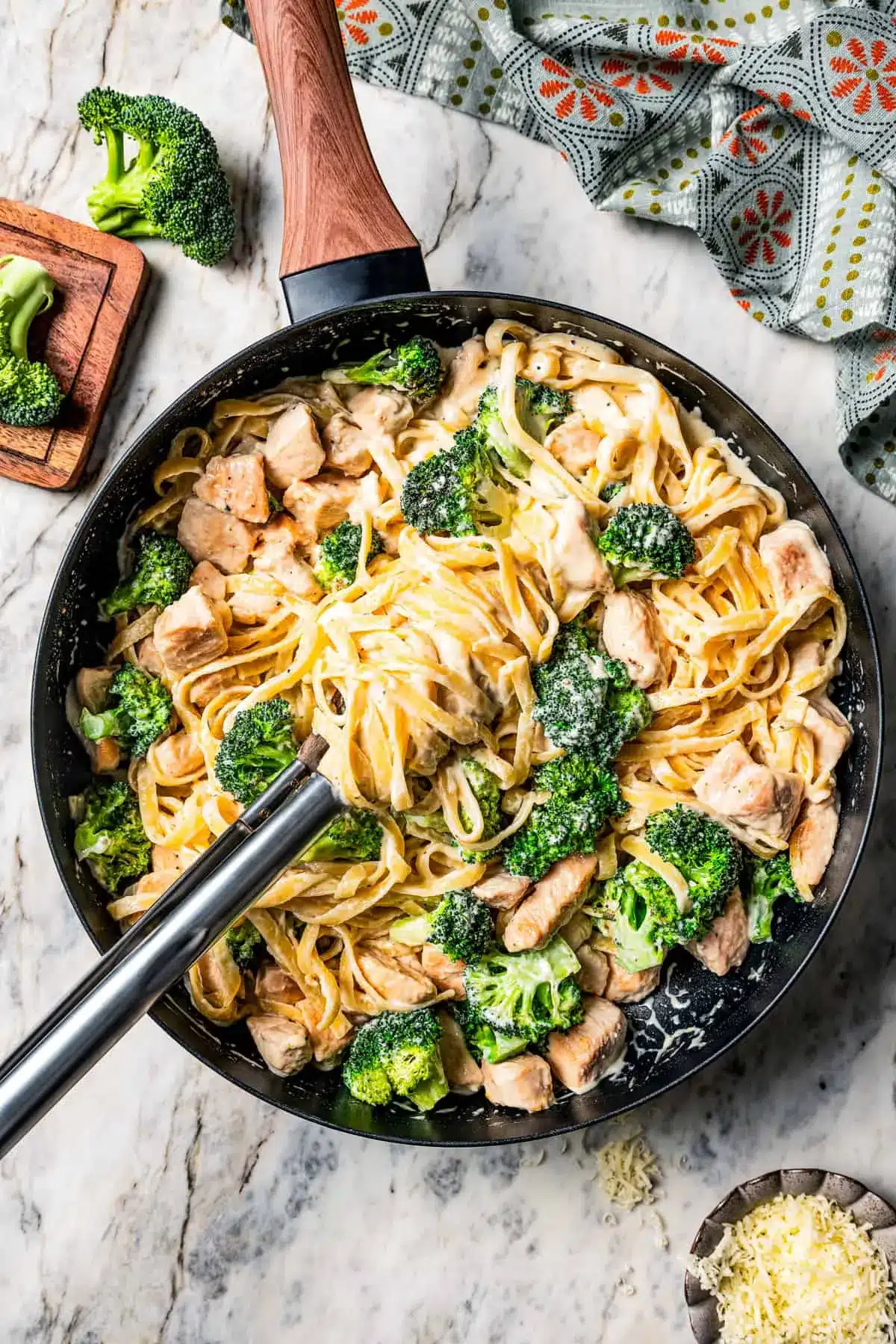
Embarking on a culinary adventure with Chicken Fettuccine Alfredo with Broccoli is akin to discovering a hidden gem in the realm of comforting weeknight meals. This dish promises a delightful symphony of textures and flavors, marrying the richness of classic Alfredo with the wholesome goodness of tender chicken and vibrant broccoli florets.
Imagine a scenario where a craving strikes, and within a mere 30 minutes, a restaurant-quality, deeply satisfying pasta dish graces your table, all from the convenience of your own kitchen. This recipe isn’t just about sustenance; it’s about creating moments of pure culinary bliss and simplifying your dinner routine without ever compromising on taste or quality.
Why You Will Love This Recipe
- Speedy Preparation: This entire delightful meal comes together in approximately 25 minutes, making it an ideal solution for busy weeknights or spontaneous dinner cravings.
- One-Pan Wonder: The beauty of this recipe lies in its minimal cleanup, as most of the cooking process happens in a single skillet, saving you precious time and effort.
- Rich and Creamy Texture: Indulge in the luxurious, velvety smooth Alfredo sauce, perfectly coating every strand of fettuccine, tender chicken, and crisp-tender broccoli.
- Versatile Ingredient Integration: The recipe is a masterclass in making the most of your ingredients, incorporating fresh broccoli and succulent chicken seamlessly into the decadent sauce.
- Customizable Comfort Food: Easily adapt this recipe to suit your preferences, whether you’re looking for dietary modifications or simply want to experiment with different flavor profiles.
Ingredients You Need
The foundation of any exceptional dish is the quality of its components, and this Chicken Fettuccine Alfredo with Broccoli is no exception. We aim for fresh, vibrant ingredients that will harmonize beautifully to create a memorable culinary experience. Each element plays a crucial role, from the tender chicken to the bright, crisp broccoli and the rich, velvety Alfredo sauce.
Chicken Fettuccine Alfredo with Broccoli

This quick and easy chicken fettuccine Alfredo with broccoli is a one-pan dinner with big pasta night potential. Made with tender broccoli florets, juicy chicken, and al dente fettuccine tossed together in a silky homemade Alfredo sauce. Ready in 25 minutes!
- 1 pound fettuccine pasta
- 2 tablespoons olive oil, divided
- 3 cups broccoli florets
- ¼ cup water
- 1.25 pounds boneless, skinless chicken breasts, cut into bite-size pieces
- 3 tablespoons unsalted butter
- 1½ cups heavy cream
- 1 teaspoon garlic powder
- 1 pinch nutmeg
- 1 cup freshly grated parmesan cheese
- salt and freshly ground black pepper, to taste
- 1Cook the pasta in a pot of salted boiling water according to the package directions. Drain the pasta and reserve 1 cup of the pasta water.
- 2Heat 1 tablespoon of olive oil in a large skillet over medium-high heat. Add broccoli florets and season to taste with salt and pepper. Cook the broccoli for 3 minutes. Then add ¼ cup of water and cook for 4 more minutes. Remove the broccoli from the skillet and set aside.
- 3Heat the remaining olive oil over medium-high heat in the same skillet. Add the chicken pieces and season to taste with salt and pepper. Cook the chicken for 4 to 5 minutes, or until golden brown and cooked through. Transfer the cooked chicken to the same bowl as the broccoli florets.
- 4Melt butter in the same skillet. Add heavy cream, garlic powder, and a pinch of nutmeg. Scrape any browned bits from the skillet. Bring the heavy cream to a simmer, then stir in freshly grated parmesan. Turn the heat to low.
- 5Add the reserved pasta water to the cream sauce and whisk it until well combined. Taste the sauce and adjust the seasoning (salt and pepper) if needed.
- 6Add the cooked pasta, broccoli, and chicken back into the skillet with the Alfredo sauce. Toss gently to incorporate all the ingredients, ensuring everything is evenly coated in the sauce.
- 7Serve the pasta warm, with some extra parmesan cheese if desired.
Keywords: Fettuccine, Chicken, Alfredo, Broccoli, Pasta, One-Pan, Quick, Easy, Dinner, Italian-American
- fettuccine pasta: the classic long, flat pasta that holds the creamy sauce perfectly.
- olive oil: for sautéing the chicken and broccoli, adding a subtle fruity note.
- broccoli florets: fresh, vibrant green florets that provide a delightful texture and color contrast.
- water: used for steaming the broccoli and adjusting sauce consistency.
- boneless, skinless chicken breasts: cut into bite-sized pieces for even cooking and easy eating.
- unsalted butter: the essential base for building the rich Alfredo sauce.
- heavy cream: the secret to that unmistakable, luxurious creamy texture.
- garlic powder: an aromatic spice that infuses the sauce with a hint of savory depth.
- nutmeg: a subtle, warm spice that adds a surprising layer of complexity to the sauce.
- freshly grated parmesan cheese: the star of the Alfredo sauce, providing a salty, nutty, umami-rich flavor.
- salt and freshly ground black pepper: to season each component and bring out the best in every ingredient.
The exact quantities for these ingredients can be found in the accompanying recipe card, ensuring you have precisely what you need for a perfect outcome.
Variations
This Chicken Fettuccine Alfredo with Broccoli serves as an excellent canvas for culinary creativity, allowing for delightful variations that cater to diverse tastes and dietary needs. Whether you’re aiming for a lighter dish, a vegetarian option, or a heartier meal, the core recipe provides a fantastic starting point.
For a delightful Vegan Twist, you can substitute the chicken with pan-seared tofu or plant-based chicken pieces. The heavy cream can be replaced with a rich cashew cream or a blend of full-fat coconut milk and vegetable broth, thickened slightly with nutritional yeast for a cheesy flavor. Ensure your parmesan is a vegan alternative, or simply omit it, relying on the other seasonings to provide ample flavor.
If you’re following a Low-Carb Lifestyle, swap the fettuccine for zucchini noodles (zoodles) or shirataki noodles. These substitutes absorb the creamy sauce beautifully and significantly reduce the carbohydrate content of the dish. You might need to adjust the cooking time for the noodles slightly to prevent them from becoming mushy, aiming for an al dente texture.
To introduce an element of Spicy Indulgence, consider adding a pinch of red pepper flakes to the Alfredo sauce as it simmers. You could also incorporate a finely diced jalapeño when sautéing the chicken and broccoli for an extra kick. For those who love a robust flavor, a touch of smoked paprika can add another dimension of deliciousness.
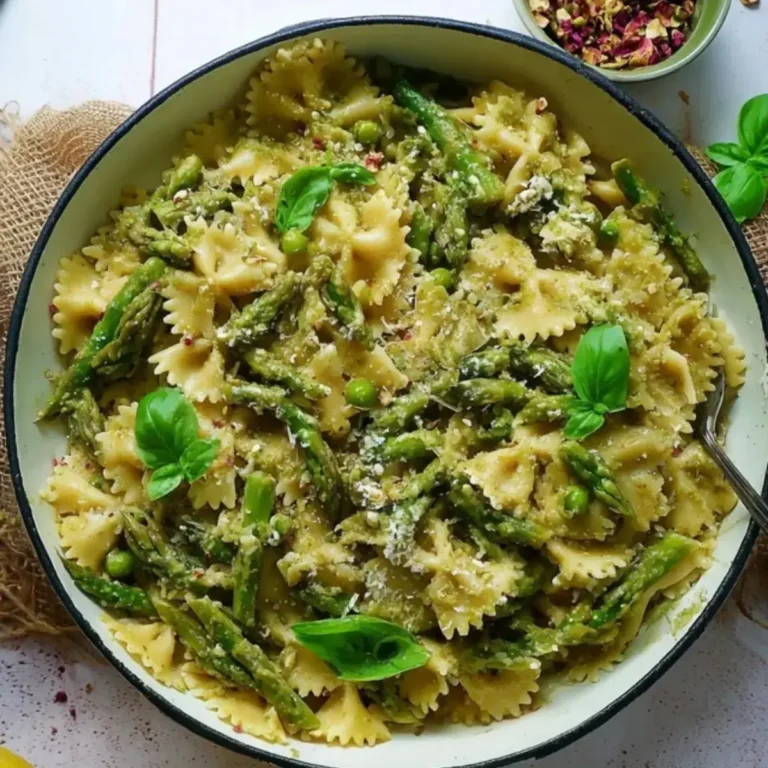
Furthermore, this dish can be transformed by incorporating different vegetables. Asparagus spears, sautéed mushrooms, or even a handful of fresh spinach wilted into the sauce at the end can add new textures and flavors. Each variation offers a unique way to enjoy the comforting embrace of fettuccine Alfredo.
How to Prepare Chicken Fettuccine Alfredo With Broccoli
Step 1: Prepare the Pasta
Begin by bringing a large pot of generously salted water to a rolling boil over high heat. The salt is crucial for flavoring the pasta from the inside out, ensuring it’s not bland. Once boiling, carefully add one pound of fettuccine pasta to the water. Stir the pasta immediately to prevent it from clumping together at the bottom of the pot.
Cook the fettuccine according to the package directions, aiming for an al dente texture, which means it should be tender but still have a slight bite. This is essential because the pasta will continue to cook slightly when it’s tossed with the sauce later. While the pasta is cooking, begin preparing the other components of the dish to maximize efficiency and have everything ready to go.
Before draining the pasta, it’s vital to reserve about one cup of the starchy pasta water. This cloudy liquid is a secret weapon for creating a perfectly emulsified and creamy sauce. The starches in the water help to bind the sauce ingredients together, giving it a luxurious, velvety consistency and preventing it from becoming greasy or watery. Carefully scoop out this reserved water using a mug or a heatproof bowl and set it aside for later use.
Step 2: Prepare the Broccoli
While the pasta is coming to a boil, take your fresh broccoli florets and rinse them thoroughly under cool running water to remove any dirt or debris. After rinsing, drain the broccoli well, ensuring there’s no excess water clinging to the florets. Excess moisture can steam the broccoli rather than allowing it to get a nice sautéed texture.
Prepare a large skillet by heating one tablespoon of olive oil over medium-high heat. Once the oil is shimmering and hot, add the seasoned broccoli florets to the skillet. Season them generously with salt and freshly ground black pepper to enhance their natural flavor. Stir the broccoli occasionally to ensure even cooking and browning.
After sautéing the broccoli for about three minutes, until it starts to turn a vibrant green and becomes slightly tender-crisp, add approximately ¼ cup of water to the skillet. Cover the skillet and let the broccoli steam for an additional four minutes. This steaming process helps to soften the broccoli to a perfect tender-crisp consistency without making it mushy. Once cooked, remove the broccoli from the skillet and set it aside on a plate with any other cooked components.
Step 3: Cook the Chicken
Ensure your boneless, skinless chicken breasts are cut into uniform, bite-sized pieces. This ensures that all the chicken cooks evenly and quickly, preventing some pieces from being overcooked while others are still raw. Pat the chicken pieces dry with paper towels; this step is crucial for achieving a good sear and golden-brown color.
Add the remaining tablespoon of olive oil to the same skillet used for the broccoli, ensuring it’s heated over medium-high heat. Once the oil is hot and shimmering, carefully add the seasoned chicken pieces to the skillet in a single layer. Avoid overcrowding the pan, as this will cause the chicken to steam rather than sear; cook in batches if necessary. Season the chicken with salt and pepper to your liking.
Cook the chicken for about four to five minutes, turning the pieces occasionally, until they are golden brown on all sides and cooked through to an internal temperature of 165°F (74°C). The goal is to achieve a lovely sear that locks in the juices. Once cooked, transfer the chicken pieces to the same plate where you set aside the cooked broccoli.
Step 4: Make the Alfredo Sauce
In the same skillet where you cooked the chicken, melt three tablespoons of unsalted butter over medium heat. As the butter melts, gently scrape any browned bits (fond) from the bottom of the skillet; these bits are packed with flavor and will enrich your sauce. Add one and a half cups of heavy cream to the skillet, along with one teaspoon of garlic powder and a pinch of nutmeg.
Stir the cream mixture well to combine it with the melted butter and any flavorful remnants from cooking the chicken. Bring the cream to a gentle simmer, stirring occasionally. Avoid boiling the cream vigorously, as this can cause it to curdle. The aim is a gentle, luxurious heat that allows the flavors to meld beautifully.
Once the cream mixture is simmering, gradually whisk in one cup of freshly grated Parmesan cheese. Continue whisking until the cheese is fully melted and the sauce is smooth and luscious. The sauce will begin to thicken as the cheese melts. Taste the sauce at this stage and adjust the seasoning with salt and freshly ground black pepper as needed, keeping in mind the saltiness of the Parmesan cheese.
Step 5: Combine and Finish
At this point, your fettuccine pasta should be perfectly cooked and drained. Take the reserved cup of starchy pasta water that you set aside earlier. Gradually add about half of this reserved pasta water to the Alfredo sauce in the skillet, whisking continuously. This addition will help to create a silkier, more emulsified sauce and will also help to bind the sauce to the pasta.
Add the drained fettuccine pasta, the cooked chicken pieces, and the tender broccoli florets back into the skillet with the Alfredo sauce. Use tongs or two large spoons to gently toss all the ingredients together. Ensure that every strand of pasta, every piece of chicken, and every broccoli floret is thoroughly coated in the creamy, decadent Alfredo sauce.
Continue to toss until everything is well combined and heated through. If the sauce appears too thick, add a little more of the reserved pasta water, one tablespoon at a time, until it reaches your desired consistency. The sauce should be rich and cling to the pasta, not pool at the bottom of the pan. Serve immediately, garnished with extra grated Parmesan cheese if desired.
Step 6: Serve and Enjoy
The moment of truth has arrived – serving this magnificent Chicken Fettuccine Alfredo with Broccoli. Ladle generous portions of the creamy, saucy pasta onto warm plates or into shallow bowls. Ensure each serving gets a good balance of pasta, tender chicken, and vibrant broccoli florets.
For an extra touch of elegance and flavor, sprinkle a little more freshly grated Parmesan cheese over the top of each serving. A final grind of black pepper can also add a nice visual and aromatic flourish. This dish is best enjoyed immediately while it is hot and the sauce is at its creamiest.
Pair this delightful pasta dish with a crisp green salad or some warm garlic breadsticks for a complete and satisfying meal. The bright, fresh flavors of a salad will beautifully complement the richness of the Alfredo, creating a perfectly balanced dining experience that is sure to impress.
Pro Tips for Chicken Fettuccine Alfredo With Broccoli
Quality Ingredients are Key: For the absolute best flavor, opt for high-quality pasta made from durum wheat semolina. Similarly, using fresh, vibrant broccoli and good quality Parmesan cheese will elevate the dish significantly. The better the ingredients, the more pronounced and delicious the final taste will be.
Don’t Overcook the Pasta: Remember to cook your fettuccine to an al dente stage, as it will continue to absorb sauce and soften slightly when combined in the skillet. Overcooked pasta can lead to a mushy texture that detracts from the overall experience of the dish.
Master the Sauce Consistency: The reserved pasta water is your best friend for achieving the perfect Alfredo sauce consistency. Add it gradually until the sauce is smooth, creamy, and coats the pasta beautifully without being too thick or too watery. Adjusting this is key to a restaurant-quality finish.
Sear the Chicken Properly: Ensure your skillet is sufficiently hot before adding the chicken pieces. This will help create a delicious golden-brown crust, locking in juices and adding fantastic flavor. Patting the chicken dry beforehand is crucial for achieving this sear.
Taste and Adjust Seasoning: Always taste your sauce before adding additional salt and pepper. The pasta water and Parmesan cheese can contribute a significant amount of saltiness. Adjusting the seasoning at the end ensures a perfectly balanced flavor profile.
Serving Suggestions for Chicken Fettuccine Alfredo With Broccoli
Decoration
To enhance the visual appeal of your Chicken Fettuccine Alfredo with Broccoli, consider garnishing each plate with a scattering of fresh, vibrant parsley. Finely chopped fresh parsley not only adds a pop of green color but also provides a subtle, fresh herbaceous note that cuts through the richness of the sauce. A final dusting of freshly grated Parmesan cheese over the top is also a classic and elegant finishing touch.
Side Dishes
This decadent pasta dish pairs wonderfully with a variety of complementary side dishes that offer a refreshing contrast to its creamy richness. A simple, crisp Caesar salad with its zesty dressing and crunchy croutons is a classic pairing that never disappoints. For those seeking a heartier meal, warm, crusty garlic bread or homemade focaccia bread are excellent choices for soaking up any extra Alfredo sauce.
Another delightful option is a light and refreshing tomato and cucumber salad, dressed with a simple vinaigrette. The acidity of the tomatoes and the crispness of the cucumber provide a welcome counterpoint to the creamy pasta. For a touch of Italian flair, consider serving it with a side of Caponata, a flavorful Sicilian eggplant relish that adds a complex sweet and savory dimension to the meal.
Creative Serving Ideas
Elevate your pasta presentation by serving individual portions in wide, shallow bowls, allowing the creamy sauce to pool attractively around the pasta, chicken, and broccoli. For a more casual gathering, a large platter or a family-style serving bowl can be used, encouraging guests to serve themselves. You could also present the dish in small, individual ramekins for a more elegant appetizer or a portion-controlled serving.
Consider adding a swirl of pesto to the finished dish for an unexpected burst of herbaceous flavor and a vibrant green contrast. Another creative idea is to offer a small side of roasted cherry tomatoes, which will burst with sweetness when eaten with the creamy pasta. For a truly indulgent experience, a small drizzle of truffle oil over the finished pasta can impart a luxurious aroma and flavor.
Preparation & Storage
Storing Leftovers
If you find yourself with delicious leftovers of Chicken Fettuccine Alfredo with Broccoli, proper storage is key to maintaining its quality. Allow the pasta to cool down to room temperature before transferring it to an airtight container. This prevents condensation from forming inside the container, which can make the sauce watery.
Store the container in the refrigerator for up to three days. While the creamy sauce might thicken slightly upon refrigeration, this is completely normal and easily remedied when reheating. Avoid storing the pasta for much longer than three days, as the quality will begin to degrade.
Freezing
Freezing Chicken Fettuccine Alfredo with Broccoli is possible, but it’s important to manage expectations regarding the texture of the sauce. Cream-based sauces can sometimes separate or become slightly grainy after freezing and thawing. For best results, it’s recommended to freeze only the cooked pasta and chicken, and then make a fresh Alfredo sauce to combine them with upon reheating.
If you choose to freeze the entire dish, ensure it’s in a freezer-safe, airtight container or a heavy-duty freezer bag. Remove as much air as possible before sealing to prevent freezer burn. Frozen pasta dishes are best consumed within one to two months for optimal quality. Thawing should ideally be done in the refrigerator overnight.
Reheating
To reheat your leftover Chicken Fettuccine Alfredo with Broccoli, the stovetop method is generally preferred for achieving the best texture. Place the leftovers in a skillet over medium-low heat. Add a tablespoon or two of water, milk, or even a splash of reserved pasta water if you have it. Stir gently and continuously until the pasta is heated through and the sauce is creamy again.
Alternatively, you can reheat the pasta in the microwave. Transfer a portion to a microwave-safe dish, add a splash of liquid (water or milk), cover loosely, and heat in 30-second intervals, stirring in between, until thoroughly warmed. Be cautious not to overheat, as this can cause the sauce to become oily or the pasta to become rubbery.
Frequently Asked Questions
-
Can I make Chicken Fettuccine Alfredo with Broccoli ahead of time?
While it’s best enjoyed fresh, you can prepare some components in advance to save time. The chicken can be cooked and stored in the refrigerator for up to two days. Similarly, the broccoli can be blanched or steamed and stored separately. The Alfredo sauce itself can also be made a day in advance and gently reheated before combining with the pasta, chicken, and broccoli. When reheating, you may need to add a little extra liquid (like milk or reserved pasta water) to loosen the sauce and achieve the desired creamy consistency.
-
What can I substitute for heavy cream in the Alfredo sauce?
For a slightly lighter version, you can use a combination of half-and-half and a small amount of cornstarch or flour to thicken it, although this may slightly alter the richness. Some find that full-fat coconut milk can work, but it will impart a subtle coconut flavor to the sauce. For a dairy-free option, a cashew cream made from soaked and blended cashews with water is an excellent substitute, providing a wonderfully creamy texture without dairy. Ensure any substitutes are added gradually and stirred well to prevent curdling.
-
Why is my Alfredo sauce grainy or oily?
A grainy or oily Alfredo sauce is often a result of overheating or over-stirring the sauce, particularly after the cheese has been added. When cheese is heated too intensely or for too long, its fat can separate from the solids, leading to an oily texture. Similarly, aggressive whisking can sometimes break down the emulsification. To avoid this, use medium-low heat when making the sauce, add the cheese gradually, and stir gently until just melted. If your sauce separates, try whisking in a tablespoon of the reserved pasta water over low heat; the starch can help re-emulsify the sauce.