Sheet Pan Chicken Dinner – Easy Meal Prep Idea!
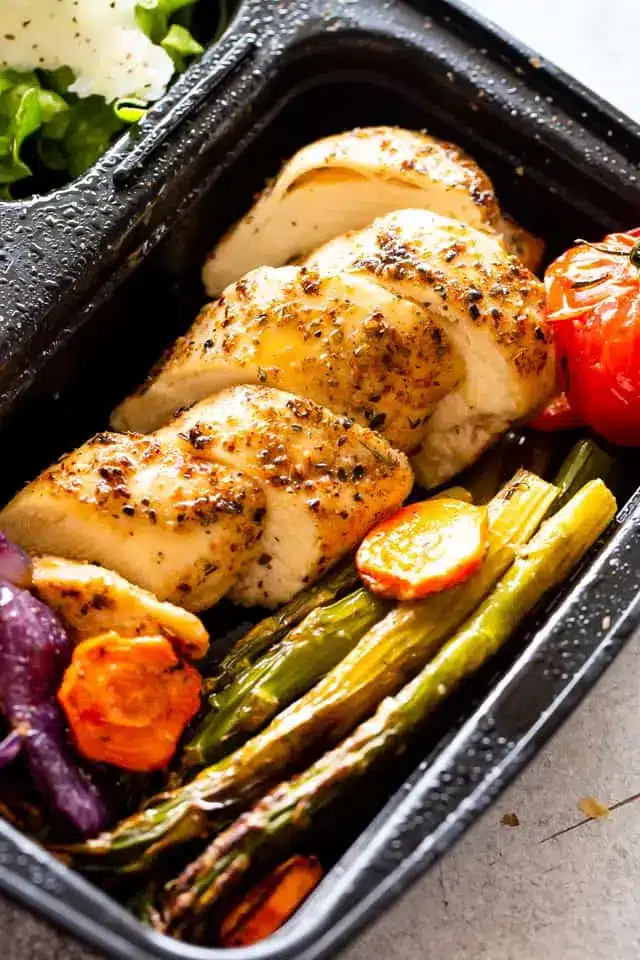
Embarking on a culinary adventure that promises both simplicity and exquisite flavor is always a delight, especially when weeknight dinners are concerned. This sheet pan chicken recipe stands out as a beacon of efficiency, harmonizing succulent chicken with a vibrant medley of vegetables and comforting potatoes, all cooked to perfection in a single pan.
Imagine a meal where the oven does most of the work, leaving you with minimal cleanup and maximum enjoyment. This is precisely the promise of this recipe, a true testament to how delicious and satisfying a meal can be when prepared with minimal fuss and maximum impact. It’s a dish designed for busy individuals and families who crave wholesome, home-cooked meals without the associated time commitment.
Why You Will Love This Recipe
- Effortless Preparation: With just 10 minutes of active prep time, this recipe is designed to fit seamlessly into even the busiest schedules, allowing you to enjoy a home-cooked meal without the stress.
- One-Pan Wonder: The beauty of this dish lies in its singular cooking vessel; everything cooks together on one sheet pan, significantly reducing your cleanup time and effort after the meal.
- Versatile Vegetable Selection: You have the freedom to customize the accompanying vegetables based on your preferences or what’s seasonal, ensuring endless variations and catering to diverse tastes.
- Excellent for Meal Prep: This recipe is a dream for meal preppers, as the cooked chicken and vegetables store beautifully in the refrigerator for up to 5 days, making lunches and dinners a breeze.
- Kid-Friendly and Crowd-Pleasing: The combination of tender chicken, familiar vegetables, and perfectly roasted potatoes is a hit with both children and adults, making it an ideal dish for family dinners or casual entertaining.
Ingredients You Need
The success of any dish begins with the quality of its ingredients, and this sheet pan chicken is no exception. Opting for fresh, high-quality components will elevate the final flavors and textures, ensuring a truly memorable meal. From the chicken breasts to the vibrant array of vegetables and aromatic seasonings, each element plays a crucial role in creating this culinary masterpiece.
Sheet Pan Chicken
This flavorful sheet pan chicken recipe is ready in under an hour, with juicy seasoned chicken breasts, tender potatoes, and vegetables all baked together. It's perfect for an easy weeknight chicken dinner, and great for meal prep!
- 4 boneless, skinless chicken breasts (about 1 to 1½ pounds total)
- 3 cups diced potatoes
- 1 pound asparagus, ends trimmed
- 2 large carrots, diced or thinly sliced
- 1 large red onion, quartered
- 2 cups cherry tomatoes (optional)
- 2 tablespoons olive oil, divided
- 2 cloves garlic, minced, divided
- 1 teaspoon garlic powder
- 1½ teaspoons dried rosemary, divided
- 1½ teaspoons dried thyme, divided
- Salt and freshly ground black pepper, to taste
- 1 tablespoon butter, cut into 4 pats
- 1Preheat oven to 425°F. Line a large sheet pan with parchment paper or foil.
- 2Cut up the potatoes, Brussels sprouts, asparagus, carrots, and red onion. Place each in a separate corner of the prepared sheet pan. Do not add cherry tomatoes yet.
- 3Drizzle olive oil over the vegetables. Season with garlic powder, ½ teaspoon dried rosemary, ½ teaspoon dried thyme, salt, and pepper.
- 4Place 2 chicken breasts over a large piece of parchment paper. Rub both sides of the chicken with a bit of olive oil, and season with salt, pepper, ½ teaspoon rosemary, ½ teaspoon thyme, and half of the minced garlic.
- 5Place a pat of butter on top of each chicken breast and tightly seal the parchment paper around the chicken breasts. Repeat with the remaining 2 chicken breasts.
- 6Place the wrapped chicken packets on the sheet pan, surrounded by the vegetables.
- 7Bake for 30 minutes, or until chicken is cooked through (internal temperature reaches 165°F).
- 8Optionally, 10 minutes before it's done cooking (around the 20-minute mark), add cherry tomatoes to the sheet pan.
- 9Remove from oven and let stand for 5 minutes. Unwrap the chicken and serve.
Keywords: Sheet Pan Chicken, Chicken Dinner, Easy Weeknight Meal, Meal Prep, Roasted Vegetables, One-Pan Meal
- boneless, skinless chicken breasts: Opt for plump, fresh chicken breasts for the most succulent results.
- diced potatoes: Choose starchy varieties like Yukon Gold or Russet for tender, fluffy interiors when roasted.
- brussel sprouts: Fresh, firm sprouts that are a vibrant green will offer the best flavor and texture when roasted.
- asparagus: Look for bright green spears with firm tips, ensuring they are neither too thin nor too thick for even cooking.
- large carrots: Sweet and earthy carrots, diced or thinly sliced, add both color and a delightful sweetness to the dish.
- large red onion: A red onion adds a beautiful color and a slightly milder, sweeter flavor when roasted compared to yellow varieties.
- cherry tomatoes: These small, sweet gems burst with flavor when roasted, adding a lovely pop of acidity and color towards the end of cooking.
- olive oil: Extra virgin olive oil is preferred for its fruity notes and health benefits, but any good quality cooking oil will suffice.
- cloves garlic: Freshly minced garlic provides a pungent, aromatic base that enhances all the other flavors in the dish.
- garlic powder: A convenient way to boost the garlic flavor profile, complementing the fresh garlic beautifully.
- dried rosemary: This robust herb adds a piney, slightly peppery note that pairs exceptionally well with chicken and root vegetables.
- dried thyme: Aromatic and slightly floral, thyme offers a warm, earthy flavor that rounds out the herb blend perfectly.
- salt and freshly ground black pepper: Essential for enhancing all the other flavors and providing basic seasoning.
- butter: A small pat of butter melts into the chicken, adding richness and helping to keep it incredibly moist.
The precise quantities for each ingredient are readily available in the recipe card below, ensuring you have all the measurements you need for perfect execution.
Variations
The beauty of a sheet pan dinner lies in its inherent adaptability, allowing for endless culinary explorations. This foundational recipe serves as a perfect canvas for a myriad of dietary needs and flavor preferences, ensuring everyone can enjoy a delicious and satisfying meal.
For those following a plant-based lifestyle, transforming this into a vibrant vegan feast is remarkably simple. Replace the chicken with firm tofu or tempeh that has been pressed and cubed, marinating it in a similar spice blend with a splash of soy sauce or tamari for depth. Then, load up the sheet pan with an even greater assortment of vegetables – think broccoli florets, cauliflower, bell peppers, and zucchini. Ensure these plant-based proteins and hearty vegetables receive adequate roasting time, perhaps giving them a head start in the oven before adding quicker-cooking greens.
Embracing a low-carb approach means focusing on non-starchy vegetables and protein. Swap the potatoes for cauliflower florets, Brussels sprouts, or even chunks of zucchini and bell peppers. You could also introduce hearty, low-carb vegetables like asparagus and green beans. For an added protein boost and healthy fats, consider adding a sprinkle of nuts or seeds, like slivered almonds or pumpkin seeds, during the last few minutes of baking for a delightful crunch. The chicken remains the star, perfectly seasoned and complemented by a colorful, low-carbohydrate vegetable medley.
Exploring global flavors offers another exciting avenue for variation. Consider a Mediterranean twist by adding Kalamata olives, sun-dried tomatoes, and a sprinkle of feta cheese towards the end of baking. Alternatively, infuse an Asian-inspired profile by marinating the chicken in a mixture of soy sauce, ginger, garlic, and a touch of sesame oil, and then roasting it with vibrant vegetables like snap peas, bok choy, and red bell peppers. A sprinkle of sesame seeds and a drizzle of sriracha before serving would complete this flavorful fusion.
How to Prepare sheet pan chicken
Step 1: Prepare to Bake
The journey to a perfect sheet pan chicken dinner begins with preheating your oven to a robust 425°F (220°C). This high temperature is crucial for achieving beautifully caramelized vegetables and ensuring the chicken is cooked through efficiently. Lining your large sheet pan with parchment paper or aluminum foil is an essential step that not only makes for incredibly easy cleanup but also helps prevent sticking, allowing the ingredients to roast rather than steam.
Having everything prepared and ready to go before you start assembling is key to a smooth cooking process. This includes gathering all your ingredients, chopping vegetables, and measuring out spices. It ensures that once the oven is hot and the pan is lined, you can move quickly through the subsequent steps without any delays, maintaining the optimal temperature and ensuring even cooking.
Take a moment to ensure your baking sheet is indeed large enough to accommodate all the ingredients without overcrowding. Overcrowding can lead to steaming rather than roasting, which would compromise the desired crispy edges on the vegetables and the juicy interior of the chicken. If your pan is too small, consider using two pans to ensure adequate space for each component to develop its full flavor and texture.
Step 2: Cut the Veggies
Carefully chop all your chosen vegetables into roughly uniform, bite-sized pieces, aiming for pieces around 1-inch in size. This consistency in size is paramount for ensuring that all the vegetables cook evenly and at the same rate. For example, dice the potatoes and carrots into roughly equal cubes, halve the Brussels sprouts, and trim the woody ends from the asparagus spears. Quarter the red onion, ensuring each segment is of a similar dimension.
When selecting vegetables, consider their density and how quickly they cook. Root vegetables like potatoes and carrots typically require a bit more time, so ensure they are cut to a size that allows them to become tender without burning. More delicate vegetables, such as asparagus, cook much faster and can be added later or cut slightly larger to accommodate the longer cooking time of the heartier options. This careful consideration of size and cooking time is a hallmark of excellent sheet pan cooking.
Place each type of prepared vegetable in a separate section or corner of your lined sheet pan. This initial separation allows you to season each vegetable group individually if desired, or simply to ensure they are arranged attractively before seasoning. It’s important to note that the cherry tomatoes, being delicate and quick-cooking, should not be added at this stage; they will be introduced later in the cooking process to prevent them from becoming mushy.
Step 3: Season the Veggies
Once your vegetables are neatly arranged on the sheet pan, it’s time to imbue them with flavor. Drizzle the olive oil evenly over all the chopped vegetables. This oil is crucial as it acts as a conductor for heat, promoting even browning and caramelization, and also helps the seasonings adhere beautifully to the vegetable surfaces. Ensure every piece gets a light coating of oil.
Next, generously season the vegetables with the garlic powder, half of the dried rosemary, half of the dried thyme, and a good pinch of salt and freshly ground black pepper. The garlic powder provides a foundational savory note, while the herbs infuse an aromatic complexity. Salt is essential for bringing out the natural sweetness of the vegetables, and pepper adds a subtle warmth and bite. Feel free to adjust the seasoning amounts to your personal preference, ensuring a balanced and delicious outcome.
Gently toss the vegetables on the pan with your hands or a spatula to ensure they are evenly coated with the oil and seasonings. This step is vital for guaranteeing that every bite is bursting with flavor. Spread the seasoned vegetables out into a single layer on the sheet pan, leaving ample space in the center for the chicken. This arrangement promotes optimal air circulation, which is key to achieving that desirable roasted texture rather than a steamed one.
Step 4: Season the Chicken
Prepare the chicken breasts by patting them completely dry with paper towels. This step is crucial for achieving a beautiful sear and preventing the chicken from steaming. Place two chicken breasts onto a large piece of parchment paper, ensuring there’s enough room to wrap them securely. Rub both sides of each chicken breast with a small amount of olive oil, which helps the seasonings adhere and promotes browning.
Now, season the chicken generously on all sides with salt, freshly ground black pepper, the remaining dried rosemary, the remaining dried thyme, and half of the minced fresh garlic. The combination of herbs and garlic will create a wonderfully aromatic crust. Press the seasonings gently into the chicken to ensure they adhere well. If you are using fresh garlic, evenly distribute the minced cloves over the surface of the chicken breasts before wrapping.
Place a pat of butter on top of each chicken breast. This seemingly small addition makes a significant difference, as the butter will melt during baking, basting the chicken and infusing it with richness and moisture. Tightly seal the parchment paper around the chicken breasts, creating individual packets. This encloses the chicken, allowing it to steam in its own juices and the melted butter, resulting in incredibly tender and flavorful meat. Repeat this entire process for the remaining two chicken breasts.
Step 5: Bake
Carefully transfer the parchment-wrapped chicken packets to the center of the prepared baking sheet, nestled amongst the seasoned vegetables. Ensure the packets are not overlapping and have enough space around them. This strategic placement allows the chicken to cook evenly and the vegetables to roast to perfection simultaneously.
Place the sheet pan into the preheated oven and bake for approximately 30 minutes. The exact baking time may vary slightly depending on the thickness of your chicken breasts and your oven’s calibration. The goal is to ensure the chicken is cooked through and reaches an internal temperature of 165°F (74°C) when tested with an instant-read thermometer inserted into the thickest part of the breast.
If you are incorporating the optional cherry tomatoes, add them to the sheet pan about 10 minutes before the end of the cooking time. Scatter them around the roasted vegetables, allowing them to soften and slightly blister in the heat. This ensures they are warm and burst with flavor but not overcooked.
Step 6: Rest and Serve
Once the chicken has reached the desired internal temperature and the vegetables are tender and caramelized, carefully remove the sheet pan from the oven. Allow the chicken packets to rest, still sealed in their parchment paper, for about 5 minutes. This resting period is crucial as it allows the juices within the chicken to redistribute, resulting in a more tender and moist final product. Skipping this step can lead to juices running out when sliced, resulting in drier chicken.
When you are ready to serve, carefully unwrap the parchment packets. Be mindful of the hot steam that will escape as you open them. The aroma will be incredible! The chicken should be perfectly cooked and juicy, and the vegetables tender and flavorful. Serve the chicken alongside the roasted vegetables directly from the pan, or arrange them attractively on serving plates for a more formal presentation.
This sheet pan chicken is wonderfully versatile and can be enjoyed as is, or served with a variety of sides such as German pancakes (though perhaps a savory variation!), fluffy rice, or a fresh side salad. The simplicity of the dish makes it a perfect candidate for busy weeknights, yet it’s elegant enough to impress guests.
Pro Tips for sheet pan chicken
Uniform Vegetable Cuts are Key: To ensure everything cooks evenly, take the time to cut your vegetables into similarly sized pieces, roughly 1-inch cubes. This applies especially to root vegetables like potatoes and carrots, which take longer to soften. Vegetables like asparagus and Brussels sprouts cook faster, so while they can be cut similarly, their inherent tenderness means they’ll be ready in conjunction with the other components.
Don’t Overcrowd the Pan: This is a golden rule for all roasting. If your sheet pan is too crowded, the vegetables will steam instead of roast, leading to a lack of caramelization and flavor. If necessary, use two baking sheets to give everything ample space. This ensures hot air can circulate freely around each piece, promoting crispy edges and tender interiors.
Adjust Cooking Times for Different Vegetables: While the recipe aims for common cooking times, be aware that your ingredients might vary. Root vegetables need more time, while softer vegetables like bell peppers or zucchini will cook much faster. If you’re adding quick-cooking vegetables, consider adding them to the pan during the last 10-15 minutes of baking to prevent them from becoming mushy. For instance, baked lemon chicken recipes often benefit from precise vegetable timing.
Use Parchment Paper or Foil Religiously: This isn’t just about easy cleanup, although that’s a significant perk. Parchment paper helps prevent sticking, allowing ingredients to roast beautifully and develop a nice crust. Foil can also be used, but parchment paper often yields a slightly better result for crispiness. It also helps contain any juices, making the transfer from oven to table mess-free.
Rest the Chicken: Just like with any roasted chicken, allowing the chicken breasts to rest for 5-10 minutes after baking is crucial. This resting period allows the juices to redistribute throughout the meat, ensuring that every bite is succulent and moist. Slicing too soon will cause those precious juices to escape onto the pan, leaving you with drier chicken.
Serving Suggestions for sheet pan chicken
Decoration
Elevate the visual appeal of your sheet pan chicken with fresh garnishes. A sprinkle of finely chopped fresh parsley or chives adds a vibrant green contrast and a burst of freshness. A few extra sprigs of rosemary or thyme, artfully placed on the platter, not only enhance the aroma but also hint at the delicious flavors within. For a touch of elegance, a light drizzle of good quality extra virgin olive oil or a balsamic glaze can add a sophisticated sheen and complementary flavor profile.
Side Dishes
This versatile sheet pan chicken pairs beautifully with a variety of sides that complement its rustic charm. A simple, crisp green salad with a light vinaigrette offers a refreshing counterpoint to the richness of the roasted components. Fluffy quinoa or couscous can absorb any extra savory juices from the pan, providing a satisfying base. For a more indulgent meal, consider serving it alongside creamy mashed potatoes or garlic butter noodles, which beautifully echo the flavors in the chicken.
For those seeking lighter options, steamed green beans or a medley of roasted asparagus and broccoli make excellent additions. A side of warm, crusty bread is perfect for mopping up any delicious pan juices. If you’re looking for inspiration that complements chicken, exploring recipes like easy lobster bisque recipe (though a different flavor profile, it showcases complementary seafood notes) can sometimes spark ideas for textural or flavorful additions.
Creative Serving Ideas
Transform your sheet pan chicken into an exciting meal with a few creative twists. Shred the cooked chicken and mix it with the roasted vegetables to create hearty taco or fajita fillings, served in warm tortillas with your favorite toppings. The chicken and vegetables can also be chopped and mixed with a creamy dressing to create a flavorful chicken salad, perfect for sandwiches or lettuce wraps. Consider using leftover chicken and vegetables as a topping for a loaded baked potato or sweet potato.
For a delightful brunch or light supper option, chop the chicken and vegetables and incorporate them into a frittata or quiche. The vibrant colors and savory flavors will make for a stunning and delicious dish. You can also pack the shredded chicken and roasted vegetables into funfetti cookies (note: this is a humorous pairing suggestion, implying a mix-and-match for unexpected delights rather than a direct recipe link), or a hearty grain bowl topped with a flavorful sauce or pesto. The possibilities are truly endless, making this sheet pan chicken a cornerstone for weeknight innovation.
Preparation & Storage
Storing Leftovers
Should you be fortunate enough to have leftovers, proper storage is key to maintaining their deliciousness for days to come. Once the chicken and vegetables have cooled to room temperature, transfer them into an airtight container. This prevents the food from drying out and also protects it from absorbing any unwanted odors from other items in your refrigerator.
Store the container in the refrigerator. This recipe holds up exceptionally well, and the flavors often meld and deepen overnight, making it just as tasty, if not more so, on the second or third day. It is generally recommended to consume leftovers within 5 days for optimal quality and safety, though they can often remain safe for consumption for a slightly longer period if stored correctly.
When packing your leftovers, consider portioning them into individual containers if you plan on using them for lunches or quick meals throughout the week. This makes reheating a breeze and ensures you have perfectly portioned servings ready to go at a moment’s notice, making your meal prep efforts even more efficient.
Freezing
This sheet pan chicken and vegetable dish freezes remarkably well, making it an excellent candidate for batch cooking and stocking your freezer for future convenience. Allow the cooked mixture to cool completely before proceeding with the freezing process to prevent the formation of ice crystals, which can affect the texture.
Portion the cooled chicken and vegetables into freezer-safe containers or heavy-duty freezer bags. It’s advisable to remove as much air as possible from the packaging before sealing to minimize the risk of freezer burn. Label each container with the date it was frozen to keep track of your inventory.
When stored properly in the freezer, this dish can maintain its quality for up to 2 months. When you’re ready to enjoy it, simply transfer the frozen portion to the refrigerator the night before to allow it to thaw gradually. This gradual thawing process helps to retain the moisture and texture of the chicken and vegetables.
Reheating
Reheating this flavorful sheet pan chicken and vegetables is straightforward and can be done using various methods to suit your preference and available equipment. For a quick and easy reheat, place a portion in a microwave-safe dish and heat on medium power in 1-2 minute intervals, stirring occasionally, until heated through. Be mindful not to overheat, which can dry out the chicken.
Alternatively, for a crisper texture on the vegetables, reheat the leftovers in a skillet on the stovetop over medium heat. Add a splash of water or a touch of oil if needed to prevent sticking and ensure even heating. Cover the skillet to trap steam and help the chicken and vegetables heat thoroughly.
The oven also provides an excellent method for reheating, especially if you want to revive some of the roasted crispness. Spread the leftovers on a baking sheet and warm them in a preheated oven at around 350°F (175°C) for 10-15 minutes, or until everything is hot throughout. Whichever method you choose, the goal is to heat the dish evenly without overcooking it, ensuring you can enjoy your delicious leftovers as if they were freshly made.
Frequently Asked Questions
- Can I use chicken thighs instead of breasts for this sheet pan chicken recipe?
Absolutely! Chicken thighs are a fantastic alternative and often yield even more tender and flavorful results due to their higher fat content. If you opt for boneless, skinless chicken thighs, they will likely cook in a similar timeframe to the breasts. However, if you are using bone-in, skin-on chicken thighs, you will need to increase the cooking time significantly, potentially by 10-15 minutes, or until an internal temperature of 165°F (74°C) is reached. It’s always best to use a meat thermometer to ensure doneness, regardless of the cut you choose. Bone-in cuts also benefit from the added flavor they impart to the surrounding vegetables.
- What are the best vegetables to use for sheet pan dinners, and how should I cut them?
The best vegetables for sheet pan dinners are those that can withstand higher roasting temperatures and have similar cooking times. Excellent choices include broccoli florets, cauliflower florets, Brussels sprouts, carrots, potatoes (sweet or regular), red onions, bell peppers, and asparagus. For consistent cooking, aim to cut all vegetables into roughly uniform, bite-sized pieces, typically around 1-inch cubes. Denser vegetables like potatoes and carrots should be cut to size to ensure they become tender without burning. Quicker-cooking vegetables like asparagus or cherry tomatoes can be added later in the cooking process or cut slightly larger to match the cooking time of the heartier components. A good rule of thumb is to think about the density of the vegetable and adjust your cuts accordingly to achieve perfectly cooked results across the board.
- How can I make this sheet pan chicken recipe spicier?
To add a spicy kick to your sheet pan chicken, there are several delicious options you can incorporate. You can add a pinch of cayenne pepper or red pepper flakes directly to the seasoning mix for the chicken and vegetables, adjusting the amount to your desired level of heat. Another effective method is to toss some sliced jalapeños or serrano peppers along with the other vegetables before roasting. For a more intense heat and flavor, you could create a spicy marinade for the chicken using ingredients like hot sauce, chili powder, and a touch of honey or maple syrup. Finally, a drizzle of your favorite hot sauce or a sprinkle of chili flakes over the finished dish just before serving will provide an immediate burst of spice.