Cacio e Pepe: Irresistible Creamy Italian Pasta for Two
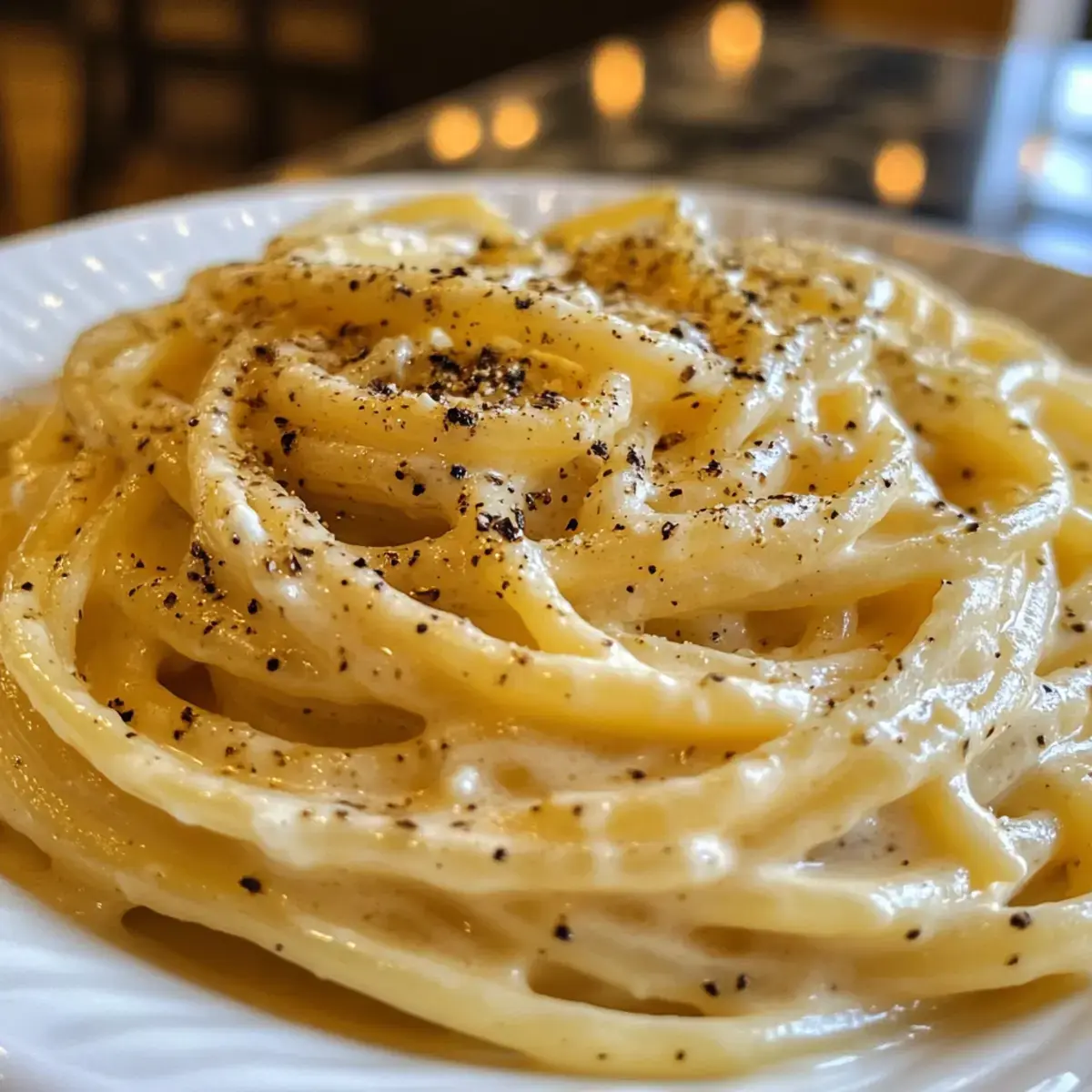
As the steam rises from a pot of boiling water, the aroma of freshly toasted black pepper fills the air, instantly transporting me to a cozy trattoria in Rome. This is the magic of Cacio e Pepe—an unassuming yet wonderfully creamy pasta dish that brings together just a few quality ingredients for an incredible meal.
Perfect for a quick dinner after a long day or an intimate date night, this recipe showcases the beauty of Italian cuisine, balancing simplicity and indulgence effortlessly. With options for dairy-free and gluten-free substitutions, it caters to a variety of dietary needs without sacrificing flavor. Ready to elevate your weeknight dinners? Let’s dive into the comforting world of Cacio e Pepe, where every bite offers a warm embrace of savory goodness.
Why You Will Love This Recipe
- Simplicity Redefined: With just a handful of ingredients, this classic Italian dish proves that cooking doesn’t have to be complicated to be exceptional. It’s a testament to how a few carefully selected components can create culinary magic.
- Irresistibly Creamy Texture: The luscious sauce clings beautifully to the pasta, creating an indulgent experience that comforts with every bite. This creamy coating is the hallmark of a perfectly executed Cacio e Pepe.
- Remarkably Quick to Make: Ready in under 20 minutes, Cacio e Pepe is your ideal companion for busy weeknights or spontaneous dinner invitations. It delivers maximum flavor with minimum time investment.
- Diet-Friendly Adaptations: Easily adapt this recipe to be dairy-free or gluten-free, ensuring everyone can enjoy its comforting embrace. Explore suggestions for delicious dairy-free alternatives and satisfying gluten-free pasta options.
- Guaranteed Crowd-Pleaser: This dish is guaranteed to impress, whether it’s a casual family dinner or a romantic evening for two. Its universal appeal makes it a reliable choice for any occasion.
Ingredients You Need
The beauty of Cacio e Pepe lies in its minimal ingredient list, allowing the quality of each component to truly shine. Sourcing the freshest Pecorino Romano cheese and the most aromatic black peppercorns will elevate this dish from simple to sublime. Always opt for good-quality pasta, as it forms the foundation of this comforting classic.
Cacio e Pepe: Quick and Creamy Italian Comfort
Discover the magic of Cacio e Pepe, a quick and creamy Italian pasta dish that embodies simplicity and indulgence. Perfect for a weeknight dinner or an intimate date night.
- 8 ounces Spaghetti or Bucatini (Substitute with gluten-free pasta if needed.)
- 1 cup Pecorino Romano Cheese (Can substitute with vegan cheese for a dairy-free alternative.)
- 2 tablespoons Butter (Use vegan butter to keep it dairy-free.)
- 1/2 cup Heavy Cream (Feel free to omit for a traditional version.)
- 1-2 teaspoons Freshly Cracked Black Pepper (Toast for better flavor.)
- Optional: 1 tablespoon Lemon Zest
- Optional: 1 cup Sautéed Vegetables (like spinach or peas)
- 1Cook Pasta: Fill a large pot with salted water and bring to a rolling boil. Add pasta and cook according to package directions until al dente.
- 2Prepare Sauce: While pasta cooks, toast 1-2 teaspoons of freshly cracked black pepper in a wide pan over medium heat until fragrant (2-3 minutes).
- 3Reserve Pasta Water: Before draining pasta, reserve about 1 cup of the starchy cooking water. Drain pasta.
- 4Mix Cheese & Water: In a mixing bowl, combine ½ cup of hot reserved pasta water with grated Pecorino Romano cheese. Stir vigorously until smooth and creamy.
- 5Combine: Return the pepper pan to low heat. Add drained pasta and immediately pour the cheese-water mixture over it. Toss gently with tongs, adding more reserved pasta water as needed to achieve a silky consistency.
- 6Serve: Plate immediately in shallow bowls. Garnish with extra Pecorino Romano and black pepper if desired.
Keywords: Cacio e Pepe, pasta, Italian, quick dinner, creamy, comfort food, vegetarian
- spaghetti or bucatini: The perfect pasta choice for this dish, offering excellent sauce-holding capabilities.
- pecorino romano cheese: Essential for its sharp, salty, and nutty flavor profile, creating the creamy sauce.
- butter: Adds richness and helps to emulsify the sauce, contributing to its luxurious texture.
- heavy cream: While optional for the most traditional versions, it enhances the creaminess and luxurious feel.
- freshly cracked black pepper: The star spice, providing warmth and aroma; toasting it amplifies its flavor.
For specific quantities and precise measurements, please refer to the detailed recipe card integrated within this article.
Variations
The classic Cacio e Pepe is a masterpiece of simplicity, but its inherent flexibility allows for exciting and delicious variations that cater to diverse palates and dietary needs. Don’t hesitate to experiment and make this beloved Italian dish your own.
For a vibrant and nutritious twist, consider incorporating a medley of fresh, seasonal vegetables. Tender spinach wilts beautifully into the sauce, adding a pop of color and essential vitamins. Sweet peas offer a burst of freshness, contrasting wonderfully with the rich cheese and peppery notes. Even finely chopped asparagus or sautéed mushrooms can bring new dimensions of flavor and texture to your Cacio e Pepe, transforming it into a more substantial and wholesome meal.
To embrace a plant-based lifestyle, a delicious vegan Cacio e Pepe is entirely achievable. Swap the Pecorino Romano for a high-quality vegan hard cheese alternative, which often has a nutty and salty profile. Use vegan butter or a drizzle of olive oil to achieve a similar richness. The key is to ensure the vegan cheese melts well and emulsifies with the starchy pasta water to create that signature creamy sauce.
If you’re seeking a lighter, brighter flavor profile, a touch of lemon zest can work wonders. The fragrant citrus oils cut through the richness of the cheese and butter, adding a refreshing zest that awakens the palate. A small amount of lemon juice can also be incorporated, but be mindful not to overpower the delicate balance of the dish. This variation is particularly delightful during warmer months or when you desire a palate-cleansing element.
How to Prepare Cacio e Pepe
Step 1: Cook the Pasta to Al Dente Perfection
Begin this culinary journey by selecting a generous-sized pot, essential for ensuring your pasta has ample room to cook evenly without clumping. Fill this pot generously with cold water, then add a substantial amount of salt. The water should taste like the sea; this is crucial for flavoring the pasta from the inside out. Bring the water to a vigorous, rolling boil over high heat, a critical stage that signals the pasta is ready to be introduced.
Once the water is at its peak boiling point, carefully add your chosen pasta, whether it’s classic spaghetti or robust bucatini. It’s important to cook the pasta according to the package directions, aiming for that perfect al dente texture—firm to the bite but not hard. Stir the pasta occasionally throughout the cooking process to prevent strands from sticking together, ensuring each piece is cooked to its optimal state.
The exact cooking time will vary depending on the type and brand of pasta you use. For spaghetti and bucatini, this typically falls between 8 to 10 minutes. Taste a strand periodically to gauge its doneness; you want a slight resistance when you bite into it. Overcooked pasta will become mushy and will not hold the sauce properly, compromising the dish’s signature texture. Properly cooked al dente pasta is the bedrock of a successful Cacio e Pepe.
Step 2: Toast the Black Pepper for Maximum Aroma
While your pasta is diligently cooking in its salted bath, shift your attention to building the flavor foundation of the sauce. Select a wide, shallow pan, which will be ideal for tossing the pasta later and allows for even distribution of the pepper’s potent fragrance. Place this pan over medium heat, letting it warm up slightly before introducing the star of this aromatic step.
Add your freshly cracked black pepper to the dry pan. Use a generous amount, as the pepper is a primary flavor component, not merely a garnish. Toasting the pepper for about 2 to 3 minutes is key; you’ll know it’s ready when its pungent aroma becomes intensely fragrant, signifying that its essential oils have been awakened and released. Stir the pepper frequently during this process to prevent any chance of scorching or burning, which would impart a bitter taste.
The transformation that happens during toasting is remarkable. Pre-ground pepper offers a duller flavor, but freshly cracked and toasted peppercorns release a complex, nuanced heat and perfume that is simply unparalleled. This simple step dramatically elevates the overall depth and character of your Cacio e Pepe, making it a truly memorable dish. The aroma alone is enough to whet your appetite for the delicious meal to come.
Step 3: Reserve Pasta Water – The Secret Emulsifier
As soon as your pasta reaches that coveted al dente stage, it’s time to perform a crucial task: reserving a portion of the starchy cooking water. This seemingly humble liquid is the linchpin of a perfectly creamy Cacio e Pepe sauce, acting as a natural emulsifier that binds the cheese and fat together. Use a heatproof measuring cup or a ladle to carefully scoop out approximately 1 cup of this starchy elixir before you drain the pasta.
Once the water has been reserved, promptly drain the pasta using a colander. It is vitally important that you do not rinse the pasta under cold water after draining. Rinsing would wash away the precious starch that coats the pasta strands, starch that is essential for creating the smooth, cohesive sauce. The pasta should be allowed to cool slightly but should be kept warm and ready for the next stage.
This reserved pasta water contains dissolved starches released from the pasta during cooking, along with salt. When combined with the cheese and butter, these starches help to create a stable emulsion, preventing the sauce from becoming greasy or watery. Think of it as liquid gold for your pasta dish; without it, achieving that signature luscious texture would be nearly impossible. Handle this water with care and keep it warm until it’s time to use.
Step 4: Craft the Creamy Cheese Emulsion
In a separate mixing bowl, combine a portion of the still-hot reserved pasta water with your finely grated Pecorino Romano cheese. The heat from the pasta water is essential for initiating the melting process of the cheese. Use a whisk or a fork to stir this mixture vigorously and continuously. The goal here is to create a smooth, lump-free, and creamy sauce that coats the back of a spoon.
This is where the magic truly begins to happen. As you whisk, the starch from the pasta water helps to bind with the proteins and fats in the cheese, forming a cohesive and velvety emulsion. If the mixture seems too thick at this stage, don’t be alarmed; you can always add a little more hot pasta water, a tablespoon at a time, until you achieve your desired consistency. It should be fluid enough to pour over the pasta but thick enough to cling beautifully.
The quality of your Pecorino Romano cheese is paramount here; freshly grated cheese melts much more smoothly than pre-grated varieties, which often contain anti-caking agents. A microplane grater is ideal for producing a fine, fluffy texture that incorporates seamlessly. This careful emulsification is the secret to the luxurious, silken sauce that defines an exceptional Cacio e Pepe. Patience and consistent whisking are your allies in this crucial step.
Step 5: The Harmonious Marriage of Pasta and Sauce
Now, return the wide pan with the toasted black pepper to the stovetop, setting it over very low heat. Immediately add the freshly drained, al dente pasta directly into this pan. This ensures the pasta is warm and ready to embrace the sauce, and the residual heat from the pan aids in the emulsification process.
Swiftly pour the creamy cheese-water mixture from the bowl directly over the hot pasta in the pan. Using tongs, gently but efficiently toss the pasta, ensuring every strand is coated in the luscious sauce. This tossing action is vital; it helps to further emulsify the sauce and distribute the pepper evenly throughout the dish. Add small splashes of the remaining reserved pasta water as needed, continuing to toss, until the sauce reaches a perfectly silky and creamy consistency that beautifully clings to each strand of pasta without appearing watery or clumpy.
This step requires a delicate touch and a keen eye. You are looking for a sauce that is fluid enough to coat the pasta but thick enough to adhere without dripping. The starchy pasta water acts as the binder, and the constant tossing encourages the fat from the cheese and butter to meld with the liquid. If the sauce seems too dry, add a touch more pasta water; if it’s too thin, continue tossing over low heat, allowing some of the liquid to evaporate. The goal is a harmonious marriage of pasta and sauce.
Step 6: Serve Immediately for Optimal Enjoyment
Cacio e Pepe is a dish that truly shines when served immediately after preparation. The creamy sauce is at its most pristine and velvety right out of the pan, before any ingredients have had a chance to separate or cool significantly. Plate your glorious Cacio e Pepe promptly, ideally in warmed, shallow bowls, which are perfect for showcasing the creamy texture and ensuring an elegant presentation.
For an extra touch of visual appeal and flavor, consider finishing each serving with a light sprinkle of additional finely grated Pecorino Romano cheese and another twist of freshly cracked black pepper. This final flourish not only enhances the taste but also adds a beautiful textural contrast and aromatic punch to the dish. It’s the subtle details that can transform a good meal into an exceptional one.
To complete your Italian dining experience, serve the Cacio e Pepe alongside a crisp, refreshing green salad dressed with a light vinaigrette or a selection of perfectly roasted seasonal vegetables. These accompaniments provide a delightful balance to the richness of the pasta, creating a well-rounded and satisfying meal that is both comforting and impressively elegant. Enjoy every delightful bite of this Roman classic.
Pro Tips for Cacio e Pepe
Master the Consistency: Always reserve more pasta water than you think you’ll need; this starchy liquid is your best friend for adjusting the sauce’s thickness. If it becomes too dense, a splash of hot pasta water will instantly restore its creamy, fluid texture. Don’t be afraid to add it gradually until perfection is achieved.
Elevate the Pepper: Toasting your black pepper is non-negotiable for optimal flavor. This simple step awakens the pepper’s natural oils and releases an intense, fragrant aroma that is far superior to pre-ground spices. It’s a small effort for a monumental impact on your Cacio e Pepe.
Fine Grating is Key: Grate your Pecorino Romano cheese as finely as possible. Using a microplane grater is highly recommended, as it produces a fluffy texture that melts smoothly and incorporates seamlessly into the sauce. Clumpy cheese can ruin the texture, so fine grating is essential for a silken finish.
Embrace the Heat: Control the spice level by starting with less pepper if you are sensitive to heat. You can always add more, tasting as you go, to customize the kick to your precise preference. The goal is a pleasant warmth, not an overpowering burn.
Serve Swiftly: Cacio e Pepe is best enjoyed immediately. The sauce is most emulsified and creamy right after tossing. Delaying serving can lead to the sauce thickening too much or separating, so have your bowls ready and serve as soon as the pasta is perfectly coated.
Serving Suggestions for Cacio e Pepe
Decoration
A final flourish of finely grated Pecorino Romano cheese adds a savory depth and a beautiful visual appeal, mimicking a delicate snowfall. A few extra twists of freshly cracked black pepper provide both an aromatic lift and a subtle visual contrast. For a touch of green and freshness, a scattering of finely chopped fresh parsley or chives can offer a vibrant herbaceous note and a pop of color.
Side Dishes
To balance the richness of the pasta, a simple yet vibrant salad is an excellent choice. Consider a mixed greens salad with a light lemon-Dijon vinaigrette, which cuts through the creaminess beautifully. Roasted vegetables such as asparagus, broccoli florets, or cherry tomatoes, caramelized to perfection, offer a sweet and earthy counterpoint. Crusty bread, perfect for sopping up any lingering sauce, is always a welcome addition to an Italian meal.
Creative Serving Ideas
For an elegant presentation, serve individual portions in shallow, warmed bowls, allowing the sauce to pool invitingly. You can also arrange the pasta in a neat nest before garnishing, creating a more artistic presentation. Consider serving it as part of a multi-course Italian feast, perhaps preceded by a delicate antipasto like bruschetta or a light carpaccio, and followed by a refreshing sorbet to cleanse the palate.
Preparation & Storage
Storing Leftovers
To store leftover Cacio e Pepe, allow it to cool completely before transferring it to an airtight container. Ensure the container is well-sealed to prevent the pasta from drying out. It will keep in the refrigerator for up to 2 days. For best results, try to consume it within this timeframe, as the sauce’s texture may change slightly with prolonged storage.
Freezing
While Cacio e Pepe is best enjoyed fresh, it can be frozen, though with some caveats. Allow the dish to cool thoroughly. Transfer it to a freezer-safe container, ensuring it’s well-wrapped to prevent freezer burn. Leave a little headspace, as liquids expand when frozen. Frozen Cacio e Pepe should be consumed within approximately 1 month for optimal quality. The texture of the sauce might be slightly altered upon reheating.
Reheating
Reheating Cacio e Pepe requires a gentle approach to restore its creamy consistency. Place the leftover pasta in a skillet over low heat. Add a splash of reserved pasta water, a little milk, or a small amount of cream. Stir continuously as it warms, allowing the liquid to help re-emulsify the sauce and bring back its silky texture. Avoid high heat, which can cause the cheese to become stringy or oily.
Frequently Asked Questions
-
How do I select the right pasta for Cacio e Pepe and what if I need a gluten-free option?
When preparing Cacio e Pepe, traditional choices like spaghetti or bucatini are highly recommended because their shape and texture allow the creamy sauce to cling perfectly. If you require a gluten-free alternative, opt for pastas made from rice, corn, or chickpeas; these gluten-free varieties generally hold up well and absorb flavors effectively. Regardless of the type, ensure you cook the pasta to an ideal al dente texture, meaning it should be tender yet retain a slight firmness when bitten, as this is crucial for the final sauce consistency.
-
What is the best method for storing and reheating leftover Cacio e Pepe to maintain its quality?
To properly store leftover Cacio e Pepe, allow it to cool to room temperature before sealing it in an airtight container and refrigerating; it should remain fresh for up to two days. When you’re ready to reheat, it’s best to do so gently on the stovetop over low heat. Add a small splash of reserved pasta water, milk, or cream to the pan as you stir; this helps to re-emulsify the sauce and restore its creamy texture, preventing it from becoming dry or clumpy. Avoid microwaving if possible, as it can sometimes alter the sauce’s consistency unevenly.
-
Can I make Cacio e Pepe for a larger group, and are there any specific adjustments needed for scaling up the recipe?
Absolutely, Cacio e Pepe is a wonderfully scalable dish that can be prepared for a larger gathering with relative ease. When increasing the quantities, maintain the same ratios of ingredients, particularly the cheese and pepper to pasta. You will need a larger pot to cook more pasta and a wider pan or large bowl for tossing to ensure everything is evenly coated. The key is to work in batches if necessary to avoid overcrowding the pan, which can prevent proper emulsification of the sauce, or use a very large mixing bowl for the final toss. Ensure you have enough starchy pasta water reserved, as you’ll need more of it to create the sauce for a larger volume of pasta.