Moroccan Chicken & Rice Recipe That Will Wow Your Taste Buds!
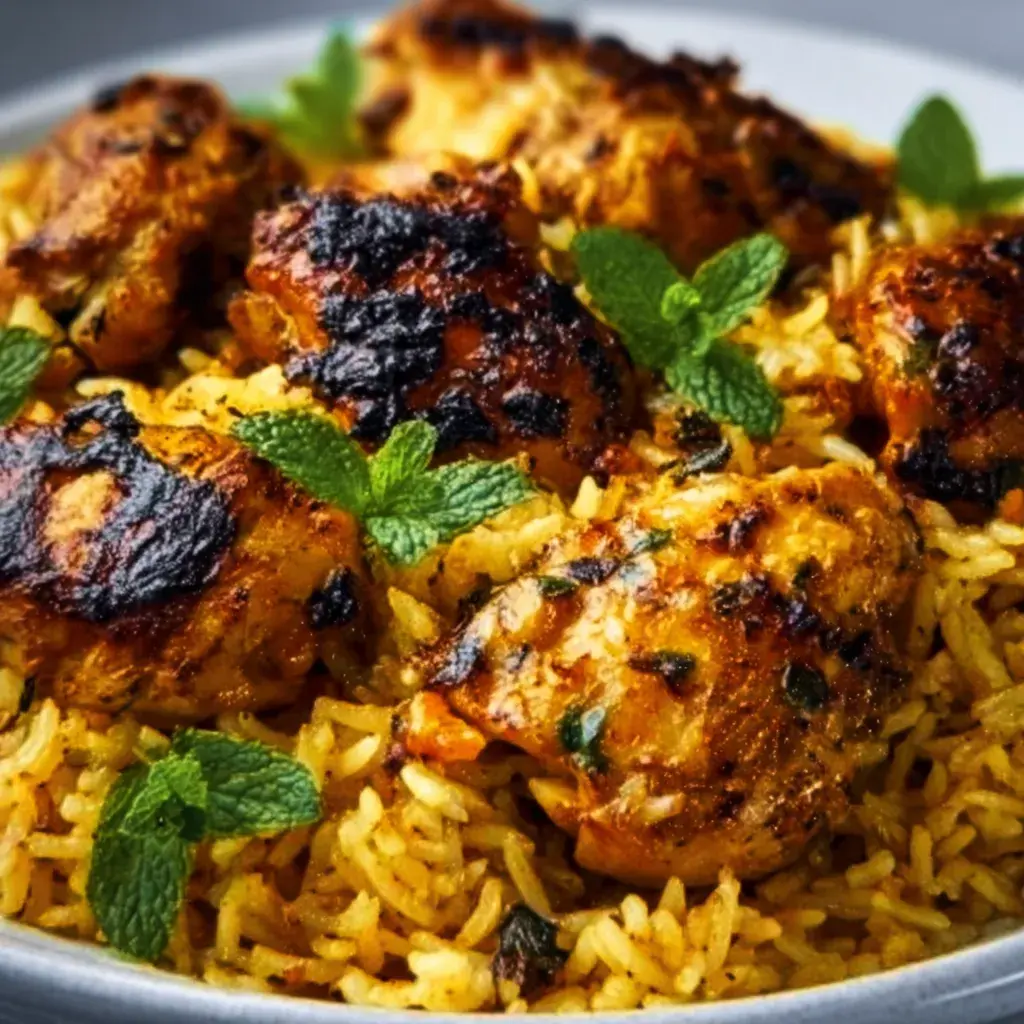
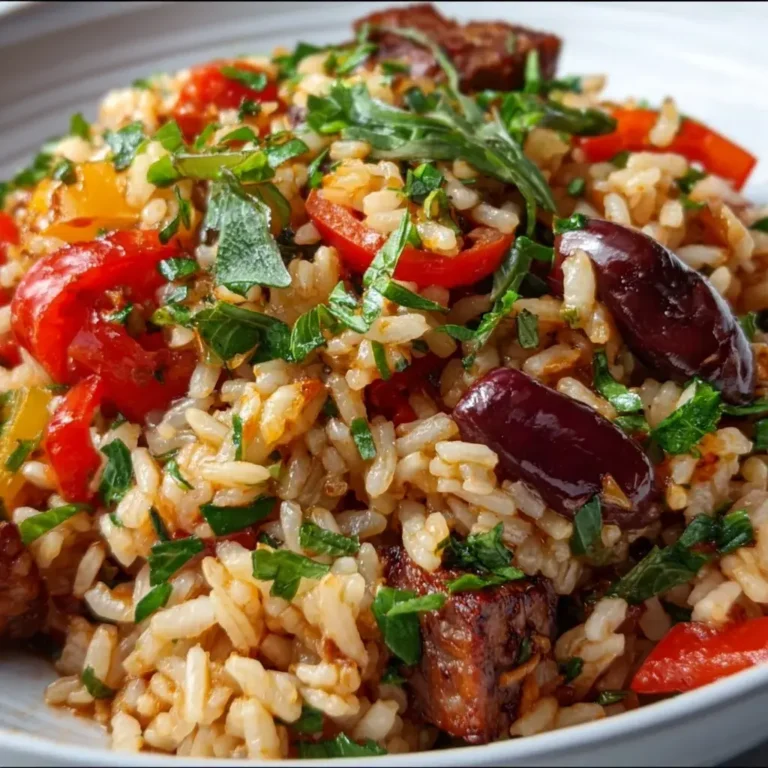
Moroccan Chicken & Rice brings a symphony of warm spices, tender meat, and fluffy rice together in one unforgettable dish. The first time I made this recipe, the aroma of cinnamon, cumin, and ginger transformed my kitchen into a Marrakech marketplace. There’s something magical about how these fragrant spices bloom in the pan, wrapping around tender chicken pieces and infusing every grain of rice with their essence.
Whether you’re looking to expand your weeknight dinner rotation or impress guests with something special, this dish delivers both comfort and excitement in every bite. It’s a culinary journey that’s surprisingly accessible for any home cook, promising a truly memorable meal.
Why You Will Love This Recipe
- Aromatic Spices: The signature blend of cinnamon, cumin, ginger, and paprika creates a deeply fragrant and warm flavor profile that is both exotic and comforting.
- Tender Chicken: Chicken thighs are used, which are naturally richer and more forgiving than breasts, ensuring every bite is succulent and moist.
- Fluffy Rice: Perfectly cooked basmati or jasmine rice soaks up all the delicious juices and spices, becoming a flavorful component of the dish itself.
- One-Pot Simplicity: Most of the cooking happens in a single pot, minimizing cleanup and making it an ideal choice for busy weeknights.
- Versatile and Adaptable: Easily customizable with different vegetables, spice levels, or dietary substitutions, allowing you to make it your own.
Ingredients You Need
The success of any dish hinges on the quality of its components, and this Moroccan Chicken & Rice is no exception. Opting for fresh, high-quality ingredients will elevate the final flavor profile significantly. Consider using freshly ground spices for their superior aroma and potency; they truly make a difference. For the chicken, boneless, skinless thighs offer the best balance of flavor and tenderness, remaining juicy throughout the cooking process.
Moroccan Chicken & Rice
Moroccan Chicken & Rice brings a symphony of warm spices, tender meat, and fluffy rice together in one unforgettable dish. The aroma of cinnamon, cumin, and ginger transforms your kitchen. This one-pot wonder is perfect for busy weeknights or impressing guests.
- 1.5 lbs boneless, skinless chicken thighs, cut into 1-inch pieces
- 1 tbsp olive oil
- 1 large onion, chopped
- 2 cloves garlic, minced
- 1 tsp ground cumin
- 1 tsp ground cinnamon
- 1/2 tsp ground ginger
- 1/2 tsp turmeric
- 1/4 tsp paprika
- 1/4 tsp black pepper
- 1/4 tsp salt
- 1.5 cups basmati rice, rinsed
- 3 cups chicken broth
- 1/2 cup chopped dried apricots
- 1/4 cup slivered almonds, toasted
- Fresh cilantro or parsley, chopped, for garnish
- 1Heat olive oil in a large pot or Dutch oven over medium-high heat. Add chicken and cook until browned on all sides. Remove chicken and set aside.
- 2Add onion to the pot and cook until softened, about 5 minutes. Add garlic, cumin, cinnamon, ginger, turmeric, paprika, pepper, and salt. Cook, stirring, for 1 minute until fragrant.
- 3Stir in the rinsed rice and cook for 1 minute, stirring to coat the grains.
- 4Pour in the chicken broth and bring to a boil. Return the chicken to the pot. Stir in the dried apricots.
- 5Reduce heat to low, cover, and simmer for 15-20 minutes, or until the rice is tender and liquid is absorbed.
- 6Let stand, covered, for 5-10 minutes before fluffing with a fork.
- 7Garnish with toasted almonds and fresh cilantro or parsley before serving.
Keywords: Moroccan, Chicken, Rice, One-pot, Spices, Comfort Food, Weeknight Dinner
- chicken thighs: boneless, skinless, cut into bite-sized pieces
- olive oil: for sautéing and browning
- onion: finely chopped for the aromatic base
- garlic: minced, adding pungency and depth
- ginger: freshly grated, for a zesty warmth
- ground cumin: earthy and essential for Moroccan flavors
- ground coriander: citrusy and warm, it complements cumin perfectly
- ground cinnamon: provides a subtle, sweet spice note
- turmeric: for vibrant color and earthy undertones
- paprika: sweet or smoked, depending on your preference for depth
- cayenne pepper: a pinch for a gentle kick of heat (optional)
- chicken broth: low-sodium is recommended to control saltiness
- diced tomatoes: canned, contributing acidity and moisture
- dried apricots: chopped, adding a touch of sweetness and chewiness
- almonds: slivered or sliced, toasted for garnish and crunch
- fresh cilantro: chopped, for a burst of freshness as a garnish
- fresh parsley: chopped, another herb to brighten the dish
- salt: to taste, for seasoning
- black pepper: freshly ground, for a pungent finish
- basmati rice: rinsed, the perfect fluffy grain for this dish
The specific quantities for these ingredients are detailed within the accompanying recipe card, ensuring you have precisely what you need for perfect results. This carefully selected list forms the foundation of the dish’s complex and delightful character.
Variations
This Moroccan Chicken & Rice is wonderfully adaptable, allowing you to tailor it to various dietary needs and flavor preferences. One popular adaptation is the vegan version. For this, you would replace the chicken thighs with hearty ingredients like chickpeas and chunks of roasted butternut squash or eggplant. The cooking liquid would then transition from chicken broth to a rich vegetable broth, ensuring the dish remains flavorful and satisfying.
Another exciting variation is a low-carb option. Instead of traditional rice, you can opt for cauliflower rice. This significantly reduces the carbohydrate count while still absorbing the delicious spices and chicken juices. The cauliflower rice can be added towards the end of the cooking process, or sautéed separately and folded in just before serving to maintain its texture.
For those who enjoy a bit more heat, consider incorporating a tablespoon or two of harissa paste along with the other spices. Harissa, a North African chili paste, will lend a smoky, spicy depth that can be adjusted to your personal tolerance. This adds another layer of complexity to the already vibrant flavor profile of the dish, making it truly your own. Each variation offers a unique way to enjoy the core essence of this delightful meal.
How to Prepare Moroccan Chicken & Rice
Step 1: Preparing the Chicken and Aromatics
Begin by ensuring your chicken thighs are cut into uniform, bite-sized pieces; this helps them cook evenly and absorb the marinade more effectively. Pat the chicken dry with paper towels to promote better browning, which is crucial for developing deep flavor. In a large bowl, toss the chicken pieces with a generous pinch of salt, black pepper, and about half of the ground spices – cumin, coriander, cinnamon, turmeric, and paprika. Let this marinate for at least 15-20 minutes at room temperature while you prepare the other ingredients; longer marination, even up to a few hours in the refrigerator, will enhance the flavor penetration even further.
While the chicken is marinating, finely chop one large yellow onion and mince at least four cloves of garlic. Grate about an inch of fresh ginger. These aromatics form the flavor base of the dish and will be sautéed in olive oil until softened and fragrant. This initial sautéing process is fundamental to building the complex flavor profile that defines Moroccan cuisine. The subtle sweetness of the onion, the pungency of the garlic, and the sharp zest of the ginger all meld together beautifully.
For an even richer flavor, you could add a tablespoon of tomato paste to the sautéed aromatics and cook for another minute until it darkens slightly; this intensifies its flavor and adds a deeper umami note to the entire dish. Don’t be afraid to let the onions caramelize slightly, as this will add a natural sweetness that balances the spices. The visual cue for readiness is when the onions turn translucent and begin to soften, releasing their sweet fragrance into the air.
Step 2: Browning the Chicken and Blooming the Spices
Heat about two tablespoons of olive oil in a large, heavy-bottomed pot or Dutch oven over medium-high heat. Once the oil is shimmering, carefully add the marinated chicken pieces in a single layer; avoid overcrowding the pot, as this will steam the chicken rather than brown it. You may need to work in batches. Sear the chicken for about 3-4 minutes per side until it is nicely browned and has developed a golden-crusted exterior. This browning step is essential for both flavor and texture, creating those delicious caramelized bits on the bottom of the pot.
Remove the browned chicken from the pot and set it aside on a plate. Do not clean the pot. Pour off any excess fat, leaving about one tablespoon. Reduce the heat to medium and add the chopped onion to the pot. Sauté the onion for about 5-7 minutes, stirring occasionally, until it softens and becomes translucent, scraping up any browned bits from the bottom of the pan. This process will deglaze the pot, incorporating those flavorful bits into the onion mixture, forming the foundation of your sauce.
Add the minced garlic and grated ginger to the pot and cook for another minute until fragrant, being careful not to burn the garlic. Now, it’s time to bloom the spices. Add the remaining ground cumin, coriander, cinnamon, turmeric, paprika, and a pinch of cayenne pepper (if using) to the pot. Stir constantly for about 30-60 seconds until the spices become very fragrant. This step, known as blooming, significantly intensifies the flavor and aroma of the spices by releasing their essential oils.
Step 3: Simmering the Base
Pour in about two cups of low-sodium chicken broth and add a 14.5-ounce can of diced tomatoes (undrained). Scrape the bottom of the pot vigorously with a wooden spoon to loosen any browned bits that have accumulated. These bits are packed with flavor and will enrich the sauce immensely. Bring the mixture to a gentle simmer, allowing the flavors to meld and deepen.
Return the browned chicken pieces to the pot, along with any juices that have accumulated on the plate. Stir everything together to ensure the chicken is partially submerged in the liquid. Add the chopped dried apricots to the pot; these will soften and lend a subtle sweetness that beautifully complements the savory spices. You can also add a bay leaf at this stage if you wish, which will impart a mild herbal note.
Cover the pot and reduce the heat to low. Let the mixture simmer gently for about 20-25 minutes, or until the chicken is cooked through and tender, and the sauce has thickened slightly. This slow simmer allows the flavors to meld together beautifully and the chicken to become incredibly succulent. Stir occasionally to prevent sticking and ensure even cooking. Taste the sauce and adjust seasoning with salt and pepper as needed; you might find it needs a little more of either depending on the broth and tomatoes used.
Step 4: Cooking the Rice
While the chicken mixture is simmering, rinse 1.5 cups of basmati or jasmine rice under cold running water until the water runs clear. This step is crucial for removing excess starch, which helps prevent the rice from becoming gummy. Drain the rice thoroughly and set it aside.
In a separate medium saucepan, combine the rinsed rice with 2.5 cups of water or chicken broth. Add a pinch of salt and a teaspoon of olive oil or butter if desired. Bring the liquid to a boil over medium-high heat. Once boiling, immediately reduce the heat to the lowest setting, cover the saucepan tightly with a lid, and let it steam for 15-18 minutes, or until all the liquid has been absorbed and the rice is tender. It’s important not to lift the lid during this steaming process, as it allows the steam to cook the rice perfectly.
Once the rice has finished steaming, remove the saucepan from the heat and let it stand, covered, for an additional 5-10 minutes. This resting period allows the moisture to distribute evenly throughout the grains, resulting in perfectly fluffy, separate rice. Fluff the rice gently with a fork before serving. If the rice seems a little dry, you can stir in a tablespoon of butter or a drizzle of olive oil.
Step 5: Bringing It All Together and Serving
Once the chicken has finished simmering and the rice is cooked, it’s time to combine these delicious components. Carefully remove the lid from the chicken pot. The sauce should have thickened nicely, and the chicken should be fork-tender. Stir in half of the chopped fresh cilantro and parsley into the chicken mixture for a final burst of herbaceous flavor and color. This step adds a lovely freshness that balances the richness of the spices and meat.
To serve, spoon a generous portion of the fluffy basmati rice onto each plate or into shallow bowls. Ladle the Moroccan chicken and its aromatic sauce over the rice, ensuring you get plenty of tender chicken pieces, softened apricots, and rich gravy. The visual appeal is just as important as the taste; the vibrant colors of the turmeric and paprika, combined with the green herbs, make this a truly inviting dish.
Garnish each serving liberally with toasted slivered almonds for a delightful crunch and the remaining fresh cilantro and parsley. A final drizzle of good quality olive oil or a squeeze of fresh lemon juice can also enhance the flavors beautifully. For a complete meal experience, consider pairing it with a side of plain yogurt or a simple cucumber salad to provide a cooling contrast to the warm spices. This dish is a feast for the senses, offering a complex yet comforting eating experience.
Pro Tips for Moroccan Chicken & Rice
- Toast Your Spices: Always bloom your dried spices in a little hot oil for about 30 seconds until fragrant. This step is critical for releasing their full aromatic potential and significantly enhances the depth of flavor in the final dish.
- Don’t Skip Browning: Properly browning the chicken pieces, even in batches, is essential. The Maillard reaction creates those desirable caramelized bits on the bottom of the pan, which form the flavorful foundation for your sauce.
- Rice Rinse is Key: Thoroughly rinsing your basmati or jasmine rice under cold water until the water runs clear removes excess starch. This prevents your rice from becoming clumpy or mushy, ensuring each grain remains separate and fluffy.
- Rest Your Rice: After cooking, letting the rice steam, covered and off the heat, for 5-10 minutes is crucial. This allows the moisture to distribute evenly, resulting in perfectly cooked, tender grains.
- Taste and Adjust: Don’t be afraid to taste the sauce before serving and adjust the seasoning. A little more salt, pepper, a squeeze of lemon juice, or even a tiny pinch of sugar can dramatically improve the balance of flavors.
Serving Suggestions for Moroccan Chicken & Rice
Decoration
The visual appeal of Moroccan Chicken & Rice is enhanced with thoughtful garnishes. Toasted slivered almonds provide a beautiful golden-brown crunch and add textural interest. Freshly chopped cilantro and parsley are essential, offering vibrant green flecks that contrast with the warm colors of the dish. A final drizzle of high-quality extra virgin olive oil can add a glossy sheen and a touch of richness.
Side Dishes
To complement the rich, spiced flavors of the chicken and rice, consider serving it with a cooling, refreshing side dish. A simple cucumber and yogurt salad, perhaps with a hint of mint, offers a delightful contrast. Alternatively, a light arugula salad dressed with lemon vinaigrette provides a peppery bite that cuts through the richness. Warm, pillowy flatbread is perfect for scooping up every last drop of the delicious sauce, making it an essential accompaniment for many.
Creative Serving Ideas
For a more casual presentation, serve the Moroccan Chicken & Rice family-style in a large, shallow platter, allowing everyone to help themselves. You could also portion it into individual bowls, layering the rice at the bottom and topping it with the chicken and sauce. To elevate the dish for a special occasion, consider adding a scattering of pomegranate seeds for a burst of jewel-like color and tartness, or even a small dollop of harissa paste on the side for those who prefer extra heat. This dish is incredibly versatile and lends itself well to various culinary presentations.
Preparation & Storage
Storing Leftovers
Moroccan Chicken & Rice stores remarkably well, and the flavors often deepen and meld beautifully overnight. Once cooled completely, transfer any leftovers into an airtight container. It is best to store the chicken and rice mixture together to maintain moisture. Properly stored in the refrigerator, this dish should remain delicious for up to 3 to 4 days, making it an excellent candidate for meal prepping or packing lunches.
Freezing
This flavorful dish also freezes beautifully, allowing you to enjoy its comforting taste even further down the line. Portion the cooled leftovers into freezer-safe containers or heavy-duty freezer bags. Ensure they are sealed tightly to prevent freezer burn. It’s advisable to freeze individual portions for easier thawing and reheating. When stored correctly in the freezer, Moroccan Chicken & Rice can be kept for up to 2 to 3 months.
Reheating
To reheat, it’s best to add a small splash of chicken broth or water to the leftovers before gently warming them. This helps to rehydrate the rice and prevent it from becoming dry. You can reheat this dish in a few ways: on the stovetop over low heat, stirring occasionally, or in the microwave at medium power until heated through. Be patient and warm it gently to maintain the best texture and moisture content.
Frequently Asked Questions
-
Can I make Moroccan Chicken & Rice ahead of time?
Yes, this dish is an excellent make-ahead option and actually benefits from some resting time as the flavors continue to meld. You can prepare the entire dish up to a day in advance and store it in the refrigerator. When ready to serve, gently reheat it on the stovetop or in the oven, adding a little extra broth or water if needed to prevent dryness. For the best presentation, garnish with fresh herbs and toasted almonds just before serving to maintain their crunch and vibrancy.
-
What can I use if I don’t have dried apricots?
If dried apricots are not available or not to your preference, there are several excellent substitutes that can provide a similar sweetness and texture. Chopped dates are a wonderful alternative, offering a richer, caramel-like sweetness. Golden raisins or regular raisins also work well, providing a chewy texture and bright sweetness. For a slightly different flavor profile, dried cranberries can be used, offering a pleasant tartness that balances the spices. Whichever you choose, ensure they are chopped into bite-sized pieces so they distribute evenly throughout the dish.
-
How can I make this dish spicier?
To increase the heat level of your Moroccan Chicken & Rice, you have several options. The most straightforward method is to add more cayenne pepper to the spice blend during the cooking process. For a more nuanced heat, consider incorporating a tablespoon or two of harissa paste along with the other spices in Step 2; harissa offers a smoky, complex chili flavor. You could also finely chop a fresh chili pepper, like a jalapeño or serrano, and sauté it with the onions and garlic. Finally, serving with a side of chili flakes or a spicy sauce allows individuals to customize their own heat level.