Classic Deviled Eggs – Easy Appetizer!
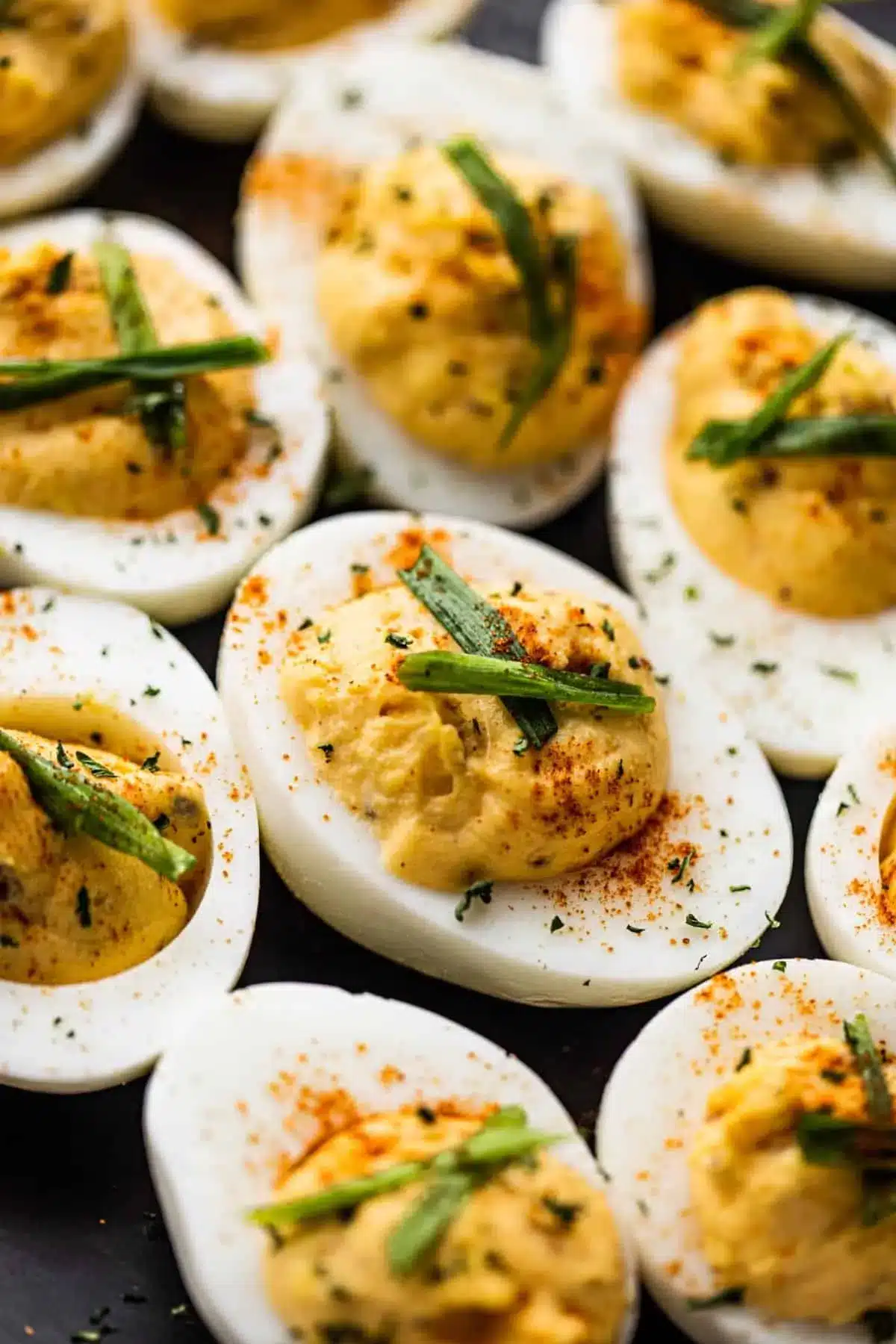
If you’re searching for that perfect, crowd-pleasing appetizer that requires minimal fuss but delivers maximum flavor, look no further than these classic Deviled Eggs. They are an absolute cornerstone for holiday gatherings, vibrant Easter brunches, casual potlucks, and practically any celebration that calls for a delightful bite.
Our straightforward deviled eggs recipe streamlines the process, combining perfectly hard-boiled eggs with creamy mayonnaise, a hint of tangy mustard, and a subtle splash of hot sauce for that essential zesty kick. Seasoned to perfection with salt and pepper, these delightful morsels are then crowned with a dusting of paprika and finely chopped chives, adding layers of flavor and visual appeal.
Why You Will Love This Recipe
- Effortless Assembly: With just a few simple ingredients and straightforward steps, you can whip up a batch of these delightful deviled eggs in no time, making them perfect for busy hosts.
- Classic Comfort: This recipe adheres to the beloved traditional flavors that have made deviled eggs a timeless favorite, offering a nostalgic taste that always satisfies.
- Customizable Flair: While classic is best, this recipe serves as a fantastic canvas for your creativity, allowing for endless variations in spices, garnishes, and even the filling itself.
- Make-Ahead Magic: Prepare them a day in advance for stress-free entertaining; these deviled eggs often taste even better when the flavors have had a chance to meld in the refrigerator.
- Visually Appealing: The bright yellow filling nestled within the pristine white egg halves, especially when artfully piped and garnished, makes for a stunning presentation on any appetizer table.
Ingredients You Need
Crafting exceptional deviled eggs starts with selecting high-quality ingredients that harmonize beautifully. The beauty of this recipe lies in its simplicity, allowing each component to shine and contribute to the overall deliciousness. Using fresh eggs and a good mayonnaise forms the foundation for a creamy, rich filling that is simply irresistible.
Classic Deviled Eggs

Discover the perfect Classic Deviled Eggs recipe, blending creamy mayonnaise, tangy Dijon mustard, and a hint of paprika. Ideal for any occasion, these easy-to-make deviled eggs are the ultimate appetizer or side dish for brunch, lunch, or dinner gatherings.
- 6 hard boiled eggs
- 3 tablespoons mayonnaise
- 1 teaspoon dijon mustard
- 3 dashes hot sauce, or to taste
- Smoked or sweet paprika, to taste, plus more for garnish
- Fresh chives, for garnish, optional
- 1Cut the cooled boiled eggs in half, lengthwise.
- 2Carefully take out the yolks and transfer the yolks to a mixing bowl; mash them with the back of a fork.
- 3To the mashed egg yolk mixture add in the mayonnaise, dijon mustard, hot sauce, salt, pepper, and paprika; mix and stir until thoroughly combined. Taste for salt and pepper and adjust accordingly.
- 4Pipe or spoon the egg yolk mixture into the empty egg white halves.
- 5Cover and refrigerate until ready to use.
- 6Garnish with a sprinkle of paprika and chives, and serve.
Keywords: deviled eggs, appetizer, side dish, party food, brunch, easy
- hard boiled eggs: for the base of our deviled eggs, ensure they are cooked perfectly.
- mayonnaise: the creamy binder that makes the filling rich and luxurious.
- dijon mustard: adds a subtle tang and depth of flavor to the yolk mixture.
- hot sauce: a secret ingredient for a gentle warmth that elevates the overall taste profile.
- salt: essential for enhancing all the flavors within the filling.
- black pepper: freshly ground pepper adds a pleasant, mild spice.
- paprika: used both in the filling and as a vibrant garnish for color and taste.
- fresh chives: optional but highly recommended for a fresh, oniony garnish.
You’ll find the precise quantities for each ingredient within the recipe card itself, guiding you to perfection with every batch.
Variations
While the classic deviled egg recipe is undeniably delightful, the possibilities for creative twists are vast and exciting. These variations allow you to cater to different dietary preferences and flavor profiles, ensuring there’s a deviled egg for everyone.
Vegan Deviled Eggs: For a plant-based alternative, start with firm tofu that has been pressed thoroughly to remove excess water. Mash the tofu with vegan mayonnaise, a touch of black salt (kala namak) for an eggy sulfurous note, nutritional yeast for cheesiness, Dijon mustard, and a dash of turmeric for color. Garnish with paprika and fresh herbs for a delicious vegan treat that mimics the original’s charm.
Low-Carb & Keto-Friendly Deviled Eggs: These are naturally low in carbohydrates, but you can enhance them with richer ingredients. Consider adding finely crumbled crispy bacon, a dollop of cream cheese to the yolk mixture for extra creaminess, or a sprinkle of finely chopped dill pickles for a briny crunch. Ensure you use full-fat mayonnaise and skip any high-carb additions like relish.
Spicy Sriracha Deviled Eggs: Kick up the heat by swapping out traditional hot sauce for sriracha, or even adding a pinch of cayenne pepper to the yolk mixture. You could also introduce a small amount of finely minced jalapeño or a swirl of sriracha aioli as a topping for an extra fiery experience. Adjust the heat level to your personal preference for a truly devilish delight.
How to Prepare deviled eggs recipe
Step 1: The Perfect Hard-Boiled Eggs
The foundation of any great deviled egg recipe begins with perfectly cooked hard-boiled eggs. This step is crucial for both the texture of the whites and the ease of peeling. You want your egg whites to be firm yet tender, and the yolks to be fully cooked and easy to mash for the filling.
To achieve this, start with eggs that are at room temperature, as this can help prevent cracking during the boiling process. Place your eggs gently into a saucepan and cover them with cold water by about an inch. Adding a teaspoon of vinegar to the water can also help coagulate any leaks if an egg does crack.
Bring the water to a rolling boil over medium-high heat. Once the water is boiling, immediately remove the saucepan from the heat, cover it tightly with a lid, and let the eggs sit in the hot water for 9 to 12 minutes. The exact time will depend on the size of your eggs and your desired yolk consistency; 9 minutes usually yields a firm but still slightly moist yolk, perfect for mashing.
Step 2: Cooling and Peeling for Ease
Once the eggs have finished their steeping time, it’s essential to cool them down rapidly. This is often referred to as shocking the eggs. Prepare a bowl filled with ice water and carefully transfer the cooked eggs from the hot water into the ice bath using a slotted spoon.
Let the eggs cool in the ice water for at least 10 to 15 minutes, or until they are completely cold to the touch. This rapid cooling process not only stops the cooking immediately but also causes the egg white to contract slightly, pulling away from the membrane that surrounds the yolk. This makes the peeling process significantly easier and more successful, minimizing the risk of tearing the delicate egg white.
To peel, gently tap each cooled egg on a hard surface to create small cracks all over its shell. Start peeling from the wider end of the egg, where the air pocket is usually located, as this often makes it easier to get under the membrane. Rinse the eggs under cool running water as you peel to help wash away any small shell fragments. You’ll want perfectly smooth, intact egg whites for your deviled creations.
Step 3: Extracting and Mashing the Yolks
With your perfectly peeled hard-boiled eggs ready, it’s time to prepare the star of the show: the creamy, flavorful yolk filling. Take a sharp knife, and with a steady hand, carefully slice each egg in half lengthwise. You’ll want to cut them cleanly through the center to create two uniform halves, forming a perfect boat for the filling.
Using a small spoon or even the tip of your paring knife, gently scoop out the cooked egg yolks from each white half. Place all the removed yolks into a medium-sized mixing bowl. Avoid breaking the egg white halves at this stage, as they will serve as the vessel for your delicious filling.
Now, take a fork and begin to mash the collected egg yolks. Mash them thoroughly until they achieve a fine, crumbly consistency with no large lumps. The goal here is to create a smooth base that will easily incorporate the other ingredients for a perfectly blended filling.
Step 4: Crafting the Creamy Filling
This is where the magic happens, transforming simple mashed yolks into an irresistible deviled egg filling. To the bowl of mashed egg yolks, add the mayonnaise. The amount of mayonnaise can be adjusted based on your desired creaminess; start with the recommended amount and add more if you prefer a richer, looser consistency.
Next, incorporate the Dijon mustard. This adds a crucial layer of tangy complexity that cuts through the richness of the mayonnaise and yolks. Follow this with your dashes of hot sauce. The hot sauce provides a subtle, warming kick that is characteristic of deviled eggs and balances the other flavors beautifully; adjust the quantity to your heat preference.
Season the mixture with salt and freshly ground black pepper. The paprika is added at this stage to give the filling a lovely color and an initial hint of its flavor. Stir everything together vigorously with the fork or a whisk until the mixture is completely smooth and uniformly blended. Taste the filling and adjust the seasonings as needed, adding more salt, pepper, or hot sauce to achieve your perfect flavor balance.
Step 5: Filling the Egg White Halves
Now it’s time to transfer the luscious yolk filling back into the waiting egg white halves. For a classic, rustic presentation, you can simply use a small spoon to carefully dollop the filling into each egg white cavity. Aim to mound the filling slightly, creating a pleasant, inviting peak.
For a more elegant and professional look, consider using a piping bag. Fit the piping bag with a star tip or a plain round tip, fill it with the deviled egg mixture, and pipe the filling neatly into each egg white. This method not only looks impressive but also ensures an even distribution of filling in every bite.
Take your time to ensure each egg white half is generously filled. The aim is to create a visually appealing and delicious appetizer that is as beautiful to look at as it is to eat. Each bite should be a perfect harmony of the creamy filling and the tender egg white.
Step 6: Garnishing and Chilling
The final touch to elevate your deviled eggs from simple to spectacular is the garnish. A classic and essential garnish is a sprinkle of paprika. Use either sweet or smoked paprika, depending on your preference, dusting it lightly over the piped or spooned filling. This adds a vibrant splash of color and a subtle hint of smoky or sweet flavor.
If you’re using fresh chives, finely chop them and sprinkle them over the paprika. The bright green of the chives adds another layer of visual appeal and a fresh, oniony counterpoint to the rich filling. Other excellent garnishes include a tiny bit of finely chopped fresh parsley, a small piece of pimiento, or even a minuscule caper for a briny accent.
Before serving, it’s highly recommended to cover the deviled eggs loosely with plastic wrap and refrigerate them for at least 30 minutes. This chilling period allows the flavors to meld together beautifully and gives the filling a chance to firm up slightly, making them easier to handle and enhancing their overall taste and texture.
Pro Tips for deviled eggs recipe
Master the Boil: For the easiest peeling, use eggs that are a few days old rather than very fresh ones. Starting with cold water and bringing it to a boil, then immediately removing from heat and letting it steam, is a foolproof method. Shocking the eggs in an ice bath afterward is non-negotiable for easy peeling and vibrant yolks.
Achieve the Smoothest Filling: After mashing the yolks, for an ultra-smooth filling, you can pass them through a fine-mesh sieve before mixing with the other ingredients. This ensures a silken texture that is a delight to eat and pipe.
Flavor Infusion: Don’t be shy with the seasonings. Taste your yolk mixture before filling and adjust salt, pepper, and hot sauce to your liking. A tiny splash of pickle juice or a bit of Dijon mustard can add a wonderful complexity.
Perfect Piping: If using a piping bag, ensure the yolk mixture is well-blended and not too stiff. A star tip creates beautiful ruffles, while a round tip offers a classic, neat appearance. For a quick piping solution without a bag, use a sturdy Ziploc bag with a corner snipped off.
Elevate with Garnishes: Beyond paprika and chives, consider adding finely chopped fresh dill, a tiny speck of caviar for a luxurious touch, or even a small piece of crispy bacon. The garnish is your chance to add a final flourish of flavor and visual appeal.
Serving Suggestions for deviled eggs recipe
Decoration
The final presentation of your deviled eggs can be as simple or as elaborate as you desire. A classic dusting of paprika provides a warm, inviting color and a subtle flavor enhancement that is both traditional and elegant. Freshly chopped chives or parsley offer a vibrant burst of green, adding visual contrast and a fresh herbaceous note.
For a touch of sophistication, consider a tiny sprinkle of smoked paprika for a deeper, more complex flavor profile. A small piece of pimiento pepper or a single caper placed delicately in the center of the filling can add an interesting visual element and a complementary taste. You can also use a small amount of mayonnaise or cream cheese to create decorative swirls or rosettes on top of the filling before garnishing.
Experiment with different piping tips for varied textures and appearances; a star tip creates beautiful ruffles, while a round tip yields a smooth, classic look. Some even like to add a very thin slice of a pickled olive or a tiny cube of crispy ham for a savory topping. The key is to make them visually appealing, inviting guests to enjoy these delightful bites.
Side Dishes
Deviled eggs are incredibly versatile and pair wonderfully with a wide array of dishes, making them a perfect addition to any meal or buffet. They complement traditional picnic and BBQ fare exceptionally well. Think along the lines of juicy baked lemon chicken, hearty potato salad, or a crisp, refreshing coleslaw.
For a brunch setting, they are a natural fit alongside other breakfast favorites. Consider serving them with fluffy pancakes, savory breakfast sausages, or a vibrant fruit salad. They also work beautifully as part of a larger appetizer spread, alongside other delightful bites like mini quiches or spring rolls.
If you’re planning a more substantial meal, deviled eggs can be a delicious starter to a seafood dish or a roast. They offer a creamy, savory element that balances out richer main courses and lightens up heavier dishes. Their presence always adds a touch of classic comfort to the table.
Creative Serving Ideas
Beyond the standard platter, think about incorporating deviled eggs into more unique serving concepts. Arrange them artfully on a tiered stand for a visually impressive display, perfect for parties or afternoon tea. They also make a charming addition to a breakfast or brunch charcuterie board, nestled amongst cheeses, fruits, and other small bites.
Consider serving them in individual portions for a more controlled and elegant presentation, perhaps in small cups or on individual appetizer spoons. For a playful twist, try incorporating different flavor profiles into separate batches; a spicy batch, a herby batch, and a smoky batch can offer guests a delightful tasting experience.
Deviled eggs can also be a fun element in a “build-your-own” deviled egg bar, where guests can customize their toppings from a selection of herbs, spices, crumbled bacon, and even tiny pickled onions. This interactive approach adds an element of fun and personalization to any gathering. For a dessert-like presentation, you could even try a sweeter variation with a touch of honey or a fruit-based garnish, though the savory classic is always a winner.
Preparation & Storage
Storing Leftovers
Properly storing leftover deviled eggs is key to maintaining their freshness and deliciousness. It’s important to refrigerate them within two hours of serving to prevent bacterial growth. Cover the deviled eggs loosely with plastic wrap, ensuring it doesn’t crush the filling, or transfer them to an airtight container.
In an airtight container, they should remain fresh and enjoyable in the refrigerator for approximately 3 to 4 days. The mayonnaise-based filling helps preserve them, but the texture of the egg white can begin to soften over time. For optimal taste and texture, it’s best to consume them earlier in this window.
If you find yourself with leftover filling separate from the whites, that can be stored in its own airtight container in the refrigerator for a similar duration. This makes it easy to replenish the whites or use the filling in other creative ways. Always check for any signs of spoilage before consuming, such as off-putting odors or slime.
Freezing
Unfortunately, deviled eggs, particularly the egg white portion, do not freeze well. The texture of the cooked egg white becomes watery and unappealing once thawed, significantly compromising the delightful structure of the deviled egg. Therefore, it is not recommended to freeze whole deviled eggs.
However, the deviled egg filling itself can be frozen successfully. If you have made extra filling and wish to save it for a later date, store it in an airtight container or a freezer-safe bag. The filling can be kept in the freezer for up to 3 weeks, retaining its flavor and texture when properly stored.
When you’re ready to use the frozen filling, thaw it overnight in the refrigerator. You may need to stir it vigorously to recombine the ingredients, as some separation can occur. Once thawed and mixed, you can use it to fill fresh hard-boiled egg whites or as a base for other dishes.
Reheating
Deviled eggs are best served chilled or at room temperature, and therefore, reheating is generally not recommended. The delicate nature of the egg white and the mayonnaise-based filling means that reheating can alter their texture negatively, making them mushy and unappetizing. They are designed to be enjoyed cold.
If your deviled eggs have been refrigerated and are simply too cold, allow them to sit at room temperature for about 15-20 minutes before serving. This will bring them to an ideal temperature where the flavors are most prominent and the texture is at its best. Avoid any form of direct heating, such as microwaving or oven reheating, as this will likely ruin the dish.
The primary goal is to preserve the cool, creamy, and slightly tangy character that makes deviled eggs so refreshing and enjoyable as an appetizer or side dish. Enjoying them at the correct temperature ensures you experience the intended delightful flavor and texture profile.
Frequently Asked Questions
- Can I make deviled eggs ahead of time, and if so, how long do they last?
Absolutely, making deviled eggs ahead of time is a fantastic strategy for stress-free entertaining. You can boil the eggs and prepare the yolk filling separately a day or two in advance. Store the cooled, halved egg whites in an airtight container in the refrigerator, and keep the yolk filling in a separate sealed container. When you’re ready to assemble, simply fill the egg white halves and garnish. For the best texture and flavor, it’s recommended to assemble them no more than 24 hours before serving. They will typically keep well in the refrigerator for up to 3 days after assembly, although the egg white texture might slightly soften over time.
- What is the best way to get perfectly cooked and easy-to-peel hard-boiled eggs for deviled eggs?
Achieving perfectly cooked and easy-to-peel hard-boiled eggs is crucial. Start with eggs that are a few days old, as they peel more easily than very fresh ones. Place the eggs in a single layer in a saucepan and cover them with cold water by about an inch. Bring the water to a rolling boil over medium-high heat, then immediately remove the pan from the heat, cover it tightly, and let the eggs steep for 9-12 minutes (depending on size). After steeping, immediately transfer the eggs to an ice bath to stop the cooking process and allow them to cool completely for at least 10-15 minutes. This rapid cooling causes the egg white to contract, making peeling much simpler.
- Are there any common mistakes to avoid when making deviled eggs, and how can I fix them?
One common mistake is overcooking the eggs, which can result in rubbery whites and a greenish ring around the yolk. Ensure you follow the steeping times carefully and cool them properly. Another mistake is making the filling too dry or too wet; if it’s too dry, gradually add a bit more mayonnaise or a splash of pickle juice. If it’s too wet, you can try mashing a bit more of a reserved yolk or adding a pinch more mustard or a small amount of cream cheese to thicken it. Avoid cracking the egg whites while scooping out the yolks; use a steady hand and a small spoon or knife. If you do accidentally tear an egg white, don’t worry too much, especially if you plan to pipe the filling, as it can help disguise minor imperfections.