Bok Choy Recipe
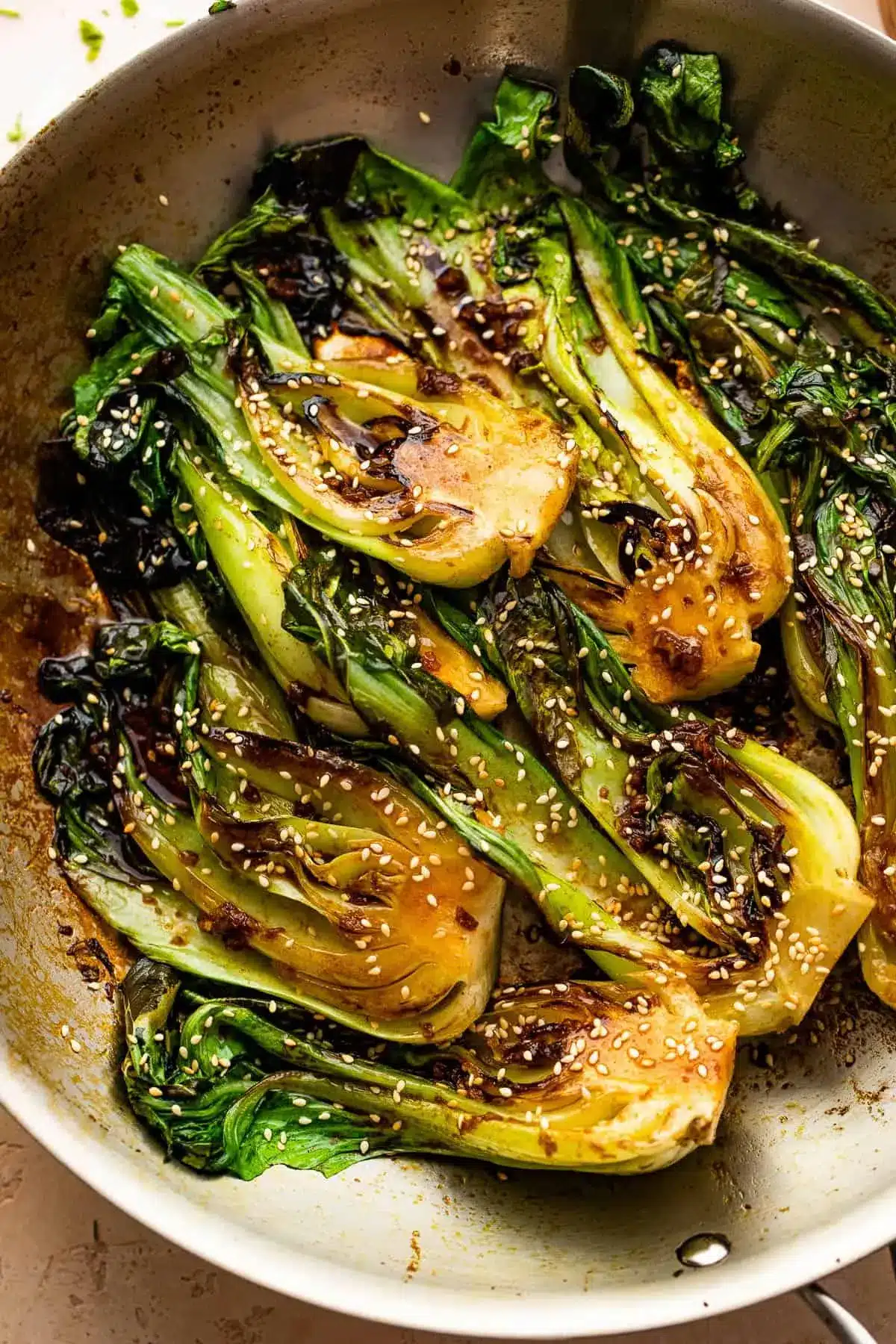
This vibrant and flavorful baby bok choy recipe is a delightful addition to any meal, bringing a burst of fresh, Asian-inspired taste to your table. Its simple preparation belies the sophisticated flavor profile, making it perfect for both weeknight dinners and special occasions.
We’re diving into a dish that is not only incredibly delicious but also remarkably easy to prepare, proving that healthy eating can be both exciting and satisfying. Get ready to transform humble bok choy into a culinary star with minimal effort and maximum reward.
Why You Will Love This Recipe
- Quick Preparation: This dish comes together in a flash, making it an ideal option for those busy evenings when you need a healthy and tasty side in a hurry.
- Fresh and Healthy: Packed with nutrients and vibrant flavors, this recipe is a guilt-free way to enjoy a delicious vegetable that complements a variety of main courses.
- Savory Garlic Dressing: The star of the show is the warm, aromatic dressing that perfectly coats the crisp-tender bok choy, creating a delightful balance of savory, spicy, and tangy notes.
- Versatile Pairing: This bok choy dish is incredibly versatile and pairs beautifully with a wide range of proteins, from grilled chicken and fish to hearty beef and tofu, making it a go-to side for any cuisine.
- Simple Ingredients: You likely have most of the ingredients for this recipe in your pantry already, making it an accessible and convenient choice for any home cook.
Ingredients You Need
The beauty of this baby bok choy recipe lies in its simplicity and the quality of its ingredients. Opting for fresh, vibrant produce will elevate the final dish, ensuring a delightful texture and robust flavor. Each component plays a crucial role in creating the perfect balance of tastes and aromas.
Baby Bok Choy with Warm Garlic Dressing
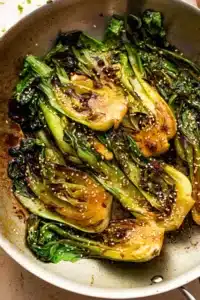
A delicious side dish of crisp-tender sautéed baby bok choy tossed with a savory Asian-style sauce made with garlic, soy sauce, sesame oil, and sriracha.
- For the Bok Choy:3 tablespoons vegetable oil4 pieces (about 1.5 pounds total) baby bok choy, halved longwise
- For the Garlic Soy Dressing:1 tablespoon vegetable oil3 cloves garlic, minced4 tablespoons low sodium soy sauce1 to 2 tablespoons sriracha sauce1 tablespoon rice vinegar1 tablespoon lime juice1 tablespoon sesame oil1 tablespoon toasted sesame seeds, for garnish
- 1Heat 3 tablespoons vegetable oil in a large skillet set over medium-high heat.
- 2To the hot oil add the halved bok choy pieces to the skillet, cut side down; cook for 2 minutes.
- 3Turn over the bok choy and cook for a minute. Add more oil, if needed.
- 4Cover and continue to cook for about 3 to 4 minutes, or until crisp-tender. Turn the bok choy couple times while cooking.
- 5When done, remove bok choy from the skillet and set aside.
- 6Return skillet to the heat and add a tablespoon of vegetable oil.
- 7Stir in the minced garlic and cook for 20 seconds, or until fragrant.
- 8To the skillet, add soy sauce, sriracha, rice vinegar, lime juice, and sesame oil; whisk until well combined.
- 9Cook for 1 minute, or just until the sauce starts to thicken. Remove from heat.
- 10Drizzle or brush the sauce over the bok choy. Garnish with sesame seeds. Serve.
Keywords: bok choy, baby bok choy, asian, side dish, vegetarian, garlic, soy sauce, sriracha
- cooking oil: choose a neutral oil like vegetable, avocado, or coconut oil for sautéing.
- baby bok choy: select fresh, firm heads with bright green leaves and crisp white stems.
- garlic: minced fresh garlic provides the most potent and aromatic flavor base for the dressing.
- soy sauce: low sodium soy sauce is recommended to control the saltiness, but tamari or coconut aminos work as well.
- sriracha: adjust this spicy chili sauce to your preferred level of heat, adding a pleasant kick.
- rice vinegar: this adds a subtle tang that balances the other flavors in the dressing.
- lime juice: fresh lime juice offers a bright, zesty note that complements the Asian profile.
- sesame oil: a touch of toasted sesame oil imparts a wonderful nutty aroma and deep flavor.
- sesame seeds: these are used for a delightful garnish, adding a subtle crunch and visual appeal.
The exact quantities for these ingredients can be found in the recipe card below, ensuring precise and delicious results every time.
Variations
For those seeking a vegan twist on this already fantastic dish, simply ensure your soy sauce is plant-based (like tamari or coconut aminos) and that all other ingredients are vegan-friendly. The natural flavors of the bok choy shine through beautifully with this straightforward preparation.
If you’re following a low-carb lifestyle, this recipe is already a fantastic fit. The carbohydrate content is minimal, focusing on the healthy greens and a flavorful, sugar-free dressing. You can further enhance its low-carb appeal by adding other non-starchy vegetables like sliced bell peppers or snap peas to the stir-fry.
To introduce a different flavor dimension, consider adding a touch of sweetness by substituting the sriracha with a mild sweet chili sauce. This will create a more nuanced flavor profile, balancing the heat with a gentle sweetness that appeals to a broader palate.
How to Prepare baby bok choy recipe
Step 1: Prepare the Baby Bok Choy
The first crucial step in creating this delicious baby bok choy recipe is the proper preparation of the vegetable itself. Begin by thoroughly rinsing each head of baby bok choy under cool running water. This is essential to remove any lingering dirt or grit that might be trapped between the leaves and stems, ensuring a clean eating experience.
Once rinsed, carefully trim the very base of each bok choy head. You want to remove just enough to get rid of any tough, woody parts, but be careful not to cut too deeply, which could cause the leaves to separate. The goal is to keep the head intact as much as possible, as this helps it hold together during the cooking process and presents beautifully.
Finally, slice each prepared bok choy head in half lengthwise, from stem to leafy top. For very large baby bok choy, you might even consider quartering them to ensure more even cooking. This simple cut exposes more surface area to the heat and the dressing, allowing for optimal flavor infusion.
Step 2: Sear the Bok Choy
Now it’s time to introduce the bok choy to the heat and begin developing its wonderful texture and flavor. Heat a large skillet over medium-high heat, adding your chosen cooking oil. A good amount of oil is important here to ensure even searing and to prevent sticking.
Carefully place the halved bok choy pieces into the hot skillet, ensuring they are cut-side down. Allow them to sear undisturbed for approximately two minutes. This initial searing process is key to developing a slightly caramelized, delicious crust on the stems and leaves, adding depth of flavor.
After two minutes, gently turn the bok choy pieces over to sear the other side. Cook for about one minute on this second side. This brief searing on both sides begins the cooking process and imparts a lovely char that enhances the overall taste of the dish. You’ll notice the stems starting to soften slightly.
Step 3: Steam to Crisp-Tender Perfection
To achieve that perfect crisp-tender texture, we’ll employ a steaming technique right in the same skillet. Once the bok choy has been seared on both sides, it’s time to cover the skillet. This traps the steam generated from the residual moisture in the bok choy and any remaining oil.
Let the bok choy steam, covered, for about three to four minutes. During this time, the leaves will wilt beautifully, and the stems will become tender while retaining a pleasant, slight crunch. Turning the bok choy once or twice during this steaming period ensures even cooking throughout.
The goal is to reach a point where the bok choy is cooked through but still has a bit of resistance when bitten – that signature crisp-tender quality. Overcooking will result in a mushy texture, so keep an eye on it. Once it reaches this ideal state, remove the bok choy from the skillet and set it aside on a serving platter.
Step 4: Prepare the Garlic Soy Dressing
While the bok choy is resting, it’s time to whip up the incredibly flavorful garlic soy dressing that will elevate this simple vegetable. Return the same skillet, with any remaining oil and flavorful browned bits from the bok choy, to medium heat. If needed, add a fresh tablespoon of vegetable oil to the pan.
Add the minced fresh garlic to the hot oil and stir it continuously for about 20 seconds. Be very careful not to burn the garlic, as burnt garlic can turn bitter and ruin the dressing. You just want to cook it until it becomes fragrant, releasing its aromatic oils into the pan.
Now, add the soy sauce, sriracha, rice vinegar, lime juice, and sesame oil to the skillet. Whisk all these ingredients together vigorously to combine them thoroughly. Allow this mixture to simmer for approximately one minute, just until it begins to thicken slightly, creating a luscious sauce.
Step 5: Finish and Garnish
With the bok choy ready and the dressing perfectly thickened, it’s time to bring everything together for the final flourish. Carefully remove the skillet with the dressing from the heat. The dressing should have a glossy sheen and a wonderfully aromatic scent.
Generously drizzle or brush the warm garlic soy dressing all over the seared and steamed baby bok choy pieces. Ensure each piece is coated evenly with this delicious sauce, allowing the flavors to meld beautifully. You can use a spoon to baste the bok choy, or even use a pastry brush for precise application.
For the final touch, sprinkle the toasted sesame seeds over the dressed bok choy. These not only add a subtle nutty flavor but also provide a delightful textural contrast and an appealing visual finish. Serve immediately while warm to best enjoy its crispness and vibrant flavors.
Pro Tips for baby bok choy recipe
Thorough Rinsing is Key: Always give your baby bok choy a good wash. Dirt can hide in the crevices, and nobody wants a gritty bite. A gentle swirl in a basin of water before rinsing under the tap usually does the trick.
Mise en Place for Speed: Bok choy cooks very quickly, so have all your ingredients measured, chopped, and ready to go before you even turn on the stove. This “everything in its place” approach prevents any part of the dish from overcooking while you scramble for the next ingredient.
Don’t Overcrowd the Pan: When searing or stir-frying, cook the bok choy in batches if necessary. Overcrowding the pan will lower the temperature and cause the bok choy to steam instead of sear, preventing that desirable slightly charred flavor and texture.
Adjust the Heat Level: The sriracha amount is a guideline. Taste the dressing before adding it to the bok choy and adjust the heat to your personal preference. If you’re sensitive to spice, start with a smaller amount or even omit it and rely on the other aromatics.
Consider Larger Bok Choy: If you can’t find baby bok choy, full-sized bok choy is a perfectly acceptable substitute. You’ll just need to trim off any particularly tough stem ends and then cut the larger stalks into more manageable segments, roughly 3 inches long, to ensure even cooking.
Serving Suggestions for baby bok choy recipe
Decoration
Garnish generously with toasted sesame seeds for a visual and textural flourish. A few thinly sliced scallion greens or a sprinkle of red pepper flakes can also add pops of color and extra flavor dimensions.
Side Dishes
This versatile bok choy recipe pairs beautifully with a variety of main courses. Consider serving it alongside baked lemon chicken, grilled salmon, or even a hearty vegetarian stir-fry. It also makes an excellent accompaniment to easy lobster bisque for a light yet satisfying meal.
Creative Serving Ideas
For a more elaborate presentation, arrange the dressed bok choy artfully on a platter. You could also mix in other quickly sautéed vegetables like snap peas or thinly sliced carrots to create a more complex vegetable medley. Drizzle any extra dressing over the top for an extra burst of flavor.
Preparation & Storage
Storing Leftovers
Leftover baby bok choy should be stored in an airtight container in the refrigerator. It’s best to let the dish cool completely before sealing the container to prevent condensation buildup. Properly stored, it should remain fresh and flavorful for up to 3 days.
Freezing
This particular recipe is not ideal for freezing. The crisp-tender texture of the bok choy is best enjoyed fresh, and freezing can result in a softer, mushier texture upon thawing. For best results, prepare and consume this dish the same day it’s made.
Reheating
To reheat leftovers, place the bok choy and any remaining sauce in a covered skillet over low heat. Gently cook until just heated through, stirring occasionally. Avoid high heat or prolonged cooking, which can overcook the delicate vegetable.
Frequently Asked Questions
-
What is the best way to wash baby bok choy to ensure it’s clean?
To thoroughly wash baby bok choy, start by separating the leaves slightly if they are tightly packed. Then, place the heads in a large bowl filled with cool water and gently swish them around to loosen any dirt or grit. You may need to repeat this process, changing the water each time, until the water runs clear. Finally, rinse each head under cool running water, paying attention to the base of the stems where dirt can accumulate.
-
Can I use regular bok choy instead of baby bok choy for this recipe?
Yes, absolutely! If you can’t find baby bok choy, regular bok choy is a perfectly good substitute. However, you’ll need to adjust the preparation slightly. Trim away any tough outer leaves and cut the larger stalks into more manageable pieces, typically about 2-3 inches long, to ensure they cook evenly and to your desired tenderness. The cooking time may also need to be slightly adjusted depending on the size of the pieces.
-
How can I make this baby bok choy recipe spicier or milder?
To increase the spiciness, you can add more sriracha sauce to the dressing, or introduce other chili elements like a pinch of red pepper flakes or a dash of your favorite hot sauce. For a milder version, simply reduce the amount of sriracha or omit it entirely. If you omit the sriracha, consider adding a touch of sweetness with a teaspoon of honey or a drizzle of sweet chili sauce to maintain a balanced flavor profile.