Easy Tres Leches Cake Recipe – Authentic Mexican Dessert!
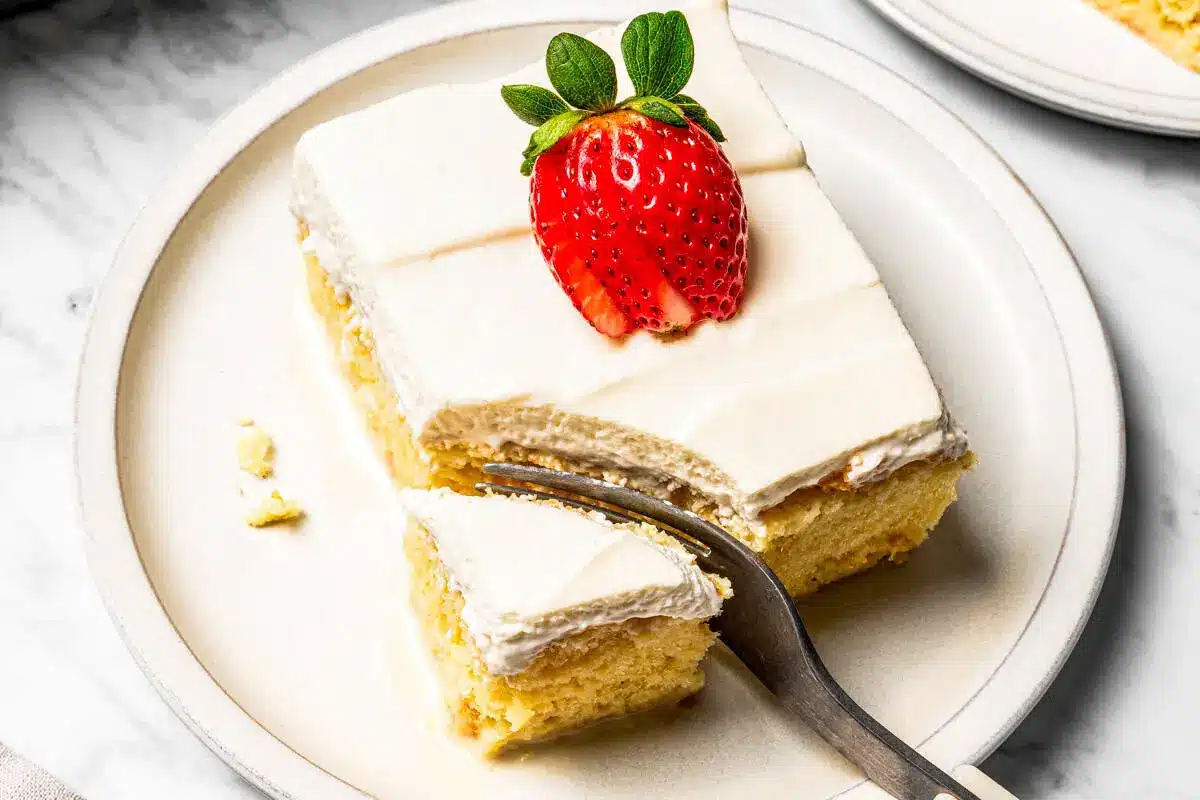
This authentic tres leches cake recipe delivers a heavenly dessert experience. Imagine a light, airy sponge cake, lovingly drenched in a trio of sweet milks and crowned with a cloud of homemade whipped cream. It’s a cherished tradition in Mexican cuisine and surprisingly simple to bring to life in your own kitchen.
When the craving for something sweet strikes, this homemade tres leches cake is my absolute go-to, closely followed by a delightful slice of churro cheesecake. My family, particularly my daughter Ana, is utterly devoted to this dessert, and it’s become the star whenever we’re enjoying tacos or other flavorful Mexican dishes. Its classic appeal, unparalleled deliciousness, and make-ahead convenience are precisely why it remains a staple on our dessert rotation. I often pair it with a dollop of homemade ice cream or refreshing mango sorbet, or serve it alongside a comforting cup of Mexican coffee, a favorite that consistently brings smiles to everyone’s faces.
Why You Will Love This Recipe
- Authentic Flavor: Experience the true taste of a beloved Latin dessert, carefully crafted to be perfectly balanced and not overly sweet.
- Incredibly Moist: The porous sponge cake acts like a delicious sponge, absorbing the sweet milk mixture to create an intensely moist and decadent crumb.
- Easy to Make Ahead: This cake benefits from chilling time, making it an ideal dessert for parties and gatherings, as it can be prepared a day in advance.
- Customizable Topping: While homemade whipped cream is divine, you can adapt the topping to your preference, from store-bought options to flavored creams.
- Crowd-Pleaser: Its unique texture and delightful sweetness make it a universally loved dessert that’s sure to impress any guest.
Ingredients You Need
Crafting a truly exceptional tres leches cake begins with selecting high-quality ingredients, each playing a vital role in the final symphony of flavors and textures. From the staples of your pantry to the dairy that forms its signature soak, every component contributes to the cake’s signature moistness and delicate crumb. Ensuring your ingredients are fresh and at their best will elevate this classic dessert from good to absolutely unforgettable. The magic truly lies in the simplicity and purity of the components used.
Tres Leches Cake
This authentic tres leches cake recipe is a light, spongy cake soaked in a sweet milk mixture and topped with fluffy homemade whipped cream. It's a favorite Mexican dessert, and so easy to make!
- For the cake:
- 1 cup all purpose flour
- 1½ teaspoons baking powder
- ¼ teaspoon salt
- 1 cup granulated sugar
- 4 eggs
- ⅓ cup milk
- 1½ teaspoons pure vanilla extract
- butter, for greasing the baking dish
- For the milk sauce:
- 14 ounce can condensed milk
- 12 ounce can evaporated milk
- 3 tablespoons milk
- For the topping:
- 1½ cups heavy cream
- 3 tablespoons powdered sugar
- 1 teaspoon pure vanilla extract
- 1Make the sponge cake: Prepare to bake. Preheat the oven to 350°F. Mix the dry ingredients. In a medium bowl, whisk the flour, baking powder, and salt. Set aside. Beat the eggs. In a separate bowl, using an electric mixer, beat the sugar with the eggs until fluffy and pale, about 2 to 3 minutes. Combine. Whisk the milk and vanilla into the egg mixture until smooth. Using a spatula, gently fold in the flour mixture just until the batter is smooth and lump-free. Bake the cake. Grease your 9x13-inch baking dish with some butter. Pour in the prepared cake batter and tap gently onto the kitchen counter to remove air bubbles. Bake the cake for 30-35 minutes, or until a toothpick inserted into the center comes out clean.
- 2Prepare the milk mixture: Combine the milks. Meanwhile, whisk together the condensed milk, evaporated milk, and plain milk in a bowl until combined.
- 3Drizzle the cake. Remove the cake from the oven and allow it to cool down completely. Then, use a fork to poke holes in the cake. Pour the milk mixture all over the cake, especially saturating the edges, as they are the firmest. Refrigerate the cake for at least 2 to 3 hours, but overnight is best.
- 4Add the topping: Whip the cream. Add heavy cream, powdered sugar, and vanilla extract to a large bowl. Whip with a handheld mixer until stiff peaks form.
- 5Finish and serve. Top the tres leches cake with the whipped cream. Cut the cake into squares and serve.
Keywords: tres leches, cake, dessert, mexican, sponge cake, milk cake
- all purpose flour: a foundational element providing structure to the cake’s light base.
- baking powder: crucial for achieving that signature airy and tender texture in the sponge cake.
- salt: a small but mighty ingredient that balances the sweetness and enhances overall flavor complexity.
- granulated sugar: sweetens the cake batter and contributes to its delicate texture when creamed with eggs.
- eggs: the binders and leavening agents that give the cake its rise and essential structure, without the need for butter or oil.
- milk: a key component in the cake batter, adding a subtle richness and moisture.
- pure vanilla extract: infuses the cake with its warm, aromatic essence, a quintessential dessert flavor.
- butter: used sparingly to grease the baking dish, ensuring the cake releases cleanly.
- condensed milk: the first of the three milks, providing a rich, caramelized sweetness to the soaking liquid.
- evaporated milk: the second milk, offering a creamy depth and a slightly different dairy note to the sweet milk mixture.
- milk: the third milk, used to thin the soaking liquid slightly and ensure perfect saturation without being overly cloying.
- heavy cream: the base for the luscious whipped topping, offering a luxurious, velvety finish.
- powdered sugar: sweetens the whipped cream and helps it achieve a stable, fluffy consistency.
- pure vanilla extract: enhances the flavor of the whipped cream, making it even more irresistible.
The precise quantities for these essential ingredients are beautifully detailed within the accompanying recipe card, ensuring you have all the guidance needed for a perfect bake.
Variations
While the classic tres leches cake is undeniably perfect, the beauty of this recipe lies in its adaptability. You can easily transform this delightful dessert into something entirely new with just a few creative twists, catering to various dietary needs or flavor preferences. Experimenting with these variations can open up a whole new world of delicious possibilities for this beloved cake.
For those seeking a dessert that aligns with a low-carbohydrate lifestyle, transforming this tres leches cake is surprisingly achievable. The sponge cake base can be reimagined using almond flour or coconut flour, significantly reducing the carbohydrate count while maintaining a wonderfully tender crumb. The soaking liquid can also be adapted by using a sugar-free condensed milk alternative or a blend of unsweetened almond milk and a touch of liquid stevia or erythritol to mimic the sweetness without the sugar. This approach allows you to enjoy the signature moistness and creamy topping of tres leches cake while adhering to your dietary goals, proving that indulgence doesn’t have to be off-limits.
A vegan rendition of tres leches cake is another exciting avenue to explore, requiring a few thoughtful substitutions to achieve the same decadent result. The eggs in the cake batter can be replaced with a flax egg or a commercial egg replacer, and dairy milk can be swapped for a rich, unsweetened plant-based milk like soy or oat milk. For the soaking liquid, use a combination of full-fat coconut milk (from a can, for creaminess), unsweetened almond milk, and a touch of vegan condensed milk or a homemade syrup using a plant-based sweetener. The whipped cream topping can be effortlessly created using chilled full-fat coconut cream, whipped with powdered sugar and vanilla extract, offering a dairy-free yet equally luxurious finish to this classic dessert.
Adding a burst of fruit flavor can elevate your tres leches cake to a whole new level of deliciousness, creating a refreshing and vibrant dessert. Consider infusing the soaking milk mixture with a pureed fruit, such as ripe mango or passionfruit, for a tropical twist that complements the creamy sweetness beautifully. Alternatively, you could create a fruit compote or a vibrant berry coulis to swirl into the whipped cream topping, adding delightful pockets of tartness and color. This simple addition transforms the cake into a more complex flavor profile, perfect for summer gatherings or anyone looking for a slightly lighter yet equally satisfying dessert experience.
How to Prepare tres leches cake recipe
Step 1: Prepare the Cake Batter
The journey to an exquisite tres leches cake begins with meticulously preparing its delicate sponge. Begin by preheating your oven to 350°F (175°C), ensuring a consistent and ideal temperature for baking. In a medium-sized bowl, take the time to whisk together the all-purpose flour, baking powder, and salt until they are thoroughly combined and free of any clumps. This initial dry ingredient mixture is foundational for the cake’s light structure.
In a separate, larger bowl, the magic truly starts to happen as you beat the granulated sugar with the four eggs. Employing an electric mixer is highly recommended here; you’ll want to beat them together until the mixture becomes wonderfully fluffy and transforms into a pale, creamy hue. This creaming process, which should take about 2 to 3 minutes, is absolutely critical for incorporating air and creating the cake’s signature airy texture. Don’t rush this step; the aeration achieved here is key to the cake’s lightness.
Next, gently incorporate the wet ingredients into the beaten egg and sugar mixture. Whisk in the ⅓ cup of milk and the 1½ teaspoons of pure vanilla extract until the batter is smooth and homogenous. The aroma of vanilla will start to perfume the air, hinting at the deliciousness to come. It’s important to ensure this liquid mixture is well combined before proceeding to the next stage, as it forms the base for binding the dry ingredients.
Now comes the delicate art of combining the wet and dry ingredients. Using a spatula, or a very gentle hand with your mixer on low speed, gradually fold the flour mixture into the wet ingredients. Continue to mix just until the batter is smooth and any signs of flour have completely disappeared. Overmixing at this stage can develop the gluten in the flour, resulting in a tougher cake, so aim for just combined and lump-free. This careful folding technique ensures that you retain all the precious air incorporated earlier, keeping the cake wonderfully light and tender.
Step 2: Bake the Cake
With your cake batter perfectly prepared, it’s time to transfer it to its baking vessel and get it into the oven. Generously grease a 9×13-inch baking dish with a bit of butter; this ensures that your beautiful cake will release cleanly after baking, preserving its shape. Pour the prepared cake batter evenly into the greased dish. To further ensure an even bake and to eliminate any large air pockets that might have formed during mixing, gently tap the baking dish on your kitchen counter a few times. This simple action helps to settle the batter and encourages a more uniform rise.
Now, carefully place the baking dish into your preheated oven. The cake will need approximately 30 to 35 minutes to bake. During this time, the batter will puff up, turn a lovely golden brown, and develop its signature tender crumb. The key indicator that your cake is perfectly baked is the toothpick test: insert a toothpick into the center of the cake. If it comes out clean, with no wet batter clinging to it, your cake is ready to be admired.
As the cake bakes, keep an eye on its browning. While a golden-brown top is desirable, some ovens can be a bit intense. If you notice the top of the cake is browning too quickly before the center is fully cooked, don’t worry! You can easily remedy this by loosely covering the cake with a piece of aluminum foil. This allows the cake to continue cooking through without the top becoming overly dark or burnt, ensuring an evenly baked dessert. Once baked, remove the cake from the oven and allow it to cool down completely before proceeding to the next magical step. Patience here is rewarded with a cake that will perfectly absorb the milk mixture.
Step 3: Prepare the Milk Mixture
While your beautifully baked sponge cake is cooling, it’s the perfect time to prepare the heart and soul of the tres leches – the luscious three-milk soaking mixture. This is where the cake gets its name and its incredibly moist, melt-in-your-mouth texture. The simplicity of this step belies the profound impact it has on the final dessert’s character and appeal.
In a medium-sized bowl, bring together the sweetened condensed milk, the evaporated milk, and the plain milk. Use a whisk to combine these three dairy components thoroughly. You’re looking for a smooth, homogenous liquid that is ready to imbue the cake with its signature richness and sweetness. The condensed milk provides a deep, caramelized sweetness, the evaporated milk adds a creamy, slightly thicker texture, and the plain milk helps to slightly dilute the mixture, ensuring it saturates the cake perfectly without being overwhelmingly rich.
Take a moment to taste this mixture if you wish, but be aware it will be quite sweet on its own. Its true magic is revealed when it melds with the neutral sponge cake. Ensure that all the milks are well incorporated, creating a unified liquid that will transform the cake. This step is straightforward but essential for achieving that iconic tres leches texture and flavor that people adore. The quality of your milks will subtly influence the final taste, so using good-quality dairy is always a plus.
Once your cake has cooled completely, it’s time to prepare it to receive this delightful milk bath. Using a fork or a skewer, carefully poke holes all over the entire surface of the cake. Be thorough but gentle; you want to create enough openings for the milk mixture to seep in, but avoid creating so many that the cake’s structure is compromised. Aim for consistent spacing across the cake, ensuring that every bite will be equally moist and flavorful. The edges of the cake tend to be firmer, so pay extra attention to saturating those areas when you pour the milk mixture.
Now, it’s time for the grand soaking. Slowly and evenly pour the prepared three-milk mixture all over the surface of the poked cake. Ensure that the liquid covers the entire cake, paying special attention to the edges and corners. You’ll see the cake begin to absorb the liquid almost immediately, a testament to its porous nature. This is the moment the transformation truly begins, as the dry sponge cake starts its delicious journey to becoming the legendary tres leches.
Step 4: Soak the Cake
The soaking phase is where the true magic of tres leches cake unfolds, transforming a simple sponge into an incredibly moist and decadent dessert. After you’ve poured the glorious three-milk mixture over the perfectly poked cake, allow it to work its wonder. The cake will gradually absorb the liquid, softening and becoming incredibly tender with each passing moment. This process is essential for achieving the characteristic melt-in-your-mouth texture that defines this beloved dessert.
Once the milk mixture has been fully poured and absorbed, cover the baking dish tightly. This is a critical step to ensure that the cake retains all its moisture and allows the flavors to meld beautifully. You can use plastic wrap, ensuring a good seal, or a lid if your baking dish has one. The cake then needs to chill in the refrigerator. While you can technically serve it after a few hours, the longer it sits, the more decadent it becomes. Aim for a minimum of 2 to 3 hours of chilling time.
For the absolute best results, and the deepest infusion of flavor and moisture, it is highly recommended to let the tres leches cake soak overnight in the refrigerator. This extended period allows the milk mixture to penetrate every corner of the cake, creating an unparalleled level of moistness and allowing the flavors to fully develop. Waking up to a perfectly chilled and saturated tres leches cake is a delightful prospect, and the flavor difference is truly remarkable. This makes it an ideal dessert to prepare the day before a special occasion, reducing stress on the day of serving.
As the cake chills, the grains of sugar in the milk mixture will dissolve further, and the starches in the cake will soften considerably. This slow and steady process is what creates that signature “three milks” effect, where the cake is almost pudding-like in its tenderness and moisture content. The flavors become cohesive, with the sweet, creamy milk permeating every fiber of the sponge. This patient approach is what distinguishes a good tres leches cake from an extraordinary one, turning simple ingredients into a dessert masterpiece.
Step 5: Prepare the Whipped Cream Topping
The crowning glory of any tres leches cake is its cloud-like whipped cream topping, and making it from scratch adds an extra layer of homemade perfection. This step requires fresh, cold ingredients to achieve the best volume and texture. It’s a simple process that yields incredibly satisfying results, far superior to most store-bought alternatives and perfectly complementing the rich, milky cake.
Gather your ingredients for the topping: 1½ cups of heavy cream, 3 tablespoons of powdered sugar, and 1 teaspoon of pure vanilla extract. Ensure your heavy cream is very cold; this is crucial for it to whip up properly. Place the cold heavy cream into a large, chilled bowl. Using a handheld electric mixer or a stand mixer with a whisk attachment, begin whipping the cream on medium speed.
As the cream begins to thicken and soft peaks start to form, gradually add the powdered sugar and the vanilla extract. Continue to whip the cream. As the sugar dissolves and the vanilla infuses, increase the mixer speed to medium-high. You are aiming for stiff peaks, which means that when you lift the whisk, the cream will stand straight up without curling over. Be careful not to over-whip, as this can turn the cream into butter. The texture should be smooth, airy, and hold its shape beautifully.
Once your whipped cream has reached stiff peaks, it’s ready to adorn your chilled tres leches cake. This homemade topping provides a light, slightly sweet contrast to the intensely moist and milky cake underneath. Its delicate texture and subtle vanilla notes are the perfect counterpoint to the richness of the three milks, creating a balanced and utterly delightful dessert experience. It’s this final touch that truly elevates the cake to its legendary status.
Step 6: Finish and Serve
With the cake perfectly chilled and the luscious whipped cream ready, it’s time to bring everything together and present your masterpiece. Carefully spread the whipped cream evenly over the top of the chilled tres leches cake. Use an offset spatula or the back of a spoon to create a smooth, even layer that covers the entire surface. You can make it as neat or as rustic as you like; a beautiful, slightly swirled finish is always appealing.
For an optional touch of traditional charm, you can sprinkle a light dusting of ground cinnamon over the whipped cream. This adds a subtle warmth and aromatic complexity that beautifully complements the sweet, milky flavors of the cake. Many cultures also enjoy adding a few maraschino cherries or some finely grated chocolate for an extra pop of color and visual appeal.
Once the cake is beautifully topped, use a sharp knife to cut it into individual servings. The knife should glide through the moist cake and creamy topping with ease. Serve each slice immediately. The cake is best enjoyed cold, as the chill further enhances the textures and allows the flavors to meld perfectly. The combination of the tender, milk-soaked cake and the light, airy whipped cream creates an irresistible dessert experience that will have your guests asking for seconds.
Pro Tips for tres leches cake recipe
Don’t Over-Bake: Keep a close watch on your cake as it bakes. The golden-brown color is a good indicator, but the toothpick test is the most reliable. Over-baking can lead to a drier cake, which is harder to properly soak and enjoy. A slightly underbaked cake that’s still moist will absorb the milk mixture beautifully.
Patience with Soaking: The ‘tres leches’ or ‘three milks’ part is crucial. Ensure you allow ample time for the milk mixture to soak into the cake. Overnight chilling is genuinely the gold standard for maximum moisture and flavor infusion. This extended soak time allows the cake to become incredibly tender and the flavors to meld into a harmonious whole.
Egg Quality Matters: For the best rise and texture in your sponge, use fresh eggs. The process of beating eggs with sugar until pale and fluffy is a foundational step that incorporates vital air. Don’t skimp on this aeration phase; it’s what gives the cake its lightness and ability to absorb the milky soak.
Cool Completely Before Soaking: It might seem tempting to pour the milk mixture over a warm cake, but resist the urge! Allowing the cake to cool completely ensures that it won’t fall apart when you poke holes and pour the liquid. A fully cooled cake is more stable and will absorb the milk more evenly and effectively.
Adjust Sweetness to Taste: While the recipe provides standard measurements, taste preferences vary. If you find the milk mixture or whipped cream a bit too sweet or not sweet enough, feel free to adjust the sugar content slightly. Remember that the cake itself isn’t heavily sweetened, so the milk soak and topping do the bulk of the sweetening.
Serving Suggestions for tres leches cake recipe
Decoration
Elevate your tres leches cake with simple yet elegant decorative touches. A light dusting of ground cinnamon provides a warm, aromatic counterpoint to the sweetness and adds a beautiful rustic finish. For a burst of color and a touch of freshness, consider garnishing the whipped cream topping with fresh berries like strawberries, raspberries, or blueberries. Finely grated chocolate or toasted coconut flakes also offer delightful textural contrast and visual appeal, turning your cake into a stunning centerpiece.
Side Dishes
Tres leches cake is a rich dessert that often stands beautifully on its own. However, if you’re serving it as part of a larger meal, especially a Mexican feast, consider pairing it with beverages that complement its sweetness. A traditional drink like horchata, with its creamy rice and cinnamon notes, is a classic accompaniment. A strong, aromatic Mexican coffee or a simple glass of cold milk also works wonderfully, providing a refreshing contrast to the cake’s richness.
Creative Serving Ideas
Move beyond the traditional slice by serving tres leches cake in individual ramekins or glasses for an elegant presentation. Layer the soaked cake pieces with whipped cream and perhaps some fresh fruit in each serving vessel. For a fun twist, consider making mini tres leches cakes in muffin tins or even incorporating them into trifle layers with additional fruits and a creamy custard. These innovative presentations can make your dessert even more memorable and exciting for your guests.
Preparation & Storage
Storing Leftovers
Leftover tres leches cake should always be stored in the refrigerator, as it contains dairy and needs to remain chilled. Cover the baking dish tightly with plastic wrap or transfer the cake to an airtight container. This helps to prevent it from drying out and absorbing other odors from the refrigerator. Properly stored, leftover tres leches cake can maintain its delicious texture and flavor for up to 3 days.
Freezing
Freezing tres leches cake is a great option for making it even further in advance. However, it’s best to freeze the cake *before* adding the whipped cream topping. This prevents the cream from becoming watery or developing an icy texture upon thawing. Tightly wrap the unfrosted, soaked cake in multiple layers of plastic wrap, followed by a layer of aluminum foil. This double layer of protection will prevent freezer burn and keep the cake fresh for up to 2 months.
Reheating
Tres leches cake is best served chilled, so reheating is generally not required or recommended. If you have frozen the cake, the best way to “reheat” it is to thaw it gradually in the refrigerator overnight. Once fully thawed and chilled, you can then add your freshly made whipped cream topping. This gradual thawing process helps to preserve the cake’s delicate texture and moisture.
Frequently Asked Questions
-
Can I make tres leches cake without using all three types of milk?
While the name “tres leches” specifically refers to three milks and is integral to the authentic flavor profile, you can make adjustments if you’re missing an ingredient. If you don’t have evaporated milk, you can often substitute it with an equal amount of heavy cream or half-and-half, although the flavor will be slightly richer. Similarly, if condensed milk is unavailable, you could try a sugar-free condensed milk alternative or carefully sweeten evaporated milk with a sugar substitute. However, for the true essence of tres leches cake, using all three milks—condensed, evaporated, and regular milk—is highly recommended for the most authentic and balanced taste and texture.
-
Why is my tres leches cake dry and not soaking up the milk?
Several factors can contribute to a tres leches cake not soaking up the milk mixture properly. First, ensure your cake wasn’t over-baked; an over-baked cake will be drier and less porous. Second, the holes you poke into the cake are crucial; make sure they are sufficiently numerous and deep enough for the milk to penetrate. If the holes are too small or sparse, the liquid will pool on top. Lastly, ensure the milk mixture itself is adequately prepared and not too thick; it should be a pourable liquid. Allowing the cake to chill for the recommended time, ideally overnight, is also vital for complete absorption.
-
What is the best way to prevent the whipped cream topping from becoming watery?
To ensure your whipped cream topping stays fluffy and doesn’t become watery, it’s essential to start with very cold heavy cream and a chilled bowl and whisk. Don’t over-whip the cream; stop as soon as stiff peaks form, as over-whipping can break down the fat structure. Incorporating the powdered sugar and vanilla gradually also helps. If you anticipate the cake needing to sit out for a while, or if your kitchen is warm, consider adding a stabilizer like a tablespoon of cornstarch or a bit of gelatin to your whipped cream mixture. Storing the cake properly chilled until serving also helps maintain the topping’s integrity.